




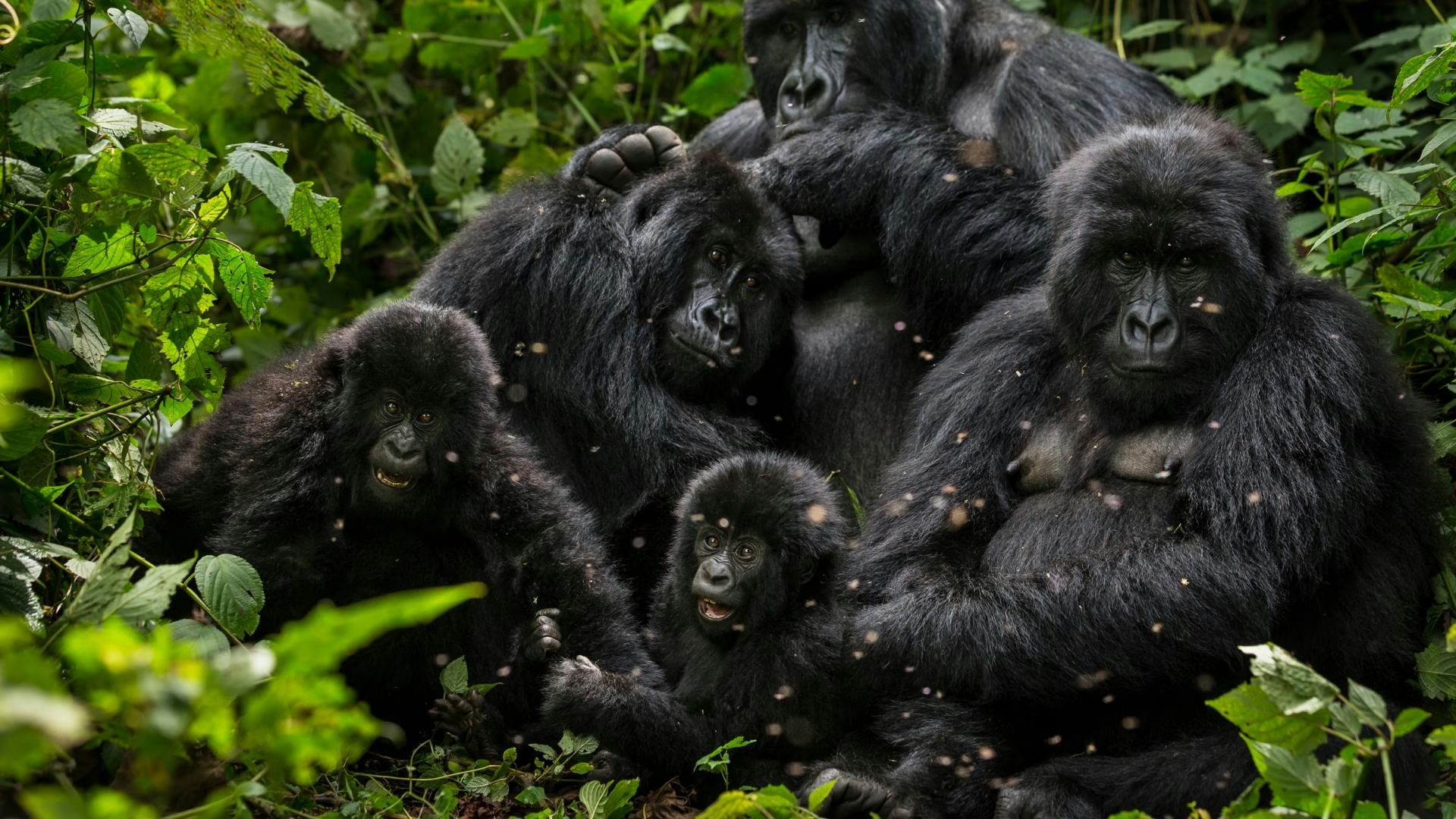
The goal of every safari in Uganda is gorilla trekking. Seeing them in Bwindi or Mgahinga is one of those experiences that stays with you forever. But Uganda has much more to offer.
Savannahs with elephants, buffalo, lions and giraffes; the Nile forcing its way through waterfalls; tropical forests where chimpanzees live; channels full of hippos; crater lakes; birds in impossible colours and remote parks where you can still feel the thrill of arriving somewhere barely explored.
This guide is designed to help you plan a complete safari through Uganda: which parks to choose, which animals to see, how many days to spend, how much it might cost and how to do the gorilla trekking.
Why choose a safari in Uganda if you're looking for something different
Uganda doesn't try to be Kenya or Tanzania. And that's a big part of its charm.
Here the safari isn't limited to vast plains and herds on the horizon. The country combines savannah, jungle, mountains, lakes, wetlands and rivers. In just a few days you can go from watching elephants beside the Nile to walking through a humid forest in search of chimpanzees, cruising among hippos or crossing volcanic landscapes on the way to the crater lakes.
That contrast is what makes a safari trip to Uganda special. You may not always find the wildlife density of other, more famous African destinations, but you will find a variety of landscapes that's hard to match. Uganda works very well for travellers who have already done a first safari in Africa and want something less obvious, but also for anyone looking for a first trip that's complete, varied and well paced.
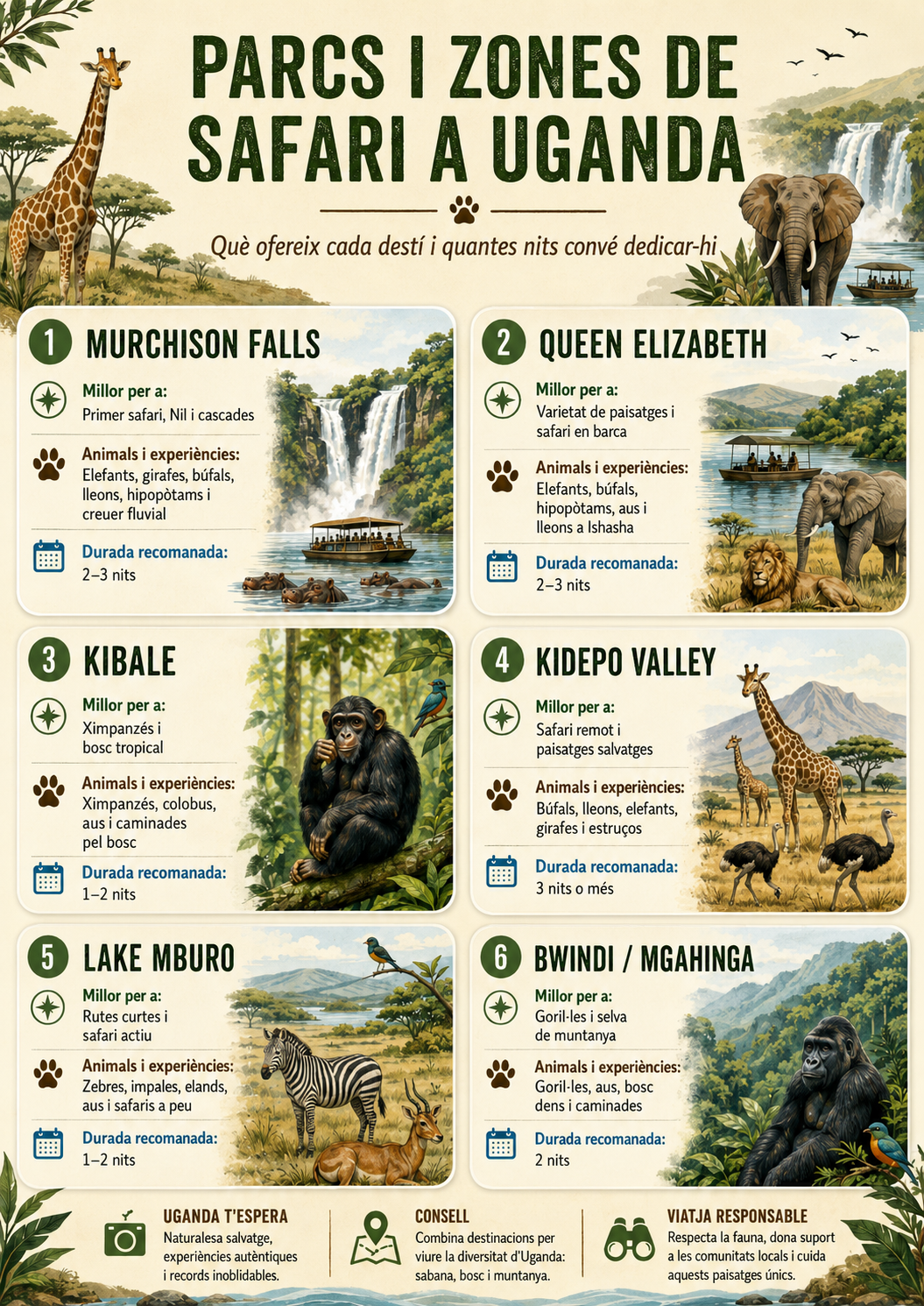
What's more, most safaris in Uganda are planned as a route. You don't go to a single park and come back. The usual approach is to link several areas: Murchison Falls, Kibale, Queen Elizabeth, Bwindi, Lake Mburo or Kidepo.
Put simply: if all you want is to see lots of animals in little time, there are more direct destinations. If you want a safari with jungle, water, primates, birds, savannah and a sense of adventure, Uganda is your best option.
Which animals you can see on a safari through Uganda
Savannah wildlife: elephants, buffalo, lions and giraffes
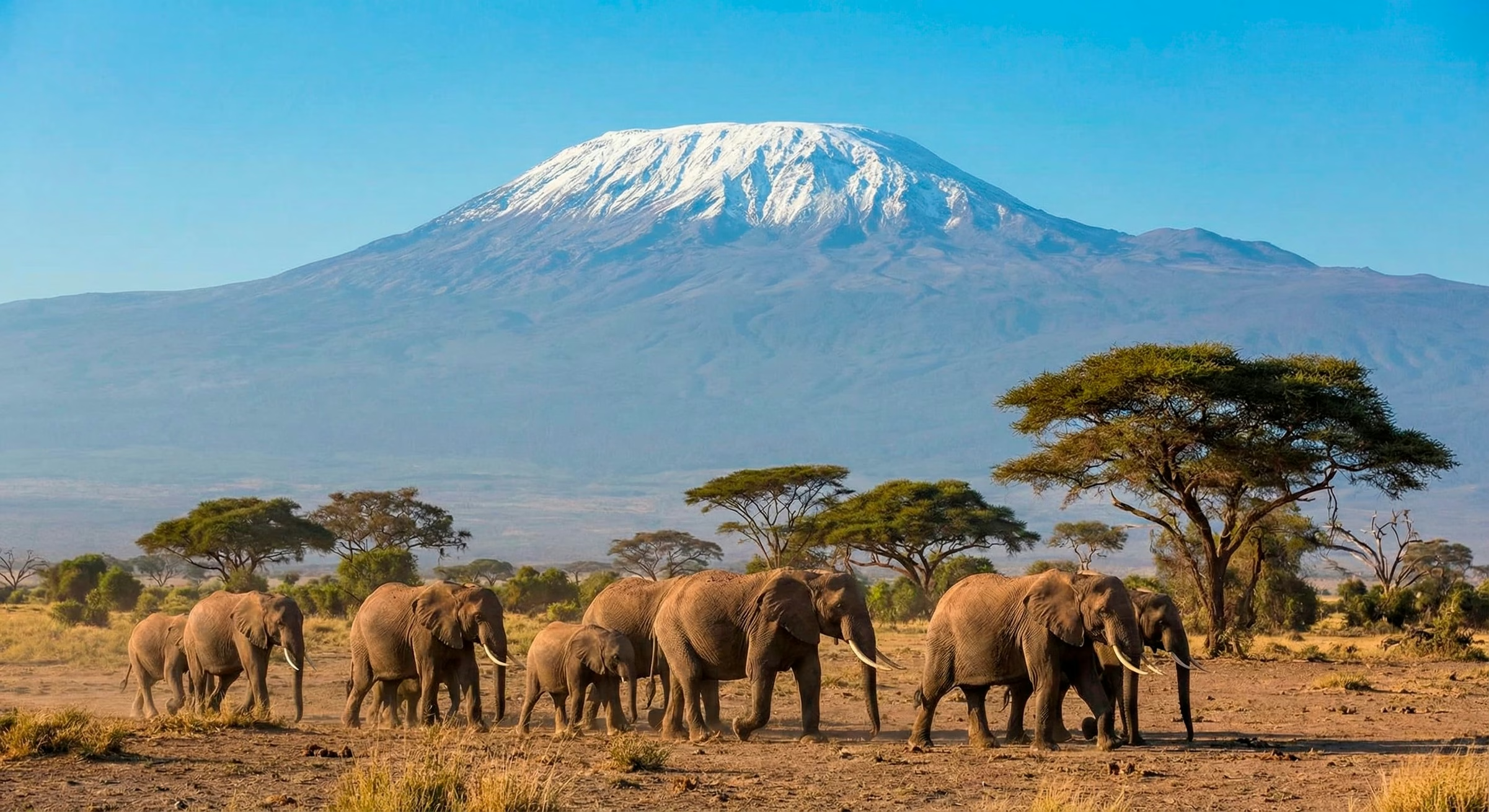
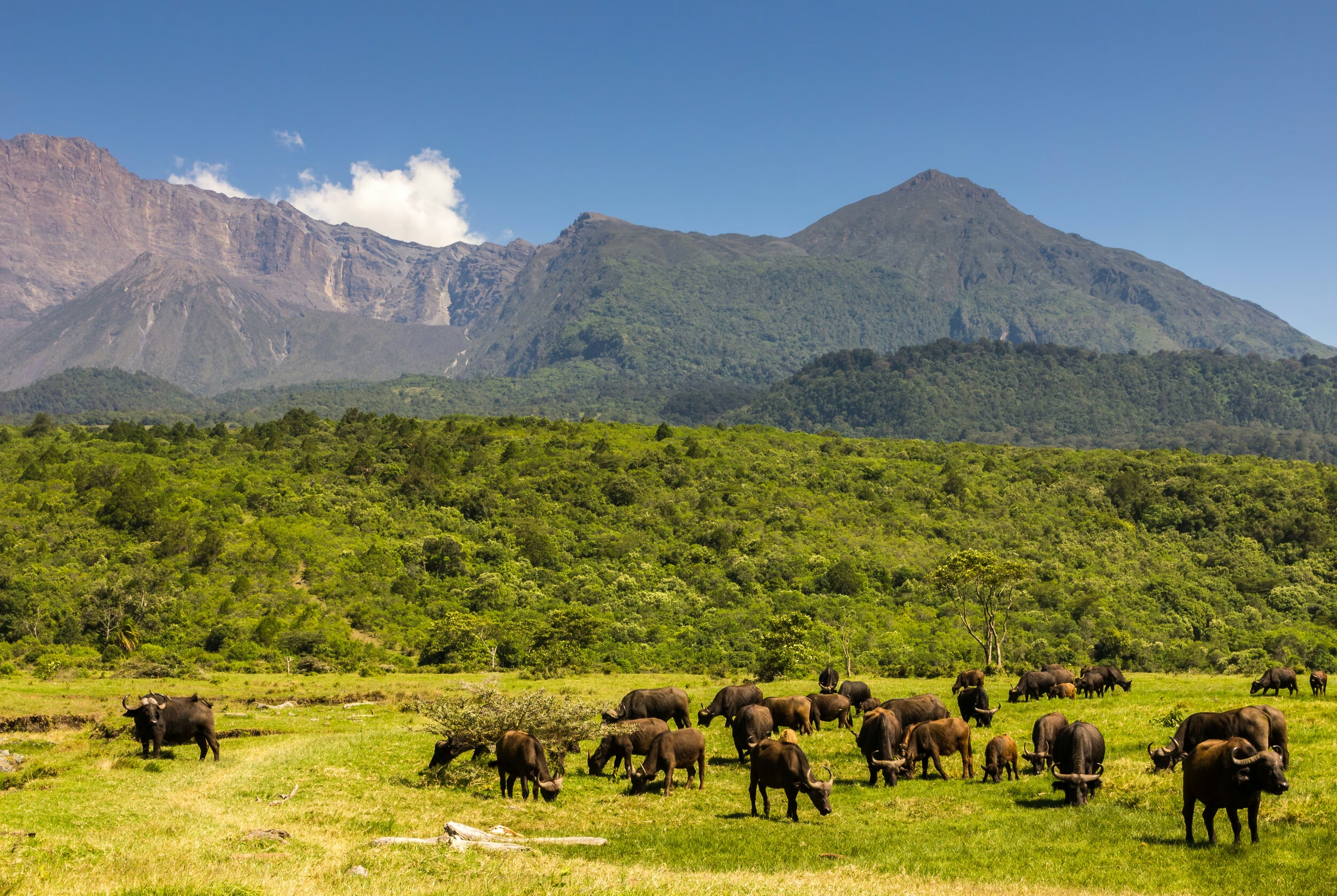
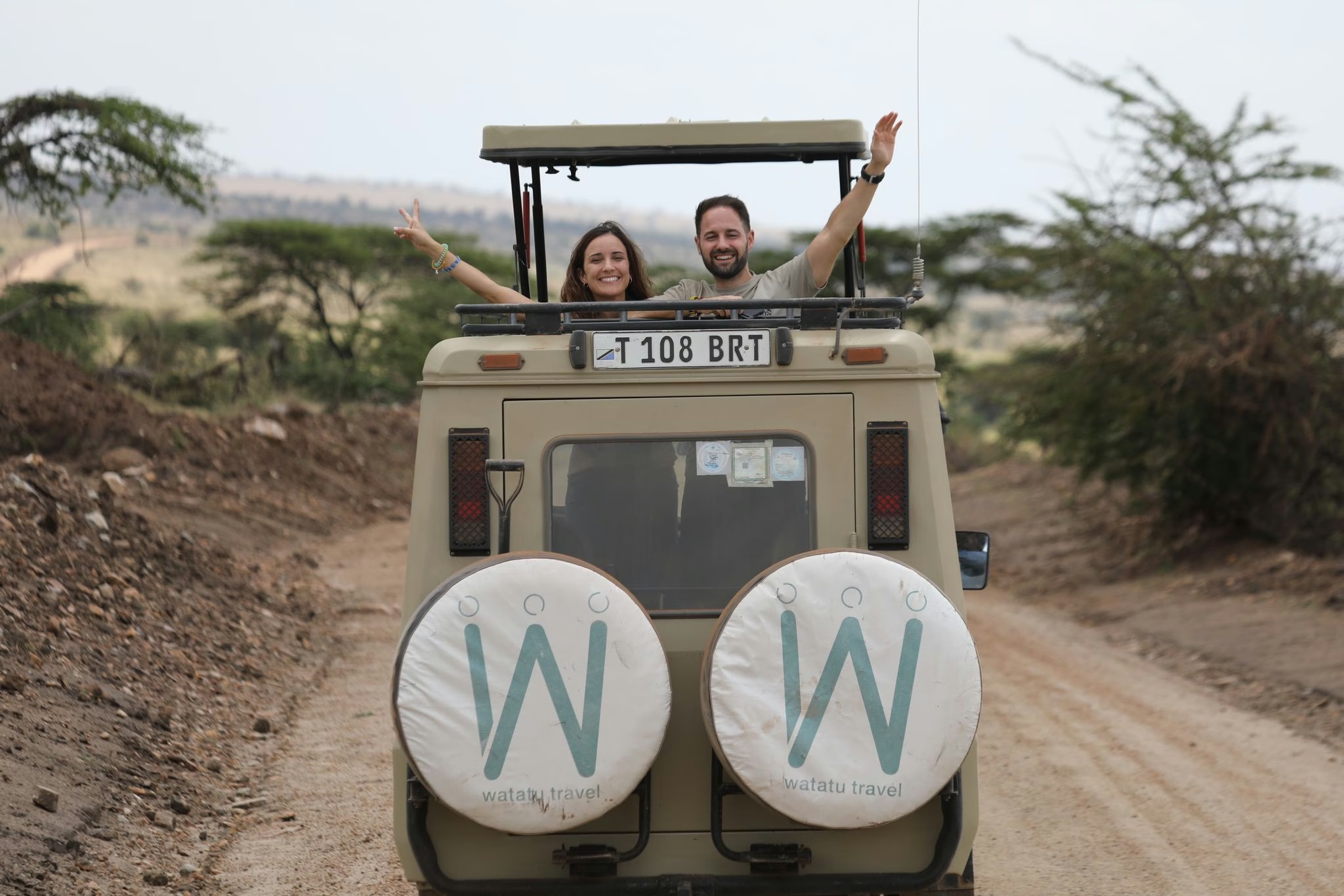
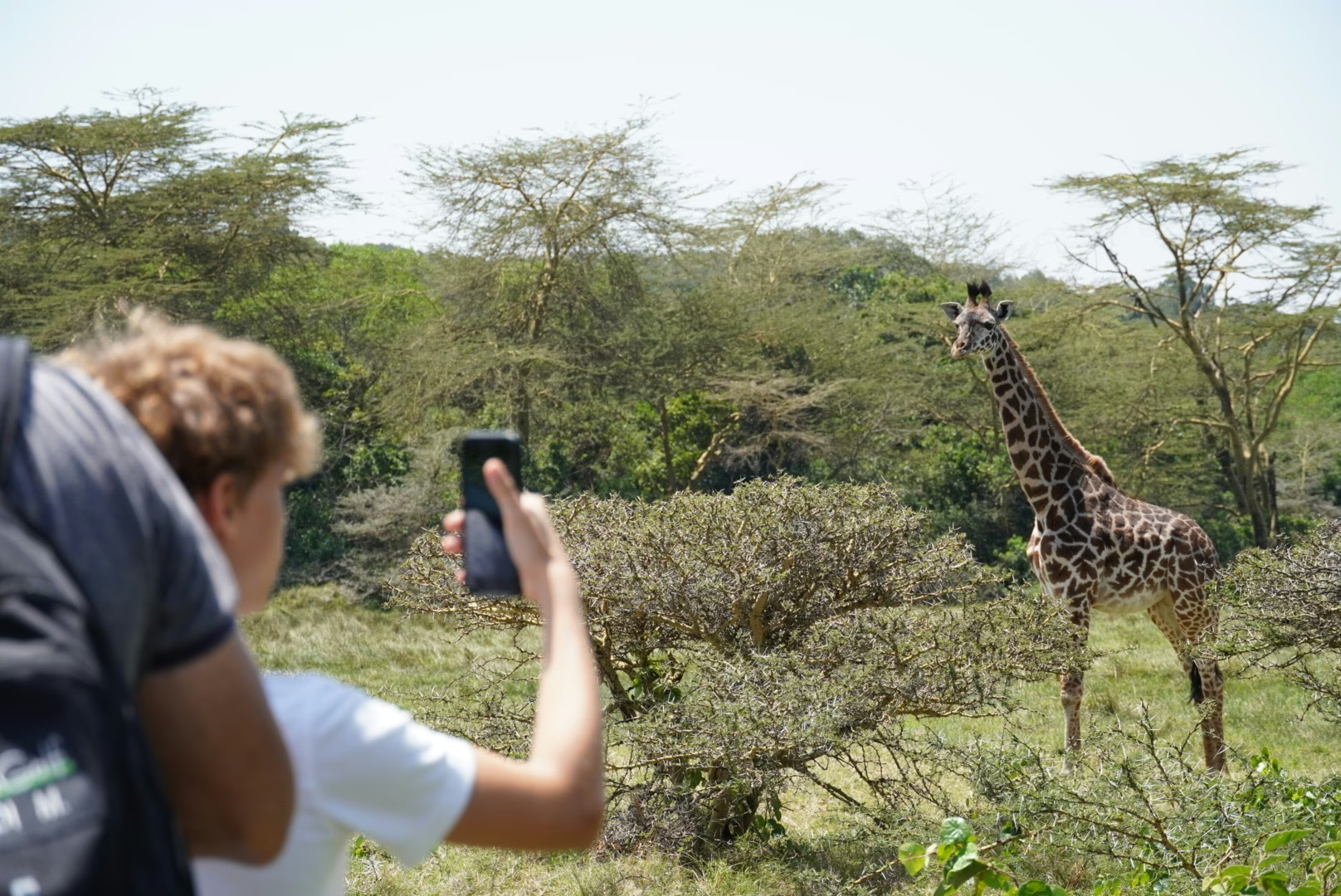
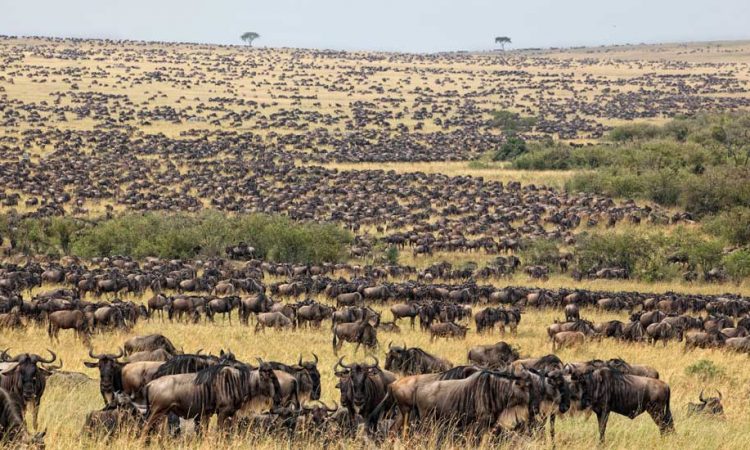
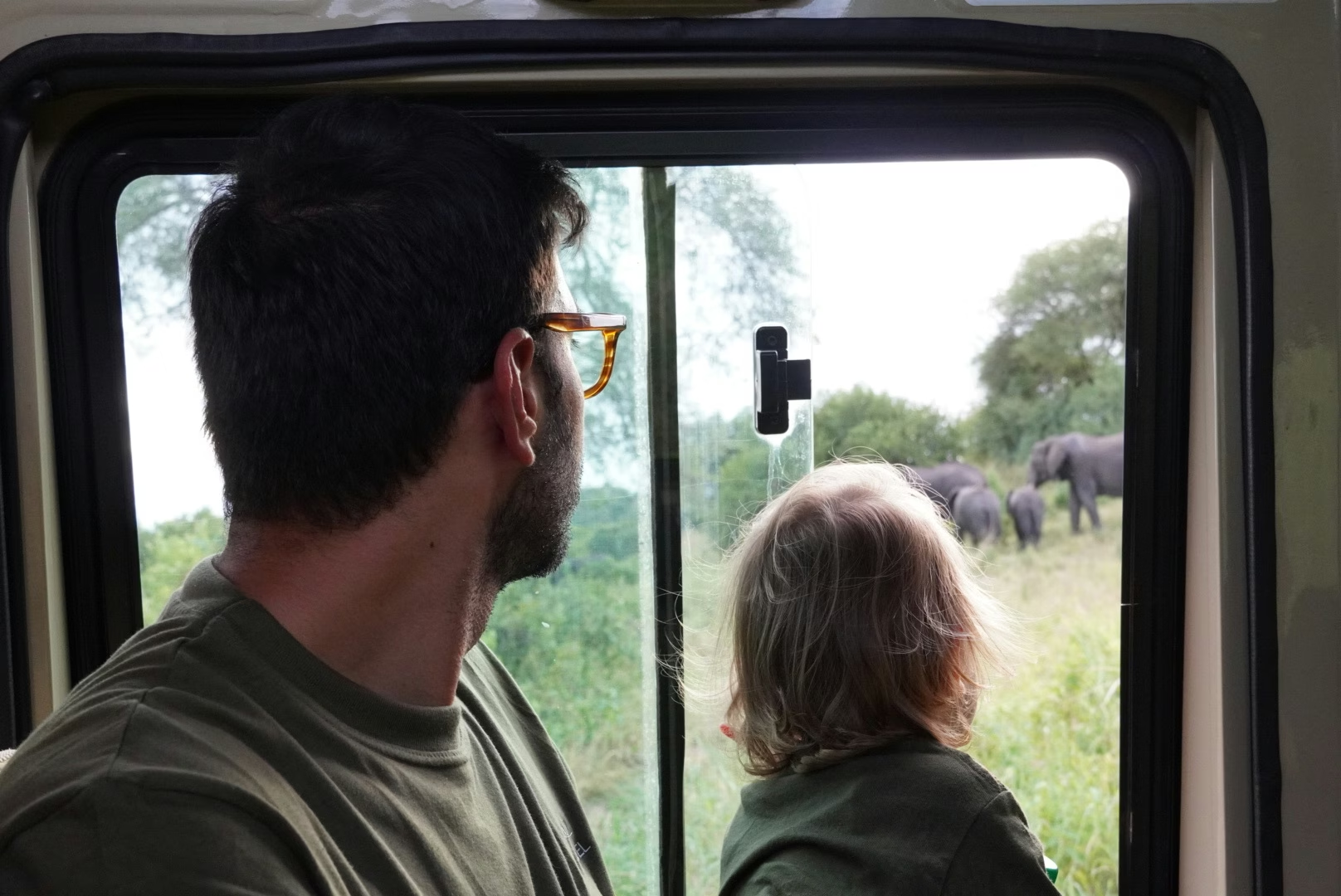
The savannah parks are the most classic heart of safaris in Uganda. In Murchison Falls, Queen Elizabeth, Kidepo Valley and Lake Mburo you'll find much of that African image we all carry in our heads: elephants crossing dirt tracks, buffalo in herds, antelopes, giraffes, zebras and predators.
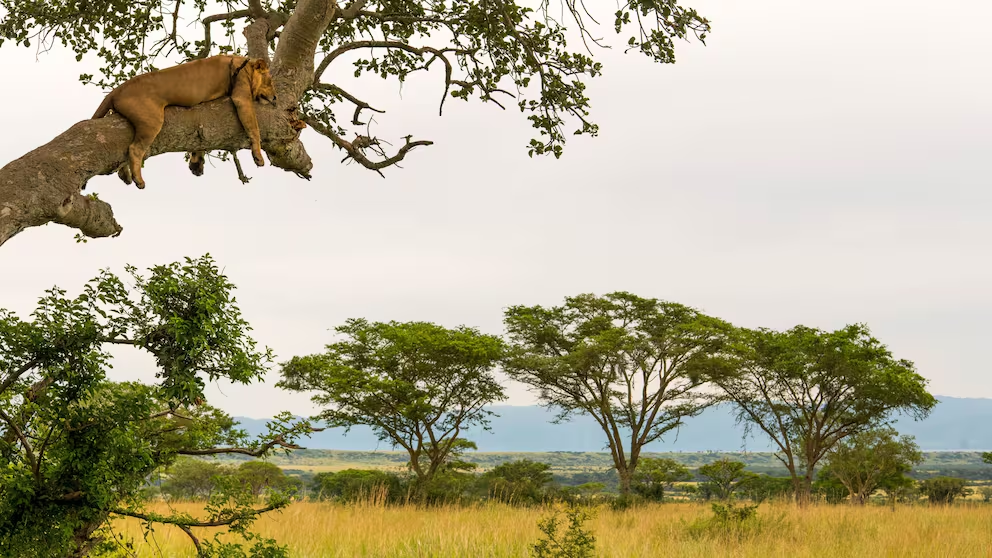
Murchison Falls is especially interesting for a first safari. It combines game drives with cruising on the Nile and a visit to the falls. Queen Elizabeth offers wonderfully varied landscapes and the Kazinga Channel, one of the best places in the country to watch hippos, buffalo and birds from the water. In the Ishasha sector, within Queen Elizabeth, you have the chance to see lions lounging in the trees.
Kidepo Valley plays in another league: more remote, wilder and with far fewer people. It's a long way from the usual routes, but that's exactly what makes it so special. Its open landscapes, the mountains in the background and the solitary atmosphere have something of old Africa about them, of a trip with the flavour of an expedition.
Primates: chimpanzees, colobus monkeys and a small dose of gorillas
Uganda is one of Africa's great primate destinations. Kibale is usually the star stop for seeing chimpanzees. It's not a passive experience: you walk, you listen, you wait and, when the first call rings out from the treetops, you understand why the early start was worth it.
Beyond chimpanzees, depending on the area you can see black-and-white colobus monkeys, blue monkeys, baboons, vervet monkeys and other primates. That adds a huge amount to a nature trip. It changes the rhythm of the safari: less vehicle, more forest, more attention to sound.
And yes, there are also the gorillas. A gorilla safari in Uganda can include treks in Bwindi or Mgahinga, but here they aren't the centrepiece. They're one powerful piece of a much bigger trip. The experience is genuinely moving.
Birds, rhinos and aquatic life
Uganda is a gift for anyone who enjoys birdwatching, even for people who don't yet know they like it. In Queen Elizabeth, Murchison Falls, Mabamba, Kibale or Lake Mburo, it's easy for your guide to start pointing out birds with names that sound made up: kingfishers, turacos, African fish eagles, bee-eaters, hornbills, pelicans, storks and many more.
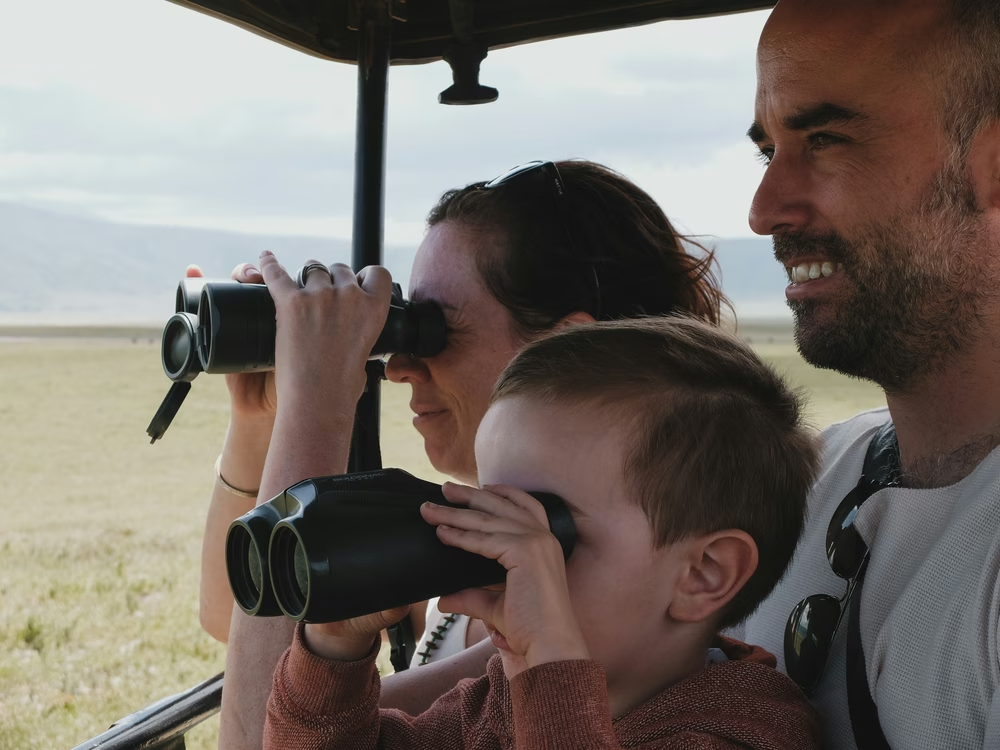
Bird-focused trips can be highly specialised, but they also fit nicely as a complement on a general route. All you need are binoculars and a bit of patience. On safari, patience is worth almost as much as a good camera.
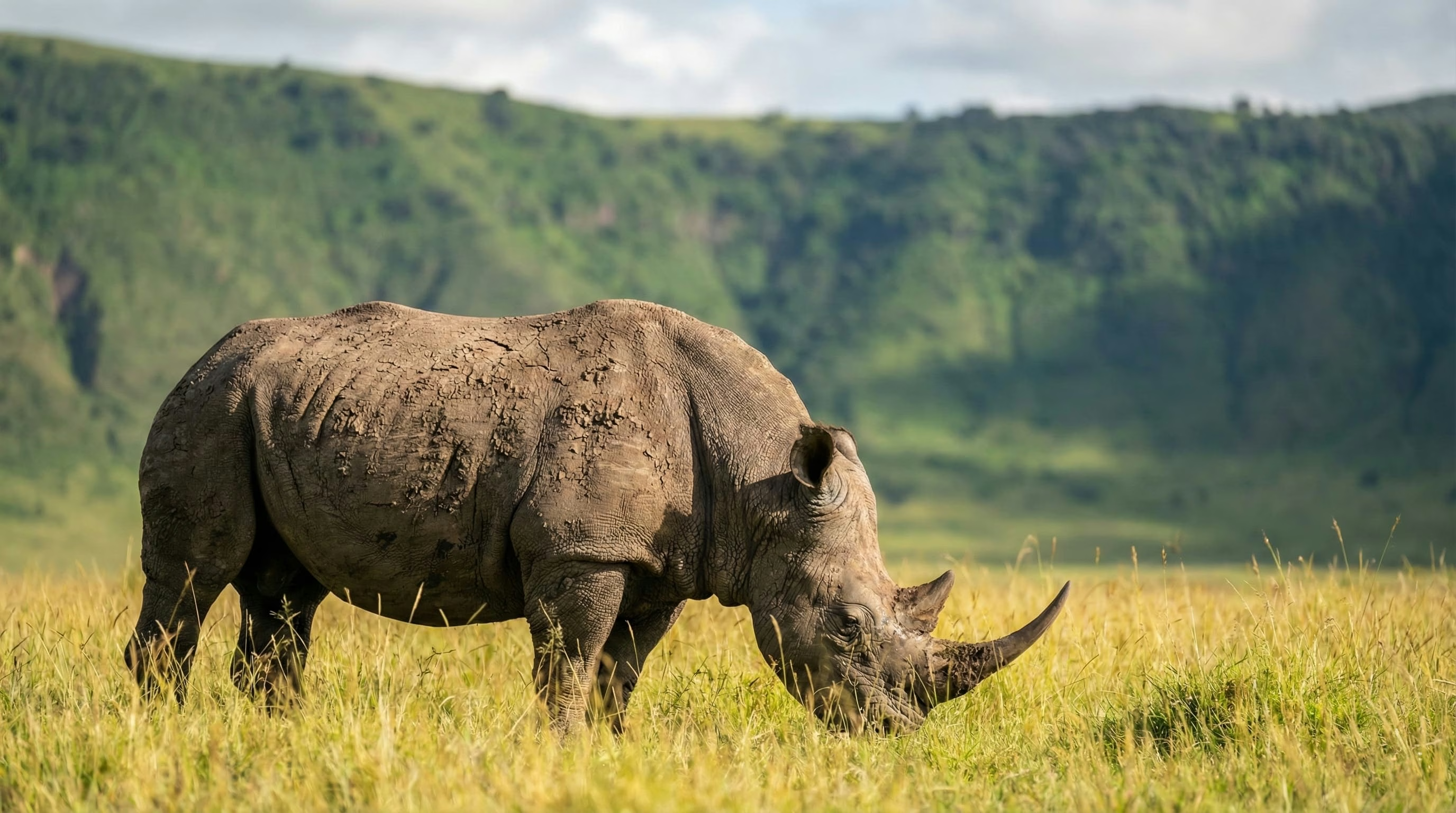
To see rhinos, the usual add-on is a dedicated sanctuary on the way to Murchison Falls. It's not exactly the same kind of experience as a classic safari in a national park, but it rounds out a broader picture of the country's wildlife.
And then there's the water: hippos, Nile crocodiles, drinking elephants, mud-caked buffalo and waterbirds. Boat safaris are one of the great reasons to travel to Uganda, especially at Murchison Falls and Queen Elizabeth.
The best parks for a safari in Uganda beyond the gorillas
Murchison Falls: the Nile, waterfalls and classic safari
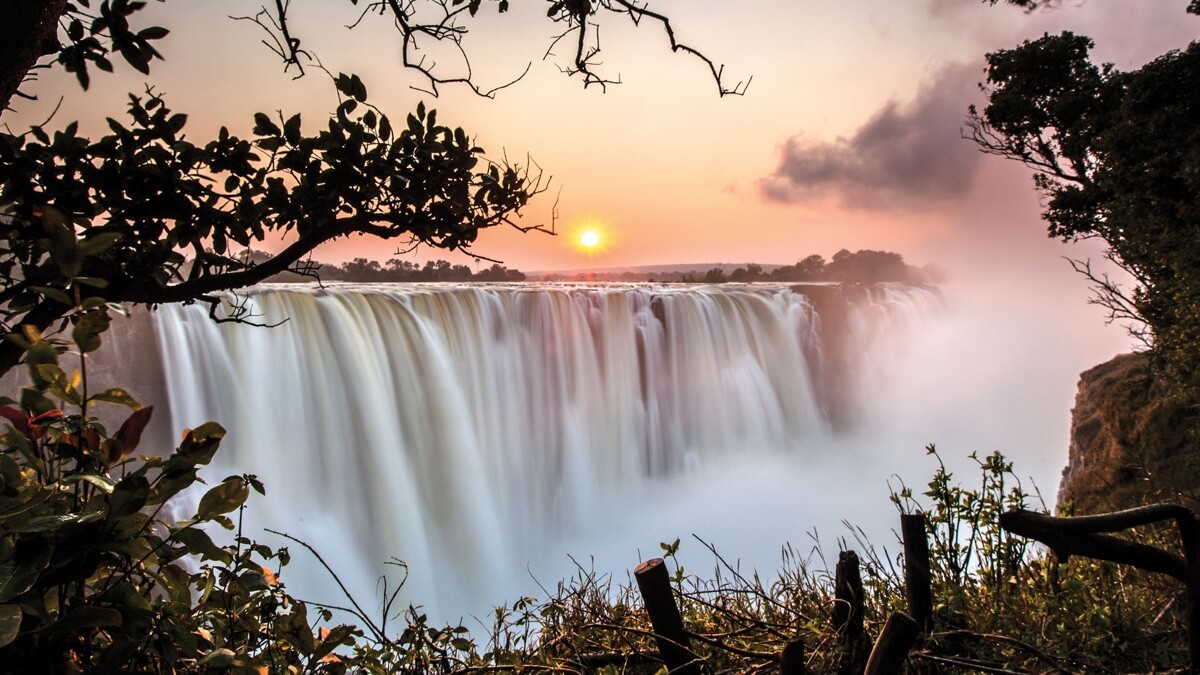
Murchison Falls is one of the best gateways to a safari in Uganda. The park combines three ingredients that are very hard to beat: savannah wildlife, cruising on the Nile and a waterfall with real character.
The experience usually includes game drives at first light or at dusk, a boat trip on the river and a visit to the top of the falls. The Nile narrows and drops with brutal force: the landscape is the star of the show.
For a first trip, Murchison works very well because it doesn't force you to cross the whole country. You can connect from Kampala or Entebbe on a route of just a few days, though ideally you shouldn't rush it.
It's a great choice for anyone after a classic safari, but with a river twist. Watching elephants from the boat, with the sound of the water and the Nile teeming with life, is anything but a standard experience.
Explore Murchison Falls on a guided safari
Our Uganda Classic Safari takes you along the Nile, through the savannah and up to the falls, with everything organised so you can focus on the experience. 8 days, from 2.995 € per person. Uganda - Classic Safari
Queen Elizabeth: the Kazinga Channel, Ishasha and Rift landscapes
Queen Elizabeth is one of the most complete parks for a safari in Uganda. It has savannah, lakes, craters, wetlands, forests and the famous Kazinga Channel, which connects Lakes Edward and George.
The channel is one of the park's strong points. On a single boat trip you can see hippos, crocodiles, buffalo, elephants and an enormous concentration of birds. It's a comfortable, photogenic experience that rewards even travellers who don't want to spend too many hours in a vehicle.
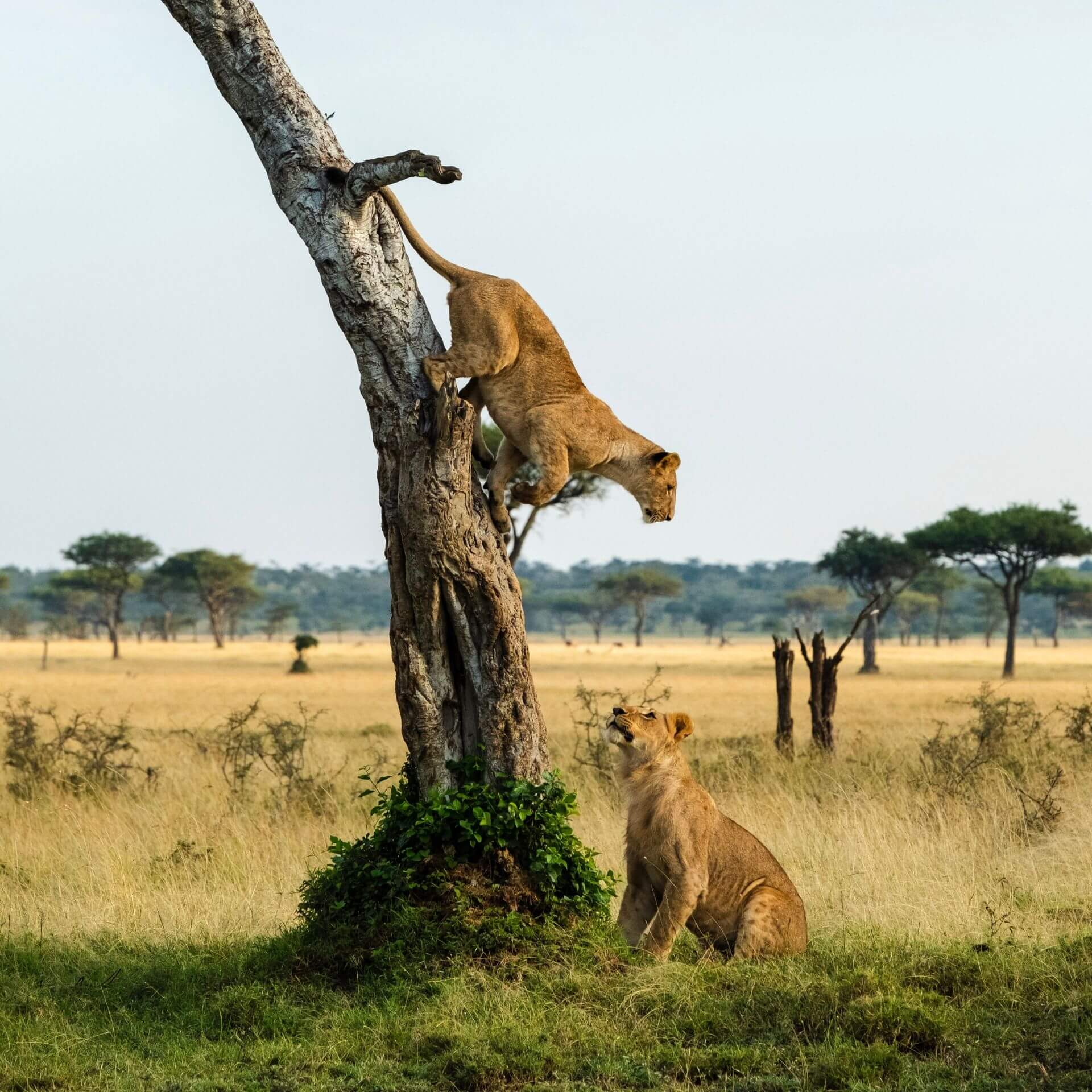
The Ishasha sector adds the surprise factor: lions lounging in the trees. They don't always show up, but searching for them is part of the charm.
Queen Elizabeth fits very well into routes linking Kibale with Bwindi. In other words, you can do chimpanzees, savannah, boat and gorillas on one logical route, without any big leaps across the map.
Kibale and the crater lakes: the kingdom of the chimpanzees
Kibale is the essential stop for anyone who wants their safari to come with forest, humidity and chimpanzee calls in the background. The chimpanzee trek completely changes the dynamic of the trip. You're not sitting and waiting for something to appear beside the track. You walk, you hear branches moving, you look up and you follow the rhythm of the forest.
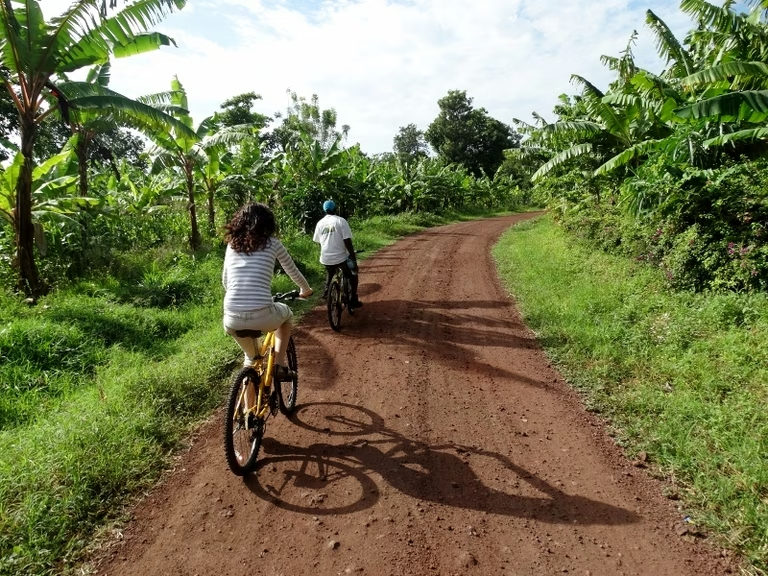
On top of that, around Fort Portal and the crater lakes, the landscape softens the journey: green hills, small communities, scenic roads and lodges with sweeping views.
Kibale combines especially well with Queen Elizabeth. It's one of the most balanced routes for a safari trip through Uganda: primates in the morning, a scenic drive afterwards and, the next day, savannah or the Kazinga Channel.
Kidepo Valley and Lake Mburo: two wildcards for curious travellers
Kidepo Valley is for those who want to feel they've gone far. Really far. It's the least common park on a first route, but one of the most memorable if you have the days and budget to get there. Its open landscapes, distant mountains and low visitor numbers make it a more authentic, quieter experience.
Kidepo doesn't belong on a short route. If you have 7 days, it's probably not the best option. If you have 12, 14 or more, and you want a more remote safari, it can be the great differentiator.
Lake Mburo, on the other hand, works as an accessible wildcard. It's smaller, easy to slot into routes heading south-west or on the way back, and offers a different experience: zebras, impalas, elands, birds and the option of more active pursuits. It's ideal for closing a trip without an endless day on the road.
Recommended Uganda safari routes by number of days
Short safari: 3–5 days
A short safari in Uganda has to be realistic. If you land in Entebbe or set out from Kampala, the most sensible plan is usually to pick one area and enjoy it properly.
a short Uganda safari focused on Murchison Falls, 5 days, from 1.479 € per person: the drive, game drives, a boat trip on the Nile and the falls. For 4 or 5 days, Queen Elizabeth also works, especially if you're interested in combining game drives with cruising the Kazinga Channel.
This kind of route suits travellers who have a few days before or after another trip through East Africa. But one thing should be clear: Uganda is not a country to race through. The distances add up. Better to see less and see it well.
Complete route: 8–12 days
The most balanced route for a first safari in Uganda usually runs between 8 and 12 days.
A very logical itinerary would be:
- Entebbe or Kampala.
- Murchison Falls.
- Kibale.
- Queen Elizabeth.
- Bwindi or Mgahinga.
- Lake Mburo or a scenic return to Entebbe.
With this programme you get the Nile, waterfalls, savannah, chimpanzees, the Kazinga Channel, gorillas if you decide to include them and a calmer finish. It's a varied, intense route with plenty of substance.
For many travellers, this is the best foundation: enough diversity, a good balance between driving and activities, and room to choose comfortable lodges without blowing the budget.
Combined trip: Uganda and Rwanda or Uganda and Tanzania
A safari in Uganda and Rwanda makes sense if you want to combine gorillas, culture, volcanic landscapes and a more efficient entry or exit via Kigali. It can also be practical if flights, permits or availability line up better.
A safari through Uganda and Tanzania is another story altogether. It can be spectacular, but it demands more days, more flights and more budget. Tanzania brings great plains and migrations; Uganda brings primates, jungle and river safaris. The combination is powerful, but it shouldn't be rushed.
The price of a safari in Uganda: how much it costs and what really drives it
Talking about the price of a safari in Uganda means separating the fixed from the variable. There are official costs, like park entry fees or permits, and highly flexible costs, like the type of accommodation, the vehicle, the guide, the route, the season and the level of comfort.
As an official reference, the gorilla permit for foreign non-resident visitors appears in the Uganda Wildlife Authority 2027–2027 tariff at 800 US dollars. The chimpanzee trek in Kibale is listed at 250 US dollars for the same category.
That means a gorilla safari in Uganda will be considerably more expensive than a safari focused only on savannah and boat trips. Not because Uganda is expensive per se, but because primate permits weigh heavily on the budget.
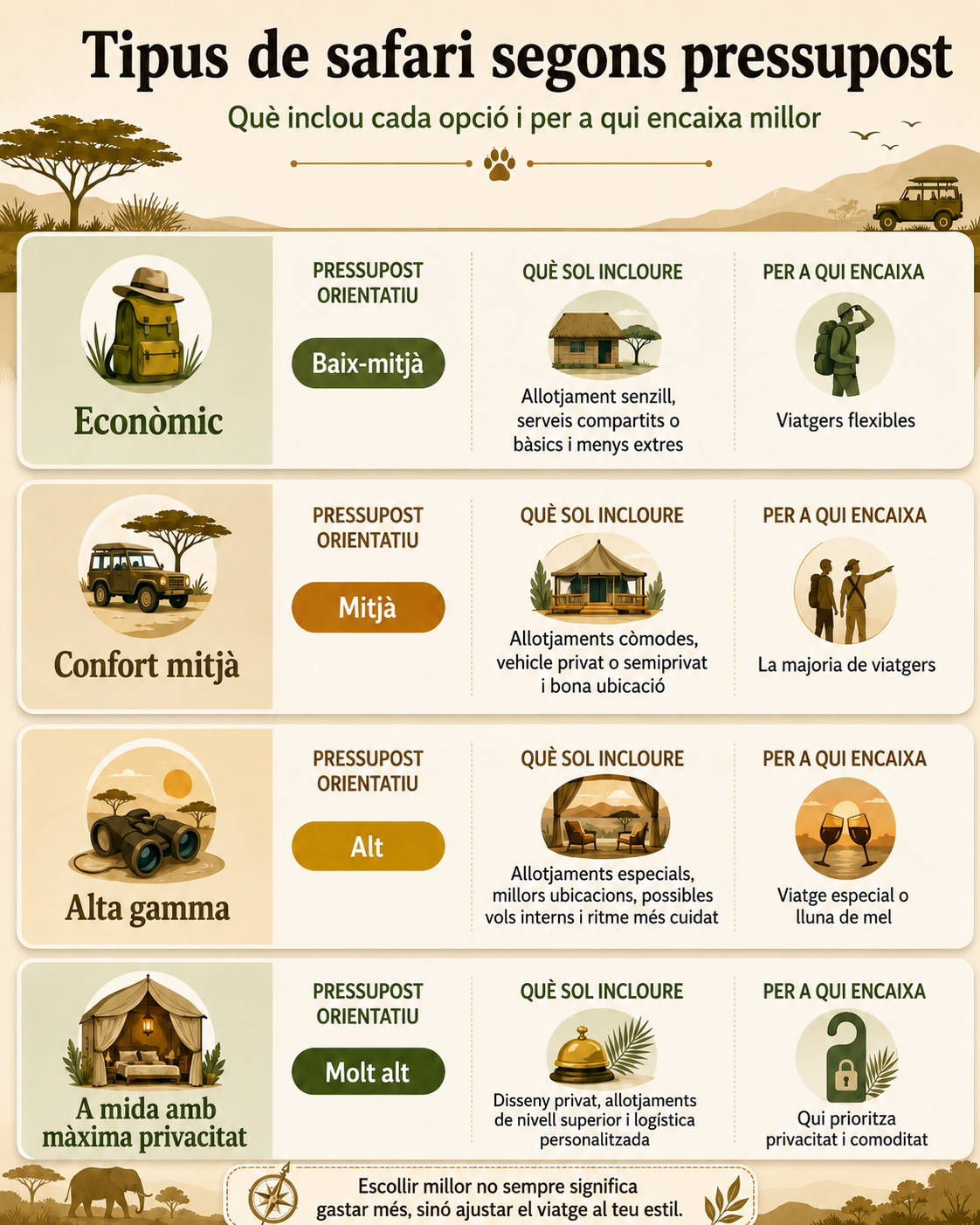
These are the factors that move the budget most:
- Gorilla and chimpanzee permits. They're the big differentiator.
- Trip length. More days mean more accommodation, guiding, vehicle and entry fees.
- Type of accommodation. Sleeping inside or near the park saves time, but usually costs more.
- Transport. Internal flights raise the price, though they cut hours on the road.
- Season. In dry months and high-demand dates, booking late gets expensive.
- Level of personalisation. A private trip doesn't cost the same as a shared departure.
To judge the real cost, don't look only at the final price. Check what it includes: permits, entry fees, meals, water, 4x4 vehicle, fuel, guide, taxes, transfers and activities.
Where to stay during a safari in Uganda
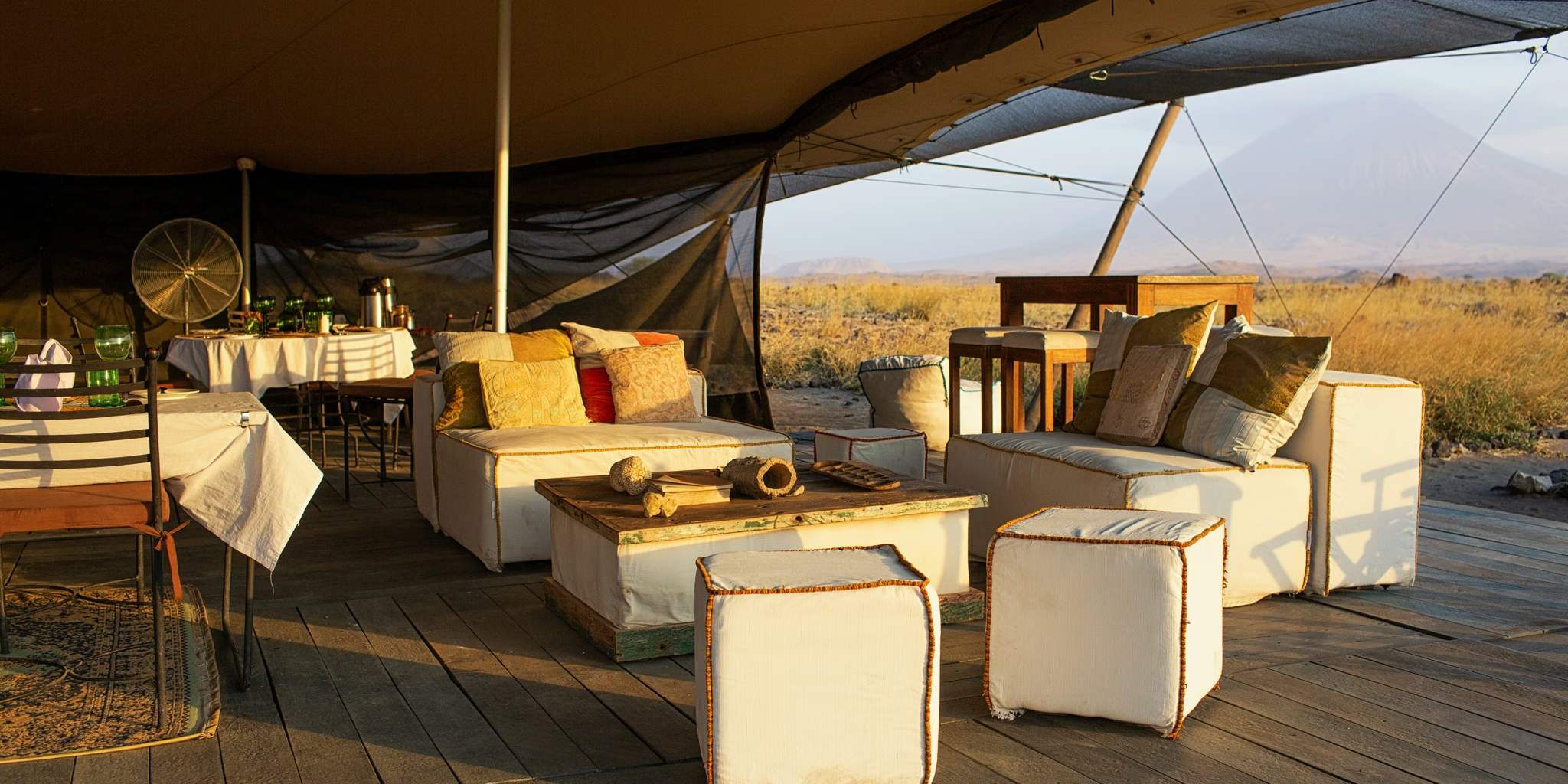
Choosing your accommodation well on a safari through Uganda isn't just about pretty views. It's about location. A poor choice can add two hours of driving before your first coffee. And nobody wants to start a safari hating humanity.
The basic rule is simple: the closer you are to the main activity, the better the rhythm of the trip. At Murchison Falls, it pays to look at lodges well placed for the game drives and boat departures. At Queen Elizabeth, you should decide whether to prioritise the Kazinga Channel, Kasenyi or Ishasha. At Kibale, what matters is being close to the chimpanzee trek starting point. In Bwindi, location depends on the sector assigned for the gorilla trek.
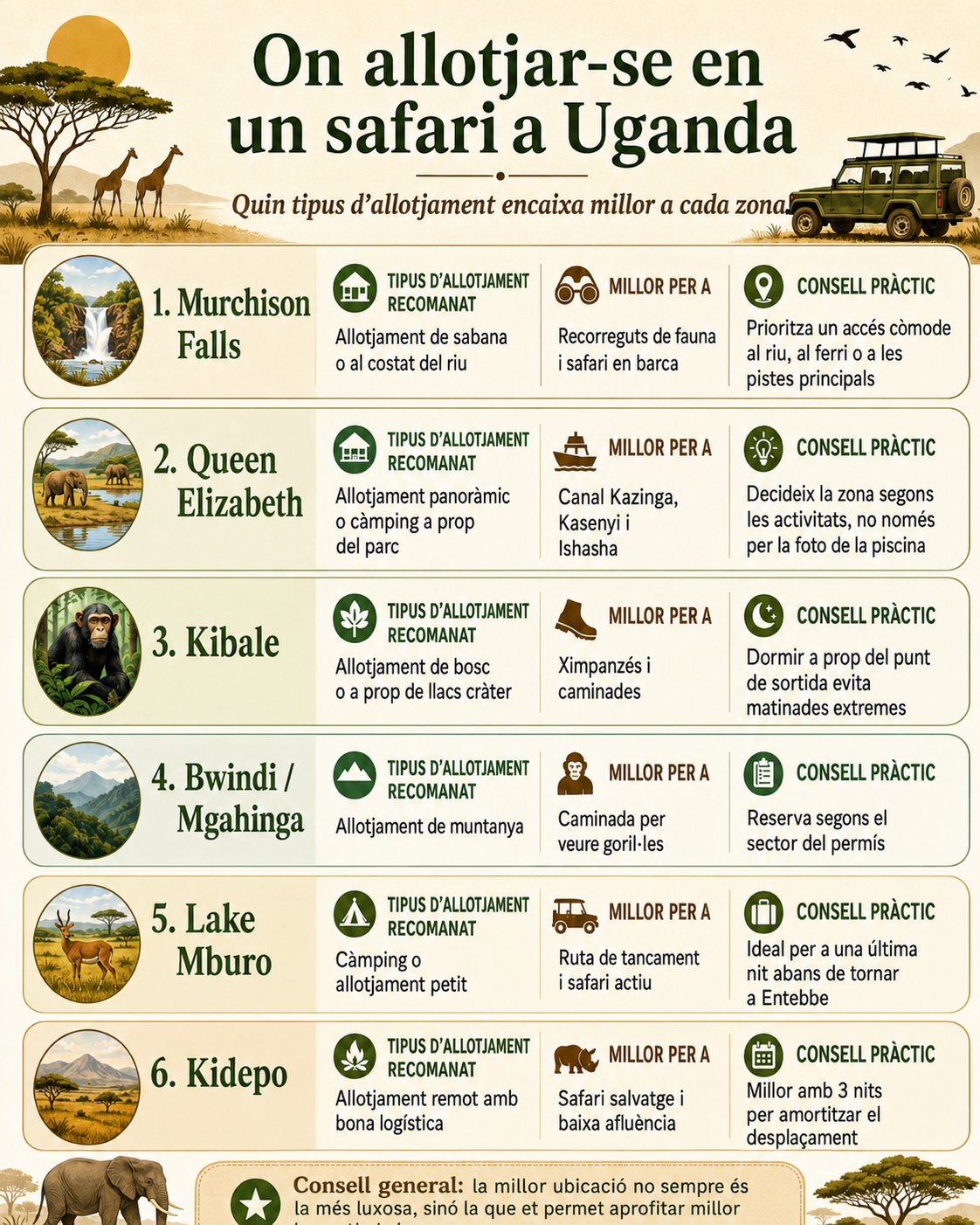
In Uganda, luxury means sleeping in the right place, heading out at dawn without racking up hours on the road and listening to the African night from your terrace.
Gorillas in Uganda: yes, as part of the trip
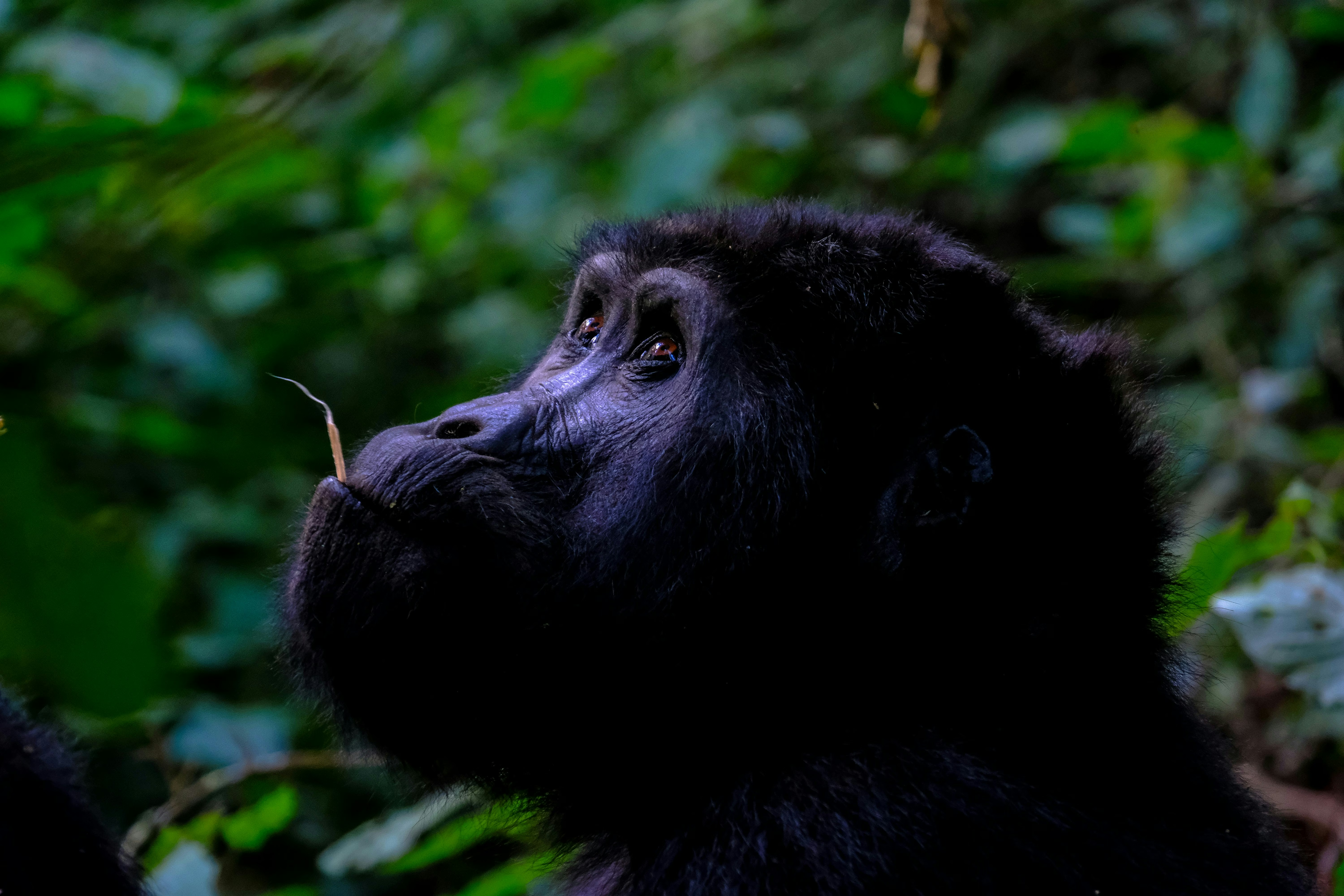
Gorillas are a powerful reason to travel to Uganda. A gorilla safari in Uganda, in Bwindi or Mgahinga, can be the most emotional moment of the trip. You're standing in silence, the guide raises a hand, the vegetation parts and suddenly you're face to face with a gorilla family.
But the gorillas shouldn't overshadow everything else. Uganda deserves more than a fly-in, see-gorillas, fly-out trip. In fact, the experience improves when it's part of a broader route: savannah first, then chimpanzees, then gorillas, and perhaps a final night on a lake or in a small park.
Most travellers focus at first on the permits and the trek. Fine. Just add one more question: what will you see before and after? That's where the trip goes from "I saw gorillas" to "I did a complete safari through Uganda".
Practical tips for planning a safari in Uganda
The best time for safaris in Uganda usually coincides with the drier seasons: December to February and June to September. In these months, the tracks tend to be more passable and wildlife watching can be more comfortable. That said, Uganda is green for a reason: rain can appear even when the calendar says "dry season".
As for length, think of it this way:
- 3–5 days: one main park, usually Murchison Falls or Queen Elizabeth.
- 8–12 days: a very complete route with savannah, chimpanzees, boat trips and optional gorillas.
- 14 days or more: the chance to add Kidepo, more downtime or a regional combination.
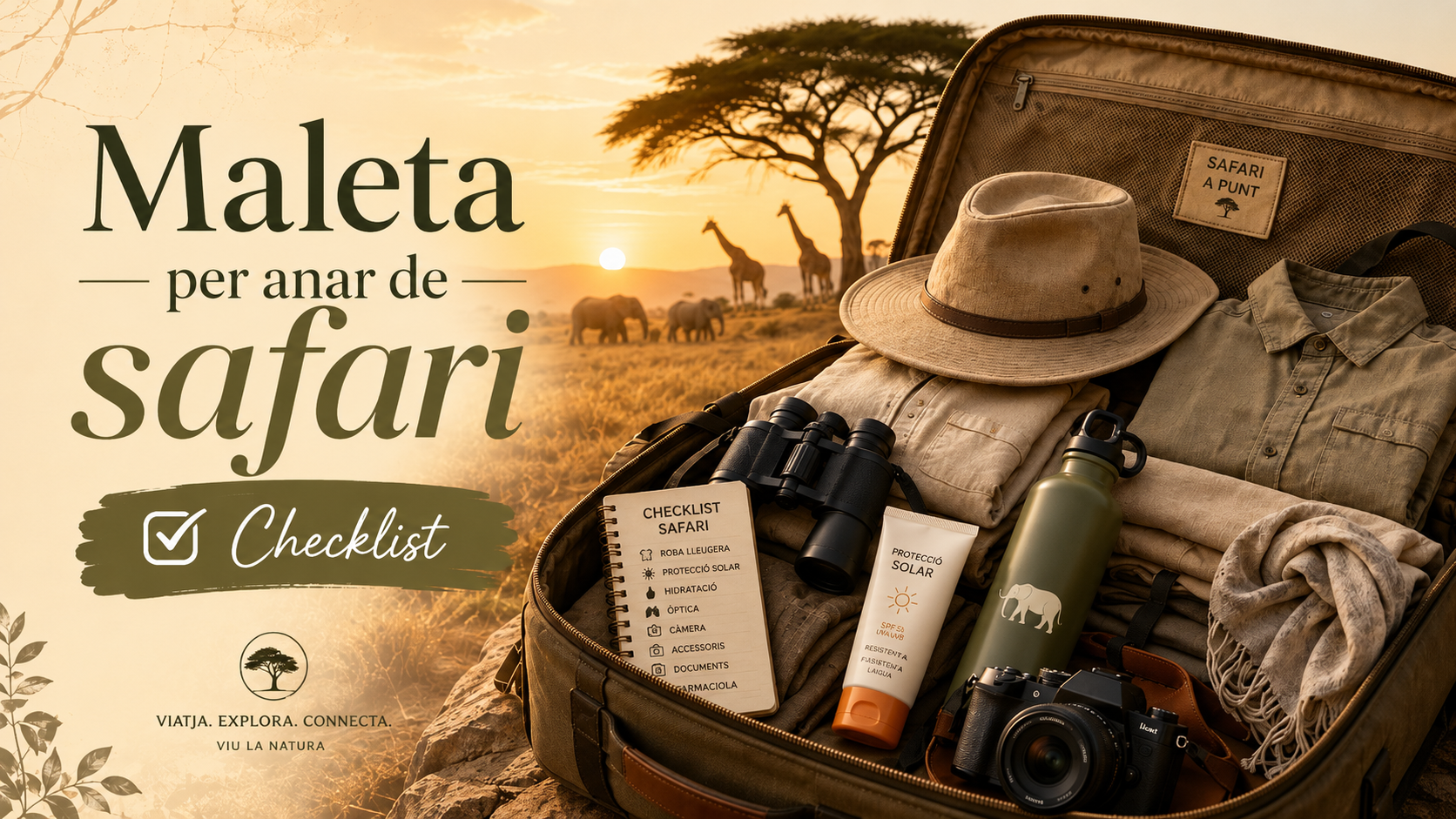
On packing: bring comfortable clothes in neutral colours, a light rain jacket, a warm layer for early mornings, boots or shoes with good soles, a hat, sun protection, repellent, binoculars and a camera with good zoom. For walking through the forests in search of chimpanzees or gorillas, long sleeves and a pair of thin gloves can save you from branches, mud and nettles.
It's also worth checking the up-to-date health requirements with a travel medicine clinic, along with travel insurance and entry documentation. Don't improvise this part.
And one golden rule: respect the distances, the rangers' instructions and the viewing time limits. A good safari isn't about getting closer; it's about looking better.
Final checklist for choosing the best Uganda safari for you
Before booking the trip, run through these questions:
- Do you want to prioritise savannah wildlife, primates, birds or landscapes?
- Do you have 5, 8, 10, 12 or 14 days?
- Do you want to include gorillas, or would you rather invest that budget in more parks?
- Are you more drawn to Murchison Falls, Queen Elizabeth, Kibale or Kidepo?
- Do you prefer simple lodges, mid-range comfort, high-end stays or a very private route?
- Are you fine with long hours on the road, or do you need internal flights?
- Do you want a trip focused on photography, family, honeymoon or gentle adventure?
- Is it worth combining Uganda with Rwanda or Tanzania for you?
The key isn't to see everything. It's to design a route that makes sense. A good safari in Uganda isn't measured by the number of parks visited, but by the quality of each day.
Frequently asked questions about safaris in Uganda
What is the best time for a safari in Uganda?
The most recommended periods are usually December to February and June to September, for drier weather and better conditions for roads, game drives and forest treks. That said, Uganda can be visited all year round. The green months offer beautiful landscapes and fewer travellers, though with more rain and possible changes of pace.
How many days do you need for a safari through Uganda?
For a first experience, 8 to 12 days is a very balanced length. It lets you combine Murchison Falls, Kibale, Queen Elizabeth and, if you wish, Bwindi or Lake Mburo. With 3 to 5 days you can do a getaway to one specific park. With 14 days or more, you can add Kidepo or travel at a gentler pace.
How much does a safari in Uganda cost?
It depends on permits, accommodation, transport, season and the type of route. The big cost differential appears if you include gorillas or chimpanzees. According to the official Uganda Wildlife Authority 2027–2027 tariff, the gorilla permit for a foreign non-resident visitor is 800 US dollars and the chimpanzee trek in Kibale costs 250 US dollars. On top of that you have to add vehicle, guide, lodges, meals, entry fees and transfers.
Can you do a safari in Uganda without seeing gorillas?
Yes, absolutely. You can design a trip centred on Murchison Falls, Queen Elizabeth, Kibale, Kidepo, Lake Mburo, birds, the Nile, chimpanzees and boat safaris. The gorillas are an extraordinary experience, but Uganda has more than enough wildlife and landscape to justify the trip without them.
Which is better: Murchison Falls or Queen Elizabeth?
It depends on the kind of trip. Murchison Falls is ideal for a first safari with the Nile, waterfalls, savannah and boat trips. Queen Elizabeth stands out for its variety of ecosystems, the Kazinga Channel, the birds and the Ishasha sector. If you have the days, the best answer isn't to choose: it's to combine them with Kibale in between.
Is it worth combining a safari in Uganda and Rwanda?
Yes, if you're after a more regional route and have the budget to optimise transfers. Rwanda can be a good entry or exit point, especially for gorilla and volcano routes. But if you're short on days, Uganda on its own already delivers a very complete safari.
Conclusion: Uganda is much more than gorillas
A safari in Uganda may start with gorillas in your imagination, but it almost always ends with many more memories: the Nile roaring at Murchison Falls, hippos in the Kazinga Channel, chimpanzees calling in Kibale, giraffes against the golden light, birds in impossible colours and roads crossing an intensely green country.
The gorillas are the big headline. But the full trip lives in everything that happens before and after.
If you're designing your next safaris in Uganda, think of the country as a destination of contrasts: savannah, jungle, water, primates and gentle adventure. That's where its true strength lies.
Ready to plan your complete Uganda safari?
From chimpanzees in Kibale to gorillas in Bwindi and the Nile at Murchison Falls, our longest Uganda route covers it all, at a comfortable pace and with expert guides throughout. 14 days, from 4.995 € per person. Uganda - The Pearl of Africa
The goal of every safari in Uganda is gorilla trekking. Seeing them in Bwindi or Mgahinga is one of those experiences that stays with you forever. But Uganda has much more to offer.
Savannahs with elephants, buffalo, lions and giraffes; the Nile forcing its way through waterfalls; tropical forests where chimpanzees live; channels full of hippos; crater lakes; birds in impossible colours and remote parks where you can still feel the thrill of arriving somewhere barely explored.
This guide is designed to help you plan a complete safari through Uganda: which parks to choose, which animals to see, how many days to spend, how much it might cost and how to do the gorilla trekking.
Why choose a safari in Uganda if you're looking for something different
Uganda doesn't try to be Kenya or Tanzania. And that's a big part of its charm.
Here the safari isn't limited to vast plains and herds on the horizon. The country combines savannah, jungle, mountains, lakes, wetlands and rivers. In just a few days you can go from watching elephants beside the Nile to walking through a humid forest in search of chimpanzees, cruising among hippos or crossing volcanic landscapes on the way to the crater lakes.
That contrast is what makes a safari trip to Uganda special. You may not always find the wildlife density of other, more famous African destinations, but you will find a variety of landscapes that's hard to match. Uganda works very well for travellers who have already done a first safari in Africa and want something less obvious, but also for anyone looking for a first trip that's complete, varied and well paced.
What's more, most safaris in Uganda are planned as a route. You don't go to a single park and come back. The usual approach is to link several areas: Murchison Falls, Kibale, Queen Elizabeth, Bwindi, Lake Mburo or Kidepo.
Put simply: if all you want is to see lots of animals in little time, there are more direct destinations. If you want a safari with jungle, water, primates, birds, savannah and a sense of adventure, Uganda is your best option.
Which animals you can see on a safari through Uganda
Savannah wildlife: elephants, buffalo, lions and giraffes
The savannah parks are the most classic heart of safaris in Uganda. In Murchison Falls, Queen Elizabeth, Kidepo Valley and Lake Mburo you'll find much of that African image we all carry in our heads: elephants crossing dirt tracks, buffalo in herds, antelopes, giraffes, zebras and predators.
Murchison Falls is especially interesting for a first safari. It combines game drives with cruising on the Nile and a visit to the falls. Queen Elizabeth offers wonderfully varied landscapes and the Kazinga Channel, one of the best places in the country to watch hippos, buffalo and birds from the water. In the Ishasha sector, within Queen Elizabeth, you have the chance to see lions lounging in the trees.
Kidepo Valley plays in another league: more remote, wilder and with far fewer people. It's a long way from the usual routes, but that's exactly what makes it so special. Its open landscapes, the mountains in the background and the solitary atmosphere have something of old Africa about them, of a trip with the flavour of an expedition.
Primates: chimpanzees, colobus monkeys and a small dose of gorillas
Uganda is one of Africa's great primate destinations. Kibale is usually the star stop for seeing chimpanzees. It's not a passive experience: you walk, you listen, you wait and, when the first call rings out from the treetops, you understand why the early start was worth it.
Beyond chimpanzees, depending on the area you can see black-and-white colobus monkeys, blue monkeys, baboons, vervet monkeys and other primates. That adds a huge amount to a nature trip. It changes the rhythm of the safari: less vehicle, more forest, more attention to sound.
And yes, there are also the gorillas. A gorilla safari in Uganda can include treks in Bwindi or Mgahinga, but here they aren't the centrepiece. They're one powerful piece of a much bigger trip. The experience is genuinely moving.
Birds, rhinos and aquatic life
Uganda is a gift for anyone who enjoys birdwatching, even for people who don't yet know they like it. In Queen Elizabeth, Murchison Falls, Mabamba, Kibale or Lake Mburo, it's easy for your guide to start pointing out birds with names that sound made up: kingfishers, turacos, African fish eagles, bee-eaters, hornbills, pelicans, storks and many more.
Bird-focused trips can be highly specialised, but they also fit nicely as a complement on a general route. All you need are binoculars and a bit of patience. On safari, patience is worth almost as much as a good camera.
To see rhinos, the usual add-on is a dedicated sanctuary on the way to Murchison Falls. It's not exactly the same kind of experience as a classic safari in a national park, but it rounds out a broader picture of the country's wildlife.
And then there's the water: hippos, Nile crocodiles, drinking elephants, mud-caked buffalo and waterbirds. Boat safaris are one of the great reasons to travel to Uganda, especially at Murchison Falls and Queen Elizabeth.
The best parks for a safari in Uganda beyond the gorillas
Murchison Falls: the Nile, waterfalls and classic safari
Murchison Falls is one of the best gateways to a safari in Uganda. The park combines three ingredients that are very hard to beat: savannah wildlife, cruising on the Nile and a waterfall with real character.
The experience usually includes game drives at first light or at dusk, a boat trip on the river and a visit to the top of the falls. The Nile narrows and drops with brutal force: the landscape is the star of the show.
For a first trip, Murchison works very well because it doesn't force you to cross the whole country. You can connect from Kampala or Entebbe on a route of just a few days, though ideally you shouldn't rush it.
It's a great choice for anyone after a classic safari, but with a river twist. Watching elephants from the boat, with the sound of the water and the Nile teeming with life, is anything but a standard experience.
Explore Murchison Falls on a guided safari
Our Uganda Classic Safari takes you along the Nile, through the savannah and up to the falls, with everything organised so you can focus on the experience. 8 days, from 2.995 € per person. Uganda - Classic Safari
Queen Elizabeth: the Kazinga Channel, Ishasha and Rift landscapes
Queen Elizabeth is one of the most complete parks for a safari in Uganda. It has savannah, lakes, craters, wetlands, forests and the famous Kazinga Channel, which connects Lakes Edward and George.
The channel is one of the park's strong points. On a single boat trip you can see hippos, crocodiles, buffalo, elephants and an enormous concentration of birds. It's a comfortable, photogenic experience that rewards even travellers who don't want to spend too many hours in a vehicle.
The Ishasha sector adds the surprise factor: lions lounging in the trees. They don't always show up, but searching for them is part of the charm.
Queen Elizabeth fits very well into routes linking Kibale with Bwindi. In other words, you can do chimpanzees, savannah, boat and gorillas on one logical route, without any big leaps across the map.
Kibale and the crater lakes: the kingdom of the chimpanzees
Kibale is the essential stop for anyone who wants their safari to come with forest, humidity and chimpanzee calls in the background. The chimpanzee trek completely changes the dynamic of the trip. You're not sitting and waiting for something to appear beside the track. You walk, you hear branches moving, you look up and you follow the rhythm of the forest.
On top of that, around Fort Portal and the crater lakes, the landscape softens the journey: green hills, small communities, scenic roads and lodges with sweeping views.
Kibale combines especially well with Queen Elizabeth. It's one of the most balanced routes for a safari trip through Uganda: primates in the morning, a scenic drive afterwards and, the next day, savannah or the Kazinga Channel.
Kidepo Valley and Lake Mburo: two wildcards for curious travellers
Kidepo Valley is for those who want to feel they've gone far. Really far. It's the least common park on a first route, but one of the most memorable if you have the days and budget to get there. Its open landscapes, distant mountains and low visitor numbers make it a more authentic, quieter experience.
Kidepo doesn't belong on a short route. If you have 7 days, it's probably not the best option. If you have 12, 14 or more, and you want a more remote safari, it can be the great differentiator.
Lake Mburo, on the other hand, works as an accessible wildcard. It's smaller, easy to slot into routes heading south-west or on the way back, and offers a different experience: zebras, impalas, elands, birds and the option of more active pursuits. It's ideal for closing a trip without an endless day on the road.
Recommended Uganda safari routes by number of days
Short safari: 3–5 days
A short safari in Uganda has to be realistic. If you land in Entebbe or set out from Kampala, the most sensible plan is usually to pick one area and enjoy it properly.
a short Uganda safari focused on Murchison Falls, 5 days, from 1.479 € per person: the drive, game drives, a boat trip on the Nile and the falls. For 4 or 5 days, Queen Elizabeth also works, especially if you're interested in combining game drives with cruising the Kazinga Channel.
This kind of route suits travellers who have a few days before or after another trip through East Africa. But one thing should be clear: Uganda is not a country to race through. The distances add up. Better to see less and see it well.
Complete route: 8–12 days
The most balanced route for a first safari in Uganda usually runs between 8 and 12 days.
A very logical itinerary would be:
- Entebbe or Kampala.
- Murchison Falls.
- Kibale.
- Queen Elizabeth.
- Bwindi or Mgahinga.
- Lake Mburo or a scenic return to Entebbe.
With this programme you get the Nile, waterfalls, savannah, chimpanzees, the Kazinga Channel, gorillas if you decide to include them and a calmer finish. It's a varied, intense route with plenty of substance.
For many travellers, this is the best foundation: enough diversity, a good balance between driving and activities, and room to choose comfortable lodges without blowing the budget.
Combined trip: Uganda and Rwanda or Uganda and Tanzania
A safari in Uganda and Rwanda makes sense if you want to combine gorillas, culture, volcanic landscapes and a more efficient entry or exit via Kigali. It can also be practical if flights, permits or availability line up better.
A safari through Uganda and Tanzania is another story altogether. It can be spectacular, but it demands more days, more flights and more budget. Tanzania brings great plains and migrations; Uganda brings primates, jungle and river safaris. The combination is powerful, but it shouldn't be rushed.
The price of a safari in Uganda: how much it costs and what really drives it
Talking about the price of a safari in Uganda means separating the fixed from the variable. There are official costs, like park entry fees or permits, and highly flexible costs, like the type of accommodation, the vehicle, the guide, the route, the season and the level of comfort.
As an official reference, the gorilla permit for foreign non-resident visitors appears in the Uganda Wildlife Authority 2027–2027 tariff at 800 US dollars. The chimpanzee trek in Kibale is listed at 250 US dollars for the same category.
That means a gorilla safari in Uganda will be considerably more expensive than a safari focused only on savannah and boat trips. Not because Uganda is expensive per se, but because primate permits weigh heavily on the budget.
These are the factors that move the budget most:
- Gorilla and chimpanzee permits. They're the big differentiator.
- Trip length. More days mean more accommodation, guiding, vehicle and entry fees.
- Type of accommodation. Sleeping inside or near the park saves time, but usually costs more.
- Transport. Internal flights raise the price, though they cut hours on the road.
- Season. In dry months and high-demand dates, booking late gets expensive.
- Level of personalisation. A private trip doesn't cost the same as a shared departure.
To judge the real cost, don't look only at the final price. Check what it includes: permits, entry fees, meals, water, 4x4 vehicle, fuel, guide, taxes, transfers and activities.
Where to stay during a safari in Uganda
Choosing your accommodation well on a safari through Uganda isn't just about pretty views. It's about location. A poor choice can add two hours of driving before your first coffee. And nobody wants to start a safari hating humanity.
The basic rule is simple: the closer you are to the main activity, the better the rhythm of the trip. At Murchison Falls, it pays to look at lodges well placed for the game drives and boat departures. At Queen Elizabeth, you should decide whether to prioritise the Kazinga Channel, Kasenyi or Ishasha. At Kibale, what matters is being close to the chimpanzee trek starting point. In Bwindi, location depends on the sector assigned for the gorilla trek.
In Uganda, luxury means sleeping in the right place, heading out at dawn without racking up hours on the road and listening to the African night from your terrace.
Gorillas in Uganda: yes, as part of the trip
Gorillas are a powerful reason to travel to Uganda. A gorilla safari in Uganda, in Bwindi or Mgahinga, can be the most emotional moment of the trip. You're standing in silence, the guide raises a hand, the vegetation parts and suddenly you're face to face with a gorilla family.
But the gorillas shouldn't overshadow everything else. Uganda deserves more than a fly-in, see-gorillas, fly-out trip. In fact, the experience improves when it's part of a broader route: savannah first, then chimpanzees, then gorillas, and perhaps a final night on a lake or in a small park.
Most travellers focus at first on the permits and the trek. Fine. Just add one more question: what will you see before and after? That's where the trip goes from "I saw gorillas" to "I did a complete safari through Uganda".
Practical tips for planning a safari in Uganda
The best time for safaris in Uganda usually coincides with the drier seasons: December to February and June to September. In these months, the tracks tend to be more passable and wildlife watching can be more comfortable. That said, Uganda is green for a reason: rain can appear even when the calendar says "dry season".
As for length, think of it this way:
- 3–5 days: one main park, usually Murchison Falls or Queen Elizabeth.
- 8–12 days: a very complete route with savannah, chimpanzees, boat trips and optional gorillas.
- 14 days or more: the chance to add Kidepo, more downtime or a regional combination.
On packing: bring comfortable clothes in neutral colours, a light rain jacket, a warm layer for early mornings, boots or shoes with good soles, a hat, sun protection, repellent, binoculars and a camera with good zoom. For walking through the forests in search of chimpanzees or gorillas, long sleeves and a pair of thin gloves can save you from branches, mud and nettles.
It's also worth checking the up-to-date health requirements with a travel medicine clinic, along with travel insurance and entry documentation. Don't improvise this part.
And one golden rule: respect the distances, the rangers' instructions and the viewing time limits. A good safari isn't about getting closer; it's about looking better.
Final checklist for choosing the best Uganda safari for you
Before booking the trip, run through these questions:
- Do you want to prioritise savannah wildlife, primates, birds or landscapes?
- Do you have 5, 8, 10, 12 or 14 days?
- Do you want to include gorillas, or would you rather invest that budget in more parks?
- Are you more drawn to Murchison Falls, Queen Elizabeth, Kibale or Kidepo?
- Do you prefer simple lodges, mid-range comfort, high-end stays or a very private route?
- Are you fine with long hours on the road, or do you need internal flights?
- Do you want a trip focused on photography, family, honeymoon or gentle adventure?
- Is it worth combining Uganda with Rwanda or Tanzania for you?
The key isn't to see everything. It's to design a route that makes sense. A good safari in Uganda isn't measured by the number of parks visited, but by the quality of each day.
Frequently asked questions about safaris in Uganda
What is the best time for a safari in Uganda?
The most recommended periods are usually December to February and June to September, for drier weather and better conditions for roads, game drives and forest treks. That said, Uganda can be visited all year round. The green months offer beautiful landscapes and fewer travellers, though with more rain and possible changes of pace.
How many days do you need for a safari through Uganda?
For a first experience, 8 to 12 days is a very balanced length. It lets you combine Murchison Falls, Kibale, Queen Elizabeth and, if you wish, Bwindi or Lake Mburo. With 3 to 5 days you can do a getaway to one specific park. With 14 days or more, you can add Kidepo or travel at a gentler pace.
How much does a safari in Uganda cost?
It depends on permits, accommodation, transport, season and the type of route. The big cost differential appears if you include gorillas or chimpanzees. According to the official Uganda Wildlife Authority 2027–2027 tariff, the gorilla permit for a foreign non-resident visitor is 800 US dollars and the chimpanzee trek in Kibale costs 250 US dollars. On top of that you have to add vehicle, guide, lodges, meals, entry fees and transfers.
Can you do a safari in Uganda without seeing gorillas?
Yes, absolutely. You can design a trip centred on Murchison Falls, Queen Elizabeth, Kibale, Kidepo, Lake Mburo, birds, the Nile, chimpanzees and boat safaris. The gorillas are an extraordinary experience, but Uganda has more than enough wildlife and landscape to justify the trip without them.
Which is better: Murchison Falls or Queen Elizabeth?
It depends on the kind of trip. Murchison Falls is ideal for a first safari with the Nile, waterfalls, savannah and boat trips. Queen Elizabeth stands out for its variety of ecosystems, the Kazinga Channel, the birds and the Ishasha sector. If you have the days, the best answer isn't to choose: it's to combine them with Kibale in between.
Is it worth combining a safari in Uganda and Rwanda?
Yes, if you're after a more regional route and have the budget to optimise transfers. Rwanda can be a good entry or exit point, especially for gorilla and volcano routes. But if you're short on days, Uganda on its own already delivers a very complete safari.
Conclusion: Uganda is much more than gorillas
A safari in Uganda may start with gorillas in your imagination, but it almost always ends with many more memories: the Nile roaring at Murchison Falls, hippos in the Kazinga Channel, chimpanzees calling in Kibale, giraffes against the golden light, birds in impossible colours and roads crossing an intensely green country.
The gorillas are the big headline. But the full trip lives in everything that happens before and after.
If you're designing your next safaris in Uganda, think of the country as a destination of contrasts: savannah, jungle, water, primates and gentle adventure. That's where its true strength lies.
Ready to plan your complete Uganda safari?
From chimpanzees in Kibale to gorillas in Bwindi and the Nile at Murchison Falls, our longest Uganda route covers it all, at a comfortable pace and with expert guides throughout. 14 days, from 4.995 € per person. Uganda - The Pearl of Africa

.jpeg)
.avif)




.avif)













.avif)


.avif)

.avif)
.avif)

.avif)

.jpeg)










.png)