






| Capital | Kampala |
| Official languages | English and Swahili |
| Currency | Ugandan Shilling (UGX) |
| Plug type | Type G (three rectangular pins) |
| Yellow fever vaccine | Mandatory, certificate required at entry |
| Best time to visit | Dry seasons: December to February and June to August |
| Visa | e-Visa available online; visa on arrival also possible |
Imagine walking through the fog of an ancient jungle while a mountain gorilla watches you a few meters away, or wandering the golden vastness of the savannah where lions rest under the shade of an acacia tree. Traveling to Uganda is to step into a world where wildlife and nature create scenarios that look like shots from a documentary.
From one safaristhrough Queen Elizabeth National Park to the thrill of navigating the waters of the Nile River, this country will surprise you at every corner. In this guide, we tell you everything you need to know to plan your trip to Uganda.

Is it safe to travel to Uganda?
If you are thinking of traveling to Uganda, you will be happy to know that it is a fairly safe destination, especially if you join an organized trip with local guides, such as the ones we offer in Trio Travel, where your safety and well-being are our priority.
As anywhere in the world, it is important to take some precautions, especially in big cities like Kampala or Entebbe. It is recommended not to explore the city at night without a driver or local guide, and always keep your belongings close by.
Do I need a visa to travel to Uganda?
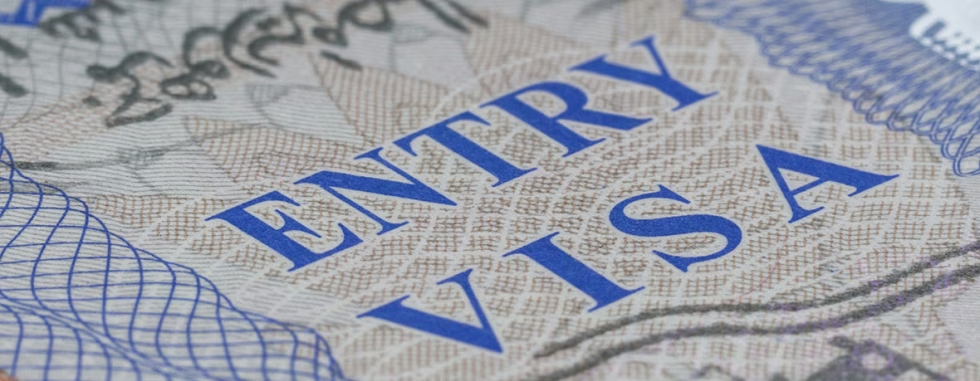
Yes, Spanish citizens need to obtain a visa to travel to Uganda. You can request a e-Visa(e-Visa) before the trip, and it is quite easy to do this through the official website of the Ugandan government. The visa for Uganda is a single entry, has a validity of three months and costs 50 USD.
You can also obtain the visa on arrival, but it is recommended to manage the e-Visa in advance to avoid inconveniences. Be sure to check the updated requirements and rates on the official website or embassy of Uganda before you travel.
Private safari or group safari: Which is better?
When is the best time to travel to Uganda?
The best time to travel to Uganda depends on the type of experience you are looking for:
Dry season (December to February and June to August):
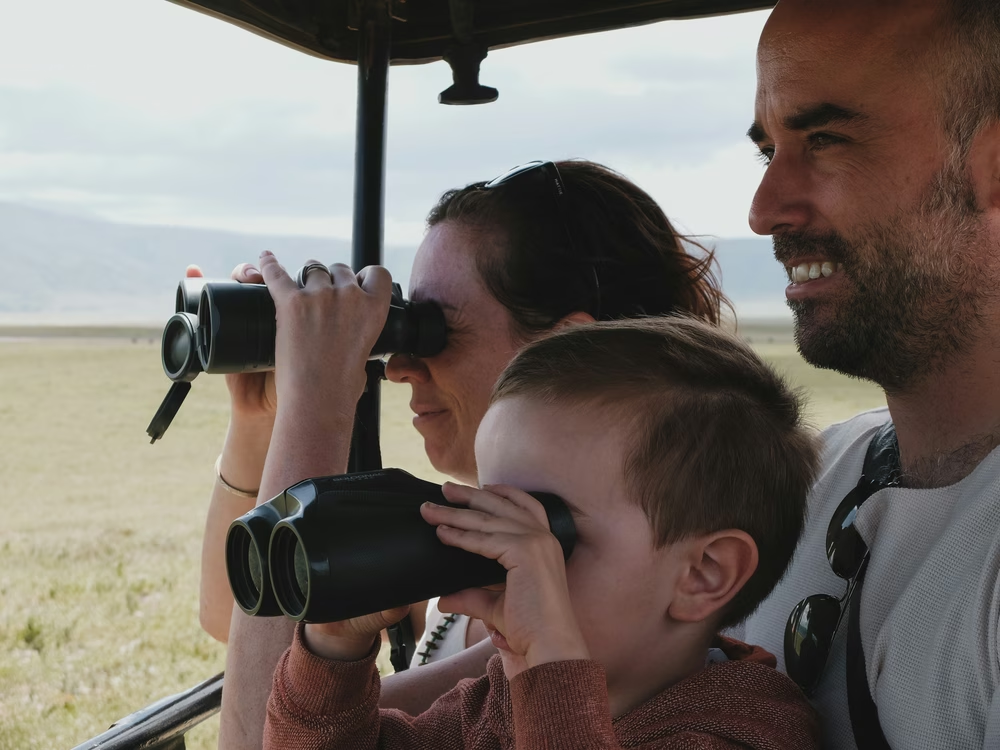
- Ideal for safaris and animal watching.During the dry season, animals tend to concentrate around the few available water points, making them easier to observe.
- National parks such as the Impenetrable Mountains National Park, famous for gorilla trekking, are more accessible, since the roads are not so muddy and the rains are less frequent.
Rainy season (March to May and September to November):
- Less tourists, but more challenges. Although it is low season, with fewer visitors and cheaper rates, the rains can make it difficult to access certain parks, and the observation of animals can be more complicated, since they are more dispersed in the environment.
- However, the landscapes are very green and spectacular, and the animals are still visible, but hikes to see gorillas and other species can be more demanding.
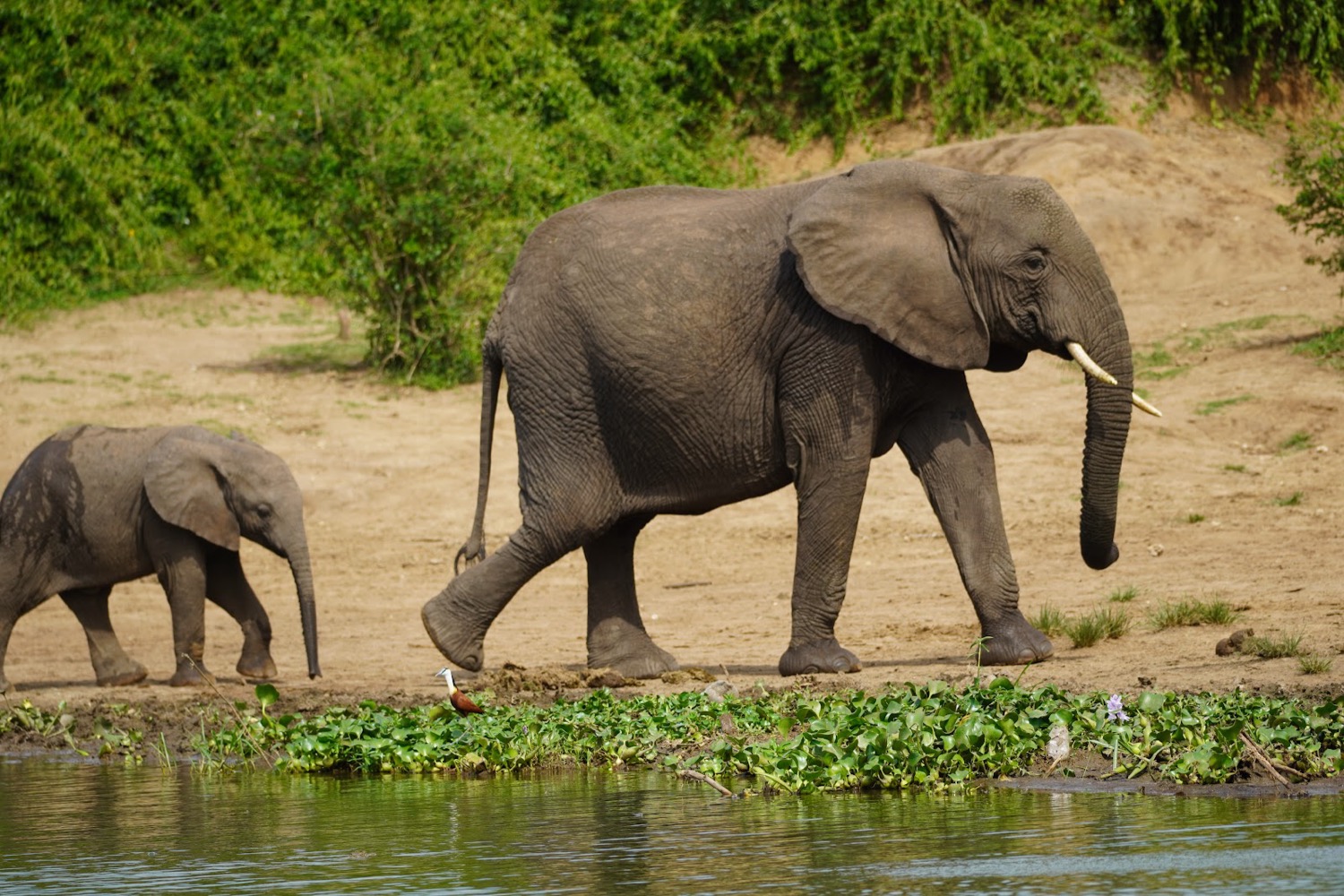
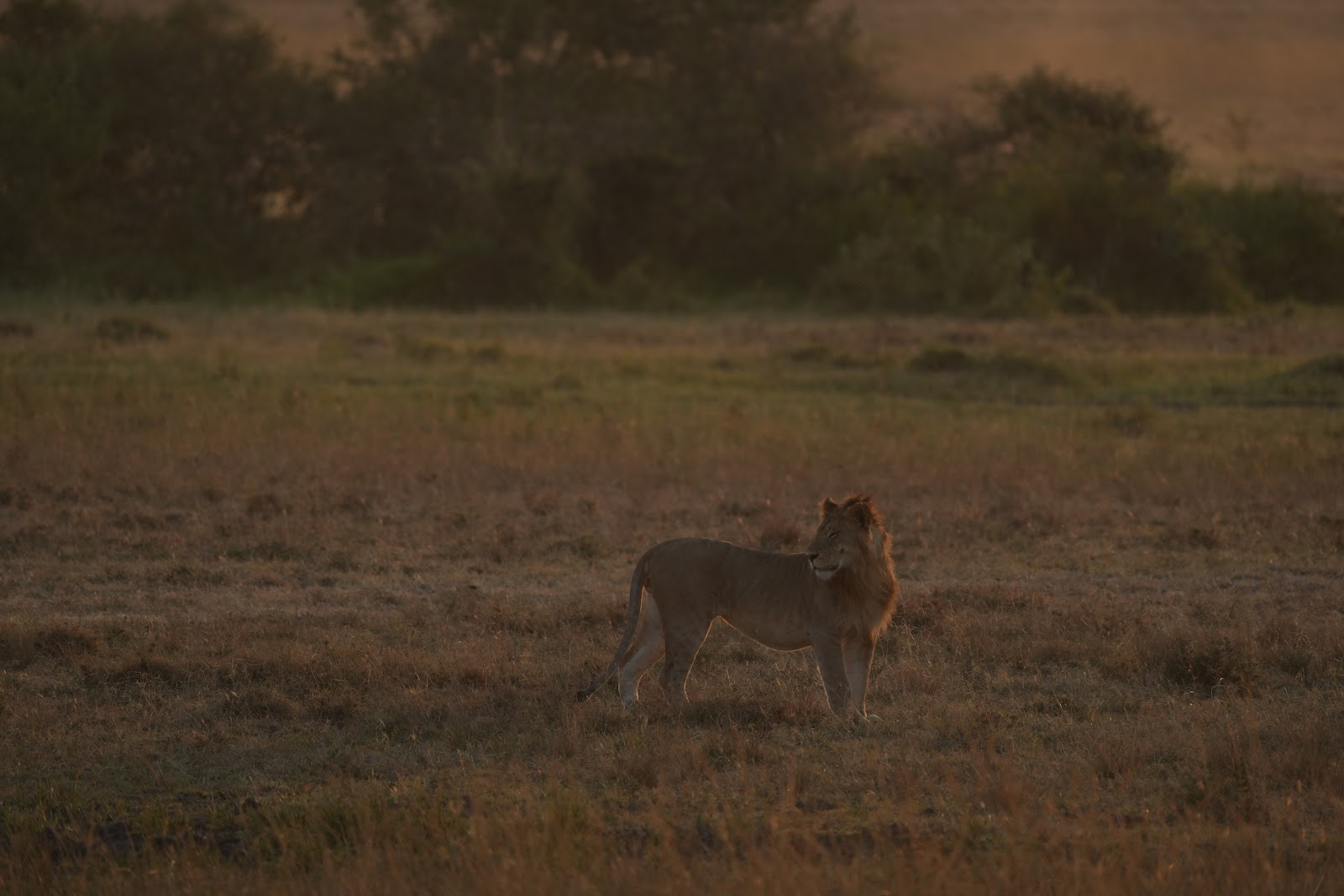
If you want to see wildlife such as elephants, lions, buffaloes or hippos, the dry season is the best option. The safarisin places like Queen Elizabeth National Park and Murchison Falls National Park are easier during this period.
Ready to experience Uganda's wildlife for yourself?
Our Classic Safari takes you through Uganda's most iconic parks and landscapes, with expert local guides handling every detail. 8 days, from 2.995 € per person. Uganda - Classic Safari
Complete guide to safari permits in Uganda
9 tips for your trip to Uganda
1. Protect yourself with recommended vaccines
Uganda is a country with a tropical climate, so it is essential to be up to date with certain vaccines before traveling. The yellow fever vaccine is mandatory, and a vaccination certificate is required to enter the country.
In addition to basic vaccines such as triple viral (measles, mumps and rubella) and tetanus-diphtheria, organizations such as the WHO and CDC recommend vaccination against hepatitis A and B, typhoid fever and, in some cases, rabies and meningitis, depending on the duration of the trip and the activities you want to do.
2. Take measures against malaria
Malaria is a disease present throughout the Ugandan territory, so it is essential to follow preventive measures to reduce the risk of infection. In addition to the antimalarial treatment prescribed by the doctor, it is recommended:
- Wearing long-sleeved clothes and long pants, especially at dawn and dusk, when mosquitoes are most active.
- Apply insect repellent with DEET, IR3535 or icaridinon exposed skin and clothing.
- Sleeping under a mosquito net impregnated with insecticidein accommodation without adequate protection.
- Avoid areas with stagnant water, where mosquitoes usually breed.
If you experience symptoms such as fever, chills, or fatigue during or after the trip, seek immediate medical attention, as malaria requires prompt treatment.
3. Take out travel insurance and avoid unforeseen events
It is essential to have one travel insuranceto avoid any mishaps during your adventure in Uganda. Good coverage can include medical emergencies, flight cancellations, lost luggage, and more.
We recommend IATI Seguros travel insurance, which offers coverage of more than €1,000,000 in medical expenses, with the option to add cancellation coverage. This will give you the peace of mind of knowing that you are protected against any eventuality.
4. Book your trip with a specialized agency
Travel to Uganda with a specialized agency such as Trio Travelallows you to enjoy the destination with total tranquility and security. Organizing a trip on your own in a country with limited tourist infrastructure can be complicated, but with our team you will have everything solved: from accommodation in strategic places to transport and activities, such as safaris or trekking with gorillas.
In addition, you will have expert local guides who will not only accompany you on each adventure, but also offer you a more authentic experience. So you can focus on enjoying Uganda's stunning nature and wildlife without worrying about logistics.
5. Learn a few words in Swahili
In Uganda, the official languages are English and Swahili, although numerous local languages are also spoken. Although English is widely used, learning a few phrases in Swahili can greatly enrich your experience.
Some useful expressions are:
- Hello(Hello)
- What news?(How are you?)
- Siambo(I'm fine)
- Glad to see you(Nice to meet you)
- For good luck(Goodbye)
- We'll see each other (See you)
- Thank you(Thank you)
- No thanks(No, thank you)
- Yes(Yes)
Knowing these phrases will allow you to have closer interactions with local people.
6. Make sure you bring cash
In Uganda, the official currency is the Ugandan shilling (UGX), and although credit cards can be used in some tourist establishments and in major cities, it is advisable to carry cash for most transactions. Especially in rural or remote areas, cash payments are much more common. You can exchange money at local banks or exchange houses, but it is always better to do so in safe places.
In addition, keep in mind that foreign currencies (such as US dollars or euros) are also accepted in many parts of the country, although it is advisable to carry enough cash to cover daily expenses and not rely exclusively on ATMs.
7. Bring light-colored clothes and a microfiber towel
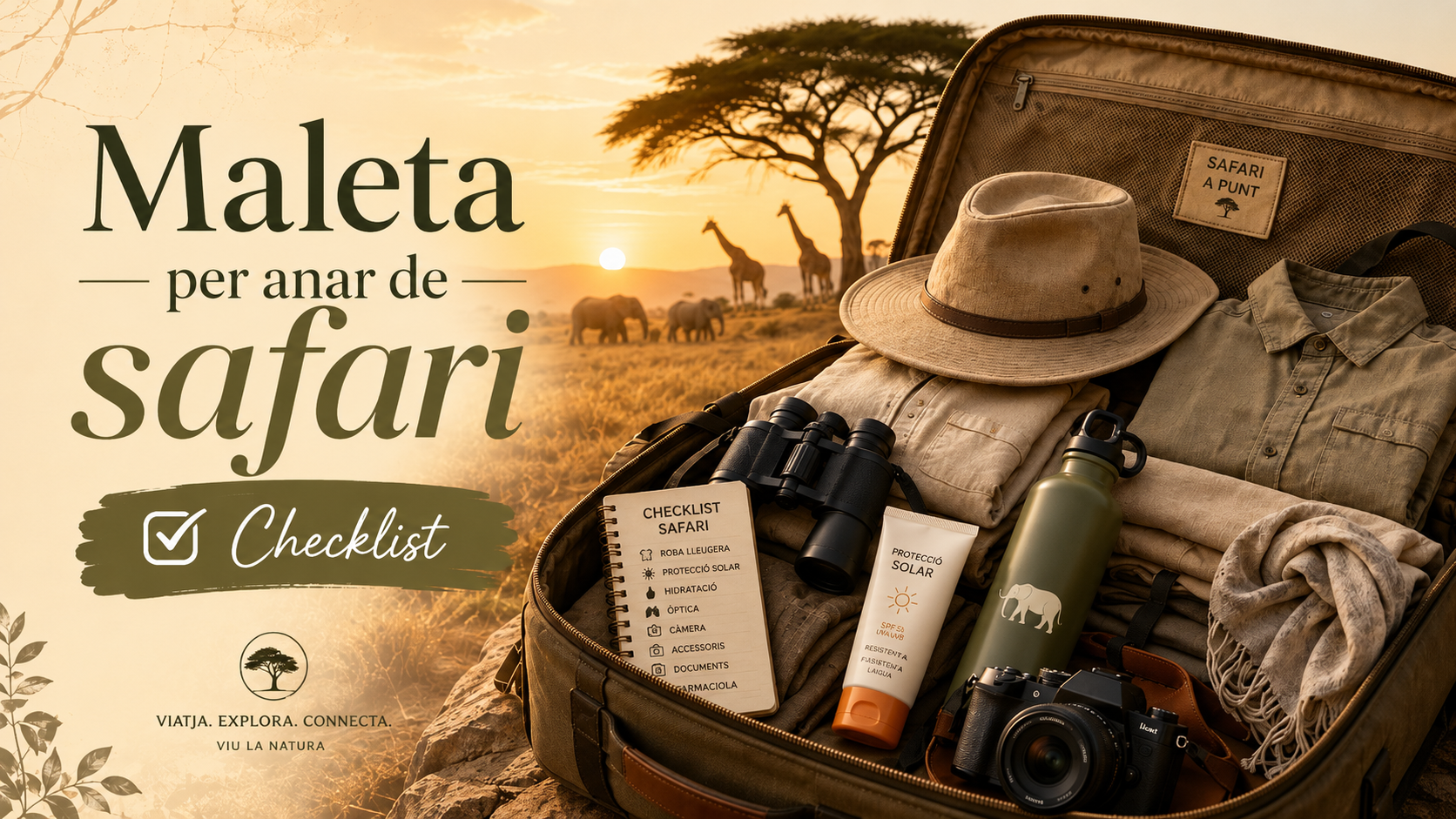
For your trip to Uganda, it is important to choose light-colored clothing, which will help you stay cool in the tropical climate and avoid attracting insects. Choose long-sleeved garments and long pants to protect yourself from mosquitoes and other insects.
In addition, a microfiber towel will be your best ally, as it is compact, light and dries quickly, ideal for activities in wet areas or after a day of safari.
8. Don't forget to bring a G-type adapter
If you are traveling to Uganda, it is essential to carry a type G power adapter. This type of plug, with three rectangular plugs, is the standard in the country. If your devices have another type of plug, you will need an adapter to be able to charge them without problems.
In addition, if you plan to use several appliances at the same time, it may be useful to carry a power strip with several plugs and adapters, since in some rural areas there are few power outlets. Having the right adapter will ensure you can charge your mobile, camera or any other electronic device during your stay.
9. Bring your photographic equipment and capture the essence of Uganda
Don't forget to bring your photographic equipment to make the most of the incredible visual opportunities Uganda has to offer. In the impenetrable forest of Bwindi, 12 days, from 4.995 € per person, you can capture unique images of these animals in their natural habitat.
A telephoto lens will allow you to get sharp, detailed photos without having to get too close, allowing you to enjoy and document wildlife in a respectful way.
Book your photo safari in Uganda!
Example of a tour in Uganda: Safari trip
Itinerary of 10 days with Trio Travel
- Day 1: Arrival at Entebbe International Airport (EBB) and transfer to the accommodation.
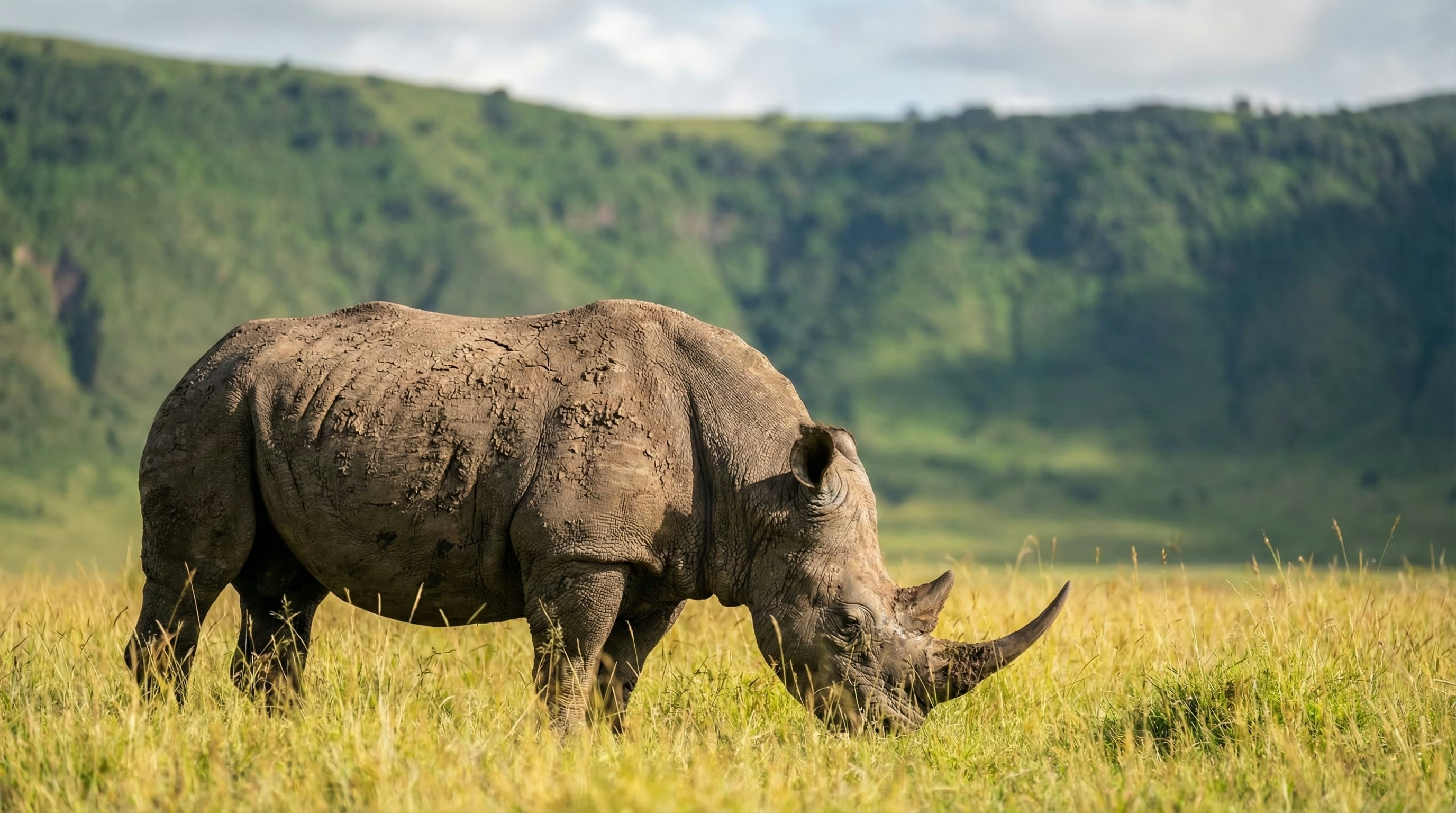
- Day 2: En route to Murchison Falls and Ziwa Rhino Sanctuary, where you can see white rhinos in their natural habitat.
- Day 3: Full-day safari in Murchison Falls National Park, where you'll explore wildlife and enjoy spectacular views.
- Day 4: Trip to the Kibale Forest National Park, famous for its great biodiversity and the chimpanzees that inhabit it.
- Day 5: Trekking through the Kibale in search of chimpanzees and later transfer to Queen Elizabeth National Park.
- Day 6: Day safari in Queen Elizabeth National Park, one of the destinations best known for its great variety of wildlife.
- Day 7: Excursion to the Kyambura gorge and trip to Ishasha, famous for its tree-climbing lions.
- Day 8: En route to the Bwindi Impenetrable Forest, where you will attend a talk on conservation and make a first trekking inside the park.
- Day 9: Trekking in Bwindi to see the majestic gorilla families in their natural environment.
- Day 10: Domestic flight from Kisoro to Entebbe and transfer to Entebbe airport to catch the return flight.
Book your safari in Uganda
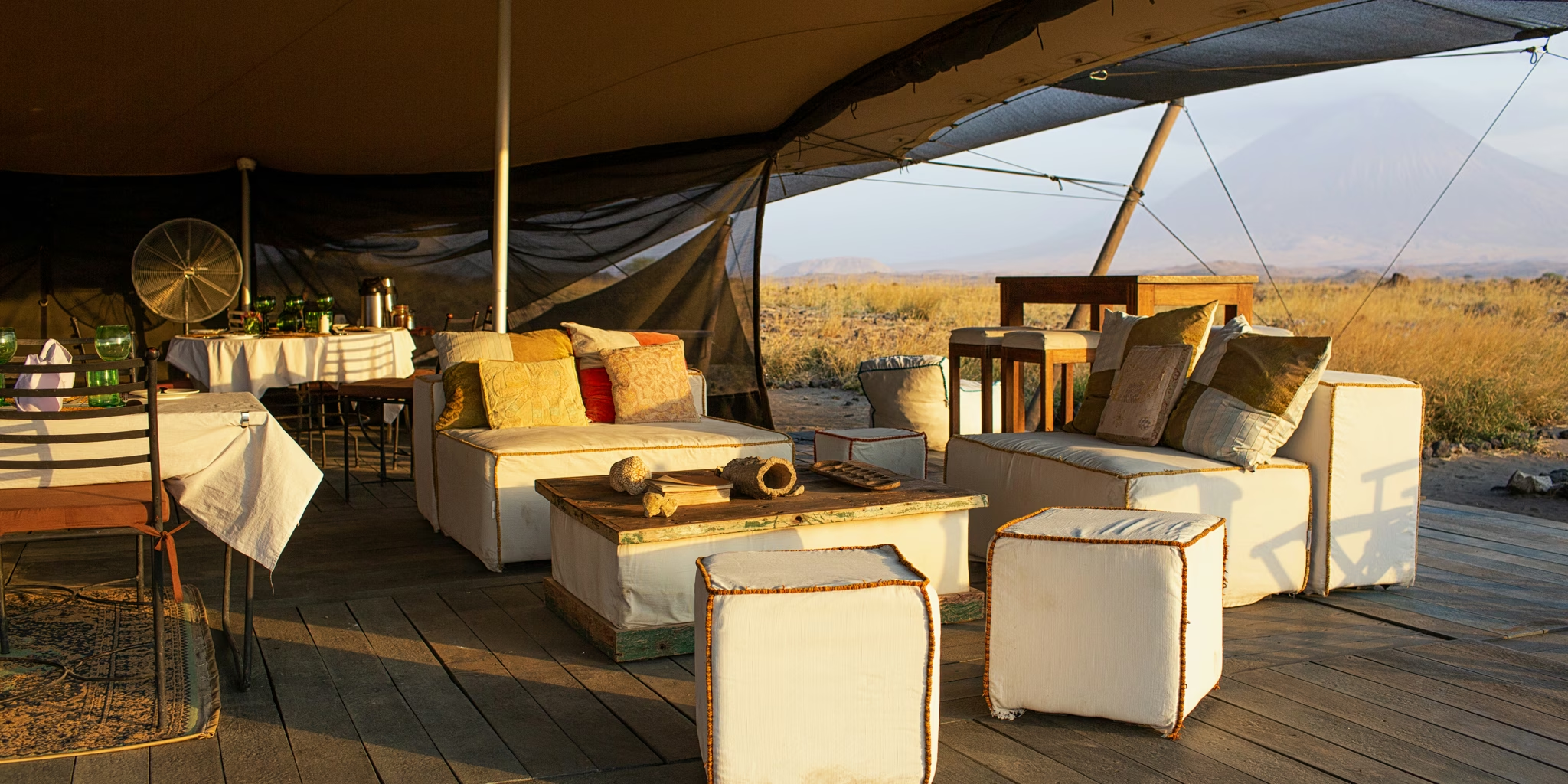
Traveling with Watatu Travel in Uganda is the safest and most authentic way to explore this destination. We take care of everything so that you only have to worry about enjoying: transport, meals, accommodation in nature reserves and the best activities, such as trekking in the Bwindi Impenetrable Forest or an exciting safari in Queen Elizabeth National Park.
With our local guides, you will be able to immerse yourself in the culture and nature of Uganda without stress or complications. Let us be part of your adventure in this special corner of the world!
Start your Ugandan adventure today
From gorilla trekking in Bwindi to boat safaris on the Nile, our Uganda routes are designed to show you the very best of this extraordinary country. 11 days, from 3.995 € per person. Uganda - The Wild Jungle
Frequently asked questions
Do I need a visa to travel to Uganda?
Yes, most nationalities including Spanish citizens need a visa. You can apply for an e-Visa online through the official Ugandan government portal before departure. Visa on arrival is also available, but applying in advance is strongly recommended to avoid delays or complications at the border.
Is the yellow fever vaccine mandatory for Uganda?
Yes, yellow fever vaccination is mandatory to enter Uganda and you must carry a valid vaccination certificate. Alongside this, vaccines for hepatitis A and B, typhoid fever, and tetanus are strongly recommended. Consult your doctor or a travel health clinic at least four to six weeks before departure.
What is the best time of year to visit Uganda for gorilla trekking?
The dry seasons, from December to February and June to August, are generally considered the best periods for gorilla trekking in Bwindi Impenetrable National Park. Trails are easier to navigate and the chances of clear sightings are higher. That said, gorilla permits can be obtained year-round.
What currency should I bring to Uganda?
The official currency is the Ugandan shilling (UGX). While US dollars and euros are widely accepted in tourist areas, carrying local currency in cash is advisable for markets, rural areas, and smaller transactions. Credit cards are accepted in some hotels and restaurants in Kampala and Entebbe.
Is malaria a real risk in Uganda and how can I protect myself?
Malaria is present throughout Uganda. Protective measures include taking doctor-prescribed antimalarial medication, wearing long-sleeved clothing especially at dawn and dusk, applying DEET-based insect repellent, and sleeping under a mosquito net. Seek immediate medical attention if you develop fever or chills during or after your trip.
What type of power plug is used in Uganda?
Uganda uses the Type G plug, which features three rectangular pins in a triangular layout. If your devices use a different plug type, you will need a Type G adapter. In rural lodges and camps, power sockets can be scarce, so a compact power strip with an adapter is a practical addition to your packing list.
| Capital | Kampala |
| Official languages | English and Swahili |
| Currency | Ugandan Shilling (UGX) |
| Plug type | Type G (three rectangular pins) |
| Yellow fever vaccine | Mandatory, certificate required at entry |
| Best time to visit | Dry seasons: December to February and June to August |
| Visa | e-Visa available online; visa on arrival also possible |
Imagine walking through the fog of an ancient jungle while a mountain gorilla watches you a few meters away, or wandering the golden vastness of the savannah where lions rest under the shade of an acacia tree. Traveling to Uganda is to step into a world where wildlife and nature create scenarios that look like shots from a documentary.
From one safaristhrough Queen Elizabeth National Park to the thrill of navigating the waters of the Nile River, this country will surprise you at every corner. In this guide, we tell you everything you need to know to plan your trip to Uganda.
Is it safe to travel to Uganda?
If you are thinking of traveling to Uganda, you will be happy to know that it is a fairly safe destination, especially if you join an organized trip with local guides, such as the ones we offer in Trio Travel, where your safety and well-being are our priority.
As anywhere in the world, it is important to take some precautions, especially in big cities like Kampala or Entebbe. It is recommended not to explore the city at night without a driver or local guide, and always keep your belongings close by.
Do I need a visa to travel to Uganda?
Yes, Spanish citizens need to obtain a visa to travel to Uganda. You can request a e-Visa(e-Visa) before the trip, and it is quite easy to do this through the official website of the Ugandan government. The visa for Uganda is a single entry, has a validity of three months and costs 50 USD.
You can also obtain the visa on arrival, but it is recommended to manage the e-Visa in advance to avoid inconveniences. Be sure to check the updated requirements and rates on the official website or embassy of Uganda before you travel.
Private safari or group safari: Which is better?
When is the best time to travel to Uganda?
The best time to travel to Uganda depends on the type of experience you are looking for:
Dry season (December to February and June to August):
- Ideal for safaris and animal watching.During the dry season, animals tend to concentrate around the few available water points, making them easier to observe.
- National parks such as the Impenetrable Mountains National Park, famous for gorilla trekking, are more accessible, since the roads are not so muddy and the rains are less frequent.
Rainy season (March to May and September to November):
- Less tourists, but more challenges. Although it is low season, with fewer visitors and cheaper rates, the rains can make it difficult to access certain parks, and the observation of animals can be more complicated, since they are more dispersed in the environment.
- However, the landscapes are very green and spectacular, and the animals are still visible, but hikes to see gorillas and other species can be more demanding.
If you want to see wildlife such as elephants, lions, buffaloes or hippos, the dry season is the best option. The safarisin places like Queen Elizabeth National Park and Murchison Falls National Park are easier during this period.
Ready to experience Uganda's wildlife for yourself?
Our Classic Safari takes you through Uganda's most iconic parks and landscapes, with expert local guides handling every detail. 8 days, from 2.995 € per person. Uganda - Classic Safari
Complete guide to safari permits in Uganda
9 tips for your trip to Uganda
1. Protect yourself with recommended vaccines
Uganda is a country with a tropical climate, so it is essential to be up to date with certain vaccines before traveling. The yellow fever vaccine is mandatory, and a vaccination certificate is required to enter the country.
In addition to basic vaccines such as triple viral (measles, mumps and rubella) and tetanus-diphtheria, organizations such as the WHO and CDC recommend vaccination against hepatitis A and B, typhoid fever and, in some cases, rabies and meningitis, depending on the duration of the trip and the activities you want to do.
2. Take measures against malaria
Malaria is a disease present throughout the Ugandan territory, so it is essential to follow preventive measures to reduce the risk of infection. In addition to the antimalarial treatment prescribed by the doctor, it is recommended:
- Wearing long-sleeved clothes and long pants, especially at dawn and dusk, when mosquitoes are most active.
- Apply insect repellent with DEET, IR3535 or icaridinon exposed skin and clothing.
- Sleeping under a mosquito net impregnated with insecticidein accommodation without adequate protection.
- Avoid areas with stagnant water, where mosquitoes usually breed.
If you experience symptoms such as fever, chills, or fatigue during or after the trip, seek immediate medical attention, as malaria requires prompt treatment.
3. Take out travel insurance and avoid unforeseen events
It is essential to have one travel insuranceto avoid any mishaps during your adventure in Uganda. Good coverage can include medical emergencies, flight cancellations, lost luggage, and more.
We recommend IATI Seguros travel insurance, which offers coverage of more than €1,000,000 in medical expenses, with the option to add cancellation coverage. This will give you the peace of mind of knowing that you are protected against any eventuality.
4. Book your trip with a specialized agency
Travel to Uganda with a specialized agency such as Trio Travelallows you to enjoy the destination with total tranquility and security. Organizing a trip on your own in a country with limited tourist infrastructure can be complicated, but with our team you will have everything solved: from accommodation in strategic places to transport and activities, such as safaris or trekking with gorillas.
In addition, you will have expert local guides who will not only accompany you on each adventure, but also offer you a more authentic experience. So you can focus on enjoying Uganda's stunning nature and wildlife without worrying about logistics.
5. Learn a few words in Swahili
In Uganda, the official languages are English and Swahili, although numerous local languages are also spoken. Although English is widely used, learning a few phrases in Swahili can greatly enrich your experience.
Some useful expressions are:
- Hello(Hello)
- What news?(How are you?)
- Siambo(I'm fine)
- Glad to see you(Nice to meet you)
- For good luck(Goodbye)
- We'll see each other (See you)
- Thank you(Thank you)
- No thanks(No, thank you)
- Yes(Yes)
Knowing these phrases will allow you to have closer interactions with local people.
6. Make sure you bring cash
In Uganda, the official currency is the Ugandan shilling (UGX), and although credit cards can be used in some tourist establishments and in major cities, it is advisable to carry cash for most transactions. Especially in rural or remote areas, cash payments are much more common. You can exchange money at local banks or exchange houses, but it is always better to do so in safe places.
In addition, keep in mind that foreign currencies (such as US dollars or euros) are also accepted in many parts of the country, although it is advisable to carry enough cash to cover daily expenses and not rely exclusively on ATMs.
7. Bring light-colored clothes and a microfiber towel
For your trip to Uganda, it is important to choose light-colored clothing, which will help you stay cool in the tropical climate and avoid attracting insects. Choose long-sleeved garments and long pants to protect yourself from mosquitoes and other insects.
In addition, a microfiber towel will be your best ally, as it is compact, light and dries quickly, ideal for activities in wet areas or after a day of safari.
8. Don't forget to bring a G-type adapter
If you are traveling to Uganda, it is essential to carry a type G power adapter. This type of plug, with three rectangular plugs, is the standard in the country. If your devices have another type of plug, you will need an adapter to be able to charge them without problems.
In addition, if you plan to use several appliances at the same time, it may be useful to carry a power strip with several plugs and adapters, since in some rural areas there are few power outlets. Having the right adapter will ensure you can charge your mobile, camera or any other electronic device during your stay.
9. Bring your photographic equipment and capture the essence of Uganda
Don't forget to bring your photographic equipment to make the most of the incredible visual opportunities Uganda has to offer. In the impenetrable forest of Bwindi, 12 days, from 4.995 € per person, you can capture unique images of these animals in their natural habitat.
A telephoto lens will allow you to get sharp, detailed photos without having to get too close, allowing you to enjoy and document wildlife in a respectful way.
Book your photo safari in Uganda!
Example of a tour in Uganda: Safari trip
Itinerary of 10 days with Trio Travel
- Day 1: Arrival at Entebbe International Airport (EBB) and transfer to the accommodation.
- Day 2: En route to Murchison Falls and Ziwa Rhino Sanctuary, where you can see white rhinos in their natural habitat.
- Day 3: Full-day safari in Murchison Falls National Park, where you'll explore wildlife and enjoy spectacular views.
- Day 4: Trip to the Kibale Forest National Park, famous for its great biodiversity and the chimpanzees that inhabit it.
- Day 5: Trekking through the Kibale in search of chimpanzees and later transfer to Queen Elizabeth National Park.
- Day 6: Day safari in Queen Elizabeth National Park, one of the destinations best known for its great variety of wildlife.
- Day 7: Excursion to the Kyambura gorge and trip to Ishasha, famous for its tree-climbing lions.
- Day 8: En route to the Bwindi Impenetrable Forest, where you will attend a talk on conservation and make a first trekking inside the park.
- Day 9: Trekking in Bwindi to see the majestic gorilla families in their natural environment.
- Day 10: Domestic flight from Kisoro to Entebbe and transfer to Entebbe airport to catch the return flight.
Book your safari in Uganda
Traveling with Watatu Travel in Uganda is the safest and most authentic way to explore this destination. We take care of everything so that you only have to worry about enjoying: transport, meals, accommodation in nature reserves and the best activities, such as trekking in the Bwindi Impenetrable Forest or an exciting safari in Queen Elizabeth National Park.
With our local guides, you will be able to immerse yourself in the culture and nature of Uganda without stress or complications. Let us be part of your adventure in this special corner of the world!
Start your Ugandan adventure today
From gorilla trekking in Bwindi to boat safaris on the Nile, our Uganda routes are designed to show you the very best of this extraordinary country. 11 days, from 3.995 € per person. Uganda - The Wild Jungle
Frequently asked questions
Do I need a visa to travel to Uganda?
Yes, most nationalities including Spanish citizens need a visa. You can apply for an e-Visa online through the official Ugandan government portal before departure. Visa on arrival is also available, but applying in advance is strongly recommended to avoid delays or complications at the border.
Is the yellow fever vaccine mandatory for Uganda?
Yes, yellow fever vaccination is mandatory to enter Uganda and you must carry a valid vaccination certificate. Alongside this, vaccines for hepatitis A and B, typhoid fever, and tetanus are strongly recommended. Consult your doctor or a travel health clinic at least four to six weeks before departure.
What is the best time of year to visit Uganda for gorilla trekking?
The dry seasons, from December to February and June to August, are generally considered the best periods for gorilla trekking in Bwindi Impenetrable National Park. Trails are easier to navigate and the chances of clear sightings are higher. That said, gorilla permits can be obtained year-round.
What currency should I bring to Uganda?
The official currency is the Ugandan shilling (UGX). While US dollars and euros are widely accepted in tourist areas, carrying local currency in cash is advisable for markets, rural areas, and smaller transactions. Credit cards are accepted in some hotels and restaurants in Kampala and Entebbe.
Is malaria a real risk in Uganda and how can I protect myself?
Malaria is present throughout Uganda. Protective measures include taking doctor-prescribed antimalarial medication, wearing long-sleeved clothing especially at dawn and dusk, applying DEET-based insect repellent, and sleeping under a mosquito net. Seek immediate medical attention if you develop fever or chills during or after your trip.
What type of power plug is used in Uganda?
Uganda uses the Type G plug, which features three rectangular pins in a triangular layout. If your devices use a different plug type, you will need a Type G adapter. In rural lodges and camps, power sockets can be scarce, so a compact power strip with an adapter is a practical addition to your packing list.



.avif)




.avif)






.avif)

.avif)
.avif)

.jpeg)





.png)