








Discovering the typical food of Tanzania is to embark on a journey of unique flavors that reflect the rich cultural heritage of East Africa. From traditional dishes such as Ugali to aromatic pilau, Tanzanian cuisine combines indigenous, Arab and Indian influences in a gastronomic proposal full of history and flavor.
Whether you are planning one Trip to Tanzaniaor simply want to know more about its gastronomy, exploring its traditional dishes is a delicious way to connect with its people, its history and its traditions. Keep reading and let yourself be amazed by the colors, aromas and flavors that make Tanzanian cuisine an experience to remember.
Origins and history of Tanzanian gastronomy
Tanzanian cuisine is a living expression of its multicultural history and geographical diversity. Its roots lie in Bantu communities, who introduced staple ingredients such as corn, millet, beans and tubers, in addition to iconic dishes such as, which remains the central food of the local diet. These communities developed simple but nutritious techniques, based on fresh, seasonal ingredients.
Beginning in the 9th century, the arrival of Arab and Persian traders on the Swahili coast, especially in Zanzibar, enriched the local cuisine with spices such as cloves, cinnamon and cardamom, as well as rice and coconut milk. Later, Indian influence incorporated curries, samosas and other spicy dishes, while European colonization brought new ingredients and cooking methods, such as meat roast (nyama choma) and chapati bread.
Today, Tanzanian culinary culture is a mosaic of flavors and traditions that reflects centuries of cultural exchange. From fish stews with coconut milk on the coast to meat and banana stews indoors, each dish tells a story of coexistence and adaptation. This unique combination makes Tanzania a fascinating culinary destination, where history and culture are savored in every bite.
Eating in a local community of Arusha, the beginning of our travels
Food Guide: What are the typical Tanzanian dishes you should try and where?
In Tanzania, every meal is an opportunity to share and stress social bonds, whether between family, friends or even strangers. Exploring the variety of typical Tanzanian dishes is to immerse yourself in a culinary journey where taste and local hospitality always go hand in hand.
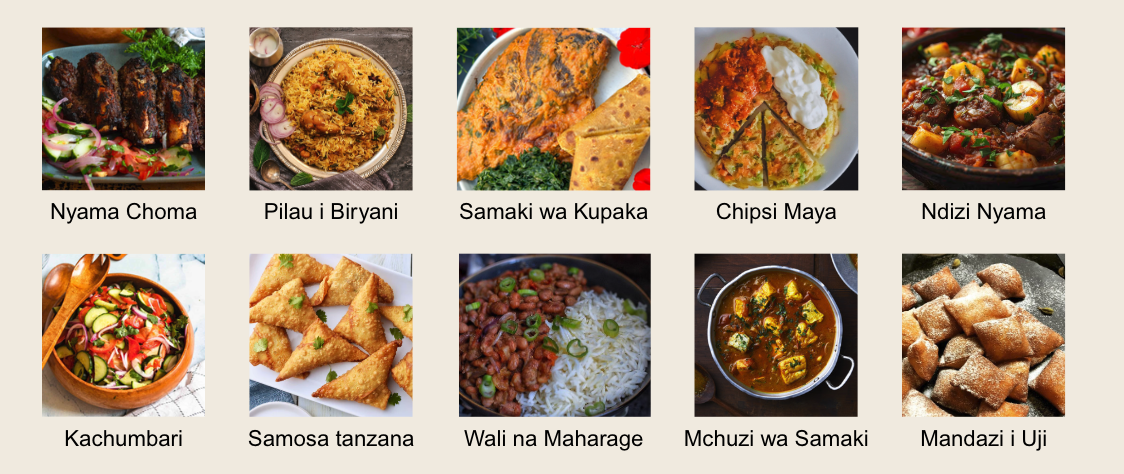
Nyama Choma: The Tanzanian roast that unites everyone
The Roast Meat is much more than grilled meat; it is a symbol of hospitality and social life in Tanzania. This traditional dish is prepared with beef, goat or chicken, marinated with spices and slow-roasted. It is offered with side dishes such as, white rice, raw vegetables and sauces.
It is ideal for family gatherings, celebrations and, of course, to accompany a safari day. You can enjoy it in local restaurants in Arusha, Moshi or in the Serengeti region, where the culinary experience is mixed with Tanzanian culinary heritage and culture.
Pilau and Biryani: Spiced rice with history and flavor
The Pilau and the Biryani are dishes of spiced rice that reflect the fusion of cultures in Tanzania. Pilau is cooked with minced meat or chicken, fresh vegetables and a mixture of spices such as cinnamon, cardamom and cloves, while biryani also incorporates a touch of sweet flavor and sometimes nuts.
These Tanzanian dishes are a must on special occasions and celebrations, especially in coastal regions and Zanzibar, where spices and coconut milk enhance the flavor.
Taste Tanzania on a real safari
Join one of our Tanzania routes and discover spiced pilau and freshly caught seafood as part of an unforgettable East African adventure. 6 days, from 2.095 € per person. Tanzania - Classic Safari
Samaki wa Kupaka: Fresh seafood and coconut sauce on the coast
In the coastal regions of Tanzania and especially in Zanzibar, thePickling FishIt is the star dish. It is fresh Indian fish, roasted and bathed in coconut milk and spices. This popular dish is a showcase of Swahili culinary heritage and influence. You'll find it at waterfront restaurants in Zanzibar, Bagamoyo and Dar es Salaam.
Chipsi Mayai: French fries and eggs, the classic of street food
Egg Chips is the Tanzanian answer to fast food: an omelette of chips and eggs, served with tomato sauce and sometimes accompanied by raw vegetables. It is a local and simple dish that you can find in any street food place, especially in cities like Mwanza, Dodoma or Arusha.
Ndizi Nyama: Banana and meat stew, taste of the inside
The Banana Meat is a traditional stew that combines green bananas (ndizi) with beef or chicken, cooked with tomato sauce and spices. This popular dish is typical of the inland and northern areas of Tanzania, where fresh ingredients and simplicity of preparation make it a must-have on the table. Sometimes, coconut milk is added for a creamy touch, and served with white rice or awali.
Kachumbari: Freshness and color in every bite
TheKachumbariis a salad of raw vegetables, mainly tomato, onion and coriander, seasoned with olive oil and sometimes a touch of hot sauce. It is the ideal accompaniment to grilled meats and stews, bringing freshness and balance to local dishes. You can enjoy it anywhere in Tanzania.
Wali na Maharage: Rice with beans and coconut sauce
The Rice and Beansis an incredibly tasty and nutritious option for those looking for a light but delicious meal. This dish consists of white rice cooked with coconut milk, along with red or black beans, creating a creamy mixture full of flavor. Best of all is the spicy sauce made with tomato sauce, coriander, chilli and olive oil, which gives it a unique and fresh touch. This dish is ideal for vegetarians and vegans.
Tanzanian samosa: Crispy and tasty appetizer
The Tanzanian samosas are a delicious street food option that can be enjoyed as an appetizer or snack anywhere in Tanzania. These small fried patties are stuffed with minced meat, chicken or vegetables, and are offered with a spicy sauce to give it an extra touch of flavor. Its crunchy texture on the outside and soft on the inside make this dish a real delight.
Fish Sauce: Estofat de peix fresc
TheFish Sauce is a delicious fresh fish stew that is an essential part of traditional Tanzanian food. Especially in coastal regions and Zanzibar, this dish combines fresh seafood with a rich and aromatic sauce made with tomato, onion, garlic, ginger and a mixture of spices typical of Tanzanian culture, such as cardamom and cloves. Coconut milk is often added to bring creaminess and a mild flavor that balances the spicy touch of the sauce.
Mandazi and Uji: Sweets and breakfasts with local flavor
For those looking for a sweet taste, theMandaziis a donut-like fried dough, perfect as a snack or dessert, while theTestis a sweet millet or sorghum porridge, ideal for breakfast. Both are part of traditional Tanzanian food and can be accompanied with local coffee or tea, enriching the culinary experience and journey through the flavors of Tanzania.
What to do in Zanzibar: 10 unmissable experiences on the island
Vegetarian and vegan options in Tanzania
Traveling around Tanzania being vegetarian or vegan is easier than you might imagine, thanks to the abundance of fresh ingredients, traditional vegetable-based dishes, and a growing supply of specialty restaurants, especially in places like Zanzibar.
Vegetarian and vegan dishes
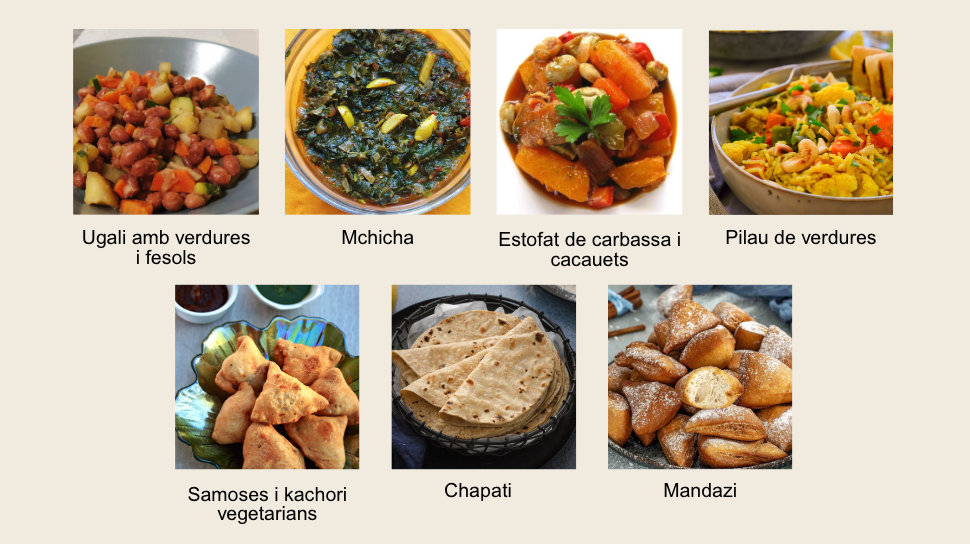
- Ugali with vegetables and beans: Ugali, a staple made from corn flour, is often served accompanied by stews of vegetables, spinach (Mchicha) and beans (Maharagwe), all prepared with local ingredients and spices. It is easy to find all over the country and is a satiating and nutritious option.
- Spinach: Dish based on spinach or green leaves cooked with tomato, onion and garlic. It is usually served with Ugali or rice and is naturally vegan.
- Pumpkin and Peanut Stew: A traditional Tanzanian stew that combines pumpkin and peanuts, perfect for those looking for options without animal products.
- Vegetable pilaf: This typical Zanzibar spicy rice can be found in vegetarian versions - just ask if it has been prepared without meat broth.
- Vegetarian samosas and kachori: These dumplings stuffed with vegetables or lentils are common in markets and street food places.
- Chapati: Wheat flour flatbread, ideal to accompany any vegetable dish or stew.
- Mandazi: Sweet fried fritters, perfect for a vegan breakfast or snack.
In addition, in the local markets of Tanzania and Zanzibar, you will find a wide variety of tropical fruits, fresh vegetables, nuts and snacks such as fresh coconut or Maandazi.
How to practice responsible tourism in Tanzania?
Traditional Tanzanian drinks
Popular alcoholic drinks
- Beer is the most consumed alcoholic beverage in Tanzania, with well-known local brands such as Kilimanjaro Lager, Serengeti Lager, Kibo Gold and Safari Lager. Each region has its favorite; for example, around Arusha, Kilimanjaro Lager is preferred for its mild flavor.
- It also highlights the konyagi, a strong local liquor that usually accompanies celebrations and social gatherings.
- In Zanzibar, craft beer is gaining ground, with beers like Zanzibar Lager brewed by Zanzibar Brewing Company in Stone Town.
Traditional non-alcoholic drinks
- The Ginger Tea is a spicy ginger tea, very popular in Zanzibar, which combines cinnamon, carnation, cardamom and other spices, offering an intense flavor and digestive properties.
- The Cinnamon Teais another emblematic tea, prepared with cinnamon and spices, which symbolizes local hospitality.
- The They deludedis a typical Zanzibar drink/soup that mixes cornmeal, tamarind, lime and a spicy touch, with a very characteristic sweet and sour taste.
- Among the traditional fermented drinks of Zanzibar are the Nausal (fermented from coconut sap) and Resilience(fermented from tropical fruits), as well as fermented cereals such as Gongoand the Komoni, which play an important social and cultural role on the island.
Other drinks
- World-renowned Tanzanian coffee is also part of the local tradition.
- Spiced tea is a daily ritual and a drink deeply rooted in Tanzanian culture.
- Natural juices such as sugarcane and coconut water are refreshing and common in markets and street food places.
7 travel tips to enjoy Tanzanian food
- Choose places crowded with locals: Popular restaurants and places tend to offer better quality and fresh dishes.
- Drink only bottled water and avoid ice: Avoid drinking tap water to reduce the risk of stomach problems during your trip.
- Enjoy the coastal cuisine: If you visit Zanzibar or Dar es Salaam, try fresh seafood, fish in coconut sauce and spicy rice, true jewels of local cuisine.
- Ask about the specialties of the area: Each region has different typical dishes; let yourself be guided by the recommendations of the Tanzanians to discover unique flavors.
- Adapt your travel itinerary to try different styles of cuisine: Alternate between traditional restaurants, local markets, and street food venues to experience authentic Tanzanian food.
- Observe local customs: In many places you eat with your right hand and sharing food is part of the experience; encourage yourself to do it to integrate better.
- Be careful with raw vegetables: If you are not sure about hygiene, opt for cooked vegetables or fruits that you can peel yourself.
This way you can enjoy Tanzanian cuisine safely and make the most of every gastronomic experience during your trip.
Is it safe to travel to Tanzania for a safari?
Discover Tanzania on an unforgettable safari with Trio Travel
Embark on a unique safari with Watatu Travel and explore Tanzania's most iconic national parks, from the Serengeti to the Ngorongoro Crater. Live close encounters with wildlife, dreamy landscapes and the warmth of their local communities. With personalized itineraries and exclusive attention, your African adventure will be safe, authentic and full of emotions.
Ready to explore Tanzania's flavours and wildlife?
From the Serengeti plains to the spice markets of Zanzibar, our Tanzania journeys put you right in the heart of the action. Request your free personalised quote today. 9 days, from 3.350 € per person. Tanzania - Crossroads of the Great Migration
Frequently asked questions
What is the most iconic dish in Tanzania?
Ugali is widely considered Tanzania's most iconic dish. Made from maize flour cooked into a firm porridge, it is served at almost every meal alongside stews, vegetables or grilled meat. It is affordable, filling and deeply rooted in the daily life of Tanzanian communities across the country.
Is Tanzanian food spicy?
Tanzanian food uses aromatic spices such as cardamom, cinnamon, cloves and cumin, but it is not typically very hot or chilli-heavy. Coastal and Zanzibari dishes tend to be more intensely spiced due to Arab and Persian influence, while inland dishes are milder. You can usually ask for extra chilli sauce on the side.
Can vegetarians and vegans eat well in Tanzania?
Yes. Tanzania offers plenty of plant-based options, including Ugali with vegetable stews, rice and beans cooked in coconut milk, Kachumbari salad, samosas stuffed with vegetables, and an abundance of tropical fruits. Zanzibar and Arusha have a growing number of restaurants catering specifically to vegetarian and vegan travellers.
Is it safe to eat street food in Tanzania?
Street food such as Chipsi Mayai, samosas and Mandazi is generally safe if you choose busy stalls with high turnover and food cooked fresh in front of you. Always avoid tap water and ice, wash your hands before eating, and follow your stomach: busy local spots are usually a reliable indicator of quality.
Where can I try the best seafood in Tanzania?
Zanzibar and the Swahili coast are the best places for fresh seafood. Dishes like Samaki wa Kupaka (fish in coconut sauce) and various fresh fish stews are staples in coastal restaurants. Stone Town's night food market at Forodhani Gardens is a popular spot to sample grilled seafood in a lively open-air setting.
What drinks should I try while visiting Tanzania?
Local beers such as Kilimanjaro Lager and Serengeti Lager are widely enjoyed. For non-alcoholic options, try spiced ginger tea or cinnamon tea, both popular in Zanzibar. Fresh sugarcane juice and coconut water are refreshing and widely available. Tanzanian coffee, grown on the slopes of Kilimanjaro, is also worth seeking out.
Discovering the typical food of Tanzania is to embark on a journey of unique flavors that reflect the rich cultural heritage of East Africa. From traditional dishes such as Ugali to aromatic pilau, Tanzanian cuisine combines indigenous, Arab and Indian influences in a gastronomic proposal full of history and flavor.
Whether you are planning one Trip to Tanzaniaor simply want to know more about its gastronomy, exploring its traditional dishes is a delicious way to connect with its people, its history and its traditions. Keep reading and let yourself be amazed by the colors, aromas and flavors that make Tanzanian cuisine an experience to remember.
Origins and history of Tanzanian gastronomy
Tanzanian cuisine is a living expression of its multicultural history and geographical diversity. Its roots lie in Bantu communities, who introduced staple ingredients such as corn, millet, beans and tubers, in addition to iconic dishes such as, which remains the central food of the local diet. These communities developed simple but nutritious techniques, based on fresh, seasonal ingredients.
Beginning in the 9th century, the arrival of Arab and Persian traders on the Swahili coast, especially in Zanzibar, enriched the local cuisine with spices such as cloves, cinnamon and cardamom, as well as rice and coconut milk. Later, Indian influence incorporated curries, samosas and other spicy dishes, while European colonization brought new ingredients and cooking methods, such as meat roast (nyama choma) and chapati bread.
Today, Tanzanian culinary culture is a mosaic of flavors and traditions that reflects centuries of cultural exchange. From fish stews with coconut milk on the coast to meat and banana stews indoors, each dish tells a story of coexistence and adaptation. This unique combination makes Tanzania a fascinating culinary destination, where history and culture are savored in every bite.
Eating in a local community of Arusha, the beginning of our travels
Food Guide: What are the typical Tanzanian dishes you should try and where?
In Tanzania, every meal is an opportunity to share and stress social bonds, whether between family, friends or even strangers. Exploring the variety of typical Tanzanian dishes is to immerse yourself in a culinary journey where taste and local hospitality always go hand in hand.
Nyama Choma: The Tanzanian roast that unites everyone
The Roast Meat is much more than grilled meat; it is a symbol of hospitality and social life in Tanzania. This traditional dish is prepared with beef, goat or chicken, marinated with spices and slow-roasted. It is offered with side dishes such as, white rice, raw vegetables and sauces.
It is ideal for family gatherings, celebrations and, of course, to accompany a safari day. You can enjoy it in local restaurants in Arusha, Moshi or in the Serengeti region, where the culinary experience is mixed with Tanzanian culinary heritage and culture.
Pilau and Biryani: Spiced rice with history and flavor
The Pilau and the Biryani are dishes of spiced rice that reflect the fusion of cultures in Tanzania. Pilau is cooked with minced meat or chicken, fresh vegetables and a mixture of spices such as cinnamon, cardamom and cloves, while biryani also incorporates a touch of sweet flavor and sometimes nuts.
These Tanzanian dishes are a must on special occasions and celebrations, especially in coastal regions and Zanzibar, where spices and coconut milk enhance the flavor.
Taste Tanzania on a real safari
Join one of our Tanzania routes and discover spiced pilau and freshly caught seafood as part of an unforgettable East African adventure. 6 days, from 2.095 € per person. Tanzania - Classic Safari
Samaki wa Kupaka: Fresh seafood and coconut sauce on the coast
In the coastal regions of Tanzania and especially in Zanzibar, thePickling FishIt is the star dish. It is fresh Indian fish, roasted and bathed in coconut milk and spices. This popular dish is a showcase of Swahili culinary heritage and influence. You'll find it at waterfront restaurants in Zanzibar, Bagamoyo and Dar es Salaam.
Chipsi Mayai: French fries and eggs, the classic of street food
Egg Chips is the Tanzanian answer to fast food: an omelette of chips and eggs, served with tomato sauce and sometimes accompanied by raw vegetables. It is a local and simple dish that you can find in any street food place, especially in cities like Mwanza, Dodoma or Arusha.
Ndizi Nyama: Banana and meat stew, taste of the inside
The Banana Meat is a traditional stew that combines green bananas (ndizi) with beef or chicken, cooked with tomato sauce and spices. This popular dish is typical of the inland and northern areas of Tanzania, where fresh ingredients and simplicity of preparation make it a must-have on the table. Sometimes, coconut milk is added for a creamy touch, and served with white rice or awali.
Kachumbari: Freshness and color in every bite
TheKachumbariis a salad of raw vegetables, mainly tomato, onion and coriander, seasoned with olive oil and sometimes a touch of hot sauce. It is the ideal accompaniment to grilled meats and stews, bringing freshness and balance to local dishes. You can enjoy it anywhere in Tanzania.
Wali na Maharage: Rice with beans and coconut sauce
The Rice and Beansis an incredibly tasty and nutritious option for those looking for a light but delicious meal. This dish consists of white rice cooked with coconut milk, along with red or black beans, creating a creamy mixture full of flavor. Best of all is the spicy sauce made with tomato sauce, coriander, chilli and olive oil, which gives it a unique and fresh touch. This dish is ideal for vegetarians and vegans.
Tanzanian samosa: Crispy and tasty appetizer
The Tanzanian samosas are a delicious street food option that can be enjoyed as an appetizer or snack anywhere in Tanzania. These small fried patties are stuffed with minced meat, chicken or vegetables, and are offered with a spicy sauce to give it an extra touch of flavor. Its crunchy texture on the outside and soft on the inside make this dish a real delight.
Fish Sauce: Estofat de peix fresc
TheFish Sauce is a delicious fresh fish stew that is an essential part of traditional Tanzanian food. Especially in coastal regions and Zanzibar, this dish combines fresh seafood with a rich and aromatic sauce made with tomato, onion, garlic, ginger and a mixture of spices typical of Tanzanian culture, such as cardamom and cloves. Coconut milk is often added to bring creaminess and a mild flavor that balances the spicy touch of the sauce.
Mandazi and Uji: Sweets and breakfasts with local flavor
For those looking for a sweet taste, theMandaziis a donut-like fried dough, perfect as a snack or dessert, while theTestis a sweet millet or sorghum porridge, ideal for breakfast. Both are part of traditional Tanzanian food and can be accompanied with local coffee or tea, enriching the culinary experience and journey through the flavors of Tanzania.
What to do in Zanzibar: 10 unmissable experiences on the island
Vegetarian and vegan options in Tanzania
Traveling around Tanzania being vegetarian or vegan is easier than you might imagine, thanks to the abundance of fresh ingredients, traditional vegetable-based dishes, and a growing supply of specialty restaurants, especially in places like Zanzibar.
Vegetarian and vegan dishes
- Ugali with vegetables and beans: Ugali, a staple made from corn flour, is often served accompanied by stews of vegetables, spinach (Mchicha) and beans (Maharagwe), all prepared with local ingredients and spices. It is easy to find all over the country and is a satiating and nutritious option.
- Spinach: Dish based on spinach or green leaves cooked with tomato, onion and garlic. It is usually served with Ugali or rice and is naturally vegan.
- Pumpkin and Peanut Stew: A traditional Tanzanian stew that combines pumpkin and peanuts, perfect for those looking for options without animal products.
- Vegetable pilaf: This typical Zanzibar spicy rice can be found in vegetarian versions - just ask if it has been prepared without meat broth.
- Vegetarian samosas and kachori: These dumplings stuffed with vegetables or lentils are common in markets and street food places.
- Chapati: Wheat flour flatbread, ideal to accompany any vegetable dish or stew.
- Mandazi: Sweet fried fritters, perfect for a vegan breakfast or snack.
In addition, in the local markets of Tanzania and Zanzibar, you will find a wide variety of tropical fruits, fresh vegetables, nuts and snacks such as fresh coconut or Maandazi.
How to practice responsible tourism in Tanzania?
Traditional Tanzanian drinks
Popular alcoholic drinks
- Beer is the most consumed alcoholic beverage in Tanzania, with well-known local brands such as Kilimanjaro Lager, Serengeti Lager, Kibo Gold and Safari Lager. Each region has its favorite; for example, around Arusha, Kilimanjaro Lager is preferred for its mild flavor.
- It also highlights the konyagi, a strong local liquor that usually accompanies celebrations and social gatherings.
- In Zanzibar, craft beer is gaining ground, with beers like Zanzibar Lager brewed by Zanzibar Brewing Company in Stone Town.
Traditional non-alcoholic drinks
- The Ginger Tea is a spicy ginger tea, very popular in Zanzibar, which combines cinnamon, carnation, cardamom and other spices, offering an intense flavor and digestive properties.
- The Cinnamon Teais another emblematic tea, prepared with cinnamon and spices, which symbolizes local hospitality.
- The They deludedis a typical Zanzibar drink/soup that mixes cornmeal, tamarind, lime and a spicy touch, with a very characteristic sweet and sour taste.
- Among the traditional fermented drinks of Zanzibar are the Nausal (fermented from coconut sap) and Resilience(fermented from tropical fruits), as well as fermented cereals such as Gongoand the Komoni, which play an important social and cultural role on the island.
Other drinks
- World-renowned Tanzanian coffee is also part of the local tradition.
- Spiced tea is a daily ritual and a drink deeply rooted in Tanzanian culture.
- Natural juices such as sugarcane and coconut water are refreshing and common in markets and street food places.
7 travel tips to enjoy Tanzanian food
- Choose places crowded with locals: Popular restaurants and places tend to offer better quality and fresh dishes.
- Drink only bottled water and avoid ice: Avoid drinking tap water to reduce the risk of stomach problems during your trip.
- Enjoy the coastal cuisine: If you visit Zanzibar or Dar es Salaam, try fresh seafood, fish in coconut sauce and spicy rice, true jewels of local cuisine.
- Ask about the specialties of the area: Each region has different typical dishes; let yourself be guided by the recommendations of the Tanzanians to discover unique flavors.
- Adapt your travel itinerary to try different styles of cuisine: Alternate between traditional restaurants, local markets, and street food venues to experience authentic Tanzanian food.
- Observe local customs: In many places you eat with your right hand and sharing food is part of the experience; encourage yourself to do it to integrate better.
- Be careful with raw vegetables: If you are not sure about hygiene, opt for cooked vegetables or fruits that you can peel yourself.
This way you can enjoy Tanzanian cuisine safely and make the most of every gastronomic experience during your trip.
Is it safe to travel to Tanzania for a safari?
Discover Tanzania on an unforgettable safari with Trio Travel
Embark on a unique safari with Watatu Travel and explore Tanzania's most iconic national parks, from the Serengeti to the Ngorongoro Crater. Live close encounters with wildlife, dreamy landscapes and the warmth of their local communities. With personalized itineraries and exclusive attention, your African adventure will be safe, authentic and full of emotions.
Ready to explore Tanzania's flavours and wildlife?
From the Serengeti plains to the spice markets of Zanzibar, our Tanzania journeys put you right in the heart of the action. Request your free personalised quote today. 9 days, from 3.350 € per person. Tanzania - Crossroads of the Great Migration
Frequently asked questions
What is the most iconic dish in Tanzania?
Ugali is widely considered Tanzania's most iconic dish. Made from maize flour cooked into a firm porridge, it is served at almost every meal alongside stews, vegetables or grilled meat. It is affordable, filling and deeply rooted in the daily life of Tanzanian communities across the country.
Is Tanzanian food spicy?
Tanzanian food uses aromatic spices such as cardamom, cinnamon, cloves and cumin, but it is not typically very hot or chilli-heavy. Coastal and Zanzibari dishes tend to be more intensely spiced due to Arab and Persian influence, while inland dishes are milder. You can usually ask for extra chilli sauce on the side.
Can vegetarians and vegans eat well in Tanzania?
Yes. Tanzania offers plenty of plant-based options, including Ugali with vegetable stews, rice and beans cooked in coconut milk, Kachumbari salad, samosas stuffed with vegetables, and an abundance of tropical fruits. Zanzibar and Arusha have a growing number of restaurants catering specifically to vegetarian and vegan travellers.
Is it safe to eat street food in Tanzania?
Street food such as Chipsi Mayai, samosas and Mandazi is generally safe if you choose busy stalls with high turnover and food cooked fresh in front of you. Always avoid tap water and ice, wash your hands before eating, and follow your stomach: busy local spots are usually a reliable indicator of quality.
Where can I try the best seafood in Tanzania?
Zanzibar and the Swahili coast are the best places for fresh seafood. Dishes like Samaki wa Kupaka (fish in coconut sauce) and various fresh fish stews are staples in coastal restaurants. Stone Town's night food market at Forodhani Gardens is a popular spot to sample grilled seafood in a lively open-air setting.
What drinks should I try while visiting Tanzania?
Local beers such as Kilimanjaro Lager and Serengeti Lager are widely enjoyed. For non-alcoholic options, try spiced ginger tea or cinnamon tea, both popular in Zanzibar. Fresh sugarcane juice and coconut water are refreshing and widely available. Tanzanian coffee, grown on the slopes of Kilimanjaro, is also worth seeking out.










.avif)




.avif)











.avif)


.avif)
.avif)
.avif)


.jpeg)











.png)