







Travel to Ugandait is a unique experience, but many wonder if it is a safe destination. Although some myths surround this country of the African continent, the reality is that, with the right security measures, it can be enjoyed without risks.
As in any other destination, it is important to know the travel recommendations and take precautions to get around with peace of mind. In this guide, we tell you all about safety in Uganda, the possible risks and the best ways to enjoy a worry-free trip.
Why travel to Uganda?
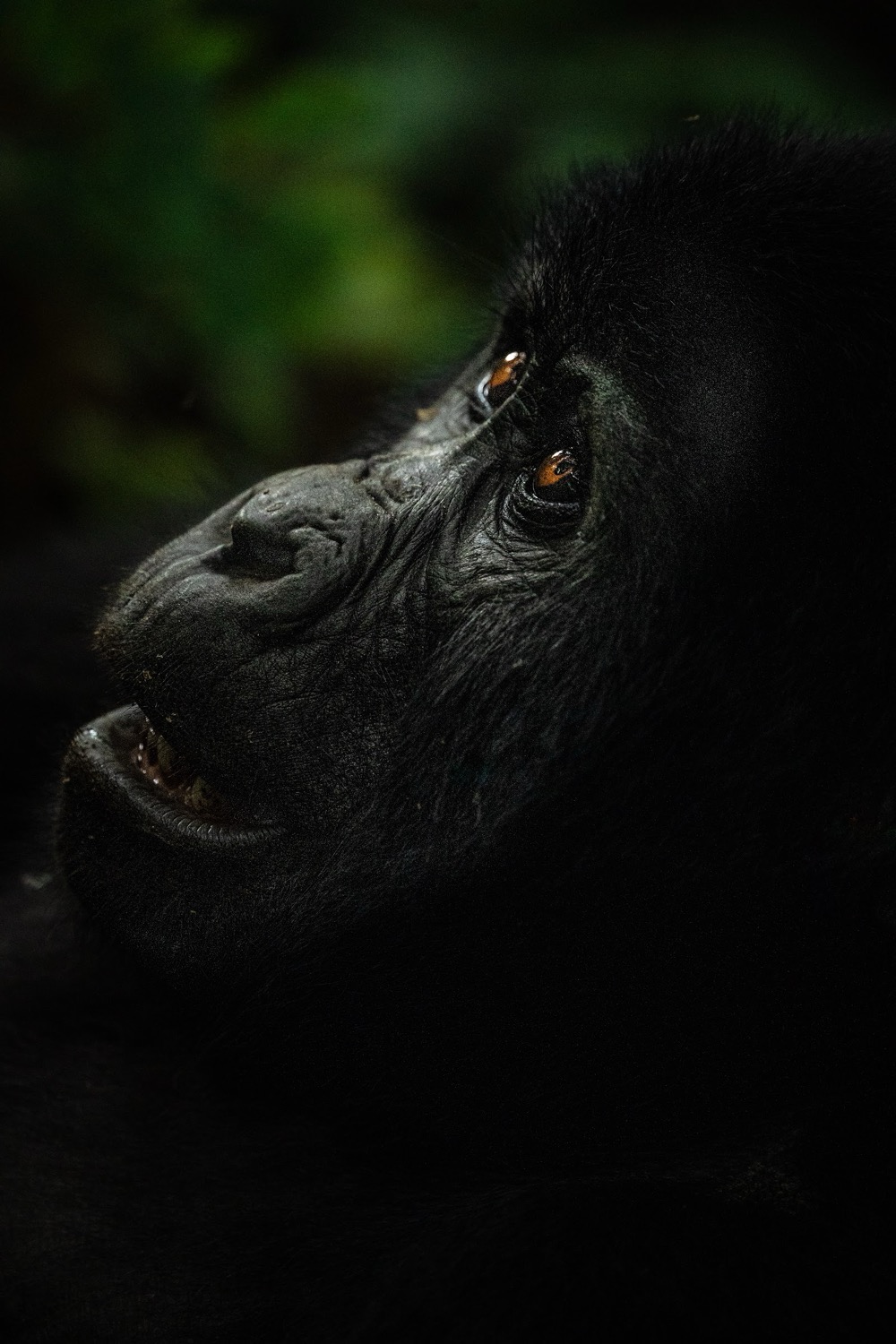
Traveling to Uganda is a unique opportunity to experience the natural beauty and rich Ugandan culture, influenced by more than 50 ethnic groups and ancestral traditions. This country, known as the Pearl of Africa, offers safaris to see mountain gorillasto its natural habitat, as well as the possibility of exploring stunning landscapes, such as Murchison Falls or Lake Victoria.
In addition, Uganda is an ideal destination for adventure lovers, with activities such as rafting on the Nile River or hiking in mountains of considerable height. Its cultural diversity and focus on wildlife conservation make this country a fascinating and accessible place for those looking for an authentic and memorable experience.
How safe is it to travel to Uganda?
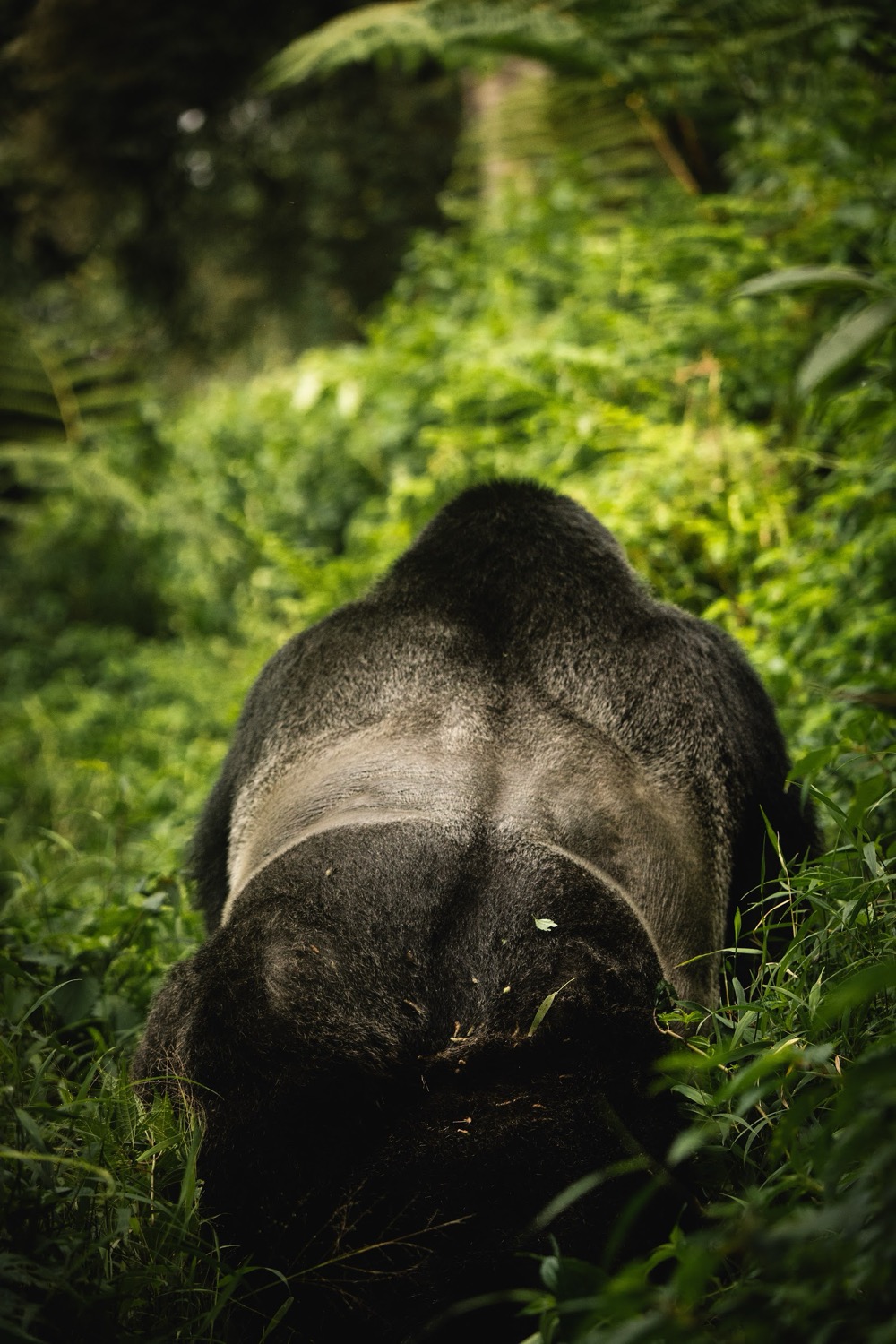
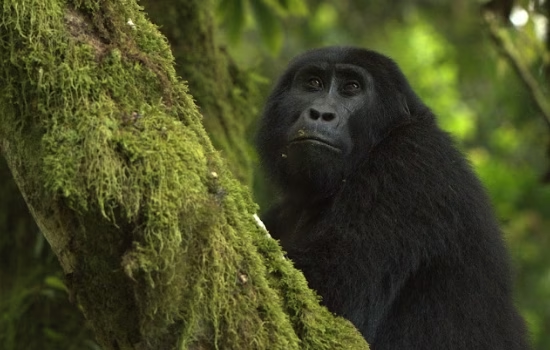
Traveling to Uganda can be safe if proper precautions are taken. Although the country is known for its impressive wildlife, including mountain gorillas in the Bwindi Impenetrable Forest, 5 days, from 1.479 € per person, it is important to follow safety recommendations when visiting national parks and reserves.
The local culture of Uganda is characterized by its hospitality and welcoming atmosphere for travelers. Even so, it is advisable to maintain common precautions, such as keeping an eye on valuables and avoiding low-traffic areas at night.
Transportation in Uganda varies in quality and safety. Shared taxis and wedding-weddings (mototaxis) can be risky due to lack of regulation and road conditions. For greater security, it is recommended to opt for private transport or trusted tourist services.
Requirements to travel to Uganda
Why is it important to check the weather forecast before traveling to the pearl of Africa?
Before traveling to Uganda, it is essential to check the weather forecast, since the country has a tropical climate with two main rainy seasons (March-May and October-November).
Being informed about these conditions will allow you to better plan your itinerary, avoid setbacks and make poor preparation for the weather. If possible, it is recommended to avoid the rainy season for a safer and more comfortable trip.
Check the dates of the safaris available in 2027
12 safety tips for your trip to
1. Take out a travel insurance with extensive medical coverage
Before traveling to Uganda, make sure you have one travel insurancecovering medical emergencies, evacuation and treatments in private hospitals. Medical care in rural areas is limited, so having coverage in higher-level clinics is essential.
We recommend that you take out travel insurance from IATI Seguros, with coverage of more than €1,000,000 of medical expenses and with the option to include cancellation coverage.
Take advantage of 5% discount here!
2. Choose safe accommodations of the right category
Opt for well-rated accommodations and hotel establishments with security measures, especially in urban areas and national parks. Make sure the site has surveillance systems, emergency trained personnel, and services such as safes to store your valuables. Also, check the opinions of other travelers to make sure the location is safe and offers a comfortable and protected environment.
3. Keep an eye on your surroundings in public spaces
In markets, crowded streets and transport stations, it is essential to stay alert and avoid distractions such as excessive use of your mobile phone or electronic devices.
Store your valuables in safe and discreet places, such as in a zippered bag or backpack. Avoid showing large amounts of money or jewelry, as this can attract unwanted attention. Always try to move through well-lit and busy areas.
4. Extreme care when traveling by road
If you plan to travel by road in Uganda, it is important to be prepared for the conditions of the tour. Some routes are not well signposted, roads can be in poor condition and traffic can be unpredictable, with the risk of encountering wild animals.
This makes road accidents relatively common. It is essential to drive with caution, especially on routes such as Kampala-Jinja and Kampala-Masaka, and avoid traveling at night.
5. Avoid risk areas and stay informed
Some regions of Uganda, particularly in the border areas with South Sudan and the Democratic Republic of the Congo, may present risks due to political tensions or conflicts.
It is essential that you consult the recommendations of the Ministry of Foreign Affairs of Spainand follow the directions of the Uganda Police on the areas to avoid. Always stay informed about safety alerts to ensure a smooth and unforeseen trip.
6. Heal yourself from public transport and bus stops
Public transport in Uganda, such as collective taxis and bodas-boda (mototaxis), does not always have the best safety conditions, due to the lack of regulation in the sector.
Opt for reliable transportation services and avoid taking vehicles to lonely or poorly lit stops, especially at night. If you can, use private transport companies or hire Local guidesThey offer safe routes.
7. Keep windows closed on urban journeys
In cities like Kampala, theft in traffic is common, so it is advisable to keep your windows closed at all times, especially in areas with high traffic. In addition, avoid leaving valuable objects such as phones, cameras or bags in sight, as they can attract the attention of opportunistic thieves. Always store your belongings safely and discreetly.
8. Take precautions when interacting with wildlife
During a safari in Uganda, always follow the directions of local guides and keep an adequate distance from wild animals. Do not get out of the vehicle outside the designated areas and never attempt to approach animals or feed them, as this can be dangerous for both you and the animals. In addition, it respects the regulations of the national parks to preserve the safety and well-being of the local fauna.
Ready to trek with mountain gorillas?
Our Uganda safaris include expert local guides, all permits, and hand-picked lodges so you can focus entirely on the experience. 8 days, from 2.995 € per person. Uganda - Classic Safari
9. Avoid large concentrations of people
Crowds at public events, demonstrations or celebrations can generate risky situations, such as robberies or riots. It is advisable to keep a prudent distance from gatherings of people and avoid getting involved in protests or mass activities.
In addition, follow the local news to be aware of any events that may affect your safety. Stay alert and always have an escape plan in case the situation becomes tense.
10. Plan well the duration of your trip and your route
It is essential to consider the duration of your trip and organize an itinerary that allows you to move safely and without haste. Avoid traveling at night, especially on little-known routes or with poor lighting, as this can increase the risks. When hiring transport, choose reputable companies and check the conditions of vehicles to ensure a comfortable and safe journey over long distances.
11. Wear appropriate clothing to protect yourself from the weather and insects
To protect yourself from insect bites and adverse weather conditions, especially in the jungle areas of Uganda, it is recommended to wear long pants and long-sleeved clothing.
This will not only help you avoid discomfort from bites, but also protect your skin from scratches while walking on dense trails. In addition, wearing the right clothes will allow you to stay comfortable and protected during excursions or safaris.
12. Precautions for LGBTI travellers in Uganda
It is important for you to know that Uganda has one of the strictest anti-LGBTI laws in the world. Homosexuality is punishable by life imprisonment, and those who “promote homosexuality” can face sentences of up to 20 years in prison.
Therefore, LGBTI travellers are advised to exercise caution, avoid public displays of affection and respect local social norms. Keeping a low profile regarding your sexual orientation and following the laws of the country is essential to ensure a safe and smooth trip.
Complete guide to safari permits in Uganda
Risk areas to avoid in Uganda
Her çend Uganda bi gelemperî ji bo rêwiyan cîhek ewledar e jî, hin deveran hene ku pêdivî ye ku tedbîrên zêde werin girtin. Here are some risk areas to avoid or where it is recommended to take special care:
- Karamoja Region:This area in northeastern Uganda has experienced insecurity problems due to tribal conflicts and armed gang activities. It is recommended to avoid traveling to this region or do so with caution and with an experienced local guide.
- Areas near the border with South Sudan:The proximity to the conflict-ridden region of South Sudan can be dangerous due to the displacement of people and tensions at the border.
- Some areas near the border with the Democratic Republic of Congo:Regions bordering the DRC, especially those close to National Parks such as the Virunga Mountains National Park, may be affected by political unrest and activities of armed groups.
- Luwero Region:Although it is a popular area for tourists due to its landscapes, roads and paths in some points of this area can be in poor condition, which increases the risk of accidents if adequate transport is not available.
- Areas of land disputes and local disputes:In some rural areas of Uganda, land disputes exist which can lead to tension or conflict. It is advisable to inquire about the local situation before traveling.
It is always advisable to consult updated security recommendations from your embassy or from reliable sources before traveling and avoid areas known for their instability.
Differences between a safari and a photo safari
When is it advisable to travel to Uganda?
The best time to travel to Uganda is during the dry season, which runs from December to February and from June to September. During these months, the weather is more pleasant, with less rain, which facilitates outdoor activities such as safaris, trekking to see gorillas and visits to national parks. The roads are more accessible and the conditions for observing the fauna are optimal.
Must-haves in Uganda
Here is a list of essential things to do or consider when visiting Uganda:

- Visit Murchison Falls National Park:Home to the stunning Murchison Falls, and where you can go on safaris and boat trips.
- Explore Kibale National Park:Known for its large population of chimpanzees and other primates.
- Safaris in Queen Elizabeth National Park:Famous for their biodiversity, including tree-climbing lions and elephant watching.
- Gorilla sighting in Bwindi National Park:One of the most emblematic experiences, where you can see the mountain gorillas in their natural habitat.
- Explore Lake Victoria:The largest lake in Africa, ideal for water activities and exploration of the islands.
- Rafting on the Nile River:For lovers of extreme adventures, rafting in Jinja is a unique experience.
- Tour Kampala:The capital of Uganda, which offers a rich cultural life, vibrant markets and a lively food scene.
- Get to know the local culture:Participate in cultural activities such as traditional dance or visits to villages to better understand Ugandan customs.
- Visit the Sipi Falls:A picturesque place in eastern Uganda, surrounded by mountains and waterfalls.
Discover our 10-day itinerary in Uganda
Travel to Uganda with Trio Travel
Traveling with Watatu Travel in Uganda is a unique experience that goes beyond a simple safari. Whether you prefer a group trip or a more private and exclusive experience, we have options designed for you.
You will have the opportunity to live an authentic experience, in direct contact with nature and local communities, while contributing responsibly to the conservation of wildlife. With our team, your trip to Uganda will be much more than an adventure: it will be a deep memory, full of special moments and without worries.
Here are four amazing options to explore Uganda:
- Group trip: 10 days in Uganda
- Group trip: 9 days in Uganda
- Private Express Trip: 5 Days in Uganda
- Photo trip: 10 days in Uganda
Start planning your Uganda adventure today
From gorilla trekking in Bwindi to chimpanzee tracking in Kibale, our expert team will tailor every detail of your journey to Uganda. 11 days, from 3.995 € per person. Uganda - The Wild Jungle
Frequently asked questions
Is Uganda safe for tourists?
Uganda is generally safe for tourists who take sensible precautions. The main risks are petty theft in urban areas, road accidents, and instability near the borders with South Sudan and the Democratic Republic of the Congo. Sticking to reputable tour operators, avoiding travel at night, and staying informed via your embassy significantly reduces these risks.
Do I need a visa to travel to Uganda?
Most nationalities require a visa to enter Uganda. You can apply online in advance through the Uganda e-Visa portal, which is the easiest and most reliable option. Always check the latest entry requirements with your national embassy or the official Ugandan government immigration website before booking your trip.
What vaccinations are recommended before traveling to Uganda?
A yellow fever vaccination certificate is mandatory for entry into Uganda. It is also strongly recommended to be up to date with typhoid, hepatitis A and B, meningitis, and rabies vaccinations. Malaria prophylaxis is essential throughout the country. Consult your travel health clinic or doctor at least six to eight weeks before departure.
When is the best time to visit Uganda for a safari?
The best time for a safari in Uganda is during the dry seasons: December to February and June to September. Wildlife is easier to spot, roads are more passable, and gorilla trekking conditions in Bwindi Impenetrable Forest are considerably more comfortable. The rainy seasons (March to May and October to November) can make some routes challenging.
Is gorilla trekking in Uganda safe?
Gorilla trekking in Bwindi Impenetrable Forest is considered safe when done through licensed operators and with official park rangers. Visitors must follow strict guidelines: maintain a minimum distance of seven metres from the gorillas, avoid visiting if you are ill, and always stay with your guide. Permits are issued and regulated by the Uganda Wildlife Authority.
What should LGBTI travellers know before visiting Uganda?
Uganda has some of the world's most restrictive anti-LGBTI legislation. Homosexuality is criminalised and penalties are severe. LGBTI travellers are strongly advised to research the current legal situation thoroughly, exercise caution, avoid public displays of affection, and consult up-to-date guidance from their government's foreign travel advisory service before making any plans.
Travel to Ugandait is a unique experience, but many wonder if it is a safe destination. Although some myths surround this country of the African continent, the reality is that, with the right security measures, it can be enjoyed without risks.
As in any other destination, it is important to know the travel recommendations and take precautions to get around with peace of mind. In this guide, we tell you all about safety in Uganda, the possible risks and the best ways to enjoy a worry-free trip.
Why travel to Uganda?
Traveling to Uganda is a unique opportunity to experience the natural beauty and rich Ugandan culture, influenced by more than 50 ethnic groups and ancestral traditions. This country, known as the Pearl of Africa, offers safaris to see mountain gorillasto its natural habitat, as well as the possibility of exploring stunning landscapes, such as Murchison Falls or Lake Victoria.
In addition, Uganda is an ideal destination for adventure lovers, with activities such as rafting on the Nile River or hiking in mountains of considerable height. Its cultural diversity and focus on wildlife conservation make this country a fascinating and accessible place for those looking for an authentic and memorable experience.
How safe is it to travel to Uganda?
Traveling to Uganda can be safe if proper precautions are taken. Although the country is known for its impressive wildlife, including mountain gorillas in the Bwindi Impenetrable Forest, 5 days, from 1.479 € per person, it is important to follow safety recommendations when visiting national parks and reserves.
The local culture of Uganda is characterized by its hospitality and welcoming atmosphere for travelers. Even so, it is advisable to maintain common precautions, such as keeping an eye on valuables and avoiding low-traffic areas at night.
Transportation in Uganda varies in quality and safety. Shared taxis and wedding-weddings (mototaxis) can be risky due to lack of regulation and road conditions. For greater security, it is recommended to opt for private transport or trusted tourist services.
Requirements to travel to Uganda
Why is it important to check the weather forecast before traveling to the pearl of Africa?
Before traveling to Uganda, it is essential to check the weather forecast, since the country has a tropical climate with two main rainy seasons (March-May and October-November).
Being informed about these conditions will allow you to better plan your itinerary, avoid setbacks and make poor preparation for the weather. If possible, it is recommended to avoid the rainy season for a safer and more comfortable trip.
Check the dates of the safaris available in 2027
12 safety tips for your trip to
1. Take out a travel insurance with extensive medical coverage
Before traveling to Uganda, make sure you have one travel insurancecovering medical emergencies, evacuation and treatments in private hospitals. Medical care in rural areas is limited, so having coverage in higher-level clinics is essential.
We recommend that you take out travel insurance from IATI Seguros, with coverage of more than €1,000,000 of medical expenses and with the option to include cancellation coverage.
Take advantage of 5% discount here!
2. Choose safe accommodations of the right category
Opt for well-rated accommodations and hotel establishments with security measures, especially in urban areas and national parks. Make sure the site has surveillance systems, emergency trained personnel, and services such as safes to store your valuables. Also, check the opinions of other travelers to make sure the location is safe and offers a comfortable and protected environment.
3. Keep an eye on your surroundings in public spaces
In markets, crowded streets and transport stations, it is essential to stay alert and avoid distractions such as excessive use of your mobile phone or electronic devices.
Store your valuables in safe and discreet places, such as in a zippered bag or backpack. Avoid showing large amounts of money or jewelry, as this can attract unwanted attention. Always try to move through well-lit and busy areas.
4. Extreme care when traveling by road
If you plan to travel by road in Uganda, it is important to be prepared for the conditions of the tour. Some routes are not well signposted, roads can be in poor condition and traffic can be unpredictable, with the risk of encountering wild animals.
This makes road accidents relatively common. It is essential to drive with caution, especially on routes such as Kampala-Jinja and Kampala-Masaka, and avoid traveling at night.
5. Avoid risk areas and stay informed
Some regions of Uganda, particularly in the border areas with South Sudan and the Democratic Republic of the Congo, may present risks due to political tensions or conflicts.
It is essential that you consult the recommendations of the Ministry of Foreign Affairs of Spainand follow the directions of the Uganda Police on the areas to avoid. Always stay informed about safety alerts to ensure a smooth and unforeseen trip.
6. Heal yourself from public transport and bus stops
Public transport in Uganda, such as collective taxis and bodas-boda (mototaxis), does not always have the best safety conditions, due to the lack of regulation in the sector.
Opt for reliable transportation services and avoid taking vehicles to lonely or poorly lit stops, especially at night. If you can, use private transport companies or hire Local guidesThey offer safe routes.
7. Keep windows closed on urban journeys
In cities like Kampala, theft in traffic is common, so it is advisable to keep your windows closed at all times, especially in areas with high traffic. In addition, avoid leaving valuable objects such as phones, cameras or bags in sight, as they can attract the attention of opportunistic thieves. Always store your belongings safely and discreetly.
8. Take precautions when interacting with wildlife
During a safari in Uganda, always follow the directions of local guides and keep an adequate distance from wild animals. Do not get out of the vehicle outside the designated areas and never attempt to approach animals or feed them, as this can be dangerous for both you and the animals. In addition, it respects the regulations of the national parks to preserve the safety and well-being of the local fauna.
Ready to trek with mountain gorillas?
Our Uganda safaris include expert local guides, all permits, and hand-picked lodges so you can focus entirely on the experience. 8 days, from 2.995 € per person. Uganda - Classic Safari
9. Avoid large concentrations of people
Crowds at public events, demonstrations or celebrations can generate risky situations, such as robberies or riots. It is advisable to keep a prudent distance from gatherings of people and avoid getting involved in protests or mass activities.
In addition, follow the local news to be aware of any events that may affect your safety. Stay alert and always have an escape plan in case the situation becomes tense.
10. Plan well the duration of your trip and your route
It is essential to consider the duration of your trip and organize an itinerary that allows you to move safely and without haste. Avoid traveling at night, especially on little-known routes or with poor lighting, as this can increase the risks. When hiring transport, choose reputable companies and check the conditions of vehicles to ensure a comfortable and safe journey over long distances.
11. Wear appropriate clothing to protect yourself from the weather and insects
To protect yourself from insect bites and adverse weather conditions, especially in the jungle areas of Uganda, it is recommended to wear long pants and long-sleeved clothing.
This will not only help you avoid discomfort from bites, but also protect your skin from scratches while walking on dense trails. In addition, wearing the right clothes will allow you to stay comfortable and protected during excursions or safaris.
12. Precautions for LGBTI travellers in Uganda
It is important for you to know that Uganda has one of the strictest anti-LGBTI laws in the world. Homosexuality is punishable by life imprisonment, and those who “promote homosexuality” can face sentences of up to 20 years in prison.
Therefore, LGBTI travellers are advised to exercise caution, avoid public displays of affection and respect local social norms. Keeping a low profile regarding your sexual orientation and following the laws of the country is essential to ensure a safe and smooth trip.
Complete guide to safari permits in Uganda
Risk areas to avoid in Uganda
Her çend Uganda bi gelemperî ji bo rêwiyan cîhek ewledar e jî, hin deveran hene ku pêdivî ye ku tedbîrên zêde werin girtin. Here are some risk areas to avoid or where it is recommended to take special care:
- Karamoja Region:This area in northeastern Uganda has experienced insecurity problems due to tribal conflicts and armed gang activities. It is recommended to avoid traveling to this region or do so with caution and with an experienced local guide.
- Areas near the border with South Sudan:The proximity to the conflict-ridden region of South Sudan can be dangerous due to the displacement of people and tensions at the border.
- Some areas near the border with the Democratic Republic of Congo:Regions bordering the DRC, especially those close to National Parks such as the Virunga Mountains National Park, may be affected by political unrest and activities of armed groups.
- Luwero Region:Although it is a popular area for tourists due to its landscapes, roads and paths in some points of this area can be in poor condition, which increases the risk of accidents if adequate transport is not available.
- Areas of land disputes and local disputes:In some rural areas of Uganda, land disputes exist which can lead to tension or conflict. It is advisable to inquire about the local situation before traveling.
It is always advisable to consult updated security recommendations from your embassy or from reliable sources before traveling and avoid areas known for their instability.
Differences between a safari and a photo safari
When is it advisable to travel to Uganda?
The best time to travel to Uganda is during the dry season, which runs from December to February and from June to September. During these months, the weather is more pleasant, with less rain, which facilitates outdoor activities such as safaris, trekking to see gorillas and visits to national parks. The roads are more accessible and the conditions for observing the fauna are optimal.
Must-haves in Uganda
Here is a list of essential things to do or consider when visiting Uganda:
- Visit Murchison Falls National Park:Home to the stunning Murchison Falls, and where you can go on safaris and boat trips.
- Explore Kibale National Park:Known for its large population of chimpanzees and other primates.
- Safaris in Queen Elizabeth National Park:Famous for their biodiversity, including tree-climbing lions and elephant watching.
- Gorilla sighting in Bwindi National Park:One of the most emblematic experiences, where you can see the mountain gorillas in their natural habitat.
- Explore Lake Victoria:The largest lake in Africa, ideal for water activities and exploration of the islands.
- Rafting on the Nile River:For lovers of extreme adventures, rafting in Jinja is a unique experience.
- Tour Kampala:The capital of Uganda, which offers a rich cultural life, vibrant markets and a lively food scene.
- Get to know the local culture:Participate in cultural activities such as traditional dance or visits to villages to better understand Ugandan customs.
- Visit the Sipi Falls:A picturesque place in eastern Uganda, surrounded by mountains and waterfalls.
Discover our 10-day itinerary in Uganda
Travel to Uganda with Trio Travel
Traveling with Watatu Travel in Uganda is a unique experience that goes beyond a simple safari. Whether you prefer a group trip or a more private and exclusive experience, we have options designed for you.
You will have the opportunity to live an authentic experience, in direct contact with nature and local communities, while contributing responsibly to the conservation of wildlife. With our team, your trip to Uganda will be much more than an adventure: it will be a deep memory, full of special moments and without worries.
Here are four amazing options to explore Uganda:
- Group trip: 10 days in Uganda
- Group trip: 9 days in Uganda
- Private Express Trip: 5 Days in Uganda
- Photo trip: 10 days in Uganda
Start planning your Uganda adventure today
From gorilla trekking in Bwindi to chimpanzee tracking in Kibale, our expert team will tailor every detail of your journey to Uganda. 11 days, from 3.995 € per person. Uganda - The Wild Jungle
Frequently asked questions
Is Uganda safe for tourists?
Uganda is generally safe for tourists who take sensible precautions. The main risks are petty theft in urban areas, road accidents, and instability near the borders with South Sudan and the Democratic Republic of the Congo. Sticking to reputable tour operators, avoiding travel at night, and staying informed via your embassy significantly reduces these risks.
Do I need a visa to travel to Uganda?
Most nationalities require a visa to enter Uganda. You can apply online in advance through the Uganda e-Visa portal, which is the easiest and most reliable option. Always check the latest entry requirements with your national embassy or the official Ugandan government immigration website before booking your trip.
What vaccinations are recommended before traveling to Uganda?
A yellow fever vaccination certificate is mandatory for entry into Uganda. It is also strongly recommended to be up to date with typhoid, hepatitis A and B, meningitis, and rabies vaccinations. Malaria prophylaxis is essential throughout the country. Consult your travel health clinic or doctor at least six to eight weeks before departure.
When is the best time to visit Uganda for a safari?
The best time for a safari in Uganda is during the dry seasons: December to February and June to September. Wildlife is easier to spot, roads are more passable, and gorilla trekking conditions in Bwindi Impenetrable Forest are considerably more comfortable. The rainy seasons (March to May and October to November) can make some routes challenging.
Is gorilla trekking in Uganda safe?
Gorilla trekking in Bwindi Impenetrable Forest is considered safe when done through licensed operators and with official park rangers. Visitors must follow strict guidelines: maintain a minimum distance of seven metres from the gorillas, avoid visiting if you are ill, and always stay with your guide. Permits are issued and regulated by the Uganda Wildlife Authority.
What should LGBTI travellers know before visiting Uganda?
Uganda has some of the world's most restrictive anti-LGBTI legislation. Homosexuality is criminalised and penalties are severe. LGBTI travellers are strongly advised to research the current legal situation thoroughly, exercise caution, avoid public displays of affection, and consult up-to-date guidance from their government's foreign travel advisory service before making any plans.








.png)