




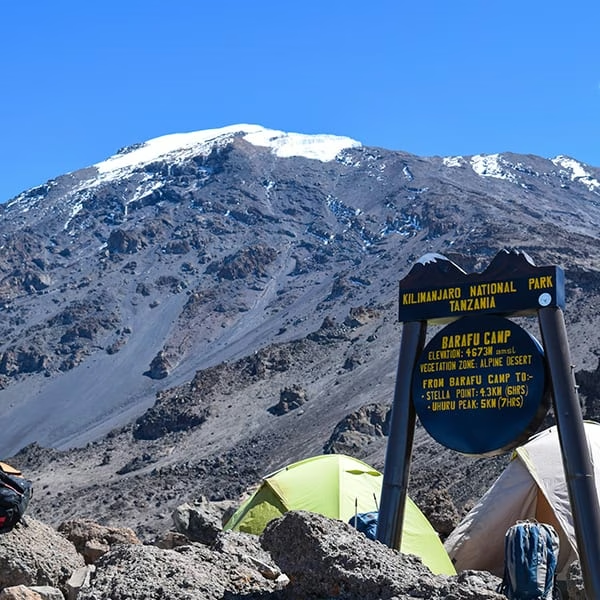

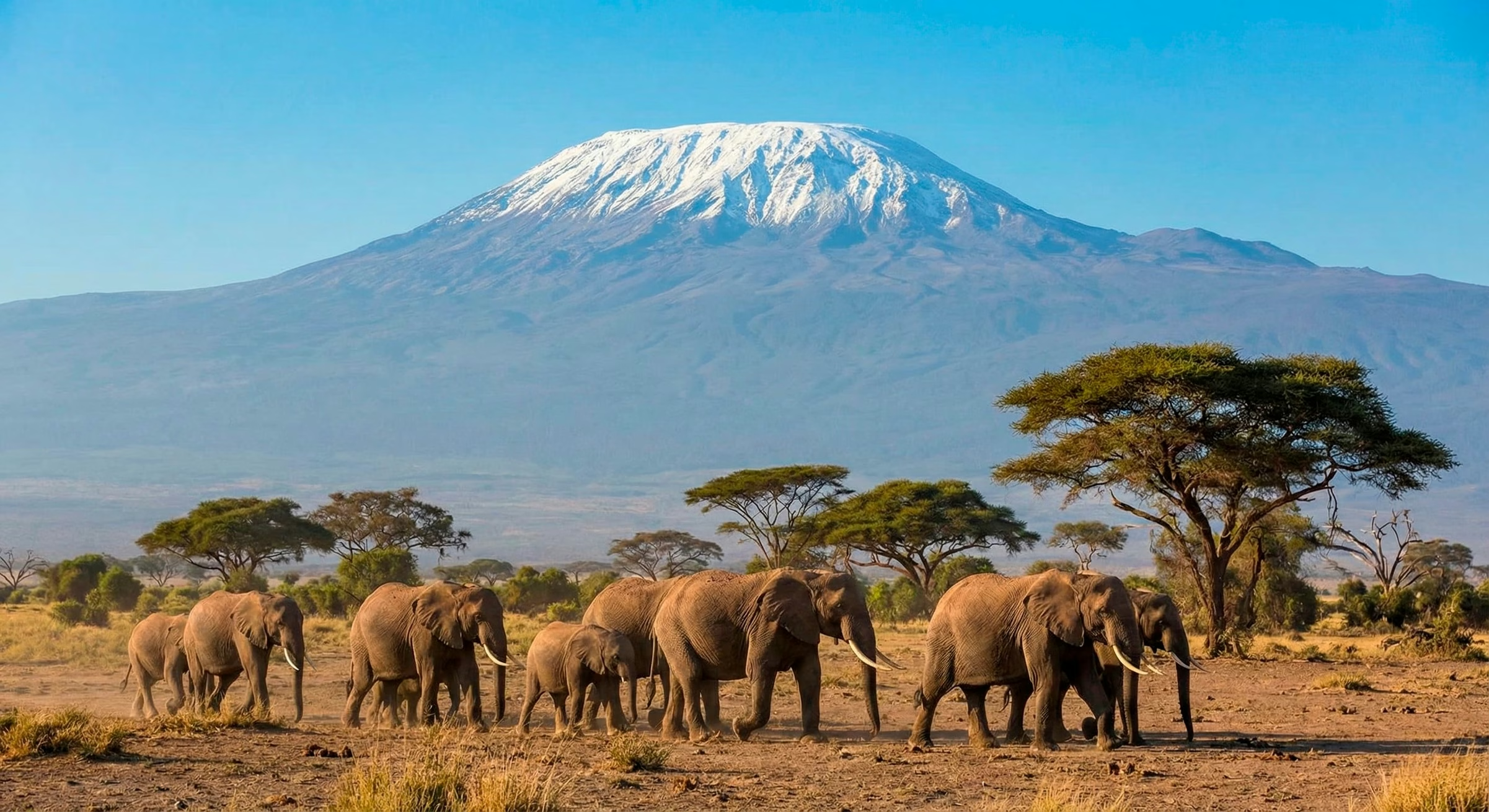
The Kilimanjaro trek is one of the most challenging and rewarding hiking adventures in the world. Kilimanjaro, located in Tanzania, isThe highest mountain in Africa,with an altitude of5.895 meters.
This majesticinactive volcanooffers hikers a unique experience, combining a variety of ecosystems, from rainforests and alpine areas to desert landscapes and glaciers.
Trekking Kilimanjaro: Why is it so special?

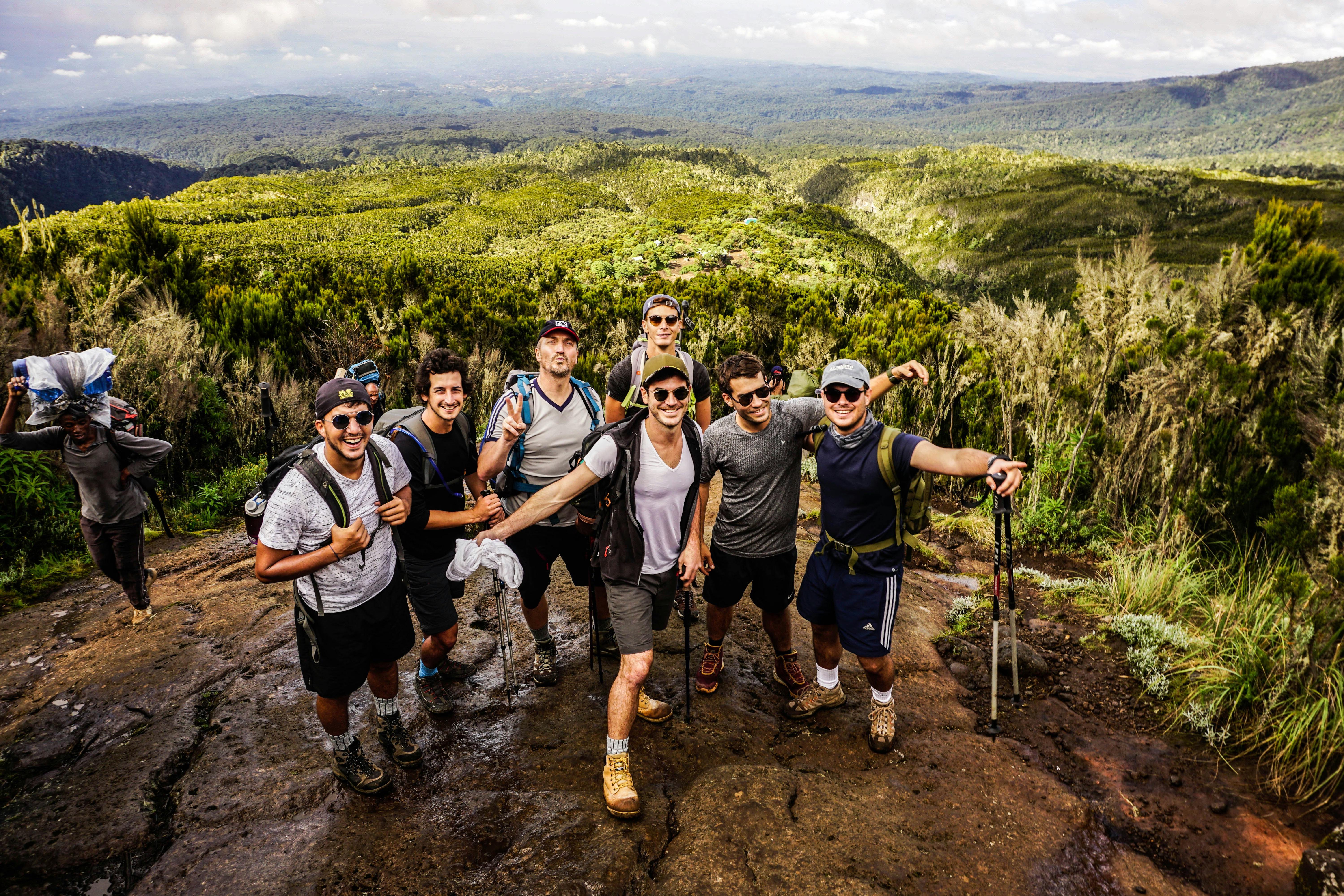
There is various routes to reach the summit, the most popular being the Marangu, Machame and Lemosho, each with different levels of difficulty and duration. Although no technical climbing experience is required, the altitude and climatic conditions make trekking a significant physical and mental challenge.
Completing the hike to the highest point, Uhuru Peak, is an impressive achievement for adventurers and a testament to endurance and perseverance.
Take a look at our journey Trekking Kilimanjaro Machame Route
Trekking Kilimanjaro: What to bring in your suitcase or backpack
Faced with this great challenge, you have to be well prepared since at the top of the mountain the temperatures are very extreme and ensuring safety is the most important thing for us.
Documentation
- Travel receipt
- Passport
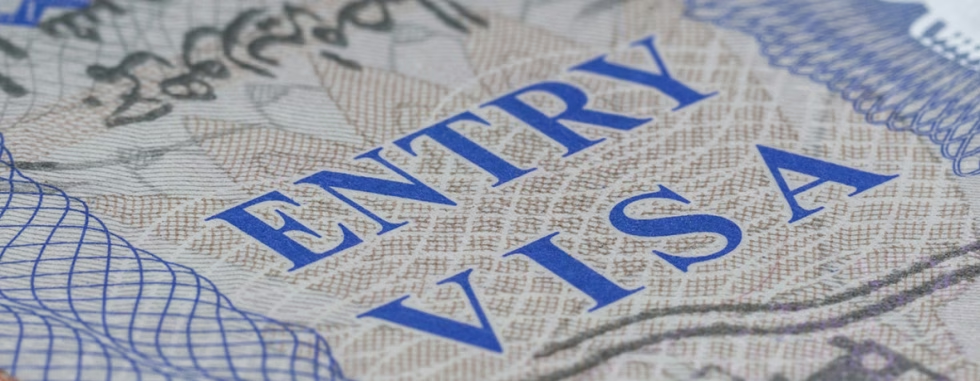
- Visa (50USD)
- Vaccination documents
- Insurance documents
Equipment
- Sleeping bag, warm, for the four seasons
- Inflatable camping cushion (optional)
- Trekking poles, foldable
- Headlamp, with additional batteries
- Canvas bag, 50-90L, for carriers
- Bring your team
- 30-35L backpack, for you to carry your personal equipment

Footwear
- Mountain boots, warm, waterproof.
- Sneakers, to use in the camp
- Socks, woolen or synthetic
- Leggings, waterproof
Merchandise
- Waterproof, breathable jacket with hood
- Insulating, synthetic or down jacket
- Soft, polar or soft-shell jacket
- Long-sleeved shirt, moisture-wicking fabric
- Short-sleeved shirt, moisture-wicking fabric
- Waterproof, breathable pants (side zipper recommended)
- Hiking Trousers
- Fleece pants
- Shorts
- Long underwear, moisture-absorbing fabric
- Underwear, moisture-absorbing fabric
- Sports Bra

Accessories
- Sunglasses or eyeglasses
- Waterproof case for backpack (optional)
- • Water bottle
- Water bag (Camelbak type, 3 liters)
- Urine bottle, to avoid leaving the tent at night
- Waterproof bags, dry bags or plastic bags of various sizes, to keep the equipment dry and separate
- Waterproof bags of various sizes, to keep equipment dry and separate
- Hat with brim, to protect from the sun
- Knitted hat, for warmth
- Handrails or Buff, to cover the face
- Gloves, warm (waterproof)
- Gloves, thin
Others
- Toiletry
- Medical prescriptions
- Sunscreen
- Lip Balm
- Insect repellent containing DEET
- First aid kit
- Hand Sanitizer
- Toilet paper
- Wet wipes (recommended)
- Light and high calorie snacks (optional)
- Electrolytes in powder or tablets (optional)
- Camera with additional batteries (optional)
If you do not want to buy new equipment or you need to add something to your luggage, you can rent it at your hotel when you arrive at your destination.
Frequently asked questions
Do I need prior mountaineering experience to climb Kilimanjaro?
No technical climbing experience is required to trek Kilimanjaro. The ascent is a strenuous high-altitude hike, not a technical climb. Good physical fitness, proper acclimatisation and the right equipment are far more important than mountaineering skills. Most routes are walked with the support of licensed guides and porters.
Which Kilimanjaro route is best for first-time trekkers?
The Machame Route is widely considered the best option for first-timers. It offers excellent acclimatisation profiles, stunning scenery across multiple ecosystems and a high summit success rate. The Lemosho Route is another great choice, being slightly longer and therefore giving the body more time to adjust to altitude.
Do I need a visa to enter Tanzania for the Kilimanjaro trek?
Yes, most nationalities require a tourist visa to enter Tanzania. It can be obtained online via the official e-Visa portal or on arrival at major entry points. The current fee is approximately 50 USD. Always check the latest requirements through official government channels well before your departure date.
What vaccinations are recommended before trekking Kilimanjaro?
Yellow fever vaccination is required if you are arriving from a country where yellow fever is endemic. Additional recommended vaccinations include typhoid, hepatitis A and B, meningitis and rabies. Malaria prophylaxis is also advisable for the lower slopes. Consult your travel health clinic at least six weeks before departure.
What is the best time of year to trek Kilimanjaro?
The two main dry seasons, January to March and June to October, offer the most stable weather and the clearest summit conditions. April and May bring heavy rains and are generally avoided. November sees short rains. Temperatures at Uhuru Peak can drop well below freezing regardless of season, so preparation is essential year-round.
Can I rent equipment locally instead of bringing everything from home?
Yes. If you prefer not to purchase specialist gear or need to supplement what you already own, equipment rental is available in Moshi, the gateway town to Kilimanjaro. Many hotels and local outfitters offer sleeping bags, trekking poles, headlamps and other essentials, making it easier to travel light from your home country.
The Kilimanjaro trek is one of the most challenging and rewarding hiking adventures in the world. Kilimanjaro, located in Tanzania, isThe highest mountain in Africa,with an altitude of5.895 meters.
This majesticinactive volcanooffers hikers a unique experience, combining a variety of ecosystems, from rainforests and alpine areas to desert landscapes and glaciers.
Trekking Kilimanjaro: Why is it so special?
There is various routes to reach the summit, the most popular being the Marangu, Machame and Lemosho, each with different levels of difficulty and duration. Although no technical climbing experience is required, the altitude and climatic conditions make trekking a significant physical and mental challenge.
Completing the hike to the highest point, Uhuru Peak, is an impressive achievement for adventurers and a testament to endurance and perseverance.
Take a look at our journey Trekking Kilimanjaro Machame Route
Trekking Kilimanjaro: What to bring in your suitcase or backpack
Faced with this great challenge, you have to be well prepared since at the top of the mountain the temperatures are very extreme and ensuring safety is the most important thing for us.
Documentation
- Travel receipt
- Passport
- Visa (50USD)
- Vaccination documents
- Insurance documents
Equipment
- Sleeping bag, warm, for the four seasons
- Inflatable camping cushion (optional)
- Trekking poles, foldable
- Headlamp, with additional batteries
- Canvas bag, 50-90L, for carriers
- Bring your team
- 30-35L backpack, for you to carry your personal equipment
Footwear
- Mountain boots, warm, waterproof.
- Sneakers, to use in the camp
- Socks, woolen or synthetic
- Leggings, waterproof
Merchandise
- Waterproof, breathable jacket with hood
- Insulating, synthetic or down jacket
- Soft, polar or soft-shell jacket
- Long-sleeved shirt, moisture-wicking fabric
- Short-sleeved shirt, moisture-wicking fabric
- Waterproof, breathable pants (side zipper recommended)
- Hiking Trousers
- Fleece pants
- Shorts
- Long underwear, moisture-absorbing fabric
- Underwear, moisture-absorbing fabric
- Sports Bra
Accessories
- Sunglasses or eyeglasses
- Waterproof case for backpack (optional)
- • Water bottle
- Water bag (Camelbak type, 3 liters)
- Urine bottle, to avoid leaving the tent at night
- Waterproof bags, dry bags or plastic bags of various sizes, to keep the equipment dry and separate
- Waterproof bags of various sizes, to keep equipment dry and separate
- Hat with brim, to protect from the sun
- Knitted hat, for warmth
- Handrails or Buff, to cover the face
- Gloves, warm (waterproof)
- Gloves, thin
Others
- Toiletry
- Medical prescriptions
- Sunscreen
- Lip Balm
- Insect repellent containing DEET
- First aid kit
- Hand Sanitizer
- Toilet paper
- Wet wipes (recommended)
- Light and high calorie snacks (optional)
- Electrolytes in powder or tablets (optional)
- Camera with additional batteries (optional)
If you do not want to buy new equipment or you need to add something to your luggage, you can rent it at your hotel when you arrive at your destination.
Frequently asked questions
Do I need prior mountaineering experience to climb Kilimanjaro?
No technical climbing experience is required to trek Kilimanjaro. The ascent is a strenuous high-altitude hike, not a technical climb. Good physical fitness, proper acclimatisation and the right equipment are far more important than mountaineering skills. Most routes are walked with the support of licensed guides and porters.
Which Kilimanjaro route is best for first-time trekkers?
The Machame Route is widely considered the best option for first-timers. It offers excellent acclimatisation profiles, stunning scenery across multiple ecosystems and a high summit success rate. The Lemosho Route is another great choice, being slightly longer and therefore giving the body more time to adjust to altitude.
Do I need a visa to enter Tanzania for the Kilimanjaro trek?
Yes, most nationalities require a tourist visa to enter Tanzania. It can be obtained online via the official e-Visa portal or on arrival at major entry points. The current fee is approximately 50 USD. Always check the latest requirements through official government channels well before your departure date.
What vaccinations are recommended before trekking Kilimanjaro?
Yellow fever vaccination is required if you are arriving from a country where yellow fever is endemic. Additional recommended vaccinations include typhoid, hepatitis A and B, meningitis and rabies. Malaria prophylaxis is also advisable for the lower slopes. Consult your travel health clinic at least six weeks before departure.
What is the best time of year to trek Kilimanjaro?
The two main dry seasons, January to March and June to October, offer the most stable weather and the clearest summit conditions. April and May bring heavy rains and are generally avoided. November sees short rains. Temperatures at Uhuru Peak can drop well below freezing regardless of season, so preparation is essential year-round.
Can I rent equipment locally instead of bringing everything from home?
Yes. If you prefer not to purchase specialist gear or need to supplement what you already own, equipment rental is available in Moshi, the gateway town to Kilimanjaro. Many hotels and local outfitters offer sleeping bags, trekking poles, headlamps and other essentials, making it easier to travel light from your home country.









.avif)






.avif)


.avif)

.avif)
.avif)

.avif)

.jpeg)






.png)