




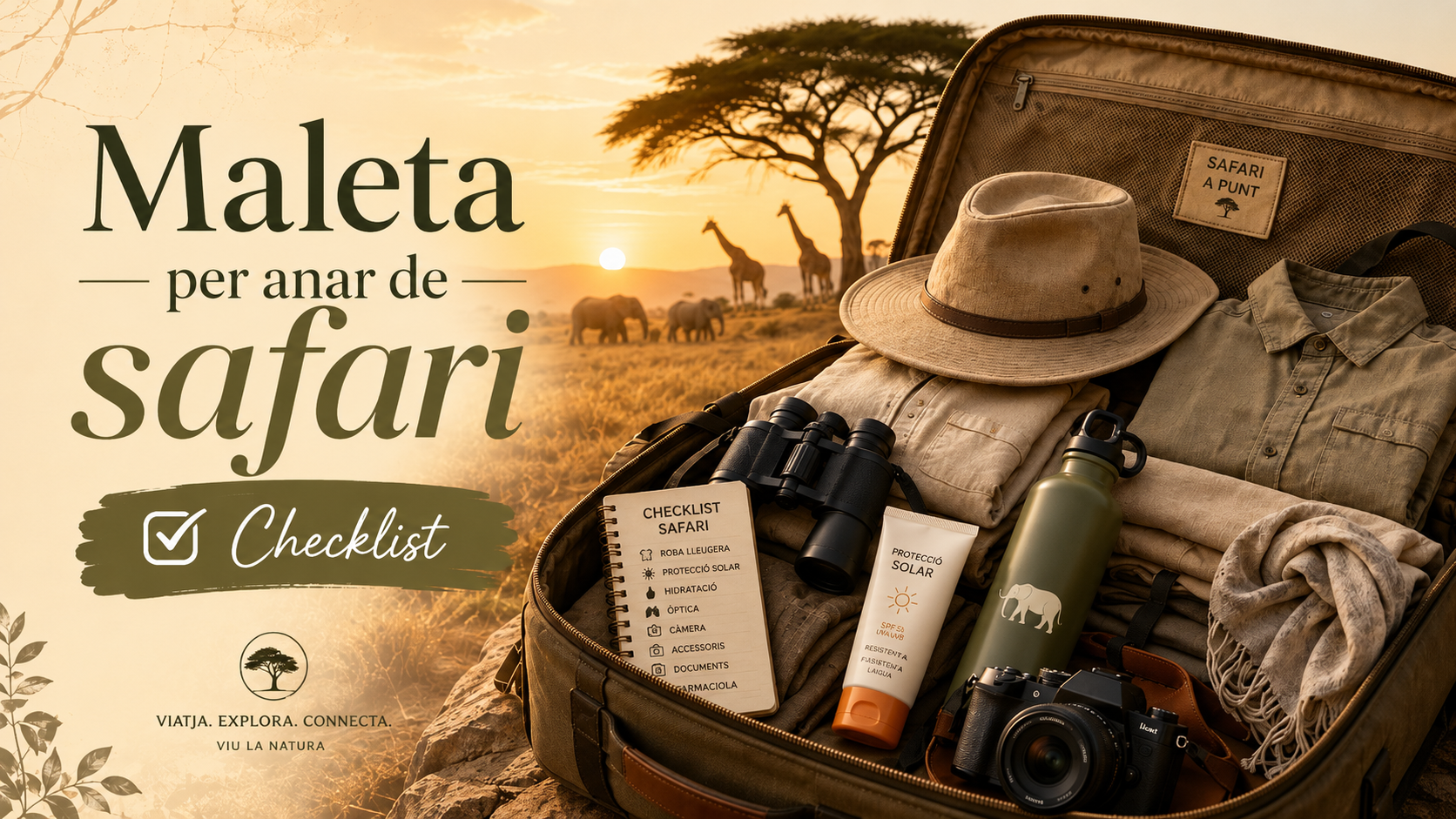

Packing well for a safari is key to travelling comfortable, light and prepared. It pays to choose carefully what to bring to protect yourself from the dust and the sun, cope with early starts and temperature swings, and spend many hours in a 4x4 in maximum comfort.
The secret is making three good decisions: choosing the right type of luggage, bringing a practical safari daypack for the daily outings and picking safari clothing that's comfortable, breathable and in neutral colours. With that, plus a good checklist for health, documents and tech, your trip is sorted.
Here's what you should put in your bag for a safari in Africa, especially if you're travelling to Kenya or Tanzania.
Before you pack: 5 quick questions
There's no single perfect list for every safari. Three days in the Masai Mara is not the same as combining the Serengeti, Ngorongoro and the beach, 9 days, from 3.350 € per person. Before filling your bag "just in case", answer these:
How many days does the safari last?
For 3 or 4 days you need far less than you think. For 7-10 days, the key isn't packing more clothes, but pieces you can repeat, wash and combine.
Are you going to Kenya, Tanzania or another African country?
In Kenya and Tanzania there are high-altitude areas, dusty tracks, cold mornings and hot middays. Layers will be your best allies.
Are you travelling in the dry season or the rainy season?
In the dry season you'll find more dust. In the rainy season, a light rain jacket can save your day.
Will you sleep in a lodge, tented camp or mobile camp?
In comfortable lodgings you can simplify further. In more basic camps, it's worth bringing a headlamp, a power bank and a well-thought-out toiletry bag.
Are there internal flights in a light aircraft?
Some safari flight operators limit luggage to around 15 kg per person and even recommend soft bags because of the small cargo space. Always confirm the conditions of your route before travelling.
What type of bag to take on safari
A soft safari bag: the most practical option
If you're torn between a hard suitcase, a duffel bag or a large backpack, the most common recommendation is clear: take a soft safari bag or a flexible duffel-style holdall.
Why? Because it fits better in the boot of the 4x4, takes up less space and is usually easier to stow in light aircraft or shared vehicles. A huge rigid safari suitcase may seem convenient at the airport, but mid-route it can become a problem when squeezing it into the boot.
For a safari of 5 to 8 days, a medium soft bag is usually enough. For longer trips, it's worth checking whether your accommodation offers a laundry service. Many lodges will wash basic items, which greatly reduces the amount of clothing you need.
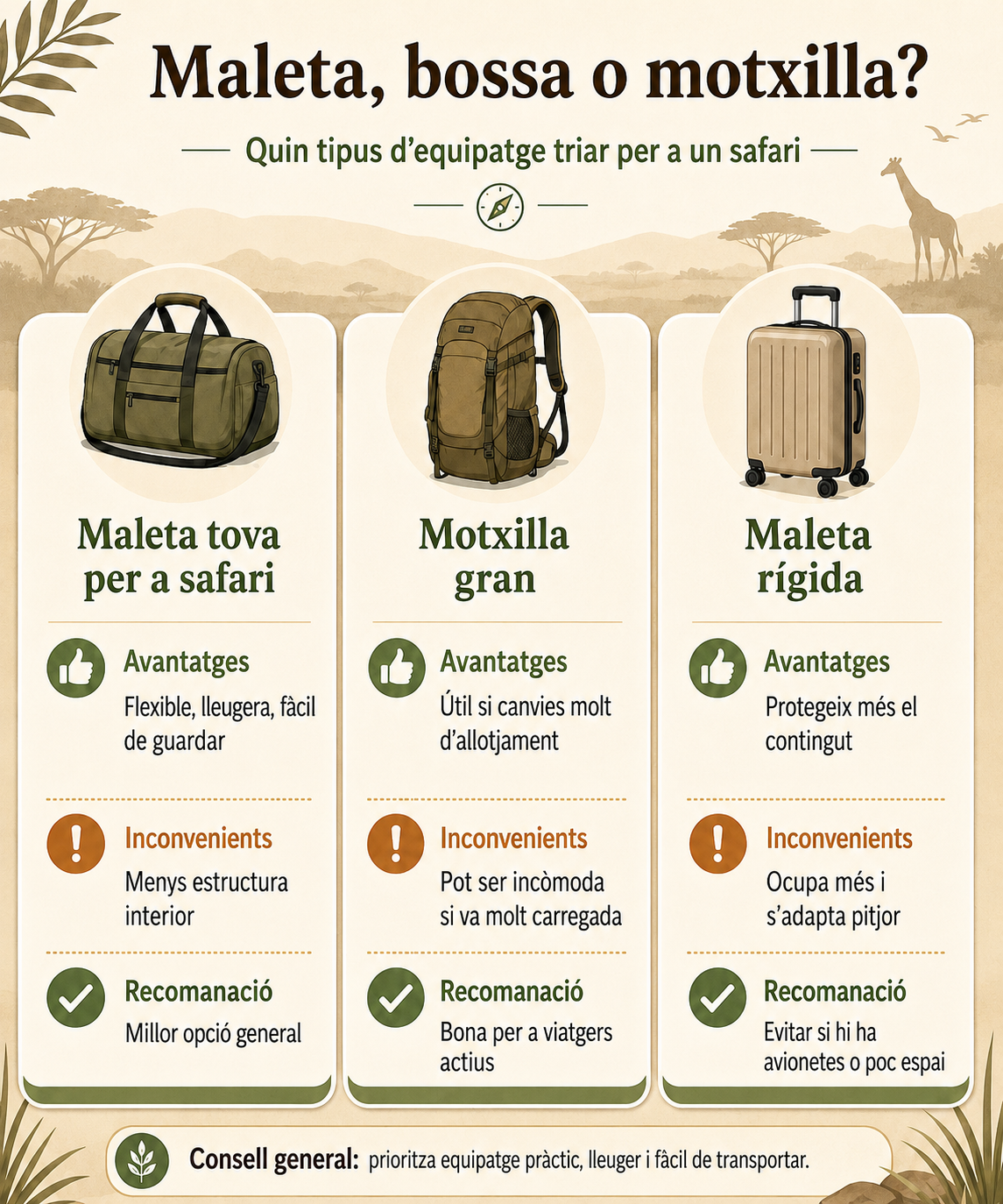
If you're after a safe type of bag for a safari, go for the simplest option: a soft, sturdy bag with a strong closure and contained weight. For a safari bag for Kenya, double-check the weight limit if you're taking internal flights to the national parks.
Safari daypack: what to carry on game drives
The safari daypack is the one you'll carry with you during the wildlife-viewing outings, also known as game drives. It doesn't need to be huge. In fact, better if it isn't. A safari daypack of 15 to 25 litres is usually enough to keep the essentials at hand without ending up hauling too much weight.
What a safari daypack should be like
A good safari daypack should be:
- Lightweight.
- Comfortable to carry.
- In a discreet colour: beige, khaki, brown, grey or olive green.
- With accessible pockets.
- Easy to clean.
- With a secure closure so it doesn't fill with dust.
- Compact enough to keep on the seat or under your feet.
You can also use a safari daypack you already have at home. There's no need to buy specialised gear if your current backpack meets the basics. For families, a kids' safari daypack can let the little ones carry their cap, water, tissues and a light hoodie, without ever overloading them.
What to put in your daypack
On safari, you often leave before dawn and come back several hours later. So your safari daypack should include:
- A reusable water bottle.
- Sunscreen.
- Sunglasses.
- A cap or hat.
- A buff or scarf for the dust.
- Insect repellent.
- Camera or phone.
- Binoculars.
- A power bank.
- Personal medication.
- Tissues or wipes.
- Hand sanitiser.
- A thin rain jacket if you're travelling in the rainy season.
- A light warm layer for first thing in the morning.
Practical tip: pack your daypack the night before. Early in the morning it's easy to forget something important, especially when you're heading out in a hurry.
Safari clothing: what to wear and what to avoid
Safari clothing has to do three jobs: protect you from the sun, help you handle temperature swings and keep you comfortable through many hours sitting in a vehicle.
The golden rule: comfortable, light clothing in layers
When someone asks what clothes to bring on safari, the short answer is: layers.
In the morning it can be cold, especially if you set off before sunrise. At midday, the sun beats down. In the evening, the temperature drops again. That's why the best safari clothing is whatever you can combine and take off or put on without any fuss.
A good base would be:
- A breathable t-shirt.
- A light long-sleeved shirt.
- A thin fleece or hoodie.
- A windbreaker or light rain jacket.
Long sleeves are very useful because they protect you from the sun, the dust and the insects. And if the fabric is breathable, they don't have to make you any hotter.
Recommended colours for a safari
For safari clothing, neutral colours work best:
- Beige.
- Khaki.
- Sand.
- Light brown.
- Olive green.
- Soft grey.
Avoid very loud colours, pure whites and overly dark tones. White gets dirty very easily. Black absorbs more heat. And in tsetse fly areas, it's usually recommended to avoid dark blue and black because they can attract these insects.
Safari clothing checklist
For a one-week safari, this list works very well:
- 2 pairs of light or convertible long trousers.
- 1 pair of shorts, if the climate and type of trip allow.
- 3-5 breathable t-shirts.
- 2 long-sleeved shirts.
- 1 thin fleece or hoodie.
- 1 windbreaker or rain jacket.
- 5-7 sets of underwear.
- 4-6 pairs of breathable socks.
- 1 comfortable pair of pyjamas.
- 1 swimsuit if the lodge has a pool or you're combining with the beach.
- 1 cap or hat.
- 1 buff or scarf for the dust.
- 1 comfy outfit for relaxing at the lodge.
You can adapt pieces you already own: basic t-shirts, comfortable trousers, light shirts and a thin jacket.
What clothes to bring on safari in Kenya and Tanzania
What to pack for a safari in Kenya
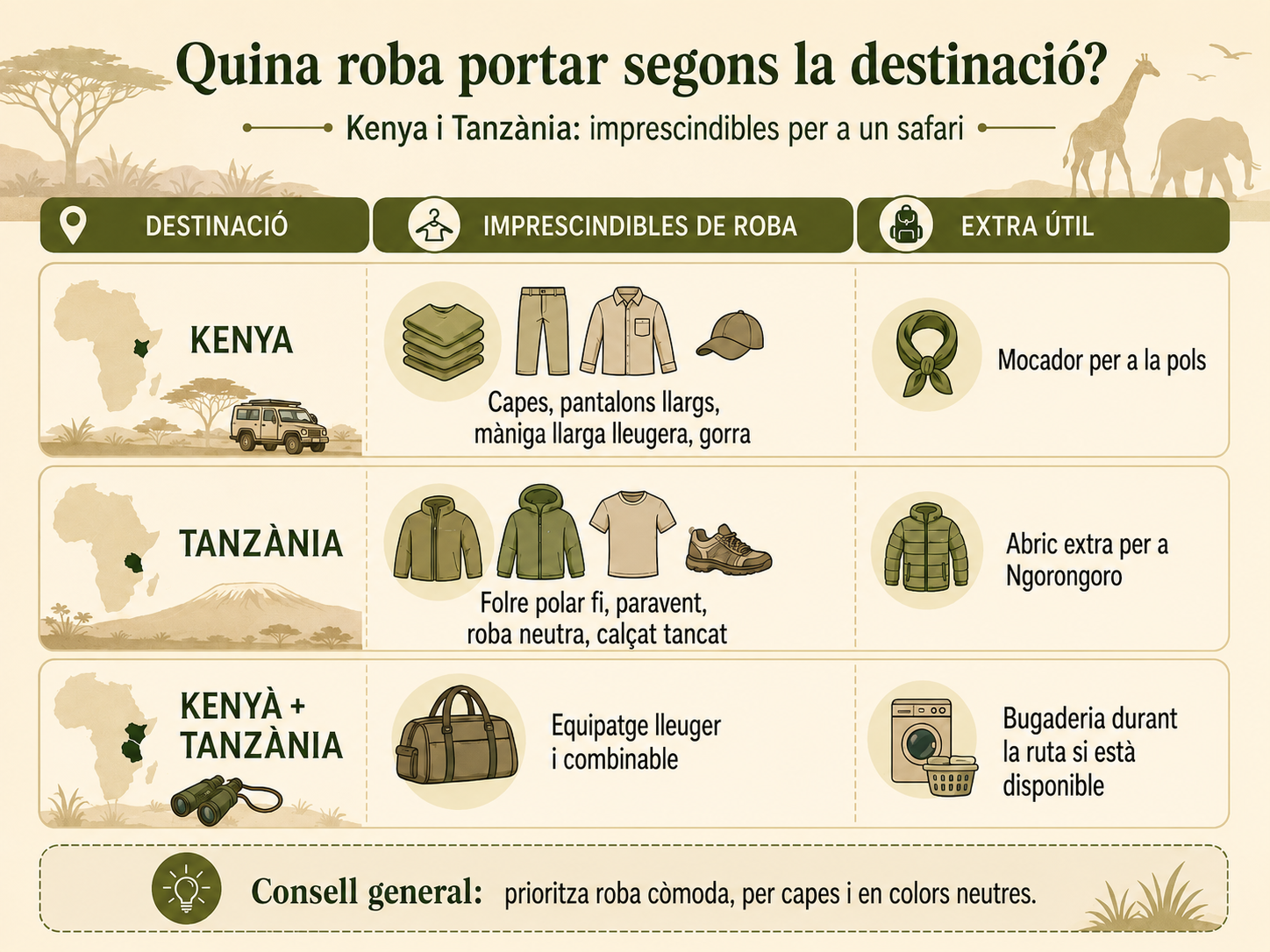
If you're wondering what to pack for a safari in Kenya, think layers, dust and early mornings. In areas like the Masai Mara, Amboseli or Samburu you can go from a chilly morning to a hot midday in just a few hours.
For Kenya, be sure to pack:
- A light jacket for dawn outings.
- Comfortable long trousers.
- Breathable shirts or t-shirts.
- A scarf for the dust.
- Sunglasses.
- A hat or cap.
- Closed shoes.
On what clothes to bring on a safari in Kenya, there's no need to overthink it: neutral colours, light long sleeves and a warm layer. If you're doing several parks, pack with comfort in mind, not perfect photos.
What to pack for a safari in Tanzania
To know what to pack for a safari in Tanzania, the logic is similar, but there's one important point: some areas like the Ngorongoro Crater can be quite chilly, especially first thing in the morning.
If your route includes the Serengeti, Tarangire, Lake Manyara or Ngorongoro, add:
- A thin fleece.
- A windbreaker.
- A long-sleeved shirt.
- Long trousers.
- A buff for the dust.
- High-SPF sunscreen.
- Repellent.
- Closed shoes.
When someone asks what clothes to bring on a safari through Tanzania, the practical answer is: dress for a chilly morning, a sunny midday and a dusty track.
Ready to explore Kenya or Tanzania?
We have carefully designed routes covering the Masai Mara, Serengeti, Ngorongoro and more, so all you have to do is pack your bag. 6 days, from 2.095 € per person. Tanzania - Classic Safari
Safari footwear: less glamour, more comfort
Safari footwear should be comfortable, closed and already broken in. Don't debut new boots on the first day of the trip, unless you want a blister as a souvenir.
For most 4x4 safaris, a pair of comfortable closed trainers is enough. If you'll be doing walking safaris, trekking or activities in wet areas, then it's worth bringing light hiking boots.
Footwear checklist:
- Comfortable closed trainers.
- Light boots if there are walks.
- Sandals or flip-flops for the lodge.
- Breathable socks.
- Slightly higher socks if you're doing a walking safari.
Avoid heels, delicate sandals or any footwear you don't want to get dirty. On safari there's dust. A lot of it.
Safari essentials you shouldn't forget
Beyond clothing and the daypack, there are several essential things to bring on safari for a stress-free trip.
Documents and money
Keep everything organised, with digital copies:
- Passport with sufficient validity.
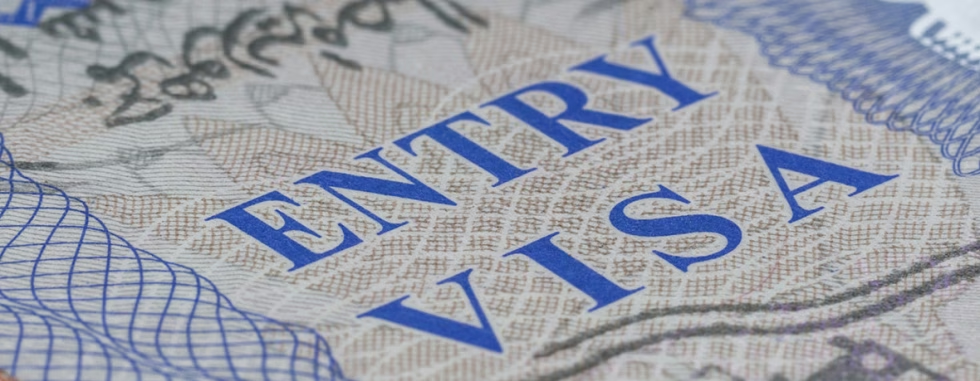
- Visa or entry authorisation if applicable.
- Travel insurance.
- Vaccination card or health certificates if the destination requires them.
- Printed copies of important bookings.
- Bank card.
- Some cash in a currency accepted at your destination.
- Contact details for your agency, guide or accommodation.
For health matters, always consult an international vaccination centre before travelling. Recommendations can vary by country, route, trip length and where you're coming from. For Kenya and Tanzania, the CDC recommends reviewing malaria prevention in certain areas and considering vaccines based on your itinerary and traveller profile.
Health, hygiene and protection
On safari you spend many hours outdoors. Don't improvise on this:
- High-SPF sunscreen.
- Insect repellent.
- Lip balm with sun protection.
- A basic first-aid kit.
- Personal medication.
- An antihistamine if you're prone to allergies.
- Oral rehydration solution or salts.
- Hand sanitiser.
- Tissues.
- Biodegradable wipes, if you need them.
- Travel-size toiletries.
- Pads, tampons or a menstrual cup if applicable.
- A small fabric bag for dirty laundry.
Important: both Kenya and Tanzania have restrictions on single-use plastic bags. Tanzania has banned bringing them in, and in Kenya you should also avoid packing single-use bags in your luggage.
Beyond complying with the rules, cutting down on plastic helps protect the natural parks, the wildlife and the landscapes you'll be visiting. The best approach is to use fabric bags, reusable toiletry bags or durable compression pouches. They take up little space, they're practical and they avoid generating unnecessary waste during the trip.
Tech and photography
You don't need to bring a full photography studio. But it's worth preparing the basics:
- A phone with free storage.
- A camera if you're into photography.
- Memory cards.
- Spare batteries.
- Chargers.
- A universal adapter.
- A power bank.
- Binoculars.
- A headlamp.
- A dust-protective case or bag.
- A microfibre cloth for cleaning lenses.
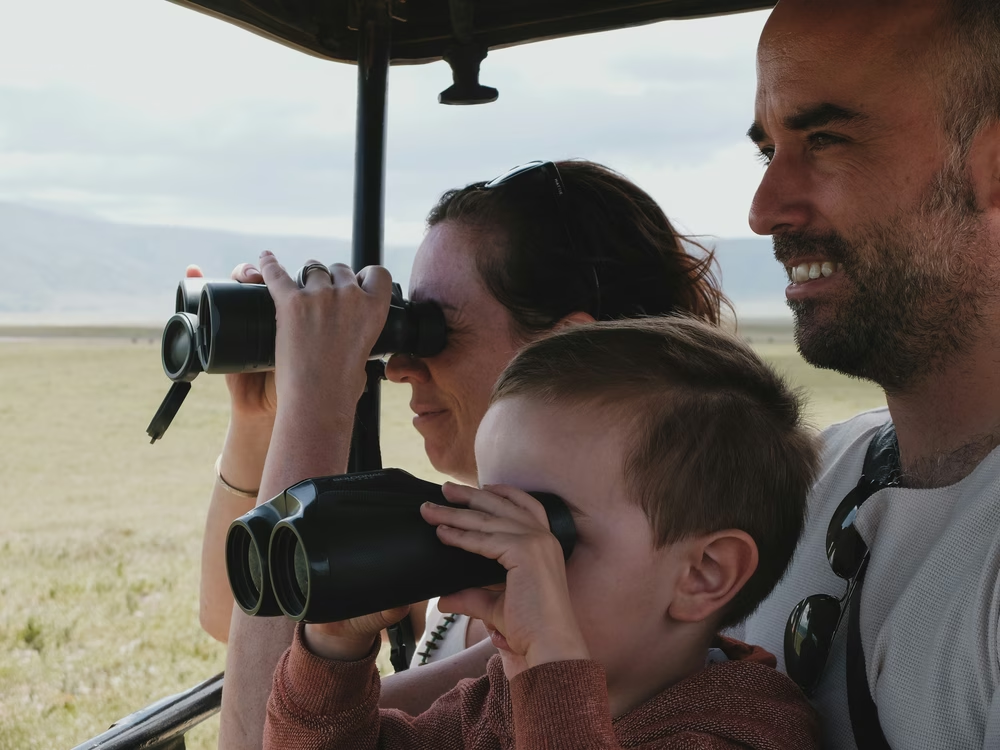
Binoculars are one of those items lots of people hesitate over and then are hugely grateful for. Seeing a leopard on a branch with the naked eye is good. Seeing it in detail, much better.
What not to bring on safari
Just as important as knowing what to pack for a safari in Africa is knowing what to leave at home. Travelling light improves the experience and avoids space problems.
Avoid bringing:
- A big rigid suitcase if you have internal flights or 4x4 transfers.
- Too many "just in case" clothes.
- Delicate white garments.
- Clothing in very loud colours.
- Camouflage.
- Heels or uncomfortable shoes.
- Strong perfumes.
- Flashy jewellery.
- Drones without specific permits.
- Single-use plastic bags.
- Excessive camera gear if you're not sure you'll use it.
- Brand-new, untested clothing.
- Giant toiletry bags.
Final checklist: what to pack for a safari
Here's the quick list of things to bring on safari. Save it and run through it before you close your bag.
Luggage
- A soft safari bag.
- A safari daypack.
- Fabric bags for organising clothes.
- A reusable toiletry bag.
- A small padlock if you think you'll need it.
- A luggage ID tag.
Safari clothing
- 2 pairs of light long trousers.
- 1 optional pair of shorts.
- 3-5 breathable t-shirts.
- 2 long-sleeved shirts.
- 1 thin fleece.
- 1 windbreaker or rain jacket.
- Comfortable underwear.
- Breathable socks.
- Pyjamas.
- Swimsuit.
- Cap or hat.
- Buff or scarf.
Footwear
- Comfortable closed trainers.
- Light boots if there are walks.
- Sandals or flip-flops for the lodge.
- High socks if you're doing a walking safari.
Safari daypack
- Reusable water bottle.
- Sunscreen.
- Repellent.
- Sunglasses.
- Camera or phone.
- Binoculars.
- Power bank.
- Tissues.
- Hand sanitiser.
- Personal medication.
- A light rain jacket.
Documents
- Passport.
- Visa or entry authorisation.
- Travel insurance.
- Health certificates if applicable.
- Bookings.
- Digital copies.
- Bank card.
- Cash.
Health and hygiene
- Basic first-aid kit.
- Regular medication.
- High-SPF sunscreen.
- Insect repellent.
- Lip balm.
- Oral rehydration solution.
- Personal hygiene items.
- Menstrual products if applicable.
Tech
- Chargers.
- Universal adapter.
- Power bank.
- Memory cards.
- Spare batteries.
- Headlamp.
- Dust cover.
FAQ about what to pack for a safari
What clothes should I bring on a safari in Kenya?
To decide what clothes to bring on a safari in Kenya, think layers. Bring light long trousers, breathable t-shirts, long-sleeved shirts, a thin jacket for dawn, a cap, sunglasses and closed shoes. Choose neutral colours like beige, khaki, olive green or light brown.
What clothes should I bring on a safari in Tanzania?
If you're unsure what clothes to bring on a safari in Tanzania, add an extra warm layer if you're visiting areas like Ngorongoro. It's also worth packing a windbreaker, long-sleeved clothing, comfortable trousers, a buff for the dust and closed shoes. In the Serengeti and Tarangire, dust can be the silent star of the trip.
Is it better to bring a suitcase or a backpack on safari?
It depends on the trip, but for most routes the best option is a soft bag or flexible holdall. A large backpack can work if your trip is more adventurous, but it's not essential. A rigid suitcase is usually less practical when there are light aircraft, shared vehicles or limited space.
What size should a safari daypack be?
For daily outings, a 15 to 25 litre daypack is usually enough. It needs to fit water, sunscreen, repellent, camera, binoculars, a power bank, a scarf and a light layer. A safari daypack for women, men or kids doesn't need to be anything special: what matters is that it's comfortable, light and functional.
Can I wear black or blue clothing on safari?
Better to avoid black and dark blue, especially in areas where there may be tsetse flies. Dark colours also make you hotter, and very loud tones can be impractical. Earth tones are the safest bet.
Do I need to buy special safari clothing?
Not always. For a comfortable safari you don't need to buy everything new. Comfortable, breathable clothing in neutral colours that's easy to mix and match is enough. Technical t-shirts, light trousers, long-sleeved shirts and a thin jacket usually do the job.
Conclusion: travel light, but travel prepared
Knowing what to pack for a safari isn't about putting more things in your bag, but about choosing better. A soft safari bag, a well-organised safari daypack, comfortable layered safari clothing, good footwear, sun protection, repellent and up-to-date documents are the foundation.
The best way to pack is to think about how a safari day unfolds: you start early, enjoy the cool morning air, cross the landscapes in a 4x4 and spend hours watching animals in the wild. Bringing comfortable, light, adaptable clothing will let you enjoy every moment and return to your lodge with the feeling of having lived an unforgettable day.
Start planning your safari today
Our Kenya and Tanzania routes are built for comfort, wildlife and unforgettable mornings in the bush. Let us handle the details. 6 days, from 2.250 € per person. Kenya - Classic Safari
Packing well for a safari is key to travelling comfortable, light and prepared. It pays to choose carefully what to bring to protect yourself from the dust and the sun, cope with early starts and temperature swings, and spend many hours in a 4x4 in maximum comfort.
The secret is making three good decisions: choosing the right type of luggage, bringing a practical safari daypack for the daily outings and picking safari clothing that's comfortable, breathable and in neutral colours. With that, plus a good checklist for health, documents and tech, your trip is sorted.
Here's what you should put in your bag for a safari in Africa, especially if you're travelling to Kenya or Tanzania.
Before you pack: 5 quick questions
There's no single perfect list for every safari. Three days in the Masai Mara is not the same as combining the Serengeti, Ngorongoro and the beach, 9 days, from 3.350 € per person. Before filling your bag "just in case", answer these:
How many days does the safari last?
For 3 or 4 days you need far less than you think. For 7-10 days, the key isn't packing more clothes, but pieces you can repeat, wash and combine.
Are you going to Kenya, Tanzania or another African country?
In Kenya and Tanzania there are high-altitude areas, dusty tracks, cold mornings and hot middays. Layers will be your best allies.
Are you travelling in the dry season or the rainy season?
In the dry season you'll find more dust. In the rainy season, a light rain jacket can save your day.
Will you sleep in a lodge, tented camp or mobile camp?
In comfortable lodgings you can simplify further. In more basic camps, it's worth bringing a headlamp, a power bank and a well-thought-out toiletry bag.
Are there internal flights in a light aircraft?
Some safari flight operators limit luggage to around 15 kg per person and even recommend soft bags because of the small cargo space. Always confirm the conditions of your route before travelling.
What type of bag to take on safari
A soft safari bag: the most practical option
If you're torn between a hard suitcase, a duffel bag or a large backpack, the most common recommendation is clear: take a soft safari bag or a flexible duffel-style holdall.
Why? Because it fits better in the boot of the 4x4, takes up less space and is usually easier to stow in light aircraft or shared vehicles. A huge rigid safari suitcase may seem convenient at the airport, but mid-route it can become a problem when squeezing it into the boot.
For a safari of 5 to 8 days, a medium soft bag is usually enough. For longer trips, it's worth checking whether your accommodation offers a laundry service. Many lodges will wash basic items, which greatly reduces the amount of clothing you need.
If you're after a safe type of bag for a safari, go for the simplest option: a soft, sturdy bag with a strong closure and contained weight. For a safari bag for Kenya, double-check the weight limit if you're taking internal flights to the national parks.
Safari daypack: what to carry on game drives
The safari daypack is the one you'll carry with you during the wildlife-viewing outings, also known as game drives. It doesn't need to be huge. In fact, better if it isn't. A safari daypack of 15 to 25 litres is usually enough to keep the essentials at hand without ending up hauling too much weight.
What a safari daypack should be like
A good safari daypack should be:
- Lightweight.
- Comfortable to carry.
- In a discreet colour: beige, khaki, brown, grey or olive green.
- With accessible pockets.
- Easy to clean.
- With a secure closure so it doesn't fill with dust.
- Compact enough to keep on the seat or under your feet.
You can also use a safari daypack you already have at home. There's no need to buy specialised gear if your current backpack meets the basics. For families, a kids' safari daypack can let the little ones carry their cap, water, tissues and a light hoodie, without ever overloading them.
What to put in your daypack
On safari, you often leave before dawn and come back several hours later. So your safari daypack should include:
- A reusable water bottle.
- Sunscreen.
- Sunglasses.
- A cap or hat.
- A buff or scarf for the dust.
- Insect repellent.
- Camera or phone.
- Binoculars.
- A power bank.
- Personal medication.
- Tissues or wipes.
- Hand sanitiser.
- A thin rain jacket if you're travelling in the rainy season.
- A light warm layer for first thing in the morning.
Practical tip: pack your daypack the night before. Early in the morning it's easy to forget something important, especially when you're heading out in a hurry.
Safari clothing: what to wear and what to avoid
Safari clothing has to do three jobs: protect you from the sun, help you handle temperature swings and keep you comfortable through many hours sitting in a vehicle.
The golden rule: comfortable, light clothing in layers
When someone asks what clothes to bring on safari, the short answer is: layers.
In the morning it can be cold, especially if you set off before sunrise. At midday, the sun beats down. In the evening, the temperature drops again. That's why the best safari clothing is whatever you can combine and take off or put on without any fuss.
A good base would be:
- A breathable t-shirt.
- A light long-sleeved shirt.
- A thin fleece or hoodie.
- A windbreaker or light rain jacket.
Long sleeves are very useful because they protect you from the sun, the dust and the insects. And if the fabric is breathable, they don't have to make you any hotter.
Recommended colours for a safari
For safari clothing, neutral colours work best:
- Beige.
- Khaki.
- Sand.
- Light brown.
- Olive green.
- Soft grey.
Avoid very loud colours, pure whites and overly dark tones. White gets dirty very easily. Black absorbs more heat. And in tsetse fly areas, it's usually recommended to avoid dark blue and black because they can attract these insects.
Safari clothing checklist
For a one-week safari, this list works very well:
- 2 pairs of light or convertible long trousers.
- 1 pair of shorts, if the climate and type of trip allow.
- 3-5 breathable t-shirts.
- 2 long-sleeved shirts.
- 1 thin fleece or hoodie.
- 1 windbreaker or rain jacket.
- 5-7 sets of underwear.
- 4-6 pairs of breathable socks.
- 1 comfortable pair of pyjamas.
- 1 swimsuit if the lodge has a pool or you're combining with the beach.
- 1 cap or hat.
- 1 buff or scarf for the dust.
- 1 comfy outfit for relaxing at the lodge.
You can adapt pieces you already own: basic t-shirts, comfortable trousers, light shirts and a thin jacket.
What clothes to bring on safari in Kenya and Tanzania
What to pack for a safari in Kenya
If you're wondering what to pack for a safari in Kenya, think layers, dust and early mornings. In areas like the Masai Mara, Amboseli or Samburu you can go from a chilly morning to a hot midday in just a few hours.
For Kenya, be sure to pack:
- A light jacket for dawn outings.
- Comfortable long trousers.
- Breathable shirts or t-shirts.
- A scarf for the dust.
- Sunglasses.
- A hat or cap.
- Closed shoes.
On what clothes to bring on a safari in Kenya, there's no need to overthink it: neutral colours, light long sleeves and a warm layer. If you're doing several parks, pack with comfort in mind, not perfect photos.
What to pack for a safari in Tanzania
To know what to pack for a safari in Tanzania, the logic is similar, but there's one important point: some areas like the Ngorongoro Crater can be quite chilly, especially first thing in the morning.
If your route includes the Serengeti, Tarangire, Lake Manyara or Ngorongoro, add:
- A thin fleece.
- A windbreaker.
- A long-sleeved shirt.
- Long trousers.
- A buff for the dust.
- High-SPF sunscreen.
- Repellent.
- Closed shoes.
When someone asks what clothes to bring on a safari through Tanzania, the practical answer is: dress for a chilly morning, a sunny midday and a dusty track.
Ready to explore Kenya or Tanzania?
We have carefully designed routes covering the Masai Mara, Serengeti, Ngorongoro and more, so all you have to do is pack your bag. 6 days, from 2.095 € per person. Tanzania - Classic Safari
Safari footwear: less glamour, more comfort
Safari footwear should be comfortable, closed and already broken in. Don't debut new boots on the first day of the trip, unless you want a blister as a souvenir.
For most 4x4 safaris, a pair of comfortable closed trainers is enough. If you'll be doing walking safaris, trekking or activities in wet areas, then it's worth bringing light hiking boots.
Footwear checklist:
- Comfortable closed trainers.
- Light boots if there are walks.
- Sandals or flip-flops for the lodge.
- Breathable socks.
- Slightly higher socks if you're doing a walking safari.
Avoid heels, delicate sandals or any footwear you don't want to get dirty. On safari there's dust. A lot of it.
Safari essentials you shouldn't forget
Beyond clothing and the daypack, there are several essential things to bring on safari for a stress-free trip.
Documents and money
Keep everything organised, with digital copies:
- Passport with sufficient validity.
- Visa or entry authorisation if applicable.
- Travel insurance.
- Vaccination card or health certificates if the destination requires them.
- Printed copies of important bookings.
- Bank card.
- Some cash in a currency accepted at your destination.
- Contact details for your agency, guide or accommodation.
For health matters, always consult an international vaccination centre before travelling. Recommendations can vary by country, route, trip length and where you're coming from. For Kenya and Tanzania, the CDC recommends reviewing malaria prevention in certain areas and considering vaccines based on your itinerary and traveller profile.
Health, hygiene and protection
On safari you spend many hours outdoors. Don't improvise on this:
- High-SPF sunscreen.
- Insect repellent.
- Lip balm with sun protection.
- A basic first-aid kit.
- Personal medication.
- An antihistamine if you're prone to allergies.
- Oral rehydration solution or salts.
- Hand sanitiser.
- Tissues.
- Biodegradable wipes, if you need them.
- Travel-size toiletries.
- Pads, tampons or a menstrual cup if applicable.
- A small fabric bag for dirty laundry.
Important: both Kenya and Tanzania have restrictions on single-use plastic bags. Tanzania has banned bringing them in, and in Kenya you should also avoid packing single-use bags in your luggage.
Beyond complying with the rules, cutting down on plastic helps protect the natural parks, the wildlife and the landscapes you'll be visiting. The best approach is to use fabric bags, reusable toiletry bags or durable compression pouches. They take up little space, they're practical and they avoid generating unnecessary waste during the trip.
Tech and photography
You don't need to bring a full photography studio. But it's worth preparing the basics:
- A phone with free storage.
- A camera if you're into photography.
- Memory cards.
- Spare batteries.
- Chargers.
- A universal adapter.
- A power bank.
- Binoculars.
- A headlamp.
- A dust-protective case or bag.
- A microfibre cloth for cleaning lenses.
Binoculars are one of those items lots of people hesitate over and then are hugely grateful for. Seeing a leopard on a branch with the naked eye is good. Seeing it in detail, much better.
What not to bring on safari
Just as important as knowing what to pack for a safari in Africa is knowing what to leave at home. Travelling light improves the experience and avoids space problems.
Avoid bringing:
- A big rigid suitcase if you have internal flights or 4x4 transfers.
- Too many "just in case" clothes.
- Delicate white garments.
- Clothing in very loud colours.
- Camouflage.
- Heels or uncomfortable shoes.
- Strong perfumes.
- Flashy jewellery.
- Drones without specific permits.
- Single-use plastic bags.
- Excessive camera gear if you're not sure you'll use it.
- Brand-new, untested clothing.
- Giant toiletry bags.
Final checklist: what to pack for a safari
Here's the quick list of things to bring on safari. Save it and run through it before you close your bag.
Luggage
- A soft safari bag.
- A safari daypack.
- Fabric bags for organising clothes.
- A reusable toiletry bag.
- A small padlock if you think you'll need it.
- A luggage ID tag.
Safari clothing
- 2 pairs of light long trousers.
- 1 optional pair of shorts.
- 3-5 breathable t-shirts.
- 2 long-sleeved shirts.
- 1 thin fleece.
- 1 windbreaker or rain jacket.
- Comfortable underwear.
- Breathable socks.
- Pyjamas.
- Swimsuit.
- Cap or hat.
- Buff or scarf.
Footwear
- Comfortable closed trainers.
- Light boots if there are walks.
- Sandals or flip-flops for the lodge.
- High socks if you're doing a walking safari.
Safari daypack
- Reusable water bottle.
- Sunscreen.
- Repellent.
- Sunglasses.
- Camera or phone.
- Binoculars.
- Power bank.
- Tissues.
- Hand sanitiser.
- Personal medication.
- A light rain jacket.
Documents
- Passport.
- Visa or entry authorisation.
- Travel insurance.
- Health certificates if applicable.
- Bookings.
- Digital copies.
- Bank card.
- Cash.
Health and hygiene
- Basic first-aid kit.
- Regular medication.
- High-SPF sunscreen.
- Insect repellent.
- Lip balm.
- Oral rehydration solution.
- Personal hygiene items.
- Menstrual products if applicable.
Tech
- Chargers.
- Universal adapter.
- Power bank.
- Memory cards.
- Spare batteries.
- Headlamp.
- Dust cover.
FAQ about what to pack for a safari
What clothes should I bring on a safari in Kenya?
To decide what clothes to bring on a safari in Kenya, think layers. Bring light long trousers, breathable t-shirts, long-sleeved shirts, a thin jacket for dawn, a cap, sunglasses and closed shoes. Choose neutral colours like beige, khaki, olive green or light brown.
What clothes should I bring on a safari in Tanzania?
If you're unsure what clothes to bring on a safari in Tanzania, add an extra warm layer if you're visiting areas like Ngorongoro. It's also worth packing a windbreaker, long-sleeved clothing, comfortable trousers, a buff for the dust and closed shoes. In the Serengeti and Tarangire, dust can be the silent star of the trip.
Is it better to bring a suitcase or a backpack on safari?
It depends on the trip, but for most routes the best option is a soft bag or flexible holdall. A large backpack can work if your trip is more adventurous, but it's not essential. A rigid suitcase is usually less practical when there are light aircraft, shared vehicles or limited space.
What size should a safari daypack be?
For daily outings, a 15 to 25 litre daypack is usually enough. It needs to fit water, sunscreen, repellent, camera, binoculars, a power bank, a scarf and a light layer. A safari daypack for women, men or kids doesn't need to be anything special: what matters is that it's comfortable, light and functional.
Can I wear black or blue clothing on safari?
Better to avoid black and dark blue, especially in areas where there may be tsetse flies. Dark colours also make you hotter, and very loud tones can be impractical. Earth tones are the safest bet.
Do I need to buy special safari clothing?
Not always. For a comfortable safari you don't need to buy everything new. Comfortable, breathable clothing in neutral colours that's easy to mix and match is enough. Technical t-shirts, light trousers, long-sleeved shirts and a thin jacket usually do the job.
Conclusion: travel light, but travel prepared
Knowing what to pack for a safari isn't about putting more things in your bag, but about choosing better. A soft safari bag, a well-organised safari daypack, comfortable layered safari clothing, good footwear, sun protection, repellent and up-to-date documents are the foundation.
The best way to pack is to think about how a safari day unfolds: you start early, enjoy the cool morning air, cross the landscapes in a 4x4 and spend hours watching animals in the wild. Bringing comfortable, light, adaptable clothing will let you enjoy every moment and return to your lodge with the feeling of having lived an unforgettable day.
Start planning your safari today
Our Kenya and Tanzania routes are built for comfort, wildlife and unforgettable mornings in the bush. Let us handle the details. 6 days, from 2.250 € per person. Kenya - Classic Safari





.avif)




.avif)

.avif)
.jpeg)







.png)