




What to Wear on an African Safari: Colours, Layers and the Logic Behind Every Choice
A note before we start: if you want a printable packing checklist for your whole safari kit, we have one: our complete safari packing checklist covers everything from medications to camera bags. This article does something different. It explains why safari clothing is chosen the way it is, the colour science, the thermoregulation logic, the fabric decisions that actually matter when you're three hours into a morning game drive and the temperature has already swung fifteen degrees.
We've watched countless guests step off the bush plane wearing bright white linen and neon trainers. We say nothing, we just hand them a hat and smile. By day two they've borrowed a khaki fleece from the camp store and sworn never again. James, one of our lead guides in the Serengeti, puts it simply: "The animals don't care what brand you're wearing. But they absolutely notice your colour."
The Colour Science: Why Khaki Isn't Just a Fashion Choice
Stick to neutral, earthy tones (khaki, olive, tan, stone, muted sage). These colours blend into the bush and reduce the visual disturbance your presence creates, which matters most on foot. Dark navy and black do two things you don't want: they absorb heat aggressively, and in areas with tsetse flies, much of Tanzania's western corridors, Zambia's Luangwa Valley, parts of Botswana, they genuinely attract the flies. Researchers believe tsetse target dark moving objects because large animals (their preferred hosts) tend to cast dark shadows. Your blue shirt is close enough.
White and bright colours stand out against dry savannah grass and scrub in a way that unsettles skittish animals during walking safaris. You'll notice your guide always wears neutral tones, that's not a camp uniform policy, it's field knowledge accumulated over years.
One firm rule: camouflage clothing is technically illegal for civilians in Kenya and Tanzania. It's a legacy of post-independence laws meant to distinguish military from civilian populations, and enforcement is inconsistent, but the risk isn't worth it. Plain neutrals work everywhere across East and Southern Africa.
Ngorongoro at Dawn: The Case for Layering
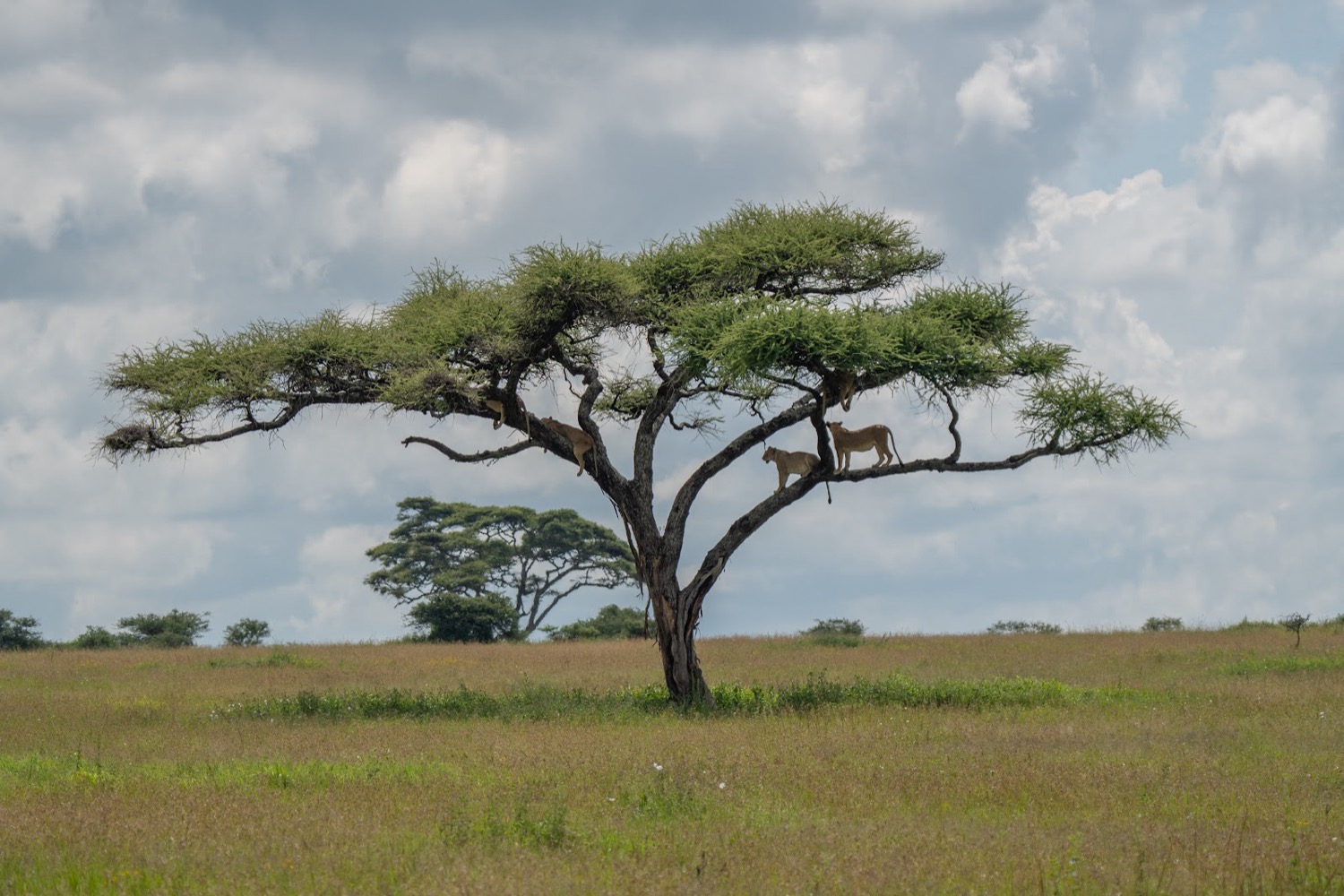
On 14 July 2023, our vehicle left the Ngorongoro Crater rim at 6:10 am. The thermometer read 6 °C. By 11:30 am, on the crater floor, it was 34 °C. Same day. Same location. That 28-degree swing is not unusual, it's routine at altitude, and a version of it plays out every morning across East Africa's highland parks.
The layering system that handles this:
- Base layer: Lightweight long-sleeve in merino or a moisture-wicking synthetic. Merino is the gold standard, it regulates temperature in both directions, resists odour through multiple days of use, and doesn't feel clammy when you sweat. Worth every penny of the higher price.
- Mid layer: A fleece or light down gilet. Open vehicles generate wind chill even in summer months, something stuffable into a day bag that takes thirty seconds to pull on or off is the practical choice.
- Outer shell: A packable, windproof jacket for very early starts or high-altitude parks like Bwindi Impenetrable Forest or the Aberdares. Waterproof capability is a genuine bonus, not optional if you're travelling in the green season.
By mid-morning you're peeling layers off. By 2 pm you may be watching elephants at the waterhole in a t-shirt, wondering why you were cold four hours ago. Plan for both ends of the day, simultaneously.
Trousers: The Convertible Question
Zip-off convertible trousers sound naff. We know. But they solve a real problem elegantly: you start the morning in full-length mode, remove the legs by 9 am, and arrive at the hippo pool in shorts without having changed. Two garments in one, and one less item going through the camp laundry.
Avoid denim completely. It's heavy, dries slowly (which matters more than you'd think when camps do laundry overnight), and offers zero thermoregulation. Brands like Craghoppers, Rohan, and Fjällräven make excellent safari trousers in the €60–€120 range, durable, quick-drying, and designed with the practical details right. Decathlon's range at around €30 performs well too, particularly the Forclaz trekking line.
For walking safaris specifically, which we strongly recommend in South Luangwa or on Kenya's Laikipia Plateau, full-length trousers are non-negotiable. Thorny acacia scrub, grass seeds that work their way into socks, and the guide's preference for covered legs on foot all point the same direction.
Ready to walk the bush properly equipped?
Our Tanzania Classic Safari takes you into parks where every packing choice we have described here will be put to the test. 6 days, from 2.095 € per person. Tanzania - Classic Safari
Footwear: New Boots Are the Enemy
This deserves saying plainly: do not buy new hiking boots two weeks before departure and expect to walk in them on day one of a bush walk. We've seen this go wrong enough times that we now mention it in our pre-trip briefing call. Wear whatever boots you're bringing for at least four to six weeks at home before you travel. Blisters on day one of South Luangwa are a miserable, avoidable problem.
For vehicle-based safaris in the Masai Mara, Kruger, or Chobe, comfortable walking shoes or light trail runners are fine around camp. Closed-toe always beats sandals, thorny acacia scrub finds exposed skin with uncanny accuracy.
Pack one pair of lightweight sandals or camp shoes for evenings. After eight hours of boots on rocky ground, your feet will be unreasonably grateful for something that doesn't lace up.
Long Sleeves: More Often Than You'd Think
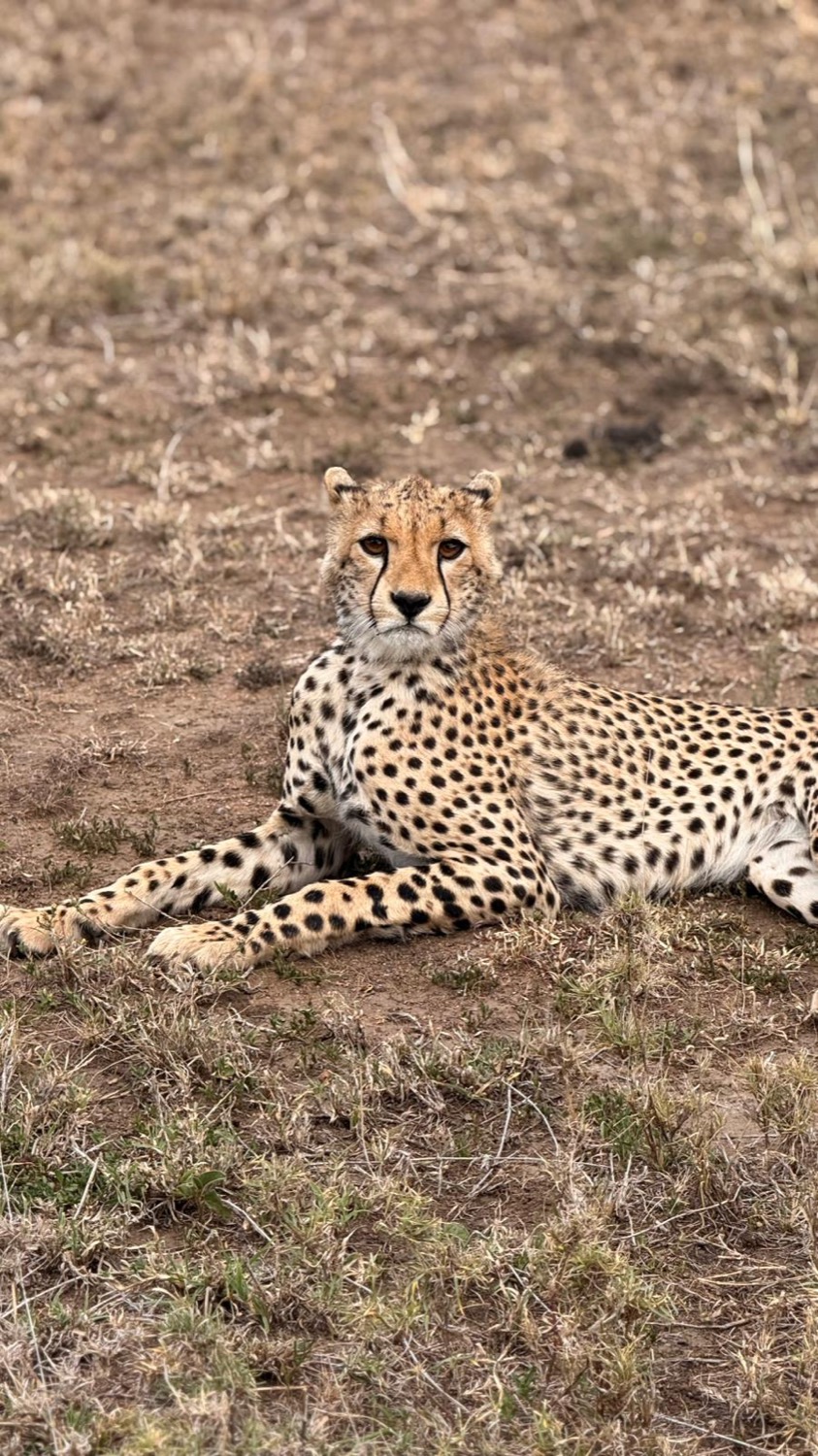
UV exposure at altitude is punishing in a way that catches people off-guard. The Ngorongoro Crater sits at 2,300 m. Amboseli is lower but the equatorial sun at 8 am is already intense. We've seen severe forearm sunburn develop over a single three-hour open-vehicle game drive on guests who thought the air temperature felt mild.
Long sleeves in lightweight fabric, a merino or UPF-rated shirt, protect against sun, biting insects, and thorny vegetation during bush walks. The practical rhythm: sleeves down at dawn and dusk when mosquitoes peak, rolled up by mid-morning when the heat builds. Mosquitoes and tsetse flies are measurably less interested in covered skin, which is a more motivating reason to stay covered than any sun safety lecture.
Rain Gear and the Green Season
The green season, roughly November to April in East Africa, November to March in Southern Africa, brings dramatically beautiful skies, newborn animals in abundance, and afternoon rains that arrive fast and leave fast. A packable rain poncho or lightweight waterproof jacket that actually fits over your fleece layer is essential, not optional.
Gorilla trekking in Uganda's Bwindi or Rwanda's Volcanoes National Park operates year-round regardless of rain. For forest trekking of any kind, add waterproof gaiters, they keep mud and biting insects off your ankles on the forest floor and are worth their weight many times over. Long-sleeved shirts become doubly important in dense forest: nettles, scratching branches, and driver ants that take your arrival as a personal affront.
Accessories: The Bandana Carries More Weight Than It Looks
A wide-brim hat is essential, baseball caps leave your neck and ears entirely exposed to equatorial sun. A buff or neck gaiter is one of those items that looks unnecessary until day one in Amboseli's dust, at which point it becomes precious. It pulls double duty as a face cover on dry-season tracks and a makeshift scarf on cold Highland mornings.
Pack two or three bandanas. This sounds excessive until you've used one for road dust, another for camera lens smudges, one to mop up a spilled sundowner at golden hour, and realised you still need a clean one for tomorrow morning. They weigh nothing, pack flat, and solve problems you didn't know you'd have. Same logic applies to lightweight liner gloves, ridiculous in July until you're on an open vehicle at 5:45 am above 2,000 m.
Sunglasses with UV400 protection are essential. Scanning dry savannah for hours creates real eye fatigue, polarised lenses help reduce glare off grass and water surfaces significantly.
How Many Clothes for Seven Days?
Most bush camps offer laundry every 24–48 hours, usually included in the nightly rate. At Chada Katavi, where we send guests into one of Tanzania's most remote parks, the laundry comes back folded by the next evening, even when the camp has twelve guests and no road access. You genuinely do not need to pack for seven separate days of clothing.
A realistic seven-day wardrobe:
- 3 lightweight long-sleeve shirts (neutral tones)
- 2 t-shirts for camp evenings
- 2 pairs of safari trousers or convertible trousers
- 1 fleece or light down gilet
- 1 packable waterproof jacket
- 4–5 pairs of socks and underwear (merino where possible)
- 1 pair of hiking boots or sturdy closed shoes
- 1 pair of camp sandals
- 1 wide-brim hat
- 1 buff or neck gaiter
That fits in a 40-litre soft duffel, the standard bag format for small bush aircraft. Many camps specify a 15 kg soft bag limit for charter flights. A hard suitcase cannot go on a Cessna 208. This is not a polite suggestion, it is a weight and space constraint that the pilot enforces at the airstrip, and guests who arrive with rigid luggage sometimes have to leave items behind.
Frequently Asked Questions
Can I wear shorts on safari?
Yes, during daytime vehicle-based game drives. For bush walks, long trousers are strongly preferred, they protect against thorns, insects, and sun exposure. Most walking safari guides will ask you to wear long trousers before you set off on foot.
Is there a dress code at safari lodges in the evening?
Smart-casual is the norm at most lodges, a clean shirt and trousers or a light dress is entirely appropriate. Very few lodges require anything formal. Remote tented camps are relaxed by nature; the most dressed-up anyone gets is a fresh long-sleeve shirt for dinner.
What fabrics work best, and what should I avoid in humid coastal areas?
Merino wool and quick-dry synthetics (nylon and polyester blends) handle the dry savannah well. If your safari includes a coastal extension to Zanzibar or Watamu, shift toward lighter synthetic fabrics, merino can feel heavy in high coastal humidity. Avoid cotton as a base layer anywhere: it holds moisture, dries slowly, and offers no temperature regulation. Denim is a firm no in all conditions.
Should I buy safari clothes before I go or at the destination?
Nairobi's Village Market, Cape Town's Outdoor Warehouse, and Arusha's gear shops all stock solid options. But buying locally means wearing untested boots and unbroken-in trousers on day one. We always recommend sourcing footwear at home, wearing it for weeks before departure, and using destination shops for smaller items you've forgotten or want to replace.
Plan your safari with people who know the kit list by heart
From the Ngorongoro Crater to the Masai Mara, our Kenya Classic Safari is designed around every layering challenge and terrain detail covered in this guide. 6 days, from 2.250 € per person. Kenya - Classic Safari
What to Wear on an African Safari: Colours, Layers and the Logic Behind Every Choice
A note before we start: if you want a printable packing checklist for your whole safari kit, we have one: our complete safari packing checklist covers everything from medications to camera bags. This article does something different. It explains why safari clothing is chosen the way it is, the colour science, the thermoregulation logic, the fabric decisions that actually matter when you're three hours into a morning game drive and the temperature has already swung fifteen degrees.
We've watched countless guests step off the bush plane wearing bright white linen and neon trainers. We say nothing, we just hand them a hat and smile. By day two they've borrowed a khaki fleece from the camp store and sworn never again. James, one of our lead guides in the Serengeti, puts it simply: "The animals don't care what brand you're wearing. But they absolutely notice your colour."
The Colour Science: Why Khaki Isn't Just a Fashion Choice
Stick to neutral, earthy tones (khaki, olive, tan, stone, muted sage). These colours blend into the bush and reduce the visual disturbance your presence creates, which matters most on foot. Dark navy and black do two things you don't want: they absorb heat aggressively, and in areas with tsetse flies, much of Tanzania's western corridors, Zambia's Luangwa Valley, parts of Botswana, they genuinely attract the flies. Researchers believe tsetse target dark moving objects because large animals (their preferred hosts) tend to cast dark shadows. Your blue shirt is close enough.
White and bright colours stand out against dry savannah grass and scrub in a way that unsettles skittish animals during walking safaris. You'll notice your guide always wears neutral tones, that's not a camp uniform policy, it's field knowledge accumulated over years.
One firm rule: camouflage clothing is technically illegal for civilians in Kenya and Tanzania. It's a legacy of post-independence laws meant to distinguish military from civilian populations, and enforcement is inconsistent, but the risk isn't worth it. Plain neutrals work everywhere across East and Southern Africa.
Ngorongoro at Dawn: The Case for Layering
On 14 July 2023, our vehicle left the Ngorongoro Crater rim at 6:10 am. The thermometer read 6 °C. By 11:30 am, on the crater floor, it was 34 °C. Same day. Same location. That 28-degree swing is not unusual, it's routine at altitude, and a version of it plays out every morning across East Africa's highland parks.
The layering system that handles this:
- Base layer: Lightweight long-sleeve in merino or a moisture-wicking synthetic. Merino is the gold standard, it regulates temperature in both directions, resists odour through multiple days of use, and doesn't feel clammy when you sweat. Worth every penny of the higher price.
- Mid layer: A fleece or light down gilet. Open vehicles generate wind chill even in summer months, something stuffable into a day bag that takes thirty seconds to pull on or off is the practical choice.
- Outer shell: A packable, windproof jacket for very early starts or high-altitude parks like Bwindi Impenetrable Forest or the Aberdares. Waterproof capability is a genuine bonus, not optional if you're travelling in the green season.
By mid-morning you're peeling layers off. By 2 pm you may be watching elephants at the waterhole in a t-shirt, wondering why you were cold four hours ago. Plan for both ends of the day, simultaneously.
Trousers: The Convertible Question
Zip-off convertible trousers sound naff. We know. But they solve a real problem elegantly: you start the morning in full-length mode, remove the legs by 9 am, and arrive at the hippo pool in shorts without having changed. Two garments in one, and one less item going through the camp laundry.
Avoid denim completely. It's heavy, dries slowly (which matters more than you'd think when camps do laundry overnight), and offers zero thermoregulation. Brands like Craghoppers, Rohan, and Fjällräven make excellent safari trousers in the €60–€120 range, durable, quick-drying, and designed with the practical details right. Decathlon's range at around €30 performs well too, particularly the Forclaz trekking line.
For walking safaris specifically, which we strongly recommend in South Luangwa or on Kenya's Laikipia Plateau, full-length trousers are non-negotiable. Thorny acacia scrub, grass seeds that work their way into socks, and the guide's preference for covered legs on foot all point the same direction.
Ready to walk the bush properly equipped?
Our Tanzania Classic Safari takes you into parks where every packing choice we have described here will be put to the test. 6 days, from 2.095 € per person. Tanzania - Classic Safari
Footwear: New Boots Are the Enemy
This deserves saying plainly: do not buy new hiking boots two weeks before departure and expect to walk in them on day one of a bush walk. We've seen this go wrong enough times that we now mention it in our pre-trip briefing call. Wear whatever boots you're bringing for at least four to six weeks at home before you travel. Blisters on day one of South Luangwa are a miserable, avoidable problem.
For vehicle-based safaris in the Masai Mara, Kruger, or Chobe, comfortable walking shoes or light trail runners are fine around camp. Closed-toe always beats sandals, thorny acacia scrub finds exposed skin with uncanny accuracy.
Pack one pair of lightweight sandals or camp shoes for evenings. After eight hours of boots on rocky ground, your feet will be unreasonably grateful for something that doesn't lace up.
Long Sleeves: More Often Than You'd Think
UV exposure at altitude is punishing in a way that catches people off-guard. The Ngorongoro Crater sits at 2,300 m. Amboseli is lower but the equatorial sun at 8 am is already intense. We've seen severe forearm sunburn develop over a single three-hour open-vehicle game drive on guests who thought the air temperature felt mild.
Long sleeves in lightweight fabric, a merino or UPF-rated shirt, protect against sun, biting insects, and thorny vegetation during bush walks. The practical rhythm: sleeves down at dawn and dusk when mosquitoes peak, rolled up by mid-morning when the heat builds. Mosquitoes and tsetse flies are measurably less interested in covered skin, which is a more motivating reason to stay covered than any sun safety lecture.
Rain Gear and the Green Season
The green season, roughly November to April in East Africa, November to March in Southern Africa, brings dramatically beautiful skies, newborn animals in abundance, and afternoon rains that arrive fast and leave fast. A packable rain poncho or lightweight waterproof jacket that actually fits over your fleece layer is essential, not optional.
Gorilla trekking in Uganda's Bwindi or Rwanda's Volcanoes National Park operates year-round regardless of rain. For forest trekking of any kind, add waterproof gaiters, they keep mud and biting insects off your ankles on the forest floor and are worth their weight many times over. Long-sleeved shirts become doubly important in dense forest: nettles, scratching branches, and driver ants that take your arrival as a personal affront.
Accessories: The Bandana Carries More Weight Than It Looks
A wide-brim hat is essential, baseball caps leave your neck and ears entirely exposed to equatorial sun. A buff or neck gaiter is one of those items that looks unnecessary until day one in Amboseli's dust, at which point it becomes precious. It pulls double duty as a face cover on dry-season tracks and a makeshift scarf on cold Highland mornings.
Pack two or three bandanas. This sounds excessive until you've used one for road dust, another for camera lens smudges, one to mop up a spilled sundowner at golden hour, and realised you still need a clean one for tomorrow morning. They weigh nothing, pack flat, and solve problems you didn't know you'd have. Same logic applies to lightweight liner gloves, ridiculous in July until you're on an open vehicle at 5:45 am above 2,000 m.
Sunglasses with UV400 protection are essential. Scanning dry savannah for hours creates real eye fatigue, polarised lenses help reduce glare off grass and water surfaces significantly.
How Many Clothes for Seven Days?
Most bush camps offer laundry every 24–48 hours, usually included in the nightly rate. At Chada Katavi, where we send guests into one of Tanzania's most remote parks, the laundry comes back folded by the next evening, even when the camp has twelve guests and no road access. You genuinely do not need to pack for seven separate days of clothing.
A realistic seven-day wardrobe:
- 3 lightweight long-sleeve shirts (neutral tones)
- 2 t-shirts for camp evenings
- 2 pairs of safari trousers or convertible trousers
- 1 fleece or light down gilet
- 1 packable waterproof jacket
- 4–5 pairs of socks and underwear (merino where possible)
- 1 pair of hiking boots or sturdy closed shoes
- 1 pair of camp sandals
- 1 wide-brim hat
- 1 buff or neck gaiter
That fits in a 40-litre soft duffel, the standard bag format for small bush aircraft. Many camps specify a 15 kg soft bag limit for charter flights. A hard suitcase cannot go on a Cessna 208. This is not a polite suggestion, it is a weight and space constraint that the pilot enforces at the airstrip, and guests who arrive with rigid luggage sometimes have to leave items behind.
Frequently Asked Questions
Can I wear shorts on safari?
Yes, during daytime vehicle-based game drives. For bush walks, long trousers are strongly preferred, they protect against thorns, insects, and sun exposure. Most walking safari guides will ask you to wear long trousers before you set off on foot.
Is there a dress code at safari lodges in the evening?
Smart-casual is the norm at most lodges, a clean shirt and trousers or a light dress is entirely appropriate. Very few lodges require anything formal. Remote tented camps are relaxed by nature; the most dressed-up anyone gets is a fresh long-sleeve shirt for dinner.
What fabrics work best, and what should I avoid in humid coastal areas?
Merino wool and quick-dry synthetics (nylon and polyester blends) handle the dry savannah well. If your safari includes a coastal extension to Zanzibar or Watamu, shift toward lighter synthetic fabrics, merino can feel heavy in high coastal humidity. Avoid cotton as a base layer anywhere: it holds moisture, dries slowly, and offers no temperature regulation. Denim is a firm no in all conditions.
Should I buy safari clothes before I go or at the destination?
Nairobi's Village Market, Cape Town's Outdoor Warehouse, and Arusha's gear shops all stock solid options. But buying locally means wearing untested boots and unbroken-in trousers on day one. We always recommend sourcing footwear at home, wearing it for weeks before departure, and using destination shops for smaller items you've forgotten or want to replace.
Plan your safari with people who know the kit list by heart
From the Ngorongoro Crater to the Masai Mara, our Kenya Classic Safari is designed around every layering challenge and terrain detail covered in this guide. 6 days, from 2.250 € per person. Kenya - Classic Safari








.png)