






| Location | Northern Tanzania, a few hours by road from Arusha |
| Best time for elephants | June to October (dry season) |
| Best time for birdwatching | November to March (migratory species present) |
| Park fee structure | 24-hour rolling access from first entry |
| Recommended optics | Binoculars 8x42; dust cover for camera |
| Nearest major hub | Arusha (main road via A104) |
| Classic circuit pairing | Tarangire, Serengeti and Ngorongoro (5 to 7 days) |
If you are looking for a safari with Huge herds of elephants, monumental baobabsand fewer cars than in other parks in the north, the Tarangire National Parkis your place. In this guide I will explain when to go according to your goals, how to organize a round day, which rules and feesYou have to take into account, where sleep by zonesand a clear comparison Tarangire vs. Manyarato decide without hesitation.
What makes Tarangire unique
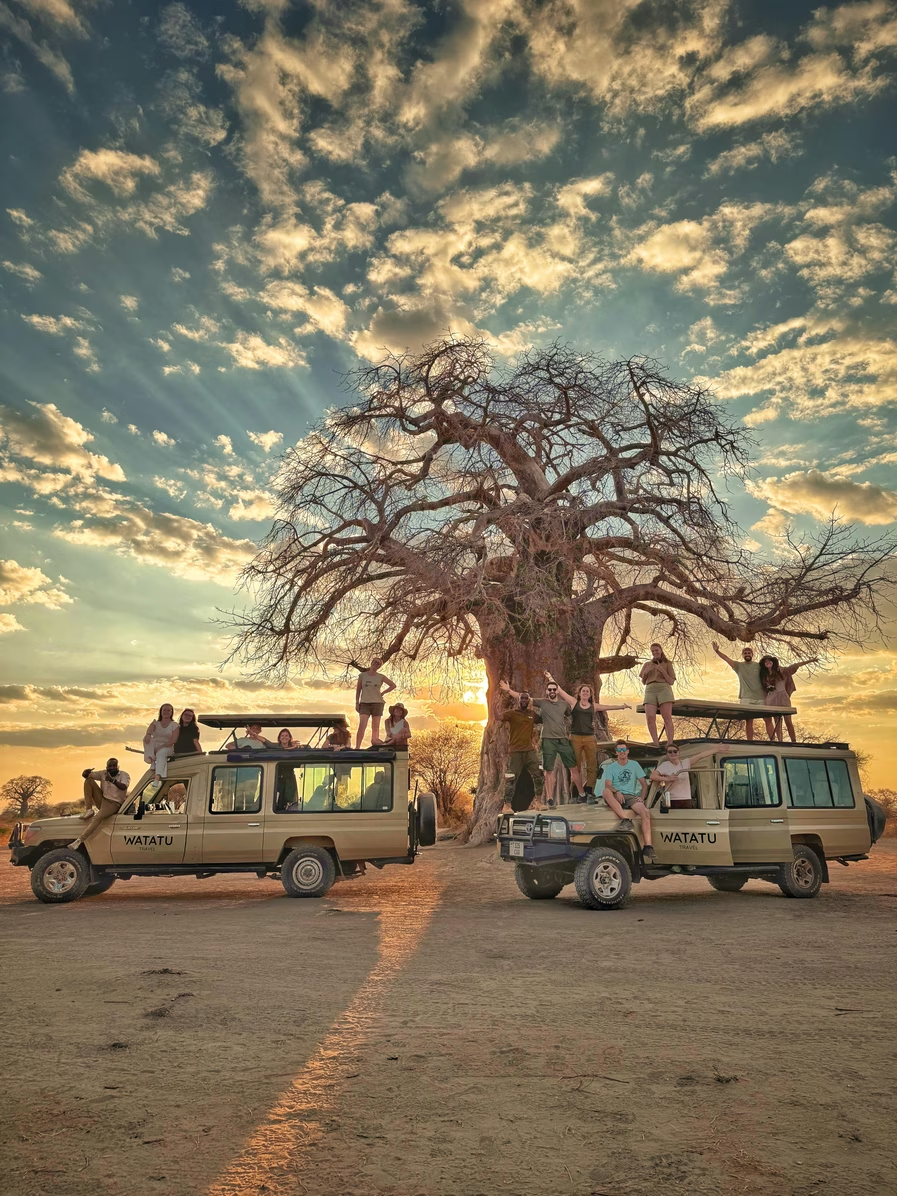
Tarangire is in Tanzania Northern Circuit, a few hours by road fromArusha. It is not as famous as Serengeti, but whoever visits it comes back talking about two icons: the Tarangire River, a real magnet in the dry season, and the baobabswhich dot the landscape like plant cathedrals.
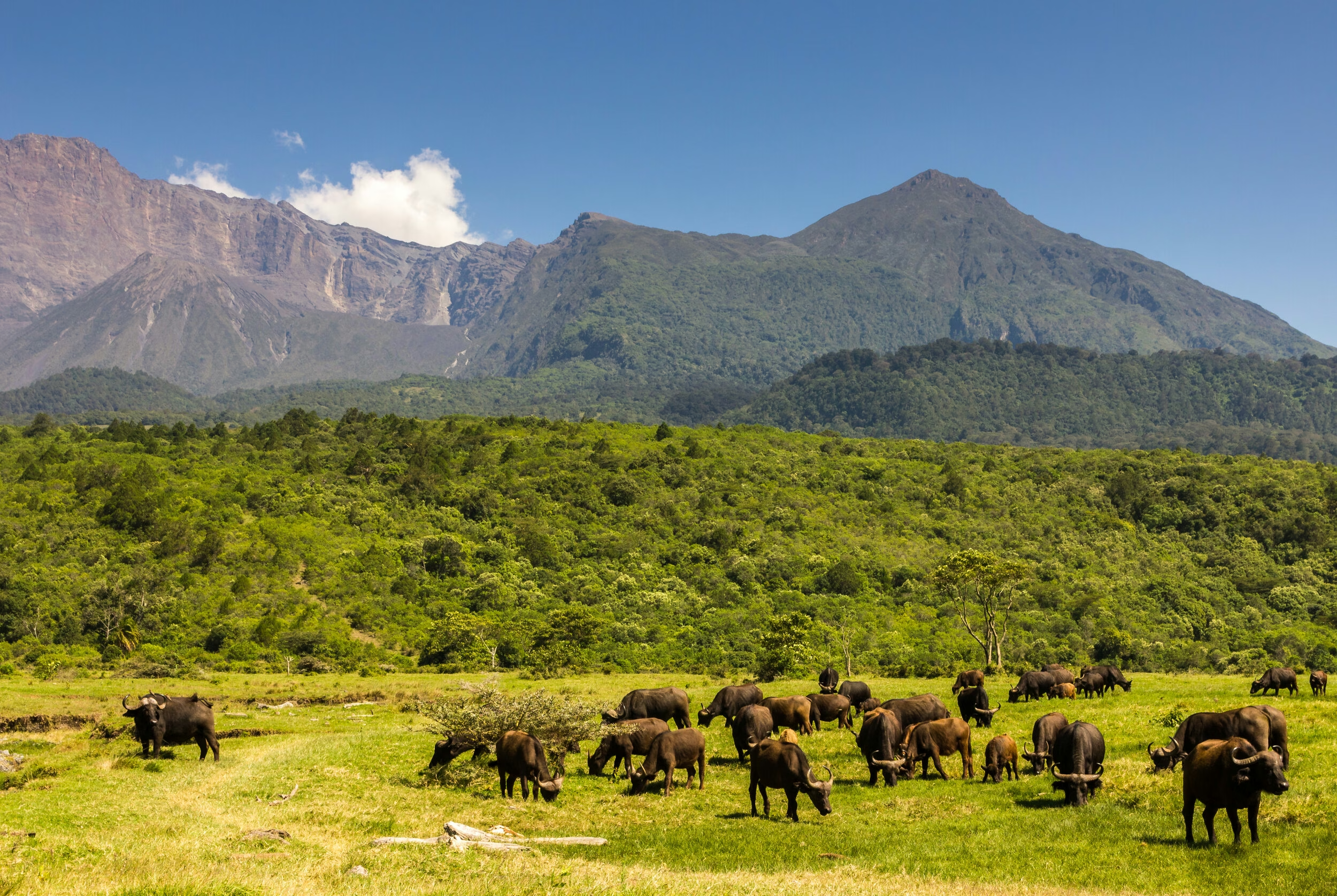
- Tarangire River:in the dry months, much of the surrounding fauna migrates to the nearby river and ponds. Result: Spectacular concentrations of elephants, buffaloes, zebras and nyus.
- Giant Baobabs:Some are easily over a thousand years old. Donen shadowing, serve as nestto many birds and, above all, they give photonsat any time, especially with side light.
- Diversity of habitats:wooded savanna, scrub, wetlands to the south and open plains. Translation: varied sightings, from elephants and giraffes to lions, leopards (more elusive) and a very rich avifauna.
- Calmer pace:Tarangire usually holds less density of vehiclesthan other parks in the north, something that is appreciated in long stops by the river.
Best time to go: for fauna, climate and affluence
The best timeIt depends on what you prioritize:
If your priority is elephants
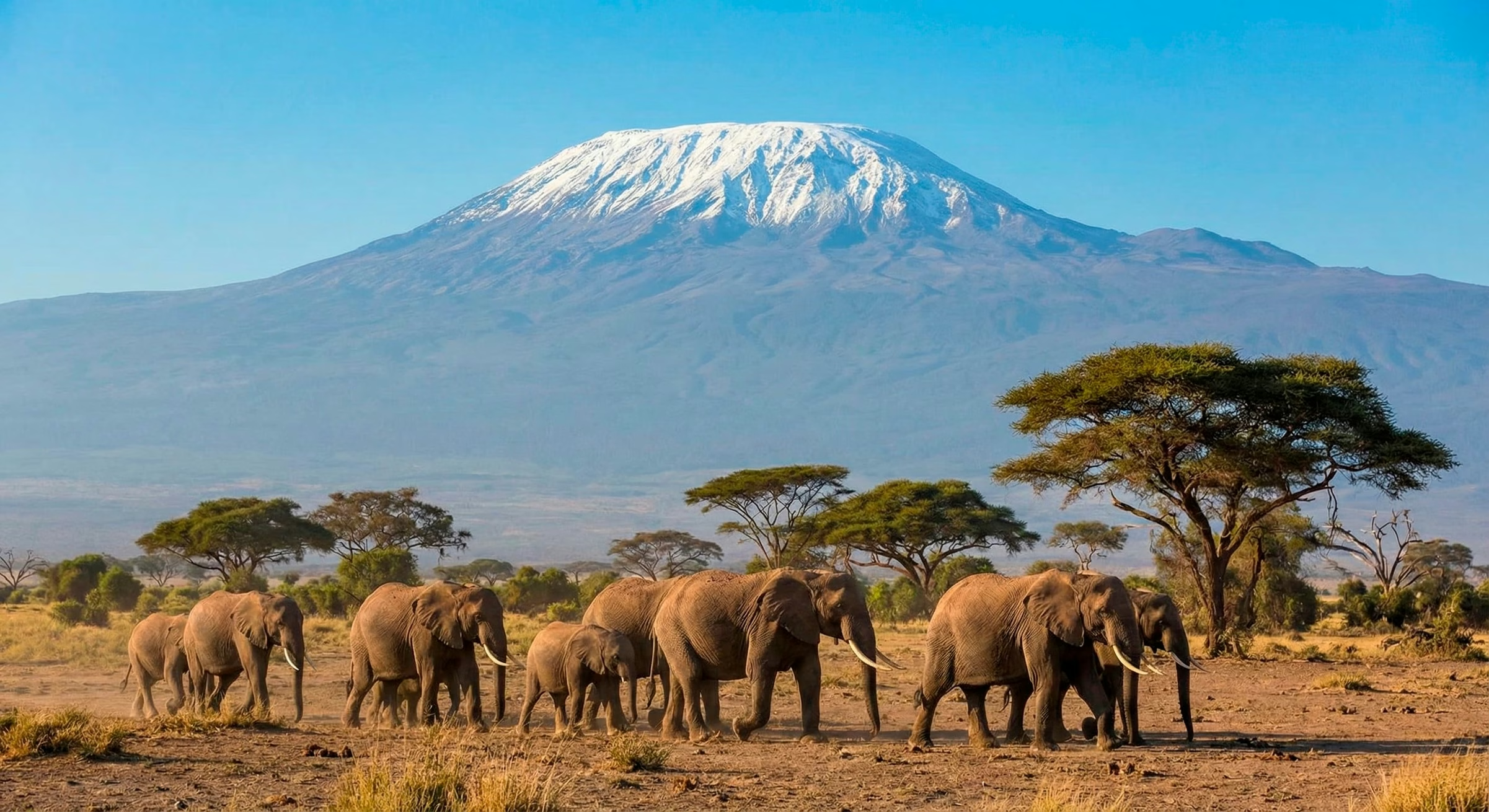
- June to October (dry season):maximum concentration. The vegetation goes down, the visibility goes up and the laughsIt becomes the point where everyone agrees. The classic postcard ofElephants crossing the river bed.
If you like green landscapes and soft light
- November to May (green season):baobabs shine brighter, dust disappears and light is kinder. You'll see criesand a lot bird activity. It may rain, yes, but you will less carsand different scenes.
Climate and “the weather in Tarangire”
- Temperature-warm daysand pleasant nights. In the dry, dust and breeze; in the green, intermittent sprays that refresh and leave epic skies. Door cuttersjust in case it refreshes at dawn and sunscreenalways.
Mini-guide
- Large herds of elephants:June, October.
- Photograph of green baobabs and dramatic skies:November, May.
- Fewer cars and better price:April, May (with flexibility for rain).
- Birdwatching:November, March (many migratory).
Suggested itinerary for 1 day (or half) inside the park
General advice: enter in the first hourand comes out with margin. The 24 hours of access are counted from your first entry; plan so as not Duplicate taxesfor poorly adjusted minutes.
Morning: river and iconic baobabs
- Entrance from Arusha or Manyara:arrive early at the main gate (usual gate for those coming on the A104).
- First hours:run through the tracks parallel to the river. This is when herbivores are most active and lateral light gives texture to baobab skins and bark.
- Stops with head:engine idling, no blocking steps and prudent distance with elephants (especially females with cubs).
Noon: picnic and rest areas
- With the heat, picnicsin enabled areas. Check equipment (batteries, cards, binoculars) and define the afternoon route.
Afternoon: wetlands and plains
- Descend to wetlands of the southif they are accessible; low light creates macabre reflections.
- Last hour for baobab silhouettesagainst the sky. It assures the outputwith time; Arusha is far away and does not pay to hurry.
Ready to explore Tarangire?
Our Tanzania Classic Safari takes you through Tarangire and the best of the Northern Circuit, fully guided and hassle-free. 6 days, from 2.095 € per person. Tanzania - Classic Safari
Activities and experiences
- Safari in 4×4 (daytime):the classic. Wide windows for photos and more reach than on foot.
- Walking safari: onlyin Authorized areasand with ranger. Another way to understand the landscape: traces, plants, insects and the micro-worldWhen you get out of the car you get lost.
- Night Safari:subject to permits and enabled areas(in the park or in neighboring concessions). Ideal for Twilight/Nocturnal Wildlife.
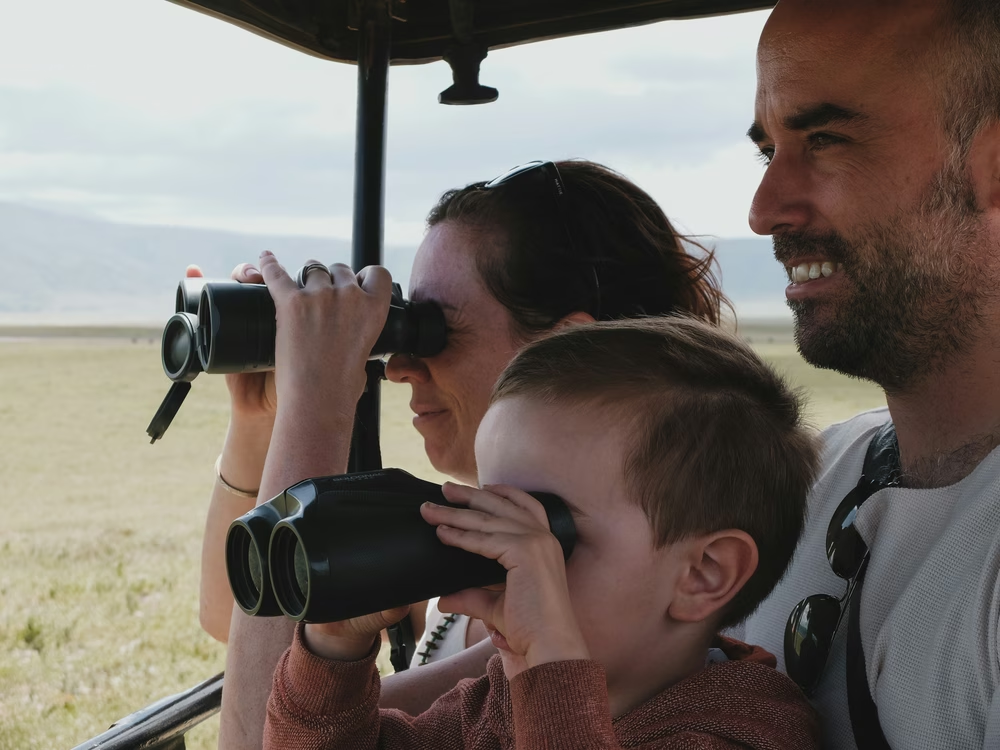
- Birdwatching:thrushes, hornets, weavers, raptors... Door shortlistand decent binoculars (8×42 is perfect).
- Hot air balloon:available on the northern route; depending on season and operation, it may be in nearby areas. Check if it fits your itinerary.
Where to sleep by zones
I detail zonesand criteria:
1) Inside the park
- Pros:dawn is already inside, very fast accesson key tracks, TOP night silence.
- Cons: highest price, limited availability, strict logistics (gate hours).
2) Burunge Corridor/Lake Environment
- Pros:good value for money, open landscapes and reasonable proximity to the door.
- Cons: extra transferin the morning and on the way out; you need to plan the times well.
3) Sangaiwe area/nearby outside
- Pros:variety of tented lodgesand fields, good balancebetween cost and access.
- Cons:Depends on 100% of park hours; will play matineeMore than sleeping inside.
Campsite in Tarangire (campsite)
- For whom:very independent travelers accustomed to organized wild camping.
- What is needed: suitable bag, frontal, repellent and absolute respect for rules (well-kept food, no waste).
Checklist to choose zone
- Flights to be insideat dawn and you can assume the overwork? → Inside the park.
- You search Balanced priceand you don't mind getting up in the morning? → Near exterior (Sangaiwe/Burunge).
- Trips in family? Prioritize simple accesses, good food logisticsand predictable schedules.
- Fas 2, 3 parksin 6, 7 days? Choose base that Minimize transfersbetween days.
Featured fauna and where to see it
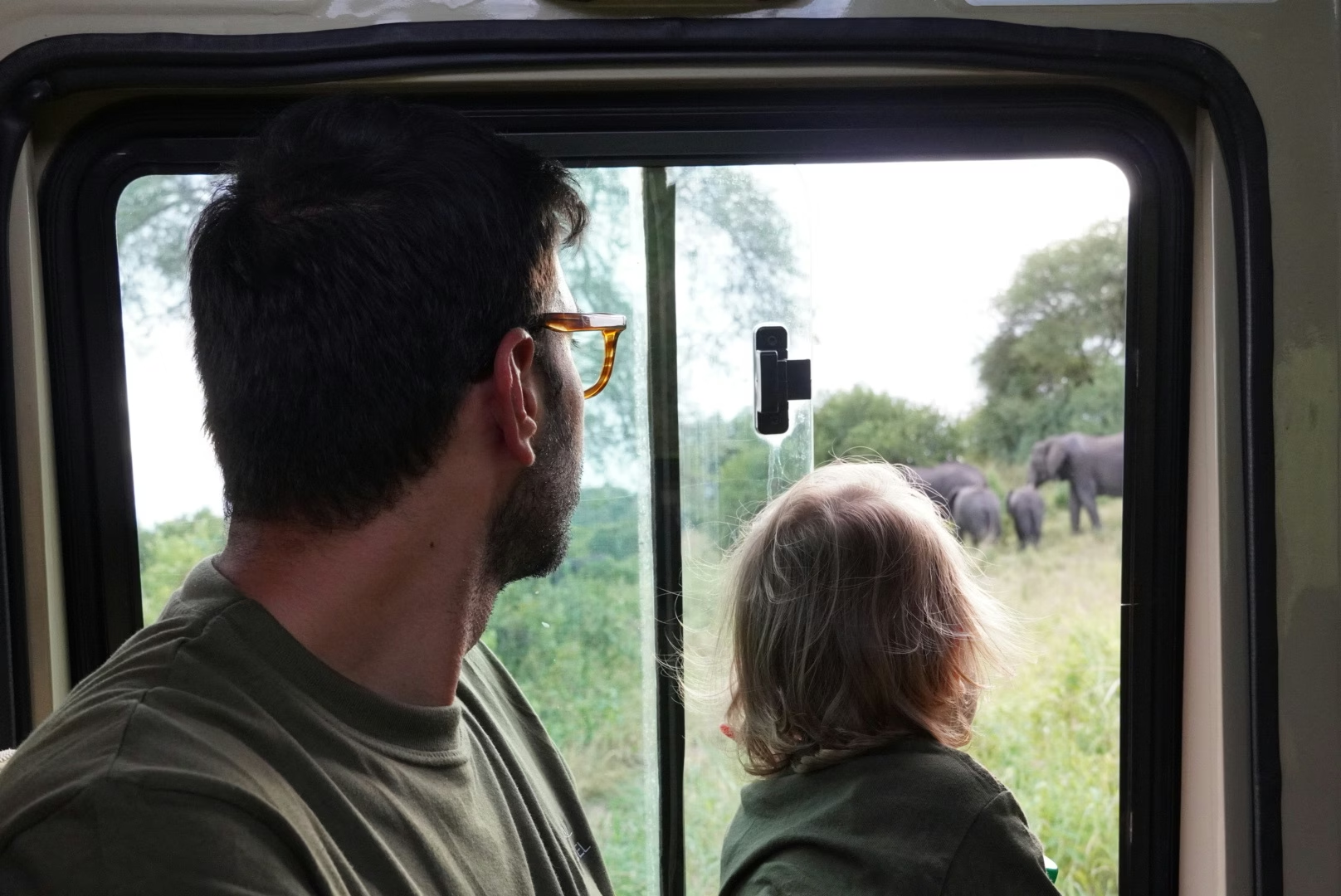
- Elephants:The true owners of the park. In the dry, go down in groupsin the river; you will see mud baths, pup games and tender moments among females. Keep your distance: if they move their ears and make “mock charge”, gives up space.
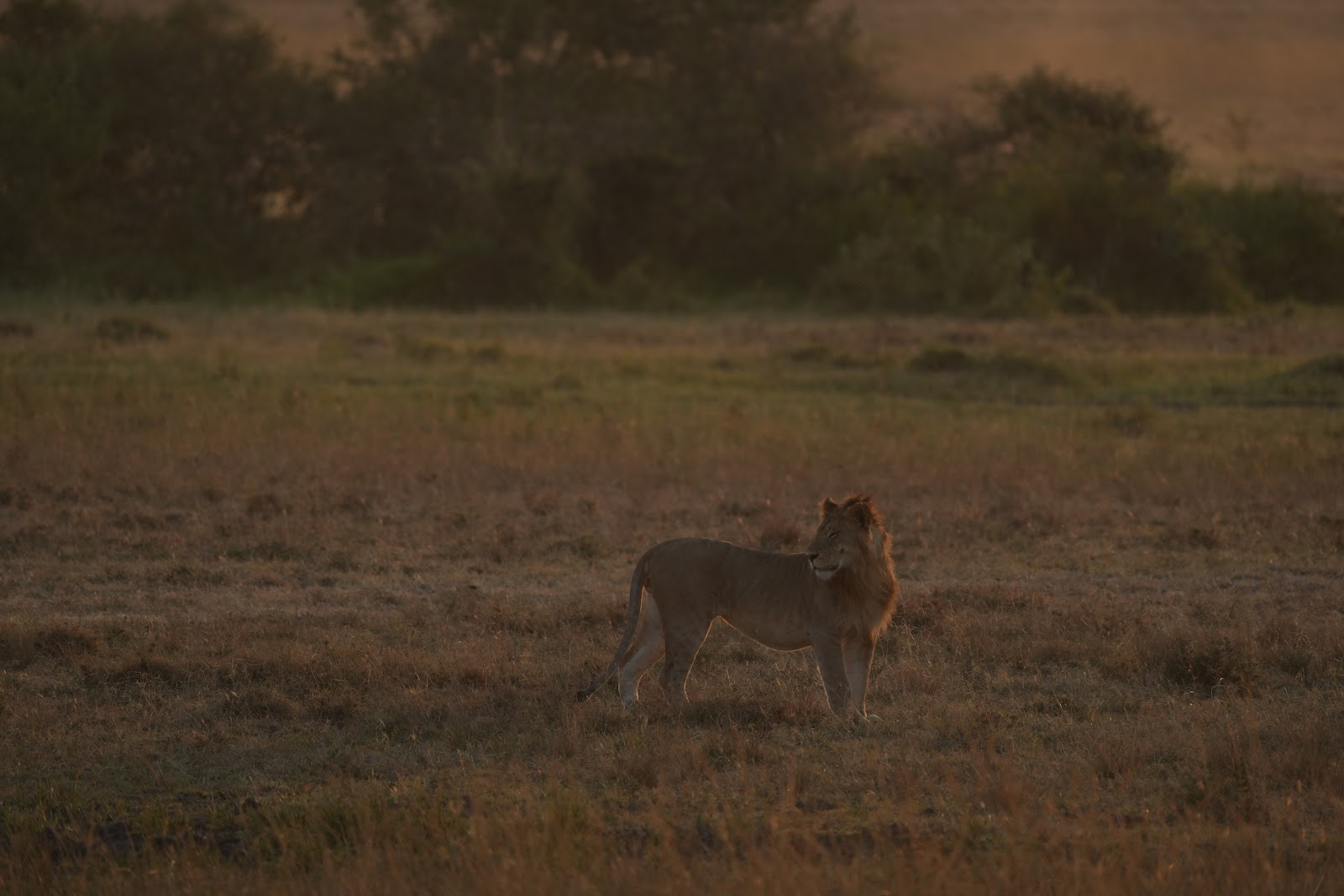
- Lions:often near herbivore trails. The early hours of the day give more chances to see them active.
- Leopard and cheetah:more elusive; ask the guide to search groves and trunkswhere leopards rest, and open plains for cheetahs.
- Giraffes and buffaloes:common in wooded areas and grasslands near the water.
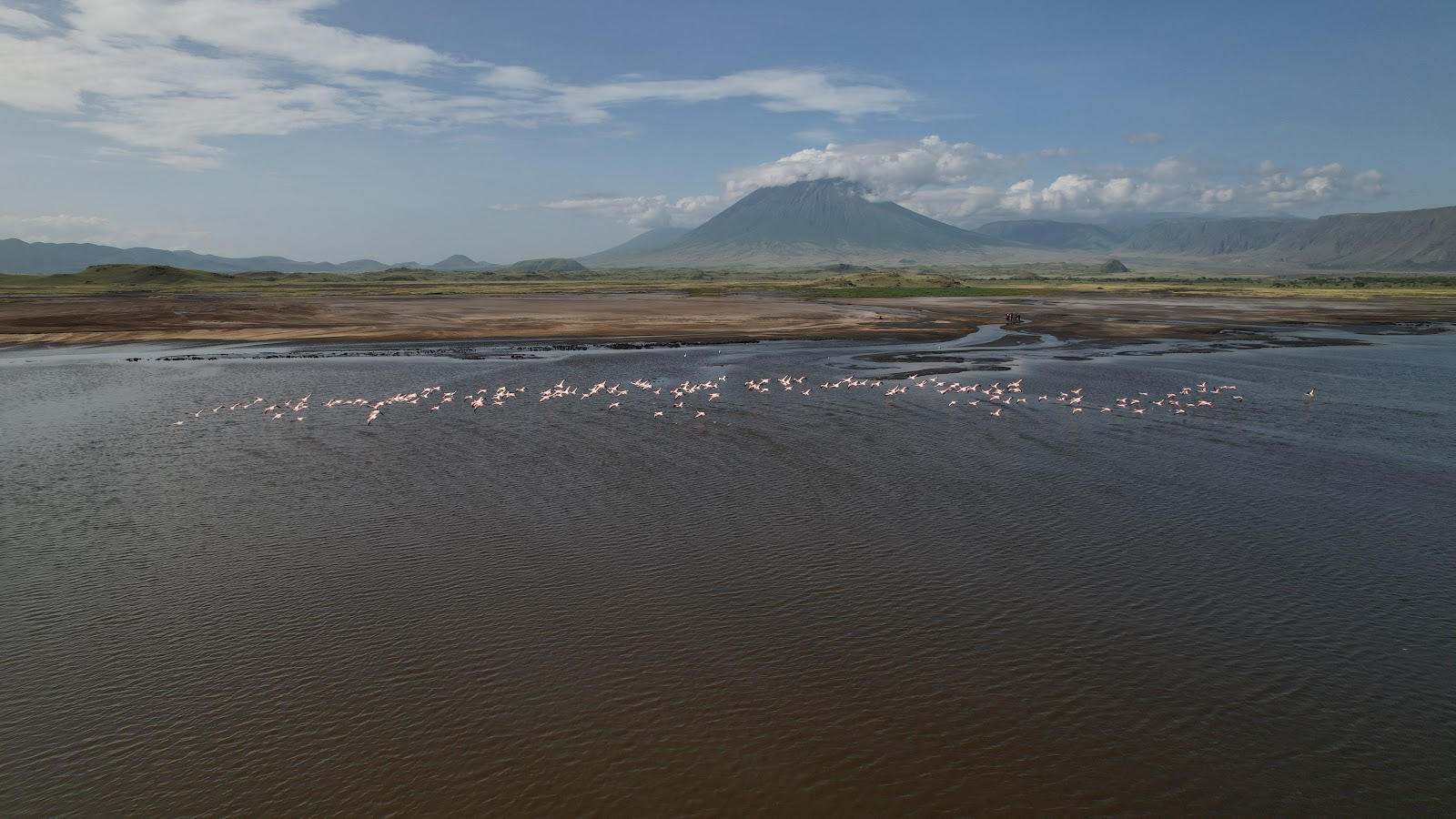
- From:a hotspotsfrom the north, especially after the first rains. If you're into ornithology, it's worth it two mornings.
Rules, permits and fees
- Access for 24 hours:your entry to Tarangire National Park Tanzaniacounts for periods of 24 hours. Organize yourself so as not to pay an extra day to enter/leave outside the window.
- Driver/guide and 4×4:essential for track and safety. If you drive on your own, assume dirt tracks, possible puddles in rainy season and Basic Signagedoor; mapo GPS offline.
- Essential rules:do not go off the tracks, non-foodwildlife, do not circle animals with too many cars, controlled speed, no rubbish(what comes in, goes out) and respects picnic areasas the only points to get off the vehicle.
- Pro tip:Confirm with your operator “Tarangire Park Festival”valid before travel (may vary by season or annual review).
Tarangire or Manyara: which one do I choose?
If you only have one dayand doubts between Tarangireand Lake Manyara, this table makes it easy for you:
%20-%20visual%20selection%20(10).png)
Quick conclusion:if you dream of elephants + baobabs, triad Tarangire. If he throws you lake and riparian forest, Manyara.
How to get there and get around
- Arusha → Tarangire:main road and detour at the park gate; calculate several hoursdepending on traffic and stops.
- Classic combinations 5, 7 days: Tarangire, Serengeti, Ngorongoro(or Tarangire, Manyara, Ngorongoro) and final to Zanzibar.
- Maps:carries a Tarangire mapon paper or GPS offline. At the door they often give a brochure with main clues; guides better than improvising.
Indicative budget: where does the budget go
- Park fees (24 h)And, if you spend the night inside, possible additional feesaccommodation/vehicle.
- 4×4 + driver/guide(or rent and expenses if you drive).
- Fuel, maintenance and transfersfrom/to Arusha.
- Meals(picnic at noon) and water.
- Gite(inside or outside).
- Tippingaccording to service.
How to optimize:
- Travel in mid-season(less demand, softer prices).
- Share vehicle(4, 6 people) to spread costs.
- Adjusts 24 haccess to avoid overpaying due to schedule.
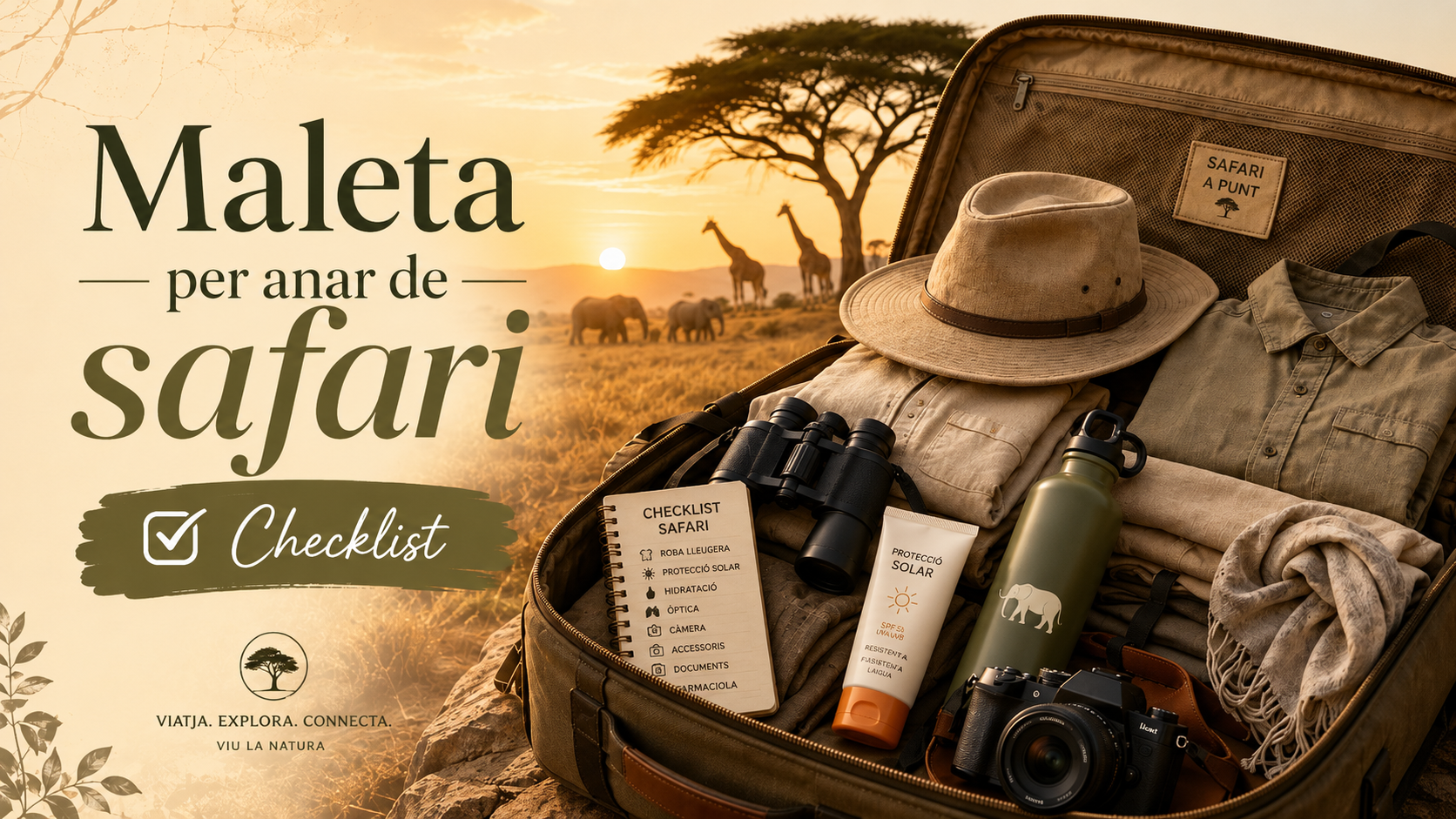
What to bring: express checklist
- Light Layersand cutters(cool mornings, warm afternoons).
- Sun protection(cap, high SPF) and goggle.
- Repellentfrom mosquitoes, especially at dusk.
- Binoculars(8×42 ideal) and dust coverfor the camera.
- Reusable Bottleand snackssimple.
- Power bankand dust/rain bags.
- Documentationand cash/card for tickets or unforeseen events.
FAQs about Tarangire
What is the best time to see many herds of elephants?
From June to October, when the fauna is concentrated in Tarangire River. Visibility is maximum and contacts are constant.
Can you go on safari on foot in Tarangire?
Yes, only in authorized areasand with rangerofficer. Ideal to understand the landscape and look at traces and flora.
Is there a night safari?
It is possible entitlein specific areas of the park or nearby concessions, always with a guide and a qualified vehicle. Check the operation for the dates of your trip.
Tarangire or Manyara for a day?
If you want elephants + baobabs, Tarangire. If you prefer lake and forestwith birds and (not guaranteed) possibility of lions climbing trees, Manyara.
Do I need a map or GPS?
Yeah. Door park mapo GPS offline. Signage exists but can be basic; better plan tracks.
Can I go back and forth from Arusha in the day?
Yes, but it is in the early morningAnd many hours of driving. If you can, sleep one nightnear or inside the park to enter early.
Plan your Tarangire safari today
From elephant herds to ancient baobabs, our Tanzania specialists will build the perfect itinerary around your dates and budget. 8 days, from 2.850 € per person. Tanzania - Origine
Frequently asked questions
When is the best time to see large herds of elephants in Tarangire?
June to October is the prime window. During the dry season, vegetation thins and elephants concentrate around the Tarangire River in enormous groups. Visibility is at its highest and sightings of mud baths, calf play and interactions between females are frequent and predictable.
Can you do a walking safari in Tarangire National Park?
Yes, walking safaris are permitted in designated areas only and must be accompanied by an armed ranger. It is an excellent way to read animal tracks, study plants and insects, and understand the ecosystem at ground level rather than from a vehicle window.
Is a night safari possible in Tarangire?
Night drives are possible in certain concession areas adjacent to the park, always with a qualified guide and a suitable vehicle fitted with a spotlight. Availability varies by season and operator, so confirm the activity is running for your specific travel dates before booking.
Tarangire or Lake Manyara: which park should I choose for a single day?
Choose Tarangire if elephants and ancient baobabs are your priority. The dry-season concentrations of wildlife along the river are exceptional. Opt for Lake Manyara if you prefer a scenic lake setting, dense riparian forest, large flocks of flamingos and the famous tree-climbing lions.
Do I need a GPS or map inside the park?
Yes. Carry a printed park map or a reliable offline GPS app. Signage inside Tarangire exists but can be sparse and inconsistent. Planning your tracks before entering, and sharing the route with your driver or guide, will save time and help you avoid retracing long sections of dusty road.
Is a day trip from Arusha to Tarangire feasible?
It is feasible but demanding. The drive takes several hours each way, leaving limited time inside the park. If your schedule allows, spending at least one night near or inside the park is strongly recommended. An early gate entry makes a significant difference to the quality of wildlife encounters.
| Location | Northern Tanzania, a few hours by road from Arusha |
| Best time for elephants | June to October (dry season) |
| Best time for birdwatching | November to March (migratory species present) |
| Park fee structure | 24-hour rolling access from first entry |
| Recommended optics | Binoculars 8x42; dust cover for camera |
| Nearest major hub | Arusha (main road via A104) |
| Classic circuit pairing | Tarangire, Serengeti and Ngorongoro (5 to 7 days) |
If you are looking for a safari with Huge herds of elephants, monumental baobabsand fewer cars than in other parks in the north, the Tarangire National Parkis your place. In this guide I will explain when to go according to your goals, how to organize a round day, which rules and feesYou have to take into account, where sleep by zonesand a clear comparison Tarangire vs. Manyarato decide without hesitation.
What makes Tarangire unique
Tarangire is in Tanzania Northern Circuit, a few hours by road fromArusha. It is not as famous as Serengeti, but whoever visits it comes back talking about two icons: the Tarangire River, a real magnet in the dry season, and the baobabswhich dot the landscape like plant cathedrals.
- Tarangire River:in the dry months, much of the surrounding fauna migrates to the nearby river and ponds. Result: Spectacular concentrations of elephants, buffaloes, zebras and nyus.
- Giant Baobabs:Some are easily over a thousand years old. Donen shadowing, serve as nestto many birds and, above all, they give photonsat any time, especially with side light.
- Diversity of habitats:wooded savanna, scrub, wetlands to the south and open plains. Translation: varied sightings, from elephants and giraffes to lions, leopards (more elusive) and a very rich avifauna.
- Calmer pace:Tarangire usually holds less density of vehiclesthan other parks in the north, something that is appreciated in long stops by the river.
Best time to go: for fauna, climate and affluence
The best timeIt depends on what you prioritize:
If your priority is elephants
- June to October (dry season):maximum concentration. The vegetation goes down, the visibility goes up and the laughsIt becomes the point where everyone agrees. The classic postcard ofElephants crossing the river bed.
If you like green landscapes and soft light
- November to May (green season):baobabs shine brighter, dust disappears and light is kinder. You'll see criesand a lot bird activity. It may rain, yes, but you will less carsand different scenes.
Climate and “the weather in Tarangire”
- Temperature-warm daysand pleasant nights. In the dry, dust and breeze; in the green, intermittent sprays that refresh and leave epic skies. Door cuttersjust in case it refreshes at dawn and sunscreenalways.
Mini-guide
- Large herds of elephants:June, October.
- Photograph of green baobabs and dramatic skies:November, May.
- Fewer cars and better price:April, May (with flexibility for rain).
- Birdwatching:November, March (many migratory).
Suggested itinerary for 1 day (or half) inside the park
General advice: enter in the first hourand comes out with margin. The 24 hours of access are counted from your first entry; plan so as not Duplicate taxesfor poorly adjusted minutes.
Morning: river and iconic baobabs
- Entrance from Arusha or Manyara:arrive early at the main gate (usual gate for those coming on the A104).
- First hours:run through the tracks parallel to the river. This is when herbivores are most active and lateral light gives texture to baobab skins and bark.
- Stops with head:engine idling, no blocking steps and prudent distance with elephants (especially females with cubs).
Noon: picnic and rest areas
- With the heat, picnicsin enabled areas. Check equipment (batteries, cards, binoculars) and define the afternoon route.
Afternoon: wetlands and plains
- Descend to wetlands of the southif they are accessible; low light creates macabre reflections.
- Last hour for baobab silhouettesagainst the sky. It assures the outputwith time; Arusha is far away and does not pay to hurry.
Ready to explore Tarangire?
Our Tanzania Classic Safari takes you through Tarangire and the best of the Northern Circuit, fully guided and hassle-free. 6 days, from 2.095 € per person. Tanzania - Classic Safari
Activities and experiences
- Safari in 4×4 (daytime):the classic. Wide windows for photos and more reach than on foot.
- Walking safari: onlyin Authorized areasand with ranger. Another way to understand the landscape: traces, plants, insects and the micro-worldWhen you get out of the car you get lost.
- Night Safari:subject to permits and enabled areas(in the park or in neighboring concessions). Ideal for Twilight/Nocturnal Wildlife.
- Birdwatching:thrushes, hornets, weavers, raptors... Door shortlistand decent binoculars (8×42 is perfect).
- Hot air balloon:available on the northern route; depending on season and operation, it may be in nearby areas. Check if it fits your itinerary.
Where to sleep by zones
I detail zonesand criteria:
1) Inside the park
- Pros:dawn is already inside, very fast accesson key tracks, TOP night silence.
- Cons: highest price, limited availability, strict logistics (gate hours).
2) Burunge Corridor/Lake Environment
- Pros:good value for money, open landscapes and reasonable proximity to the door.
- Cons: extra transferin the morning and on the way out; you need to plan the times well.
3) Sangaiwe area/nearby outside
- Pros:variety of tented lodgesand fields, good balancebetween cost and access.
- Cons:Depends on 100% of park hours; will play matineeMore than sleeping inside.
Campsite in Tarangire (campsite)
- For whom:very independent travelers accustomed to organized wild camping.
- What is needed: suitable bag, frontal, repellent and absolute respect for rules (well-kept food, no waste).
Checklist to choose zone
- Flights to be insideat dawn and you can assume the overwork? → Inside the park.
- You search Balanced priceand you don't mind getting up in the morning? → Near exterior (Sangaiwe/Burunge).
- Trips in family? Prioritize simple accesses, good food logisticsand predictable schedules.
- Fas 2, 3 parksin 6, 7 days? Choose base that Minimize transfersbetween days.
Featured fauna and where to see it
- Elephants:The true owners of the park. In the dry, go down in groupsin the river; you will see mud baths, pup games and tender moments among females. Keep your distance: if they move their ears and make “mock charge”, gives up space.
- Lions:often near herbivore trails. The early hours of the day give more chances to see them active.
- Leopard and cheetah:more elusive; ask the guide to search groves and trunkswhere leopards rest, and open plains for cheetahs.
- Giraffes and buffaloes:common in wooded areas and grasslands near the water.
- From:a hotspotsfrom the north, especially after the first rains. If you're into ornithology, it's worth it two mornings.
Rules, permits and fees
- Access for 24 hours:your entry to Tarangire National Park Tanzaniacounts for periods of 24 hours. Organize yourself so as not to pay an extra day to enter/leave outside the window.
- Driver/guide and 4×4:essential for track and safety. If you drive on your own, assume dirt tracks, possible puddles in rainy season and Basic Signagedoor; mapo GPS offline.
- Essential rules:do not go off the tracks, non-foodwildlife, do not circle animals with too many cars, controlled speed, no rubbish(what comes in, goes out) and respects picnic areasas the only points to get off the vehicle.
- Pro tip:Confirm with your operator “Tarangire Park Festival”valid before travel (may vary by season or annual review).
Tarangire or Manyara: which one do I choose?
If you only have one dayand doubts between Tarangireand Lake Manyara, this table makes it easy for you:
Quick conclusion:if you dream of elephants + baobabs, triad Tarangire. If he throws you lake and riparian forest, Manyara.
How to get there and get around
- Arusha → Tarangire:main road and detour at the park gate; calculate several hoursdepending on traffic and stops.
- Classic combinations 5, 7 days: Tarangire, Serengeti, Ngorongoro(or Tarangire, Manyara, Ngorongoro) and final to Zanzibar.
- Maps:carries a Tarangire mapon paper or GPS offline. At the door they often give a brochure with main clues; guides better than improvising.
Indicative budget: where does the budget go
- Park fees (24 h)And, if you spend the night inside, possible additional feesaccommodation/vehicle.
- 4×4 + driver/guide(or rent and expenses if you drive).
- Fuel, maintenance and transfersfrom/to Arusha.
- Meals(picnic at noon) and water.
- Gite(inside or outside).
- Tippingaccording to service.
How to optimize:
- Travel in mid-season(less demand, softer prices).
- Share vehicle(4, 6 people) to spread costs.
- Adjusts 24 haccess to avoid overpaying due to schedule.
What to bring: express checklist
- Light Layersand cutters(cool mornings, warm afternoons).
- Sun protection(cap, high SPF) and goggle.
- Repellentfrom mosquitoes, especially at dusk.
- Binoculars(8×42 ideal) and dust coverfor the camera.
- Reusable Bottleand snackssimple.
- Power bankand dust/rain bags.
- Documentationand cash/card for tickets or unforeseen events.
FAQs about Tarangire
What is the best time to see many herds of elephants?
From June to October, when the fauna is concentrated in Tarangire River. Visibility is maximum and contacts are constant.
Can you go on safari on foot in Tarangire?
Yes, only in authorized areasand with rangerofficer. Ideal to understand the landscape and look at traces and flora.
Is there a night safari?
It is possible entitlein specific areas of the park or nearby concessions, always with a guide and a qualified vehicle. Check the operation for the dates of your trip.
Tarangire or Manyara for a day?
If you want elephants + baobabs, Tarangire. If you prefer lake and forestwith birds and (not guaranteed) possibility of lions climbing trees, Manyara.
Do I need a map or GPS?
Yeah. Door park mapo GPS offline. Signage exists but can be basic; better plan tracks.
Can I go back and forth from Arusha in the day?
Yes, but it is in the early morningAnd many hours of driving. If you can, sleep one nightnear or inside the park to enter early.
Plan your Tarangire safari today
From elephant herds to ancient baobabs, our Tanzania specialists will build the perfect itinerary around your dates and budget. 8 days, from 2.850 € per person. Tanzania - Origine
Frequently asked questions
When is the best time to see large herds of elephants in Tarangire?
June to October is the prime window. During the dry season, vegetation thins and elephants concentrate around the Tarangire River in enormous groups. Visibility is at its highest and sightings of mud baths, calf play and interactions between females are frequent and predictable.
Can you do a walking safari in Tarangire National Park?
Yes, walking safaris are permitted in designated areas only and must be accompanied by an armed ranger. It is an excellent way to read animal tracks, study plants and insects, and understand the ecosystem at ground level rather than from a vehicle window.
Is a night safari possible in Tarangire?
Night drives are possible in certain concession areas adjacent to the park, always with a qualified guide and a suitable vehicle fitted with a spotlight. Availability varies by season and operator, so confirm the activity is running for your specific travel dates before booking.
Tarangire or Lake Manyara: which park should I choose for a single day?
Choose Tarangire if elephants and ancient baobabs are your priority. The dry-season concentrations of wildlife along the river are exceptional. Opt for Lake Manyara if you prefer a scenic lake setting, dense riparian forest, large flocks of flamingos and the famous tree-climbing lions.
Do I need a GPS or map inside the park?
Yes. Carry a printed park map or a reliable offline GPS app. Signage inside Tarangire exists but can be sparse and inconsistent. Planning your tracks before entering, and sharing the route with your driver or guide, will save time and help you avoid retracing long sections of dusty road.
Is a day trip from Arusha to Tarangire feasible?
It is feasible but demanding. The drive takes several hours each way, leaving limited time inside the park. If your schedule allows, spending at least one night near or inside the park is strongly recommended. An early gate entry makes a significant difference to the quality of wildlife encounters.









.avif)







.avif)


.avif)


.avif)
.avif)

.avif)

.jpeg)










.png)