





Zambia Safari & Victoria Falls: What to See and When to Go in 2027
Every pre-trip call we have about Zambia ends up going the same way. The client starts with logistics (flights, transfers, how many nights) and then someone asks about binoculars, and we're suddenly forty minutes into a conversation about whether you can actually get close enough to leopards on foot. The answer, for the record, is yes. Closer than is entirely comfortable, sometimes.
| Best time to visit | May to October (dry season) |
| Peak months | July, August and September |
| Top park for first-timers | South Luangwa National Park |
| KAZA Univisa cost | $50 USD, valid 30 days, covers Zambia and Zimbabwe |
| Mid-range lodge prices | $450 to $800 per person per night, all-inclusive |
| UK flights to Lusaka | Typically £700 to £1,100 return |
| Internal charter flights | $200 to $400 per leg between parks |
Zambia hasn't been polished for mass tourism, and that's exactly the point. The lodges are small, the guiding is exceptional, and the game areas feel genuinely wild in a way that's harder to find in busier East African circuits. Add the Zambian side of Victoria Falls, spectacular in its own right, and you have the makings of a trip that rewards the extra effort of getting here.
We cover Victoria Falls activities in depth, including the Zimbabwe side, in our dedicated piece on Victoria Falls: what to see, when to go and the best activities. Here, the focus is Zambia: the parks, the wildlife, the seasons, and how to put it all together.
What Are the Best National Parks to Visit in Zambia?
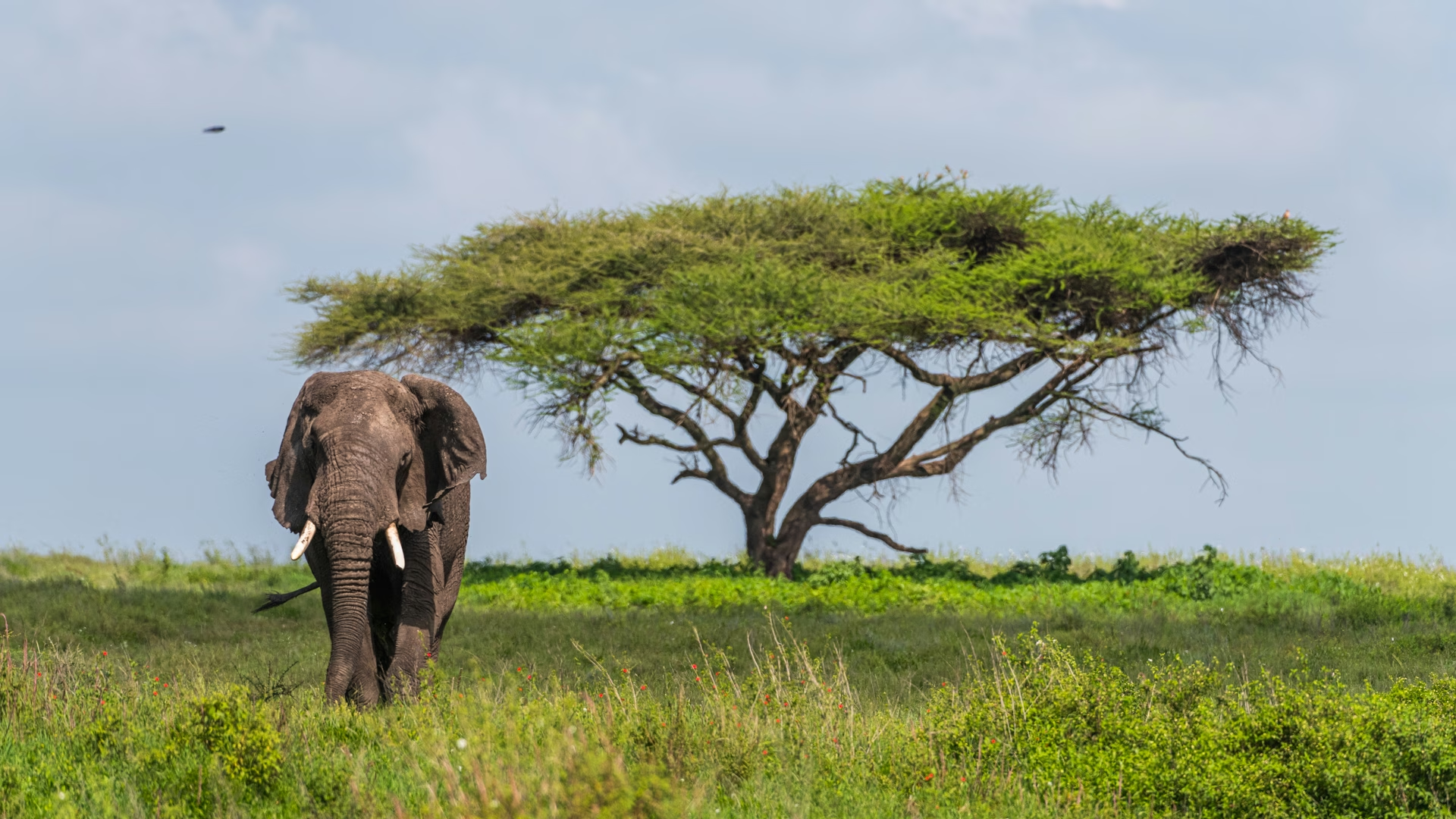
South Luangwa National Park is the centrepiece of any Zambia safari, and for good reason. The Luangwa River acts like a magnet during the dry season, hippos, crocodiles, elephants and buffalo crowd its banks, and the leopard density here is among the highest anywhere in Africa. We've watched three different leopards in a single afternoon drive in the Mfuwe area. It still surprises us.
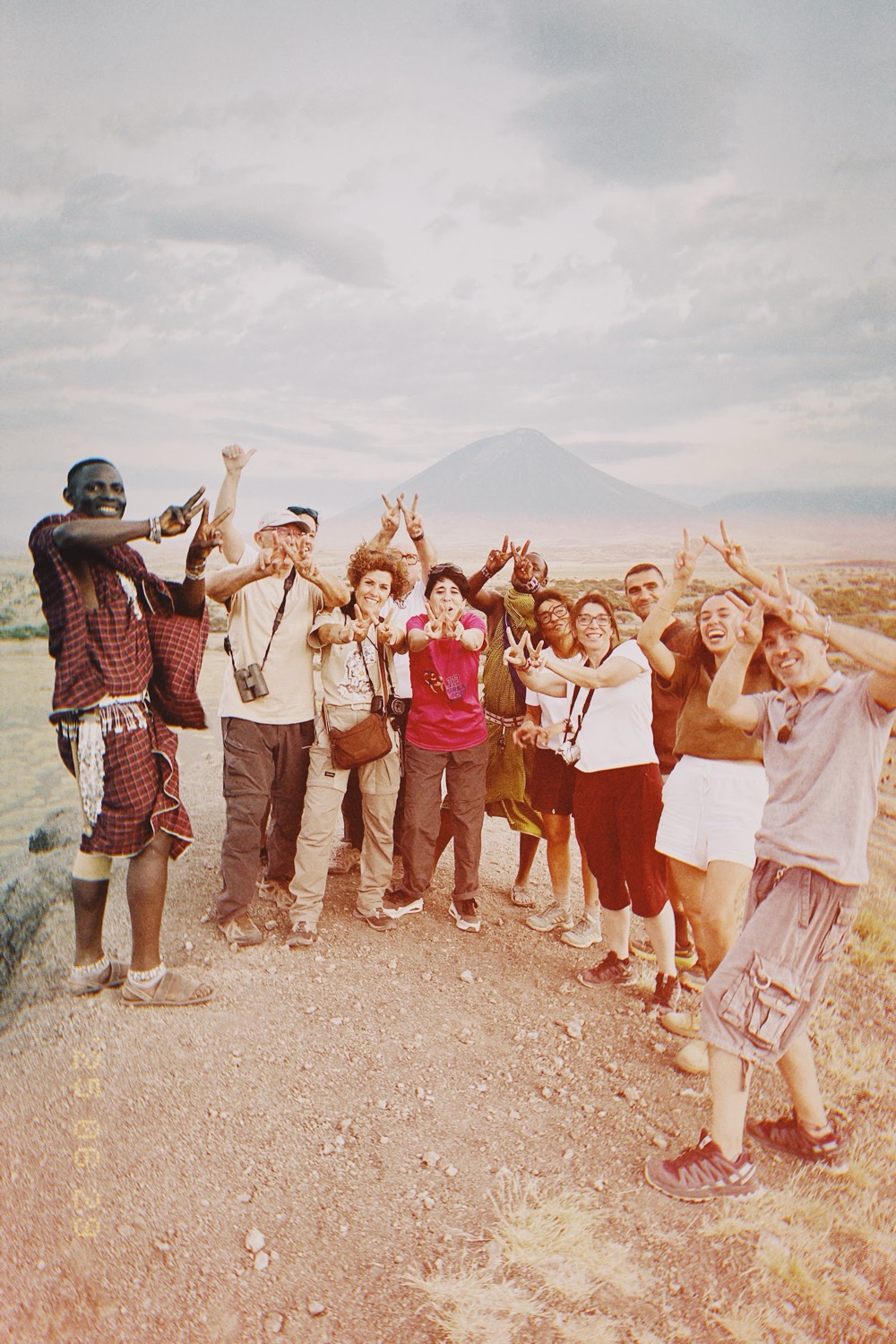
The park is also the birthplace of walking safaris, a tradition pioneered by Norman Carr in the 1950s that continues to define the Zambia experience. A multi-day walking safari here, spending nights at remote fly-camps, tracking lion on foot at dawn, is genuinely unlike anything you'll find on a vehicle-based safari. Mfuwe is the main entry point, about an hour's flight from Lusaka.
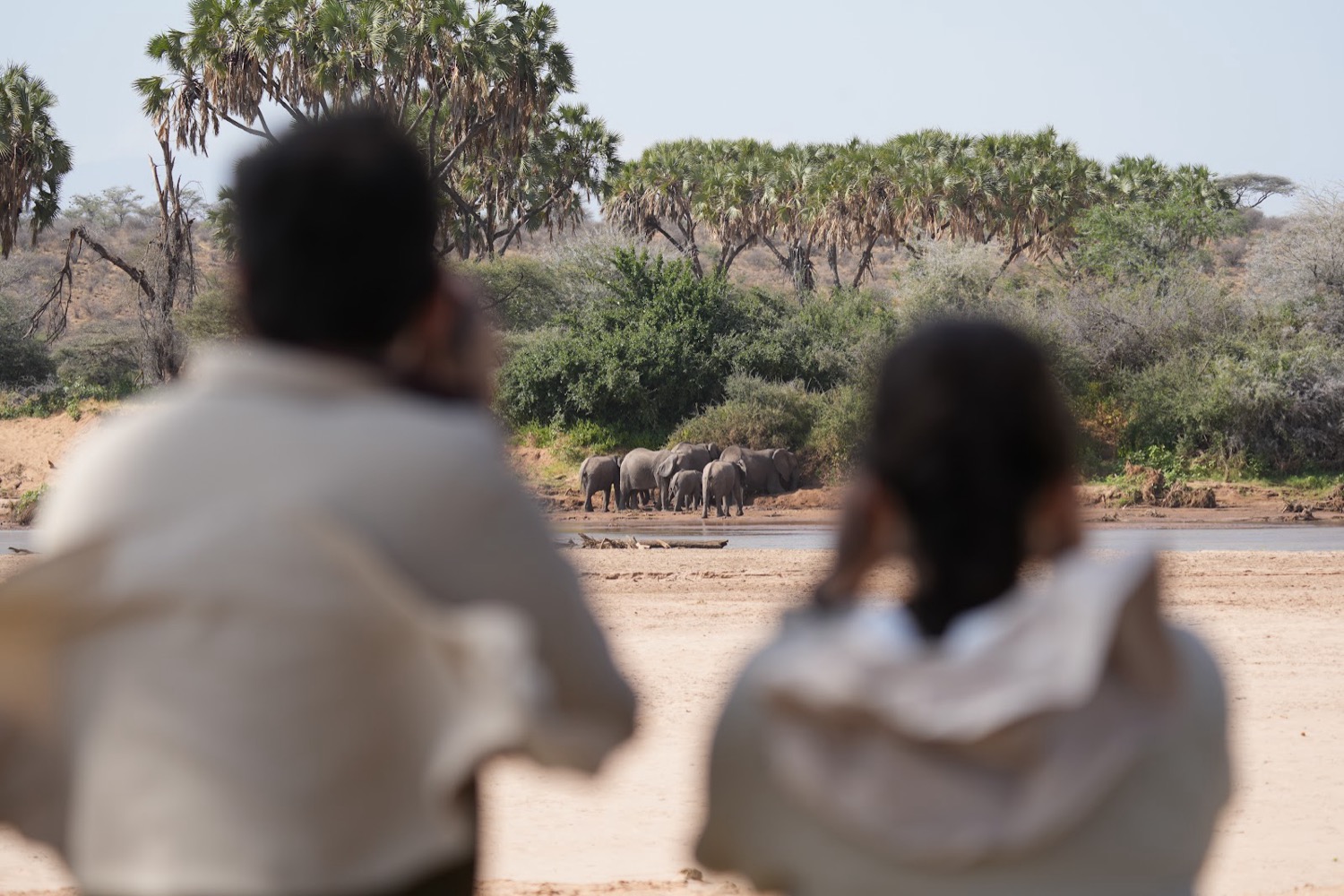
Lower Zambezi National Park sits on the northern bank of the Zambezi River, directly opposite Zimbabwe's Mana Pools. Canoe safaris are the defining activity, drifting past elephants drinking at the river's edge with no engine noise, just the pull of the current. It's one of those experiences that sounds better than you expect it to be, and then turns out to be even better than that. Buffalo, lion and wild dog are all regularly seen. One honest caveat: road access into Lower Zambezi in November is genuinely punishing. We've been on transfers that took four hours to cover 80km when the tracks deteriorate after early rains. If you're visiting at the shoulder of the wet season, budget time and patience accordingly.
Kafue National Park is Zambia's largest, a vast, underused wilderness that sees a fraction of the visitors South Luangwa gets. The Busanga Plains in the north flood during the rains and then dry into open grassland that attracts massive herds of red lechwe, roan antelope and cheetah. It's one of the few places in southern Africa where cheetah hunt in fully open terrain, which makes for sightings of unusual clarity. Getting there requires commitment, a charter flight or a long drive from the southern sector, but the solitude is the reward.
What Wildlife Will You See on a Zambia Safari?
The Big Five are all present. Rhino are the trickiest, North Luangwa has a carefully managed black rhino population, but access requires a specialist permit and is limited to small groups. For the other four, South Luangwa and Lower Zambezi deliver consistently. Wild dog, one of Africa's most endangered predators, are seen regularly in South Luangwa; watching the pack return from a hunt at first light is the kind of sighting that resets your sense of what wildlife watching can be.
Birders have an almost unfair amount to work with: over 700 species recorded across the country. The Luangwa Valley regularly produces Pel's fishing owl and African skimmer, and between August and October the carmine bee-eater colonies that nest in the riverbanks are one of the great ornithological spectacles in Africa, thousands of birds in a single cliff face, the colour almost impossible to photograph without underexposing everything around them.
Looking for a similar wildlife experience closer to home?
Our Tanzania Classic Safari packs exceptional game viewing into six days, with expert guiding and small-group departures in 2027. Zimbabwe
When Is the Best Time to Visit Zambia?
The dry season, May through October, is peak safari time. Vegetation thins, animals concentrate around water sources, and the roads are reliable. July, August and September are the most popular months. Daytime temperatures sit around 25–30°C across most of the country; June and July nights can drop to near 10°C, which catches visitors off guard more often than it should.
The green season (November to April) is more complicated. Roads in remote areas become genuinely difficult, many camps close entirely, and light aircraft become the only practical way to move between parks. But the trade-offs are real: the Busanga Plains in Kafue turn an extraordinary shade of green, migratory birds arrive in huge numbers, and the quality of light for photography, soft, golden, filtered through cloud, is hard to replicate in the dry season. A handful of premium camps stay open and offer 30–40% reductions during this period, which changes the maths considerably for flexible travellers.
What's the Zambia Side of Victoria Falls Like?
Livingstone, the Zambian town adjacent to the falls, gives you the eastern face of the main curtain, arguably the most dramatic single viewpoint of the whole waterfall. The spray drenches the path from April through June; by September you can stand much closer without getting soaked, and the geological structure of the gorge becomes visible in ways it isn't at peak flow.
From Livingstone you can also access the white-water rafting on the Zambezi below the gorge (Grade IV–V, best August to December), sunset cruises on the upper river, and helicopter flights over the falls. For everything else, both sides of the falls, the Zimbabwe viewpoints, and the full activity breakdown by season, see our complete Victoria Falls guide.
What Does a Zambia Safari Cost in 2027?
Zambia operates on a high-value, low-volume model, and the pricing reflects that. Mid-range lodge options, camps like Time + Tide Chinzombo or Puku Ridge in South Luangwa, run roughly $450–$800 per person per night, fully inclusive of meals, game drives and park fees. At the top end, properties like Sausage Tree Camp in Lower Zambezi or Lufupa River Camp in Kafue sit at $900–$1,500+ per person per night.
There are budget alternatives around Mfuwe, guesthouses and self-catering options under $100 a night, with day-trip access into the park. But the things that make Zambia genuinely different, night drives, walking safaris, remote fly-camps, are tied to the lodge model, so the budget route involves real trade-offs rather than just a different price point.
Return flights from the UK to Lusaka typically run £700–£1,100 depending on season and routing. Internal charter flights between parks add $200–$400 per leg and are almost always worth it over the road alternatives.
What Should You Pack for a Zambia Safari?
The binoculars question comes up on practically every pre-trip call we have. People ask whether they really need them, and then, without exception, every client who arrives without a decent pair regrets it by day two. Good 8x42s are the single item we'd prioritise above almost anything else in the bag.
Beyond that: neutral colours for game drives (khaki, olive, tan: not white or red, which attract tsetse flies and can unsettle animals), a proper fleece for early morning drives even in August when temperatures drop sharply before dawn, and comfortable walking shoes with genuine ankle support if you're planning any bush walks. A head torch matters more than most people expect, camps are dark at night, and the path between your tent and the dining area often passes through territory that hippos use after dark.
Malaria prophylaxis is essential for all Zambia safari areas, consult a travel health clinic before departure, not a GP who hasn't been recently updated on resistance patterns in the Luangwa Valley. A yellow fever vaccination certificate is required if arriving from an endemic country.
Frequently Asked Questions – Zambia Safari & Victoria Falls
Is the KAZA Univisa worth getting, and how long is it valid?
The KAZA Univisa costs $50 USD and covers both Zambia and Zimbabwe for 30 days. It's issued on arrival at Livingstone and Lusaka airports, or at the Kazungula and Victoria Falls border crossings. If you're planning to cross to the Zimbabwe side of the falls, highly recommended, it's far simpler and cheaper than obtaining two separate visas.
Do I need a visa for Zambia if I'm travelling on a UK or US passport?
Yes. A single-entry tourist visa costs $50 USD and is available on arrival at Lusaka and Livingstone airports, or in advance through the Zambia eVisa portal. The KAZA Univisa ($50) covers both Zambia and Zimbabwe and is the better option if you're combining both sides of the falls.
What is the best park for first-time visitors to Zambia?
South Luangwa National Park. It has the strongest infrastructure, the best-trained guides, excellent wildlife density and the walking safari experience that defines what makes Zambia different from other African destinations.
Can I see the Big Five in Zambia?
Yes, though rhino sightings require a specialist permit in North Luangwa. The other four, lion, leopard, elephant and buffalo, are seen regularly in South Luangwa and Lower Zambezi.
Is Zambia suitable for first-time safari travellers, or is it better for experienced visitors?
Both, genuinely. South Luangwa has well-developed infrastructure that works well for first-timers, and the guiding quality means the experience is rich even without prior safari knowledge. More experienced travellers tend to gravitate toward Kafue or the walking safari circuits, where self-sufficiency and comfort with the bush are assets.
Ready to plan your East Africa adventure?
If Zambia has sparked the idea but you want to explore neighbouring destinations, our Tanzania Classic Safari is a strong starting point for 2027 planning. Zimbabwe
Zambia Safari & Victoria Falls: What to See and When to Go in 2027
Every pre-trip call we have about Zambia ends up going the same way. The client starts with logistics (flights, transfers, how many nights) and then someone asks about binoculars, and we're suddenly forty minutes into a conversation about whether you can actually get close enough to leopards on foot. The answer, for the record, is yes. Closer than is entirely comfortable, sometimes.
| Best time to visit | May to October (dry season) |
| Peak months | July, August and September |
| Top park for first-timers | South Luangwa National Park |
| KAZA Univisa cost | $50 USD, valid 30 days, covers Zambia and Zimbabwe |
| Mid-range lodge prices | $450 to $800 per person per night, all-inclusive |
| UK flights to Lusaka | Typically £700 to £1,100 return |
| Internal charter flights | $200 to $400 per leg between parks |
Zambia hasn't been polished for mass tourism, and that's exactly the point. The lodges are small, the guiding is exceptional, and the game areas feel genuinely wild in a way that's harder to find in busier East African circuits. Add the Zambian side of Victoria Falls, spectacular in its own right, and you have the makings of a trip that rewards the extra effort of getting here.
We cover Victoria Falls activities in depth, including the Zimbabwe side, in our dedicated piece on Victoria Falls: what to see, when to go and the best activities. Here, the focus is Zambia: the parks, the wildlife, the seasons, and how to put it all together.
What Are the Best National Parks to Visit in Zambia?
South Luangwa National Park is the centrepiece of any Zambia safari, and for good reason. The Luangwa River acts like a magnet during the dry season, hippos, crocodiles, elephants and buffalo crowd its banks, and the leopard density here is among the highest anywhere in Africa. We've watched three different leopards in a single afternoon drive in the Mfuwe area. It still surprises us.
The park is also the birthplace of walking safaris, a tradition pioneered by Norman Carr in the 1950s that continues to define the Zambia experience. A multi-day walking safari here, spending nights at remote fly-camps, tracking lion on foot at dawn, is genuinely unlike anything you'll find on a vehicle-based safari. Mfuwe is the main entry point, about an hour's flight from Lusaka.
Lower Zambezi National Park sits on the northern bank of the Zambezi River, directly opposite Zimbabwe's Mana Pools. Canoe safaris are the defining activity, drifting past elephants drinking at the river's edge with no engine noise, just the pull of the current. It's one of those experiences that sounds better than you expect it to be, and then turns out to be even better than that. Buffalo, lion and wild dog are all regularly seen. One honest caveat: road access into Lower Zambezi in November is genuinely punishing. We've been on transfers that took four hours to cover 80km when the tracks deteriorate after early rains. If you're visiting at the shoulder of the wet season, budget time and patience accordingly.
Kafue National Park is Zambia's largest, a vast, underused wilderness that sees a fraction of the visitors South Luangwa gets. The Busanga Plains in the north flood during the rains and then dry into open grassland that attracts massive herds of red lechwe, roan antelope and cheetah. It's one of the few places in southern Africa where cheetah hunt in fully open terrain, which makes for sightings of unusual clarity. Getting there requires commitment, a charter flight or a long drive from the southern sector, but the solitude is the reward.
What Wildlife Will You See on a Zambia Safari?
The Big Five are all present. Rhino are the trickiest, North Luangwa has a carefully managed black rhino population, but access requires a specialist permit and is limited to small groups. For the other four, South Luangwa and Lower Zambezi deliver consistently. Wild dog, one of Africa's most endangered predators, are seen regularly in South Luangwa; watching the pack return from a hunt at first light is the kind of sighting that resets your sense of what wildlife watching can be.
Birders have an almost unfair amount to work with: over 700 species recorded across the country. The Luangwa Valley regularly produces Pel's fishing owl and African skimmer, and between August and October the carmine bee-eater colonies that nest in the riverbanks are one of the great ornithological spectacles in Africa, thousands of birds in a single cliff face, the colour almost impossible to photograph without underexposing everything around them.
Looking for a similar wildlife experience closer to home?
Our Tanzania Classic Safari packs exceptional game viewing into six days, with expert guiding and small-group departures in 2027. Zimbabwe
When Is the Best Time to Visit Zambia?
The dry season, May through October, is peak safari time. Vegetation thins, animals concentrate around water sources, and the roads are reliable. July, August and September are the most popular months. Daytime temperatures sit around 25–30°C across most of the country; June and July nights can drop to near 10°C, which catches visitors off guard more often than it should.
The green season (November to April) is more complicated. Roads in remote areas become genuinely difficult, many camps close entirely, and light aircraft become the only practical way to move between parks. But the trade-offs are real: the Busanga Plains in Kafue turn an extraordinary shade of green, migratory birds arrive in huge numbers, and the quality of light for photography, soft, golden, filtered through cloud, is hard to replicate in the dry season. A handful of premium camps stay open and offer 30–40% reductions during this period, which changes the maths considerably for flexible travellers.
What's the Zambia Side of Victoria Falls Like?
Livingstone, the Zambian town adjacent to the falls, gives you the eastern face of the main curtain, arguably the most dramatic single viewpoint of the whole waterfall. The spray drenches the path from April through June; by September you can stand much closer without getting soaked, and the geological structure of the gorge becomes visible in ways it isn't at peak flow.
From Livingstone you can also access the white-water rafting on the Zambezi below the gorge (Grade IV–V, best August to December), sunset cruises on the upper river, and helicopter flights over the falls. For everything else, both sides of the falls, the Zimbabwe viewpoints, and the full activity breakdown by season, see our complete Victoria Falls guide.
What Does a Zambia Safari Cost in 2027?
Zambia operates on a high-value, low-volume model, and the pricing reflects that. Mid-range lodge options, camps like Time + Tide Chinzombo or Puku Ridge in South Luangwa, run roughly $450–$800 per person per night, fully inclusive of meals, game drives and park fees. At the top end, properties like Sausage Tree Camp in Lower Zambezi or Lufupa River Camp in Kafue sit at $900–$1,500+ per person per night.
There are budget alternatives around Mfuwe, guesthouses and self-catering options under $100 a night, with day-trip access into the park. But the things that make Zambia genuinely different, night drives, walking safaris, remote fly-camps, are tied to the lodge model, so the budget route involves real trade-offs rather than just a different price point.
Return flights from the UK to Lusaka typically run £700–£1,100 depending on season and routing. Internal charter flights between parks add $200–$400 per leg and are almost always worth it over the road alternatives.
What Should You Pack for a Zambia Safari?
The binoculars question comes up on practically every pre-trip call we have. People ask whether they really need them, and then, without exception, every client who arrives without a decent pair regrets it by day two. Good 8x42s are the single item we'd prioritise above almost anything else in the bag.
Beyond that: neutral colours for game drives (khaki, olive, tan: not white or red, which attract tsetse flies and can unsettle animals), a proper fleece for early morning drives even in August when temperatures drop sharply before dawn, and comfortable walking shoes with genuine ankle support if you're planning any bush walks. A head torch matters more than most people expect, camps are dark at night, and the path between your tent and the dining area often passes through territory that hippos use after dark.
Malaria prophylaxis is essential for all Zambia safari areas, consult a travel health clinic before departure, not a GP who hasn't been recently updated on resistance patterns in the Luangwa Valley. A yellow fever vaccination certificate is required if arriving from an endemic country.
Frequently Asked Questions – Zambia Safari & Victoria Falls
Is the KAZA Univisa worth getting, and how long is it valid?
The KAZA Univisa costs $50 USD and covers both Zambia and Zimbabwe for 30 days. It's issued on arrival at Livingstone and Lusaka airports, or at the Kazungula and Victoria Falls border crossings. If you're planning to cross to the Zimbabwe side of the falls, highly recommended, it's far simpler and cheaper than obtaining two separate visas.
Do I need a visa for Zambia if I'm travelling on a UK or US passport?
Yes. A single-entry tourist visa costs $50 USD and is available on arrival at Lusaka and Livingstone airports, or in advance through the Zambia eVisa portal. The KAZA Univisa ($50) covers both Zambia and Zimbabwe and is the better option if you're combining both sides of the falls.
What is the best park for first-time visitors to Zambia?
South Luangwa National Park. It has the strongest infrastructure, the best-trained guides, excellent wildlife density and the walking safari experience that defines what makes Zambia different from other African destinations.
Can I see the Big Five in Zambia?
Yes, though rhino sightings require a specialist permit in North Luangwa. The other four, lion, leopard, elephant and buffalo, are seen regularly in South Luangwa and Lower Zambezi.
Is Zambia suitable for first-time safari travellers, or is it better for experienced visitors?
Both, genuinely. South Luangwa has well-developed infrastructure that works well for first-timers, and the guiding quality means the experience is rich even without prior safari knowledge. More experienced travellers tend to gravitate toward Kafue or the walking safari circuits, where self-sufficiency and comfort with the bush are assets.
Ready to plan your East Africa adventure?
If Zambia has sparked the idea but you want to explore neighbouring destinations, our Tanzania Classic Safari is a strong starting point for 2027 planning. Zimbabwe




.png)