


Etosha Self-Drive Safari: What to See, When to Go and How to Plan It
June to October, from €80 per person per day: that's the honest answer to when and what Etosha costs if you drive yourself. Park at Okaukuejo waterhole on a July evening and you'll watch black rhinos drink by floodlight while lions pace the far bank. No guide required. No specialist permit. Just a standard car and a waterhole map you can download from the park authority before you leave home.
This article is specifically about self-driving Etosha, the angle that our broader Namibia itinerary and cost articles don't cover in depth. If you want the full circuit combining Sossusvlei, the Skeleton Coast or Damaraland rhino tracking, those are separate articles. This one stays inside the park fence.
| Quick Facts | Details |
|---|---|
| Best months | June to October (dry season) |
| Park entry fee | ~NAD 300 per adult/day (approx. €15) |
| Self-drive, NWR rest camp | €80-110 per person/day |
| Self-drive, private lodge outside park | €150-200 per person/day |
| Guided safari, private 4x4 | €300-480 per person/day |
| Closest airport | Hosea Kutako International (WDH), Windhoek |
| Distance Windhoek to Anderson Gate | ~450 km, 4.5 hrs by road |
| Visa (EU citizens) | Not required for stays under 90 days |
When Is the Best Time to Visit Etosha?
June to October is when Etosha earns its reputation. Almost no rain, the mopane scrub thins back hard and every elephant, rhino and giraffe in the park has to come to the waterholes to drink. July and August are the peak of the peak: the waterhole sessions are extraordinary, but nights drop below 5°C. Pack a proper fleece.
Our guide David Nghitila has been leading drives inside the park for eleven years. Last August he sat with clients for three hours at Rietfontein and counted four separate lion groups passing through. That kind of session doesn't happen because of luck. It happens because the dry season forces everything to the same points.
May is a quiet opportunity. The rains have ended, animals are concentrating again, and lodges haven't yet hit peak-season prices. September and October are excellent too and considerably warmer at night, which matters if you're travelling with children or simply don't want to sit at a waterhole in a down jacket.
November to April works completely differently. Over 340 bird species have been recorded inside Etosha, many of them Palearctic migrants present only during the rains. Newborns are everywhere. Rates drop 20-30%. The trade-off is real though: animals scatter across the floodplains, sightings take longer driving and the green vegetation makes spotting harder. If birds and budget are your priority, November or March work well. If you're coming for mammals, hold out for dry season.
What Animals Can You See in Etosha?
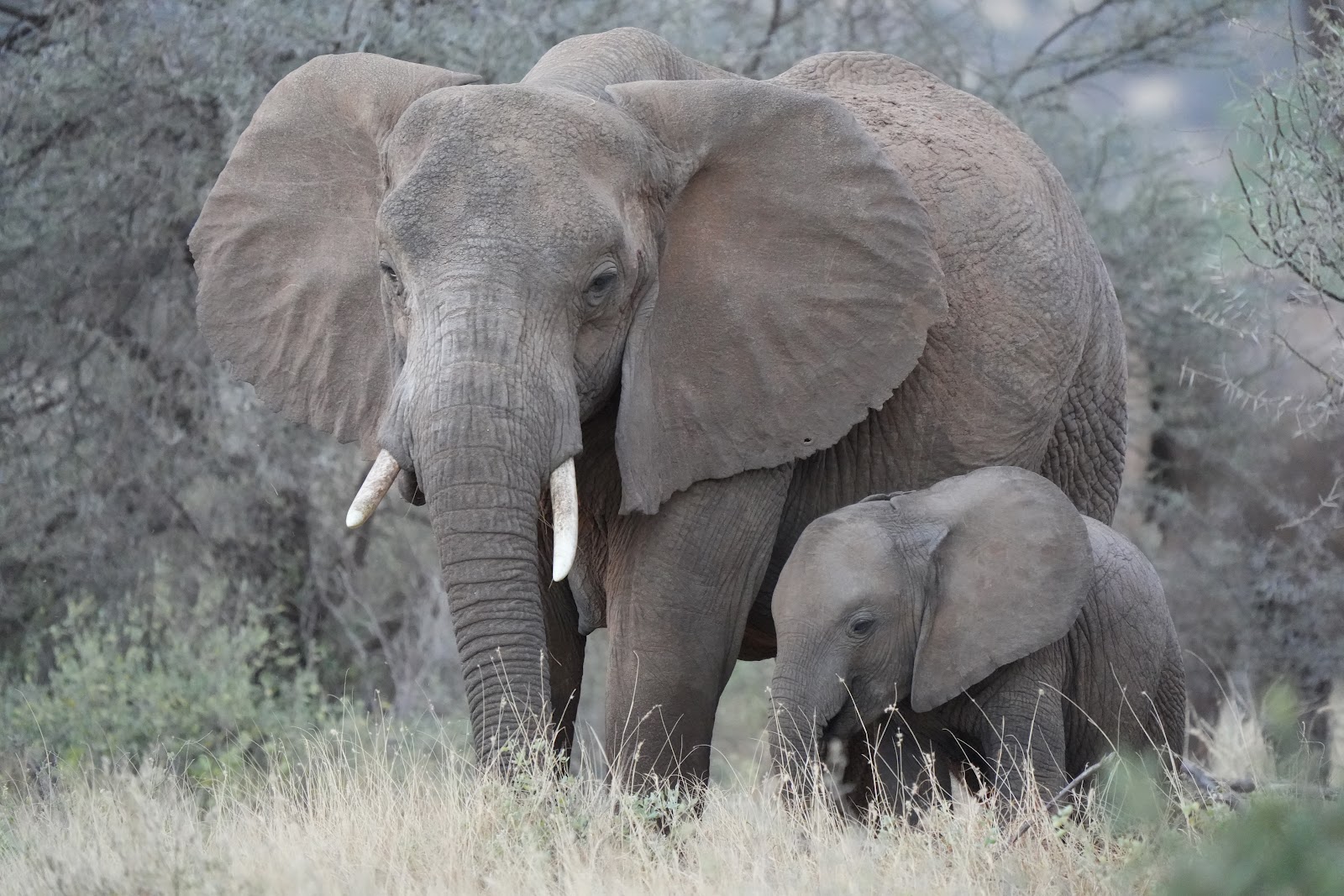
Four of the Big Five are here. Buffalo are absent, but their absence barely registers when you're watching a column of forty desert-adapted elephants cross the pan in front of you. Black rhino is the headline species: Namibia holds the world's largest free-ranging population and Etosha is your most accessible shot at seeing one, with no specialist tracking permit required.
| Animal | Probability (dry season) | Best waterhole |
|---|---|---|
| African elephant | Very high | Okaukuejo, Halali |
| Black rhino | High (especially at night) | Okaukuejo (floodlit) |
| Lion | High | Okondeka, Rietfontein |
| Leopard | Medium | Halali, wooded areas east |
| Cheetah | Medium-High | Open plains south of pan |
| Spotted hyena | Very high at night | Any floodlit waterhole |
| Gemsbok (oryx) | Very high | Pan edges |
| Springbok | Very high | Everywhere |
The floodlit waterholes at the NWR rest camps are something you won't find at this price anywhere else in Africa. Dinner, a short walk to the hide, and then you sit at the edge while rhinos materialise out of the dark two metres from the viewing wall. Okaukuejo's waterhole runs all night. No guide, no booking, no extra fee.
How Do You Get to Etosha from Europe?
Fly into Windhoek's Hosea Kutako International Airport (WDH). From Barcelona you'll connect through Frankfurt, Johannesburg or Addis Ababa. Condor operates direct Frankfurt-Windhoek flights seasonally. Total travel time is 16 to 20 hours depending on your layover.
Anderson Gate sits 450 km north of the airport on good tar road. Allow four to five hours, with one fuel stop. A 4x4 is not compulsory inside the park: the gravel tracks are well-maintained and a standard sedan handles them fine in dry season. That said, a high-clearance vehicle gives you a genuinely better sightline over the scrub and opens up a few rougher tracks in the eastern zone. Budget €60-90 per day for a compact 4x4 hired in Windhoek, and book it at least three months ahead. The June to October window drains the rental fleet fast.
Is Etosha Good for a Self-Drive Safari?
Yes, and it's one of the few African parks where self-drive is a genuinely complete experience rather than a compromise. The Namibian Ministry of Environment, Forestry and Tourism publishes waterhole maps and all tracks inside the park are numbered and signposted. You set your own pace: linger two hours at a waterhole when something interesting is unfolding, skip the next one if it looks empty. That freedom is the core appeal of self-driving here.
A guided safari makes sense in two situations. First, if you're heading north after Etosha into Khaudum or Bwabwata, where self-driving is genuinely more demanding. Second, if you want night drives and walking safaris, both of which are prohibited inside the park but available at private lodges on the boundary. Guided day rates in a shared vehicle start around €200 per person, rising to €380 or more in a private 4x4.
How Many Days Do You Need in Etosha?
Three full days inside the park is the realistic minimum. Five gives you breathing room. The western zone (Okaukuejo, Halali) and the eastern zone (Namutoni, Fischer's Pan) have meaningfully different habitats and animal concentrations: open pan versus denser mopane woodland, rhino-focused versus better leopard and flamingo habitat. You need time to work both, not just pass through one on the way to the other.
What Does an Etosha Self-Drive Safari Cost?
Park entry runs approximately NAD 300 per adult per day, around €15 at current exchange rates. NWR camps inside the park book through the NWR official website.
On top of entry, your daily spend breaks down like this. An NWR rest camp bungalow runs €40-60 per person sharing, plus your car hire (€60-90/day for a compact 4x4 split between passengers), fuel at roughly NAD 23 per litre (about €1.15), and meals in camp. Total for a self-drive stay in an NWR camp: €80-110 per person per day. If you upgrade to a private lodge on the park boundary, add another €70-100 per person for the accommodation alone. Those lodges run their own guided game drives at €60-90 per person extra, and their night drives are worth budgeting for.
Check your lodge rates carefully for exclusions. Park entry, transfers from Windhoek airport and travel insurance are almost never included and across five days they add up to real money.
Which Camps and Lodges Are Worth Choosing?
Okaukuejo sits on the western rim with the famous floodlit waterhole right inside the fence. It's busy in peak season, but staying in camp means you can walk to the waterhole at 2am if you want to, which changes the experience completely. Halali, in the centre of the park, tends to be quieter and its smaller waterhole reliably produces good early-morning sightings. Namutoni has genuine character: a restored 19th-century German fort with whitewashed walls and a different ecosystem at its doorstep, including Fischer's Pan, which fills with flamingos in the green season.
Private lodges on bordering reserves, Andersson's at Ongava, Mushara Bush Camp and Onguma The Fort among them, offer two things the NWR camps cannot: night drives and walking safaris. Expect €250-480 per person per night on half board. Night drives at Ongava regularly produce leopard and brown hyena, species that a daytime self-drive simply won't deliver with any reliability.
What to Pack for Etosha
July mornings sit around 6°C. July afternoons hit 28°C. Layers aren't optional. Neutral colours for game drives, a headtorch for the waterhole after dark, high-SPF sunscreen because the white salt pan reflects UV harshly. Download Maps.me or OsmAnd before you leave Windhoek: mobile data inside the park is patchy. Binoculars matter more here than in East Africa's bushy parks because so many sightings start as a shape on the horizon across open terrain.
FAQ: Etosha Self-Drive Planning
Is Etosha safe for a self-drive safari?
Yes. Etosha is one of the safest self-drive parks in Africa. Roads inside are well-signed gravel, gates operate at fixed hours (sunrise to sunset) and the rest camps have full facilities. Outside of the camps you stay in your vehicle at all times. Namibia's crime rates are low compared to most regional neighbours and the park infrastructure is well-maintained.
Do I need a visa to visit Namibia from Spain or the EU?
EU citizens do not need a visa for Namibia for stays up to 90 days. You receive a stamp on arrival at Hosea Kutako Airport. Your passport must be valid for at least six months beyond your return date. Check the Namibian Ministry of Home Affairs for the current official entry requirements.
Are there malaria risks in Etosha?
Etosha sits in a low-to-moderate malaria risk zone. Risk is highest during and just after the rainy season (January to April). Many travellers visiting only in the dry season (June-October) choose not to take prophylactics, but you should always get personalised advice from a travel medicine clinic before your trip based on your specific health profile and itinerary.
How far in advance should I book Etosha?
For July and August, book NWR camps and popular private lodges at least six months ahead. They sell out. For May, September or October, three to four months is usually sufficient. The green season (November to April) has much looser availability, though booking two months ahead still secures better rates and room choice.
What is the difference between Etosha's western and eastern zones?
The western zone around Okaukuejo and Halali is more open, with better concentrations of elephant and rhino at the waterholes. The eastern zone around Namutoni and Fischer's Pan has denser woodland, more leopard habitat and spectacular flamingo gatherings in the green season. Ideally spend time in both zones across a four or five day visit.
If you want to plan your Etosha dates around what's actually happening at the waterholes right now, write to us on WhatsApp. Or browse our Namibia itineraries for trips that put Etosha at the centre of the route, with the days and pacing worked out already.
Etosha Self-Drive Safari: What to See, When to Go and How to Plan It
June to October, from €80 per person per day: that's the honest answer to when and what Etosha costs if you drive yourself. Park at Okaukuejo waterhole on a July evening and you'll watch black rhinos drink by floodlight while lions pace the far bank. No guide required. No specialist permit. Just a standard car and a waterhole map you can download from the park authority before you leave home.
This article is specifically about self-driving Etosha, the angle that our broader Namibia itinerary and cost articles don't cover in depth. If you want the full circuit combining Sossusvlei, the Skeleton Coast or Damaraland rhino tracking, those are separate articles. This one stays inside the park fence.
| Quick Facts | Details |
|---|---|
| Best months | June to October (dry season) |
| Park entry fee | ~NAD 300 per adult/day (approx. €15) |
| Self-drive, NWR rest camp | €80-110 per person/day |
| Self-drive, private lodge outside park | €150-200 per person/day |
| Guided safari, private 4x4 | €300-480 per person/day |
| Closest airport | Hosea Kutako International (WDH), Windhoek |
| Distance Windhoek to Anderson Gate | ~450 km, 4.5 hrs by road |
| Visa (EU citizens) | Not required for stays under 90 days |
When Is the Best Time to Visit Etosha?
June to October is when Etosha earns its reputation. Almost no rain, the mopane scrub thins back hard and every elephant, rhino and giraffe in the park has to come to the waterholes to drink. July and August are the peak of the peak: the waterhole sessions are extraordinary, but nights drop below 5°C. Pack a proper fleece.
Our guide David Nghitila has been leading drives inside the park for eleven years. Last August he sat with clients for three hours at Rietfontein and counted four separate lion groups passing through. That kind of session doesn't happen because of luck. It happens because the dry season forces everything to the same points.
May is a quiet opportunity. The rains have ended, animals are concentrating again, and lodges haven't yet hit peak-season prices. September and October are excellent too and considerably warmer at night, which matters if you're travelling with children or simply don't want to sit at a waterhole in a down jacket.
November to April works completely differently. Over 340 bird species have been recorded inside Etosha, many of them Palearctic migrants present only during the rains. Newborns are everywhere. Rates drop 20-30%. The trade-off is real though: animals scatter across the floodplains, sightings take longer driving and the green vegetation makes spotting harder. If birds and budget are your priority, November or March work well. If you're coming for mammals, hold out for dry season.
What Animals Can You See in Etosha?
Four of the Big Five are here. Buffalo are absent, but their absence barely registers when you're watching a column of forty desert-adapted elephants cross the pan in front of you. Black rhino is the headline species: Namibia holds the world's largest free-ranging population and Etosha is your most accessible shot at seeing one, with no specialist tracking permit required.
| Animal | Probability (dry season) | Best waterhole |
|---|---|---|
| African elephant | Very high | Okaukuejo, Halali |
| Black rhino | High (especially at night) | Okaukuejo (floodlit) |
| Lion | High | Okondeka, Rietfontein |
| Leopard | Medium | Halali, wooded areas east |
| Cheetah | Medium-High | Open plains south of pan |
| Spotted hyena | Very high at night | Any floodlit waterhole |
| Gemsbok (oryx) | Very high | Pan edges |
| Springbok | Very high | Everywhere |
The floodlit waterholes at the NWR rest camps are something you won't find at this price anywhere else in Africa. Dinner, a short walk to the hide, and then you sit at the edge while rhinos materialise out of the dark two metres from the viewing wall. Okaukuejo's waterhole runs all night. No guide, no booking, no extra fee.
How Do You Get to Etosha from Europe?
Fly into Windhoek's Hosea Kutako International Airport (WDH). From Barcelona you'll connect through Frankfurt, Johannesburg or Addis Ababa. Condor operates direct Frankfurt-Windhoek flights seasonally. Total travel time is 16 to 20 hours depending on your layover.
Anderson Gate sits 450 km north of the airport on good tar road. Allow four to five hours, with one fuel stop. A 4x4 is not compulsory inside the park: the gravel tracks are well-maintained and a standard sedan handles them fine in dry season. That said, a high-clearance vehicle gives you a genuinely better sightline over the scrub and opens up a few rougher tracks in the eastern zone. Budget €60-90 per day for a compact 4x4 hired in Windhoek, and book it at least three months ahead. The June to October window drains the rental fleet fast.
Is Etosha Good for a Self-Drive Safari?
Yes, and it's one of the few African parks where self-drive is a genuinely complete experience rather than a compromise. The Namibian Ministry of Environment, Forestry and Tourism publishes waterhole maps and all tracks inside the park are numbered and signposted. You set your own pace: linger two hours at a waterhole when something interesting is unfolding, skip the next one if it looks empty. That freedom is the core appeal of self-driving here.
A guided safari makes sense in two situations. First, if you're heading north after Etosha into Khaudum or Bwabwata, where self-driving is genuinely more demanding. Second, if you want night drives and walking safaris, both of which are prohibited inside the park but available at private lodges on the boundary. Guided day rates in a shared vehicle start around €200 per person, rising to €380 or more in a private 4x4.
How Many Days Do You Need in Etosha?
Three full days inside the park is the realistic minimum. Five gives you breathing room. The western zone (Okaukuejo, Halali) and the eastern zone (Namutoni, Fischer's Pan) have meaningfully different habitats and animal concentrations: open pan versus denser mopane woodland, rhino-focused versus better leopard and flamingo habitat. You need time to work both, not just pass through one on the way to the other.
What Does an Etosha Self-Drive Safari Cost?
Park entry runs approximately NAD 300 per adult per day, around €15 at current exchange rates. NWR camps inside the park book through the NWR official website.
On top of entry, your daily spend breaks down like this. An NWR rest camp bungalow runs €40-60 per person sharing, plus your car hire (€60-90/day for a compact 4x4 split between passengers), fuel at roughly NAD 23 per litre (about €1.15), and meals in camp. Total for a self-drive stay in an NWR camp: €80-110 per person per day. If you upgrade to a private lodge on the park boundary, add another €70-100 per person for the accommodation alone. Those lodges run their own guided game drives at €60-90 per person extra, and their night drives are worth budgeting for.
Check your lodge rates carefully for exclusions. Park entry, transfers from Windhoek airport and travel insurance are almost never included and across five days they add up to real money.
Which Camps and Lodges Are Worth Choosing?
Okaukuejo sits on the western rim with the famous floodlit waterhole right inside the fence. It's busy in peak season, but staying in camp means you can walk to the waterhole at 2am if you want to, which changes the experience completely. Halali, in the centre of the park, tends to be quieter and its smaller waterhole reliably produces good early-morning sightings. Namutoni has genuine character: a restored 19th-century German fort with whitewashed walls and a different ecosystem at its doorstep, including Fischer's Pan, which fills with flamingos in the green season.
Private lodges on bordering reserves, Andersson's at Ongava, Mushara Bush Camp and Onguma The Fort among them, offer two things the NWR camps cannot: night drives and walking safaris. Expect €250-480 per person per night on half board. Night drives at Ongava regularly produce leopard and brown hyena, species that a daytime self-drive simply won't deliver with any reliability.
What to Pack for Etosha
July mornings sit around 6°C. July afternoons hit 28°C. Layers aren't optional. Neutral colours for game drives, a headtorch for the waterhole after dark, high-SPF sunscreen because the white salt pan reflects UV harshly. Download Maps.me or OsmAnd before you leave Windhoek: mobile data inside the park is patchy. Binoculars matter more here than in East Africa's bushy parks because so many sightings start as a shape on the horizon across open terrain.
FAQ: Etosha Self-Drive Planning
Is Etosha safe for a self-drive safari?
Yes. Etosha is one of the safest self-drive parks in Africa. Roads inside are well-signed gravel, gates operate at fixed hours (sunrise to sunset) and the rest camps have full facilities. Outside of the camps you stay in your vehicle at all times. Namibia's crime rates are low compared to most regional neighbours and the park infrastructure is well-maintained.
Do I need a visa to visit Namibia from Spain or the EU?
EU citizens do not need a visa for Namibia for stays up to 90 days. You receive a stamp on arrival at Hosea Kutako Airport. Your passport must be valid for at least six months beyond your return date. Check the Namibian Ministry of Home Affairs for the current official entry requirements.
Are there malaria risks in Etosha?
Etosha sits in a low-to-moderate malaria risk zone. Risk is highest during and just after the rainy season (January to April). Many travellers visiting only in the dry season (June-October) choose not to take prophylactics, but you should always get personalised advice from a travel medicine clinic before your trip based on your specific health profile and itinerary.
How far in advance should I book Etosha?
For July and August, book NWR camps and popular private lodges at least six months ahead. They sell out. For May, September or October, three to four months is usually sufficient. The green season (November to April) has much looser availability, though booking two months ahead still secures better rates and room choice.
What is the difference between Etosha's western and eastern zones?
The western zone around Okaukuejo and Halali is more open, with better concentrations of elephant and rhino at the waterholes. The eastern zone around Namutoni and Fischer's Pan has denser woodland, more leopard habitat and spectacular flamingo gatherings in the green season. Ideally spend time in both zones across a four or five day visit.
If you want to plan your Etosha dates around what's actually happening at the waterholes right now, write to us on WhatsApp. Or browse our Namibia itineraries for trips that put Etosha at the centre of the route, with the days and pacing worked out already.