







Photographing animals in their natural environment is not just the push of a button: it is a dance between patience, knowledge and opportunity. Animal photography not only documents animal life, but connects the viewer with scenes of raw beauty, instinctive behavior and often unexplored ecosystems. For animal photographers, getting that perfect photo is a success that goes far beyond the frame: it involves respect, technique and an attentive look.
What is a photo safari?
One photo safari consists of delving into wildlife to capture, through the objective, the authentic behavior of animals in their natural environment. The outdoor experience requires constant attention, as the speed of the animal and its unpredictable movements challenge the photographer to anticipate and react accurately to achieve photos of animals that reflect their essence and dynamism.
More than a simple activity, this type of safari implies respect for wildlife and a deep connection with the ecosystem, allowing you to record images that explain the reality of wildlife.
Discover our photographic journeys
What type of lens is best for photographing wild animals?
When photographing wild animals, the right equipment is key, and the choice of lens makes all the difference.Telephoto lenses with a focal length between 300 mm and 600 mm are recommended, which allow maintaining distance without altering animal behavior. It is essential that the lens has a bright aperture (f/2.8 or f/4) to use fast shutter speeds and capture the action clearly.
In addition, a fast and accurate autofocus, coupled with the continuous shooting function, makes it easy to capture fleeting moments and unpredictable movements, ensuring sharp and high-quality photos in variable conditions.
Differences between a Safari and a Photo Safari
9 Photography Tips: How to Take Pictures of Wild Animals
1. Do your research before you leave
Before you set foot in the field, do your research. Each speciehas routines and particularities: schedules of greater activity, territorial preferences or habits that may seem unpredictable if you are not prepared. Understanding natural behavior will give you a crucial advantage, as it will allow you to position yourself better, anticipate reactions and increase the chances of getting that perfect photo that every lover of animal photography pursues.
Consult trusted sources, documentaries and communities of life photographers. Prior knowledge becomes your best tool, especially when you're looking to capture an authentic scene without intervening.
2. Plan according to the weather and the season
Animal life moves to the rhythm of nature. The seasons mark migrations, mating and changes in the behavior of many types of animals. Choosing the right season not only increases your chances of observing animals, but also defines the type of image you will be able to capture.
For example, during the winter the animals tend to conserve energy and are less active, while in the spring they are more exposed for reproductive reasons. In addition, consider the climate- A dense fog can add drama, while a clear sky can help you achieve a sharp, bright image.
What is the climate like in Tanzania?
3. Use the right equipment
Having the right photographic equipment makes the difference between an acceptable image and a high-quality one. To capture moving wild animals, it is essential to have a camera that offers good burst speed and continuous focus (AF-C). This type of approach allows you to follow the subject without losing sharpness, even if it moves unpredictably, as is common in animal behavior.
The telephoto lens (200mm or more) is the animal photographer's star lens, allowing you to maintain a safe (and ethical) distance without sacrificing detail. If you also add a good monopod or tripod, you will improve stability, especially with heavy lenses or in low light conditions.
4. Master the camera settings
To achieve consistent and sharp images in wildlife photography, it is vital to master your shooting techniques. The camera configuration must be adapted to the environment and the behavior of the subject:
- Shutter Speed:Use high speeds, at least 1/500s, to freeze fast movements like a bird in flight or a running fox.
- Aperture:A wide aperture (for example, f/2.8 or f/4) blurs the background and focuses attention on the subject. If you want to include more of the environment, a closed aperture (f/8 onwards) can be ideal.
- ISO:Keep a medium ISO (400-800) as a starting point. Increase it according to the available light, without compromising quality.
- Focus:Always aim at the eyes. They are the key to transmitting life and emotion to the photo.
Controlling these aspects will give you more creative freedom and allow you to capture high-quality scenes, even in changing conditions.
5. Take care of the composition
A great life photo not only shows the subject, it also communicates a story. Applying the rule of thirds can help you create a more balanced and attractive image. Avoid always centering the wild animal; moving it slightly to one side of the frame can add dynamism and depth.
Playing with low angles allows you to connect with the subject's perspective and show it in a more powerful way. And don't forget the environment of the animal: including part of the habitat in your composition contextualizes the scene, highlights the beauty of wildlife and adds documentary value.
6. Take advantage of natural light
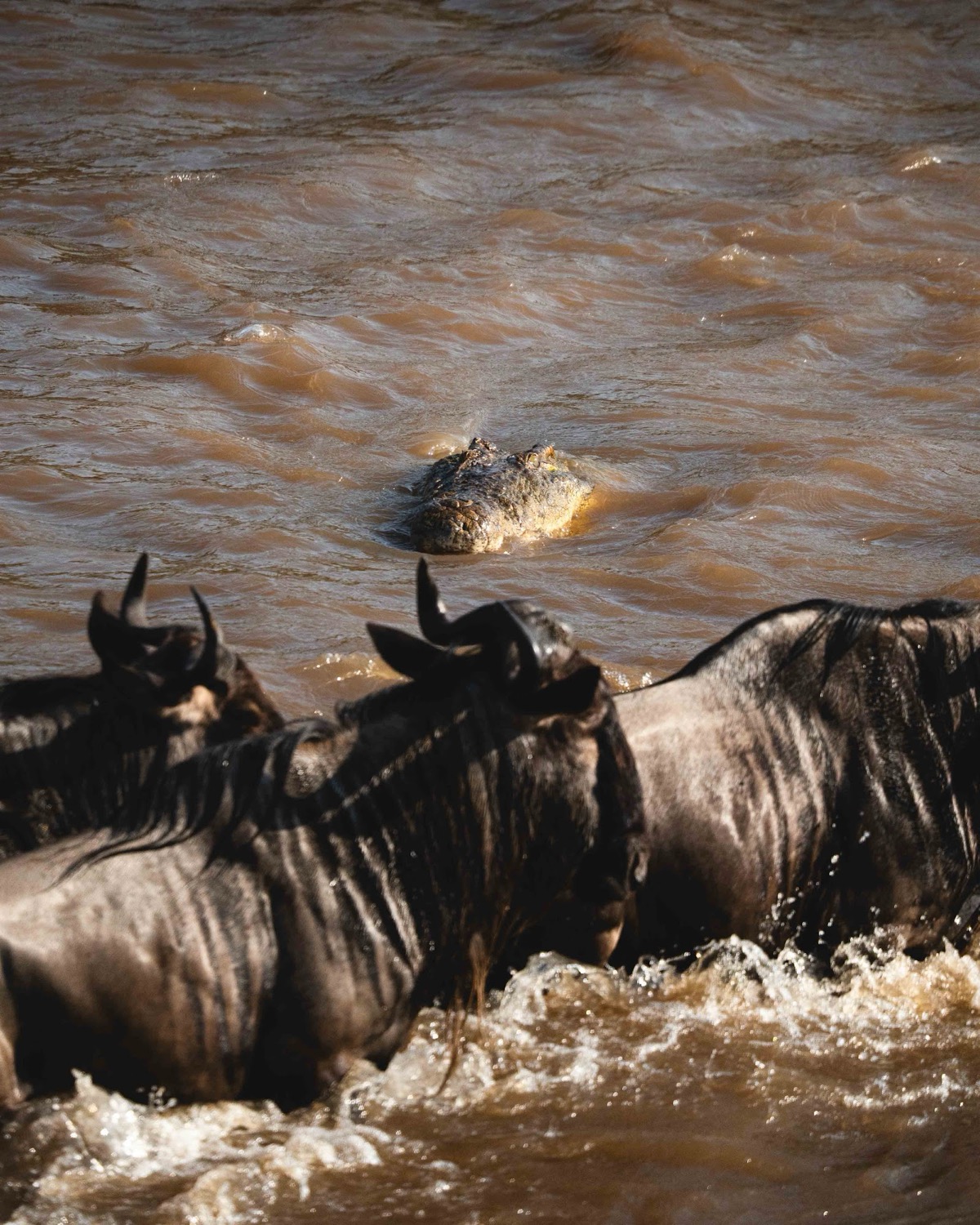
Light can completely transform an image. The early hours of the day and late afternoon offer soft, golden lighting, ideal for capturing textures and details without harsh shadows. Many photographers consider these magical hours to be the best window to photograph wildlife.
However, you will not always be in the “golden hour”. Learning to work with different conditions is part of the challenge. In more dramatic or contrasting situations, you can experiment with styles such as the low key, which highlights the shadows, or the high key, which brings an ethereal and minimalist tone. Both approaches can be powerful expressive tools, especially when you share your images on social media, where visual impact counts a lot.
7. Camouflage and be discreet
A good nature photographer knows that the most important thing is not to interfere. Wearing clothes in neutral colors or camouflage patterns helps you integrate with the environment. The goal is to observe without altering the behavior of the wild animal.
Avoid sudden movements, keep quiet and be patient. Some species of animals are extremely sensitive to human presence, and any alteration can make them flee or change their behavior. The more unnoticed you go, the more authentic the scenes you will be able to capture.
8. Cultivate patience
Wildlife photography is not instantaneous. You can spend hours, or even days, waiting for that moment when the animal appears, approaches or adopts a natural and expressive posture. But this waiting is part of the charm: it connects you with nature, makes you observe and better understand animal life.
The moment of the perfect photo usually comes when you stop looking for it anxiously. Therefore, in addition to the technical equipment, it is advisable to bring what is necessary for your comfort: water, a coat, some light food and, above all, willingness to stay still. If your camera has an image stabilizer, it will help you avoid vibrations during long sessions without a tripod.
9. Learn from the experts
Never stop training. Wildlife photography is a vast and constantly evolving field. Studying the work of experienced photographers allows you to understand how they capture those unique moments and what techniques they use.
Consult books, specialized blogs, tutorials and interviews. And don't be afraid to try new ideas or get out of your comfort zone. With each field trip, you'll be one step closer to mastering this art and building your own vision of the natural world through the lens.
Ready to put these tips into practice?
Join one of our expert-led photo safaris in Tanzania and return home with images that truly tell a story. 9 days, from 3.350 € per person. Tanzania - Crossroads of the Great Migration
Is it safe to travel to Tanzania for a safari?
Most Common Mistakes When Photographing Wildlife and How to Avoid Them
1. Negatively impact the environment and animal behavior
Many photographers, in search of the best prey, alter the habitat, disturbing the animals or putting them in danger, especially in sensitive times such as breeding or rearing.
- How to avoid it:Always keep a safe distance, do not disturb the vegetation or the environment, and never feed the animals. Observe their behavior and withdraw if you notice signs of stress or danger. Find out in advance about the species and their life cycles.
2. Lack of preparation and knowledge of the species
Photographing without knowing the habits, schedules or behaviors of the fauna reduces the chances of obtaining good images and can put you in risky situations.
- How to avoid it:Investigate the species you are going to photograph, their activity schedules, territories and alarm signals. Consult with experts or Local guides.
3. Improper use of equipment and technical adjustments
Errors such as selecting all focus points, using the zoom to the maximum (which can cut off parts of the animal), or not properly adjusting the shutter speed and ISO are common.
How to avoid it:
- Use a single focus point, preferably the central one, for greater accuracy.
- Do not always use the zoom to the maximum; leave space in the frame so as not to cut wings, legs or tails.
- Adjust the shutter speed according to the movement of the animal (minimum 1/250s for static images, 1/500s or more for movement).
- Keep the ISO in a medium range (400-800) to avoid excessive noise and be able to freeze motion.
- Use wide apertures (low f) to blur the background and highlight the subject, but not so much as to lose sharpness or depth of field in macro shots.
4. Poor choice of angle and composition
Shooting from the height of the photographer and not from that of the animal, or not paying attention to the background, can reduce the impact and naturalness of the image.
- How to avoid it:Hold or position yourself at the height of the animal for a more natural and powerful perspective. Look for clean backgrounds and use wide apertures to blur them and highlight the subject.
5. Excessive or unnatural editing
Modifying colors, saturations or cloning elements too much can ruin the naturalness of the photo and reduce its credibility.
- How to avoid it:Stay true to natural tones, adjust white balance and saturation subtly, and be transparent about any intervention in the image.
What to bring for a safari in Tanzania
How to prepare for a photo safari: Complete guide
- Investigate the fauna and the environment of the destinationto anticipate behaviors and locations of animals.
- Choose comfortable clothes, neutral colors and suitable for the weather, including protection from the sun, cold and rain.
- Prepare your photographic equipment:camera with fast burst, telephoto lens (minimum 300-400 mm), standard and wide-angle lens, batteries and extra memory cards, cleaning kit and tripod or monopod.
- It has a second camera bodyif possible, to avoid changing lenses and protect the equipment from dust.
- Includes useful accessoriessuch as binoculars, powerbank, flashlight, camera case and cloth to clean the lenses.
- Set up your camera before leaving:burst mode, proper focus (One Shot/Servo), adjustable ISO and sound off.
- Check and format memory cardsand make sure you have fully charged batteries.
- They keep the camera ready and at handthroughout the safari, as opportunities can arise at any time.
- Respect the fauna and the rules of the guide:keep your distance, do not make sudden noises or use flash, and always follow the directions of the driver or guide.
- Make backup copies of your photos every day, if possible,so as not to lose the most valuable images.
- Bring water, snacks and personal protectionfor long days in the field.
Book a photo safariwith Watatu Travel
Book a photo safari with Watatu Travel and discover Africa through your lens, with exclusive access to some of the continent's most stunning landscapes and species. Whether you dream of capturing the Serengeti Crossing, 9 days, from 3.350 € per person in Tanzania, the Gorillas in the fog of Ugandaor the spectacular Victoria Falls in Zimbabwe, our itineraries are specially designed for photographers.
With small groups, specialist guides and technical support on the ground, you'll have everything you need to take home not just extraordinary photos, but a profound and transformative experience.
Book your photo safari with Watatu Travel
Small groups, specialist guides and some of Africa's most iconic wildlife, all designed around your lens. 9 days, from 3.850 € per person. Tanzania - Special Edition 2026
Frequently asked questions
What is the best time of year to go on a photo safari in Tanzania?
The dry season from June to October is widely regarded as the best period for wildlife photography in Tanzania. Animals gather around water sources, vegetation is lower and visibility is at its clearest. The Great Migration crossing also peaks between July and September, offering dramatic photographic opportunities on the Serengeti plains.
Do I need professional camera equipment to enjoy a photo safari?
Professional gear certainly helps, but it is not essential. A camera with a reasonable burst speed, a telephoto lens of at least 200mm and a steady hand or monopod will get you excellent results. The most important factors are patience, knowledge of animal behaviour and being in the right place at the right time with an experienced guide.
How close will I get to wildlife on a photo safari?
Distances vary by species and location, but responsible guides always prioritise animal welfare. In many national parks vehicles can approach relatively close without disturbing animals. A telephoto lens between 300mm and 600mm is recommended so you can capture detailed, frame-filling shots while keeping a safe and ethical distance.
Is a photo safari suitable for beginners?
Absolutely. Photo safaris welcome all skill levels. Beginner photographers benefit enormously from specialist guides who know animal behaviour and the best light conditions. The immersive environment itself accelerates learning faster than any classroom. Bringing a notebook and asking questions during quieter moments in the vehicle is highly encouraged.
What clothing should I wear on a photo safari?
Choose neutral colours such as khaki, olive and beige that blend into the landscape and avoid startling wildlife. Avoid white, bright colours and strong patterns. Lightweight, breathable layers work best as temperatures can swing significantly between early morning game drives and midday. A wide-brimmed hat and UV-protective clothing are also advisable.
How do I protect my camera equipment in the African bush?
Dust, humidity and vibration from vehicle tracks are the main risks. Keep lenses in sealed bags when not in use, use a UV filter to protect front elements and store camera bodies in a padded, dustproof bag. Silica gel sachets help control moisture. Changing lenses inside the vehicle with windows partially closed reduces dust exposure significantly.
Photographing animals in their natural environment is not just the push of a button: it is a dance between patience, knowledge and opportunity. Animal photography not only documents animal life, but connects the viewer with scenes of raw beauty, instinctive behavior and often unexplored ecosystems. For animal photographers, getting that perfect photo is a success that goes far beyond the frame: it involves respect, technique and an attentive look.
What is a photo safari?
One photo safari consists of delving into wildlife to capture, through the objective, the authentic behavior of animals in their natural environment. The outdoor experience requires constant attention, as the speed of the animal and its unpredictable movements challenge the photographer to anticipate and react accurately to achieve photos of animals that reflect their essence and dynamism.
More than a simple activity, this type of safari implies respect for wildlife and a deep connection with the ecosystem, allowing you to record images that explain the reality of wildlife.
Discover our photographic journeys
What type of lens is best for photographing wild animals?
When photographing wild animals, the right equipment is key, and the choice of lens makes all the difference.Telephoto lenses with a focal length between 300 mm and 600 mm are recommended, which allow maintaining distance without altering animal behavior. It is essential that the lens has a bright aperture (f/2.8 or f/4) to use fast shutter speeds and capture the action clearly.
In addition, a fast and accurate autofocus, coupled with the continuous shooting function, makes it easy to capture fleeting moments and unpredictable movements, ensuring sharp and high-quality photos in variable conditions.
Differences between a Safari and a Photo Safari
9 Photography Tips: How to Take Pictures of Wild Animals
1. Do your research before you leave
Before you set foot in the field, do your research. Each speciehas routines and particularities: schedules of greater activity, territorial preferences or habits that may seem unpredictable if you are not prepared. Understanding natural behavior will give you a crucial advantage, as it will allow you to position yourself better, anticipate reactions and increase the chances of getting that perfect photo that every lover of animal photography pursues.
Consult trusted sources, documentaries and communities of life photographers. Prior knowledge becomes your best tool, especially when you're looking to capture an authentic scene without intervening.
2. Plan according to the weather and the season
Animal life moves to the rhythm of nature. The seasons mark migrations, mating and changes in the behavior of many types of animals. Choosing the right season not only increases your chances of observing animals, but also defines the type of image you will be able to capture.
For example, during the winter the animals tend to conserve energy and are less active, while in the spring they are more exposed for reproductive reasons. In addition, consider the climate- A dense fog can add drama, while a clear sky can help you achieve a sharp, bright image.
What is the climate like in Tanzania?
3. Use the right equipment
Having the right photographic equipment makes the difference between an acceptable image and a high-quality one. To capture moving wild animals, it is essential to have a camera that offers good burst speed and continuous focus (AF-C). This type of approach allows you to follow the subject without losing sharpness, even if it moves unpredictably, as is common in animal behavior.
The telephoto lens (200mm or more) is the animal photographer's star lens, allowing you to maintain a safe (and ethical) distance without sacrificing detail. If you also add a good monopod or tripod, you will improve stability, especially with heavy lenses or in low light conditions.
4. Master the camera settings
To achieve consistent and sharp images in wildlife photography, it is vital to master your shooting techniques. The camera configuration must be adapted to the environment and the behavior of the subject:
- Shutter Speed:Use high speeds, at least 1/500s, to freeze fast movements like a bird in flight or a running fox.
- Aperture:A wide aperture (for example, f/2.8 or f/4) blurs the background and focuses attention on the subject. If you want to include more of the environment, a closed aperture (f/8 onwards) can be ideal.
- ISO:Keep a medium ISO (400-800) as a starting point. Increase it according to the available light, without compromising quality.
- Focus:Always aim at the eyes. They are the key to transmitting life and emotion to the photo.
Controlling these aspects will give you more creative freedom and allow you to capture high-quality scenes, even in changing conditions.
5. Take care of the composition
A great life photo not only shows the subject, it also communicates a story. Applying the rule of thirds can help you create a more balanced and attractive image. Avoid always centering the wild animal; moving it slightly to one side of the frame can add dynamism and depth.
Playing with low angles allows you to connect with the subject's perspective and show it in a more powerful way. And don't forget the environment of the animal: including part of the habitat in your composition contextualizes the scene, highlights the beauty of wildlife and adds documentary value.
6. Take advantage of natural light
Light can completely transform an image. The early hours of the day and late afternoon offer soft, golden lighting, ideal for capturing textures and details without harsh shadows. Many photographers consider these magical hours to be the best window to photograph wildlife.
However, you will not always be in the “golden hour”. Learning to work with different conditions is part of the challenge. In more dramatic or contrasting situations, you can experiment with styles such as the low key, which highlights the shadows, or the high key, which brings an ethereal and minimalist tone. Both approaches can be powerful expressive tools, especially when you share your images on social media, where visual impact counts a lot.
7. Camouflage and be discreet
A good nature photographer knows that the most important thing is not to interfere. Wearing clothes in neutral colors or camouflage patterns helps you integrate with the environment. The goal is to observe without altering the behavior of the wild animal.
Avoid sudden movements, keep quiet and be patient. Some species of animals are extremely sensitive to human presence, and any alteration can make them flee or change their behavior. The more unnoticed you go, the more authentic the scenes you will be able to capture.
8. Cultivate patience
Wildlife photography is not instantaneous. You can spend hours, or even days, waiting for that moment when the animal appears, approaches or adopts a natural and expressive posture. But this waiting is part of the charm: it connects you with nature, makes you observe and better understand animal life.
The moment of the perfect photo usually comes when you stop looking for it anxiously. Therefore, in addition to the technical equipment, it is advisable to bring what is necessary for your comfort: water, a coat, some light food and, above all, willingness to stay still. If your camera has an image stabilizer, it will help you avoid vibrations during long sessions without a tripod.
9. Learn from the experts
Never stop training. Wildlife photography is a vast and constantly evolving field. Studying the work of experienced photographers allows you to understand how they capture those unique moments and what techniques they use.
Consult books, specialized blogs, tutorials and interviews. And don't be afraid to try new ideas or get out of your comfort zone. With each field trip, you'll be one step closer to mastering this art and building your own vision of the natural world through the lens.
Ready to put these tips into practice?
Join one of our expert-led photo safaris in Tanzania and return home with images that truly tell a story. 9 days, from 3.350 € per person. Tanzania - Crossroads of the Great Migration
Is it safe to travel to Tanzania for a safari?
Most Common Mistakes When Photographing Wildlife and How to Avoid Them
1. Negatively impact the environment and animal behavior
Many photographers, in search of the best prey, alter the habitat, disturbing the animals or putting them in danger, especially in sensitive times such as breeding or rearing.
- How to avoid it:Always keep a safe distance, do not disturb the vegetation or the environment, and never feed the animals. Observe their behavior and withdraw if you notice signs of stress or danger. Find out in advance about the species and their life cycles.
2. Lack of preparation and knowledge of the species
Photographing without knowing the habits, schedules or behaviors of the fauna reduces the chances of obtaining good images and can put you in risky situations.
- How to avoid it:Investigate the species you are going to photograph, their activity schedules, territories and alarm signals. Consult with experts or Local guides.
3. Improper use of equipment and technical adjustments
Errors such as selecting all focus points, using the zoom to the maximum (which can cut off parts of the animal), or not properly adjusting the shutter speed and ISO are common.
How to avoid it:
- Use a single focus point, preferably the central one, for greater accuracy.
- Do not always use the zoom to the maximum; leave space in the frame so as not to cut wings, legs or tails.
- Adjust the shutter speed according to the movement of the animal (minimum 1/250s for static images, 1/500s or more for movement).
- Keep the ISO in a medium range (400-800) to avoid excessive noise and be able to freeze motion.
- Use wide apertures (low f) to blur the background and highlight the subject, but not so much as to lose sharpness or depth of field in macro shots.
4. Poor choice of angle and composition
Shooting from the height of the photographer and not from that of the animal, or not paying attention to the background, can reduce the impact and naturalness of the image.
- How to avoid it:Hold or position yourself at the height of the animal for a more natural and powerful perspective. Look for clean backgrounds and use wide apertures to blur them and highlight the subject.
5. Excessive or unnatural editing
Modifying colors, saturations or cloning elements too much can ruin the naturalness of the photo and reduce its credibility.
- How to avoid it:Stay true to natural tones, adjust white balance and saturation subtly, and be transparent about any intervention in the image.
What to bring for a safari in Tanzania
How to prepare for a photo safari: Complete guide
- Investigate the fauna and the environment of the destinationto anticipate behaviors and locations of animals.
- Choose comfortable clothes, neutral colors and suitable for the weather, including protection from the sun, cold and rain.
- Prepare your photographic equipment:camera with fast burst, telephoto lens (minimum 300-400 mm), standard and wide-angle lens, batteries and extra memory cards, cleaning kit and tripod or monopod.
- It has a second camera bodyif possible, to avoid changing lenses and protect the equipment from dust.
- Includes useful accessoriessuch as binoculars, powerbank, flashlight, camera case and cloth to clean the lenses.
- Set up your camera before leaving:burst mode, proper focus (One Shot/Servo), adjustable ISO and sound off.
- Check and format memory cardsand make sure you have fully charged batteries.
- They keep the camera ready and at handthroughout the safari, as opportunities can arise at any time.
- Respect the fauna and the rules of the guide:keep your distance, do not make sudden noises or use flash, and always follow the directions of the driver or guide.
- Make backup copies of your photos every day, if possible,so as not to lose the most valuable images.
- Bring water, snacks and personal protectionfor long days in the field.
Book a photo safariwith Watatu Travel
Book a photo safari with Watatu Travel and discover Africa through your lens, with exclusive access to some of the continent's most stunning landscapes and species. Whether you dream of capturing the Serengeti Crossing, 9 days, from 3.350 € per person in Tanzania, the Gorillas in the fog of Ugandaor the spectacular Victoria Falls in Zimbabwe, our itineraries are specially designed for photographers.
With small groups, specialist guides and technical support on the ground, you'll have everything you need to take home not just extraordinary photos, but a profound and transformative experience.
Book your photo safari with Watatu Travel
Small groups, specialist guides and some of Africa's most iconic wildlife, all designed around your lens. 9 days, from 3.850 € per person. Tanzania - Special Edition 2026
Frequently asked questions
What is the best time of year to go on a photo safari in Tanzania?
The dry season from June to October is widely regarded as the best period for wildlife photography in Tanzania. Animals gather around water sources, vegetation is lower and visibility is at its clearest. The Great Migration crossing also peaks between July and September, offering dramatic photographic opportunities on the Serengeti plains.
Do I need professional camera equipment to enjoy a photo safari?
Professional gear certainly helps, but it is not essential. A camera with a reasonable burst speed, a telephoto lens of at least 200mm and a steady hand or monopod will get you excellent results. The most important factors are patience, knowledge of animal behaviour and being in the right place at the right time with an experienced guide.
How close will I get to wildlife on a photo safari?
Distances vary by species and location, but responsible guides always prioritise animal welfare. In many national parks vehicles can approach relatively close without disturbing animals. A telephoto lens between 300mm and 600mm is recommended so you can capture detailed, frame-filling shots while keeping a safe and ethical distance.
Is a photo safari suitable for beginners?
Absolutely. Photo safaris welcome all skill levels. Beginner photographers benefit enormously from specialist guides who know animal behaviour and the best light conditions. The immersive environment itself accelerates learning faster than any classroom. Bringing a notebook and asking questions during quieter moments in the vehicle is highly encouraged.
What clothing should I wear on a photo safari?
Choose neutral colours such as khaki, olive and beige that blend into the landscape and avoid startling wildlife. Avoid white, bright colours and strong patterns. Lightweight, breathable layers work best as temperatures can swing significantly between early morning game drives and midday. A wide-brimmed hat and UV-protective clothing are also advisable.
How do I protect my camera equipment in the African bush?
Dust, humidity and vibration from vehicle tracks are the main risks. Keep lenses in sealed bags when not in use, use a UV filter to protect front elements and store camera bodies in a padded, dustproof bag. Silica gel sachets help control moisture. Changing lenses inside the vehicle with windows partially closed reduces dust exposure significantly.








.png)