





If you've ever dreamed of immortalizing wildlife in its natural environment, a photo safariThis is the experience you are looking for. This kind of adventure combine the excitement of exploration with the passion for photography, offering unparalleled opportunities to capture spectacular images.
Let's discover together the characteristics that make a photographic safari a unique and memorable experience.
What is a photo safari?

A photo safari is an expeditionDesigned specifically for photographers of all levels, from beginners to professionals. The goal The main one is observe and capture wildlife in their natural habitat, using the camera to document unique and unrepeatable moments. On a photographic safari special attention is paid to light, Composition and Patiencenecessary to get the perfect photo.
Differences between a normal Safari and a photo Safari
From Watatu Travel, We offer travel in both group or in private, as well as photographic trips.Knowing how they differ is one of the most common doubts of our travelers when they are organizing their trip.

The truth is thatthere is a very noticeable difference:aphoto safarihas as objectivecapture high-quality images, the more the better, and therefore: travelers will be in places longer, waitingto get the perfect catch. On the other hand, one “Normal” safari would have a more leisure dimension, where travelers enjoy both the landscape and the fauna following a more dynamic itinerary.
In short, while a normal safari focuses on the overall wildlife experience, a photo safari is designed specifically for those who wish to capture quality images, which involves a more technical and detailed approach to every aspect of the trip.
Ready to slow down and capture Africa?
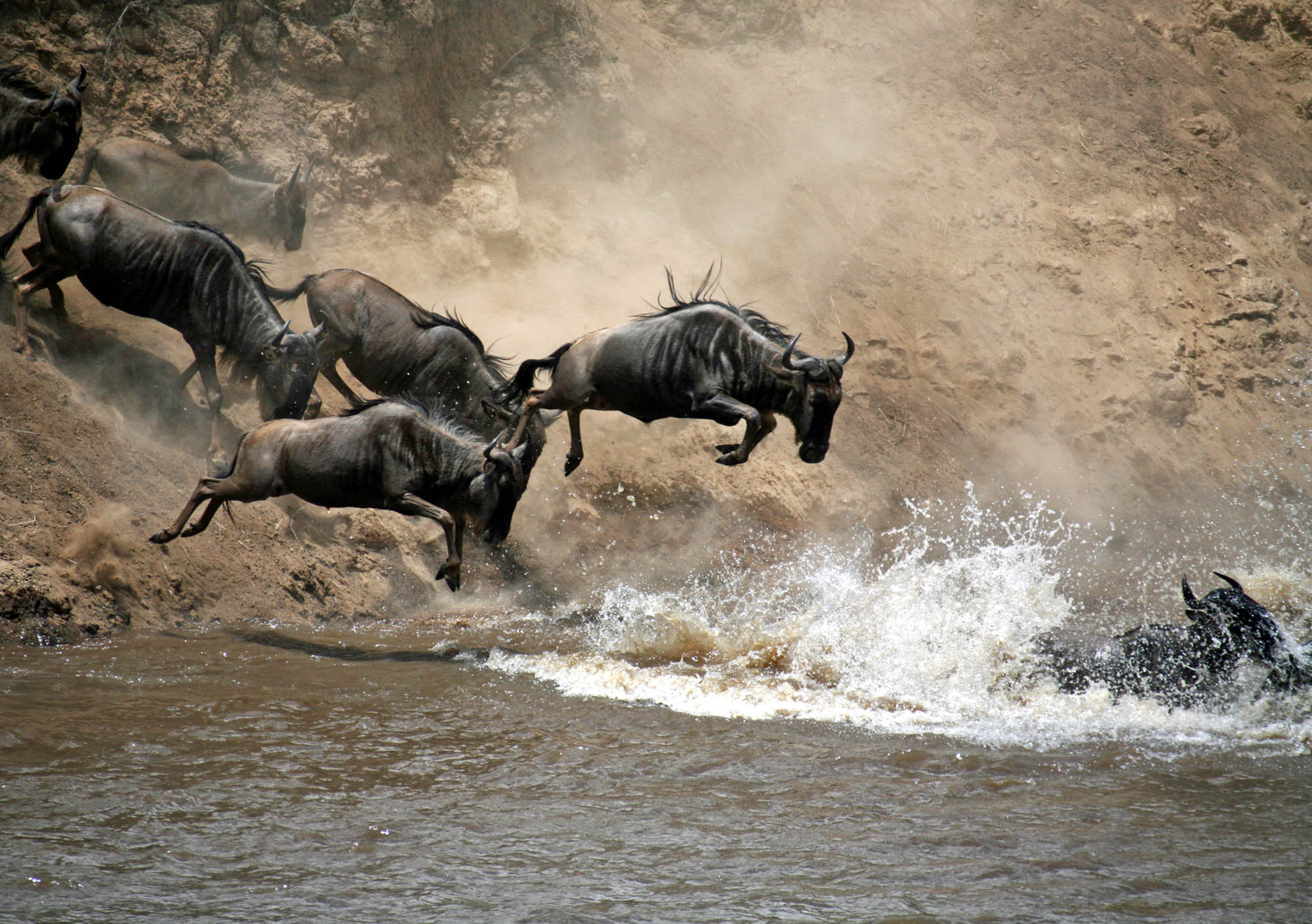
Our Tanzania photo safari follows the Great Migration calving season so you never miss the most dramatic moments in the wild. Botswana
Key features of a photo safari
Planning is essential
In a photo safari, planning is essential. For this reason, our photographic trips take place in the appropriate season to see a particular specific moment, as climatic conditions and animal activity vary throughout the year. In addition, it is important to consider the type of animals you want to photograph and their typical behaviors, such as the hours of the day when they are most active or the places where they tend to concentrate.
The right equipment makes all the difference

The photographic equipment is another crucial aspect. Although you don't need a state-of-the-art camera to enjoy a photographic safari, have the right equipmentIt will allow you to make the most of the opportunities. A camera with a good telephoto lens It is essential to capture animal details at a distance. It is also advisable to bring a tripod, filters to manage different light conditions, and protection for your equipment, sinceenvironments can be dusty or humid.
Patience and observation are your best allies
On a photographic safari, the patience It is a virtue. The animals are not in a controlled study, and their appearances are not guaranteed. Spend time observing, learning to read behavior of animals and waiting for the right moment is part of the experience. The observation Careful will allow you to anticipate actions and capture authentic moments, such as a hunting lion or a group of interacting elephants.
What to expect during a photo safari?

A typical day on a photographic safariIt can start before dawn.when the light is soft and golden, ideal for photography. The early hours of the day are when many animals are most active, which increases your chances of capturing stunning scenes. During the day, the pace can be more relaxed, but there are always opportunities to photograph, be it wildlife, landscapes or even scenes of everyday life in the natural environment.
Our photographic journeys for 2027

We are excited to be able to offer photo safaris year after year. By 2027, we are expanding our borders with Photo trips in 3 different countries: Tanzania, Botswana and Uganda.
These are the routes we offer and their particularities:
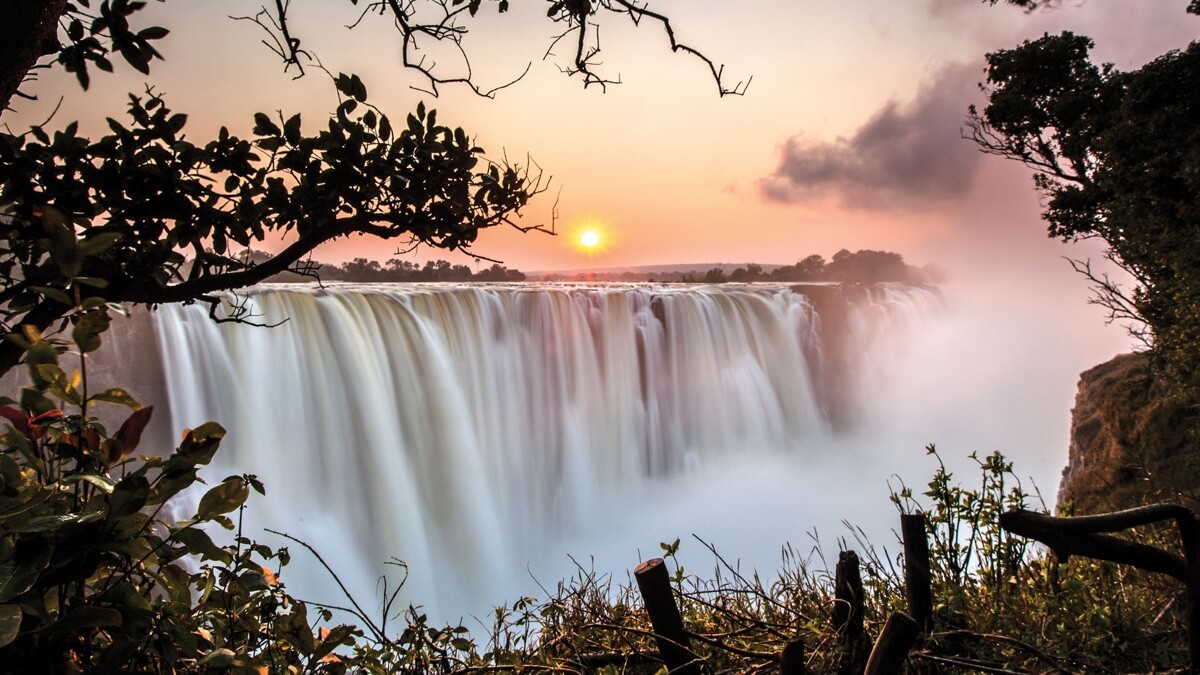
- BOTSWAN AND ZIMBABWE: The magic of the Okavango Delta and the stunning Victoria Falls.
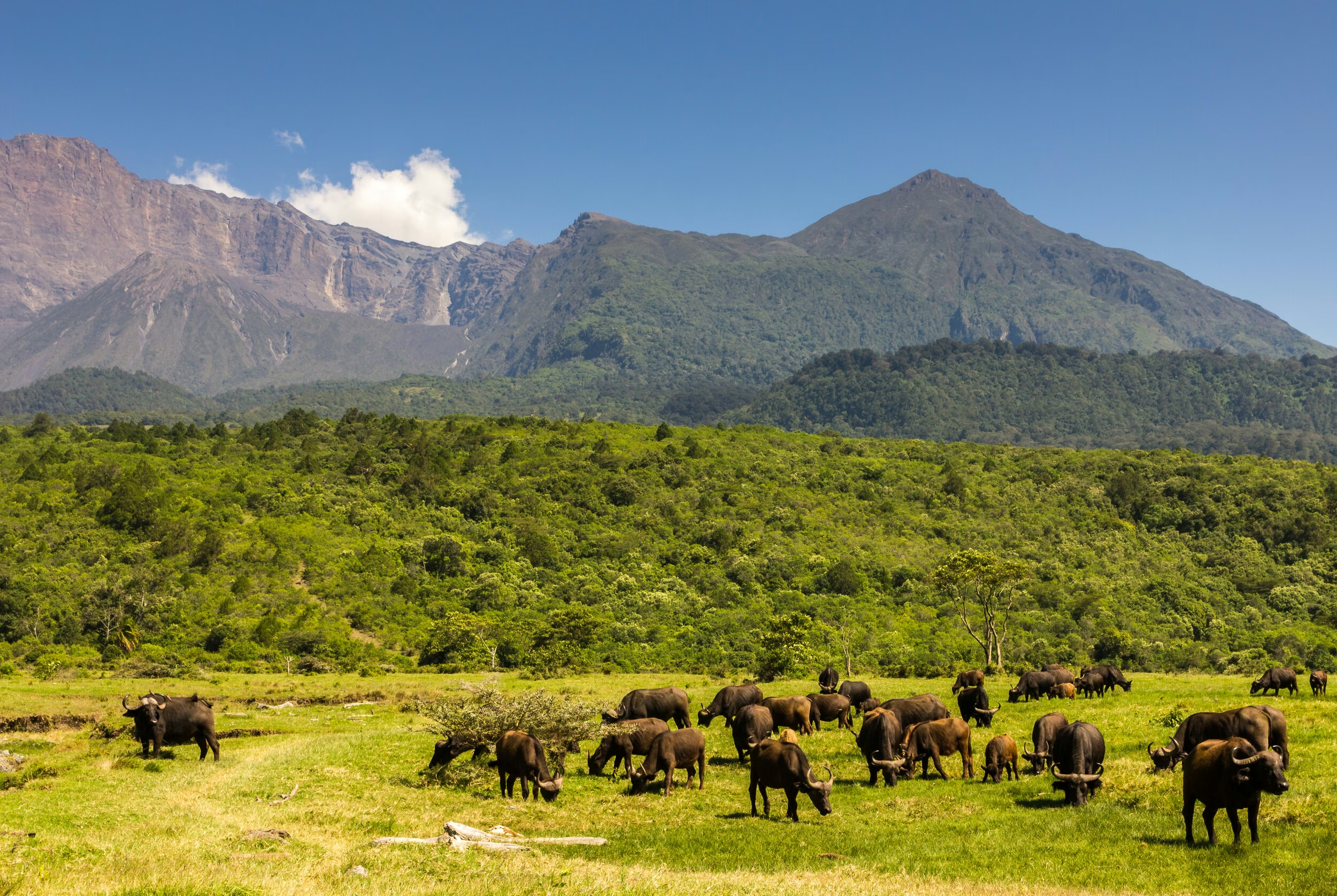
- TANZANIA: Births of the Great Migration
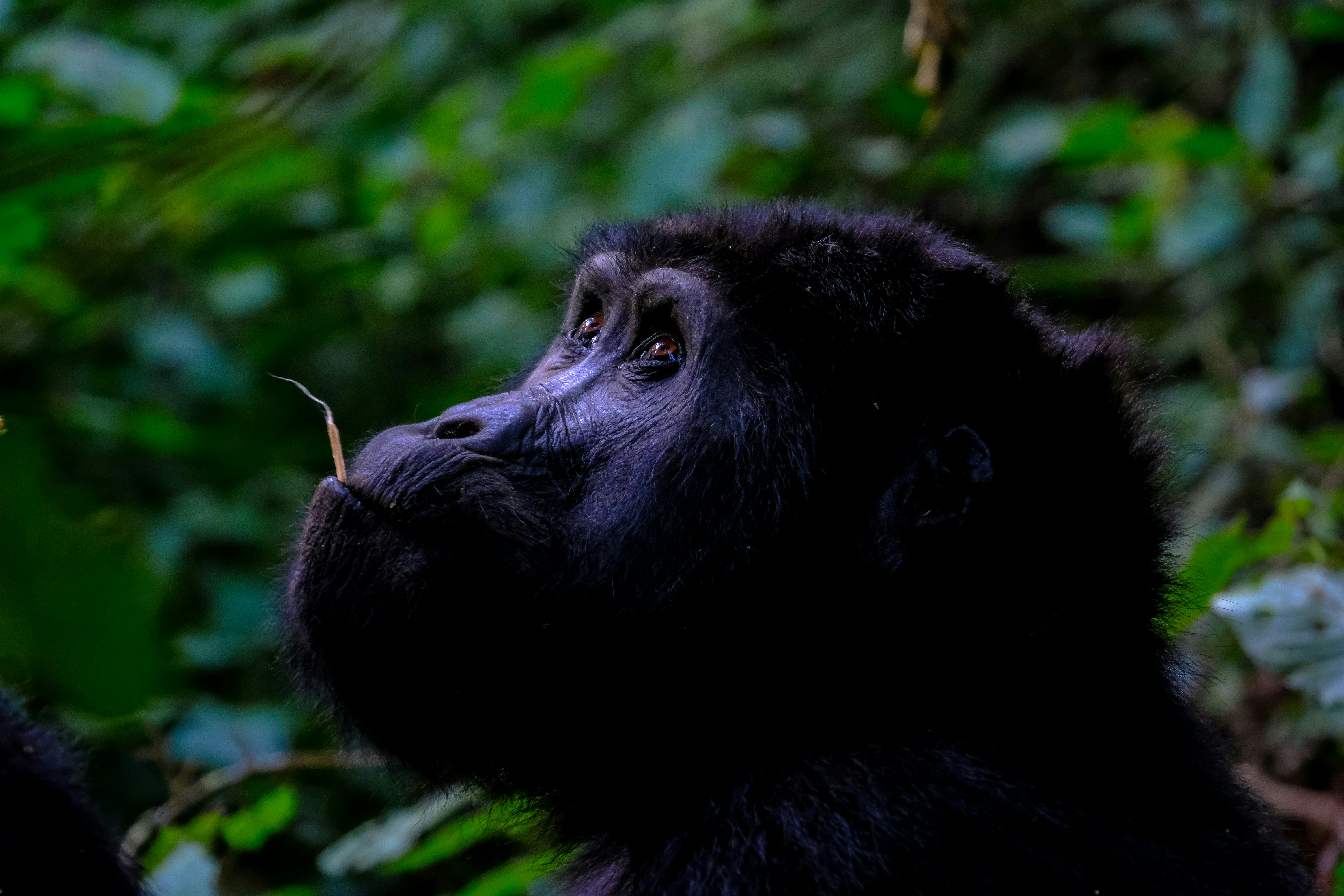
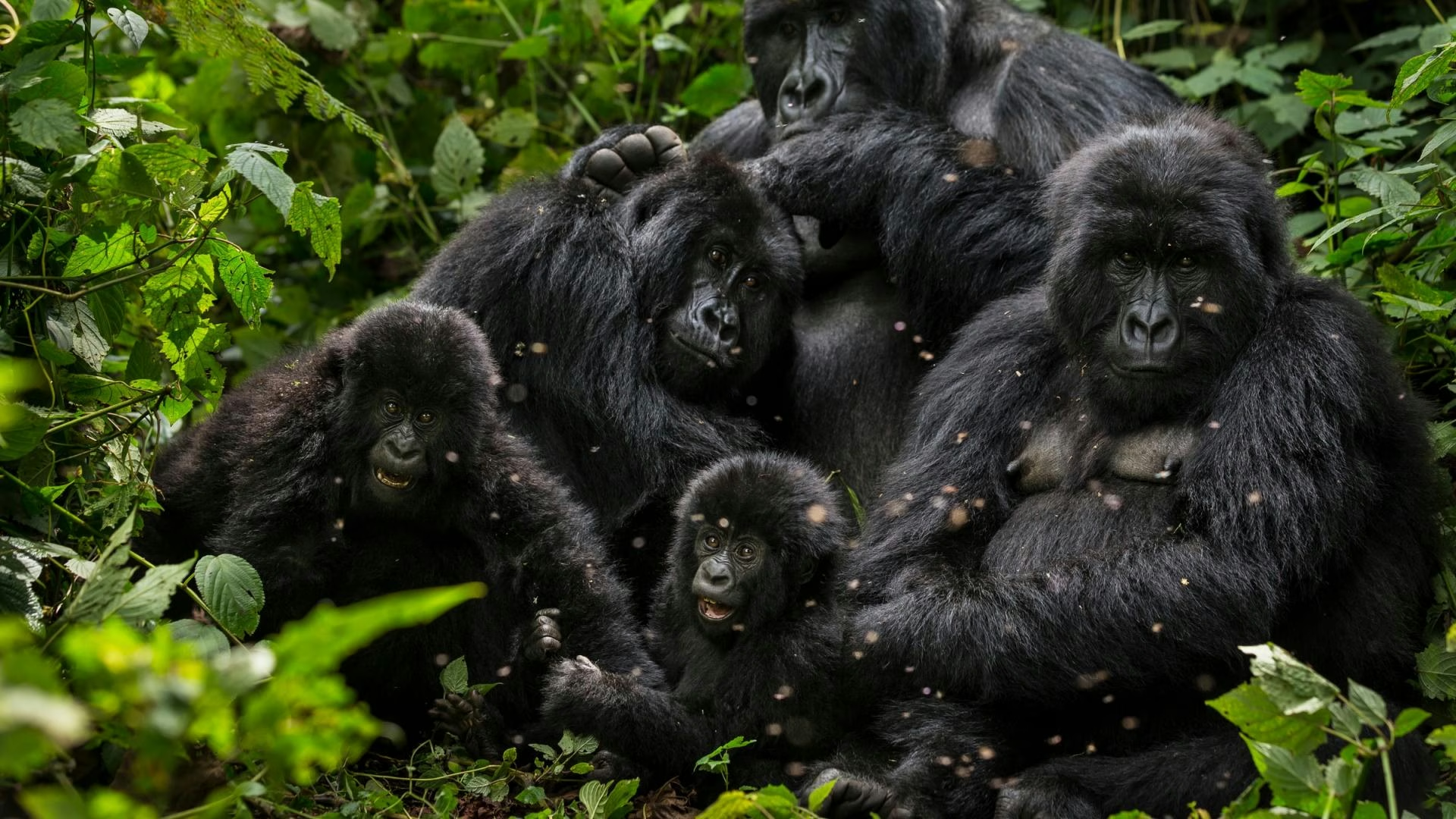
- UGANDA: The last mountain gorillas in Bwindi and Chimpanzees in Kibale
- TANZANIA: The Wonders of Tanzania
See the mountain gorillas through your lens
Our Uganda photo safari takes you deep into Bwindi Impenetrable Forest for an intimate encounter with the last mountain gorillas on Earth. Botswana
Frequently asked questions
Do I need to be a professional photographer to join a photo safari?
Not at all. Photo safaris are designed for all skill levels, from complete beginners to seasoned professionals. Guides adapt the experience to the group, offering tips on composition, lighting and animal behaviour so that every participant, regardless of their camera, can come home with images they are proud of.
What camera equipment should I bring on a photo safari?
A DSLR or mirrorless camera with a telephoto lens of at least 300mm is strongly recommended for wildlife. A sturdy beanbag or window mount replaces a tripod in the vehicle. Extra batteries, memory cards and a dust-proof bag are essential, as conditions in the bush can be demanding on gear.
How is a photo safari different from a standard safari?
On a standard safari the focus is on seeing as much wildlife as possible. A photo safari slows everything down: the vehicle stays longer at a sighting, departures are timed to catch the golden hour, and group sizes are kept small so every photographer has an unobstructed angle and enough time to capture the shot.
What is the best time of year to go on a photo safari in Tanzania or Uganda?
In Tanzania, the dry season from June to October offers sparse vegetation and concentrated wildlife around water sources, while January to March is ideal for witnessing calving season on the Serengeti. In Uganda, gorilla trekking is possible year-round, though the drier months of June to August and December to February make trail conditions easier.
Are photo safaris suitable for families or solo travellers?
Both. Small-group photo safaris suit solo travellers who want to share the experience with like-minded enthusiasts. Private photo safaris are perfect for families or couples who prefer a fully tailored itinerary, custom departure times and a vehicle entirely to themselves.
What wildlife can I expect to photograph in Botswana, Tanzania and Uganda?
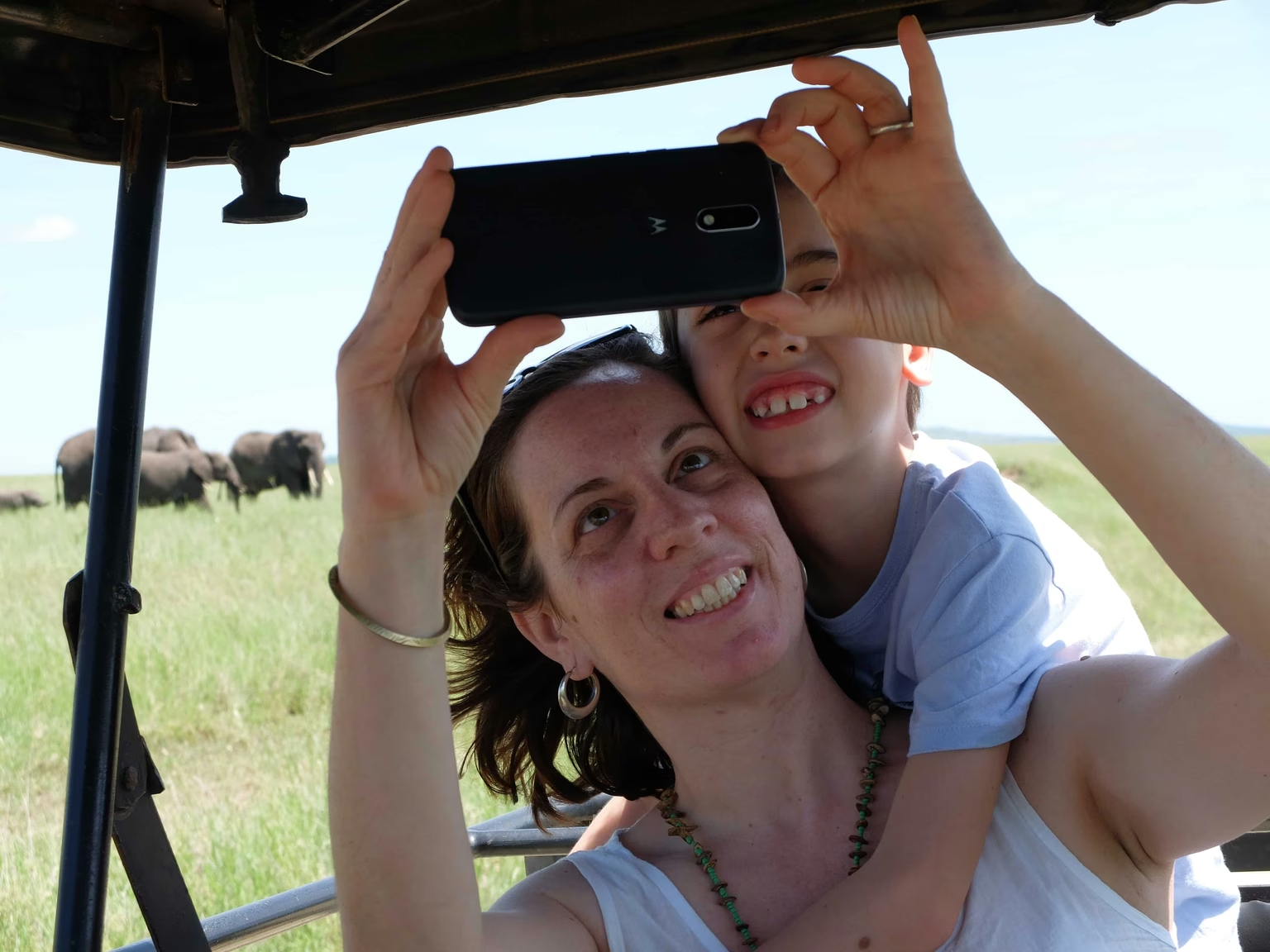
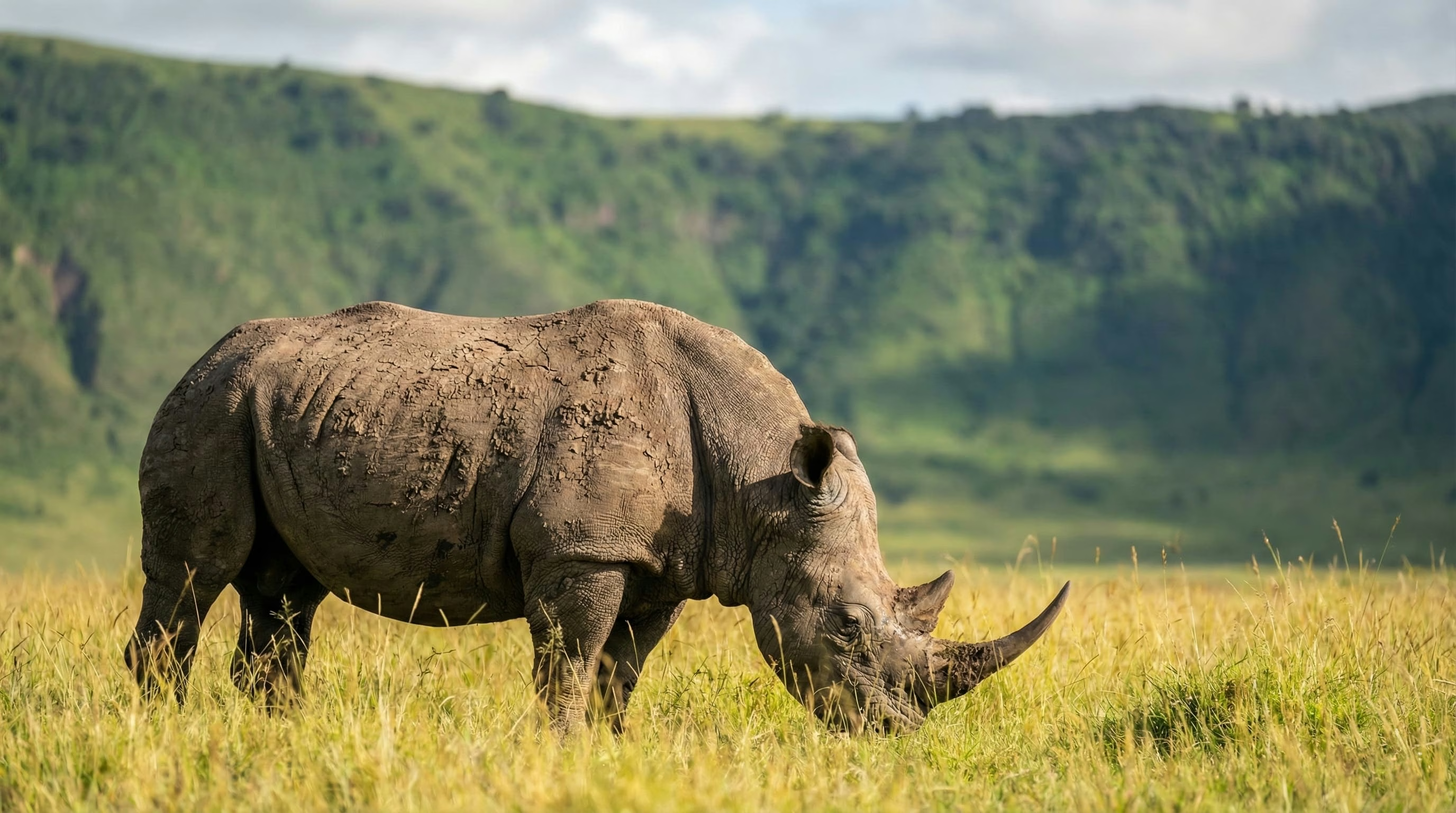
In Botswana the Okavango Delta offers elephants, wild dogs and leopards in a water-rich setting. Tanzania is famous for the Great Migration, lions and vast open plains. Uganda is the destination for mountain gorillas in Bwindi and chimpanzees in Kibale Forest, offering intimate primate encounters unlike anywhere else in Africa.


If you've ever dreamed of immortalizing wildlife in its natural environment, a photo safariThis is the experience you are looking for. This kind of adventure combine the excitement of exploration with the passion for photography, offering unparalleled opportunities to capture spectacular images.
Let's discover together the characteristics that make a photographic safari a unique and memorable experience.
What is a photo safari?
A photo safari is an expeditionDesigned specifically for photographers of all levels, from beginners to professionals. The goal The main one is observe and capture wildlife in their natural habitat, using the camera to document unique and unrepeatable moments. On a photographic safari special attention is paid to light, Composition and Patiencenecessary to get the perfect photo.
Differences between a normal Safari and a photo Safari
From Watatu Travel, We offer travel in both group or in private, as well as photographic trips.Knowing how they differ is one of the most common doubts of our travelers when they are organizing their trip.
The truth is thatthere is a very noticeable difference:aphoto safarihas as objectivecapture high-quality images, the more the better, and therefore: travelers will be in places longer, waitingto get the perfect catch. On the other hand, one “Normal” safari would have a more leisure dimension, where travelers enjoy both the landscape and the fauna following a more dynamic itinerary.
In short, while a normal safari focuses on the overall wildlife experience, a photo safari is designed specifically for those who wish to capture quality images, which involves a more technical and detailed approach to every aspect of the trip.
Ready to slow down and capture Africa?
Our Tanzania photo safari follows the Great Migration calving season so you never miss the most dramatic moments in the wild. Botswana
Key features of a photo safari
Planning is essential
In a photo safari, planning is essential. For this reason, our photographic trips take place in the appropriate season to see a particular specific moment, as climatic conditions and animal activity vary throughout the year. In addition, it is important to consider the type of animals you want to photograph and their typical behaviors, such as the hours of the day when they are most active or the places where they tend to concentrate.
The right equipment makes all the difference
The photographic equipment is another crucial aspect. Although you don't need a state-of-the-art camera to enjoy a photographic safari, have the right equipmentIt will allow you to make the most of the opportunities. A camera with a good telephoto lens It is essential to capture animal details at a distance. It is also advisable to bring a tripod, filters to manage different light conditions, and protection for your equipment, sinceenvironments can be dusty or humid.
Patience and observation are your best allies
On a photographic safari, the patience It is a virtue. The animals are not in a controlled study, and their appearances are not guaranteed. Spend time observing, learning to read behavior of animals and waiting for the right moment is part of the experience. The observation Careful will allow you to anticipate actions and capture authentic moments, such as a hunting lion or a group of interacting elephants.
What to expect during a photo safari?
A typical day on a photographic safariIt can start before dawn.when the light is soft and golden, ideal for photography. The early hours of the day are when many animals are most active, which increases your chances of capturing stunning scenes. During the day, the pace can be more relaxed, but there are always opportunities to photograph, be it wildlife, landscapes or even scenes of everyday life in the natural environment.
Our photographic journeys for 2027
We are excited to be able to offer photo safaris year after year. By 2027, we are expanding our borders with Photo trips in 3 different countries: Tanzania, Botswana and Uganda.
These are the routes we offer and their particularities:
- BOTSWAN AND ZIMBABWE: The magic of the Okavango Delta and the stunning Victoria Falls.
- TANZANIA: Births of the Great Migration
- UGANDA: The last mountain gorillas in Bwindi and Chimpanzees in Kibale
- TANZANIA: The Wonders of Tanzania
See the mountain gorillas through your lens
Our Uganda photo safari takes you deep into Bwindi Impenetrable Forest for an intimate encounter with the last mountain gorillas on Earth. Botswana
Frequently asked questions
Do I need to be a professional photographer to join a photo safari?
Not at all. Photo safaris are designed for all skill levels, from complete beginners to seasoned professionals. Guides adapt the experience to the group, offering tips on composition, lighting and animal behaviour so that every participant, regardless of their camera, can come home with images they are proud of.
What camera equipment should I bring on a photo safari?
A DSLR or mirrorless camera with a telephoto lens of at least 300mm is strongly recommended for wildlife. A sturdy beanbag or window mount replaces a tripod in the vehicle. Extra batteries, memory cards and a dust-proof bag are essential, as conditions in the bush can be demanding on gear.
How is a photo safari different from a standard safari?
On a standard safari the focus is on seeing as much wildlife as possible. A photo safari slows everything down: the vehicle stays longer at a sighting, departures are timed to catch the golden hour, and group sizes are kept small so every photographer has an unobstructed angle and enough time to capture the shot.
What is the best time of year to go on a photo safari in Tanzania or Uganda?
In Tanzania, the dry season from June to October offers sparse vegetation and concentrated wildlife around water sources, while January to March is ideal for witnessing calving season on the Serengeti. In Uganda, gorilla trekking is possible year-round, though the drier months of June to August and December to February make trail conditions easier.
Are photo safaris suitable for families or solo travellers?
Both. Small-group photo safaris suit solo travellers who want to share the experience with like-minded enthusiasts. Private photo safaris are perfect for families or couples who prefer a fully tailored itinerary, custom departure times and a vehicle entirely to themselves.
What wildlife can I expect to photograph in Botswana, Tanzania and Uganda?
In Botswana the Okavango Delta offers elephants, wild dogs and leopards in a water-rich setting. Tanzania is famous for the Great Migration, lions and vast open plains. Uganda is the destination for mountain gorillas in Bwindi and chimpanzees in Kibale Forest, offering intimate primate encounters unlike anywhere else in Africa.







.avif)


.avif)

.avif)
.avif)

.avif)









.png)