





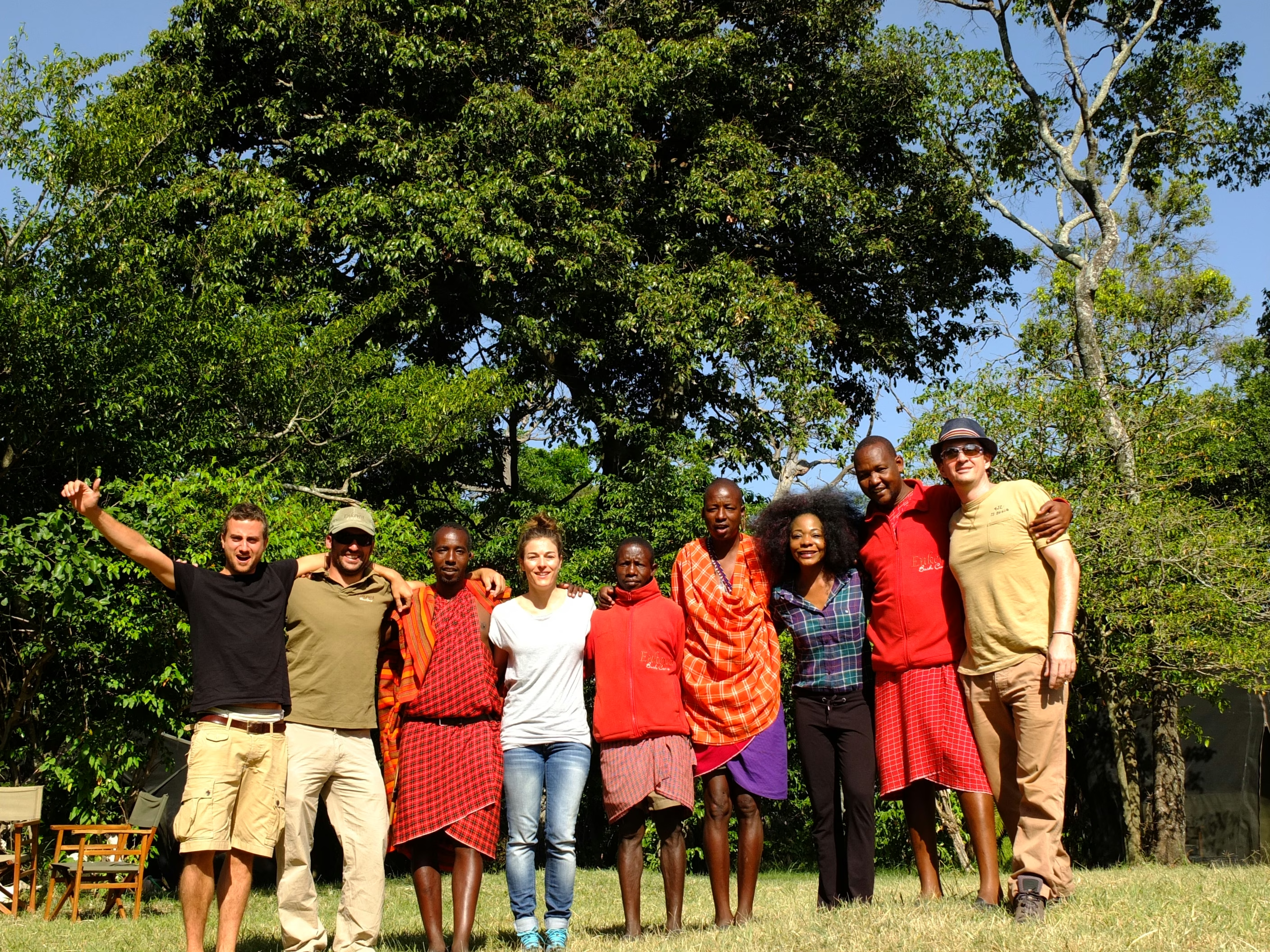

When we talk about TourerDo you think it is positive or negative? The Three, we faithfully believe that tourism is not necessarily a negative agent, as long as it is practiced with responsibility.
Tourism is one tool very valuable in bringing value and prosperity to many communities that otherwise would not be able to grow.
.jpeg)
Therefore, today we will tell you what is and how to practice responsible tourism in Tanzania with the idea of caring for ecosystems, bringing Benefits to Communities and enjoy one of the most incredible destinations in the world to do safaris. There we go!
What is responsible tourism?

In a nutshell, it is abouttravel in a way that minimizes negative impact on the environment and local communities, while maximizing the benefits for both.
In the section How we work, we explain in detail what are our actions in favor of responsible tourism withinour routes.
But, unfortunately, not everyone works the same wayand that leads to seeing these so disturbing images of dozens of cars harassing and surrounding a poor lion.
Advantages and Disadvantages of Tourism in Tanzania
Tourism is onesource of income very important for any country, but especially for developing countries, such as Tanzania.
The tourism sector not only gives a lot of work,but also some stable income with which to maintain families and have prosperity, dreams.

More people traveling translates into much more money for this country, both for the population and improving infrastructure and services, as well as for directly helping the conservation of its national parks, flora and fauna.
But not everything is gold that shines and intrinsically, Sometimes tourism has disadvantages. The main one is the carbon footprint that we emit, both when arriving by plane and when traveling by doing the safari.
How do we mitigate it? On our trips, you will see that we include a fee “Carbon Footprint”, this corresponds to alocal project carbon credit Carbon Tanzania, with the idea of offsetting the emission we generate when traveling from safari to Tanzania.
.jpeg)
At certain times of the year, the number of tourists can be so high that it comes to harm the experience of some travelers. For this reason, it is indispensable that you choose an agency that takes care of these details, that seeks to leave the classic tourist circuit and that, simply, respect animals and the environment.
From Watatu Travel, we put a lot of emphasis on Escaping from the most crowded places. Luckily, the parks are very large and there are always animals to observe... What need to do it all crowded?
Explore Tanzania the responsible way
Join one of our Tanzania safaris and discover how travelling mindfully can transform both your experience and the communities you visit. 8 days, from 2.850 € per person. Tanzania - Origine
How to collaborate with Responsible Tourism in Tanzania?
Respect the fauna and flora

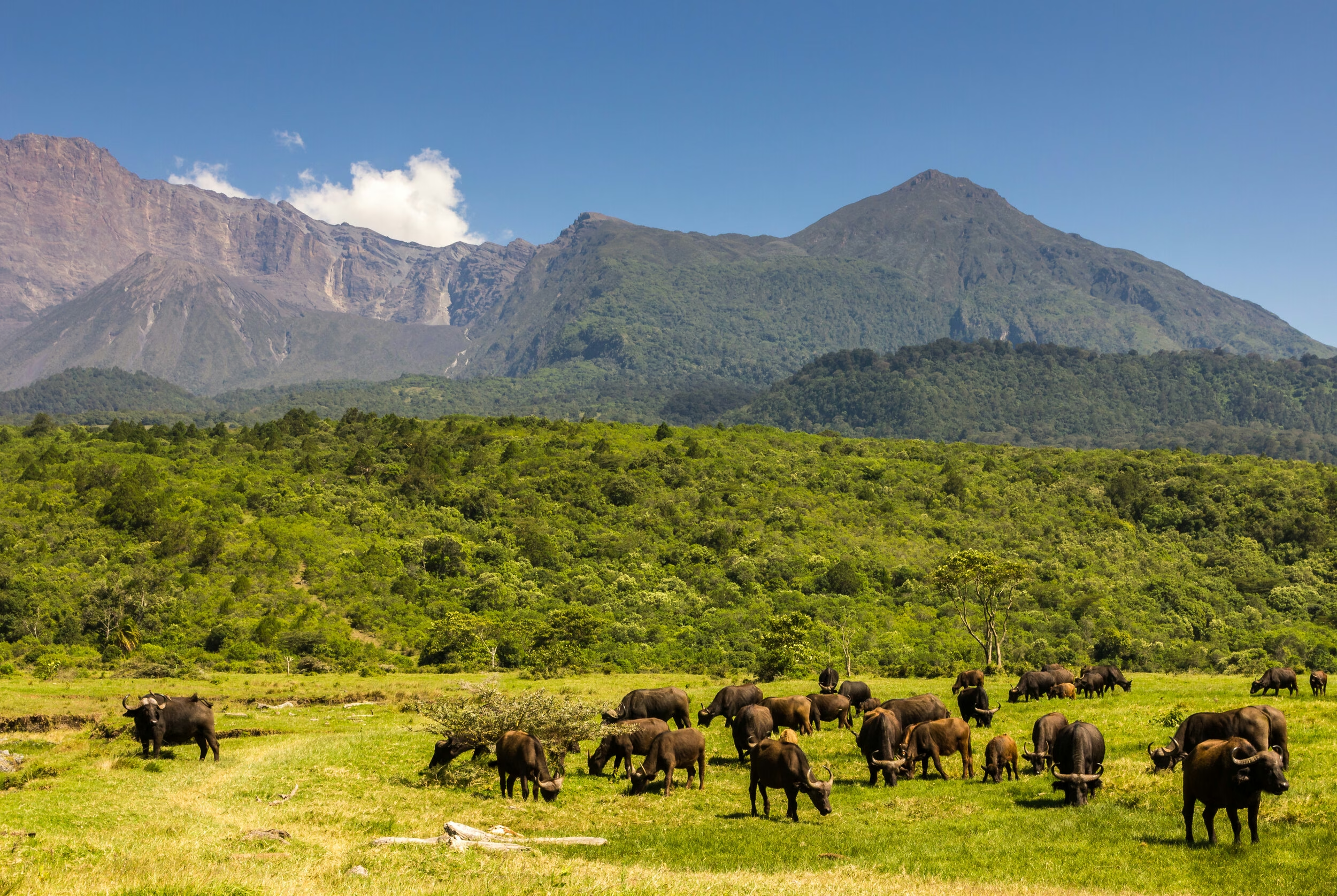
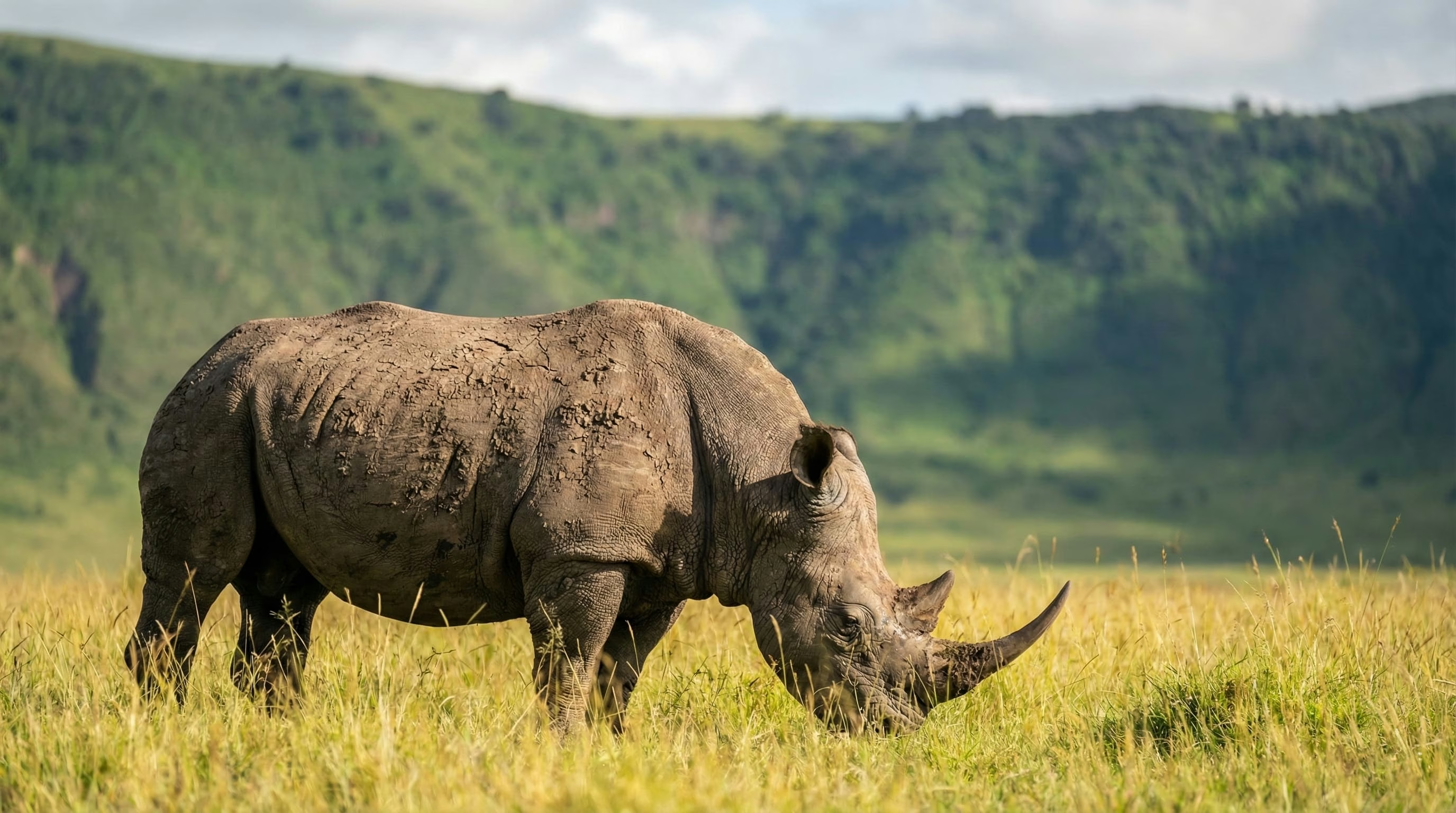
During safaris and visits to national parks, follow the rules of the guides and keep a safe distance. Also, do not leave waste in nature.
Use organic products
Take it with youproducts that do not harm the environment, with sunscreen biodegradable and insect repellents without aggressive chemicals.
Minimize the use of plastics

Plastic is one of the biggest environmental problems worldwide. Bring your own Reusable bottles and avoid disposable products. If you join our safaris, you can enjoy a reusable Watatu bottle as cool as the one in the photo!
Buy local products
Instead of carrying mass-manufactured souvenirs, buy handicrafts and handmade products by the locals. This not only gives you a unique memory, but also helps communities thrive.
Choose Locally Owned Accommodations

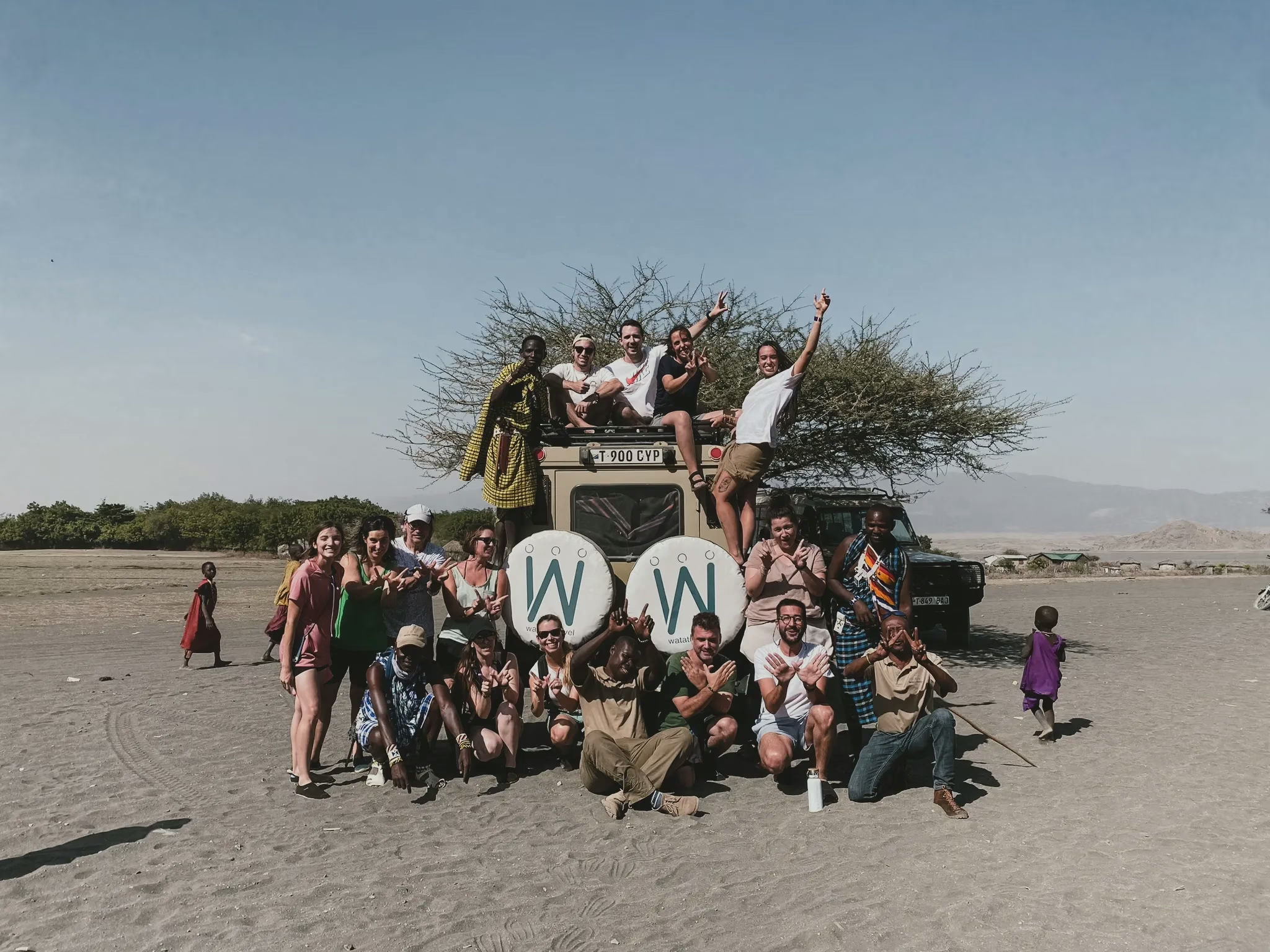
At Watatu, we like work from you to you with locally owned accommodations, with the idea that the money that is generated, stays at its destination and does not leave the country.
Learn some phrases in Swahili
You don't need to be an expert in the language, but learn basic phrases like “Habari” (Hello) and “Asante” (Thank you) It can open many doors and show your love for the local culture.
Respect the rules and customs
Each community has its rules and customs. Ask locals before taking photos or participating in ceremonies. Some sites may have specific rules about what is appropriate and what is not.
Ready to start your responsible adventure in Tanzania?
From locally owned camps to carbon offsetting, every detail of our Tanzania itineraries is designed with people and planet in mind. 6 days, from 2.095 € per person. Tanzania - Classic Safari
Frequently asked questions
What is responsible tourism and why does it matter in Tanzania?
Responsible tourism means travelling in a way that minimises harm to the environment and local communities while maximising benefits for both. In Tanzania it is especially important because the country depends heavily on tourism income to fund conservation, maintain national parks, and support families in rural communities.
How does carbon offsetting work on a Tanzania safari?
Some operators include a Carbon Footprint fee in their trip price. This fee is directed to a certified local project, such as Carbon Tanzania, which generates carbon credits to compensate for the emissions produced during your flights and safari drives, helping protect forests and wildlife habitats.
Which Swahili phrases should I learn before travelling to Tanzania?
Even a handful of words goes a long way. Start with 'Habari' (Hello or How are you?), 'Asante' (Thank you), 'Karibu' (Welcome or You're welcome), and 'Pole pole' (Slowly, slowly), a phrase Tanzanians use to encourage a calm and mindful pace of life.
What biodegradable or eco-friendly products should I pack for a safari?
Bring reef-safe, biodegradable sunscreen and insect repellents that are free from harsh chemicals such as DEET in high concentrations. Opt for solid shampoo bars, reusable cutlery, and a reusable water bottle to reduce single-use plastic waste inside and around the national parks.
How can I make sure my money benefits local communities in Tanzania?
Choose locally owned lodges and camps, buy handicrafts directly from artisans at community markets, and hire locally based guides. Selecting tour operators who partner with community-run accommodations ensures that the money generated stays in Tanzania rather than flowing to foreign-owned corporations.
Is it safe to approach wildlife for a better photograph during a safari?
No. Always follow your guide's instructions and maintain a safe distance from all animals. Getting too close stresses wildlife, can alter their natural behaviour, and is dangerous for visitors. Responsible operators actively avoid crowding animals and will move to a quieter area of the park if needed.
When we talk about TourerDo you think it is positive or negative? The Three, we faithfully believe that tourism is not necessarily a negative agent, as long as it is practiced with responsibility.
Tourism is one tool very valuable in bringing value and prosperity to many communities that otherwise would not be able to grow.
Therefore, today we will tell you what is and how to practice responsible tourism in Tanzania with the idea of caring for ecosystems, bringing Benefits to Communities and enjoy one of the most incredible destinations in the world to do safaris. There we go!
What is responsible tourism?
In a nutshell, it is abouttravel in a way that minimizes negative impact on the environment and local communities, while maximizing the benefits for both.
In the section How we work, we explain in detail what are our actions in favor of responsible tourism withinour routes.
But, unfortunately, not everyone works the same wayand that leads to seeing these so disturbing images of dozens of cars harassing and surrounding a poor lion.
Advantages and Disadvantages of Tourism in Tanzania
Tourism is onesource of income very important for any country, but especially for developing countries, such as Tanzania.
The tourism sector not only gives a lot of work,but also some stable income with which to maintain families and have prosperity, dreams.
More people traveling translates into much more money for this country, both for the population and improving infrastructure and services, as well as for directly helping the conservation of its national parks, flora and fauna.
But not everything is gold that shines and intrinsically, Sometimes tourism has disadvantages. The main one is the carbon footprint that we emit, both when arriving by plane and when traveling by doing the safari.
How do we mitigate it? On our trips, you will see that we include a fee “Carbon Footprint”, this corresponds to alocal project carbon credit Carbon Tanzania, with the idea of offsetting the emission we generate when traveling from safari to Tanzania.
At certain times of the year, the number of tourists can be so high that it comes to harm the experience of some travelers. For this reason, it is indispensable that you choose an agency that takes care of these details, that seeks to leave the classic tourist circuit and that, simply, respect animals and the environment.
From Watatu Travel, we put a lot of emphasis on Escaping from the most crowded places. Luckily, the parks are very large and there are always animals to observe... What need to do it all crowded?
Explore Tanzania the responsible way
Join one of our Tanzania safaris and discover how travelling mindfully can transform both your experience and the communities you visit. 8 days, from 2.850 € per person. Tanzania - Origine
How to collaborate with Responsible Tourism in Tanzania?
Respect the fauna and flora
During safaris and visits to national parks, follow the rules of the guides and keep a safe distance. Also, do not leave waste in nature.
Use organic products
Take it with youproducts that do not harm the environment, with sunscreen biodegradable and insect repellents without aggressive chemicals.
Minimize the use of plastics
Plastic is one of the biggest environmental problems worldwide. Bring your own Reusable bottles and avoid disposable products. If you join our safaris, you can enjoy a reusable Watatu bottle as cool as the one in the photo!
Buy local products
Instead of carrying mass-manufactured souvenirs, buy handicrafts and handmade products by the locals. This not only gives you a unique memory, but also helps communities thrive.
Choose Locally Owned Accommodations
At Watatu, we like work from you to you with locally owned accommodations, with the idea that the money that is generated, stays at its destination and does not leave the country.
Learn some phrases in Swahili
You don't need to be an expert in the language, but learn basic phrases like “Habari” (Hello) and “Asante” (Thank you) It can open many doors and show your love for the local culture.
Respect the rules and customs
Each community has its rules and customs. Ask locals before taking photos or participating in ceremonies. Some sites may have specific rules about what is appropriate and what is not.
Ready to start your responsible adventure in Tanzania?
From locally owned camps to carbon offsetting, every detail of our Tanzania itineraries is designed with people and planet in mind. 6 days, from 2.095 € per person. Tanzania - Classic Safari
Frequently asked questions
What is responsible tourism and why does it matter in Tanzania?
Responsible tourism means travelling in a way that minimises harm to the environment and local communities while maximising benefits for both. In Tanzania it is especially important because the country depends heavily on tourism income to fund conservation, maintain national parks, and support families in rural communities.
How does carbon offsetting work on a Tanzania safari?
Some operators include a Carbon Footprint fee in their trip price. This fee is directed to a certified local project, such as Carbon Tanzania, which generates carbon credits to compensate for the emissions produced during your flights and safari drives, helping protect forests and wildlife habitats.
Which Swahili phrases should I learn before travelling to Tanzania?
Even a handful of words goes a long way. Start with 'Habari' (Hello or How are you?), 'Asante' (Thank you), 'Karibu' (Welcome or You're welcome), and 'Pole pole' (Slowly, slowly), a phrase Tanzanians use to encourage a calm and mindful pace of life.
What biodegradable or eco-friendly products should I pack for a safari?
Bring reef-safe, biodegradable sunscreen and insect repellents that are free from harsh chemicals such as DEET in high concentrations. Opt for solid shampoo bars, reusable cutlery, and a reusable water bottle to reduce single-use plastic waste inside and around the national parks.
How can I make sure my money benefits local communities in Tanzania?
Choose locally owned lodges and camps, buy handicrafts directly from artisans at community markets, and hire locally based guides. Selecting tour operators who partner with community-run accommodations ensures that the money generated stays in Tanzania rather than flowing to foreign-owned corporations.
Is it safe to approach wildlife for a better photograph during a safari?
No. Always follow your guide's instructions and maintain a safe distance from all animals. Getting too close stresses wildlife, can alter their natural behaviour, and is dangerous for visitors. Responsible operators actively avoid crowding animals and will move to a quieter area of the park if needed.








.avif)


.avif)

.avif)

.avif)
.avif)

.avif)





.png)