






| Location | Manyara Region, northern Tanzania, on the main road between Arusha and Lake Manyara |
| Distance from Arusha | Approximately 120 km, around 2 hours by road |
| Recommended visit duration | Half a day minimum; a full day for a complete experience |
| Best time to visit | Dry seasons: June to October and January to February |
| Main highlights | Local market, banana plantations, woodcarvings, cultural diversity, Rift Valley scenery |
| Nearby attractions | Lake Manyara National Park, Ngorongoro Conservation Area, Lake Natron |
| Visit style | Can be done independently or with a local guide; guided visits add cultural context |
Talk about mosquito pillowis to speak of one of those stops that, on paper, seem 'passing' and, in practice, may end up becoming one of the most vivid memories of northern Tanzania. This village, located on the route between Arusha, Lake Manyara and the Ngorongoro area, usually appears on many itineraries as a simple stopover. The mistake is precisely this: to think that it only serves to pass by.
The Grace of mosquito river tanzaniaIt is not a great monument or a classic postcard. It is walking without haste, observing the market, understanding how local agriculture works and discovering why this place has such a marked identity within the Tanzanian north. You don't come here to look from afar. You come to enter the rhythm of the village.
In addition, for those looking for a more complete experience, Mosquito River Villagehas a clear advantage: it combines culture, landscape and everyday life in very little space. And that, on a journey where many stages revolve around the safari, is greatly appreciated. Sometimes the best memory is not given to you by a lion. It gives you a conversation, a home-cooked meal or a street with more truth to filter.
What is Mto Wa Mbu and why it deserves a stop
A lot of people are looking arusha mosquito pillowbecause the village integrates very well on any route that leaves from Arusha. It is also constantly related to Lake Manyara, so it is normal to see it mentioned on circuits to Ngorongoro or Serengeti. Its location is practical, yes, but the interesting thing is not only where it is, but everything it offers.
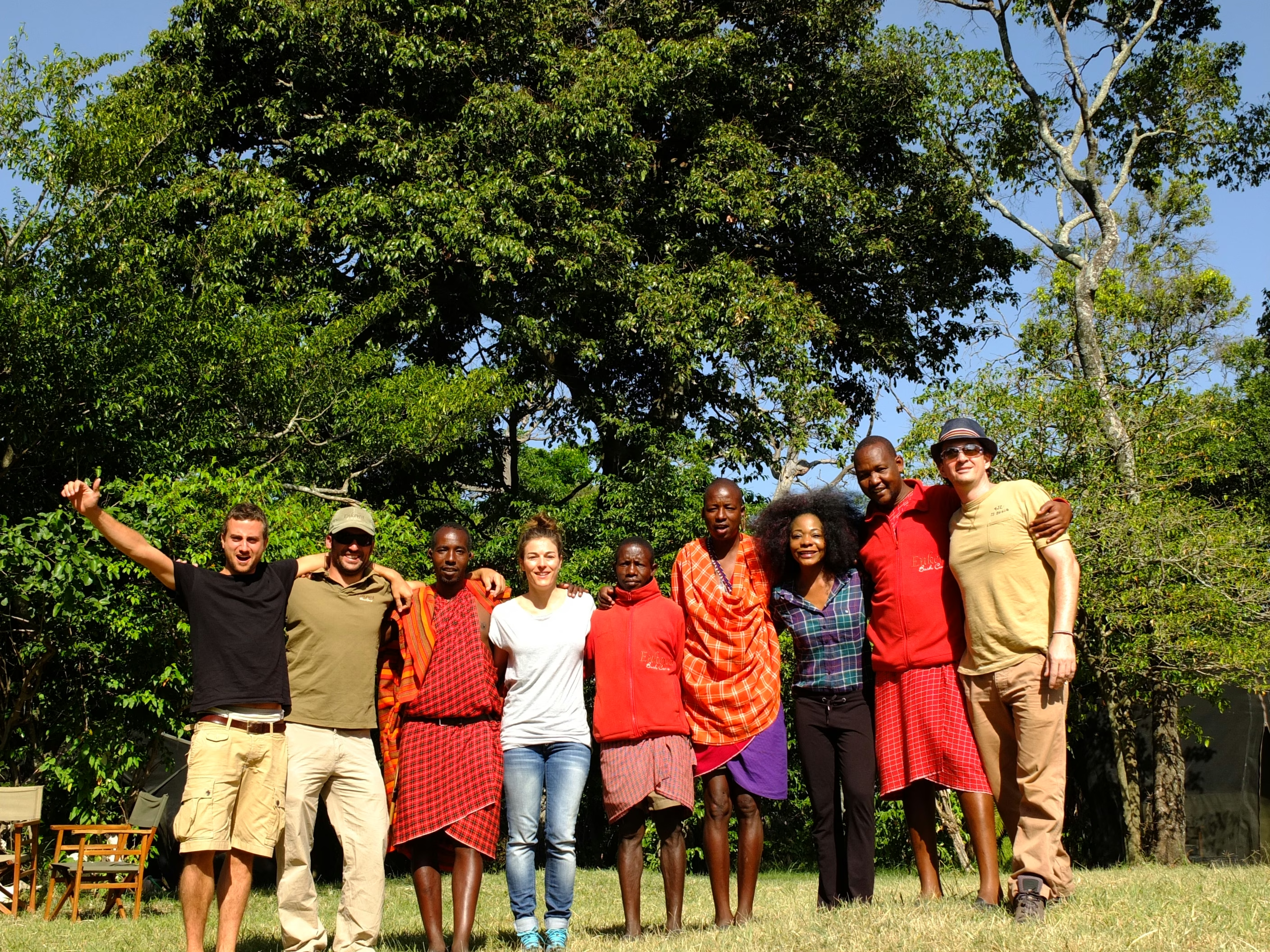
The village of Mto wa mbuIt is known for its cultural diversity. Communities of different origins coexist here, and this mixture is noticeable in the atmosphere, in the gastronomy, in the way of cultivating the land and in the local crafts. It is not a place prepared to “simulate authenticity”. Authenticity is already there.
This turns the Mosquito River Villageat a different stop. In front of other points of the tourist route where everything revolves around the safari, here the focus changes. Wildlife is in the background and everyday Tanzania appears: that of commerce, that of agricultural work, that of workshops and that of shared life.
For many travelers, this is just what was missing on the route. Because a complete trip is not built only with national parks. It is also built by understanding how the people who inhabit these territories live.

What to see in Mto Wa Mbu
If you are wondering What to see mto wa mbu, the honest answer is: the people themselves. Its market, its streets, its stalls, bicycles, plantations and daily activity are part of the charm. Here the interest is not a single star visit, but the whole.
The market and everyday life
One of the first places worth visiting is the local market. Not because it is “beautiful” in the tourist sense of the term, but because it concentrates the energy of the village very well. There is movement, buying, selling, conversations, fresh produce and that orderly chaos that usually explains much more than a rigid visit.
Walking through the streets of the city center also allows you to understand how it really works mosquito pillow. You see small businesses, workshops, people transporting goods, children coming and going, and an everyday life that doesn't need a show to be interesting.
Plantations and agricultural landscape
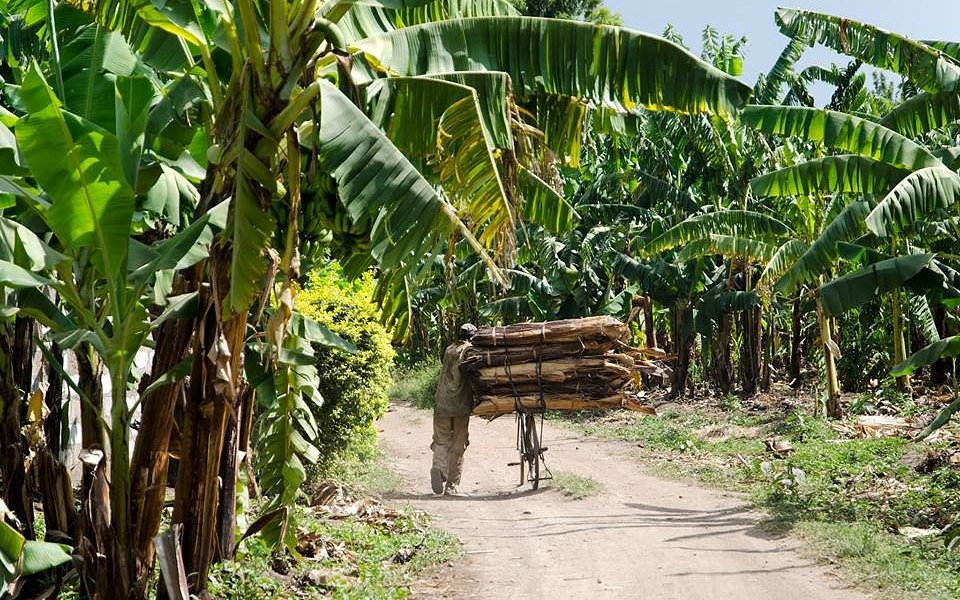
Another essential part of the visit are the agricultural areas. The environment of mosquito pillowstands out for its crops, especially banana plantations and other fertile areas that amaze quite a lot within the Rift landscape. Here it is really understood why this area has been an important point for agricultural and commercial activity.
Seeing the fields, irrigation systems and the relationship between the village and its rural environment gives a much more complete reading of the site. It's not just about walking. It's about understanding where much of your identity comes from.
Local crafts and art
If you are interested in buying local crafts at mto wa mbu, this is one of the best moments of the tour. In and around the village it is common to see woodwork, painting and other handmade pieces that make much more sense than the standard airport souvenir.
Here it is worth looking calmly. Ask who made the piece, how it is worked, what materials are used and what story is behind it. This conversation completely changes the purchase.
Natural environment
Although the village is the center of the experience, its surroundings also add a lot to it. The proximity to Lake Manyara, the presence of the Rift and the landscapes that surround the area give a lot of play. We are not talking about a “wild” nature like that of a park, but of a scenario that accompanies and gives context.
This makes mosquito pillowdo not limit yourself to a market or some charming streets. It also includes understanding how landscape, agriculture and location have shaped the village.
What to do in Mto Wa Mbu
If the previous section responded to What to see mto wa mbu, this answers an even more useful question: What to do in mto wa mbuto make the visit really worthwhile.
Rural Day at Wa Mbu River
A very good way to take advantage of the visit is to think of it as a day in mto wa mbu. There is no need to fill it with activities. It is enough to build a coherent day: walk through the village, visit to agricultural areas, stop to eat something local, time to see crafts and some more leisurely section to observe without running.
This approach works especially well because it avoids the most common mistake: arriving, being there for half an hour, taking two photos and leaving believing that you have already seen the place. No. Mosquito pillowYou earn a lot when you spend real time on it.
Bike, food and local experiences
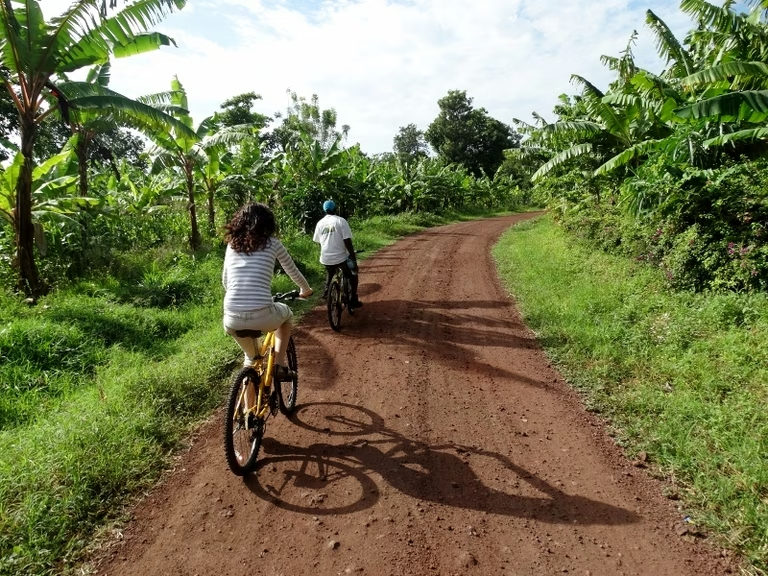
Another very interesting option is to tour part of the environment by bicycle. It allows you to see more landscape, better understand the plantations and move at a pace that is still human, but wider than the walk on foot. It is not necessary to be an expert cyclist, it is enough to have the desire to explore.
Food also deserves space. Tasting local dishes in a community setting or on an organized visit usually brings much more than a quick stop on the road. Eating well does not always mean sophisticated food. Sometimes it means eating something simple in the right place.
Explore northern Tanzania the right way
Mto Wa Mbu fits naturally into a wider northern Tanzania circuit. If you want a structured route that includes cultural stops, national parks and the great landscapes of the Rift Valley, take a look at our Tanzania Classic Safari. 6 days, from 2.095 € per person. Tanzania - Classic Safari
Mto Wa Mbu on your own: how to organize the visit
The expression mto wa mbu for freeIt may sound like a big logistical adventure, but it doesn't have to be. In fact, this is one of the easiest places to fit in without a closed package within a route through northern Tanzania.
How to get there from Arusha
From Arusha, mosquito pillow It's a very natural connection. The road is part of the axis used by many travelers to Lake Manyara and Ngorongoro, so it is easy to integrate it as an excursion or as a stop on the way.
For a comfortable visit, the important thing is not so much the exact means of transportation as the intention. If you just stop there to stretch your legs, you will miss the best. If you reserve a few hours to enter the village, the experience changes completely.
Weather in Mto Wa Mbu and best time
On a practical level, what is interesting to know is this: the climate is usually warm and the experience improves a lot in the driest periods.
If your goal is to walk, move around town, visit plantations or take a long walk, the dry season is usually more comfortable. There is less mud, the terrain accompanies more and the visit is better enjoyed. In rainy season, the village continues to have interest, but the pace changes and some parts of the experience become less agile.
What to buy in Mto Wa Mbu without falling for the classic souvenir
What to buy fromlocal crafts in the mosquito river?. Here the most interesting thing is not to buy much. It is buying well.
The best buys are usually small pieces of craft, woodwork, local painting, or souvenirs that have a real connection to the place. The ideal is to avoid the generic object that could have been sold in any other tourist point in the country.
A useful trick: always ask about the piece. Who made it, how long it took, what material it carries and what it means. At this point you stop buying “something beautiful” and start buying a story. And that changes the experience quite a bit.
Mini checklist to buy with criteria
- Better a piece with context than five memories without a soul.
- Ask about the materials and the elaboration.
- Buy where you see real work, not just quick exposure.
- Huggle with respect, not like you're in a contest.
- Think about the size before you fall in love with a size that is impossible to fit in your backpack.
Mto Wa Mbu and Lake Natron: a combination with personality
The route wa mbu river and natron lakeIt is of great interest to those who want to get a little out of the more classic safari path. And it has logic. Mto Wa Mbu works very well as a transition point between the more accessible part of northern Tanzania and a more remote and rough area like Lake Natron.
The combination is attractive because it offers contrast. On the one hand, an agricultural and cultural village with a lot of life. On the other, more extreme landscapes, more open and more demanding in logistics. Together, both stages build a route with strong character.
Of course: it is better not to improvise. Natron usually requires more foresight, more margin and a realistic reading of the path. Mosquito pillowHe can be very kind. Natron not always.
FAQs about Mto Wa Mbu
Is it worth taking a tour to mto wa mbu or can it be visited on your own?
You can visit on your own, but one Mosquito river village tourIt usually provides a lot more context. If you want to understand the local life, agriculture and the cultural mix of the town, a guided tour usually makes up for it.
How long do I need to see mto wa mbu village well?
Half a day already allows for a decent experience. A full day, on the other hand, lets you tour the village calmly, see plantations, taste local food and devote time to handicrafts.
What to buy from local crafts in Mto Wa Mbu Tanzania?
The most interesting are usually pieces of wood, local painting and handmade souvenirs. It is advisable to prioritize small objects, easy to transport and with a real connection to the artisanal work of the place.
What is the best time according to the weather in Mto Wa Mbu?
In general, the dry season is usually more comfortable for walking and moving around the area. If you travel in rainy season, the experience is still worthwhile, but the terrain and times can get a little complicated.
How to combine Mto Wa Mbu and Lake Natron on the same route?
The best way is to use mosquito pillowas an intermediate stage with a sense of its own. First you enjoy the cultural and agricultural part; then, if the itinerary allows, continue towards Natron with more prepared logistics.
Conclusion
Mosquito river tanzaniadeserves much more than a quick stop between parks. It is a place with identity, with a cultural mix, with an agricultural landscape and with a way of life that brings a very different layer to the typical safari trip.
If you visit with time and curiosity, mto wa mbu for freecan become one of the most humane stages of the journey. Not for grandiose. Just the opposite. Because here the interest is in the everyday, in the near and in what usually goes unnoticed when one goes too fast.
And this, precisely, is the reason why it is worth stopping there.
Ready to discover Tanzania beyond the parks?
From Mto Wa Mbu to the Serengeti, a well-planned route changes everything. Our Tanzania Origin itinerary combines cultural depth with iconic wildlife landscapes across eight unforgettable days. 8 days, from 2.850 € per person. Tanzania - Origine
Frequently asked questions
Is Mto Wa Mbu worth visiting on its own or only as a stopover?
Mto Wa Mbu is genuinely worth a dedicated stop. Its cultural diversity, busy local market, banana plantations and craft scene offer something that national parks simply cannot. A half-day minimum is recommended, but a full day lets you absorb the rhythm of the village properly and avoid the trap of treating it as a mere road break.
How do you get to Mto Wa Mbu from Arusha?
The village sits roughly 120 kilometres west of Arusha along the main road towards Lake Manyara and Ngorongoro. The drive takes around two hours depending on conditions. Many travellers pass through it naturally on a northern Tanzania circuit, making it easy to build in as either a planned stop or an extended lunch break with purpose.
What is the best time of year to visit Mto Wa Mbu?
The dry seasons, broadly June to October and January to February, are the most comfortable for walking the village, touring plantations and cycling the surrounding area. The rainy seasons bring lush scenery and fewer visitors, but muddy paths can make movement around agricultural areas more demanding. The experience remains worthwhile year-round.
What local crafts should I look for in Mto Wa Mbu?
Woodcarvings, local paintings and handmade textiles are among the most authentic finds. The key is to ask the seller directly about the maker, the materials and the time involved. Pieces with a real story behind them are far more satisfying to bring home than generic souvenirs that could have come from anywhere along the tourist trail.
Can Mto Wa Mbu be combined with Lake Natron on the same trip?
Yes, and it is a rewarding combination. Mto Wa Mbu works well as a cultural and agricultural introduction before heading towards the more remote and logistically demanding landscape of Lake Natron. Allow extra planning time for the Natron leg: roads can be rough, access requires more preparation and the terrain is considerably less forgiving than the village.
Is a guided tour necessary or can I explore Mto Wa Mbu independently?
You can explore independently, and the village is walkable without much difficulty. That said, a local guide adds significant value: they open doors to plantations, explain the cultural mix of the communities and connect you with artisans directly. For a first visit, a half-day guided walk followed by free exploration tends to give the best overall experience.
| Location | Manyara Region, northern Tanzania, on the main road between Arusha and Lake Manyara |
| Distance from Arusha | Approximately 120 km, around 2 hours by road |
| Recommended visit duration | Half a day minimum; a full day for a complete experience |
| Best time to visit | Dry seasons: June to October and January to February |
| Main highlights | Local market, banana plantations, woodcarvings, cultural diversity, Rift Valley scenery |
| Nearby attractions | Lake Manyara National Park, Ngorongoro Conservation Area, Lake Natron |
| Visit style | Can be done independently or with a local guide; guided visits add cultural context |
Talk about mosquito pillowis to speak of one of those stops that, on paper, seem 'passing' and, in practice, may end up becoming one of the most vivid memories of northern Tanzania. This village, located on the route between Arusha, Lake Manyara and the Ngorongoro area, usually appears on many itineraries as a simple stopover. The mistake is precisely this: to think that it only serves to pass by.
The Grace of mosquito river tanzaniaIt is not a great monument or a classic postcard. It is walking without haste, observing the market, understanding how local agriculture works and discovering why this place has such a marked identity within the Tanzanian north. You don't come here to look from afar. You come to enter the rhythm of the village.
In addition, for those looking for a more complete experience, Mosquito River Villagehas a clear advantage: it combines culture, landscape and everyday life in very little space. And that, on a journey where many stages revolve around the safari, is greatly appreciated. Sometimes the best memory is not given to you by a lion. It gives you a conversation, a home-cooked meal or a street with more truth to filter.
What is Mto Wa Mbu and why it deserves a stop
A lot of people are looking arusha mosquito pillowbecause the village integrates very well on any route that leaves from Arusha. It is also constantly related to Lake Manyara, so it is normal to see it mentioned on circuits to Ngorongoro or Serengeti. Its location is practical, yes, but the interesting thing is not only where it is, but everything it offers.
The village of Mto wa mbuIt is known for its cultural diversity. Communities of different origins coexist here, and this mixture is noticeable in the atmosphere, in the gastronomy, in the way of cultivating the land and in the local crafts. It is not a place prepared to “simulate authenticity”. Authenticity is already there.
This turns the Mosquito River Villageat a different stop. In front of other points of the tourist route where everything revolves around the safari, here the focus changes. Wildlife is in the background and everyday Tanzania appears: that of commerce, that of agricultural work, that of workshops and that of shared life.
For many travelers, this is just what was missing on the route. Because a complete trip is not built only with national parks. It is also built by understanding how the people who inhabit these territories live.
What to see in Mto Wa Mbu
If you are wondering What to see mto wa mbu, the honest answer is: the people themselves. Its market, its streets, its stalls, bicycles, plantations and daily activity are part of the charm. Here the interest is not a single star visit, but the whole.
The market and everyday life
One of the first places worth visiting is the local market. Not because it is “beautiful” in the tourist sense of the term, but because it concentrates the energy of the village very well. There is movement, buying, selling, conversations, fresh produce and that orderly chaos that usually explains much more than a rigid visit.
Walking through the streets of the city center also allows you to understand how it really works mosquito pillow. You see small businesses, workshops, people transporting goods, children coming and going, and an everyday life that doesn't need a show to be interesting.
Plantations and agricultural landscape
Another essential part of the visit are the agricultural areas. The environment of mosquito pillowstands out for its crops, especially banana plantations and other fertile areas that amaze quite a lot within the Rift landscape. Here it is really understood why this area has been an important point for agricultural and commercial activity.
Seeing the fields, irrigation systems and the relationship between the village and its rural environment gives a much more complete reading of the site. It's not just about walking. It's about understanding where much of your identity comes from.
Local crafts and art
If you are interested in buying local crafts at mto wa mbu, this is one of the best moments of the tour. In and around the village it is common to see woodwork, painting and other handmade pieces that make much more sense than the standard airport souvenir.
Here it is worth looking calmly. Ask who made the piece, how it is worked, what materials are used and what story is behind it. This conversation completely changes the purchase.
Natural environment
Although the village is the center of the experience, its surroundings also add a lot to it. The proximity to Lake Manyara, the presence of the Rift and the landscapes that surround the area give a lot of play. We are not talking about a “wild” nature like that of a park, but of a scenario that accompanies and gives context.
This makes mosquito pillowdo not limit yourself to a market or some charming streets. It also includes understanding how landscape, agriculture and location have shaped the village.
What to do in Mto Wa Mbu
If the previous section responded to What to see mto wa mbu, this answers an even more useful question: What to do in mto wa mbuto make the visit really worthwhile.
Rural Day at Wa Mbu River
A very good way to take advantage of the visit is to think of it as a day in mto wa mbu. There is no need to fill it with activities. It is enough to build a coherent day: walk through the village, visit to agricultural areas, stop to eat something local, time to see crafts and some more leisurely section to observe without running.
This approach works especially well because it avoids the most common mistake: arriving, being there for half an hour, taking two photos and leaving believing that you have already seen the place. No. Mosquito pillowYou earn a lot when you spend real time on it.
Bike, food and local experiences
Another very interesting option is to tour part of the environment by bicycle. It allows you to see more landscape, better understand the plantations and move at a pace that is still human, but wider than the walk on foot. It is not necessary to be an expert cyclist, it is enough to have the desire to explore.
Food also deserves space. Tasting local dishes in a community setting or on an organized visit usually brings much more than a quick stop on the road. Eating well does not always mean sophisticated food. Sometimes it means eating something simple in the right place.
Explore northern Tanzania the right way
Mto Wa Mbu fits naturally into a wider northern Tanzania circuit. If you want a structured route that includes cultural stops, national parks and the great landscapes of the Rift Valley, take a look at our Tanzania Classic Safari. 6 days, from 2.095 € per person. Tanzania - Classic Safari
Mto Wa Mbu on your own: how to organize the visit
The expression mto wa mbu for freeIt may sound like a big logistical adventure, but it doesn't have to be. In fact, this is one of the easiest places to fit in without a closed package within a route through northern Tanzania.
How to get there from Arusha
From Arusha, mosquito pillow It's a very natural connection. The road is part of the axis used by many travelers to Lake Manyara and Ngorongoro, so it is easy to integrate it as an excursion or as a stop on the way.
For a comfortable visit, the important thing is not so much the exact means of transportation as the intention. If you just stop there to stretch your legs, you will miss the best. If you reserve a few hours to enter the village, the experience changes completely.
Weather in Mto Wa Mbu and best time
On a practical level, what is interesting to know is this: the climate is usually warm and the experience improves a lot in the driest periods.
If your goal is to walk, move around town, visit plantations or take a long walk, the dry season is usually more comfortable. There is less mud, the terrain accompanies more and the visit is better enjoyed. In rainy season, the village continues to have interest, but the pace changes and some parts of the experience become less agile.
What to buy in Mto Wa Mbu without falling for the classic souvenir
What to buy fromlocal crafts in the mosquito river?. Here the most interesting thing is not to buy much. It is buying well.
The best buys are usually small pieces of craft, woodwork, local painting, or souvenirs that have a real connection to the place. The ideal is to avoid the generic object that could have been sold in any other tourist point in the country.
A useful trick: always ask about the piece. Who made it, how long it took, what material it carries and what it means. At this point you stop buying “something beautiful” and start buying a story. And that changes the experience quite a bit.
Mini checklist to buy with criteria
- Better a piece with context than five memories without a soul.
- Ask about the materials and the elaboration.
- Buy where you see real work, not just quick exposure.
- Huggle with respect, not like you're in a contest.
- Think about the size before you fall in love with a size that is impossible to fit in your backpack.
Mto Wa Mbu and Lake Natron: a combination with personality
The route wa mbu river and natron lakeIt is of great interest to those who want to get a little out of the more classic safari path. And it has logic. Mto Wa Mbu works very well as a transition point between the more accessible part of northern Tanzania and a more remote and rough area like Lake Natron.
The combination is attractive because it offers contrast. On the one hand, an agricultural and cultural village with a lot of life. On the other, more extreme landscapes, more open and more demanding in logistics. Together, both stages build a route with strong character.
Of course: it is better not to improvise. Natron usually requires more foresight, more margin and a realistic reading of the path. Mosquito pillowHe can be very kind. Natron not always.
FAQs about Mto Wa Mbu
Is it worth taking a tour to mto wa mbu or can it be visited on your own?
You can visit on your own, but one Mosquito river village tourIt usually provides a lot more context. If you want to understand the local life, agriculture and the cultural mix of the town, a guided tour usually makes up for it.
How long do I need to see mto wa mbu village well?
Half a day already allows for a decent experience. A full day, on the other hand, lets you tour the village calmly, see plantations, taste local food and devote time to handicrafts.
What to buy from local crafts in Mto Wa Mbu Tanzania?
The most interesting are usually pieces of wood, local painting and handmade souvenirs. It is advisable to prioritize small objects, easy to transport and with a real connection to the artisanal work of the place.
What is the best time according to the weather in Mto Wa Mbu?
In general, the dry season is usually more comfortable for walking and moving around the area. If you travel in rainy season, the experience is still worthwhile, but the terrain and times can get a little complicated.
How to combine Mto Wa Mbu and Lake Natron on the same route?
The best way is to use mosquito pillowas an intermediate stage with a sense of its own. First you enjoy the cultural and agricultural part; then, if the itinerary allows, continue towards Natron with more prepared logistics.
Conclusion
Mosquito river tanzaniadeserves much more than a quick stop between parks. It is a place with identity, with a cultural mix, with an agricultural landscape and with a way of life that brings a very different layer to the typical safari trip.
If you visit with time and curiosity, mto wa mbu for freecan become one of the most humane stages of the journey. Not for grandiose. Just the opposite. Because here the interest is in the everyday, in the near and in what usually goes unnoticed when one goes too fast.
And this, precisely, is the reason why it is worth stopping there.
Ready to discover Tanzania beyond the parks?
From Mto Wa Mbu to the Serengeti, a well-planned route changes everything. Our Tanzania Origin itinerary combines cultural depth with iconic wildlife landscapes across eight unforgettable days. 8 days, from 2.850 € per person. Tanzania - Origine
Frequently asked questions
Is Mto Wa Mbu worth visiting on its own or only as a stopover?
Mto Wa Mbu is genuinely worth a dedicated stop. Its cultural diversity, busy local market, banana plantations and craft scene offer something that national parks simply cannot. A half-day minimum is recommended, but a full day lets you absorb the rhythm of the village properly and avoid the trap of treating it as a mere road break.
How do you get to Mto Wa Mbu from Arusha?
The village sits roughly 120 kilometres west of Arusha along the main road towards Lake Manyara and Ngorongoro. The drive takes around two hours depending on conditions. Many travellers pass through it naturally on a northern Tanzania circuit, making it easy to build in as either a planned stop or an extended lunch break with purpose.
What is the best time of year to visit Mto Wa Mbu?
The dry seasons, broadly June to October and January to February, are the most comfortable for walking the village, touring plantations and cycling the surrounding area. The rainy seasons bring lush scenery and fewer visitors, but muddy paths can make movement around agricultural areas more demanding. The experience remains worthwhile year-round.
What local crafts should I look for in Mto Wa Mbu?
Woodcarvings, local paintings and handmade textiles are among the most authentic finds. The key is to ask the seller directly about the maker, the materials and the time involved. Pieces with a real story behind them are far more satisfying to bring home than generic souvenirs that could have come from anywhere along the tourist trail.
Can Mto Wa Mbu be combined with Lake Natron on the same trip?
Yes, and it is a rewarding combination. Mto Wa Mbu works well as a cultural and agricultural introduction before heading towards the more remote and logistically demanding landscape of Lake Natron. Allow extra planning time for the Natron leg: roads can be rough, access requires more preparation and the terrain is considerably less forgiving than the village.
Is a guided tour necessary or can I explore Mto Wa Mbu independently?
You can explore independently, and the village is walkable without much difficulty. That said, a local guide adds significant value: they open doors to plantations, explain the cultural mix of the communities and connect you with artisans directly. For a first visit, a half-day guided walk followed by free exploration tends to give the best overall experience.








.avif)








.avif)

.avif)

.avif)
.avif)


.avif)











.png)