








A sustainable safari is much more than an adventure, it is a way of traveling that respects the environment and supports local communities. Instead of simply observing, you can actively contribute to the conservation of wildlife and the protection of natural resources.
Opting for this type of tourism means exploring remote African destinations responsibly, enjoying the majesty of their landscapes and animals, while ensuring that future generations can do the same. Would you like to know how a sustainable safari can make a real difference in your trip? Keep reading to find out.
What is a sustainable safari?
One sustainable safarifocuses on minimizing environmental impact while enjoying nature and supporting wildlife conservation. It involves responsible practices such as the use of low-impact vehicles, respect for natural habitats and supporting local communities through job creation and fostering the local economy. In addition, it seeks to protect national parks and their ecosystems, ensuring that future generations can continue to enjoy these places.
Discover how we travel responsibly
The philosophy behind sustainable tourism
Sustainable tourism is an approach that seeks to balance the need to explore and enjoy natural destinations with the responsibility of conserving the environment and promoting the well-being of local communities.
Through practices that minimizecarbon footprint, such as the use of efficient transport and waste reduction, sustainable tourism contributes to the preservation of the environment while generating economic benefits for recipient communities.
In this commitment, Watatu Travel collaborates with Carbon Tanzaniato offset the emissions generated by its safaris, supporting conservation projects that protect ecosystems and benefit local communities.
This initiative is part of a broader approach to sustainable tourism, which prioritizes education and awareness about the importance of protecting ecosystems, creating a more enriching experience for travellers and ensuring that natural resources remain accessible for future generations. In addition, it focuses on a direct return to the communities, driving economic development in an inclusive and respectful way with the local culture.
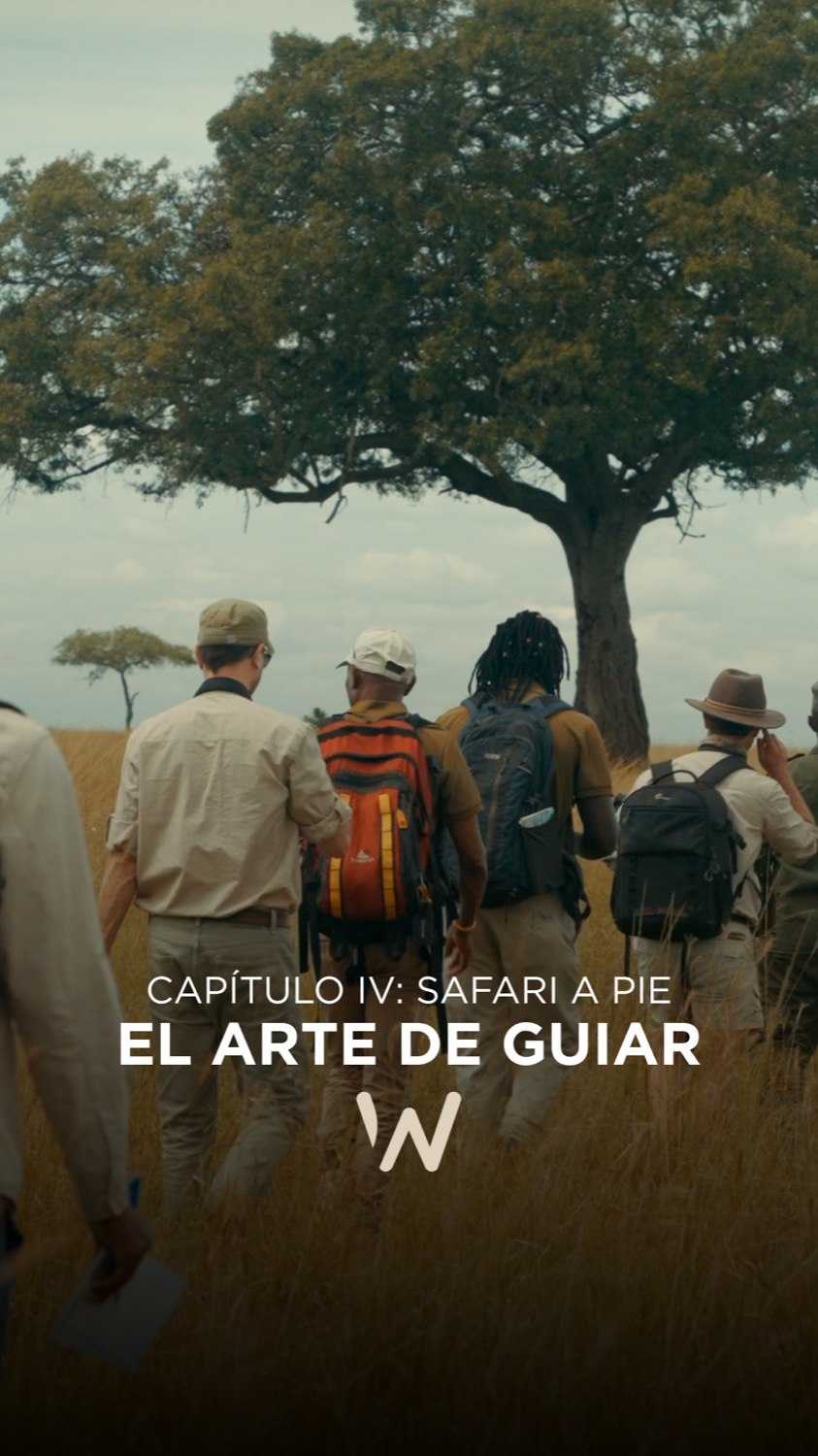
What and how is the carbon footprint on a safari?
The importance of sustainable safaris
Sustainable safaris are fundamental to achieving a balance between economic development and environmental conservation. Revenues generated by tourism are reinvested in conservation projectsof the rainforest and other vital ecosystems, as well as in supporting local communities. These funds are used to implement wildlife protection measures, restore degraded habitats and promote responsible agricultural and tourism practices.
Benefits of sustainable safari
- Conservation of the natural environment: Helps protect fragile ecosystems, preventing degradation caused by mass tourism and ensuring that wildlife thrives in their natural habitat.
- Local social and economic development: Generates employment and income in communities close to the parks, promoting a direct return that improves quality of life and strengthens rural economies.
- Reduction of poaching: By involving communities in wildlife protection, these safaris create sustainable economic alternatives that deter poaching.
- Authentic and responsible experiences: Encourages real contact with local traditions, creating a more meaningful safari experience that respects the destination's culture.
- Smaller ecological footprint: Responsible practices such as the use of low-emission vehicles, sustainable accommodation and routes that reduce environmental impact and carbon emissions are used.
- Education and awareness-raising: They provide valuable information on conservation, biodiversity and environmental problems, creating ambassadors for the protection of these ecosystems.
- Protection of Endangered Species: Revenues from responsible tourism often go to programs to protect endangered species, contributing directly to their survival.
- Sustainable management of resources: Promotes practices such as rainwater harvesting, the use of renewable energy and sustainable agriculture in nearby facilities and communities.
- Cultural Preservation: Helps to keep alive traditions, knowledge and cultural practices that could be lost due to globalization and rural exodus.
- Regenerative tourism model: It goes beyond sustainability by seeking not only to minimize damage, but to generate net positive impacts on the ecosystems and communities visited.
Why we do NOT visit tribes on our safaris
Best safari destinations for responsible travel
Tanzania: Safari between wild nature and Maasai culture
Tanzania is one of those few places where nature continues to set the pace and the human being can only adapt. Here, the safari is not simply about seeing animals, but about entering a lively and complex ecosystem, where everything, the fauna, the landscape, the people, is deeply connected.
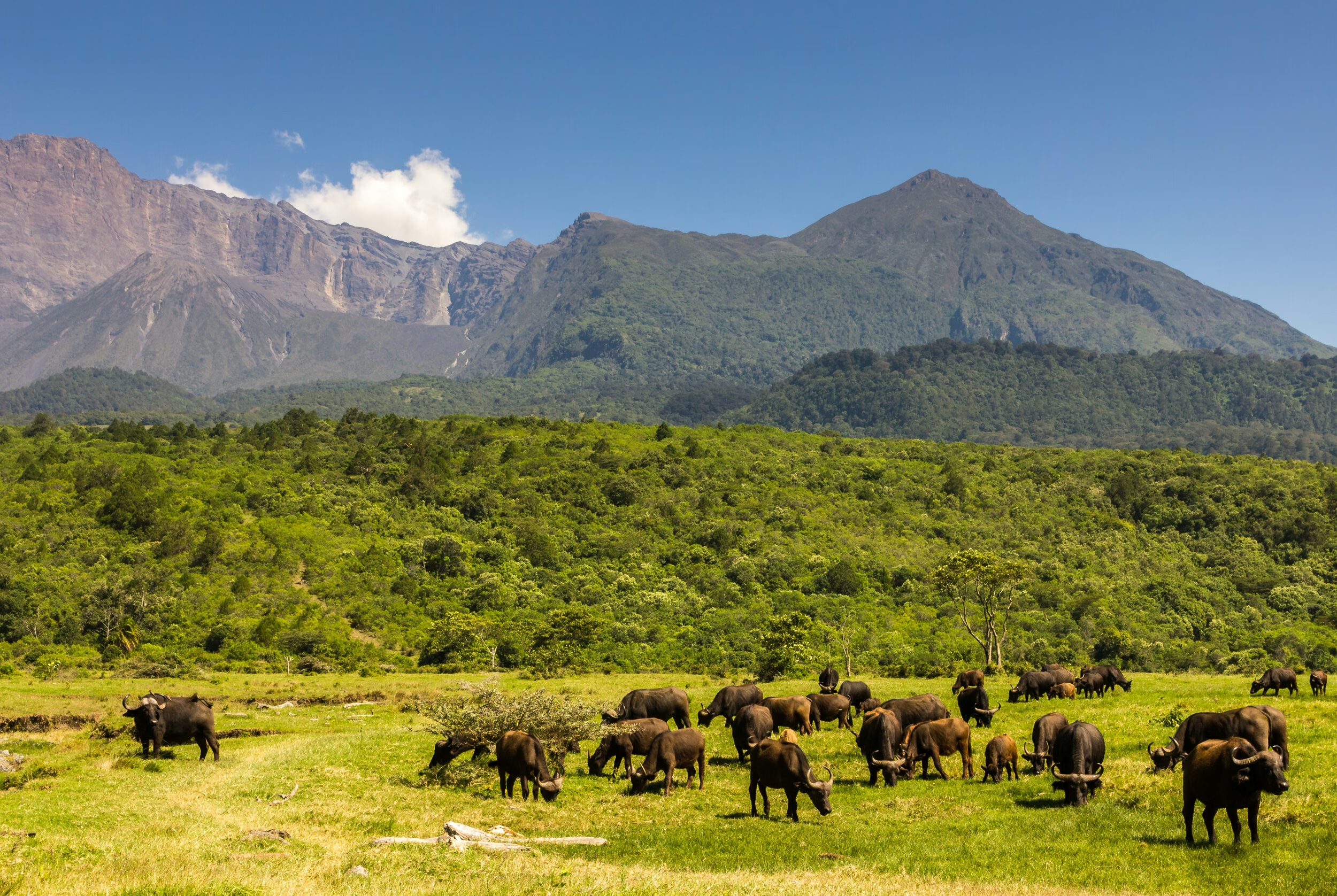
Touring the Serengeti, peering into the Ngorongoro Crater or discovering the changing colors of Lake Manyara is not only exciting: it is also a way to understand what it means to live with the environment in balance.
What makes a safari trip special in Tanzania?
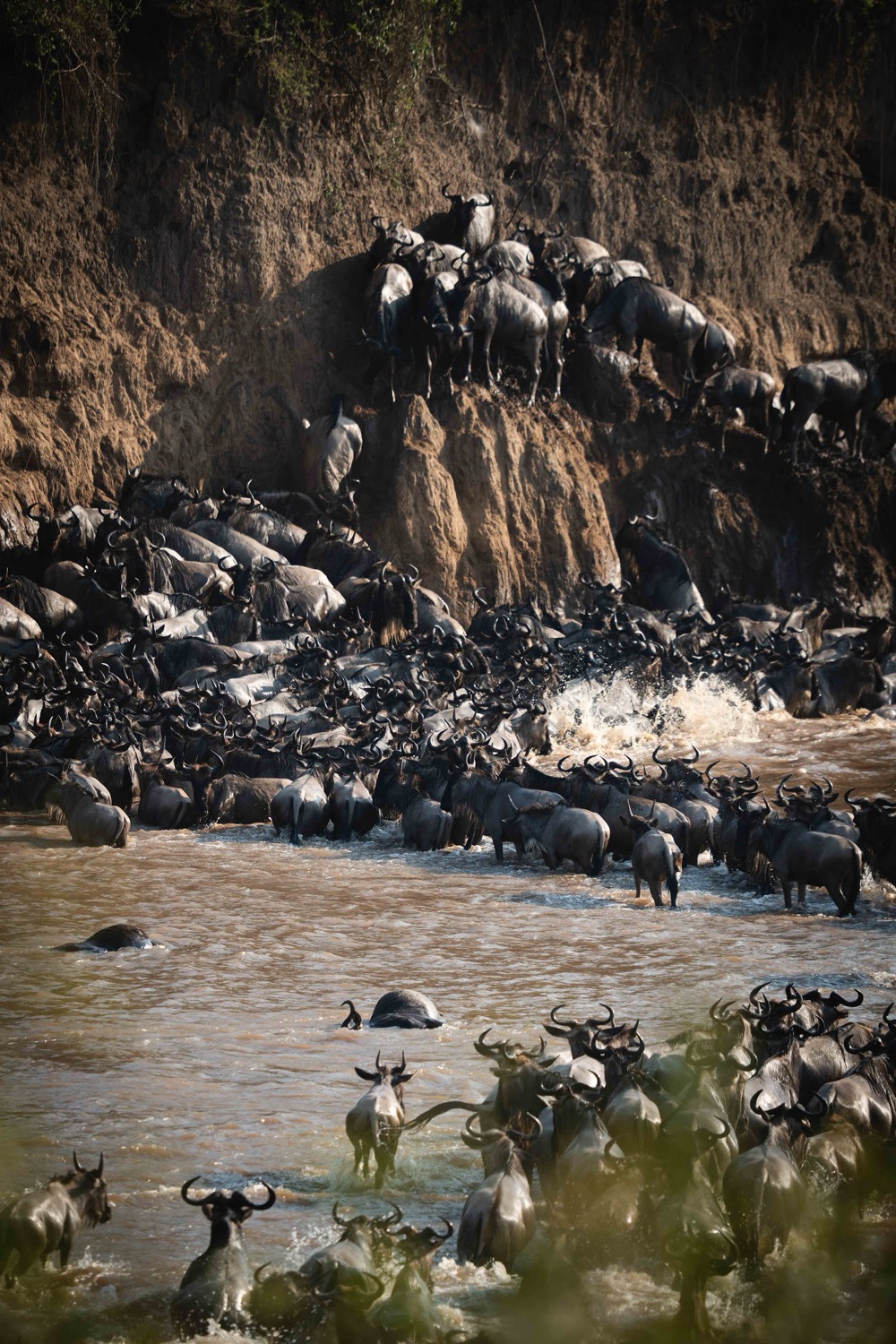
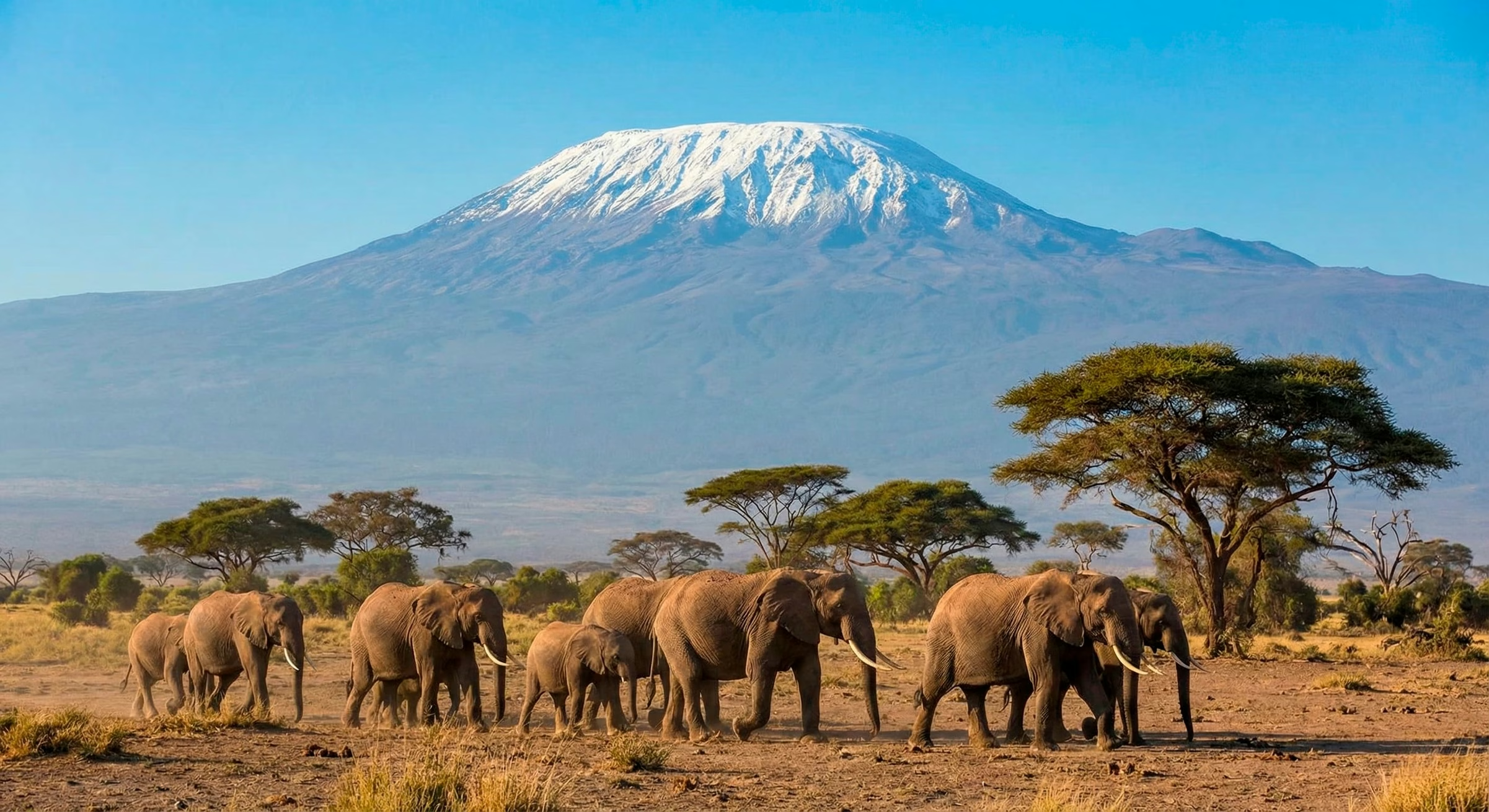
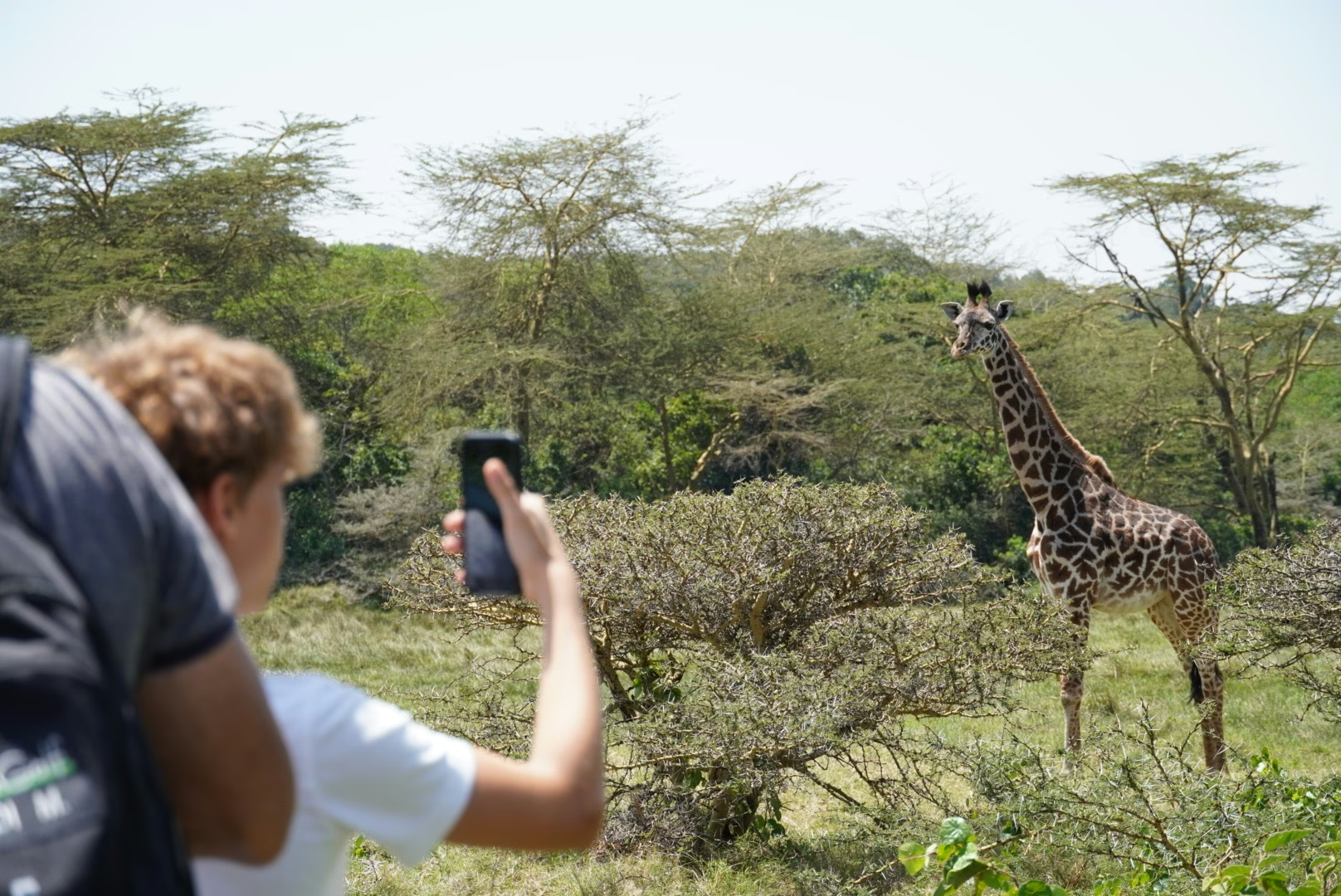
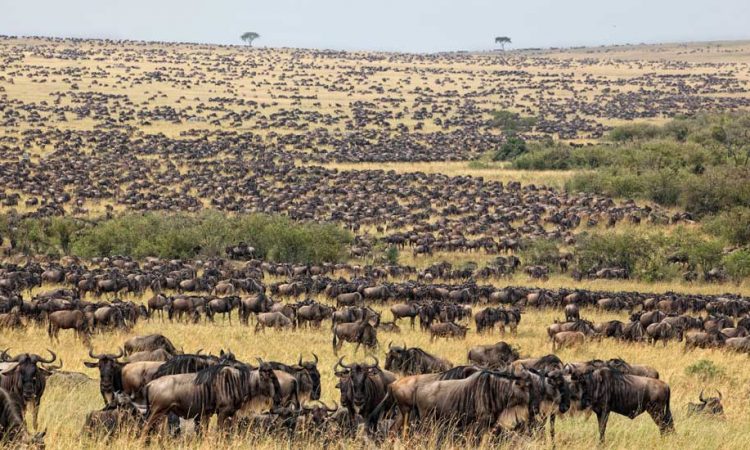
- Stunning wildlife: elephants, lions, giraffes, zebras and the Great Wildebeest Migration that crosses the Serengeti towards the Masai Mara.
- Emblematic placessuch as Lake Manyara, the Ngorongoro Crater and the immensely vast plains of the Serengeti.
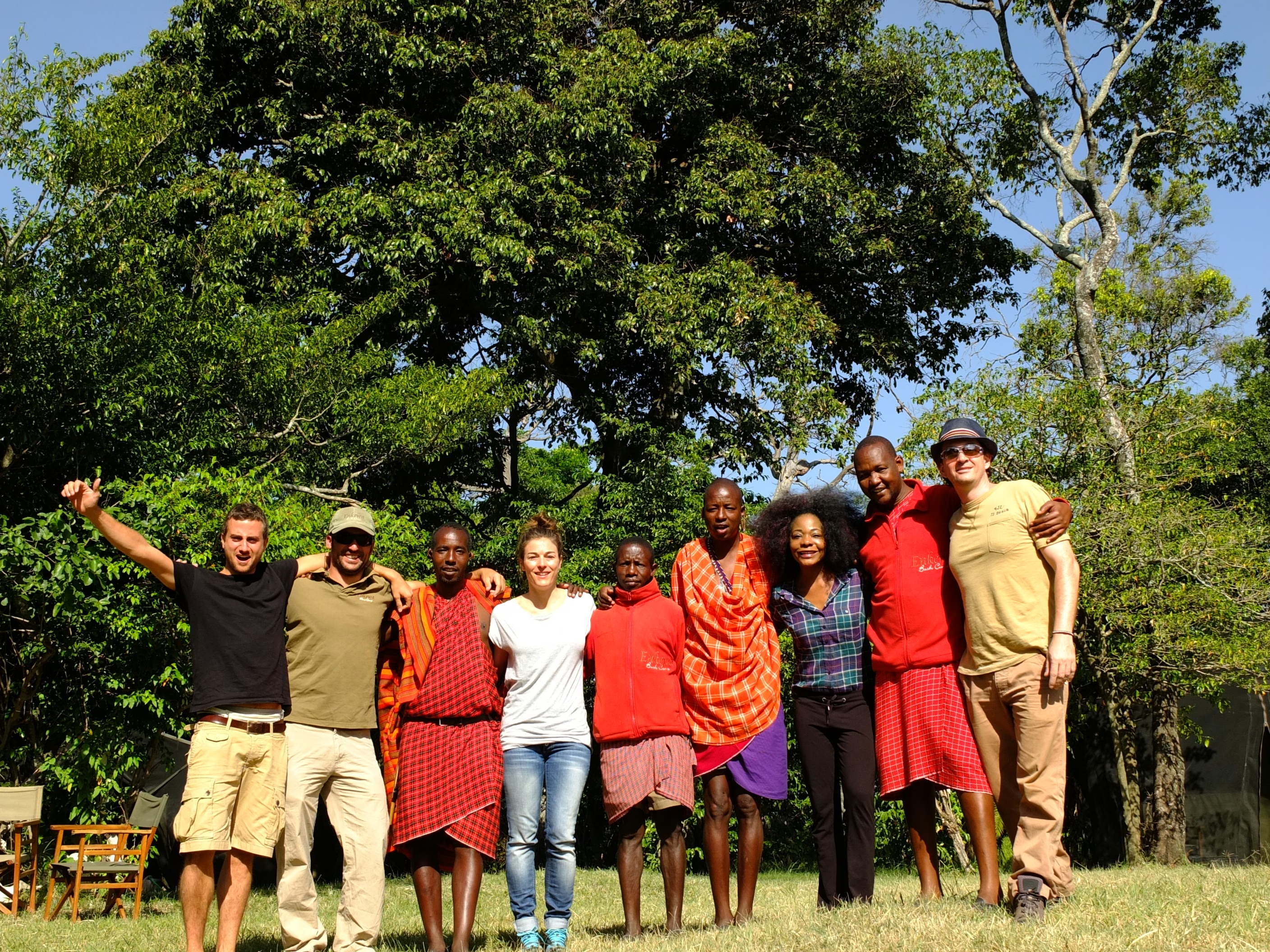
- Authentic encounters with the Maasai community, where you not only observe, but also learn, share and support their way of life.
- Responsible tourism: Choosing responsible travel agencies allows you to minimize the environmental impact and generate a real impact on local communities.
Discover Tanzania with Watatu Travel
Explore the Serengeti, the Ngorongoro Crater and the Great Wildebeest Migration on a responsible safari designed to protect what makes Tanzania extraordinary. 9 days, from 3.350 € per person. Tanzania - Crossroads of the Great Migration
Uganda: Untouched nature and endangered species
Uganda is a destination where nature and culture are deeply mixed. From Bwindi Impenetrable National Park, 12 days, from 4.995 € per person, to Queen Elizabeth National Park, known for its tree-climbing lions, every corner offers a unique experience.
However, this natural wealth is in danger. This is why responsible tourism is essential. By choosing committed operators, such as Watatu Travel, you contribute directly to the conservation of these ecosystems and the well-being of local communities.
What makes a safari trip special in Uganda?
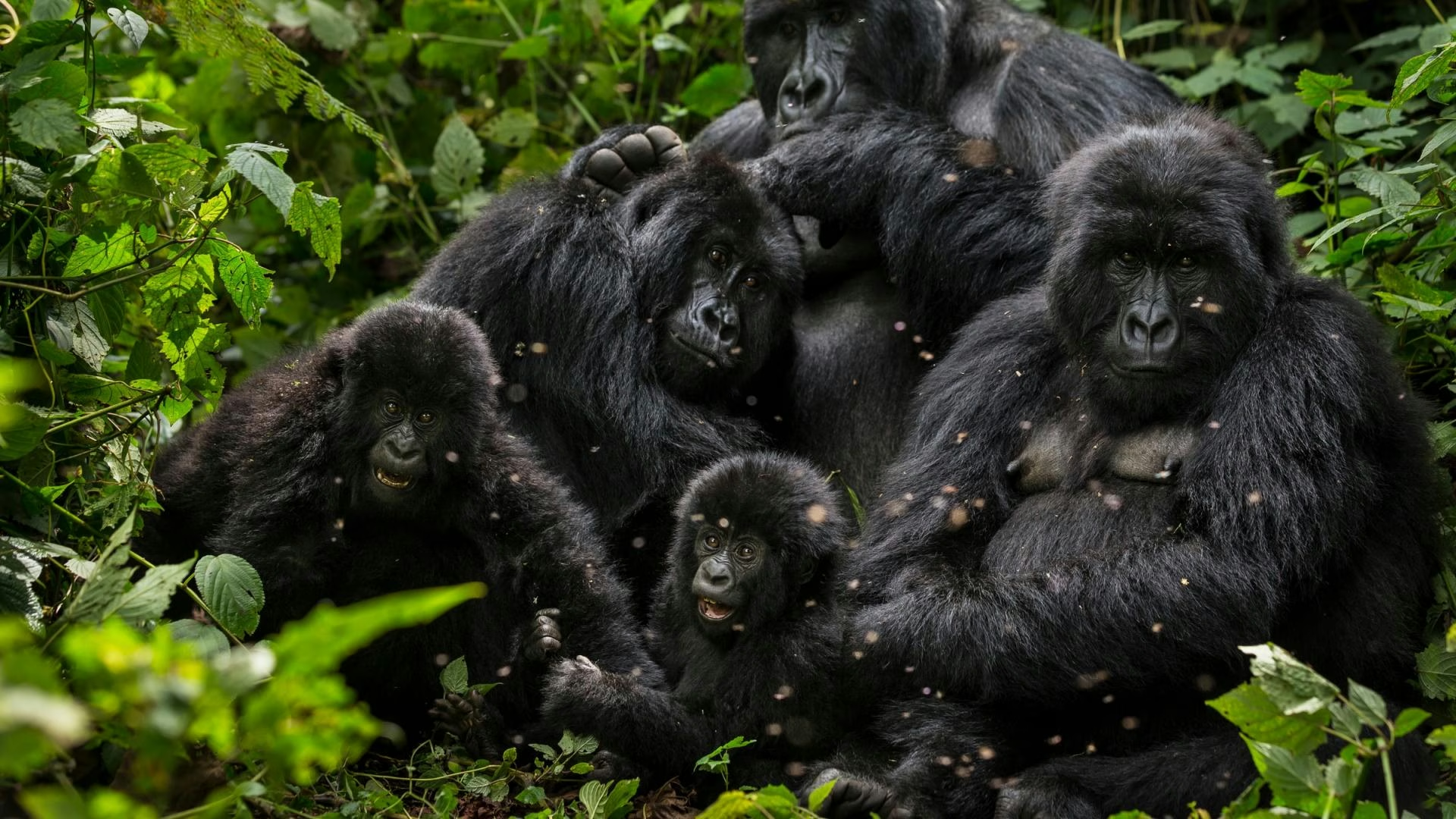
- Trekking with mountain gorillas, a critically endangered species. Each visit directly supports its conservation.
- More than 1,000 species of birds, many endemic, ideal for lovers of nature and photography.
- Lush National Parkssuch as Bwindi Impenetrable, Queen Elizabeth or Murchison Falls, where you can take classic safaris and guided hikes.
- Low impact tourism, with strict regulations to protect wildlife and ecosystems.
Private safari or group safari: Which is better?
7 practical tips for choosing a responsible safari
1. Investigate the safari operator
Spend time researching the reputation and practices of the safari operator before making the reservation. The best operators will have clear policies on conservation, support for local communities and sustainable practices. Look for detailed reviews from previous travelers and check the operator's history of environmental involvement through their specific projects and initiatives.
2. Choose safaris with small groups
Small groups minimize environmental impact and offer a more authentic and personalized experience. With fewer vehicles and people, you will cause less stress to the animals and have better opportunities for observation.
3. Support businesses rooted in the community
Select an Employed Company guides and local staff, contributing directly to the economy of the region. Local guides have unparalleled knowledge of the territory and can offer valuable cultural perspectives that will enrich your safari experience while supporting the development of nearby communities.
4. Find out about conservation initiatives
The best safaris not only allow you to observe the fauna, but also contribute to its protection. It seeks operators that allocate part of their income to conservation projects or who are actively involved in species protection initiatives, demonstrating a genuine commitment to regenerative tourism.
5. Opt for Locally owned accommodations
Where you stay during your safari can make a big difference in the impact of your trip. Prioritize locally owned and managed accommodations, which not only offer a more authentic experience, but ensure that the economic benefits remain in the community. These establishments usually incorporate traditional knowledge in their construction, gastronomyand activities, enriching your experience.
6. Follow the rules during the safari
A responsible safari operator will establish clear guidelines on appropriate behavior during the tour, such as keeping distance from animals and not altering their natural behavior. Following these rules ensures an ethical safari experience that respects the integrity of the ecosystems visited.
7. Value conservation education
The best safaris include an educational component on conservation and local culture. This deep learning elevates your entire experience while promoting greater awareness of the importance of sustainable travel and your role as a responsible visitor in these fragile ecosystems.
How to practice responsible tourism in Tanzania?
Travel with Trio Traveland leaves a positive imprint
If you are looking for an unforgettable trip that really makes a difference, at Watatu Travel we offer you an authentic and responsible experience. Every safari you do with us supports real wildlife conservation, environmental education and community development projects in Africa. Not only do we take you to know amazing places, but we also give you the opportunity to contribute to their protection and future. With us, traveling is also caring, sharing and transforming.
Ready to travel responsibly? Start with Uganda
Trek with mountain gorillas, discover tree-climbing lions and support the conservation of one of Africa's most biodiverse destinations. 11 days, from 3.995 € per person. Uganda - The Wild Jungle
Frequently asked questions
What exactly makes a safari 'sustainable'?
A sustainable safari limits environmental impact through small groups, low-emission vehicles and strict wildlife codes of conduct. Revenue is channelled back into conservation projects and local economies, so the ecosystems and communities that make the experience possible continue to thrive for future travellers.
How does Watatu Travel offset the carbon footprint of its safaris?
Watatu Travel partners with Carbon Tanzania to offset emissions generated by every safari. The partnership funds conservation projects that protect key Tanzanian ecosystems while delivering direct economic benefits to the local communities who live alongside and steward those landscapes.
Is gorilla trekking in Uganda genuinely ethical?
Yes, when done responsibly. Permits are strictly limited each day, group sizes are capped, and a significant share of permit fees is directed to protecting mountain gorilla habitat in Bwindi Impenetrable National Park. Choosing a committed operator ensures your visit contributes to the species' long-term survival.
Why are small-group safaris better for wildlife and for me?
Fewer vehicles mean less stress for animals and a quieter, more authentic game-viewing experience. Small groups also leave a lighter footprint on fragile habitats and allow guides to tailor the pace and focus of each day, resulting in richer wildlife encounters and deeper cultural insights.
What should I look for when choosing a responsible safari operator?
Look for transparent conservation policies, use of local guides and staff, partnerships with verified environmental organisations, locally owned accommodation options and clear codes of conduct for wildlife interaction. Certifications from recognised bodies and honest communication about carbon impact are also strong positive signals.
When is the best time to witness the Great Wildebeest Migration in Tanzania?
The migration is a year-round cycle, but the most dramatic river crossings typically occur between July and October in the northern Serengeti near the Masai Mara border. The calving season from January to March in the southern Serengeti is equally spectacular and less visited, making it ideal for responsible travellers.
A sustainable safari is much more than an adventure, it is a way of traveling that respects the environment and supports local communities. Instead of simply observing, you can actively contribute to the conservation of wildlife and the protection of natural resources.
Opting for this type of tourism means exploring remote African destinations responsibly, enjoying the majesty of their landscapes and animals, while ensuring that future generations can do the same. Would you like to know how a sustainable safari can make a real difference in your trip? Keep reading to find out.
What is a sustainable safari?
One sustainable safarifocuses on minimizing environmental impact while enjoying nature and supporting wildlife conservation. It involves responsible practices such as the use of low-impact vehicles, respect for natural habitats and supporting local communities through job creation and fostering the local economy. In addition, it seeks to protect national parks and their ecosystems, ensuring that future generations can continue to enjoy these places.
Discover how we travel responsibly
The philosophy behind sustainable tourism
Sustainable tourism is an approach that seeks to balance the need to explore and enjoy natural destinations with the responsibility of conserving the environment and promoting the well-being of local communities.
Through practices that minimizecarbon footprint, such as the use of efficient transport and waste reduction, sustainable tourism contributes to the preservation of the environment while generating economic benefits for recipient communities.
In this commitment, Watatu Travel collaborates with Carbon Tanzaniato offset the emissions generated by its safaris, supporting conservation projects that protect ecosystems and benefit local communities.
This initiative is part of a broader approach to sustainable tourism, which prioritizes education and awareness about the importance of protecting ecosystems, creating a more enriching experience for travellers and ensuring that natural resources remain accessible for future generations. In addition, it focuses on a direct return to the communities, driving economic development in an inclusive and respectful way with the local culture.
What and how is the carbon footprint on a safari?
The importance of sustainable safaris
Sustainable safaris are fundamental to achieving a balance between economic development and environmental conservation. Revenues generated by tourism are reinvested in conservation projectsof the rainforest and other vital ecosystems, as well as in supporting local communities. These funds are used to implement wildlife protection measures, restore degraded habitats and promote responsible agricultural and tourism practices.
Benefits of sustainable safari
- Conservation of the natural environment: Helps protect fragile ecosystems, preventing degradation caused by mass tourism and ensuring that wildlife thrives in their natural habitat.
- Local social and economic development: Generates employment and income in communities close to the parks, promoting a direct return that improves quality of life and strengthens rural economies.
- Reduction of poaching: By involving communities in wildlife protection, these safaris create sustainable economic alternatives that deter poaching.
- Authentic and responsible experiences: Encourages real contact with local traditions, creating a more meaningful safari experience that respects the destination's culture.
- Smaller ecological footprint: Responsible practices such as the use of low-emission vehicles, sustainable accommodation and routes that reduce environmental impact and carbon emissions are used.
- Education and awareness-raising: They provide valuable information on conservation, biodiversity and environmental problems, creating ambassadors for the protection of these ecosystems.
- Protection of Endangered Species: Revenues from responsible tourism often go to programs to protect endangered species, contributing directly to their survival.
- Sustainable management of resources: Promotes practices such as rainwater harvesting, the use of renewable energy and sustainable agriculture in nearby facilities and communities.
- Cultural Preservation: Helps to keep alive traditions, knowledge and cultural practices that could be lost due to globalization and rural exodus.
- Regenerative tourism model: It goes beyond sustainability by seeking not only to minimize damage, but to generate net positive impacts on the ecosystems and communities visited.
Why we do NOT visit tribes on our safaris
Best safari destinations for responsible travel
Tanzania: Safari between wild nature and Maasai culture
Tanzania is one of those few places where nature continues to set the pace and the human being can only adapt. Here, the safari is not simply about seeing animals, but about entering a lively and complex ecosystem, where everything, the fauna, the landscape, the people, is deeply connected.
Touring the Serengeti, peering into the Ngorongoro Crater or discovering the changing colors of Lake Manyara is not only exciting: it is also a way to understand what it means to live with the environment in balance.
What makes a safari trip special in Tanzania?
- Stunning wildlife: elephants, lions, giraffes, zebras and the Great Wildebeest Migration that crosses the Serengeti towards the Masai Mara.
- Emblematic placessuch as Lake Manyara, the Ngorongoro Crater and the immensely vast plains of the Serengeti.
- Authentic encounters with the Maasai community, where you not only observe, but also learn, share and support their way of life.
- Responsible tourism: Choosing responsible travel agencies allows you to minimize the environmental impact and generate a real impact on local communities.
Discover Tanzania with Watatu Travel
Explore the Serengeti, the Ngorongoro Crater and the Great Wildebeest Migration on a responsible safari designed to protect what makes Tanzania extraordinary. 9 days, from 3.350 € per person. Tanzania - Crossroads of the Great Migration
Uganda: Untouched nature and endangered species
Uganda is a destination where nature and culture are deeply mixed. From Bwindi Impenetrable National Park, 12 days, from 4.995 € per person, to Queen Elizabeth National Park, known for its tree-climbing lions, every corner offers a unique experience.
However, this natural wealth is in danger. This is why responsible tourism is essential. By choosing committed operators, such as Watatu Travel, you contribute directly to the conservation of these ecosystems and the well-being of local communities.
What makes a safari trip special in Uganda?
- Trekking with mountain gorillas, a critically endangered species. Each visit directly supports its conservation.
- More than 1,000 species of birds, many endemic, ideal for lovers of nature and photography.
- Lush National Parkssuch as Bwindi Impenetrable, Queen Elizabeth or Murchison Falls, where you can take classic safaris and guided hikes.
- Low impact tourism, with strict regulations to protect wildlife and ecosystems.
Private safari or group safari: Which is better?
7 practical tips for choosing a responsible safari
1. Investigate the safari operator
Spend time researching the reputation and practices of the safari operator before making the reservation. The best operators will have clear policies on conservation, support for local communities and sustainable practices. Look for detailed reviews from previous travelers and check the operator's history of environmental involvement through their specific projects and initiatives.
2. Choose safaris with small groups
Small groups minimize environmental impact and offer a more authentic and personalized experience. With fewer vehicles and people, you will cause less stress to the animals and have better opportunities for observation.
3. Support businesses rooted in the community
Select an Employed Company guides and local staff, contributing directly to the economy of the region. Local guides have unparalleled knowledge of the territory and can offer valuable cultural perspectives that will enrich your safari experience while supporting the development of nearby communities.
4. Find out about conservation initiatives
The best safaris not only allow you to observe the fauna, but also contribute to its protection. It seeks operators that allocate part of their income to conservation projects or who are actively involved in species protection initiatives, demonstrating a genuine commitment to regenerative tourism.
5. Opt for Locally owned accommodations
Where you stay during your safari can make a big difference in the impact of your trip. Prioritize locally owned and managed accommodations, which not only offer a more authentic experience, but ensure that the economic benefits remain in the community. These establishments usually incorporate traditional knowledge in their construction, gastronomyand activities, enriching your experience.
6. Follow the rules during the safari
A responsible safari operator will establish clear guidelines on appropriate behavior during the tour, such as keeping distance from animals and not altering their natural behavior. Following these rules ensures an ethical safari experience that respects the integrity of the ecosystems visited.
7. Value conservation education
The best safaris include an educational component on conservation and local culture. This deep learning elevates your entire experience while promoting greater awareness of the importance of sustainable travel and your role as a responsible visitor in these fragile ecosystems.
How to practice responsible tourism in Tanzania?
Travel with Trio Traveland leaves a positive imprint
If you are looking for an unforgettable trip that really makes a difference, at Watatu Travel we offer you an authentic and responsible experience. Every safari you do with us supports real wildlife conservation, environmental education and community development projects in Africa. Not only do we take you to know amazing places, but we also give you the opportunity to contribute to their protection and future. With us, traveling is also caring, sharing and transforming.
Ready to travel responsibly? Start with Uganda
Trek with mountain gorillas, discover tree-climbing lions and support the conservation of one of Africa's most biodiverse destinations. 11 days, from 3.995 € per person. Uganda - The Wild Jungle
Frequently asked questions
What exactly makes a safari 'sustainable'?
A sustainable safari limits environmental impact through small groups, low-emission vehicles and strict wildlife codes of conduct. Revenue is channelled back into conservation projects and local economies, so the ecosystems and communities that make the experience possible continue to thrive for future travellers.
How does Watatu Travel offset the carbon footprint of its safaris?
Watatu Travel partners with Carbon Tanzania to offset emissions generated by every safari. The partnership funds conservation projects that protect key Tanzanian ecosystems while delivering direct economic benefits to the local communities who live alongside and steward those landscapes.
Is gorilla trekking in Uganda genuinely ethical?
Yes, when done responsibly. Permits are strictly limited each day, group sizes are capped, and a significant share of permit fees is directed to protecting mountain gorilla habitat in Bwindi Impenetrable National Park. Choosing a committed operator ensures your visit contributes to the species' long-term survival.
Why are small-group safaris better for wildlife and for me?
Fewer vehicles mean less stress for animals and a quieter, more authentic game-viewing experience. Small groups also leave a lighter footprint on fragile habitats and allow guides to tailor the pace and focus of each day, resulting in richer wildlife encounters and deeper cultural insights.
What should I look for when choosing a responsible safari operator?
Look for transparent conservation policies, use of local guides and staff, partnerships with verified environmental organisations, locally owned accommodation options and clear codes of conduct for wildlife interaction. Certifications from recognised bodies and honest communication about carbon impact are also strong positive signals.
When is the best time to witness the Great Wildebeest Migration in Tanzania?
The migration is a year-round cycle, but the most dramatic river crossings typically occur between July and October in the northern Serengeti near the Masai Mara border. The calving season from January to March in the southern Serengeti is equally spectacular and less visited, making it ideal for responsible travellers.



.avif)

.avif)


.avif)
.avif)
.avif)










.png)