




.avif)

| Best mobile camp season (Serengeti North) | July to October (Mara river crossings) |
| Luggage limit: East Africa flights | 15 kg total per person in a soft bag |
| Luggage limit: Botswana/South Africa flights | 20 kg total per person in a soft bag |
| Night safaris allowed | Masai Mara conservancies (Kenya) and Sabi Sand (South Africa) |
| Off-track driving allowed | Private conservancies and concessions; prohibited in most national parks |
| Typical luxury itinerary length | 7 to 9 nights |
| Key fly-in hubs | Wilson Airport (Nairobi), Maun (Botswana), Arusha (Tanzania) |
If you think of one luxury safarireally, impeccable service, exclusive locations and zero hurry, two words command: mobile fieldand fly-in(internal flights). In this guide I explain what each thing is, when it is appropriate, how they are combined in Kenya, Tanzania, Botswanaand South Africa, and what you have to take into account (luggage, community reservations, activities) so that your Luxury safari in Africacome out round. In the end you have FAQ, checklist and a closing paragraph. And if you want us to design it with you, Trio Travelwe organize a safari with luxury accommodationstailor-made.
What is a luxury safari today (and what is not)
“Luxury” no longer means just a beautiful suite. In safari, the real value is whitherYou can move and suchlikeWildlife around your vehicle is managed. That is why the conservatives(private/community reservations) are the basis of the Luxury safari in Africa: usually limit vehicles per sighting, allow off track(where applicable) and night safaris, and maintain a low density of beds per kilometer. Real example: a Mara North Conservancy(Kenya) governs the rule of maximum 5 vehicles per sightingand mandatory rotation; this translates into quiet sightings and clean photos.
In South Africa, Sabi Sand(bordering Kruger) allows off trackand night safaris, something that in national parks is usually prohibited. The result: closer encounters (always ethical) and the possibility of seeing nocturnal fauna.
Mobile camps: luxury that moves with wildlife
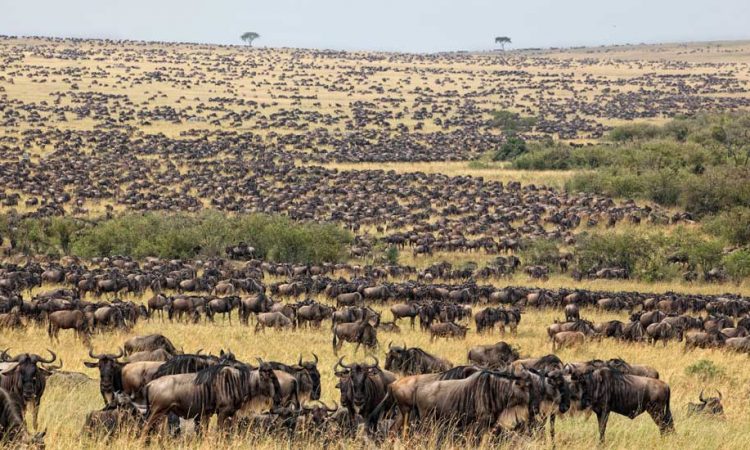
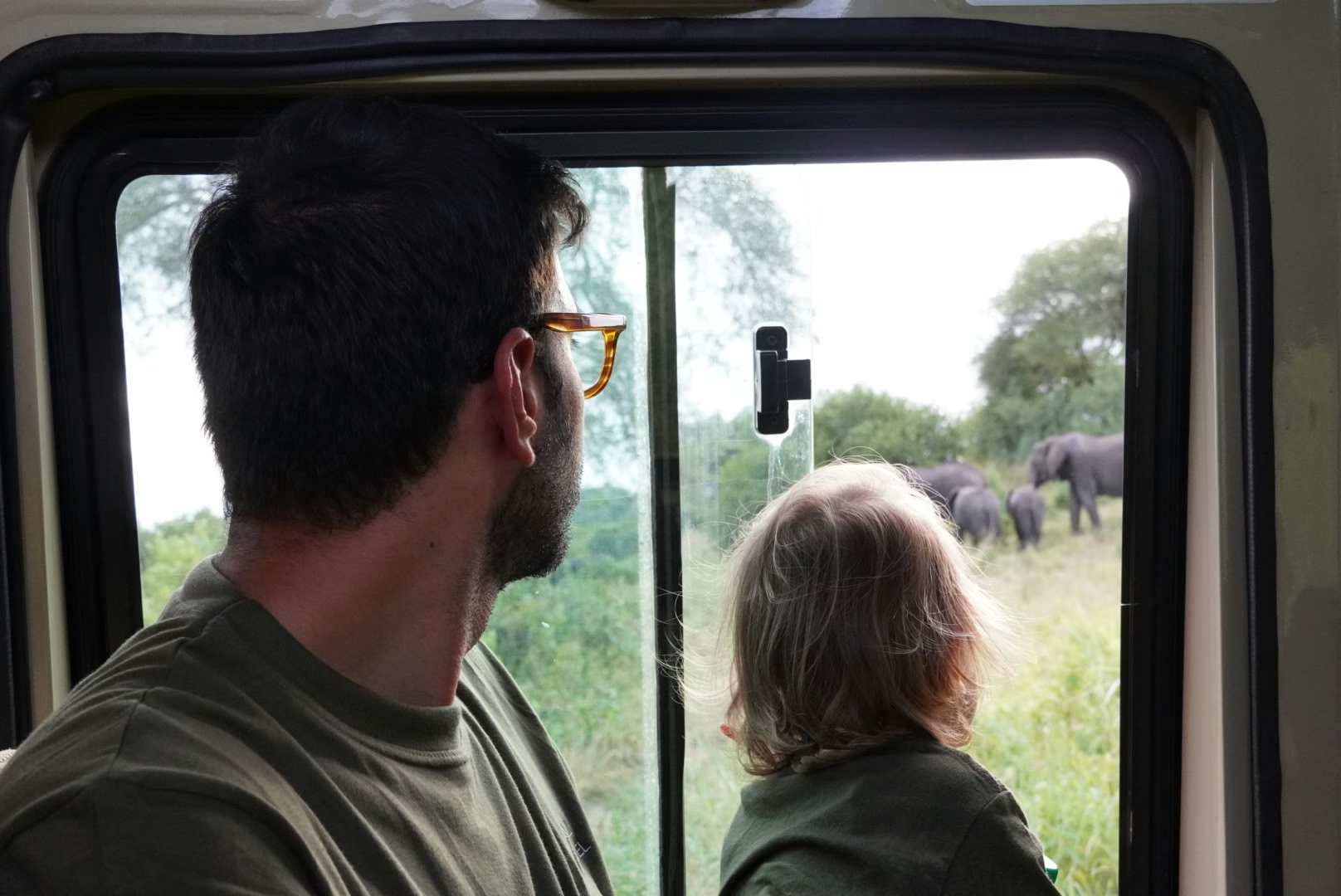
One mobile fieldIt is a high level camp that it movesseveral times a year to position yourself Where is the action. Al Serengeti (Tanzania), for example, there are mobile fields that The Great Migration Continuesto get closer to the parties (January, March in the South/NDutu) or the river crossings(July, October in the North/Mara). Serengeti Under Canvas(andBeyond) explains it as it is: “the camps move around the park to anticipate migration.”
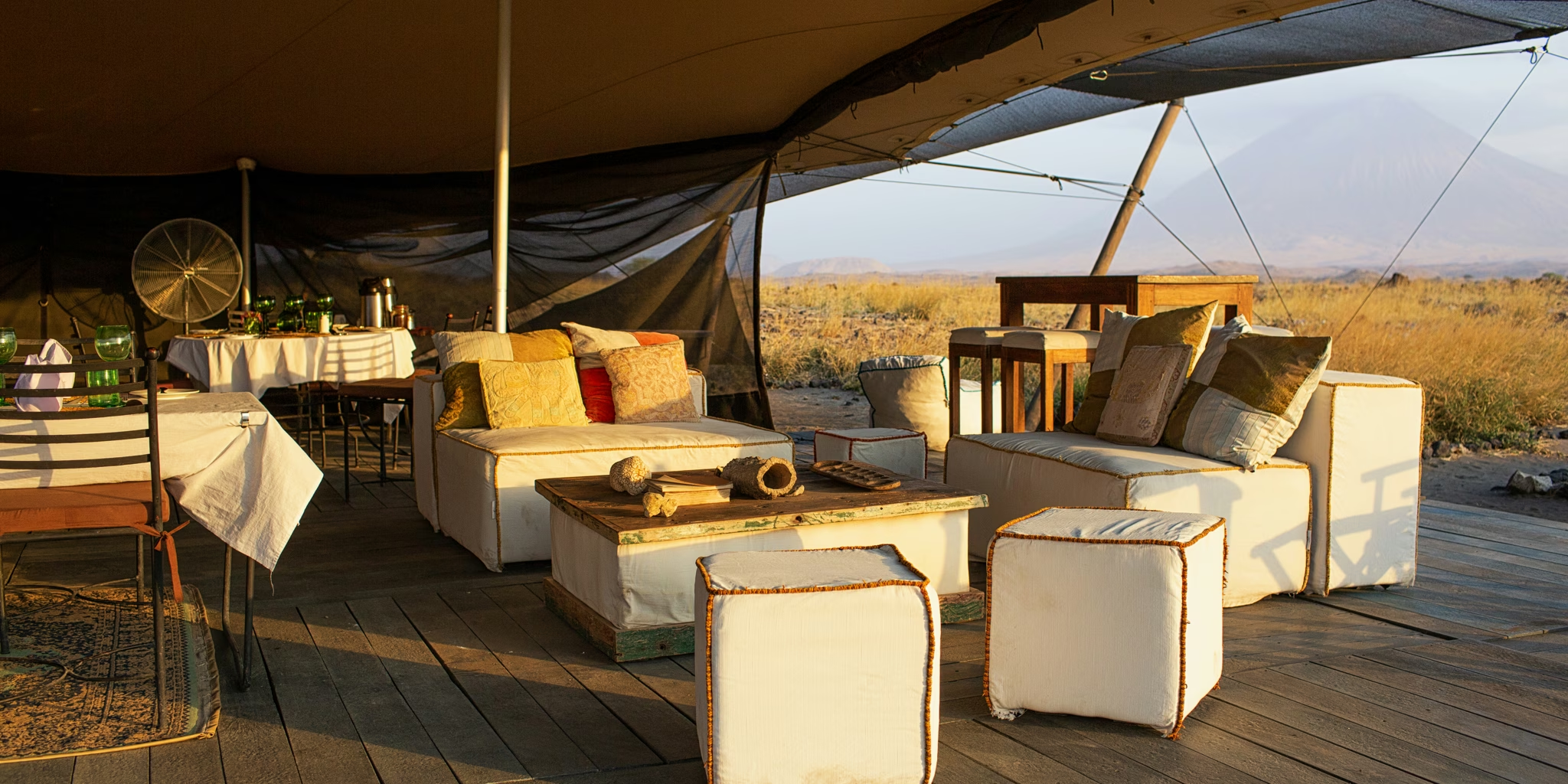
I and Botswana? The concept of mobile safariit is almost foundational: you have Meru type tents with en-suite bathroom, dining room under a tent, complete field equipment that you assemble and disassemble, and you just dedicate yourself to exploring. There are “expedition” versions and others ultra-comfortablewith table service and top wines.
Pros of the mobile field
- You are where he playsat every moment: less long transfers, more time in the heart of the action.
- Few shops, maximum exclusivityand very personal service.
- Feeling of “classic safari” without giving up comfort(hot showers, bed linen, gastronomy).
Cons
- Changing logistics: It's part of the charm, but it requires good planning.
- There is not always pool/spaas in some fixed lodges.
- Rates may be more expensive depending on the area (e.g. conservancies with conservation feesper person per night).
.jpg)
Fly-in safari (internal flights): when it suits
One fly-inis to move between camps by plane: you avoid track hours, you win aerial viewsbrutal and you come to private tracksclose to your accommodation. It is the natural ally of luxury safari. Operators and specialists define it the same: small planes that link airstrips inside parks and conservatories, sometimes with intermediate stops to drop-off/pick up travelers.
Luggage (very important):airplanes use small cellars and limit weight. A Kenya and Tanzania, the typical norm is 15kg per person in soft bag, includingcarry-on baggage (AirKenya, Safarilink, Coastal). A South Africaand Botswana, safari airlines com Federal Airo Mack Airusually allow 20 kgtotals in soft bag (often +5 kg hand in the case of FedAir).
Pro tips:
- Soft bagsduffel type (maximum measurements indicated by each airline). If you carry telephoto lenses, arrange them compact and consider XL seatif the route allows extra weight.
- Flights charteror extra places give flexibility on remote routes (Botswana/Okavango).
The best luxury safaris by destination (according to your profile)
Kenya: private/community Mara reserves (conservatories) and flights between ecosystems
For one Luxury safari in Kenya, the winning combo is Masai Mara Conservatives(Olare Motorogi, Mara North, Naboisho...) + fly-in. In these private areas it is allowed off trackand night safaris(according to local rules) and vehicles per sighting are limited; in addition, accommodations hold Community conservation modelswith nightly rates that fund mass landlords, rangers and local projects.
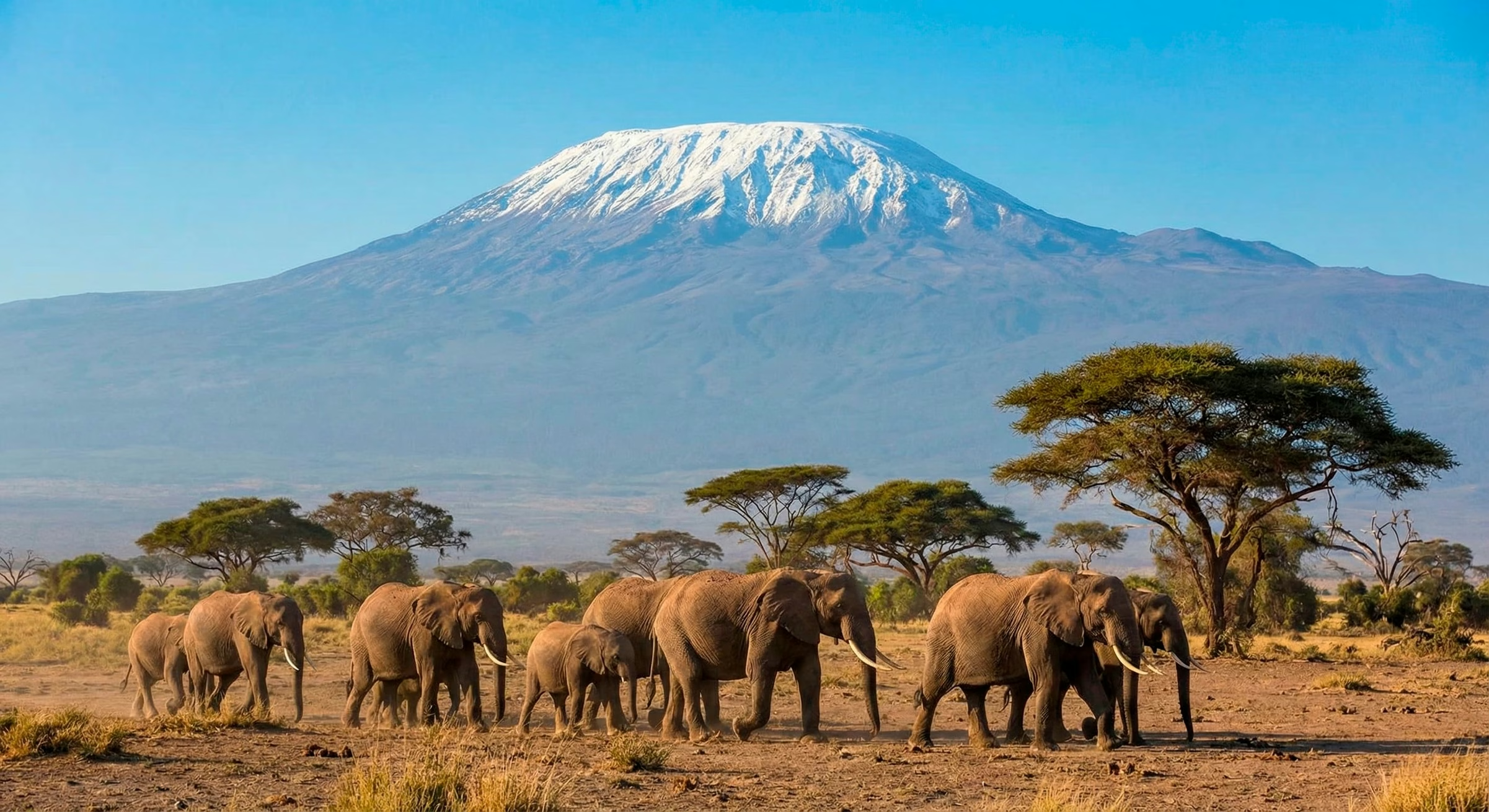
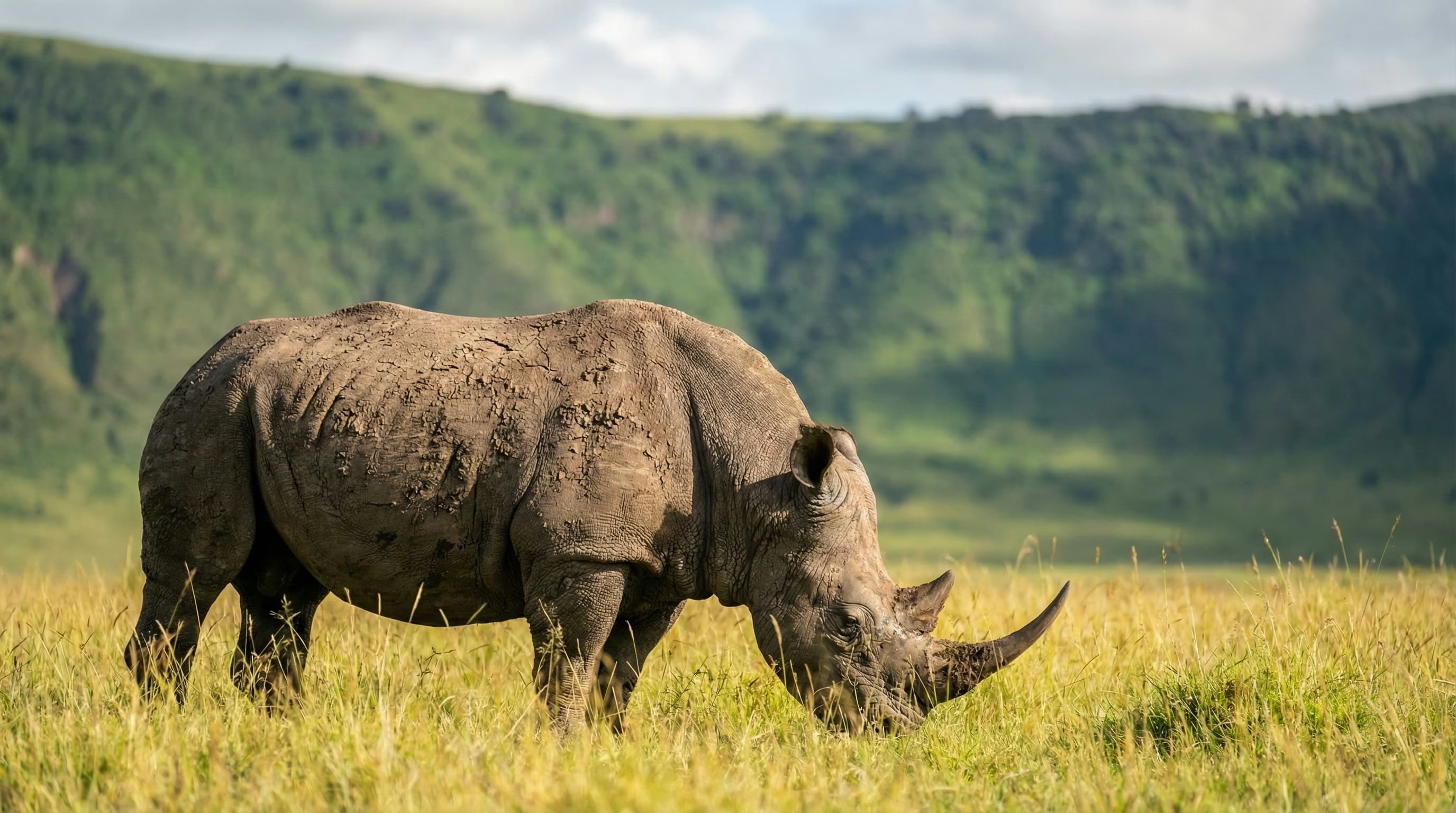
For photographers and couples:3, 4 nights a Olare Motorogio Mara Noord(low density, top predators), with internal flightfrom Wilson. If you want a variety of habitats, add Both(elephants with Kilimanjaro bottoms) or Holds(little by little safaris, rhinocerones). The conservancy feesThey are an additional cost, but they buy Real exclusivity(few beds, seats per sighting).
For families or first time:mix 2, 3 nights in conservancy + 2 nights in the Reserve (if you want the classic Mara River), always entering the park with authorized vehicles. Account: a la Mara Reservenight safaris and off-piste are not allowed; in conservatories they are (according to regulations).
Logistics: SafariLink/AirKenyaconnect Wilson with the main tracks of the Mara; 15 kgin a soft bag (20 kg in some coastal stretches).
Tanzania: mobile camps in the Serengeti + Ngorongoro
The luxury safari in Tanzaniashines with mobile fieldsto SerengetiFollowing the migration: January, March (Sud/NDutu, parts); July, October (North/Kogatende, Mara crossings); and intermediate periods in the center or west. Serengeti Under Canvasand Asilia mobiles are references for their seasonal mobilityand high level service.
Typical itinerary (7 to 9 nights):
- 1 night in Arushato rest.
- 3, 4 nights Serengetiin mobile field(area by month).
- 2 nights Ngorongoro(crater and rim walk).
- Optional: 2 nights Tarangire(baobabs and elephants) to contrast.
Key rules:in Tanzania's national parks forbids off-track(except for specific authorized areas). Plan the descents to the crater within the schedule and respect speed limits: the authorities sanction guides that do not comply.
Fly-in: Aviación de la costalinks Arusha, Manyara, Tarangire and the Serengeti slopes; 15 kgtotals in soft bag.
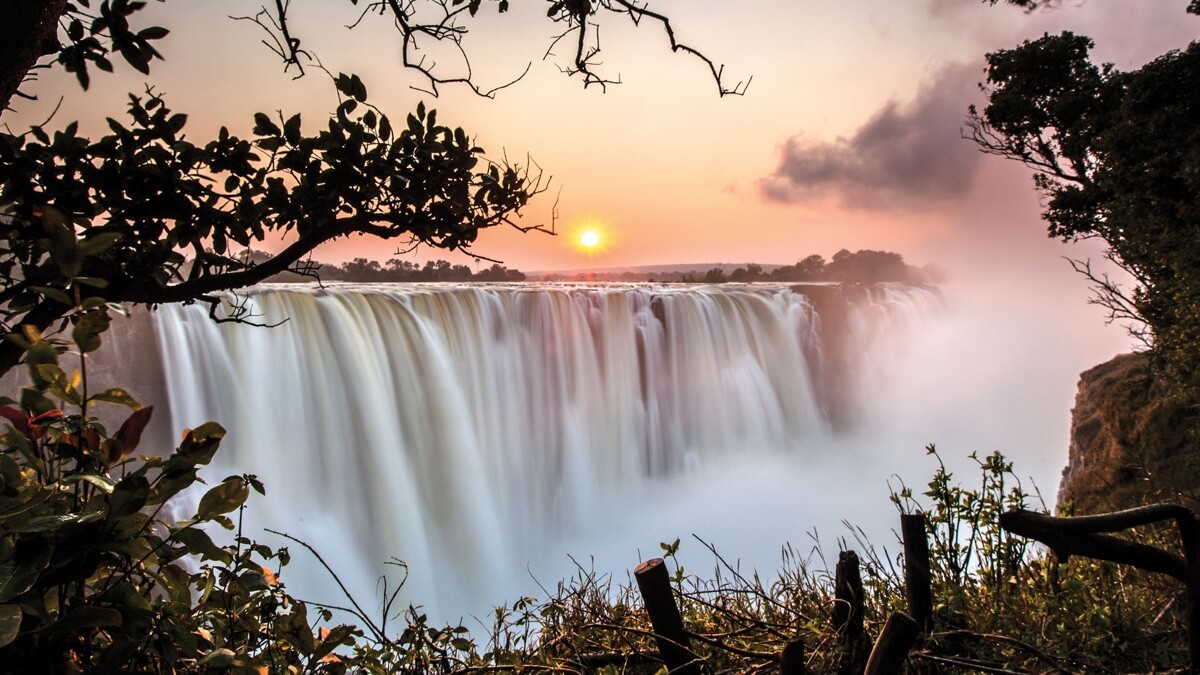
Explore Tanzania's Great Migration by air
Follow the wildebeest from the Serengeti plains to the Ngorongoro Crater on a curated fly-in itinerary designed by our specialists. 9 days, from 3.350 € per person. Tanzania - Crossroads of the Great Migration
Botswana: fly-in between Okavango and Savuti/Linyanti concessions
If you are looking for the vertex of luxury safari in africa, BotswanaIt's in the conversation: private concessionsof Okavango Deltaand Linyanti/Savuti, with fly-inbetween airstrips and varied experiences (wet, boats, walking safaris). The mobile safarisin Botswana they range from “expedition” proposals to very luxurious versionswith large tents, en suite bathroom and signature kitchen.
Logistics:bush airlines com Mack Airconnect Maun/Kasane with private concessions; 20 kgtotals in soft bag (strict measurements; hand 5 kg).
For whom:honeymoons and photographers they value extreme exclusivity, variety of aquatic activities and zero overcrowding.
South Africa: Sabi Sand and the Value of Tracking
A Sabi Sand(Greater Kruger) teams ranger + trackerOperate with off trackand night safarisby private concessions: you can follow the felines ethically and without haste, with quotas for each sighting. It is a classic of Luxury safari in South Africa, very solid in leopardand with high standard lodges. Federal Airfly to slopes in the area with 20 kgbaggage allowance (preferably soft bag).
For whom:Who wants a first experience very guarantor, with service and gastronomy of 10 and easy access from Johannesburg.
Mobile camp vs. fixed lodge vs. private villa (short comparison, in text)
- Mobile field (luxury under canvas):maximum contact with wildlife and best seasonal location. Ideal if your priority is be where everything happens. Less “resort” amenities, but highly personalized service.
- Lodge fix (5 ★):Spectacular architecture, spa/pool and resort services. Perfect to combine with mobile fieldif you want to swing comfort + action.
- Private villa:own staff, tailor-made schedules and exclusive vehicle. For families or groupswho seek total privacy (in conservatories it works very well).
Fly-in vs. road (when to choose each?)
- Fly-in:saves track hours, avoids bumps, maximizes safari timeand adds memorable aerial landscapes; fits when you link remote concessions(Okavango/Linyanti; North Serengeti). Requires baggage discipline.
- The road(by road): cheaper and more flexible if you do short distances(e.g. Tarangire, Ngorongoro, Manyara). In parks with off-track bando not lose experience to go in 4×4.
.jpg)
Costs and what a luxury safari includes (realistic expectations)
The figures vary by country, season and level of exclusivity, but a useful rule:
- Kenya (conservancies of the Mara):the conservation feeper person per night is added to the camp fee and funding communities and conservation; in return, you get low densityand activities such as nighttime and off-piste (according to rules).
- Botswana (Okavango):high logistics costs (boats, airplanes, private concessions); quality and exclusivity are noticeable (and paid for). Mack Airconnect parts efficiently.
- South Africa (Sabi Sand):wide range of lodges; off trackand night safarisincluded, easy access with Federal Air.
- Tanzania (Serengeti Mobile):premium rates for seasonal locationand logistics; great return in sightingsif it aligns with migration.
Luxury accommodations usually include: full board, local drinks (according to ownership), guided safaris(two daily departures), laundry and, in many fields, special activities(boat/mokoro, hikes). Always confirm which fees(park/conservancy) are included.
Checklist pro for a fly-in with mobile field
- Soft bag(duffel) inside 15 kgin East Africa/ 20 kgin Southern Africa (Botswana/South Africa). Cameras included in the total; see options XL seatif you wear a heavy telephoto lens.
- Capes- cool morning, hot noon. Neutral colors, cap and light windshield.
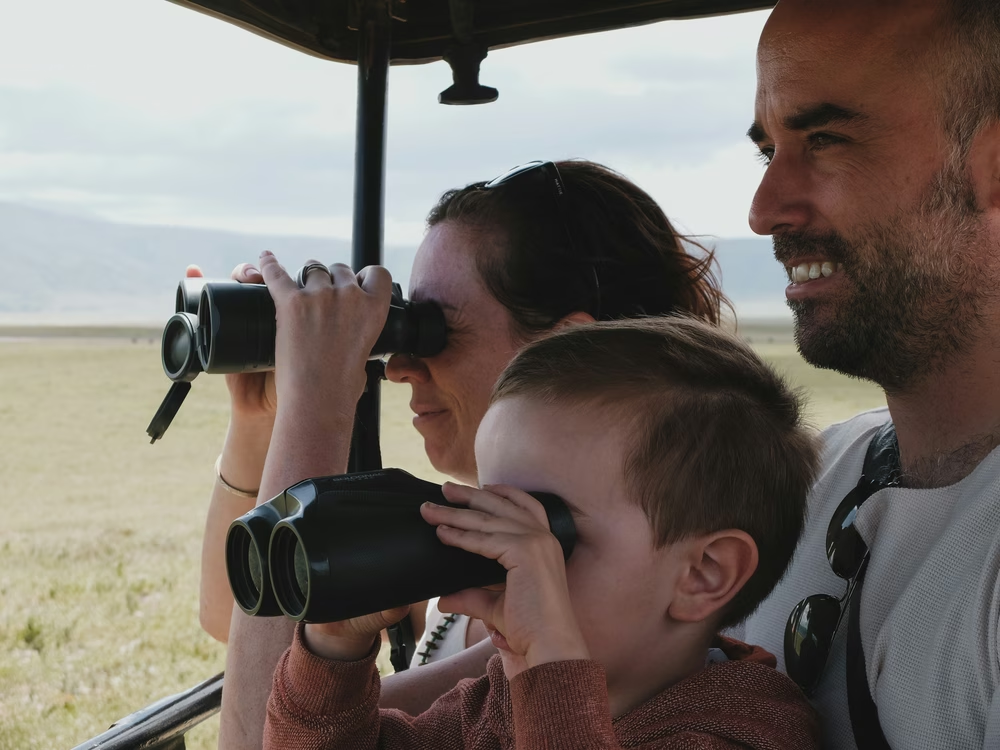
- Optics: binoculars 8×32/10×42; if you take pictures, 70, 200 mm + 300/400 mm.
- Batteriesand envelope cards; power bank.
- Insurance+ personal medication.
- Tippingorganized in envelopes (question on site for uses).
- Laundry- many fields include it; travels light.
Frequently asked questions about a luxury safari
What is the difference between a “luxury organized safari” and a standard one?
In the luxury safaripredominate private concessionsand/or conservativeswith off track, night safarisand Vehicle limits per sighting; in addition, fewer rooms per property and guides of the highest level. In national parks, the rules of use are more restrictive (e.g. no off-trackin the Serengeti).
When to choose mobile camp and when fixed lodge?
If your trip revolves around the Great Migrationor from a very seasonal area (north/south Serengeti; Grumeti corridor), the mobile fieldand posed to the exact place. If you prioritize spa, pool and architectural “hardware”, a lodge fix(or combine both) will fit you better.
Can I carry heavy photographic equipment with limits of 15 to 20 kg?
Yes, but organize the team in soft bagand assumes that counts within the total. Some airlines allow you to buy additional seator classes with larger franchise; in Botswana/South Africa the 20 kg ruleis common; in Kenya/Tanzania, 15 kg.
Are there night safaris in Kenya or South Africa?
To the conservancies of the Mara(Kenya) and a Sabi Sand(South Africa) yes they are allowed night safaris, with regulations and quotas; in national parks such as Mara Reserveo KrugerThe rules are more restrictive.
Why are conservatories more expensive?
Because they incorporate conservation feesper person per night that fund local communities, rangers and projects; in return, you get exclusivity(less vehicles and beds) and activities that are not allowed in national parks.
Conclusion
One Luxury safari in AfricaWell designed is one perfect choreographybetween locations, mobility and quality time with wildlife. Mobile fieldsto be where it touches; fly-inso as not to lose track hours; conservativesto see without crowds. A Trio TravelLet's set up your itinerary tailored(Kenya, Tanzania, Botswana, South Africa), with the luxury leveland rhythmthat they fit you.
Do we see it together? Order your personalized itinerary and we will design it for you in 24 to 48 hours.
Ready to plan your luxury safari?
From mobile camps in the Serengeti to fly-in concessions in Kenya, our team will build your perfect itinerary in 24 to 48 hours. Tanzania
| Best mobile camp season (Serengeti North) | July to October (Mara river crossings) |
| Luggage limit: East Africa flights | 15 kg total per person in a soft bag |
| Luggage limit: Botswana/South Africa flights | 20 kg total per person in a soft bag |
| Night safaris allowed | Masai Mara conservancies (Kenya) and Sabi Sand (South Africa) |
| Off-track driving allowed | Private conservancies and concessions; prohibited in most national parks |
| Typical luxury itinerary length | 7 to 9 nights |
| Key fly-in hubs | Wilson Airport (Nairobi), Maun (Botswana), Arusha (Tanzania) |
If you think of one luxury safarireally, impeccable service, exclusive locations and zero hurry, two words command: mobile fieldand fly-in(internal flights). In this guide I explain what each thing is, when it is appropriate, how they are combined in Kenya, Tanzania, Botswanaand South Africa, and what you have to take into account (luggage, community reservations, activities) so that your Luxury safari in Africacome out round. In the end you have FAQ, checklist and a closing paragraph. And if you want us to design it with you, Trio Travelwe organize a safari with luxury accommodationstailor-made.
What is a luxury safari today (and what is not)
“Luxury” no longer means just a beautiful suite. In safari, the real value is whitherYou can move and suchlikeWildlife around your vehicle is managed. That is why the conservatives(private/community reservations) are the basis of the Luxury safari in Africa: usually limit vehicles per sighting, allow off track(where applicable) and night safaris, and maintain a low density of beds per kilometer. Real example: a Mara North Conservancy(Kenya) governs the rule of maximum 5 vehicles per sightingand mandatory rotation; this translates into quiet sightings and clean photos.
In South Africa, Sabi Sand(bordering Kruger) allows off trackand night safaris, something that in national parks is usually prohibited. The result: closer encounters (always ethical) and the possibility of seeing nocturnal fauna.
Mobile camps: luxury that moves with wildlife
One mobile fieldIt is a high level camp that it movesseveral times a year to position yourself Where is the action. Al Serengeti (Tanzania), for example, there are mobile fields that The Great Migration Continuesto get closer to the parties (January, March in the South/NDutu) or the river crossings(July, October in the North/Mara). Serengeti Under Canvas(andBeyond) explains it as it is: “the camps move around the park to anticipate migration.”
I and Botswana? The concept of mobile safariit is almost foundational: you have Meru type tents with en-suite bathroom, dining room under a tent, complete field equipment that you assemble and disassemble, and you just dedicate yourself to exploring. There are “expedition” versions and others ultra-comfortablewith table service and top wines.
Pros of the mobile field
- You are where he playsat every moment: less long transfers, more time in the heart of the action.
- Few shops, maximum exclusivityand very personal service.
- Feeling of “classic safari” without giving up comfort(hot showers, bed linen, gastronomy).
Cons
- Changing logistics: It's part of the charm, but it requires good planning.
- There is not always pool/spaas in some fixed lodges.
- Rates may be more expensive depending on the area (e.g. conservancies with conservation feesper person per night).
Fly-in safari (internal flights): when it suits
One fly-inis to move between camps by plane: you avoid track hours, you win aerial viewsbrutal and you come to private tracksclose to your accommodation. It is the natural ally of luxury safari. Operators and specialists define it the same: small planes that link airstrips inside parks and conservatories, sometimes with intermediate stops to drop-off/pick up travelers.
Luggage (very important):airplanes use small cellars and limit weight. A Kenya and Tanzania, the typical norm is 15kg per person in soft bag, includingcarry-on baggage (AirKenya, Safarilink, Coastal). A South Africaand Botswana, safari airlines com Federal Airo Mack Airusually allow 20 kgtotals in soft bag (often +5 kg hand in the case of FedAir).
Pro tips:
- Soft bagsduffel type (maximum measurements indicated by each airline). If you carry telephoto lenses, arrange them compact and consider XL seatif the route allows extra weight.
- Flights charteror extra places give flexibility on remote routes (Botswana/Okavango).
The best luxury safaris by destination (according to your profile)
Kenya: private/community Mara reserves (conservatories) and flights between ecosystems
For one Luxury safari in Kenya, the winning combo is Masai Mara Conservatives(Olare Motorogi, Mara North, Naboisho...) + fly-in. In these private areas it is allowed off trackand night safaris(according to local rules) and vehicles per sighting are limited; in addition, accommodations hold Community conservation modelswith nightly rates that fund mass landlords, rangers and local projects.
For photographers and couples:3, 4 nights a Olare Motorogio Mara Noord(low density, top predators), with internal flightfrom Wilson. If you want a variety of habitats, add Both(elephants with Kilimanjaro bottoms) or Holds(little by little safaris, rhinocerones). The conservancy feesThey are an additional cost, but they buy Real exclusivity(few beds, seats per sighting).
For families or first time:mix 2, 3 nights in conservancy + 2 nights in the Reserve (if you want the classic Mara River), always entering the park with authorized vehicles. Account: a la Mara Reservenight safaris and off-piste are not allowed; in conservatories they are (according to regulations).
Logistics: SafariLink/AirKenyaconnect Wilson with the main tracks of the Mara; 15 kgin a soft bag (20 kg in some coastal stretches).
Tanzania: mobile camps in the Serengeti + Ngorongoro
The luxury safari in Tanzaniashines with mobile fieldsto SerengetiFollowing the migration: January, March (Sud/NDutu, parts); July, October (North/Kogatende, Mara crossings); and intermediate periods in the center or west. Serengeti Under Canvasand Asilia mobiles are references for their seasonal mobilityand high level service.
Typical itinerary (7 to 9 nights):
- 1 night in Arushato rest.
- 3, 4 nights Serengetiin mobile field(area by month).
- 2 nights Ngorongoro(crater and rim walk).
- Optional: 2 nights Tarangire(baobabs and elephants) to contrast.
Key rules:in Tanzania's national parks forbids off-track(except for specific authorized areas). Plan the descents to the crater within the schedule and respect speed limits: the authorities sanction guides that do not comply.
Fly-in: Aviación de la costalinks Arusha, Manyara, Tarangire and the Serengeti slopes; 15 kgtotals in soft bag.
Explore Tanzania's Great Migration by air
Follow the wildebeest from the Serengeti plains to the Ngorongoro Crater on a curated fly-in itinerary designed by our specialists. 9 days, from 3.350 € per person. Tanzania - Crossroads of the Great Migration
Botswana: fly-in between Okavango and Savuti/Linyanti concessions
If you are looking for the vertex of luxury safari in africa, BotswanaIt's in the conversation: private concessionsof Okavango Deltaand Linyanti/Savuti, with fly-inbetween airstrips and varied experiences (wet, boats, walking safaris). The mobile safarisin Botswana they range from “expedition” proposals to very luxurious versionswith large tents, en suite bathroom and signature kitchen.
Logistics:bush airlines com Mack Airconnect Maun/Kasane with private concessions; 20 kgtotals in soft bag (strict measurements; hand 5 kg).
For whom:honeymoons and photographers they value extreme exclusivity, variety of aquatic activities and zero overcrowding.
South Africa: Sabi Sand and the Value of Tracking
A Sabi Sand(Greater Kruger) teams ranger + trackerOperate with off trackand night safarisby private concessions: you can follow the felines ethically and without haste, with quotas for each sighting. It is a classic of Luxury safari in South Africa, very solid in leopardand with high standard lodges. Federal Airfly to slopes in the area with 20 kgbaggage allowance (preferably soft bag).
For whom:Who wants a first experience very guarantor, with service and gastronomy of 10 and easy access from Johannesburg.
Mobile camp vs. fixed lodge vs. private villa (short comparison, in text)
- Mobile field (luxury under canvas):maximum contact with wildlife and best seasonal location. Ideal if your priority is be where everything happens. Less “resort” amenities, but highly personalized service.
- Lodge fix (5 ★):Spectacular architecture, spa/pool and resort services. Perfect to combine with mobile fieldif you want to swing comfort + action.
- Private villa:own staff, tailor-made schedules and exclusive vehicle. For families or groupswho seek total privacy (in conservatories it works very well).
Fly-in vs. road (when to choose each?)
- Fly-in:saves track hours, avoids bumps, maximizes safari timeand adds memorable aerial landscapes; fits when you link remote concessions(Okavango/Linyanti; North Serengeti). Requires baggage discipline.
- The road(by road): cheaper and more flexible if you do short distances(e.g. Tarangire, Ngorongoro, Manyara). In parks with off-track bando not lose experience to go in 4×4.
Costs and what a luxury safari includes (realistic expectations)
The figures vary by country, season and level of exclusivity, but a useful rule:
- Kenya (conservancies of the Mara):the conservation feeper person per night is added to the camp fee and funding communities and conservation; in return, you get low densityand activities such as nighttime and off-piste (according to rules).
- Botswana (Okavango):high logistics costs (boats, airplanes, private concessions); quality and exclusivity are noticeable (and paid for). Mack Airconnect parts efficiently.
- South Africa (Sabi Sand):wide range of lodges; off trackand night safarisincluded, easy access with Federal Air.
- Tanzania (Serengeti Mobile):premium rates for seasonal locationand logistics; great return in sightingsif it aligns with migration.
Luxury accommodations usually include: full board, local drinks (according to ownership), guided safaris(two daily departures), laundry and, in many fields, special activities(boat/mokoro, hikes). Always confirm which fees(park/conservancy) are included.
Checklist pro for a fly-in with mobile field
- Soft bag(duffel) inside 15 kgin East Africa/ 20 kgin Southern Africa (Botswana/South Africa). Cameras included in the total; see options XL seatif you wear a heavy telephoto lens.
- Capes- cool morning, hot noon. Neutral colors, cap and light windshield.
- Optics: binoculars 8×32/10×42; if you take pictures, 70, 200 mm + 300/400 mm.
- Batteriesand envelope cards; power bank.
- Insurance+ personal medication.
- Tippingorganized in envelopes (question on site for uses).
- Laundry- many fields include it; travels light.
Frequently asked questions about a luxury safari
What is the difference between a “luxury organized safari” and a standard one?
In the luxury safaripredominate private concessionsand/or conservativeswith off track, night safarisand Vehicle limits per sighting; in addition, fewer rooms per property and guides of the highest level. In national parks, the rules of use are more restrictive (e.g. no off-trackin the Serengeti).
When to choose mobile camp and when fixed lodge?
If your trip revolves around the Great Migrationor from a very seasonal area (north/south Serengeti; Grumeti corridor), the mobile fieldand posed to the exact place. If you prioritize spa, pool and architectural “hardware”, a lodge fix(or combine both) will fit you better.
Can I carry heavy photographic equipment with limits of 15 to 20 kg?
Yes, but organize the team in soft bagand assumes that counts within the total. Some airlines allow you to buy additional seator classes with larger franchise; in Botswana/South Africa the 20 kg ruleis common; in Kenya/Tanzania, 15 kg.
Are there night safaris in Kenya or South Africa?
To the conservancies of the Mara(Kenya) and a Sabi Sand(South Africa) yes they are allowed night safaris, with regulations and quotas; in national parks such as Mara Reserveo KrugerThe rules are more restrictive.
Why are conservatories more expensive?
Because they incorporate conservation feesper person per night that fund local communities, rangers and projects; in return, you get exclusivity(less vehicles and beds) and activities that are not allowed in national parks.
Conclusion
One Luxury safari in AfricaWell designed is one perfect choreographybetween locations, mobility and quality time with wildlife. Mobile fieldsto be where it touches; fly-inso as not to lose track hours; conservativesto see without crowds. A Trio TravelLet's set up your itinerary tailored(Kenya, Tanzania, Botswana, South Africa), with the luxury leveland rhythmthat they fit you.
Do we see it together? Order your personalized itinerary and we will design it for you in 24 to 48 hours.
Ready to plan your luxury safari?
From mobile camps in the Serengeti to fly-in concessions in Kenya, our team will build your perfect itinerary in 24 to 48 hours. Tanzania





.avif)



.avif)

.avif)

.jpeg)




.png)