







Zanzibar is far more than a beach stop. Stone Town's alleyways, snorkelling around Mnemba atoll, the endemic red colobus in Jozani Forest and sunset dhow cruises. Four to seven days is enough to cover it. Here is our field-tested list, we take travellers there from Barcelona every season.
How many days do you need in Zanzibar?
Four to seven days is enough to see the essentials of Zanzibar without rushing. With 4-5 days you can split your time between Stone Town and one beach area; with 6-7 you can add Jozani Forest, a boat trip and the east coast.
Leave room in the plan for the food: local cooking blends African, Arab and Indian flavours, and dinner by the water is the norm, not the exception. If you want a day-by-day itinerary sorted for you, we can build your Zanzibar trip to measure.
When is the best time to visit Zanzibar?
The best time to visit Zanzibar is June to October, during the dry season; January and February also work very well. Clear skies mean beach days, snorkelling and diving without watching the forecast, and those are the same months that suit a safari on the mainland.
January and February bring fewer crowds and only short showers. The months to avoid run from March to May: that is the long rainy season, and many outdoor plans fall apart. For the full picture of the seasons, read our guide to the climate in Tanzania.
One note before you start: the island lives off tourism, and it deserves visitors who tread lightly. Here is how to practise responsible tourism in Tanzania.
What are the 15 experiences worth doing in Zanzibar?
These: Stone Town, the Old Fort, Changuu Island, the Nakupenda sandbank, Jozani Forest, the best beaches, Mnemba, street food at Forodhani, Jambiani, sailing a dhow, the Nungwi lighthouse, The Rock, kitesurfing in Paje, Kuza Cave and swimming with turtles at Mnarani. Here they are, one by one.
1. Get lost in the streets of Stone Town
Stone Town is the soul of the island: a maze of narrow streets where Arab, Persian, Indian and European influences meet. You will pass old colonial buildings, the famous carved wooden doors and markets that smell of spices at every hour.
Do not miss the Forodhani Gardens or the House of Wonders. The best plan is the simplest: walk without a map, talk to people and let the city surprise you corner by corner.

2. Step back in time at the Old Fort
The Old Fort was built by the Omanis in the 17th century on the remains of a Portuguese fortress, and its coral walls have seen centuries of battle and trade. Today it is a living cultural centre with music, dance and local crafts, right beside the ocean.
3. Visit Changuu Island (Prison Island)
A few kilometres off Stone Town, Changuu was used in the 19th century as a prison for rebellious slaves, before the slave trade was abolished. Today it is best known for its colony of giant tortoises. The visit combines easily with Nakupenda as a half-day trip from the harbour.
4. Sunbathe on the Nakupenda sandbank
Nakupenda means "I love you" in Swahili, and the name fits: a strip of white sand in the middle of turquoise water, with no shade, no bars, no buildings. Just you, the sea and, on the full trip, a seafood lunch cooked right there.
5. Walk into Jozani Forest
Jozani is the largest tropical forest on the island and home to the Zanzibar red colobus, an endangered endemic monkey you will see nowhere else. Trails wind through mangroves and centuries-old trees, and the monkeys are so used to visitors that they often sit a few metres away.
6. Relax on the best beaches in Zanzibar
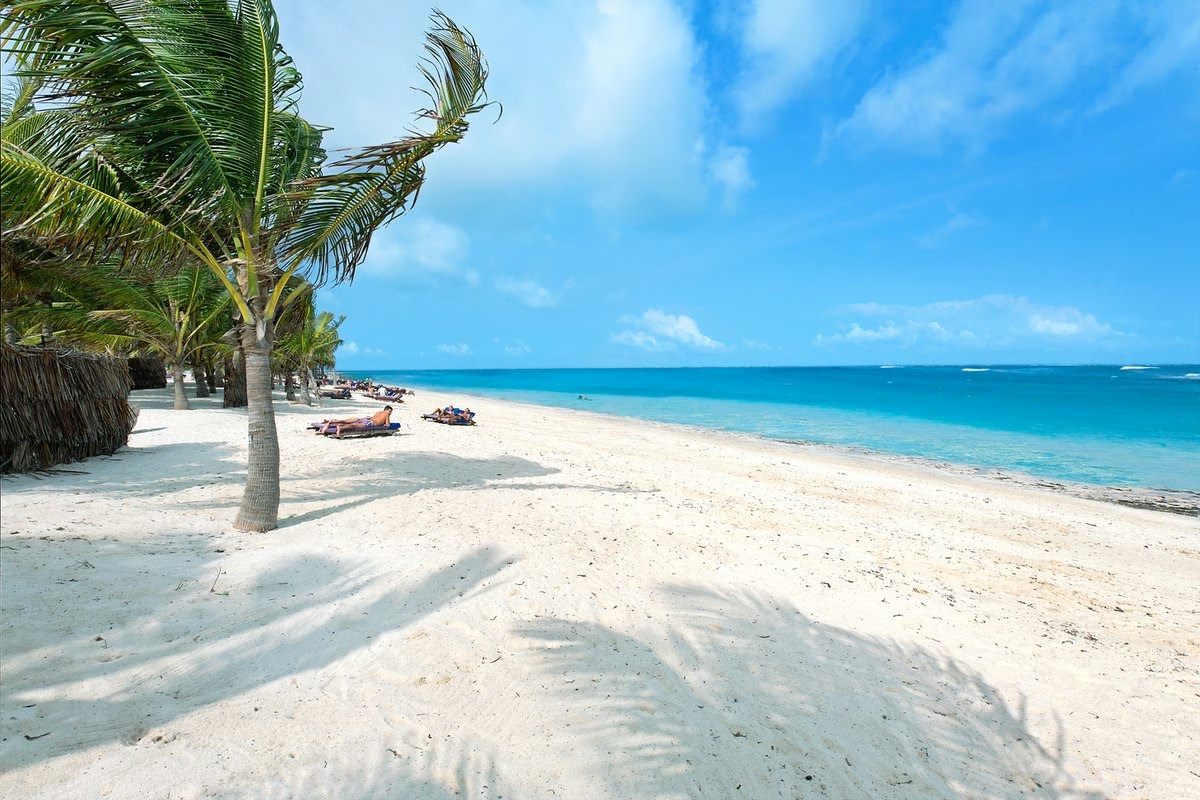
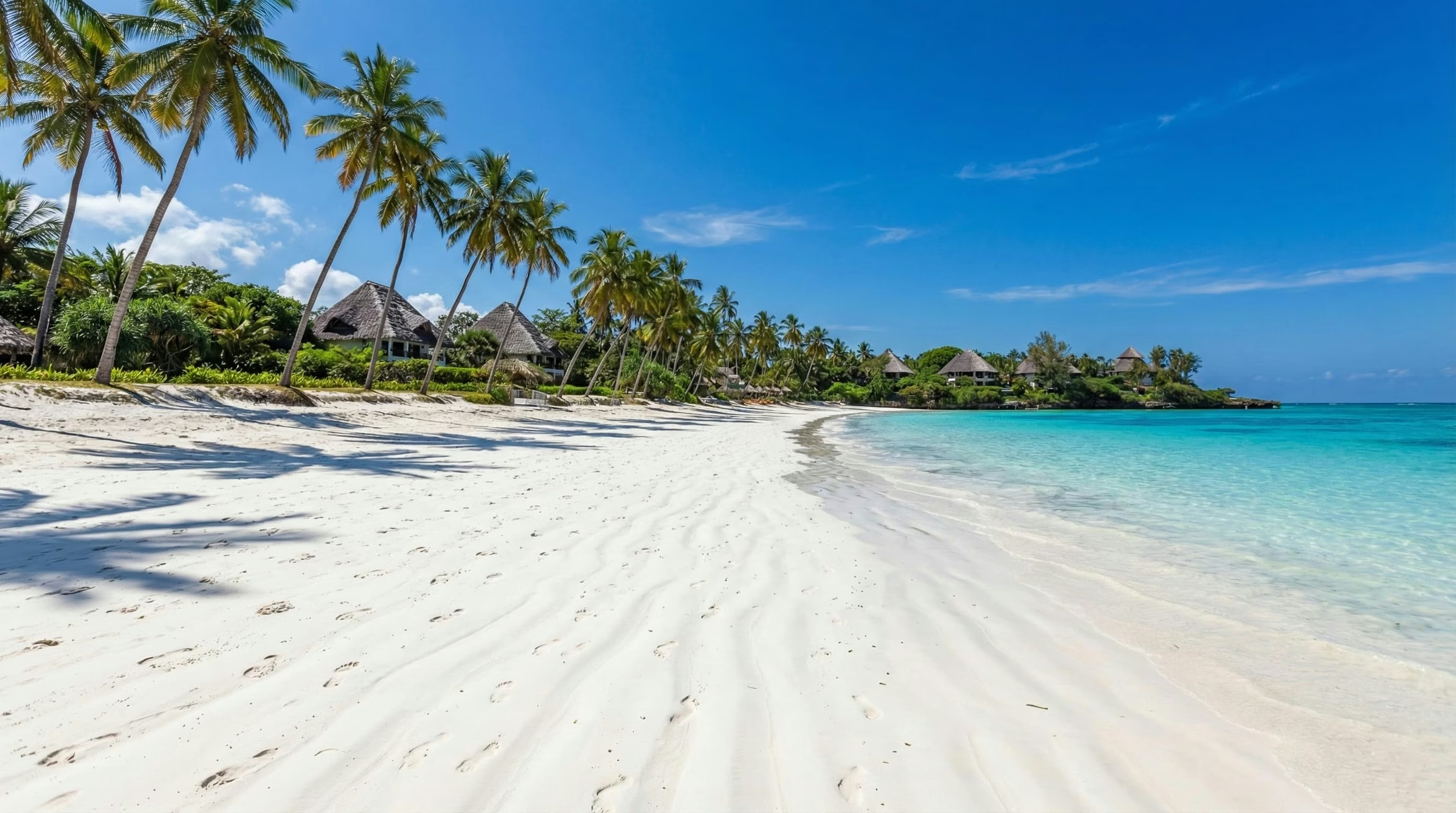
Every beach has its own character, and choosing well saves you surprises with the tides, which are dramatic on the east coast. Our favourites:
- Nungwi: coastal life, water sports and swimming at any tide.
- Kendwa: a relaxed scene and front-row sunsets.
- Matemwe: quiet and natural, directly opposite Mnemba.
- Kae: a low-key refuge for peace and privacy.
- Paje: the meeting point for kitesurfing and windsurfing.
- Mnemba: transparent water for snorkelling and diving.
Ready to explore Zanzibar as part of a Tanzania safari?
We combine island time with the best of the Tanzanian bush, all planned for you from start to finish. 9 days, from 3.931 € per person. Tanzania - Kilimanjaro Machame
7. Snorkel or dive at Mnemba Island
Mnemba atoll is the best snorkelling and diving spot in Zanzibar: coral reefs full of tropical fish, starfish and sea turtles. With luck, dolphins show up on the way out. Boats leave every morning from Matemwe and Nungwi.
8. Eat street food at the Forodhani Gardens
When the sun drops, the Forodhani Gardens in the heart of Stone Town turn into an open-air food market: fresh seafood, shawarma, samosas and the famous "Zanzibar pizza", all cooked to order in front of you. Go hungry and unhurried, the sunset from the seafront is part of the meal.
9. Stroll along Jambiani Beach
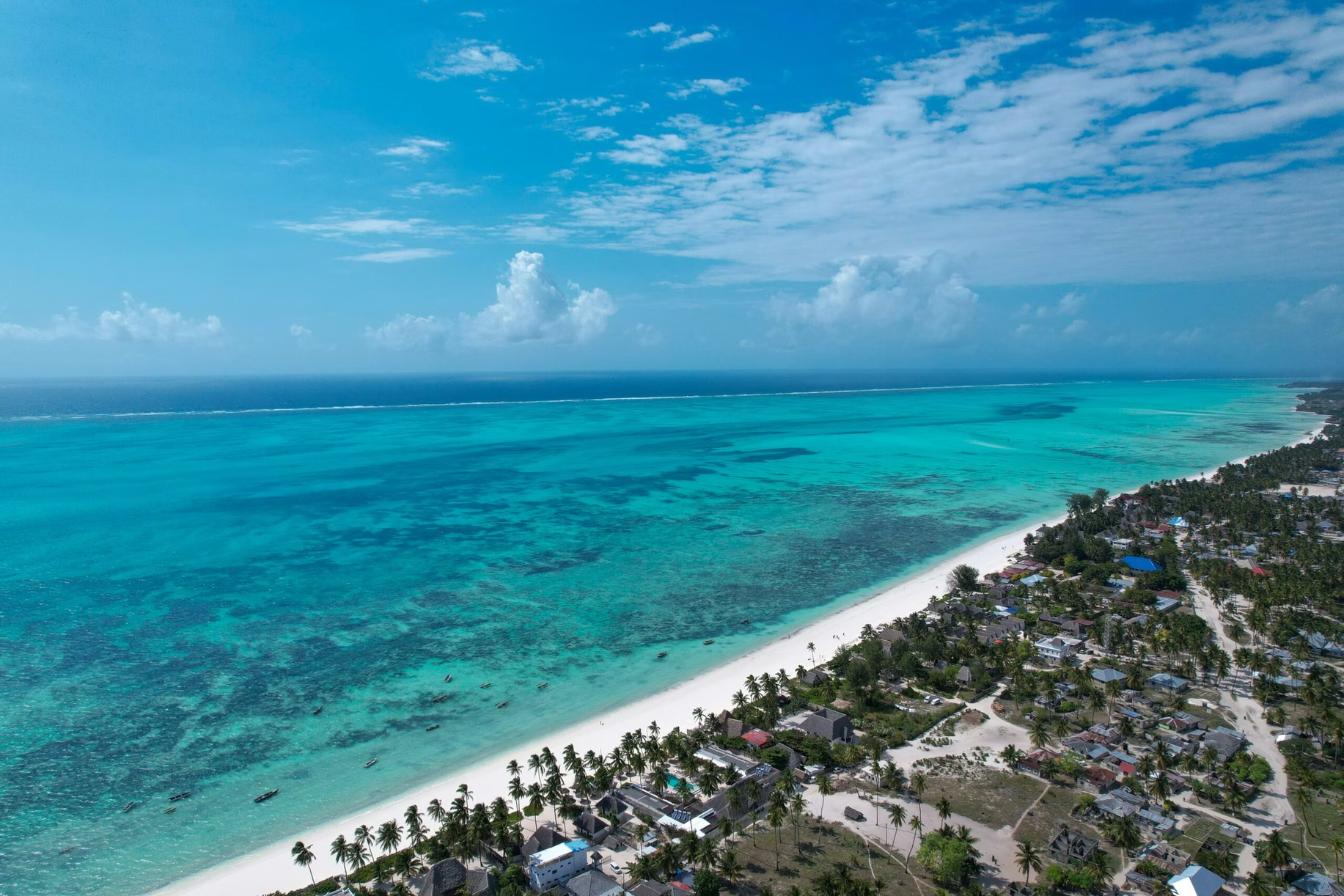
Jambiani, on the east coast, is the perfect walking beach: firm sand, few people and tides that pull back to reveal sandbanks and natural pools. It is also one of the best places to see local life up close, between seaweed farms and beached fishing boats.
10. Sail on a traditional dhow
The dhow is the wooden sailing boat that has connected Zanzibar to the sea for centuries. Stepping aboard is a shortcut to understanding the island: sailing under wind power, fishing techniques passed from parent to child and, with luck, dolphins in the wake. The sunset version is the one we recommend to every couple.
11. Find the Nungwi lighthouse
At the northern tip of the island, the Nungwi lighthouse has guided sailors for over a century. The village is Zanzibar's great dhow workshop: you can still watch master boatbuilders shaping the wood by hand, right on the beach.
12. Photograph The Rock
The Rock is probably the most photographed restaurant in the Indian Ocean: a small house perched on a boulder in the sea. At low tide you walk there; at high tide, you go by boat. Whether you eat or just stop for the photo, the detour earns its place.
13. Kitesurf in Paje
Paje has what every kiter looks for: steady wind, a wide flat-water lagoon and schools for all levels. If you have never tried it, this is an especially easy place to learn; if you already ride, you will want a full week.
14. Swim in the blue lake of Kuza Cave
Kuza Cave is a limestone cave with a deep-blue freshwater lake inside, fed by underground streams. The water is cool and clear, and the site is run by the local community, which also hosts Swahili music and culture workshops.

15. Swim with turtles at Mnarani
The Mnarani Marine Turtle Conservation pond in Nungwi rescues sea turtles injured or caught in nets and returns them to the ocean. You can swim in a natural pool with the turtles in rehabilitation and learn how the project works. It is a short visit that helps fund conservation.
Can you combine Zanzibar with a safari in Tanzania?
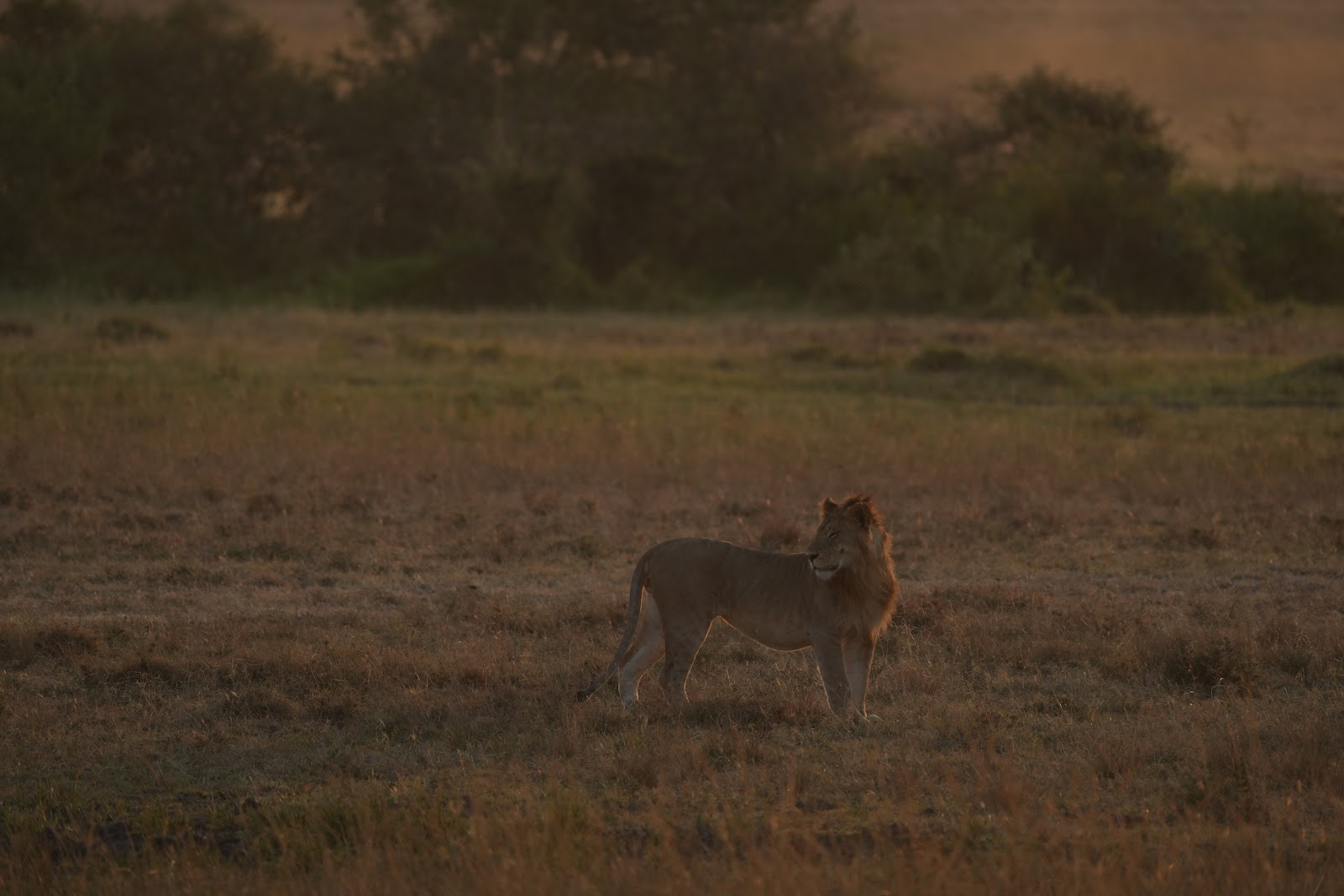
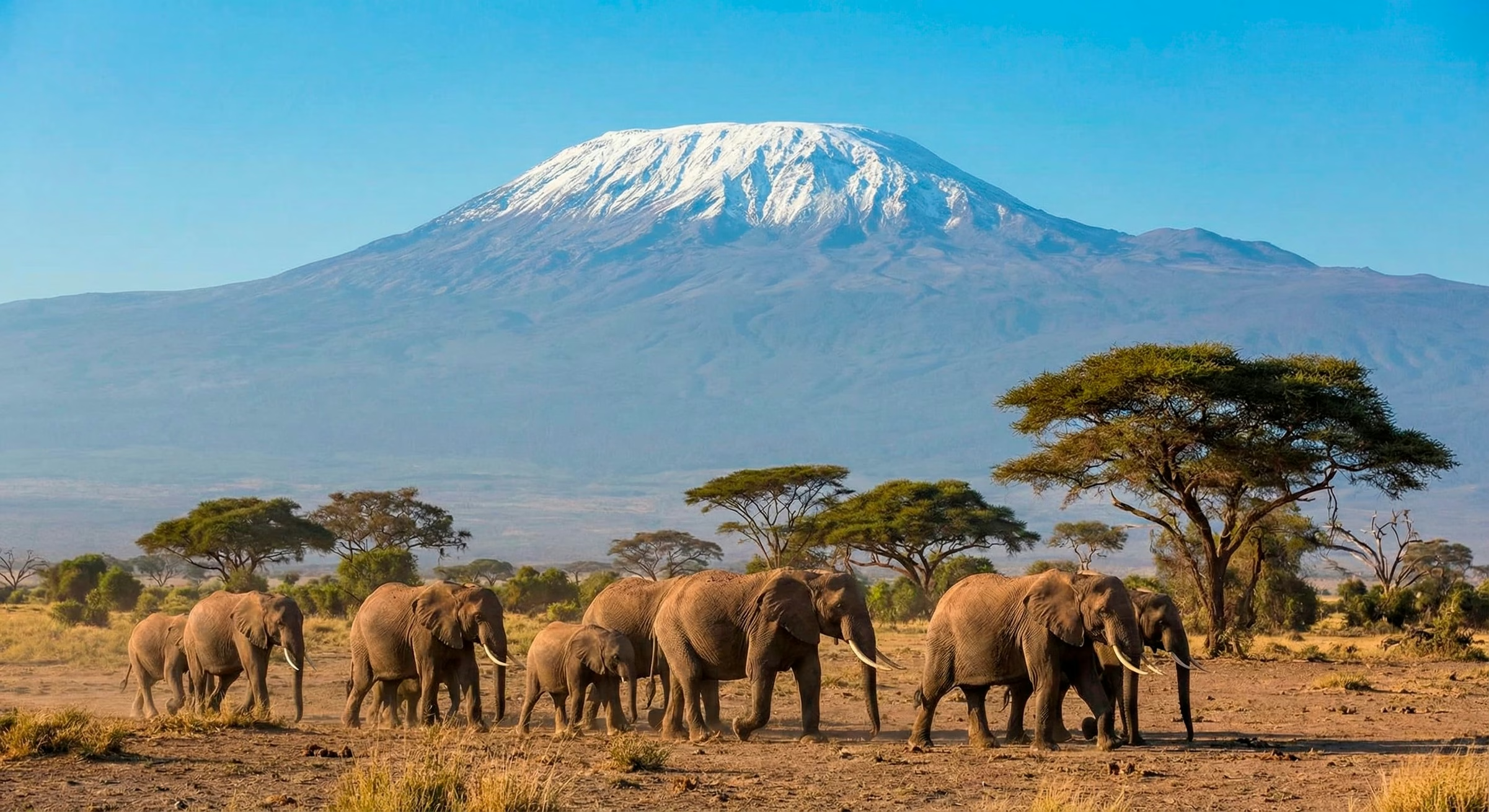
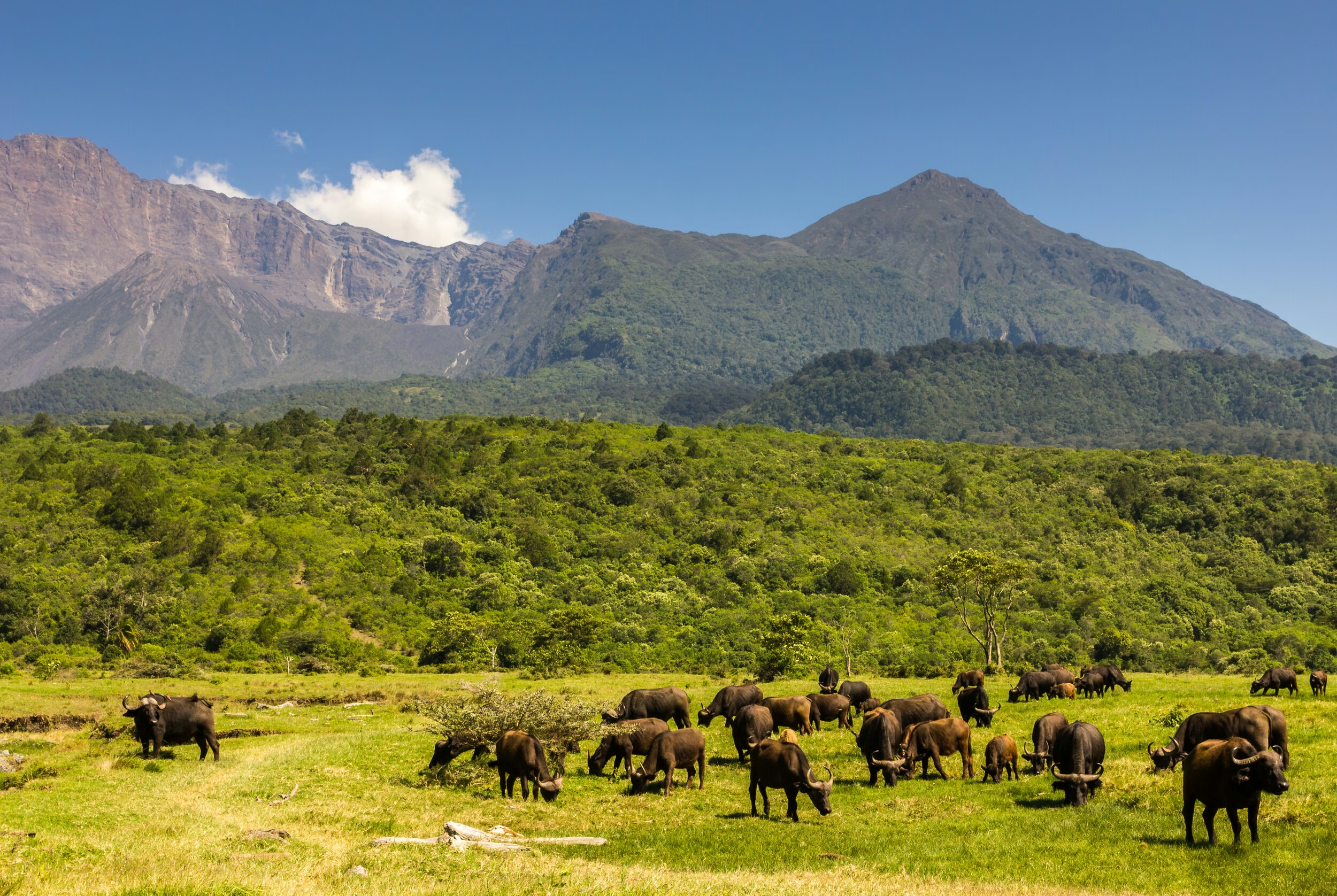
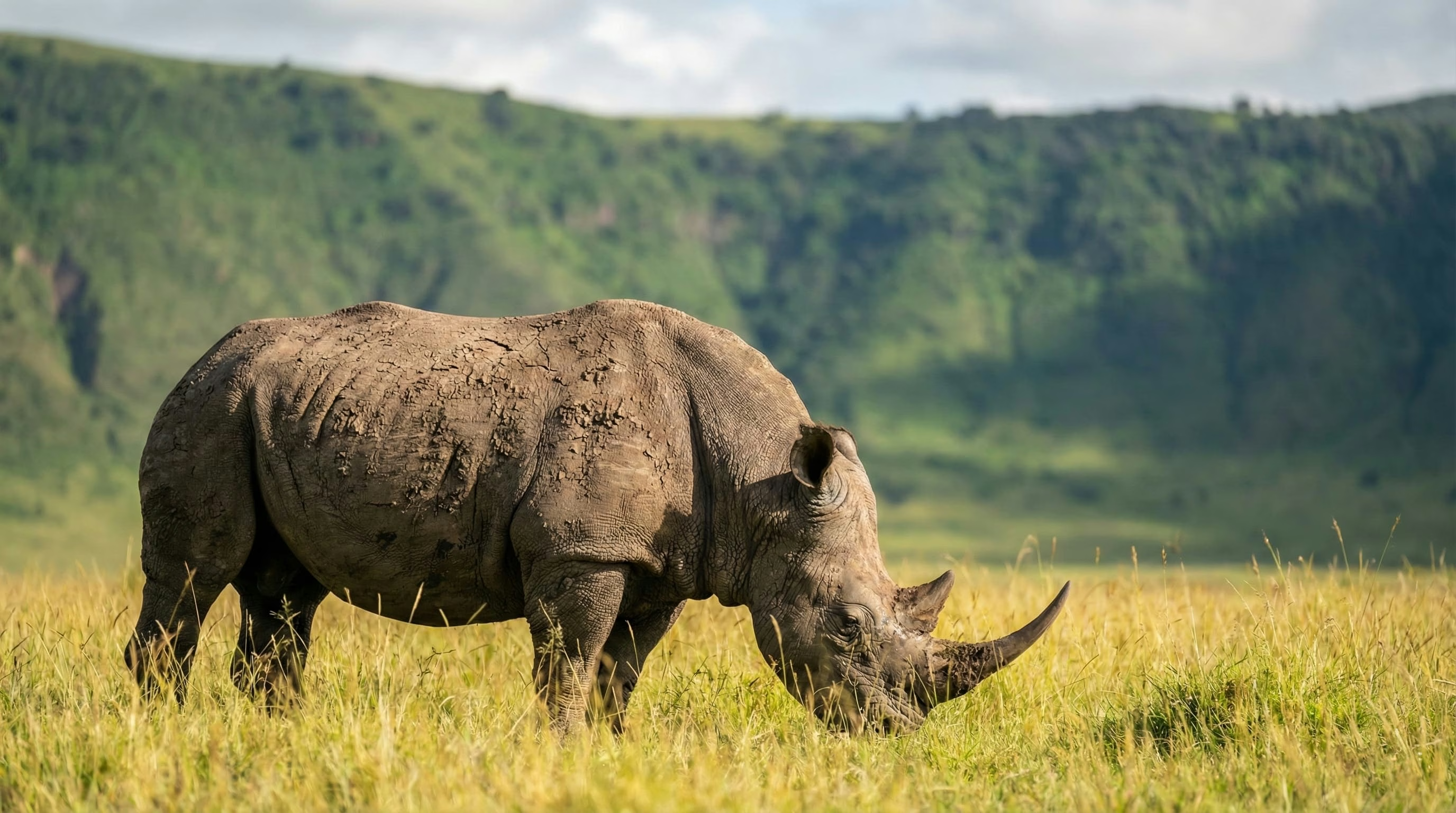
Yes, and it is the combination we organise most: safari in northern Tanzania, 6 days, from 2.095 € per person, then Zanzibar to finish. On the mainland you have the Big Five (lion, elephant, buffalo, leopard and rhino) and parks like the Serengeti and Ngorongoro, famous for their huge herbivore migrations.
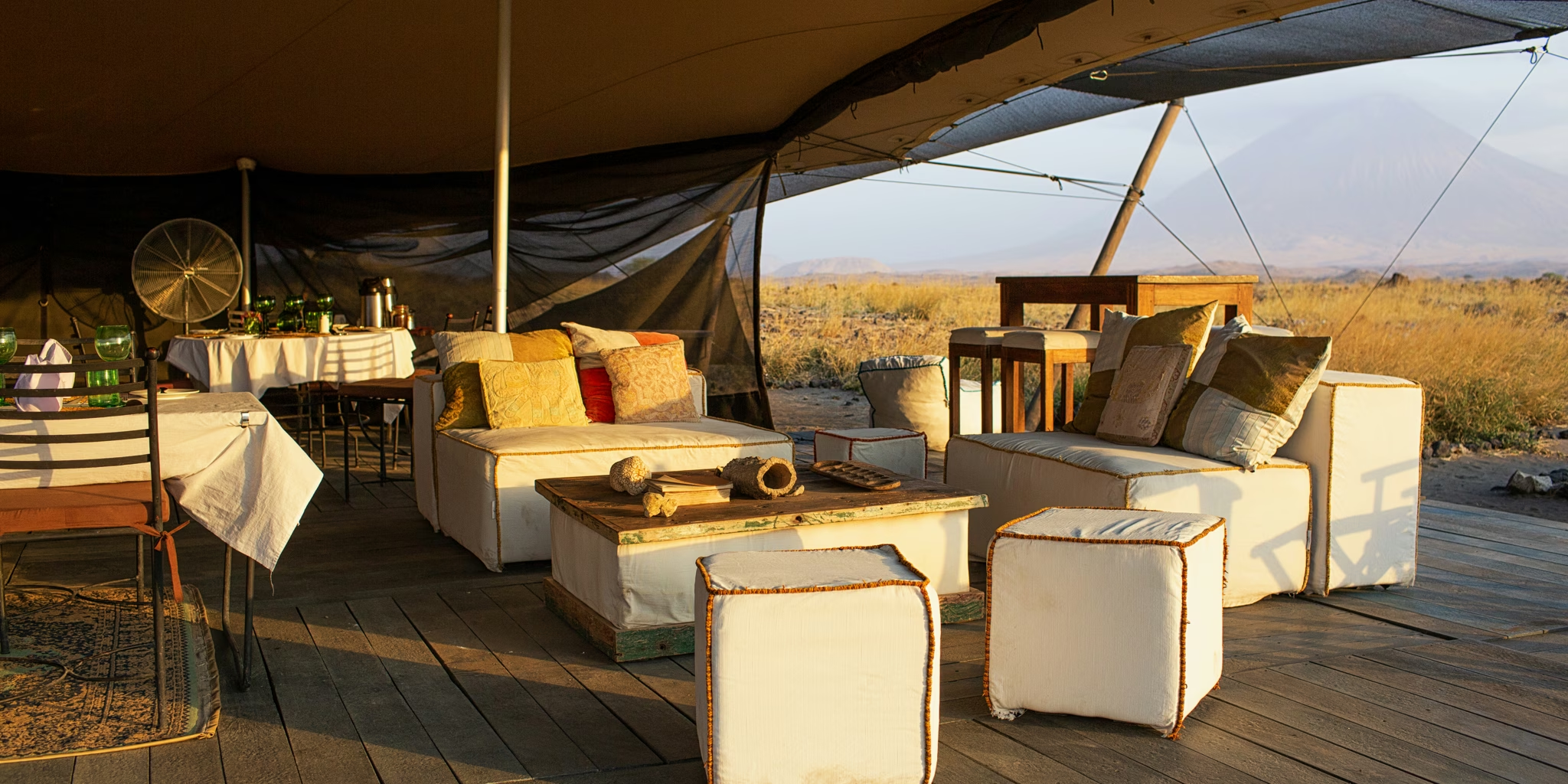
The logistics are simple: an internal flight of roughly an hour and a quarter takes you from Arusha to the island, with no backtracking. After days of dust and game drives, bare feet in the sand feel exactly right. Have a look at our group safari routes if you would rather travel with company.
Where should you stay in Zanzibar?
It depends on the plan: Stone Town for culture, Nungwi and Kendwa for beach with a buzz, Paje for kitesurfing, and Jambiani, Bwejuu or Chwaka Bay to switch off. This table settles it in a minute:
| Area | Best for | What it is like |
|---|---|---|
| Stone Town | History and culture | Markets, old architecture, local restaurants |
| Nungwi | Beach and nightlife | Lively, swimming at any tide |
| Kendwa | Quiet sunsets | Like Nungwi, but calmer |
| Paje | Kitesurfing | Young crowd, wide beach, strong tides |
| Jambiani | Local atmosphere | Quiet and authentic, east coast |
| Bwejuu | Total disconnection | White sand and deep calm |
| Chwaka Bay | Nature and peace | Little-visited bay on the east coast |
A formula that works: two nights in Stone Town on arrival, then the rest in one or two beach areas, depending on your days.
What should you prepare before travelling to Zanzibar?
The basics: a passport valid for six months, a Tanzanian visa, travel insurance and a bag packed for an equatorial climate. Our checklist:
- Passport and visa: your passport must be valid for at least 6 months from entry.
- Travel insurance: essential for medical emergencies, delays or cancellations; that link gets you a 5% discount.
- Health: the yellow fever vaccine is only required if you arrive from an endemic country; bring mosquito repellent and a basic first-aid kit.
- Money: the official currency is the Tanzanian shilling (TZS), but dollars are accepted across the tourist areas; bring new bills. Cards work in larger hotels and restaurants; carry cash for everything else.
- Clothes: light and breathable, swimwear and sandals; in Stone Town, cover shoulders and knees out of respect for local culture.
- Plugs: type G (British); pack a universal adapter.
- Sun: biodegradable sunscreen, a hat and sunglasses; the equatorial sun is unforgiving.
- Snorkel: if you own a mask and tube, bring them; rental gear is not always in good shape.
- Offline maps: download the area before you leave; coverage comes and goes.
And if you would rather we handle all of this, no problem: we design the route, book stays and activities and stay with you before and during the trip. Ask us for a free quote and we will talk it through.
FAQ
Do I need a visa for Zanzibar?
Yes, the Tanzanian visa: it costs about $50 and is issued online (eVisa) a few days before you fly, or on arrival.
How much do day trips in Zanzibar cost?
Roughly $40-100 per person, depending on the tour: Prison Island with Nakupenda, Jozani Forest or a full dhow-and-snorkel day all sit inside that range.
Can you see dolphins in Zanzibar?
Yes, mostly around Mnemba and off Kizimkazi in the south. They often appear during snorkelling trips or dhow cruises.
When is the kitesurfing season in Paje?
There are two: December to February (the kaskazi wind) and June to September (the kusi wind). Outside those months the wind is too patchy.
Is Zanzibar safe to visit?
Yes, it is a calm destination. Apply the usual common sense: keep valuables out of sight, drink bottled water and agree taxi fares before getting in.
Let us plan your Tanzania trip
From the Serengeti to the beaches of Zanzibar, we handle every detail so you just show up and enjoy. 7 days, from 2.495 € per person. Tanzania - Special Families
Zanzibar is far more than a beach stop. Stone Town's alleyways, snorkelling around Mnemba atoll, the endemic red colobus in Jozani Forest and sunset dhow cruises. Four to seven days is enough to cover it. Here is our field-tested list, we take travellers there from Barcelona every season.
How many days do you need in Zanzibar?
Four to seven days is enough to see the essentials of Zanzibar without rushing. With 4-5 days you can split your time between Stone Town and one beach area; with 6-7 you can add Jozani Forest, a boat trip and the east coast.
Leave room in the plan for the food: local cooking blends African, Arab and Indian flavours, and dinner by the water is the norm, not the exception. If you want a day-by-day itinerary sorted for you, we can build your Zanzibar trip to measure.
When is the best time to visit Zanzibar?
The best time to visit Zanzibar is June to October, during the dry season; January and February also work very well. Clear skies mean beach days, snorkelling and diving without watching the forecast, and those are the same months that suit a safari on the mainland.
January and February bring fewer crowds and only short showers. The months to avoid run from March to May: that is the long rainy season, and many outdoor plans fall apart. For the full picture of the seasons, read our guide to the climate in Tanzania.
One note before you start: the island lives off tourism, and it deserves visitors who tread lightly. Here is how to practise responsible tourism in Tanzania.
What are the 15 experiences worth doing in Zanzibar?
These: Stone Town, the Old Fort, Changuu Island, the Nakupenda sandbank, Jozani Forest, the best beaches, Mnemba, street food at Forodhani, Jambiani, sailing a dhow, the Nungwi lighthouse, The Rock, kitesurfing in Paje, Kuza Cave and swimming with turtles at Mnarani. Here they are, one by one.
1. Get lost in the streets of Stone Town
Stone Town is the soul of the island: a maze of narrow streets where Arab, Persian, Indian and European influences meet. You will pass old colonial buildings, the famous carved wooden doors and markets that smell of spices at every hour.
Do not miss the Forodhani Gardens or the House of Wonders. The best plan is the simplest: walk without a map, talk to people and let the city surprise you corner by corner.
2. Step back in time at the Old Fort
The Old Fort was built by the Omanis in the 17th century on the remains of a Portuguese fortress, and its coral walls have seen centuries of battle and trade. Today it is a living cultural centre with music, dance and local crafts, right beside the ocean.
3. Visit Changuu Island (Prison Island)
A few kilometres off Stone Town, Changuu was used in the 19th century as a prison for rebellious slaves, before the slave trade was abolished. Today it is best known for its colony of giant tortoises. The visit combines easily with Nakupenda as a half-day trip from the harbour.
4. Sunbathe on the Nakupenda sandbank
Nakupenda means "I love you" in Swahili, and the name fits: a strip of white sand in the middle of turquoise water, with no shade, no bars, no buildings. Just you, the sea and, on the full trip, a seafood lunch cooked right there.
5. Walk into Jozani Forest
Jozani is the largest tropical forest on the island and home to the Zanzibar red colobus, an endangered endemic monkey you will see nowhere else. Trails wind through mangroves and centuries-old trees, and the monkeys are so used to visitors that they often sit a few metres away.
6. Relax on the best beaches in Zanzibar
Every beach has its own character, and choosing well saves you surprises with the tides, which are dramatic on the east coast. Our favourites:
- Nungwi: coastal life, water sports and swimming at any tide.
- Kendwa: a relaxed scene and front-row sunsets.
- Matemwe: quiet and natural, directly opposite Mnemba.
- Kae: a low-key refuge for peace and privacy.
- Paje: the meeting point for kitesurfing and windsurfing.
- Mnemba: transparent water for snorkelling and diving.
Ready to explore Zanzibar as part of a Tanzania safari?
We combine island time with the best of the Tanzanian bush, all planned for you from start to finish. 9 days, from 3.931 € per person. Tanzania - Kilimanjaro Machame
7. Snorkel or dive at Mnemba Island
Mnemba atoll is the best snorkelling and diving spot in Zanzibar: coral reefs full of tropical fish, starfish and sea turtles. With luck, dolphins show up on the way out. Boats leave every morning from Matemwe and Nungwi.
8. Eat street food at the Forodhani Gardens
When the sun drops, the Forodhani Gardens in the heart of Stone Town turn into an open-air food market: fresh seafood, shawarma, samosas and the famous "Zanzibar pizza", all cooked to order in front of you. Go hungry and unhurried, the sunset from the seafront is part of the meal.
9. Stroll along Jambiani Beach
Jambiani, on the east coast, is the perfect walking beach: firm sand, few people and tides that pull back to reveal sandbanks and natural pools. It is also one of the best places to see local life up close, between seaweed farms and beached fishing boats.
10. Sail on a traditional dhow
The dhow is the wooden sailing boat that has connected Zanzibar to the sea for centuries. Stepping aboard is a shortcut to understanding the island: sailing under wind power, fishing techniques passed from parent to child and, with luck, dolphins in the wake. The sunset version is the one we recommend to every couple.
11. Find the Nungwi lighthouse
At the northern tip of the island, the Nungwi lighthouse has guided sailors for over a century. The village is Zanzibar's great dhow workshop: you can still watch master boatbuilders shaping the wood by hand, right on the beach.
12. Photograph The Rock
The Rock is probably the most photographed restaurant in the Indian Ocean: a small house perched on a boulder in the sea. At low tide you walk there; at high tide, you go by boat. Whether you eat or just stop for the photo, the detour earns its place.
13. Kitesurf in Paje
Paje has what every kiter looks for: steady wind, a wide flat-water lagoon and schools for all levels. If you have never tried it, this is an especially easy place to learn; if you already ride, you will want a full week.
14. Swim in the blue lake of Kuza Cave
Kuza Cave is a limestone cave with a deep-blue freshwater lake inside, fed by underground streams. The water is cool and clear, and the site is run by the local community, which also hosts Swahili music and culture workshops.
15. Swim with turtles at Mnarani
The Mnarani Marine Turtle Conservation pond in Nungwi rescues sea turtles injured or caught in nets and returns them to the ocean. You can swim in a natural pool with the turtles in rehabilitation and learn how the project works. It is a short visit that helps fund conservation.
Can you combine Zanzibar with a safari in Tanzania?
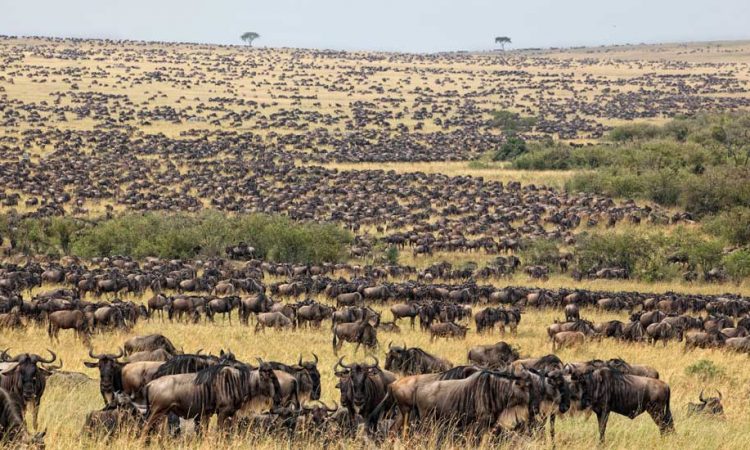
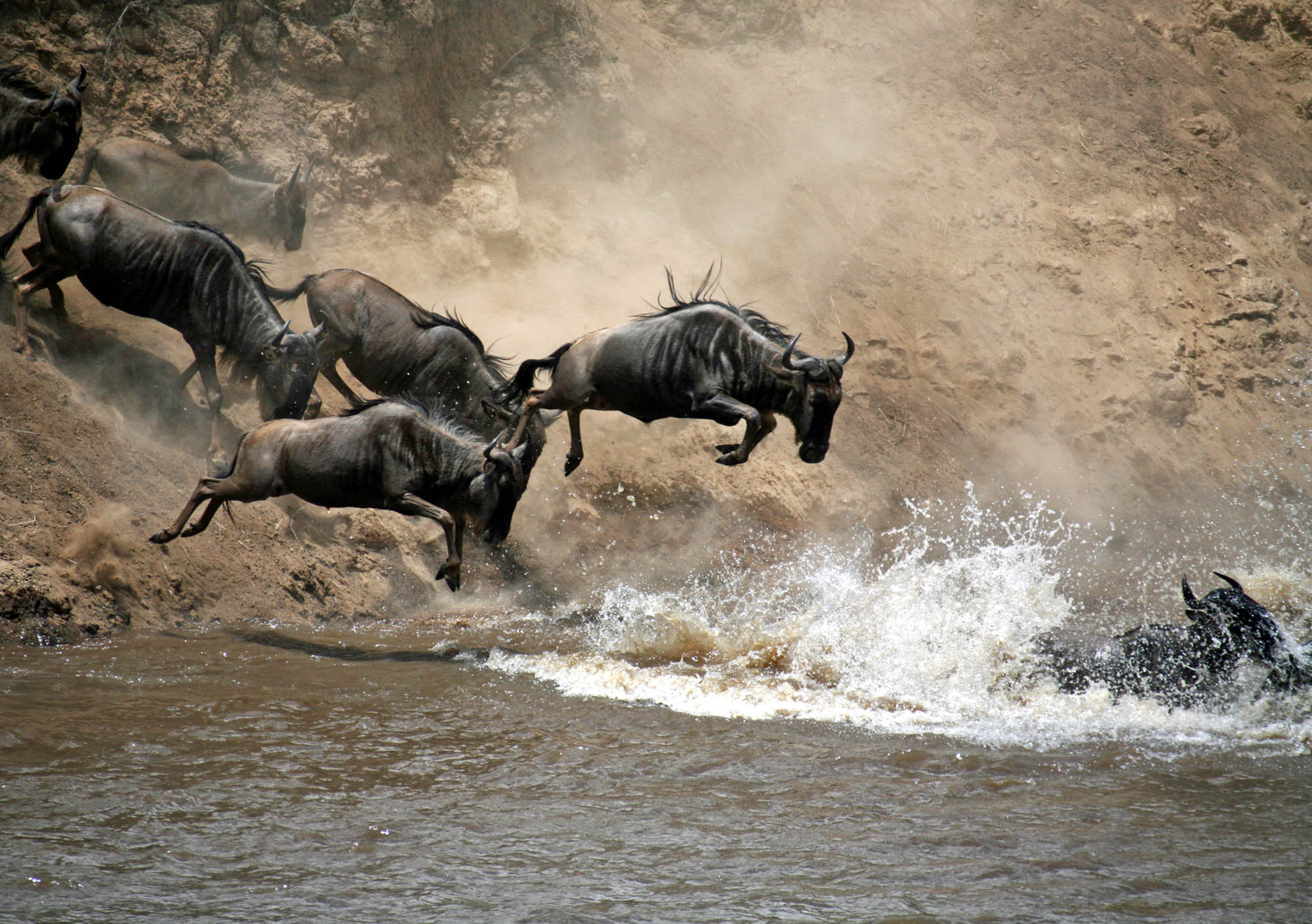
Yes, and it is the combination we organise most: safari in northern Tanzania, 6 days, from 2.095 € per person, then Zanzibar to finish. On the mainland you have the Big Five (lion, elephant, buffalo, leopard and rhino) and parks like the Serengeti and Ngorongoro, famous for their huge herbivore migrations.
The logistics are simple: an internal flight of roughly an hour and a quarter takes you from Arusha to the island, with no backtracking. After days of dust and game drives, bare feet in the sand feel exactly right. Have a look at our group safari routes if you would rather travel with company.
Where should you stay in Zanzibar?
It depends on the plan: Stone Town for culture, Nungwi and Kendwa for beach with a buzz, Paje for kitesurfing, and Jambiani, Bwejuu or Chwaka Bay to switch off. This table settles it in a minute:
| Area | Best for | What it is like |
|---|---|---|
| Stone Town | History and culture | Markets, old architecture, local restaurants |
| Nungwi | Beach and nightlife | Lively, swimming at any tide |
| Kendwa | Quiet sunsets | Like Nungwi, but calmer |
| Paje | Kitesurfing | Young crowd, wide beach, strong tides |
| Jambiani | Local atmosphere | Quiet and authentic, east coast |
| Bwejuu | Total disconnection | White sand and deep calm |
| Chwaka Bay | Nature and peace | Little-visited bay on the east coast |
A formula that works: two nights in Stone Town on arrival, then the rest in one or two beach areas, depending on your days.
What should you prepare before travelling to Zanzibar?
The basics: a passport valid for six months, a Tanzanian visa, travel insurance and a bag packed for an equatorial climate. Our checklist:
- Passport and visa: your passport must be valid for at least 6 months from entry.
- Travel insurance: essential for medical emergencies, delays or cancellations; that link gets you a 5% discount.
- Health: the yellow fever vaccine is only required if you arrive from an endemic country; bring mosquito repellent and a basic first-aid kit.
- Money: the official currency is the Tanzanian shilling (TZS), but dollars are accepted across the tourist areas; bring new bills. Cards work in larger hotels and restaurants; carry cash for everything else.
- Clothes: light and breathable, swimwear and sandals; in Stone Town, cover shoulders and knees out of respect for local culture.
- Plugs: type G (British); pack a universal adapter.
- Sun: biodegradable sunscreen, a hat and sunglasses; the equatorial sun is unforgiving.
- Snorkel: if you own a mask and tube, bring them; rental gear is not always in good shape.
- Offline maps: download the area before you leave; coverage comes and goes.
And if you would rather we handle all of this, no problem: we design the route, book stays and activities and stay with you before and during the trip. Ask us for a free quote and we will talk it through.
FAQ
Do I need a visa for Zanzibar?
Yes, the Tanzanian visa: it costs about $50 and is issued online (eVisa) a few days before you fly, or on arrival.
How much do day trips in Zanzibar cost?
Roughly $40-100 per person, depending on the tour: Prison Island with Nakupenda, Jozani Forest or a full dhow-and-snorkel day all sit inside that range.
Can you see dolphins in Zanzibar?
Yes, mostly around Mnemba and off Kizimkazi in the south. They often appear during snorkelling trips or dhow cruises.
When is the kitesurfing season in Paje?
There are two: December to February (the kaskazi wind) and June to September (the kusi wind). Outside those months the wind is too patchy.
Is Zanzibar safe to visit?
Yes, it is a calm destination. Apply the usual common sense: keep valuables out of sight, drink bottled water and agree taxi fares before getting in.
Let us plan your Tanzania trip
From the Serengeti to the beaches of Zanzibar, we handle every detail so you just show up and enjoy. 7 days, from 2.495 € per person. Tanzania - Special Families







.avif)





.avif)








.avif)



.avif)
.jpeg)








.png)