




If you are planning yourTrip to Tanzania, whether to do safaris, trekking to Kilimanjaro or relax on the paradisiacal beaches of Zanzibar, it will be useful for you to know what the climate is like in the country. That is why today we are going to tell you what the weather is like in Tanzania to be well prepared. Let's go!
Climate in Tanzania
The first thing you should know is where the country is located, since this will give us a lot of information about what time to wait in Tanzania. In this case, we find ourselves just below the line of the equator. This means that the seasons of the year are the opposite of those found in Spain.

When it's summer in Spain, it's winter in Tanzania. When it's winter in Spain, it's summer in Tanzania. And so with the rest. But, unlike Spain, Tanzania has a tropical climate that varies greatly depending on altitude and seasons.
In short: in Tanzania, there are no 4 stations with their characteristics as in Spain. Rather there is two seasonsvery marked: rainy and dry. And to that, we must add some particularities of the month in particular. We explain it to you in detail below.
Climate in Tanzania: Types of Seasons
It is very important that you take into account the particularities of each station in Tanzania:
Rainy Season

The heavy rainy season is from April to May, with the possibility of also affecting the month of March. In these months, there is a possibility of heavy rains, especially in the coastal area. Many rural areas have problems with flooded roads.
Although in Watatu we do safaris during all months of the year, it is true that during these months we try to avoid trips to remote areas where we may have unforeseen events on the route.
The month of November There are also frequent rains. It is known as a second rainy season but Much less intense.It is also true that today with climate change it is difficult to predict how the season will go and whether the predictions will be fulfilled accurately.
Dry Season
If you want to avoid the rains as much as possible, it is best to book your trip between the months of June and October. The weather in Tanzania during this season is parched and the skies are very clear.

But this does not mean that it is very hot, because curiously, These months are winter months in Tanzania (Summer in Spain) Temperatures are more pleasant on the coast and cold in cities with higher altitude.
A Arusha, for example, you can find temperatures of 14 to 22 degrees during the day, so take this into account when preparing your luggage.

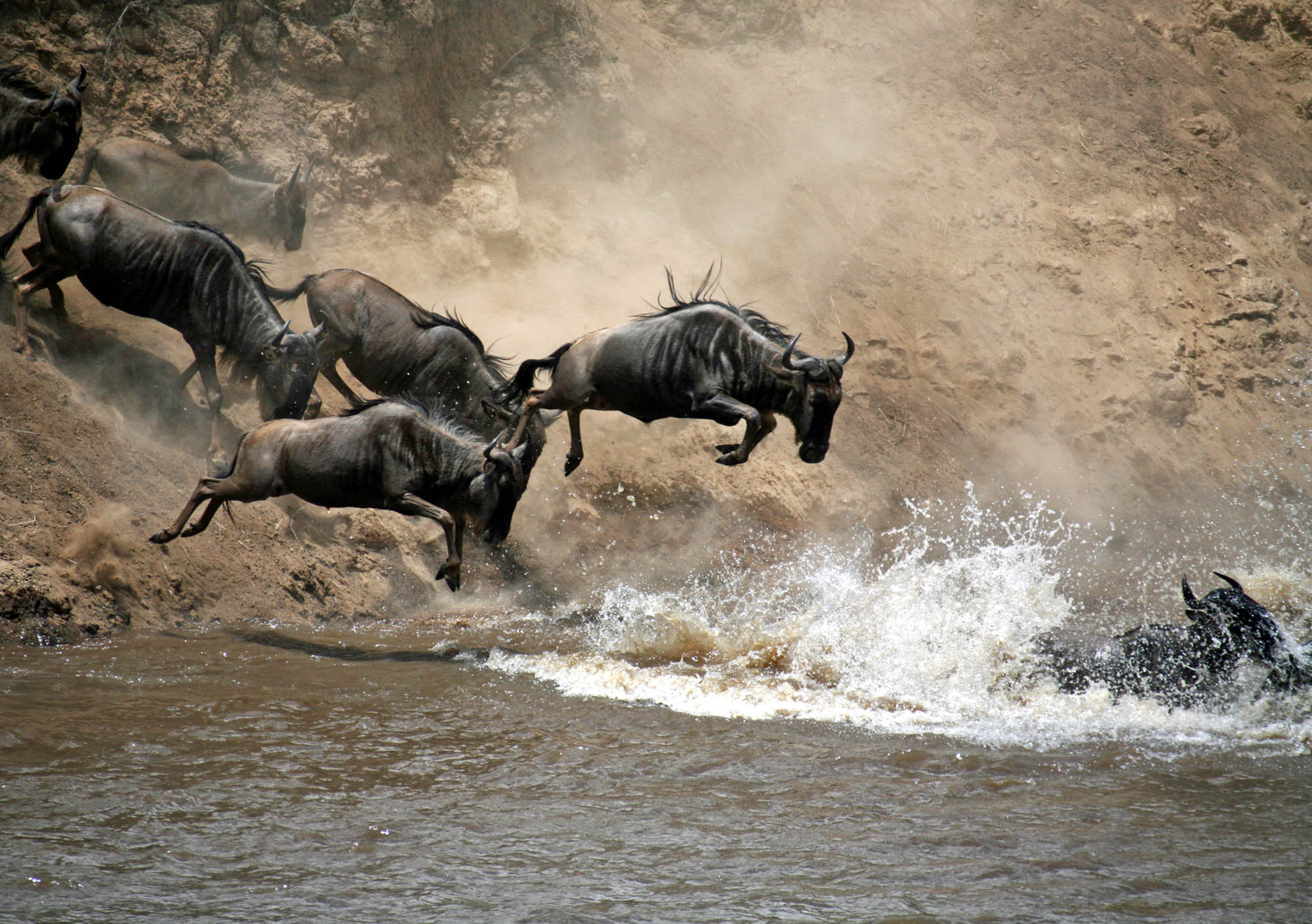
On the other hand, the months of January to FebruaryThey are usually also a very good option for a safari in Tanzania. Except for some sporadic rain, you can enjoy a very special time of the year:The Breeding of the Great Migrations.
Climate in Tanzania: Temperatures

Now that we know how to differentiate the two main weather seasons in Tanzania, let's see what temperatures can be expected each month.
Heat Season
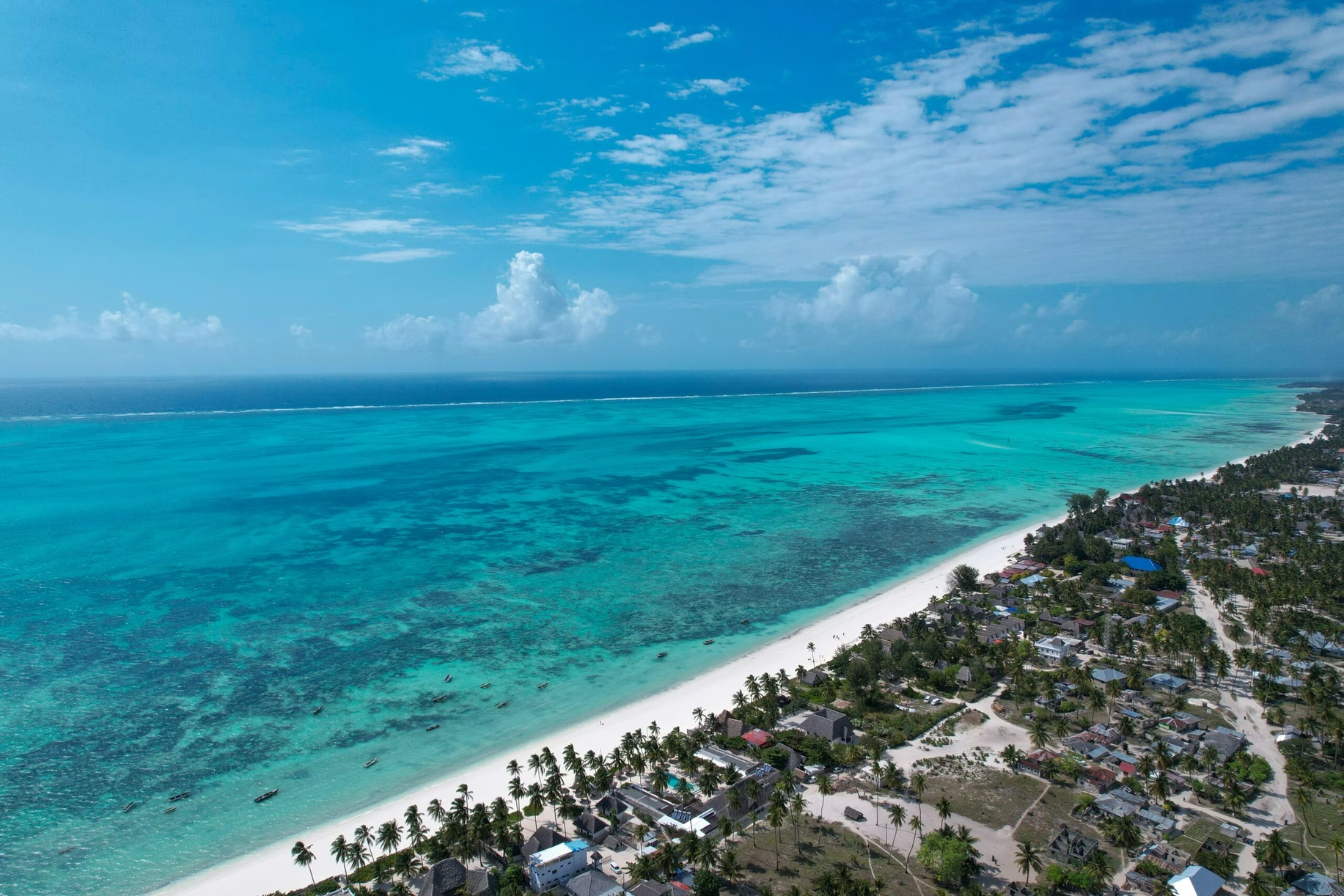
If you want to travel when it's warmer, then organize your safari between November and February. It is the hottest time of the year, especially in the area of Lake Natronor in coastal areas such as Zanzibar.
Temperatures during these months can exceed 30ºwith a high feeling of humidity on the coast. In areas with higher altitude, it is not so hot, but it can reach 25 degrees.
Fred's Season
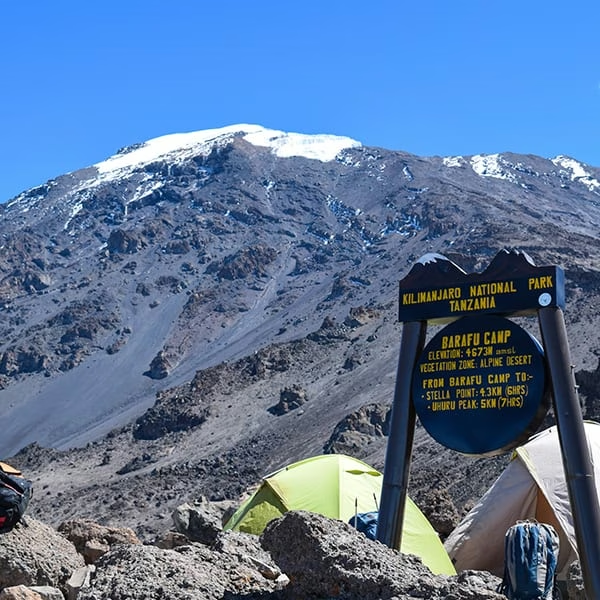
In Tanzania you will not find extreme cold (unless you want to climb the Kilimanjaroor to Mount Meru). The coldest months are June, July and August. Night temperatures tend to drop to 10 ºCin many areas with higher altitude, as in Ngorongoro, ArushaOr Kilimanjaro itself. Especially when the sun goes down, that's when it will cool down the most during your safari.
Climate in Tanzania: When is there more dust?
One factor that worries some travelers is dust. When you go on safari in Tanzania, on many occasions we will go to unpaved roads, especially on routes that depart from the more classic circuit and are more adventurous.
For example, in the Star RouteSpecial Editionwe approach to Lake Natron, and this road, for the most part, is unpaved.
During the dry season (from June to September/October) is when dirt roads and roads become dusty. We recommend that you bring one face mask or a scarf to protect you and not be annoying.
If you wear contact lenses, consider wearing replacement lenses and plenty of eye shadow, as you may experience dryness from the effects of dust.
In short, know the climate in Tanzaniabefore your trip will help you better plan which season is best for you, whether you are looking for warmth, less rain or avoiding dust.
Frequently asked questions
When is the best time to visit Tanzania for a safari?
The best time for a safari in Tanzania is during the dry season, from June to October, when skies are clear and wildlife is easier to spot around water sources. January and February are also excellent, coinciding with the Breeding of the Great Migration in the southern Serengeti, offering a unique and spectacular wildlife experience.
How rainy is the rainy season in Tanzania?
The main rainy season runs from April to May, sometimes starting in March, and brings heavy downpours, particularly along the coast. Some rural roads can become impassable. November sees a shorter, less intense secondary rainy season. Climate change has made rainfall patterns less predictable in recent years, so flexibility in planning is advisable.
Is Tanzania hot all year round?
Not necessarily. Temperatures vary significantly by altitude and season. Coastal areas and low-lying zones like Lake Natron can exceed 30 degrees Celsius from November to February. Highland cities like Arusha are much cooler, with daytime temperatures between 14 and 22 degrees during the dry season (June to August), occasionally dropping to around 10 degrees at night.
Do I need to worry about dust on safari in Tanzania?
Dust can be a factor during the dry season, roughly June to October, especially on unpaved roads in remote areas. Packing a lightweight face mask or scarf is strongly recommended. If you wear contact lenses, bring spare lenses and plenty of eye drops, as dust and dry air can cause significant irritation and discomfort during game drives.
What is the climate like in Zanzibar compared to mainland Tanzania?
Zanzibar shares Tanzania's tropical rainy and dry seasons but is consistently warmer and more humid due to its coastal location. The hottest and most humid months are November to February. The dry season from June to October brings more comfortable temperatures and less rainfall, making it the most popular period for beach holidays on the island.
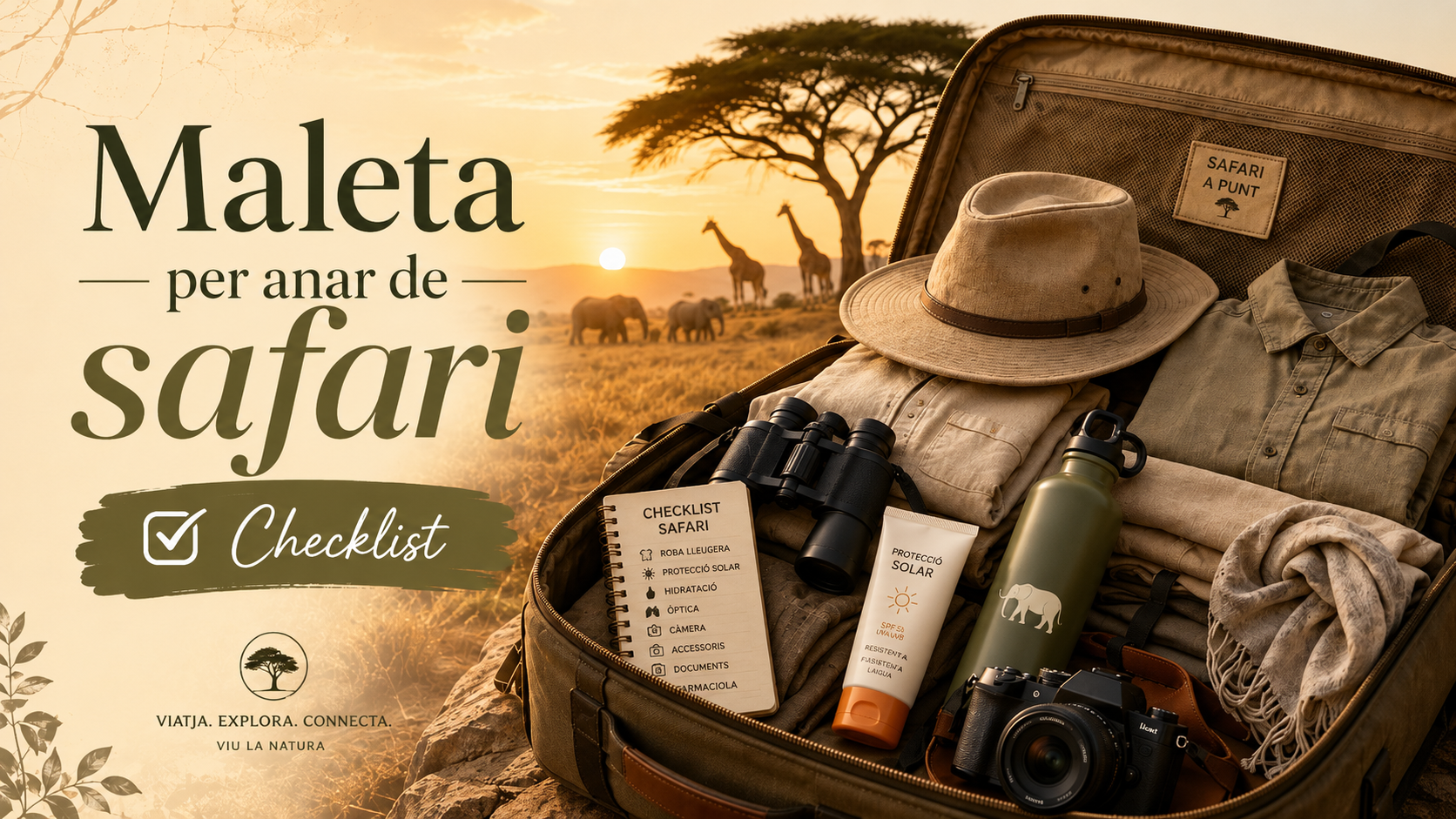
What should I pack for Tanzania given the variable climate?
Packing layers is essential. Lightweight, breathable clothing suits hot coastal and low-altitude areas, while a warm fleece or jacket is necessary for cool highland evenings in Arusha or on a Kilimanjaro trek. A face mask or scarf protects against dry-season dust. During the rainy season, a compact waterproof jacket and sturdy footwear are highly recommended.
If you are planning yourTrip to Tanzania, whether to do safaris, trekking to Kilimanjaro or relax on the paradisiacal beaches of Zanzibar, it will be useful for you to know what the climate is like in the country. That is why today we are going to tell you what the weather is like in Tanzania to be well prepared. Let's go!
Climate in Tanzania
The first thing you should know is where the country is located, since this will give us a lot of information about what time to wait in Tanzania. In this case, we find ourselves just below the line of the equator. This means that the seasons of the year are the opposite of those found in Spain.
When it's summer in Spain, it's winter in Tanzania. When it's winter in Spain, it's summer in Tanzania. And so with the rest. But, unlike Spain, Tanzania has a tropical climate that varies greatly depending on altitude and seasons.
In short: in Tanzania, there are no 4 stations with their characteristics as in Spain. Rather there is two seasonsvery marked: rainy and dry. And to that, we must add some particularities of the month in particular. We explain it to you in detail below.
Climate in Tanzania: Types of Seasons
It is very important that you take into account the particularities of each station in Tanzania:
Rainy Season
The heavy rainy season is from April to May, with the possibility of also affecting the month of March. In these months, there is a possibility of heavy rains, especially in the coastal area. Many rural areas have problems with flooded roads.
Although in Watatu we do safaris during all months of the year, it is true that during these months we try to avoid trips to remote areas where we may have unforeseen events on the route.
The month of November There are also frequent rains. It is known as a second rainy season but Much less intense.It is also true that today with climate change it is difficult to predict how the season will go and whether the predictions will be fulfilled accurately.
Dry Season
If you want to avoid the rains as much as possible, it is best to book your trip between the months of June and October. The weather in Tanzania during this season is parched and the skies are very clear.
But this does not mean that it is very hot, because curiously, These months are winter months in Tanzania (Summer in Spain) Temperatures are more pleasant on the coast and cold in cities with higher altitude.
A Arusha, for example, you can find temperatures of 14 to 22 degrees during the day, so take this into account when preparing your luggage.
On the other hand, the months of January to FebruaryThey are usually also a very good option for a safari in Tanzania. Except for some sporadic rain, you can enjoy a very special time of the year:The Breeding of the Great Migrations.
Climate in Tanzania: Temperatures
Now that we know how to differentiate the two main weather seasons in Tanzania, let's see what temperatures can be expected each month.
Heat Season
If you want to travel when it's warmer, then organize your safari between November and February. It is the hottest time of the year, especially in the area of Lake Natronor in coastal areas such as Zanzibar.
Temperatures during these months can exceed 30ºwith a high feeling of humidity on the coast. In areas with higher altitude, it is not so hot, but it can reach 25 degrees.
Fred's Season
In Tanzania you will not find extreme cold (unless you want to climb the Kilimanjaroor to Mount Meru). The coldest months are June, July and August. Night temperatures tend to drop to 10 ºCin many areas with higher altitude, as in Ngorongoro, ArushaOr Kilimanjaro itself. Especially when the sun goes down, that's when it will cool down the most during your safari.
Climate in Tanzania: When is there more dust?
One factor that worries some travelers is dust. When you go on safari in Tanzania, on many occasions we will go to unpaved roads, especially on routes that depart from the more classic circuit and are more adventurous.
For example, in the Star RouteSpecial Editionwe approach to Lake Natron, and this road, for the most part, is unpaved.
During the dry season (from June to September/October) is when dirt roads and roads become dusty. We recommend that you bring one face mask or a scarf to protect you and not be annoying.
If you wear contact lenses, consider wearing replacement lenses and plenty of eye shadow, as you may experience dryness from the effects of dust.
In short, know the climate in Tanzaniabefore your trip will help you better plan which season is best for you, whether you are looking for warmth, less rain or avoiding dust.
Frequently asked questions
When is the best time to visit Tanzania for a safari?
The best time for a safari in Tanzania is during the dry season, from June to October, when skies are clear and wildlife is easier to spot around water sources. January and February are also excellent, coinciding with the Breeding of the Great Migration in the southern Serengeti, offering a unique and spectacular wildlife experience.
How rainy is the rainy season in Tanzania?
The main rainy season runs from April to May, sometimes starting in March, and brings heavy downpours, particularly along the coast. Some rural roads can become impassable. November sees a shorter, less intense secondary rainy season. Climate change has made rainfall patterns less predictable in recent years, so flexibility in planning is advisable.
Is Tanzania hot all year round?
Not necessarily. Temperatures vary significantly by altitude and season. Coastal areas and low-lying zones like Lake Natron can exceed 30 degrees Celsius from November to February. Highland cities like Arusha are much cooler, with daytime temperatures between 14 and 22 degrees during the dry season (June to August), occasionally dropping to around 10 degrees at night.
Do I need to worry about dust on safari in Tanzania?
Dust can be a factor during the dry season, roughly June to October, especially on unpaved roads in remote areas. Packing a lightweight face mask or scarf is strongly recommended. If you wear contact lenses, bring spare lenses and plenty of eye drops, as dust and dry air can cause significant irritation and discomfort during game drives.
What is the climate like in Zanzibar compared to mainland Tanzania?
Zanzibar shares Tanzania's tropical rainy and dry seasons but is consistently warmer and more humid due to its coastal location. The hottest and most humid months are November to February. The dry season from June to October brings more comfortable temperatures and less rainfall, making it the most popular period for beach holidays on the island.
What should I pack for Tanzania given the variable climate?
Packing layers is essential. Lightweight, breathable clothing suits hot coastal and low-altitude areas, while a warm fleece or jacket is necessary for cool highland evenings in Arusha or on a Kilimanjaro trek. A face mask or scarf protects against dry-season dust. During the rainy season, a compact waterproof jacket and sturdy footwear are highly recommended.







.avif)



.avif)


.avif)
.jpeg)









.png)