

African Safari Cost: Which Country Fits Your Budget?
Your budget should determine your country, not the other way around. At €250 per person per day, Tanzania puts you in a decent mid-range tented camp inside the Serengeti ecosystem. That same €250 gets you a basic guesthouse fringe option in Kenya and nothing close to a fly-in camp in Botswana. The country choice is really a budget choice.
| Destination | Budget range (per person/day, land only) | Best months | Closest hub airport | Visa |
|---|---|---|---|---|
| Tanzania | €150 - €600 | Jun - Oct, Jan - Feb | Kilimanjaro (JRO) / Dar es Salaam (DAR) | eVisa available |
| Kenya | €200 - €700 | Jul - Oct, Jan - Feb | Nairobi (NBO) | eTA required |
| Botswana | €500 - €1,500+ | May - Oct | Maun (MUB) | Visa-free (90 days EU) |
| South Africa | €120 - €600 | May - Sep | Johannesburg (JNB) | Visa-free (90 days EU) |
| Zimbabwe | €180 - €700 | Jul - Oct | Victoria Falls (VFA) | eVisa available |
How Do You Decide Which Country Matches Your Budget?
The decision hinges on two numbers most travellers ignore: park fees and conservancy levies. In Tanzania, TANAPA charges around $70-$80 per person per day in the Serengeti, and that is almost always embedded in an operator's quote. In Kenya, Kenya Wildlife Service base fees sit at a similar level, but Masai Mara conservancies layer an extra €80-€150 per person per day on top. So a €300/day Tanzania quote and a €300/day Kenya quote are not equivalent. Ask any operator to send you an itemised breakdown before you compare figures side by side.
Botswana works on a different model entirely. The government caps visitor numbers, so the high all-inclusive rate absorbs park fees, domestic light aircraft transfers and twice-daily game drives. When you strip those costs out of a comparable Tanzania private itinerary with internal flights, the gap between the two countries narrows more than most people expect.
Under €300/Day Per Person: Where Does This Budget Work Best?
Tanzania is the strongest option at this tier. A group 4x4 circuit covering Serengeti, Ngorongoro and Tarangire starts at €1,800-€2,200 per person for seven nights, park fees and full board included. The Serengeti alone holds around 1.5 million wildebeest during migration. Big cat sightings in Ngorongoro Crater are consistent enough that we factor them in as near-certain on a seven-day circuit, not a bonus.
South Africa is the other answer below €300/day, specifically self-drive Kruger. You rent a car at Johannesburg or Nelspruit, pay the SANParks daily entry fee (around €20-€25 for EU citizens, confirmed at SANParks.org), book a rest camp inside the park for €40-€80 per night, and drive yourself. Five nights in Kruger with return flights from Barcelona typically lands between €800 and €1,100 per person if you book early. The Big Five are there. The tradeoff is that you are navigating on your own, which some people love and others find stressful on day one.
€300-€600/Day Per Person: Kenya or Tanzania Private?
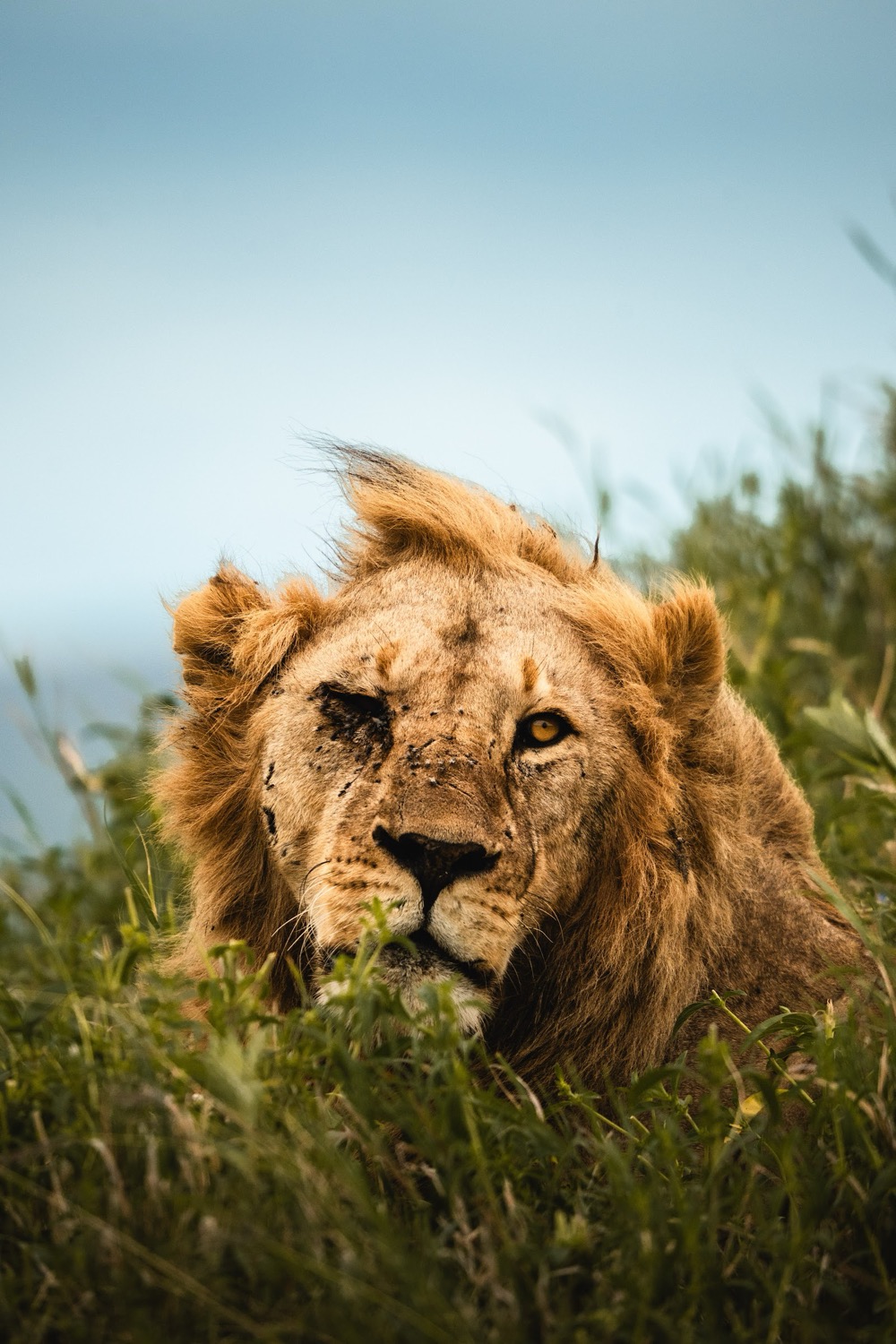
At this level the question shifts from which country to which experience. A Kenya Masai Mara conservancy like Olare Motorogi or Naboisho costs more than the main reserve but limits vehicles at any sighting. Leopard without five Land Cruisers alongside you is the pitch, and it delivers. Our colleague Ana put a couple into Naboisho last October for their anniversary trip. Day three: a cheetah hunt, forty minutes, no other vehicle. That does not happen inside the main Mara reserve for the same money.
Tanzania at this price tier moves you into private vehicle territory. Same parks, same guides, your own Land Cruiser and the ability to stay at a sighting as long as you want. For photographers or couples with a specific target species, the control is worth more than a marginal camp upgrade.
Above €600/Day Per Person: When Does Botswana Make Financial Sense?
Botswana fly-in camps in the Okavango Delta run €500-€1,500 per person per day. That rate covers accommodation, all meals, twice-daily game drives, mokoro (dugout canoe) activities and domestic light aircraft hops between camps. The maths looks brutal until you price a comparable Tanzania private safari with internal flights and premium tented camps. The final figures are closer than the headline numbers suggest.
Visitor density is the real differentiator. The Delta and Chobe National Park receive a fraction of the annual footfall that Amboseli or the Serengeti absorb. If exclusivity matters to you more than any single species, Botswana earns its price. If your priority is maximum wildlife variety for the budget, Tanzania wins at almost every tier.
What Does a Safari Quote Actually Include?
Standard inclusions across most operators: 4x4 game drives with a qualified guide, accommodation and full board. What drops off: international flights, travel insurance, visa fees, alcohol and activities outside the standard game drive schedule.
Tips need their own line in your planning budget. In Tanzania and Kenya, €10-€15 per person per day for the driver-guide and €5-€8 per day for camp staff is standard. On a seven-day trip for two people that adds €200-€320. We include this figure in every quote we send. A hot air balloon over the Serengeti costs $500-€600 per person and no operator includes it by default; if that is on your list, add it at the planning stage.
Before committing to any destination, check the Spanish Ministry of Foreign Affairs travel advisories for your specific country, particularly for health requirements and current entry conditions. These update more frequently than most operator websites.
How Do Seasons Shift the Price Across Destinations?
Shoulder season is the most underused lever in cross-country budget planning. April and May in East Africa drop prices 20-30% versus peak season. April in Tanzania coincides with the long rains: some camps close and certain tracks get muddy, but the Serengeti turns green and crowds thin to almost nothing. We have organised these trips and they sit among the most atmospheric safaris we have ever run. The wildlife does not disappear. It spreads out.
Peak season runs July to October in East Africa, with prices at the best camps rising 30-40%. If the wildebeest river crossings in the Mara are non-negotiable, book by February and pay the peak rate. If not, January and February in the southern Serengeti bring thousands of newborn wildebeest calves and far more relaxed pricing. The scenery is softer and greener than the classic dry-season images, and in some ways harder to forget.
What Does a 7-Night Tanzania Trip Cost From Barcelona?
A realistic per-person breakdown:
- Return flights BCN to Kilimanjaro (economy): €800-€1,400
- 7-night mid-range group safari (park fees, full board, guide): €2,000-€2,800
- Tanzania eVisa: €50
- Travel insurance: €80-€150
- Tips and personal expenses: €200-€300
- Total per person: approximately €3,200-€4,700
Switching to a private vehicle with premium camps pushes that to €6,000-€9,000 per person. Botswana at equivalent quality starts above that figure. The comparison table above is the fastest way to sanity-check whether a country fits your budget before you go deeper into any itinerary. If you want a second opinion on how to allocate a specific number across countries, write to us on WhatsApp and we can usually give you an honest steer the same day.
Is a safari in Africa safe?
The main safari destinations (Tanzania, Kenya, Botswana, South Africa, Zimbabwe) are safe for tourists when you follow standard travel advice. Use established parks, travel with a reputable operator and check your government's travel advisory before departure. Experienced guides manage wildlife risk well. We have run hundreds of departures without a serious incident.
Can I do an African safari on a total budget of €2,000?
€2,000 all-in from Europe is very tight. You would need cheap flights and a self-drive Kruger trip in South Africa with careful timing. Doable, but no margin for anything going wrong. For a guided safari in East Africa including flights, €3,000-€3,500 per person is a more realistic floor.
Do park fees change every year?
Yes. Tanzania's TANAPA and Kenya's KWS both review fees annually, usually from July 1. Botswana and South Africa also adjust regularly. Confirm current fees directly with the park authority or ask your operator for the confirmed figure at the time of booking rather than relying on figures quoted during the sales phase.
How far in advance should I book a safari?
For peak season (July-October) in the Masai Mara or Serengeti, book 6-12 months ahead. The best camps and group departures fill quickly. Shoulder season allows 3-4 months in most cases. For luxury fly-in camps in Botswana, 12 months ahead is not unusual, particularly for groups of four to six people.
Is it worth paying more for a private safari versus a group one?
Private means your own vehicle and your own pace. It costs 40-80% more and makes a noticeable difference for photographers and couples with specific itinerary priorities. Group safaris work well for solo travellers and those on tighter budgets who do not mind sharing the experience with four or five others.
African Safari Cost: Which Country Fits Your Budget?
Your budget should determine your country, not the other way around. At €250 per person per day, Tanzania puts you in a decent mid-range tented camp inside the Serengeti ecosystem. That same €250 gets you a basic guesthouse fringe option in Kenya and nothing close to a fly-in camp in Botswana. The country choice is really a budget choice.
| Destination | Budget range (per person/day, land only) | Best months | Closest hub airport | Visa |
|---|---|---|---|---|
| Tanzania | €150 - €600 | Jun - Oct, Jan - Feb | Kilimanjaro (JRO) / Dar es Salaam (DAR) | eVisa available |
| Kenya | €200 - €700 | Jul - Oct, Jan - Feb | Nairobi (NBO) | eTA required |
| Botswana | €500 - €1,500+ | May - Oct | Maun (MUB) | Visa-free (90 days EU) |
| South Africa | €120 - €600 | May - Sep | Johannesburg (JNB) | Visa-free (90 days EU) |
| Zimbabwe | €180 - €700 | Jul - Oct | Victoria Falls (VFA) | eVisa available |
How Do You Decide Which Country Matches Your Budget?
The decision hinges on two numbers most travellers ignore: park fees and conservancy levies. In Tanzania, TANAPA charges around $70-$80 per person per day in the Serengeti, and that is almost always embedded in an operator's quote. In Kenya, Kenya Wildlife Service base fees sit at a similar level, but Masai Mara conservancies layer an extra €80-€150 per person per day on top. So a €300/day Tanzania quote and a €300/day Kenya quote are not equivalent. Ask any operator to send you an itemised breakdown before you compare figures side by side.
Botswana works on a different model entirely. The government caps visitor numbers, so the high all-inclusive rate absorbs park fees, domestic light aircraft transfers and twice-daily game drives. When you strip those costs out of a comparable Tanzania private itinerary with internal flights, the gap between the two countries narrows more than most people expect.
Under €300/Day Per Person: Where Does This Budget Work Best?
Tanzania is the strongest option at this tier. A group 4x4 circuit covering Serengeti, Ngorongoro and Tarangire starts at €1,800-€2,200 per person for seven nights, park fees and full board included. The Serengeti alone holds around 1.5 million wildebeest during migration. Big cat sightings in Ngorongoro Crater are consistent enough that we factor them in as near-certain on a seven-day circuit, not a bonus.
South Africa is the other answer below €300/day, specifically self-drive Kruger. You rent a car at Johannesburg or Nelspruit, pay the SANParks daily entry fee (around €20-€25 for EU citizens, confirmed at SANParks.org), book a rest camp inside the park for €40-€80 per night, and drive yourself. Five nights in Kruger with return flights from Barcelona typically lands between €800 and €1,100 per person if you book early. The Big Five are there. The tradeoff is that you are navigating on your own, which some people love and others find stressful on day one.
€300-€600/Day Per Person: Kenya or Tanzania Private?
At this level the question shifts from which country to which experience. A Kenya Masai Mara conservancy like Olare Motorogi or Naboisho costs more than the main reserve but limits vehicles at any sighting. Leopard without five Land Cruisers alongside you is the pitch, and it delivers. Our colleague Ana put a couple into Naboisho last October for their anniversary trip. Day three: a cheetah hunt, forty minutes, no other vehicle. That does not happen inside the main Mara reserve for the same money.
Tanzania at this price tier moves you into private vehicle territory. Same parks, same guides, your own Land Cruiser and the ability to stay at a sighting as long as you want. For photographers or couples with a specific target species, the control is worth more than a marginal camp upgrade.
Above €600/Day Per Person: When Does Botswana Make Financial Sense?
Botswana fly-in camps in the Okavango Delta run €500-€1,500 per person per day. That rate covers accommodation, all meals, twice-daily game drives, mokoro (dugout canoe) activities and domestic light aircraft hops between camps. The maths looks brutal until you price a comparable Tanzania private safari with internal flights and premium tented camps. The final figures are closer than the headline numbers suggest.
Visitor density is the real differentiator. The Delta and Chobe National Park receive a fraction of the annual footfall that Amboseli or the Serengeti absorb. If exclusivity matters to you more than any single species, Botswana earns its price. If your priority is maximum wildlife variety for the budget, Tanzania wins at almost every tier.
What Does a Safari Quote Actually Include?
Standard inclusions across most operators: 4x4 game drives with a qualified guide, accommodation and full board. What drops off: international flights, travel insurance, visa fees, alcohol and activities outside the standard game drive schedule.
Tips need their own line in your planning budget. In Tanzania and Kenya, €10-€15 per person per day for the driver-guide and €5-€8 per day for camp staff is standard. On a seven-day trip for two people that adds €200-€320. We include this figure in every quote we send. A hot air balloon over the Serengeti costs $500-€600 per person and no operator includes it by default; if that is on your list, add it at the planning stage.
Before committing to any destination, check the Spanish Ministry of Foreign Affairs travel advisories for your specific country, particularly for health requirements and current entry conditions. These update more frequently than most operator websites.
How Do Seasons Shift the Price Across Destinations?
Shoulder season is the most underused lever in cross-country budget planning. April and May in East Africa drop prices 20-30% versus peak season. April in Tanzania coincides with the long rains: some camps close and certain tracks get muddy, but the Serengeti turns green and crowds thin to almost nothing. We have organised these trips and they sit among the most atmospheric safaris we have ever run. The wildlife does not disappear. It spreads out.
Peak season runs July to October in East Africa, with prices at the best camps rising 30-40%. If the wildebeest river crossings in the Mara are non-negotiable, book by February and pay the peak rate. If not, January and February in the southern Serengeti bring thousands of newborn wildebeest calves and far more relaxed pricing. The scenery is softer and greener than the classic dry-season images, and in some ways harder to forget.
What Does a 7-Night Tanzania Trip Cost From Barcelona?
A realistic per-person breakdown:
- Return flights BCN to Kilimanjaro (economy): €800-€1,400
- 7-night mid-range group safari (park fees, full board, guide): €2,000-€2,800
- Tanzania eVisa: €50
- Travel insurance: €80-€150
- Tips and personal expenses: €200-€300
- Total per person: approximately €3,200-€4,700
Switching to a private vehicle with premium camps pushes that to €6,000-€9,000 per person. Botswana at equivalent quality starts above that figure. The comparison table above is the fastest way to sanity-check whether a country fits your budget before you go deeper into any itinerary. If you want a second opinion on how to allocate a specific number across countries, write to us on WhatsApp and we can usually give you an honest steer the same day.
Is a safari in Africa safe?
The main safari destinations (Tanzania, Kenya, Botswana, South Africa, Zimbabwe) are safe for tourists when you follow standard travel advice. Use established parks, travel with a reputable operator and check your government's travel advisory before departure. Experienced guides manage wildlife risk well. We have run hundreds of departures without a serious incident.
Can I do an African safari on a total budget of €2,000?
€2,000 all-in from Europe is very tight. You would need cheap flights and a self-drive Kruger trip in South Africa with careful timing. Doable, but no margin for anything going wrong. For a guided safari in East Africa including flights, €3,000-€3,500 per person is a more realistic floor.
Do park fees change every year?
Yes. Tanzania's TANAPA and Kenya's KWS both review fees annually, usually from July 1. Botswana and South Africa also adjust regularly. Confirm current fees directly with the park authority or ask your operator for the confirmed figure at the time of booking rather than relying on figures quoted during the sales phase.
How far in advance should I book a safari?
For peak season (July-October) in the Masai Mara or Serengeti, book 6-12 months ahead. The best camps and group departures fill quickly. Shoulder season allows 3-4 months in most cases. For luxury fly-in camps in Botswana, 12 months ahead is not unusual, particularly for groups of four to six people.
Is it worth paying more for a private safari versus a group one?
Private means your own vehicle and your own pace. It costs 40-80% more and makes a noticeable difference for photographers and couples with specific itinerary priorities. Group safaris work well for solo travellers and those on tighter budgets who do not mind sharing the experience with four or five others.