



| Recommended duration | 5 to 10 days |
| Budget safari (per person/day) | 150 to 250 USD |
| Mid-range safari (per person/day) | 300 to 500 USD |
| Luxury safari (per person/day) | 700 to 1,500+ USD |
| Best season | June to October (dry season) |
| Visa required | Yes, e-visa available online |
| Key parks | Serengeti, Ngorongoro, Tarangire |
Tanzania is a unique destination for those who want to immerse themselves in the true essence of African nature. With its stunning landscapes, rich wildlife and vibrant national parks, it offers a safari experience that few places in the world can match.
In this article, we provide you with all the information you need to plan your safari in Tanzania, from the factors that affect the price to the best tips to make the most of your experience, adjusted to your budget.
What is the price of one safari in Tanzania?
The price of a safari in Tanzania varies depending on whether it is in a group or private. A group safari, which usually lasts between 6 and 10 days and includes shared transport, accommodation in campsites or lodges and a guide, costs between 200 and 400 euros per person per day.
On the other hand, a private safari, with an exclusive vehicle, personalized itinerary and more comfort, usually costs between 300 and 500 euros per person per day for a similar duration. The main difference is in the flexibility and privacy offered by the private safari, although at a higher cost.
4 factors that influence the price of a safari in Tanzania
1. Type of safari: Private, group or luxury
The type of safari you choose will largely determine the cost per person:
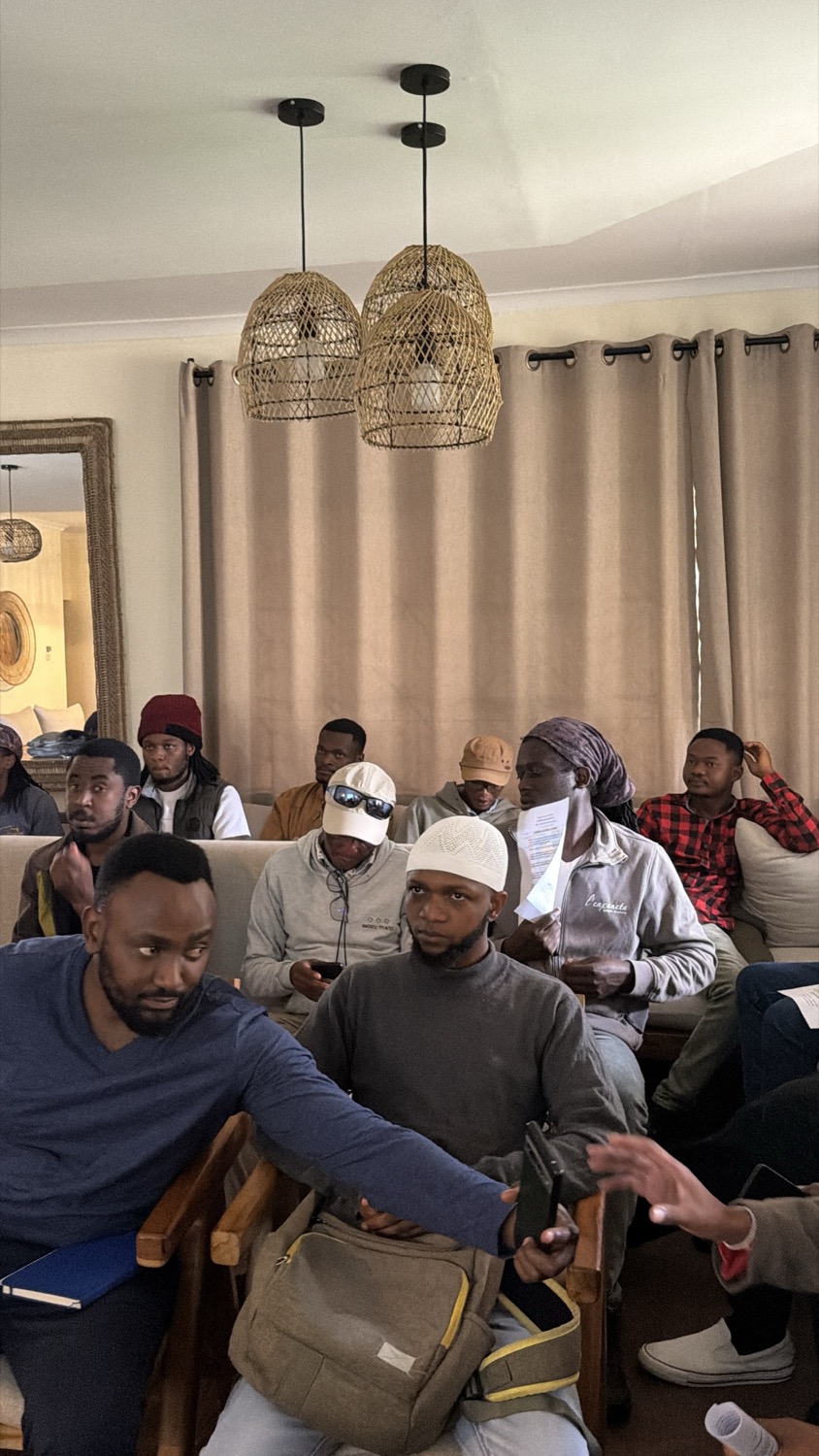
- Safari in a group: This modality involves sharing a vehicle, guide and experiences with other travelers (usually between 4 and 7 people). It follows pre-established routes with more rigid schedules, but offers an enriching social atmosphere. It is the perfect option for solo travelers looking for company, social partners or friends who do not need total control of the itinerary and value meeting people from different cultures during the adventure.
- Private safari: It offers exclusivity with a vehicle dedicated only to your group, freedom to modify the itinerary and a personal guide that adapts to your interests. It is ideal for photographers who need more time with animals, families with children who require flexibility, or passionate travelers who want a deep educational experience without having to adapt to the needs of others.
- Luxury Safari: This premium experience is characterized by exclusive accommodations in privileged locations, elite guides with deep scientific knowledge, refined gastronomy and complementary activities such as night safaris or balloon rides. It is the ideal option for those who want to live the safari adventure without giving up comfort, perfect for honeymoon couples or wildlife lovers who want to enjoy uncrowded places and unique moments.
Private safari or group safari?
2. Duration of the safari
Most safaris in Tanzania last between 5 and 10 days.To visit the most emblematic parks - such as the Serengeti, the Ngorongoro Crater and the Tarangire National Park - a minimum of 5 to 6 days is recommended, since the distances between reserves are large and the pace of the tours is slow.
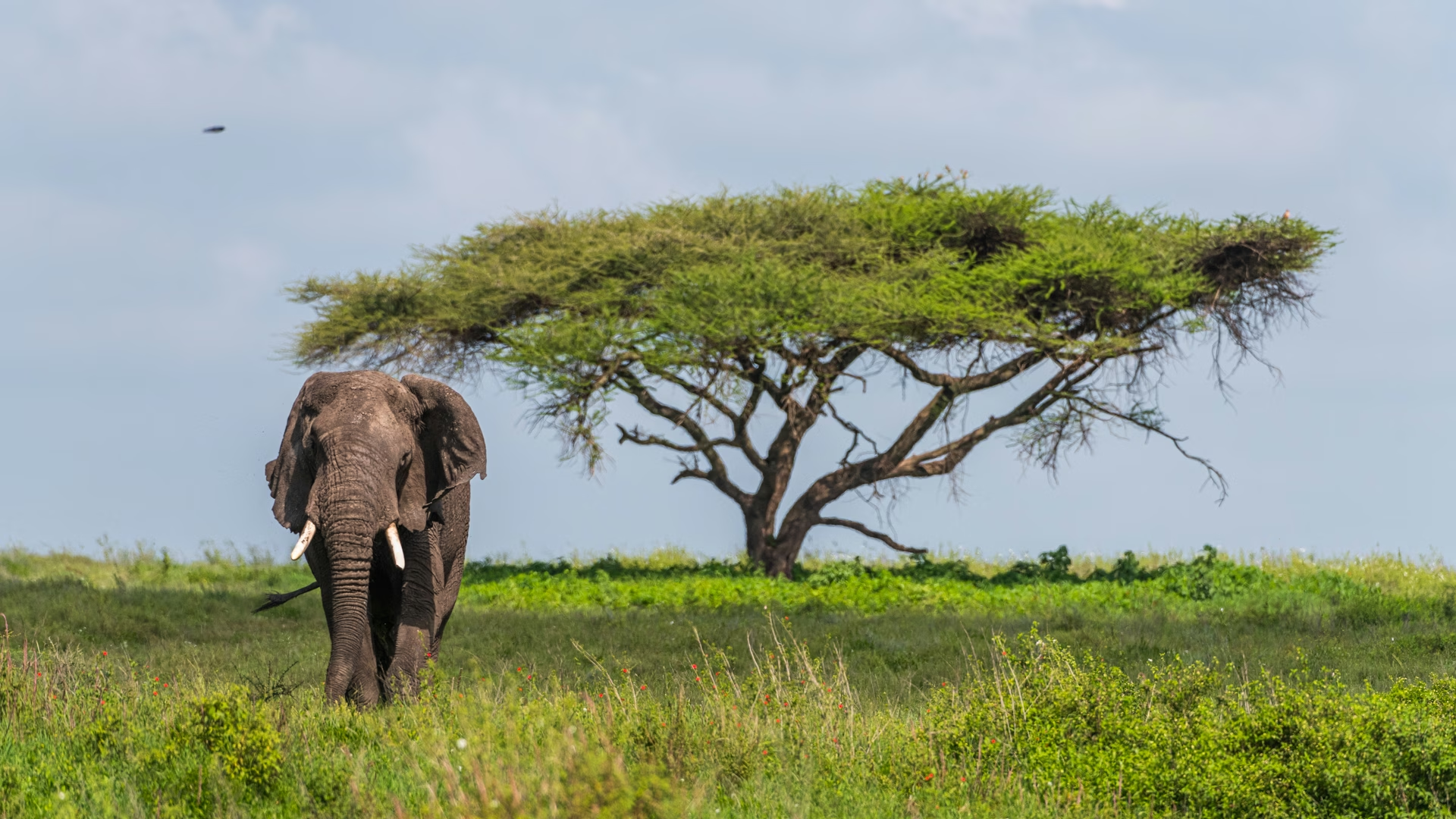
The longer the safari, the higher the total cost, although the average price per day tends to decrease on longer itineraries, as many operators apply cheaper rates per day thanks to economies of scale. In addition, with more time, you will be able to explore calmly and increase your chances of observing animals such as lions, elephants, giraffes, zebras, cheetahs and many more in their natural habitat.
3. Season of the year
The price of a safari in Tanzania varies according to the season of the year. During the high season (January, February, June to October and December), when the climate is more favorable and the demand for tourists is greater, prices are usually higher due to the greater availability of guides, accommodation and transport. It is the most demanded time to go on safaris, so prices increase.
On the other hand, during thelow season (April and May), due to rains and lower demand from tourists, prices tend to be lower. Safari operators usually offer discounts or cheaper rates, although the weather and visibility of the animals may not be as ideal.
4. Type of accommodation
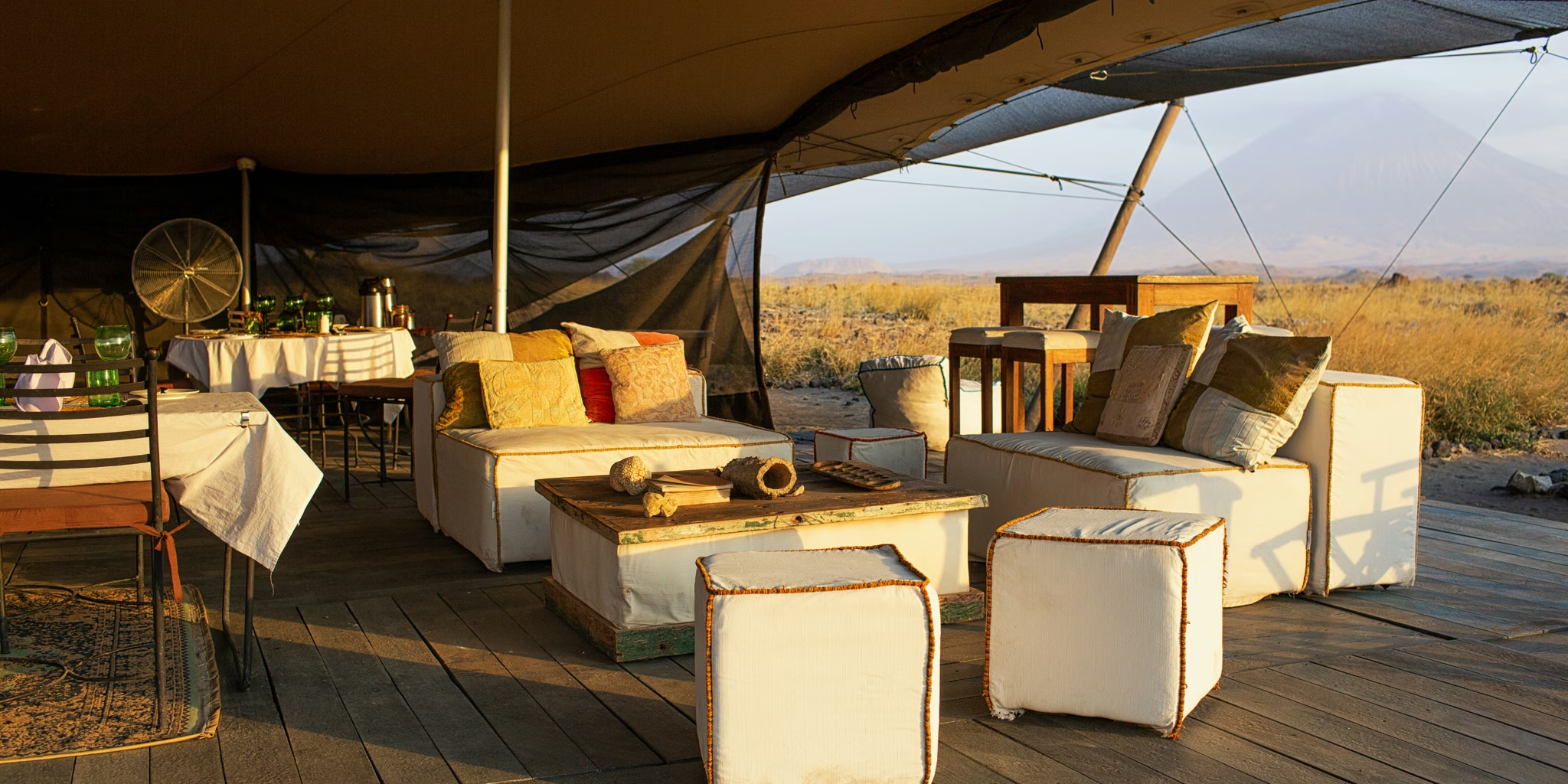
The cost of a safari in Tanzania varies considerably depending on the style of accommodation you choose. Travel agencies offer a variety of options that directly affect the price of the safari. If you opt for luxury accommodation, such as exclusive lodges or luxury tents, prices will be higher due to the premium amenities and services they offer, such as spectacular views, gourmet food and private guides.
On the other hand, if you prefer accommodation in more basic hotels or lodges, the price of the safari tends to be more accessible, since these accommodations are usually simpler and cheaper.
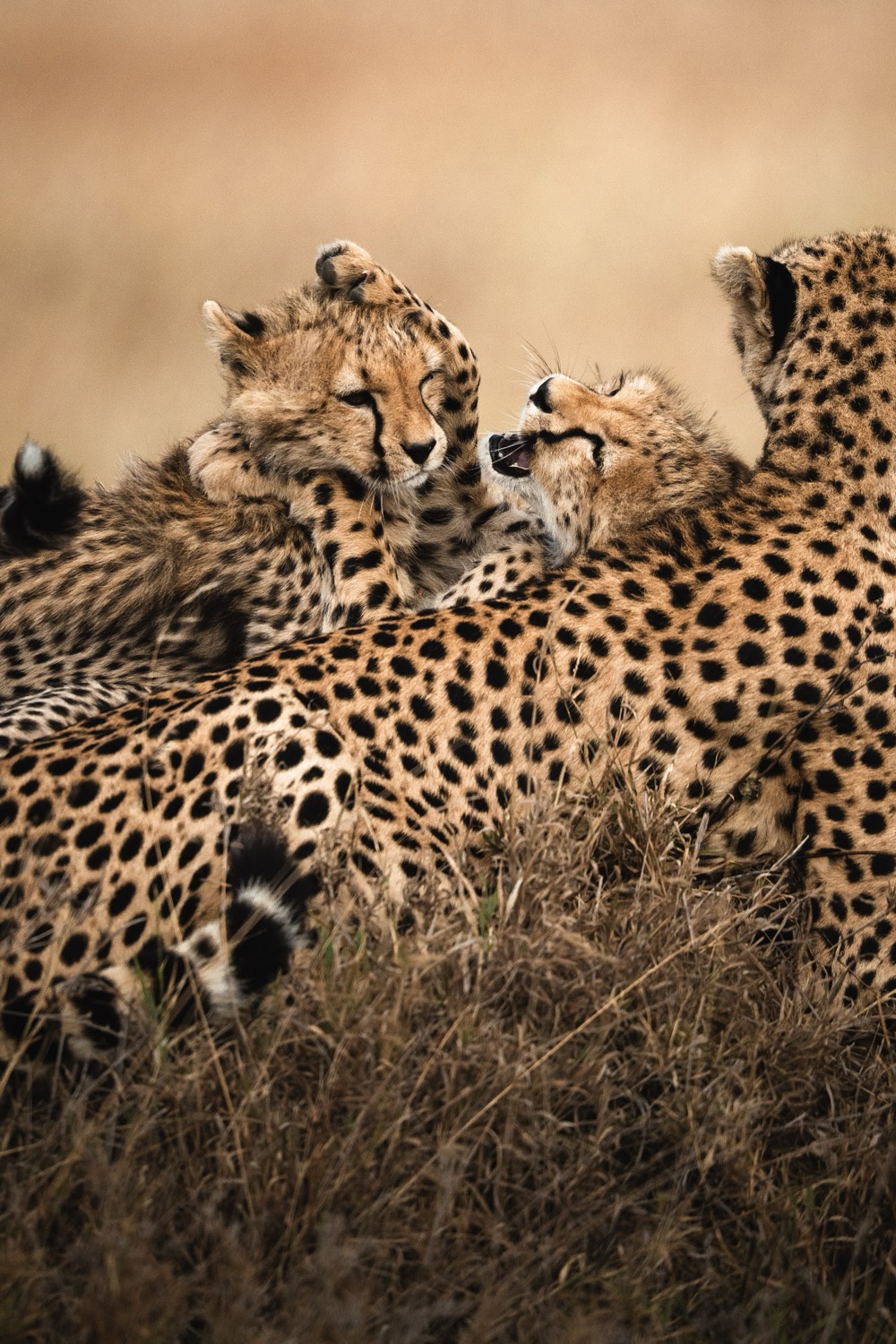
Approximate prices for a safari in Tanzania
Inexpensive safari
An inexpensive safari in Tanzania ranges from 150-250 USD per person per day, and includes:
- Accommodation in basic camps or economy class lodges
- Transportation in shared vehicles
- Guide (sometimes shared with other groups)
- Basic meals
- Park tickets (limited to the main ones)
This option is ideal for budget travelers who want to live the African experience without great luxuries.
Standard or mid-range Safari
The middle category safari costs approximately 300-500 USD per person per day, and includes:
- Accommodation in mid-range lodges with good facilities
- 4x4 vehicle with professional driver-guide
- All meals
- Mineral water during safaris
- Tickets to the best parks
- Transfers from the airport
It is the most balanced option requested by travelers.
Ready to plan your Tanzania safari?
Join one of our small-group safaris and discover the Serengeti, Ngorongoro Crater and more at a price that suits your budget. 6 days, from 2.095 € per person. Tanzania - Classic Safari
Luxury Safari
Luxury safaris can cost from 700 to more than 1,500 USD per person per day, offering:
- Luxury accommodation in the best lodges and exclusive campsites
- Premium vehicles with maximum comfort
- Private and specialized expert guides
- High level gastronomy
- Exclusive experiences (Balloon safaris, private dinners in the savannah)
- Private transfers from Kilimanjaro International Airport
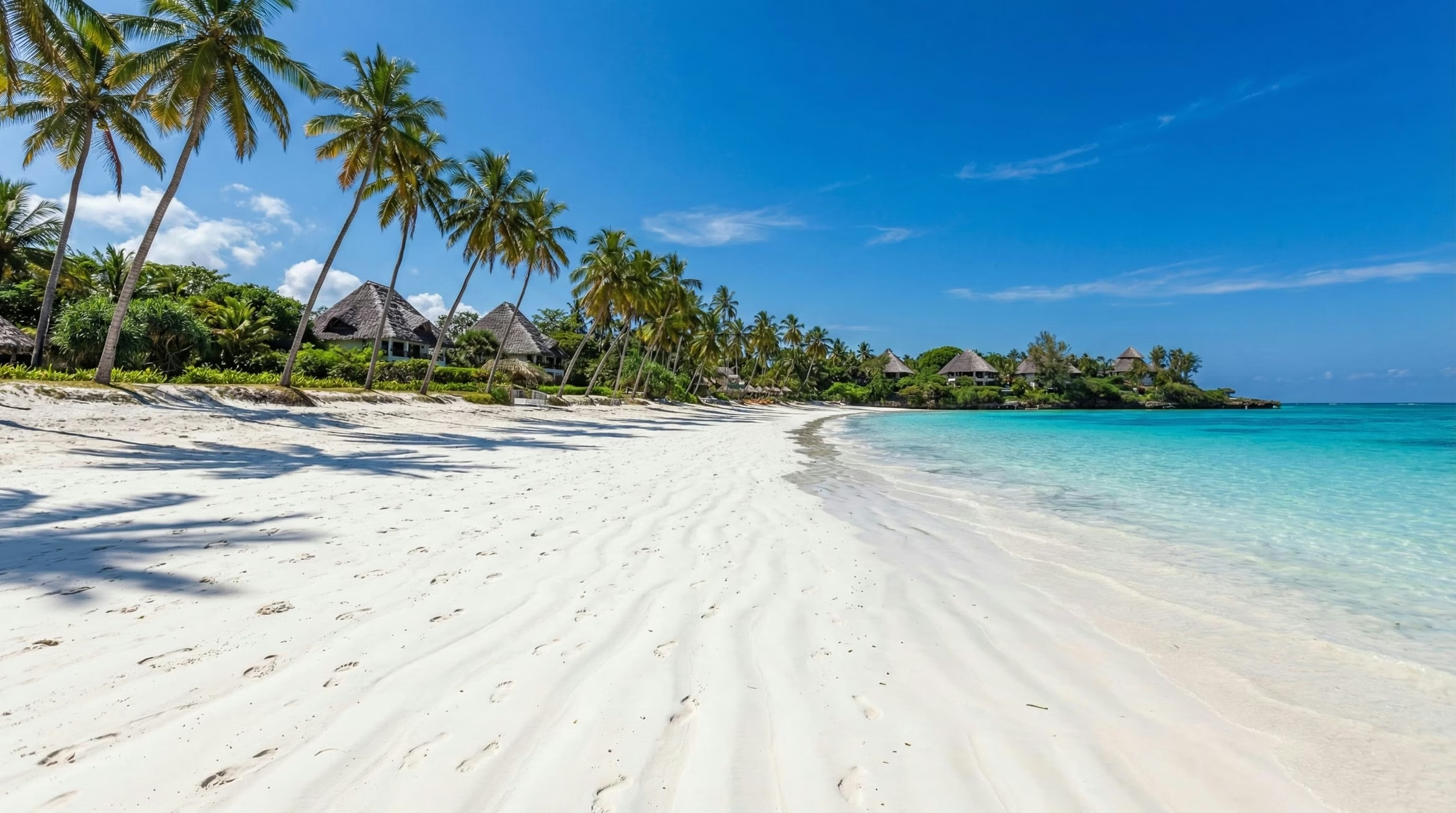
- Possibility ofextensions in Zanzibarto enjoy its turquoise waters
What is included and what is not included in a safari in Tanzania
What a safari in Tanzania usually includes
- Transfer to Kilimanjaro Airport: Transfer to and from Kilimanjaro International Airport is usually included in safari packages, making it easier to arrive and leave the country.
- Gite: Accommodation is included in the safari package. Depending on the style chosen, this can be in luxury lodges, safari camps or in hotels within the parks.
- Meals: The meals(breakfast, lunch and dinner) are included. This ensures a complete and worry-free experience during your safari vacation.
- Transport: Transportation is included, usually in a safari jeepwith driver and guide, to move between the parks and the accommodation.
- Safari guide: A local guide expert in wildlife and culture is an essential part of the experience, providing in-depth knowledge about the animals, ecosystem and traditions of the region.
- Tickets to the parks: Tickets to natural parks (such as Serengeti National Park, Ngorongoro Reserve or Tarangire Park) are usually included in the price of the safari.
- Safari activities: All activities and excursions mentioned in the itinerary are included, such as guided walks and other special experiences.
What a safari in Tanzania usually does not include
- International flights: The international plane ticket to Tanzania, as well as any domestic flight, is not included and must be managed by the traveler.
- Visa: The visa to enter Tanzania is not included in the package. Travelers must obtain it before their arrival in the country, depending on their nationality.
- Travel insurance: Travel insurance is not included, but it is highly recommended to have one that covers medical emergencies, cancellations, loss of luggage, etc.
- Personal expenses and tips: Tips for guides and drivers, as well as other personal expenses such as souvenirs or souvenirs, are not included in the package.
7 tips to save on your safari without sacrificing the experience
- Travel during the low season: Prices are lower outside of high season.
- Book a group safari: By joining a group, you can split the costs of transportation and guide, making the trip more affordable.
- Choose simpler accommodation options: Opt for mid-range lodges or comfortable but not luxury campgrounds.
- Book in advance: Take advantage of promotions and discounts for early booking.
- Combine national parks: Een route plan met verschillende parken om te optimaliseren van commuting en reducere transportkosten.
- Avoiding expensive additional activities: Some experiences, such as balloon flights or night safaris, can significantly increase the price. Decide if they are important to you.
- Travel with reduced luggage: Bê guman, tenê tiştê ku hewce ye ku meriv ji barkirina bagajê ya zêde li ser firînên navxweyî dûr bixe.
How much does the northern circuit cost?
The Northern Circuit (Serengeti, Ngorongoro Crater, Tarangire, Lake Manyara) is Tanzania's most visited safari route and its most expensive. The reason is park fees. The Serengeti alone charges $82 per adult per day (as of January 2026, subject to TANAPA revision), and Ngorongoro Conservation Area levies a separate crater service fee of $70 per vehicle entry. A four-day Serengeti-and-Ngorongoro loop adds roughly $400–$500 per person in government fees before a single meal or bed night is costed.
Add accommodation and a private vehicle and guide, and a six-day Northern Circuit safari in mid-range style, tented camps, en-suite bathrooms, full board, typically costs $2,800–$3,800 per person. Peak season (July–October, January–February) pushes the upper end of that range by another 25–40%, and the best camps near the river crossings genuinely book out twelve months in advance.
One thing worth flagging about the Northern Circuit: this is also where the most misleading quotes circulate. We've reviewed competitor packages that label a shared Land Cruiser with six paying guests as 'semi-private.' It isn't. A private vehicle means one group, one guide, one vehicle, full stop. If a quote doesn't specify, ask.
How much does the southern circuit cost?
Ruaha National Park and Nyerere National Park (formerly Selous) charge significantly lower daily fees than the Northern parks, and the fly-in distances are longer, which adds cost in a different place. A Southern Circuit safari almost always involves at least one light aircraft leg, typically from Dar es Salaam or from a junction airstrip, adding $200–$450 per person in domestic flights depending on the route.
Net of that flight cost, a five-day Southern Circuit safari in mid-range style runs $2,200–$3,400 per person. In luxury, and the South has some of Africa's finest small bush camps, the same five days can easily reach $5,000–$8,000 per person. The trade-off is real: you pay for the flight but you gain near-total solitude. In February 2027, our guide Emmanuel took a group of four into Ruaha's Jongomero area on a boat safari down the Great Ruaha River. They didn't see another vehicle or another boat the entire morning. That's simply not available on the Northern Circuit at any price point during high season.
What does a combined northern and southern circuit cost?
Combining both circuits, say, four days in Tarangire and the Serengeti followed by four days in Ruaha, 9 days, from 3.931 € per person, is our most common recommendation for travellers with ten or more days and a genuine appetite for contrast. Costs for an eight-to-ten-day combined mid-range trip run $4,500–$7,000 per person, domestic flights included. It costs more than a single-circuit trip, but the range of habitats, the shift in atmosphere, and the near-absence of other tourists in the South make it a meaningfully different trip rather than just a longer one.
The line items that usually don't appear on page one of a quote
Internal flights and light-aircraft transfers
Getting between parks in East Africa almost always involves either a long road transfer or a light-aircraft hop. A scheduled flight from Nairobi Wilson Airport to the Mara, on Safarilink or Air Kenya, costs $180–$220 one way. A 7-day Kenya itinerary combining Amboseli, the Mara, and Laikipia could involve three or four such hops. That's $600–$900 in internal airfares alone, per person, often listed as 'not included' in the base quote.
In Tanzania, the Arusha–Serengeti–Zanzibar routing is similar. Coastal Aviation and Auric Air dominate that market; a Serengeti to Zanzibar sector typically runs $190–$260 per person. We always build these into our initial quote so clients aren't surprised. Not every operator does.
Gratuities
Tips are excluded from virtually every safari quote on the market. The standard guideline we give clients: $15–$20 per person per day for your guide, and $10–$15 per person per day shared among camp staff. For a 10-day trip with two people, that's $500–$700 in tips, real money, and a genuinely important part of guide income in countries where tourism wages are structured around it. Factor this in early.
Conservation and community levies
Beyond national park fees, many private conservancies charge additional levies. The Olare Motorogi Conservancy and Ol Kinyei Conservancy adjoining the Maasai Mara each charge $150 per person per day on top of the standard Mara gate fees. Camps inside these conservancies, like Mahali Mzuri (Richard Branson's camp, which was quoting around $1,200 per person per night for 2027) or Ol Seki Hemingways, include these in their room rates. But if a quote describes a Mara safari without specifying which conservancy, it's worth asking whether you're inside or outside those boundaries. It affects both cost and experience: conservancy camps permit night drives and off-road tracking, national park camps do not.
Visa fees and travel insurance
Kenya, Tanzania and Uganda all charge visa fees for most Western passport holders. Kenya's eTA costs $34. Tanzania's single-entry visa runs $50. Neither appears in a safari quote. Travel insurance (which we consider non-negotiable for any safari, particularly given medical evacuation costs in remote areas, adds another $80–$200 per person depending on trip length and provider.
Personal drinks and laundry
Almost all mid-range and luxury camps include soft drinks, local beers, and house wines in their all-inclusive rates. A few don't, and a week of sundowner gin-and-tonics adds up faster than you'd think. Some camps also charge for laundry beyond a basic service. Check both before you arrive.
What does 'fully inclusive' actually mean?
At the luxury end, 'fully inclusive' usually means everything from the moment you land at the bush airstrip: accommodation, all meals, all game drives, park fees, laundry, house alcohol, and sometimes even your international departure taxes. Lemala Nanyukie in the Mara, which was quoting $580–$650 per person per night for October 2027 travel when we last checked, operates on this model. You land, you hand over your bag, and the only thing you'll need your wallet for is tips and the gift shop.
At the budget and mid-range level, 'fully inclusive' means something narrower. Typically: accommodation, three meals, and two game drives per day. Park fees may or may not be in. Drinks beyond water and tea usually aren't. The phrase 'all-inclusive' does not have a regulated definition in safari tourism, which is exactly why you should always ask for a written breakdown.
How to compare two quotes fairly
When you have quotes from two different operators for what looks like the same trip, the fastest way to level the comparison is to ask each one the same five questions:
The answers will often explain a $1,500 per person price difference that initially looks suspicious. In our experience, cheaper quotes frequently exclude internal flights and conservancy fees. More expensive quotes sometimes include services you don't actually want, helicopter transfers, spa treatments, that inflate the headline rate.
Is a private safari worth the extra cost?
For two people travelling together, the maths often surprise people. A private 4x4 with a dedicated guide runs USD 200-350 per day for the vehicle. Split between two, that's not dramatically more than a seat in a shared group departure. What you gain is pace. You stay at a sighting as long as you want, leave camp before the gates open and skip any location that doesn't interest you.
Families with children almost always benefit from going private. So do couples who want to move slowly, eat when they feel like it and change plans mid-game drive if the guide hears something interesting on the radio. The price gap narrows faster than most people expect once the vehicle cost is divided.
Does where you book affect the final price?
It can, and the reasons are structural rather than about margins alone. Booking through a UK or US-based agency typically adds a layer on top of the ground operator's cost. Booking directly with a Tanzanian operator may be cheaper, but you lose the consumer protections that come with an EU-licensed agency. Booking with a Spanish-based operator that runs its own vehicles and guides out of Arusha removes the wholesaler from the chain, which is a meaningful difference in both price transparency and accountability.
Before booking with anyone, check that your operator holds current licensing. The TANAPA site publishes current park fee schedules so you can verify independently what any operator should be paying on your behalf.
Got rough dates for 2027? Send us the outline on WhatsApp and we'll put together a real, itemised quote within 24 hours.
Your adventure in Tanzania starts here
Discover the magic of Tanzania with Trio Travel, an agency committed to offering authentic, responsible and personalized experiences. From the wild immensity of the Serengeti to the mystery of the Ngorongoro Crater, we design each itinerary so that you can experience the journey of your dreams with total safety and respect for the local communities. With us, you don't just visit Africa: you explore it at your own pace and from a close and real perspective.
Experience the Great Migration for yourself
Our expert guides will take you to the heart of one of nature's greatest spectacles, with everything taken care of from the moment you land. 9 days, from 3.350 € per person. Tanzania - Crossroads of the Great Migration
Frequently asked questions
What is the best time of year to go on a safari in Tanzania?
The best time is during the dry season, from June to October, when wildlife gathers around water sources and visibility is excellent. January and February are also great for witnessing calving season in the Serengeti. December is popular but prices are higher due to holiday demand.
Do I need a visa to travel to Tanzania?
Yes, most nationalities require a visa to enter Tanzania. You can apply for an e-visa online through the official Tanzanian government portal before departure. The process is straightforward and typically takes a few business days. Visa costs are not included in safari packages, so budget for this separately.
Is it safe to go on safari in Tanzania?
Tanzania is considered one of Africa's safer safari destinations. National parks are well managed and guided safaris mean you travel with experienced professionals who know the terrain and wildlife behaviour. As with any travel, it is advisable to check your government's current travel advice before departure.
What vaccinations do I need before travelling to Tanzania?
Yellow fever vaccination is required if arriving from a yellow fever endemic country. Hepatitis A, typhoid and tetanus vaccines are strongly recommended. Malaria prophylaxis is also advised. Always consult a travel health clinic or your doctor at least six weeks before departure to get personalised medical advice.
How many days should I plan for a Tanzania safari?
A minimum of five to six days is recommended to visit key parks such as the Serengeti, Ngorongoro Crater and Tarangire. However, eight to ten days allows a more relaxed pace and richer wildlife encounters. Longer itineraries also tend to offer better value per day as operators apply economies of scale.
Can I combine a Tanzania safari with a Kilimanjaro climb?
Absolutely. Many travellers combine a wildlife safari with a Kilimanjaro trek for a complete Tanzanian adventure. The Machame Route is one of the most popular and scenic options. It is advisable to do the climb before the safari so you can relax and recover while enjoying game drives in the national parks.
| Recommended duration | 5 to 10 days |
| Budget safari (per person/day) | 150 to 250 USD |
| Mid-range safari (per person/day) | 300 to 500 USD |
| Luxury safari (per person/day) | 700 to 1,500+ USD |
| Best season | June to October (dry season) |
| Visa required | Yes, e-visa available online |
| Key parks | Serengeti, Ngorongoro, Tarangire |
Tanzania is a unique destination for those who want to immerse themselves in the true essence of African nature. With its stunning landscapes, rich wildlife and vibrant national parks, it offers a safari experience that few places in the world can match.
In this article, we provide you with all the information you need to plan your safari in Tanzania, from the factors that affect the price to the best tips to make the most of your experience, adjusted to your budget.
What is the price of one safari in Tanzania?
The price of a safari in Tanzania varies depending on whether it is in a group or private. A group safari, which usually lasts between 6 and 10 days and includes shared transport, accommodation in campsites or lodges and a guide, costs between 200 and 400 euros per person per day.
On the other hand, a private safari, with an exclusive vehicle, personalized itinerary and more comfort, usually costs between 300 and 500 euros per person per day for a similar duration. The main difference is in the flexibility and privacy offered by the private safari, although at a higher cost.
4 factors that influence the price of a safari in Tanzania
1. Type of safari: Private, group or luxury
The type of safari you choose will largely determine the cost per person:
- Safari in a group: This modality involves sharing a vehicle, guide and experiences with other travelers (usually between 4 and 7 people). It follows pre-established routes with more rigid schedules, but offers an enriching social atmosphere. It is the perfect option for solo travelers looking for company, social partners or friends who do not need total control of the itinerary and value meeting people from different cultures during the adventure.
- Private safari: It offers exclusivity with a vehicle dedicated only to your group, freedom to modify the itinerary and a personal guide that adapts to your interests. It is ideal for photographers who need more time with animals, families with children who require flexibility, or passionate travelers who want a deep educational experience without having to adapt to the needs of others.
- Luxury Safari: This premium experience is characterized by exclusive accommodations in privileged locations, elite guides with deep scientific knowledge, refined gastronomy and complementary activities such as night safaris or balloon rides. It is the ideal option for those who want to live the safari adventure without giving up comfort, perfect for honeymoon couples or wildlife lovers who want to enjoy uncrowded places and unique moments.
Private safari or group safari?
2. Duration of the safari
Most safaris in Tanzania last between 5 and 10 days.To visit the most emblematic parks - such as the Serengeti, the Ngorongoro Crater and the Tarangire National Park - a minimum of 5 to 6 days is recommended, since the distances between reserves are large and the pace of the tours is slow.
The longer the safari, the higher the total cost, although the average price per day tends to decrease on longer itineraries, as many operators apply cheaper rates per day thanks to economies of scale. In addition, with more time, you will be able to explore calmly and increase your chances of observing animals such as lions, elephants, giraffes, zebras, cheetahs and many more in their natural habitat.
3. Season of the year
The price of a safari in Tanzania varies according to the season of the year. During the high season (January, February, June to October and December), when the climate is more favorable and the demand for tourists is greater, prices are usually higher due to the greater availability of guides, accommodation and transport. It is the most demanded time to go on safaris, so prices increase.
On the other hand, during thelow season (April and May), due to rains and lower demand from tourists, prices tend to be lower. Safari operators usually offer discounts or cheaper rates, although the weather and visibility of the animals may not be as ideal.
4. Type of accommodation
The cost of a safari in Tanzania varies considerably depending on the style of accommodation you choose. Travel agencies offer a variety of options that directly affect the price of the safari. If you opt for luxury accommodation, such as exclusive lodges or luxury tents, prices will be higher due to the premium amenities and services they offer, such as spectacular views, gourmet food and private guides.
On the other hand, if you prefer accommodation in more basic hotels or lodges, the price of the safari tends to be more accessible, since these accommodations are usually simpler and cheaper.
Approximate prices for a safari in Tanzania
Inexpensive safari
An inexpensive safari in Tanzania ranges from 150-250 USD per person per day, and includes:
- Accommodation in basic camps or economy class lodges
- Transportation in shared vehicles
- Guide (sometimes shared with other groups)
- Basic meals
- Park tickets (limited to the main ones)
This option is ideal for budget travelers who want to live the African experience without great luxuries.
Standard or mid-range Safari
The middle category safari costs approximately 300-500 USD per person per day, and includes:
- Accommodation in mid-range lodges with good facilities
- 4x4 vehicle with professional driver-guide
- All meals
- Mineral water during safaris
- Tickets to the best parks
- Transfers from the airport
It is the most balanced option requested by travelers.
Ready to plan your Tanzania safari?
Join one of our small-group safaris and discover the Serengeti, Ngorongoro Crater and more at a price that suits your budget. 6 days, from 2.095 € per person. Tanzania - Classic Safari
Luxury Safari
Luxury safaris can cost from 700 to more than 1,500 USD per person per day, offering:
- Luxury accommodation in the best lodges and exclusive campsites
- Premium vehicles with maximum comfort
- Private and specialized expert guides
- High level gastronomy
- Exclusive experiences (Balloon safaris, private dinners in the savannah)
- Private transfers from Kilimanjaro International Airport
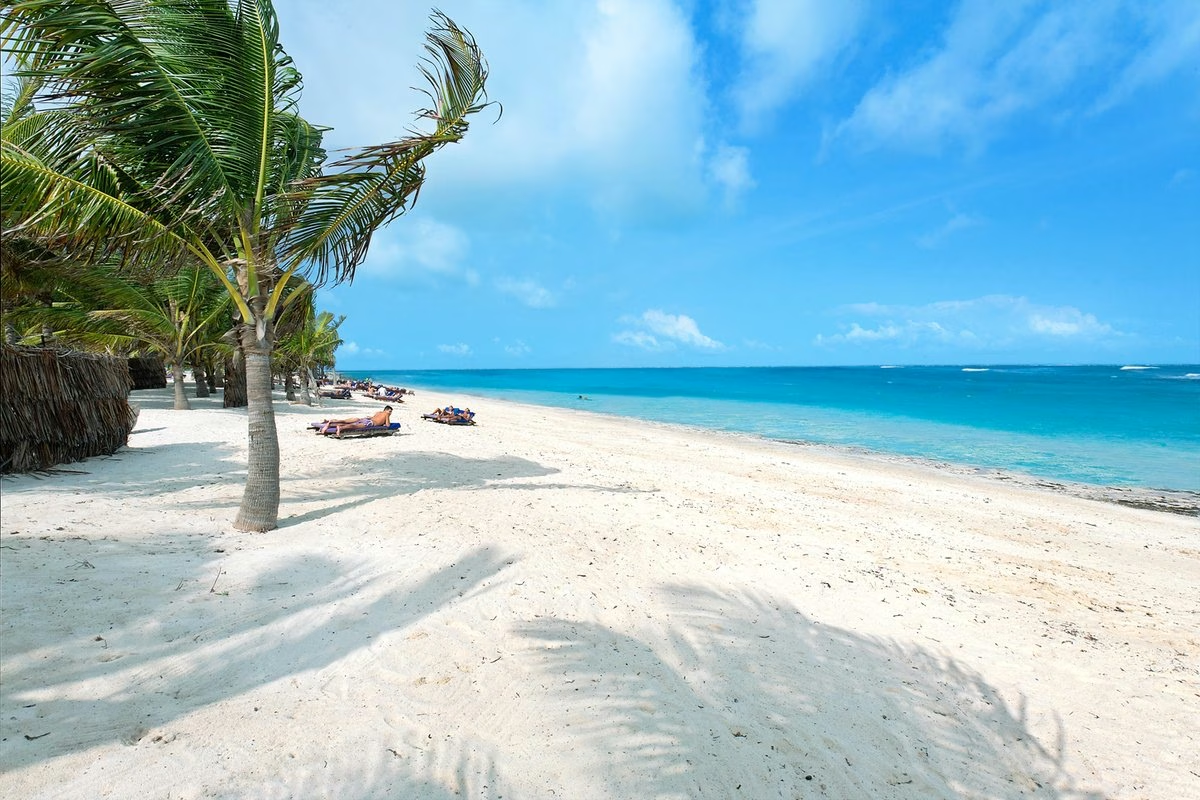
- Possibility ofextensions in Zanzibarto enjoy its turquoise waters
What is included and what is not included in a safari in Tanzania
What a safari in Tanzania usually includes
- Transfer to Kilimanjaro Airport: Transfer to and from Kilimanjaro International Airport is usually included in safari packages, making it easier to arrive and leave the country.
- Gite: Accommodation is included in the safari package. Depending on the style chosen, this can be in luxury lodges, safari camps or in hotels within the parks.
- Meals: The meals(breakfast, lunch and dinner) are included. This ensures a complete and worry-free experience during your safari vacation.
- Transport: Transportation is included, usually in a safari jeepwith driver and guide, to move between the parks and the accommodation.
- Safari guide: A local guide expert in wildlife and culture is an essential part of the experience, providing in-depth knowledge about the animals, ecosystem and traditions of the region.
- Tickets to the parks: Tickets to natural parks (such as Serengeti National Park, Ngorongoro Reserve or Tarangire Park) are usually included in the price of the safari.
- Safari activities: All activities and excursions mentioned in the itinerary are included, such as guided walks and other special experiences.
What a safari in Tanzania usually does not include
- International flights: The international plane ticket to Tanzania, as well as any domestic flight, is not included and must be managed by the traveler.
- Visa: The visa to enter Tanzania is not included in the package. Travelers must obtain it before their arrival in the country, depending on their nationality.
- Travel insurance: Travel insurance is not included, but it is highly recommended to have one that covers medical emergencies, cancellations, loss of luggage, etc.
- Personal expenses and tips: Tips for guides and drivers, as well as other personal expenses such as souvenirs or souvenirs, are not included in the package.
7 tips to save on your safari without sacrificing the experience
- Travel during the low season: Prices are lower outside of high season.
- Book a group safari: By joining a group, you can split the costs of transportation and guide, making the trip more affordable.
- Choose simpler accommodation options: Opt for mid-range lodges or comfortable but not luxury campgrounds.
- Book in advance: Take advantage of promotions and discounts for early booking.
- Combine national parks: Een route plan met verschillende parken om te optimaliseren van commuting en reducere transportkosten.
- Avoiding expensive additional activities: Some experiences, such as balloon flights or night safaris, can significantly increase the price. Decide if they are important to you.
- Travel with reduced luggage: Bê guman, tenê tiştê ku hewce ye ku meriv ji barkirina bagajê ya zêde li ser firînên navxweyî dûr bixe.
How much does the northern circuit cost?
The Northern Circuit (Serengeti, Ngorongoro Crater, Tarangire, Lake Manyara) is Tanzania's most visited safari route and its most expensive. The reason is park fees. The Serengeti alone charges $82 per adult per day (as of January 2026, subject to TANAPA revision), and Ngorongoro Conservation Area levies a separate crater service fee of $70 per vehicle entry. A four-day Serengeti-and-Ngorongoro loop adds roughly $400–$500 per person in government fees before a single meal or bed night is costed.
Add accommodation and a private vehicle and guide, and a six-day Northern Circuit safari in mid-range style, tented camps, en-suite bathrooms, full board, typically costs $2,800–$3,800 per person. Peak season (July–October, January–February) pushes the upper end of that range by another 25–40%, and the best camps near the river crossings genuinely book out twelve months in advance.
One thing worth flagging about the Northern Circuit: this is also where the most misleading quotes circulate. We've reviewed competitor packages that label a shared Land Cruiser with six paying guests as 'semi-private.' It isn't. A private vehicle means one group, one guide, one vehicle, full stop. If a quote doesn't specify, ask.
How much does the southern circuit cost?
Ruaha National Park and Nyerere National Park (formerly Selous) charge significantly lower daily fees than the Northern parks, and the fly-in distances are longer, which adds cost in a different place. A Southern Circuit safari almost always involves at least one light aircraft leg, typically from Dar es Salaam or from a junction airstrip, adding $200–$450 per person in domestic flights depending on the route.
Net of that flight cost, a five-day Southern Circuit safari in mid-range style runs $2,200–$3,400 per person. In luxury, and the South has some of Africa's finest small bush camps, the same five days can easily reach $5,000–$8,000 per person. The trade-off is real: you pay for the flight but you gain near-total solitude. In February 2027, our guide Emmanuel took a group of four into Ruaha's Jongomero area on a boat safari down the Great Ruaha River. They didn't see another vehicle or another boat the entire morning. That's simply not available on the Northern Circuit at any price point during high season.
What does a combined northern and southern circuit cost?
Combining both circuits, say, four days in Tarangire and the Serengeti followed by four days in Ruaha, 9 days, from 3.931 € per person, is our most common recommendation for travellers with ten or more days and a genuine appetite for contrast. Costs for an eight-to-ten-day combined mid-range trip run $4,500–$7,000 per person, domestic flights included. It costs more than a single-circuit trip, but the range of habitats, the shift in atmosphere, and the near-absence of other tourists in the South make it a meaningfully different trip rather than just a longer one.
The line items that usually don't appear on page one of a quote
Internal flights and light-aircraft transfers
Getting between parks in East Africa almost always involves either a long road transfer or a light-aircraft hop. A scheduled flight from Nairobi Wilson Airport to the Mara, on Safarilink or Air Kenya, costs $180–$220 one way. A 7-day Kenya itinerary combining Amboseli, the Mara, and Laikipia could involve three or four such hops. That's $600–$900 in internal airfares alone, per person, often listed as 'not included' in the base quote.
In Tanzania, the Arusha–Serengeti–Zanzibar routing is similar. Coastal Aviation and Auric Air dominate that market; a Serengeti to Zanzibar sector typically runs $190–$260 per person. We always build these into our initial quote so clients aren't surprised. Not every operator does.
Gratuities
Tips are excluded from virtually every safari quote on the market. The standard guideline we give clients: $15–$20 per person per day for your guide, and $10–$15 per person per day shared among camp staff. For a 10-day trip with two people, that's $500–$700 in tips, real money, and a genuinely important part of guide income in countries where tourism wages are structured around it. Factor this in early.
Conservation and community levies
Beyond national park fees, many private conservancies charge additional levies. The Olare Motorogi Conservancy and Ol Kinyei Conservancy adjoining the Maasai Mara each charge $150 per person per day on top of the standard Mara gate fees. Camps inside these conservancies, like Mahali Mzuri (Richard Branson's camp, which was quoting around $1,200 per person per night for 2027) or Ol Seki Hemingways, include these in their room rates. But if a quote describes a Mara safari without specifying which conservancy, it's worth asking whether you're inside or outside those boundaries. It affects both cost and experience: conservancy camps permit night drives and off-road tracking, national park camps do not.
Visa fees and travel insurance
Kenya, Tanzania and Uganda all charge visa fees for most Western passport holders. Kenya's eTA costs $34. Tanzania's single-entry visa runs $50. Neither appears in a safari quote. Travel insurance (which we consider non-negotiable for any safari, particularly given medical evacuation costs in remote areas, adds another $80–$200 per person depending on trip length and provider.
Personal drinks and laundry
Almost all mid-range and luxury camps include soft drinks, local beers, and house wines in their all-inclusive rates. A few don't, and a week of sundowner gin-and-tonics adds up faster than you'd think. Some camps also charge for laundry beyond a basic service. Check both before you arrive.
What does 'fully inclusive' actually mean?
At the luxury end, 'fully inclusive' usually means everything from the moment you land at the bush airstrip: accommodation, all meals, all game drives, park fees, laundry, house alcohol, and sometimes even your international departure taxes. Lemala Nanyukie in the Mara, which was quoting $580–$650 per person per night for October 2027 travel when we last checked, operates on this model. You land, you hand over your bag, and the only thing you'll need your wallet for is tips and the gift shop.
At the budget and mid-range level, 'fully inclusive' means something narrower. Typically: accommodation, three meals, and two game drives per day. Park fees may or may not be in. Drinks beyond water and tea usually aren't. The phrase 'all-inclusive' does not have a regulated definition in safari tourism, which is exactly why you should always ask for a written breakdown.
How to compare two quotes fairly
When you have quotes from two different operators for what looks like the same trip, the fastest way to level the comparison is to ask each one the same five questions:
The answers will often explain a $1,500 per person price difference that initially looks suspicious. In our experience, cheaper quotes frequently exclude internal flights and conservancy fees. More expensive quotes sometimes include services you don't actually want, helicopter transfers, spa treatments, that inflate the headline rate.
Is a private safari worth the extra cost?
For two people travelling together, the maths often surprise people. A private 4x4 with a dedicated guide runs USD 200-350 per day for the vehicle. Split between two, that's not dramatically more than a seat in a shared group departure. What you gain is pace. You stay at a sighting as long as you want, leave camp before the gates open and skip any location that doesn't interest you.
Families with children almost always benefit from going private. So do couples who want to move slowly, eat when they feel like it and change plans mid-game drive if the guide hears something interesting on the radio. The price gap narrows faster than most people expect once the vehicle cost is divided.
Does where you book affect the final price?
It can, and the reasons are structural rather than about margins alone. Booking through a UK or US-based agency typically adds a layer on top of the ground operator's cost. Booking directly with a Tanzanian operator may be cheaper, but you lose the consumer protections that come with an EU-licensed agency. Booking with a Spanish-based operator that runs its own vehicles and guides out of Arusha removes the wholesaler from the chain, which is a meaningful difference in both price transparency and accountability.
Before booking with anyone, check that your operator holds current licensing. The TANAPA site publishes current park fee schedules so you can verify independently what any operator should be paying on your behalf.
Got rough dates for 2027? Send us the outline on WhatsApp and we'll put together a real, itemised quote within 24 hours.
Your adventure in Tanzania starts here
Discover the magic of Tanzania with Trio Travel, an agency committed to offering authentic, responsible and personalized experiences. From the wild immensity of the Serengeti to the mystery of the Ngorongoro Crater, we design each itinerary so that you can experience the journey of your dreams with total safety and respect for the local communities. With us, you don't just visit Africa: you explore it at your own pace and from a close and real perspective.
Experience the Great Migration for yourself
Our expert guides will take you to the heart of one of nature's greatest spectacles, with everything taken care of from the moment you land. 9 days, from 3.350 € per person. Tanzania - Crossroads of the Great Migration
Frequently asked questions
What is the best time of year to go on a safari in Tanzania?
The best time is during the dry season, from June to October, when wildlife gathers around water sources and visibility is excellent. January and February are also great for witnessing calving season in the Serengeti. December is popular but prices are higher due to holiday demand.
Do I need a visa to travel to Tanzania?
Yes, most nationalities require a visa to enter Tanzania. You can apply for an e-visa online through the official Tanzanian government portal before departure. The process is straightforward and typically takes a few business days. Visa costs are not included in safari packages, so budget for this separately.
Is it safe to go on safari in Tanzania?
Tanzania is considered one of Africa's safer safari destinations. National parks are well managed and guided safaris mean you travel with experienced professionals who know the terrain and wildlife behaviour. As with any travel, it is advisable to check your government's current travel advice before departure.
What vaccinations do I need before travelling to Tanzania?
Yellow fever vaccination is required if arriving from a yellow fever endemic country. Hepatitis A, typhoid and tetanus vaccines are strongly recommended. Malaria prophylaxis is also advised. Always consult a travel health clinic or your doctor at least six weeks before departure to get personalised medical advice.
How many days should I plan for a Tanzania safari?
A minimum of five to six days is recommended to visit key parks such as the Serengeti, Ngorongoro Crater and Tarangire. However, eight to ten days allows a more relaxed pace and richer wildlife encounters. Longer itineraries also tend to offer better value per day as operators apply economies of scale.
Can I combine a Tanzania safari with a Kilimanjaro climb?
Absolutely. Many travellers combine a wildlife safari with a Kilimanjaro trek for a complete Tanzanian adventure. The Machame Route is one of the most popular and scenic options. It is advisable to do the climb before the safari so you can relax and recover while enjoying game drives in the national parks.