




The Serengeti is where African wildlife is easiest to see at scale: 14,750 km² of savannah in northern Tanzania, stage of the Great Migration of over two million animals and home to one of the largest lion populations on Earth. Park fees run about $70-80 per person per day, and it is worth every cent.
What is Serengeti National Park?
It is Tanzania's oldest national park, created in 1951 and a UNESCO World Heritage Site: 14,750 km² of plains inside an ecosystem of more than 30,000 km² that stretches to the Maasai Mara in Kenya. The name comes from the Maasai word "Serengit", meaning "endless plains", and the description is accurate: you can drive for hours without the horizon changing.
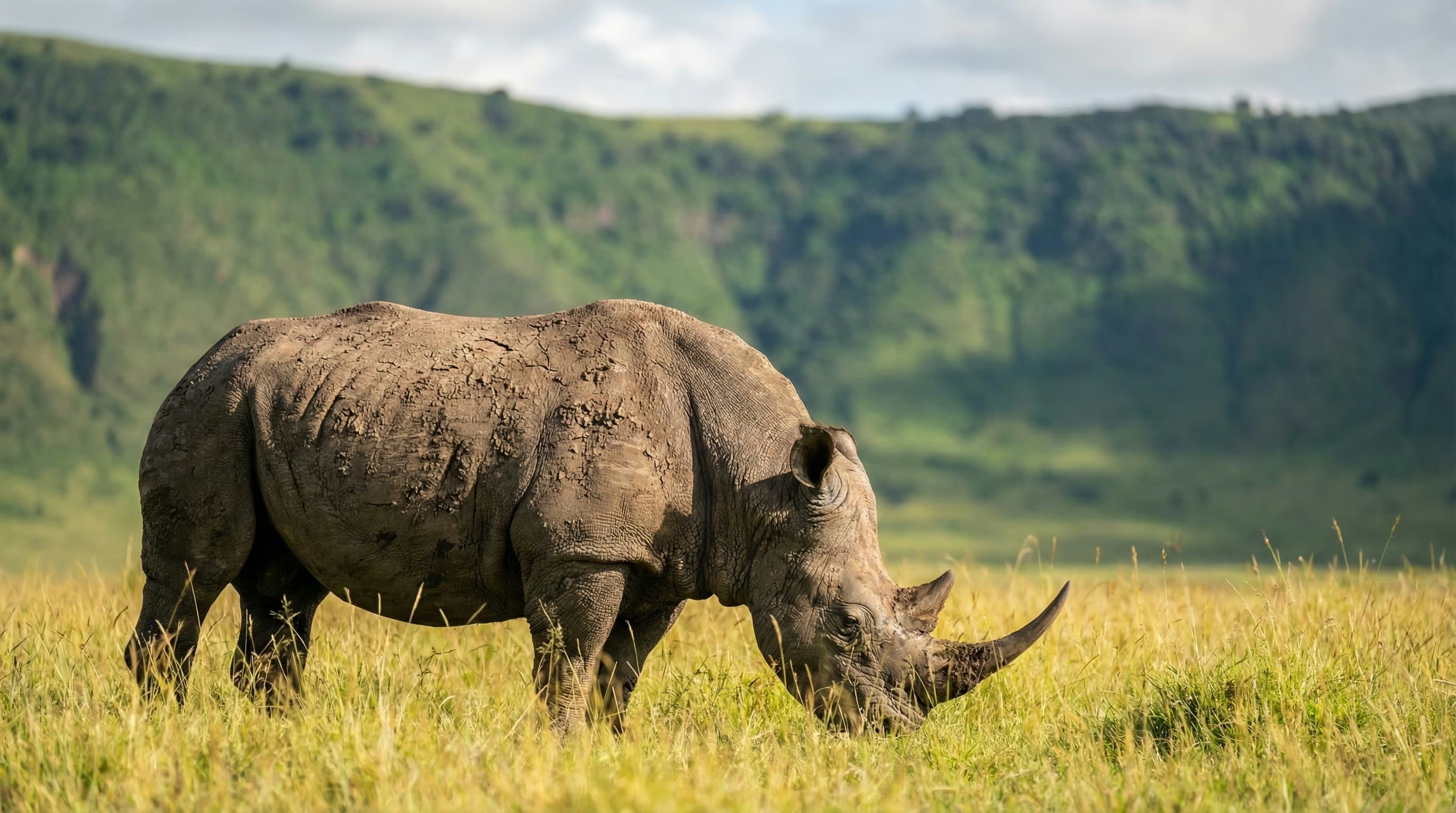
It is also one of the last places in Africa where wildlife still lives wild at this scale, and a refuge for threatened species such as the black rhino. That is why we never leave it out of a route: we go back every season and it still surprises us.
What is the Great Migration and when can you see it?
The Great Migration is the circular movement of more than two million wildebeest, zebras and gazelles chasing rain and fresh grass around the Serengeti all year, up to the Maasai Mara reserve and back. It is not a one-week event: the herds are always somewhere in the park, and the trick is knowing where.
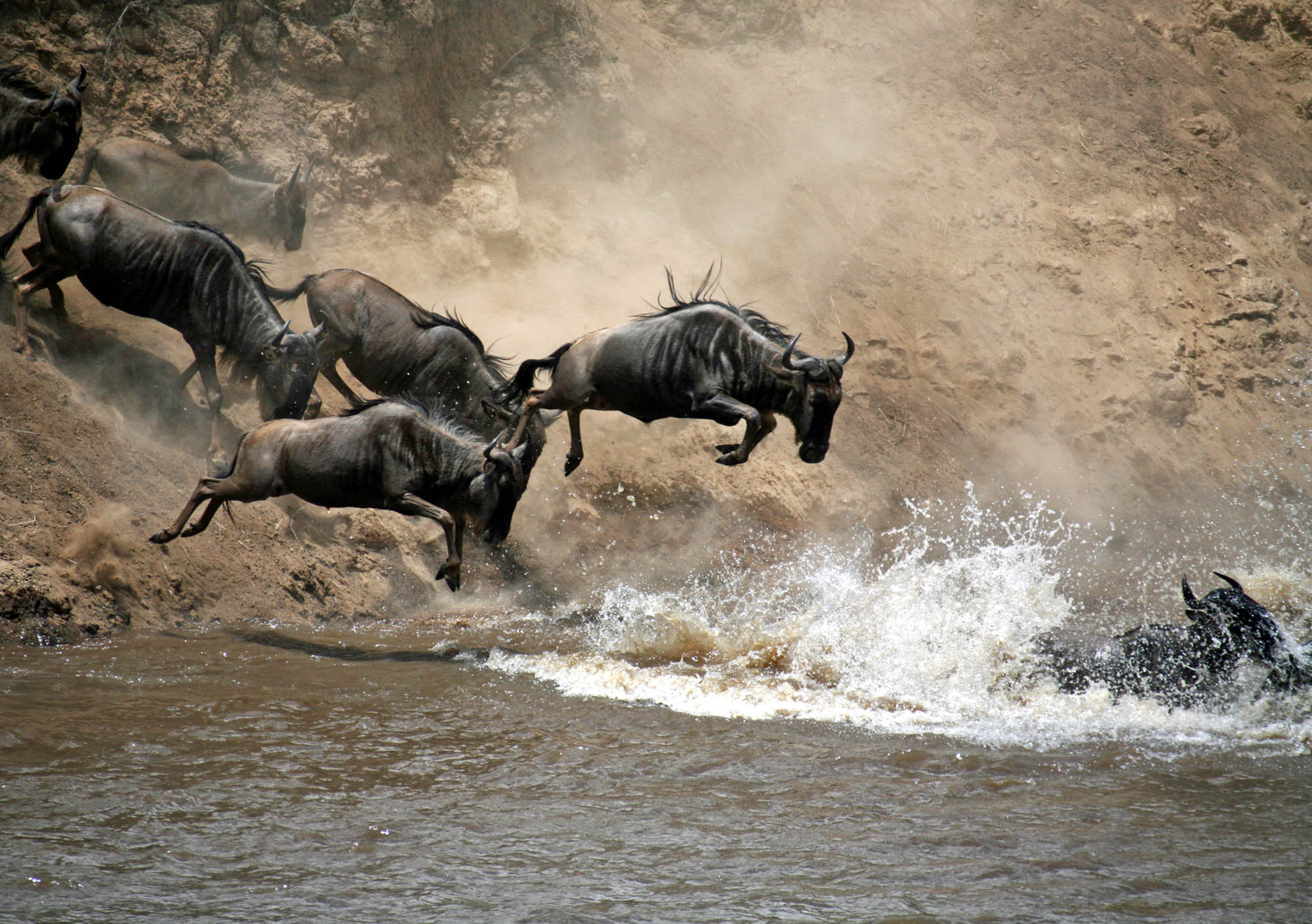
It has two headline moments. From December to March the herds gather around Ndutu, in the south, to give birth, 8 days, from 2.750 € per person: at the peak, thousands of wildebeest calves are born every day, with every predator on watch. Then from July to October come the Mara River crossings in the north: thousands of animals plunging into water full of crocodiles and strong currents. We have watched a fair few and our breath still catches every time.
In October and November the herds drift back down towards the centre of the park, with short rains and far less dust.
Which animals will you see on a Serengeti safari?
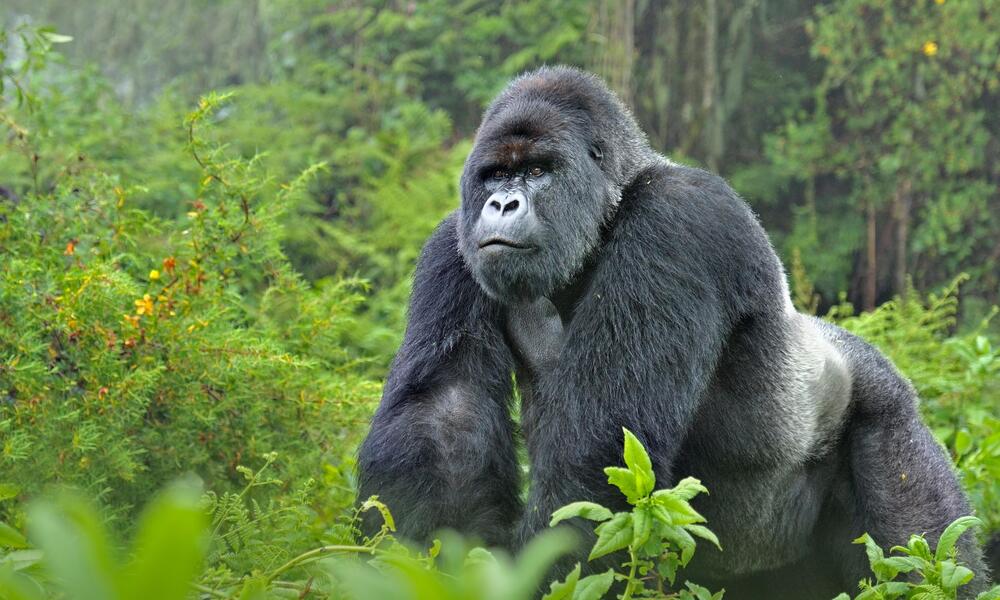
The Big Five (lion, elephant, leopard, rhino and buffalo), plus a long supporting cast: cheetahs, giraffes, hippos, hyenas and more than 500 bird species. Few places on the planet pack in this much visible wildlife.
Lions
The Serengeti holds one of the largest lion populations in the world: an estimated 3,000 across the ecosystem. Seeing them is a matter of time, not luck: resting in the shade, draped over a kopje or hunting in the open.
Elephants
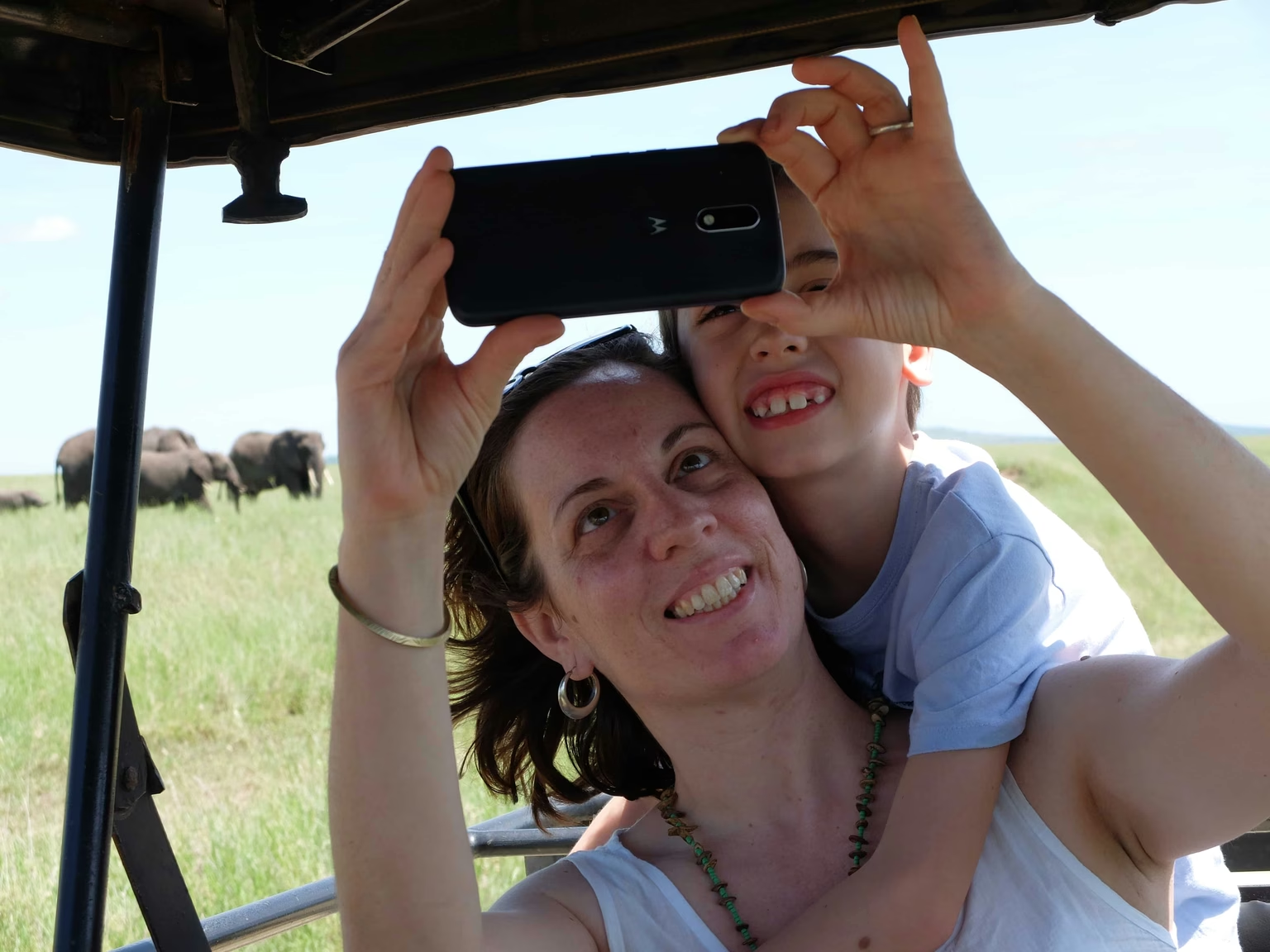
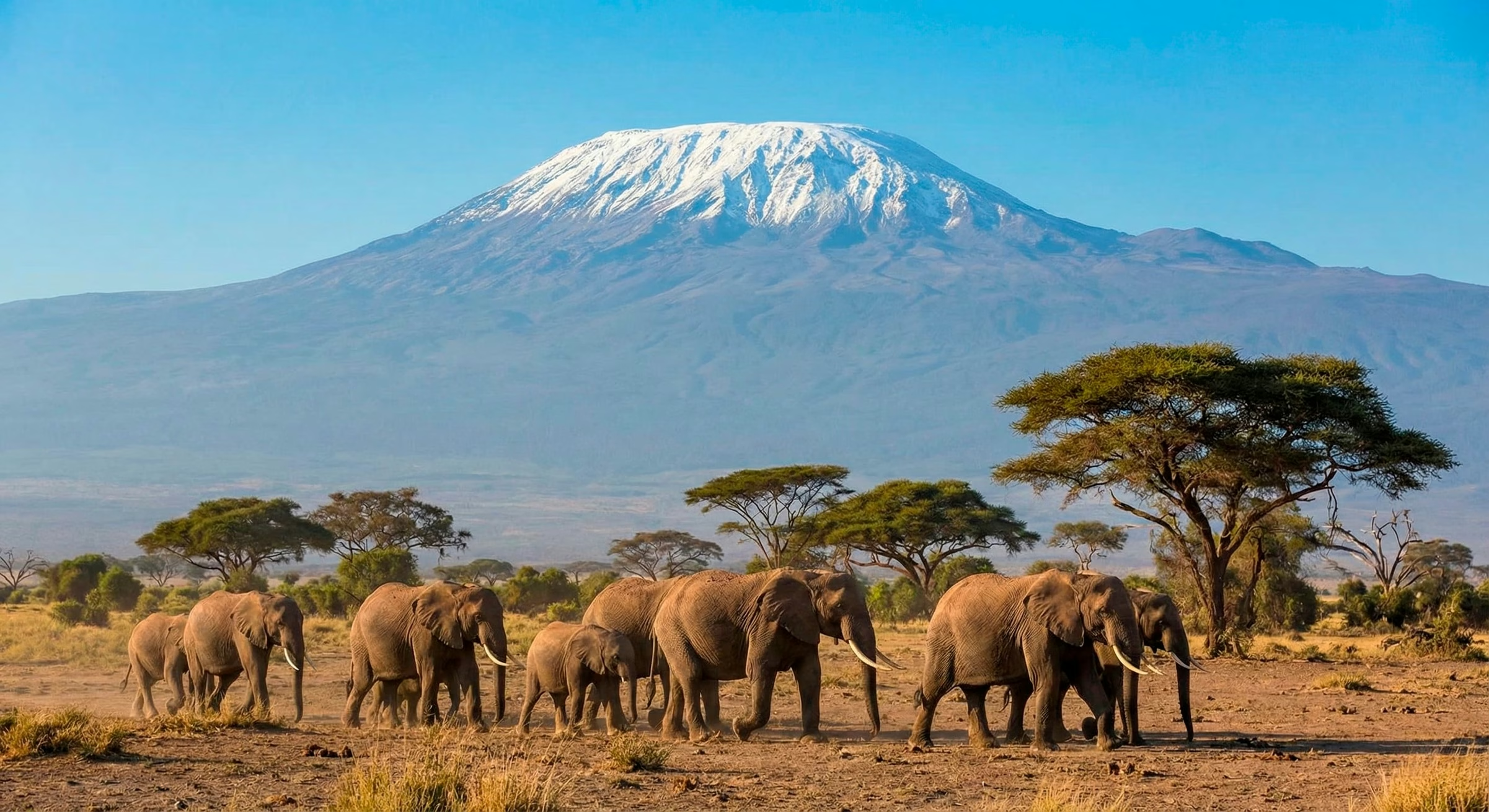
Fewer than in Tarangire, but you will find them, mostly in the park's wooded areas. A herd crossing your track is one of those moments that explains, on its own, why you came.
Leopards
The most elusive of the five. It spends much of the day stretched along acacia branches, and finding one is a guide's job: ours know which trees to check and why.
Rhinos
The critically endangered black rhino lives in a few specific protected zones of the park, such as the area around the Moru Kopjes. If seeing one is your priority, pair the Serengeti with the Ngorongoro Crater, where your odds improve considerably.
Buffalo
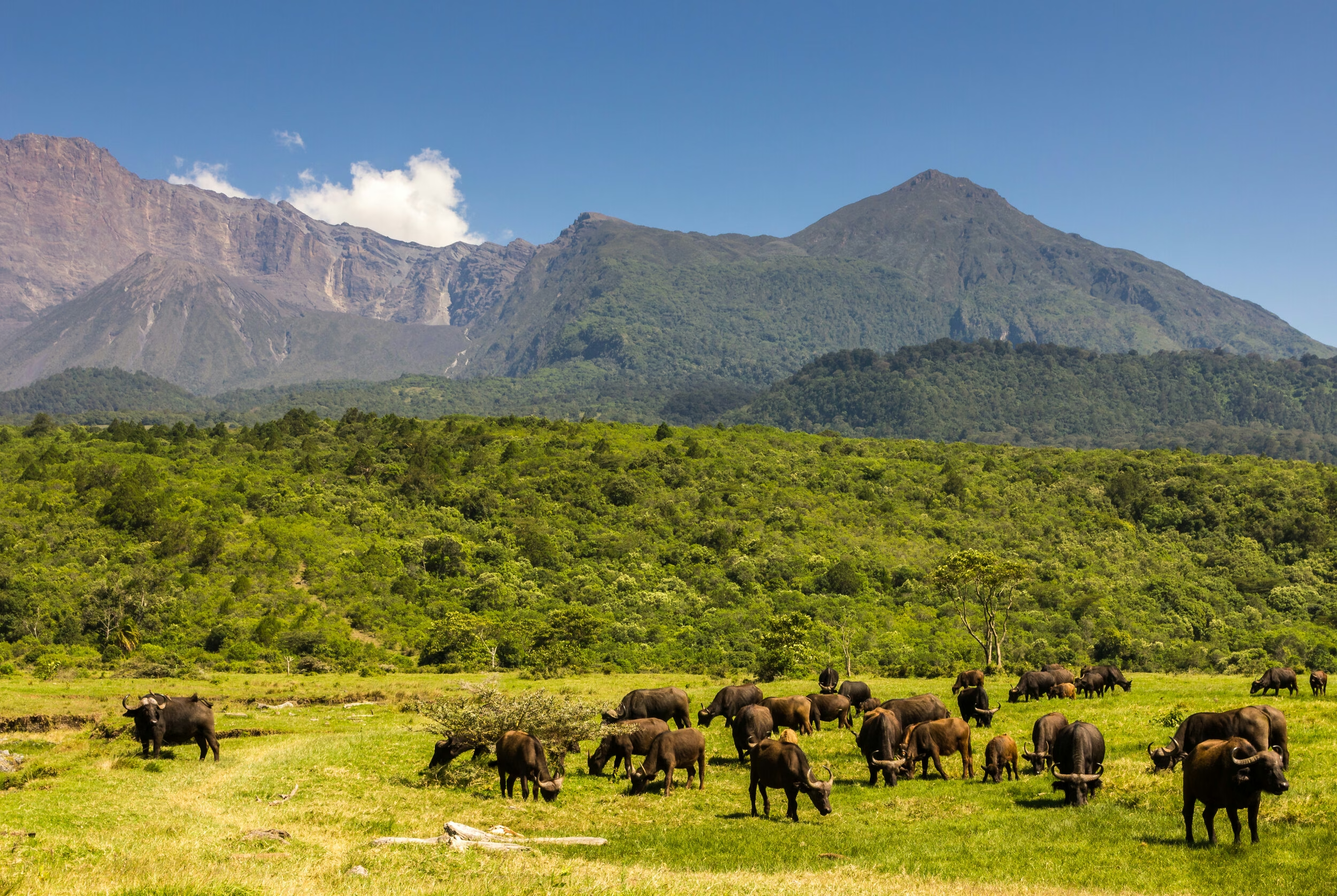
Huge herds grazing across the plains. It is one of the most powerful and unpredictable animals on the continent, and up close it is far more imposing than the photos suggest.
And plenty more
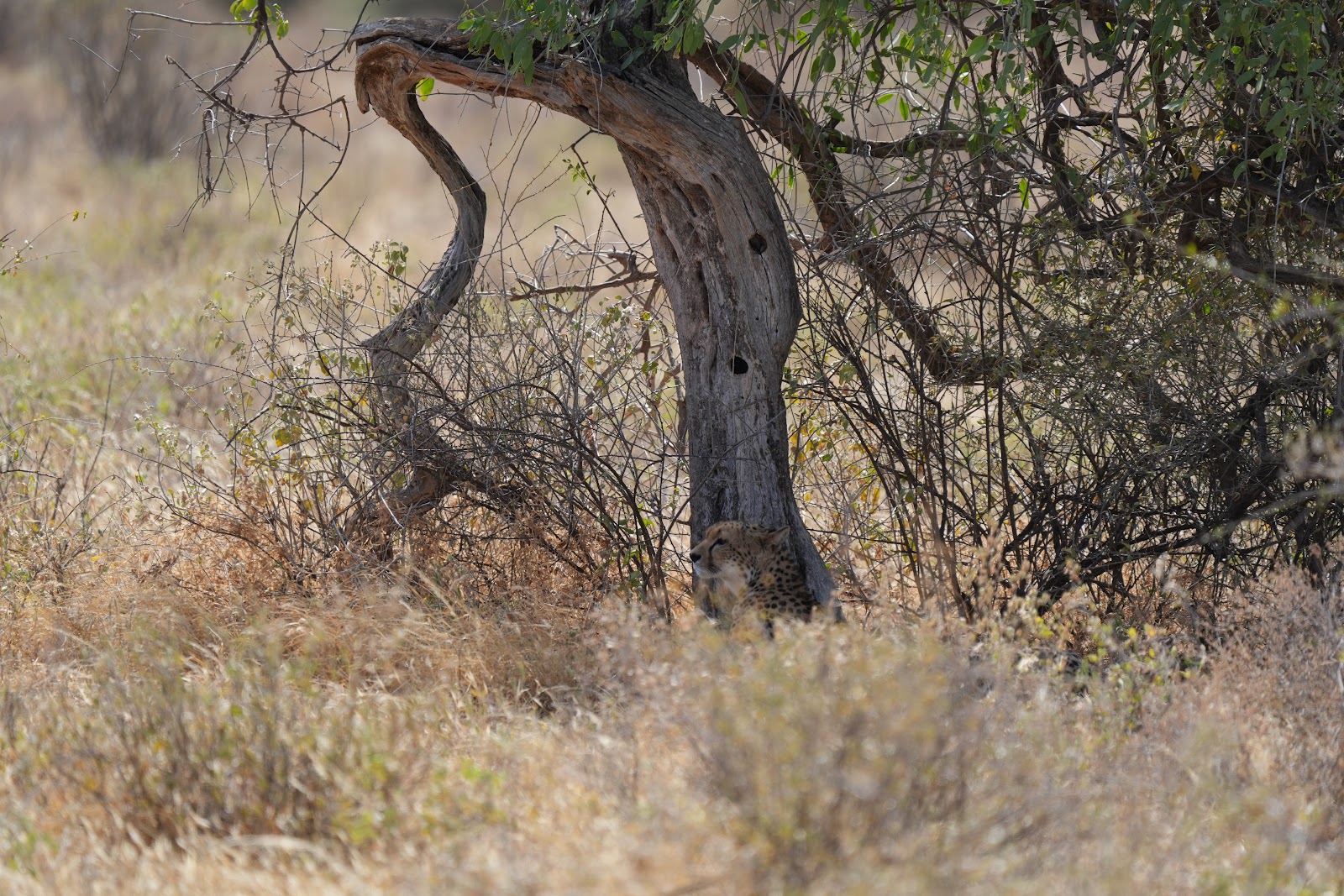
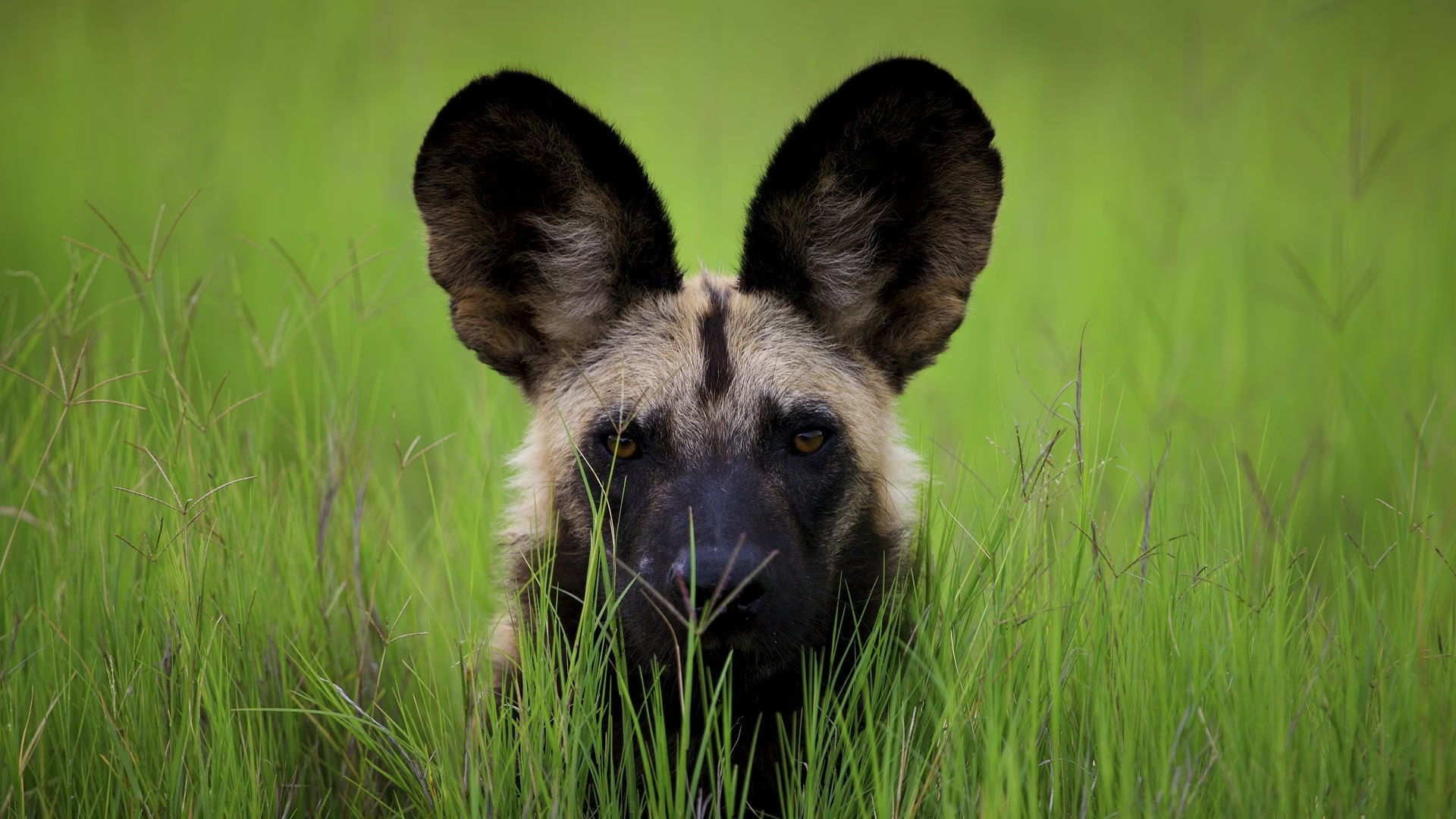
Cheetahs on the open plains (the Serengeti is one of the best places in Africa to watch them hunt), plus giraffes, hyenas, hippos in the pools and a variety of birds that keeps birdwatchers glued to their binoculars.
What is the Serengeti landscape like?
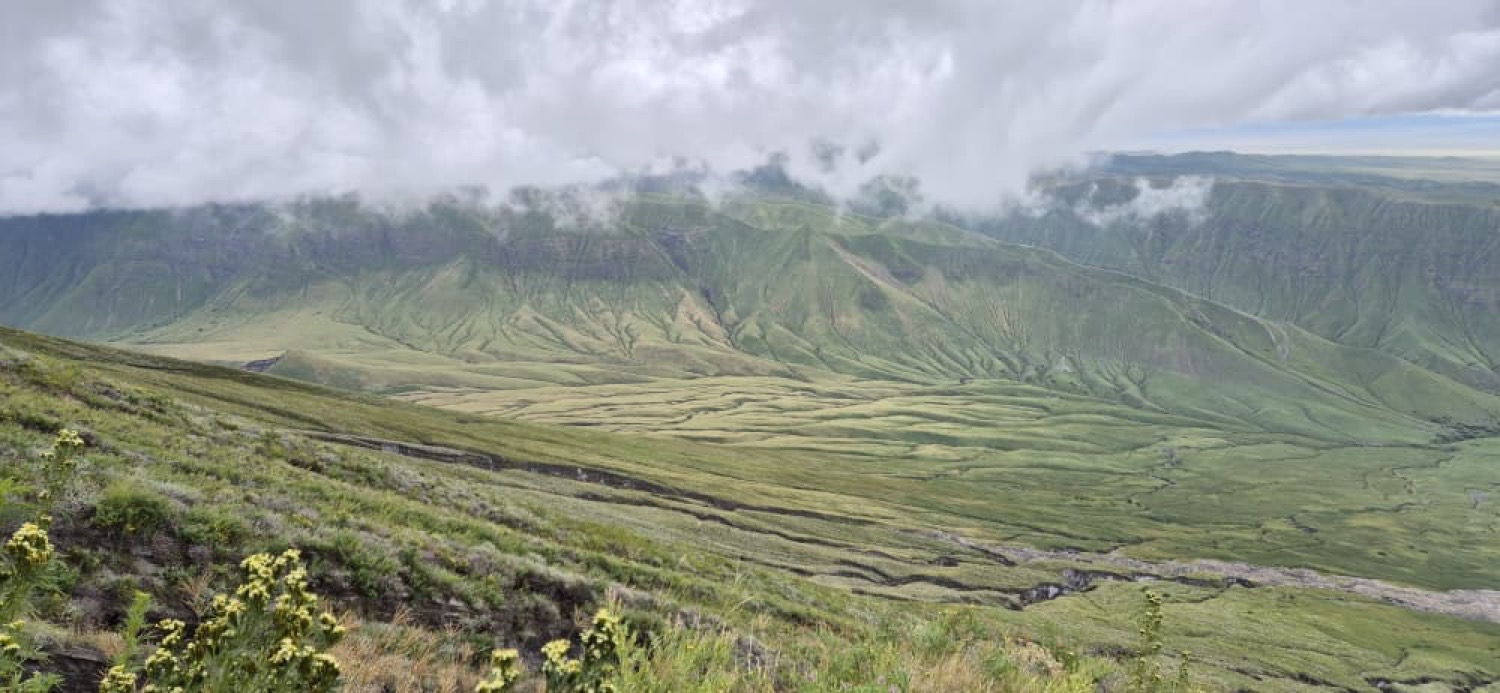
Three worlds in one: open grassland as far as you can see, woodland and riverine areas, and the kopjes, granite islands rising out of the savannah. The grasslands feed the great herds of herbivores, which in turn sustain lions, cheetahs and hyenas.
The wooded areas and watercourses give shade and cover to elephants and leopards. And the kopjes work as natural watchtowers where predators survey the plain: if this scenery reminds you of "The Lion King", that is because it comes from here.
See the Serengeti for yourself
Our Tanzania routes include the Serengeti as standard. Choose your dates and we will take care of the rest. 9 days, from 3.350 € per person. Tanzania - Crossroads of the Great Migration
One extra that never makes the itinerary: the night sky. With practically no light pollution, the whole Milky Way hangs over your tent, a gift for anyone into astronomy.
When is the best time to visit the Serengeti?
There is wildlife all year, the park is so big it is hard not to find it, but the month decides what you see: calving at Ndutu from December to March, Mara crossings from July to October. Quick summary:
| Months | What happens in the park | Pick them if you want |
|---|---|---|
| December - March | Migration in the south (Ndutu), thousands of births, very active predators | Calves, hunting action and green scenery |
| April - May | Heavy rains, lush landscapes, few vehicles | Lower prices and solitude |
| June - September | Dry season, migration in the north, Mara crossings (into October), more dust | The crossings and easy sightings |
| October - November | Short rains, herds heading back to the centre, less dust | A good balance with fewer people |
How much does a Serengeti safari cost?
Park fees are about $70-80 per person per day, plus vehicle fees, and a mid-range safari typically runs $300-600 per person per day all-in: 4x4, guide, park fees, meals and lodging. The range is wide because three things drive it: the category of accommodation, the season and how many of you share the vehicle.
Two notes from experience: park fees are set by the Tanzanian government and go up from time to time, so confirm them when you budget; and sleeping inside the park costs more than staying outside, but it saves you hours of track and puts you in the middle of the action from first light.
We never cut the Serengeti from a route, whether you travel in a small group or privately. Tell us your dates and budget and we will help you make it fit.
FAQ
How many days do you need in the Serengeti?
Two or three full days inside the park is the minimum we recommend, usually within a six-to-eight-day northern Tanzania route with Tarangire and Ngorongoro.
What should you pack for a Serengeti safari?
Light clothing in neutral colours, a hat, sunscreen, binoculars, a camera with a good zoom and a scarf for the dust. The full list is in what to take on safari in Tanzania.
Is it true "The Lion King" was inspired by the Serengeti?
Yes: the open plains and kopjes in the film come straight from this park. And Simba means "lion" in Swahili.
What is Olduvai Gorge?
One of the most important archaeological sites in the world, just outside the park: some of the oldest known hominid remains were found there. You can visit it on the drive between Ngorongoro and the Serengeti.
Can you fly over the Serengeti in a hot-air balloon?
Yes. The flight leaves at dawn, lasts around an hour and costs about $500-600 per person, with a champagne breakfast on landing.
Ready to plan your Serengeti safari?
Tell us when you want to travel and your budget. We will match you with the right Tanzania route and make every day in the park count. 6 days, from 2.095 € per person. Tanzania - Classic Safari
The Serengeti is where African wildlife is easiest to see at scale: 14,750 km² of savannah in northern Tanzania, stage of the Great Migration of over two million animals and home to one of the largest lion populations on Earth. Park fees run about $70-80 per person per day, and it is worth every cent.
What is Serengeti National Park?
It is Tanzania's oldest national park, created in 1951 and a UNESCO World Heritage Site: 14,750 km² of plains inside an ecosystem of more than 30,000 km² that stretches to the Maasai Mara in Kenya. The name comes from the Maasai word "Serengit", meaning "endless plains", and the description is accurate: you can drive for hours without the horizon changing.
It is also one of the last places in Africa where wildlife still lives wild at this scale, and a refuge for threatened species such as the black rhino. That is why we never leave it out of a route: we go back every season and it still surprises us.
What is the Great Migration and when can you see it?
The Great Migration is the circular movement of more than two million wildebeest, zebras and gazelles chasing rain and fresh grass around the Serengeti all year, up to the Maasai Mara reserve and back. It is not a one-week event: the herds are always somewhere in the park, and the trick is knowing where.
It has two headline moments. From December to March the herds gather around Ndutu, in the south, to give birth, 8 days, from 2.750 € per person: at the peak, thousands of wildebeest calves are born every day, with every predator on watch. Then from July to October come the Mara River crossings in the north: thousands of animals plunging into water full of crocodiles and strong currents. We have watched a fair few and our breath still catches every time.
In October and November the herds drift back down towards the centre of the park, with short rains and far less dust.
Which animals will you see on a Serengeti safari?
The Big Five (lion, elephant, leopard, rhino and buffalo), plus a long supporting cast: cheetahs, giraffes, hippos, hyenas and more than 500 bird species. Few places on the planet pack in this much visible wildlife.
Lions
The Serengeti holds one of the largest lion populations in the world: an estimated 3,000 across the ecosystem. Seeing them is a matter of time, not luck: resting in the shade, draped over a kopje or hunting in the open.
Elephants
Fewer than in Tarangire, but you will find them, mostly in the park's wooded areas. A herd crossing your track is one of those moments that explains, on its own, why you came.
Leopards
The most elusive of the five. It spends much of the day stretched along acacia branches, and finding one is a guide's job: ours know which trees to check and why.
Rhinos
The critically endangered black rhino lives in a few specific protected zones of the park, such as the area around the Moru Kopjes. If seeing one is your priority, pair the Serengeti with the Ngorongoro Crater, where your odds improve considerably.
Buffalo
Huge herds grazing across the plains. It is one of the most powerful and unpredictable animals on the continent, and up close it is far more imposing than the photos suggest.
And plenty more
Cheetahs on the open plains (the Serengeti is one of the best places in Africa to watch them hunt), plus giraffes, hyenas, hippos in the pools and a variety of birds that keeps birdwatchers glued to their binoculars.
What is the Serengeti landscape like?
Three worlds in one: open grassland as far as you can see, woodland and riverine areas, and the kopjes, granite islands rising out of the savannah. The grasslands feed the great herds of herbivores, which in turn sustain lions, cheetahs and hyenas.
The wooded areas and watercourses give shade and cover to elephants and leopards. And the kopjes work as natural watchtowers where predators survey the plain: if this scenery reminds you of "The Lion King", that is because it comes from here.
See the Serengeti for yourself
Our Tanzania routes include the Serengeti as standard. Choose your dates and we will take care of the rest. 9 days, from 3.350 € per person. Tanzania - Crossroads of the Great Migration
One extra that never makes the itinerary: the night sky. With practically no light pollution, the whole Milky Way hangs over your tent, a gift for anyone into astronomy.
When is the best time to visit the Serengeti?
There is wildlife all year, the park is so big it is hard not to find it, but the month decides what you see: calving at Ndutu from December to March, Mara crossings from July to October. Quick summary:
| Months | What happens in the park | Pick them if you want |
|---|---|---|
| December - March | Migration in the south (Ndutu), thousands of births, very active predators | Calves, hunting action and green scenery |
| April - May | Heavy rains, lush landscapes, few vehicles | Lower prices and solitude |
| June - September | Dry season, migration in the north, Mara crossings (into October), more dust | The crossings and easy sightings |
| October - November | Short rains, herds heading back to the centre, less dust | A good balance with fewer people |
How much does a Serengeti safari cost?
Park fees are about $70-80 per person per day, plus vehicle fees, and a mid-range safari typically runs $300-600 per person per day all-in: 4x4, guide, park fees, meals and lodging. The range is wide because three things drive it: the category of accommodation, the season and how many of you share the vehicle.
Two notes from experience: park fees are set by the Tanzanian government and go up from time to time, so confirm them when you budget; and sleeping inside the park costs more than staying outside, but it saves you hours of track and puts you in the middle of the action from first light.
We never cut the Serengeti from a route, whether you travel in a small group or privately. Tell us your dates and budget and we will help you make it fit.
FAQ
How many days do you need in the Serengeti?
Two or three full days inside the park is the minimum we recommend, usually within a six-to-eight-day northern Tanzania route with Tarangire and Ngorongoro.
What should you pack for a Serengeti safari?
Light clothing in neutral colours, a hat, sunscreen, binoculars, a camera with a good zoom and a scarf for the dust. The full list is in what to take on safari in Tanzania.
Is it true "The Lion King" was inspired by the Serengeti?
Yes: the open plains and kopjes in the film come straight from this park. And Simba means "lion" in Swahili.
What is Olduvai Gorge?
One of the most important archaeological sites in the world, just outside the park: some of the oldest known hominid remains were found there. You can visit it on the drive between Ngorongoro and the Serengeti.
Can you fly over the Serengeti in a hot-air balloon?
Yes. The flight leaves at dawn, lasts around an hour and costs about $500-600 per person, with a champagne breakfast on landing.
Ready to plan your Serengeti safari?
Tell us when you want to travel and your budget. We will match you with the right Tanzania route and make every day in the park count. 6 days, from 2.095 € per person. Tanzania - Classic Safari






.avif)

.avif)


.avif)

.avif)
.avif)

.avif)







.png)