





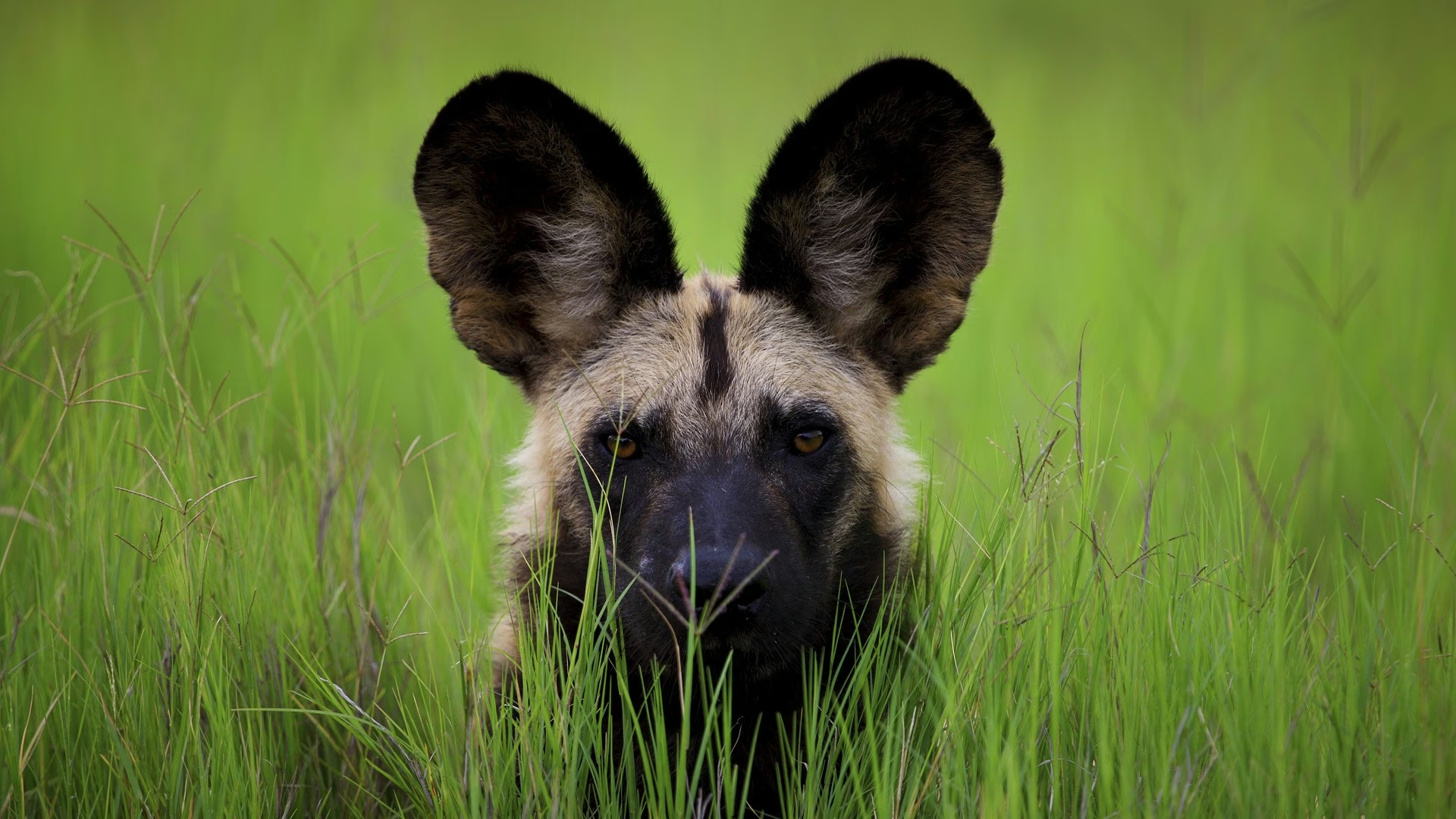

Today, August 26, is the World Day of the African Wild Dog. Do you know this animal? If you are lucky, you can see it on one of our safaris. Therefore, we want to explain to you7 curiosities about this species endemic to AfricaWhich you probably didn't know. Let's go!
About the African Wild Dog
.jpeg)
The African wild dog, also known as lycaon or painted dog, is one of the most intriguing species and lesser-known of the African continent. Next, we will tell you some fascinating curiosities about these impressive animals that stand out for their social behavior and skills of scavenger unique.
7 Curiosities about the African Wild Dog
1. It has a unique coat
Every African wild dog has a unique fur pattern, similar to one fingerprint. theirs variegated spots and colors, which include shades of black, brown, yellow and white, not only provide them camouflage in the savannah, but also allow them to identify with each other within the herd.
This distinctive coat is the reason why they are also known as “painted dogs”. It is a curiosity that they share with zebras, as their striped pattern is never the same.
2. Exemplary Social Structure

These animals They live in highly organized herds that they can count on up to 30 individuals, being one of the most cohesive social structures among carnivorous mammals.
Unlike many other species,the welfare of the herd is put above the individual.All members cooperate in hunting, caring for puppies and supporting sick or injured limbs, showing a remarkable level of altruism in the animal kingdom.
3. Female Leadership and Reproduction
In the herds of African wild dogs, females usually play a dominant role. The alpha pair, composed of the dominant male and female, is generally the only one that reproduces, but the entire herd participates in the breeding and protection of the cubs. This strategy ensures that young people receive the best care and increases the chances of survivalof the species.
4. Masters of Cooperative Hunting

African wild dogs are recognized for theirhighly efficient and coordinated hunting techniques. They work in team to chase and exhaust their prey, reaching speeds up to 60 km/hand keeping the pace for long periods of time.
His success ratein the hunt it is surprisingly high,about 80%, overcoming predators such as lions and leopards.
Track African Wild Dogs on Safari
Tanzania's vast wilderness is one of the last strongholds of the African wild dog. Join us and search for a pack in its natural habitat. 9 days, from 3.350 € per person. Tanzania - Crossroads of the Great Migration
5. Sophisticated Communication
The communication Among these animals is complex and multifaceted, involving a variety of vocalizations, body postures and olfactory cues.They use different sounds, such as whistles, growls and barks, to coordinate hunting activities, maintain herd cohesion, and express different emotional states.
6. Impressive Physical Adaptations

In addition to their endurance and speed, African wild dogs have physical adaptations that help them in hunting and survival.Possess large rounded earsthat improve your hearing and help dissipate heat, as well aslong and thin legs which allow them to cover great distances with energy efficiency.
7. In Danger of Extinction
Despite their impressive abilities, African wild dogs are classified as a species in danger of extinction.Habitat loss, diseases transmitted by domestic dogs, and conflicts with humans have drastically reduced their populations.
Currently,It is estimated that fewer than 6,000 individuals remain in the wild.which has spurred several conservation efforts to protect and restore their populations.
Now that you know a little more about this animal species... Do you want to see it during your safari? Take a look at them our routes!
Ready to Meet Africa's Most Efficient Predator?
Our Tanzania Classic Safari takes you deep into prime African wild dog territory, with expert guides and small groups for an authentic wildlife experience. 6 days, from 2.095 € per person. Tanzania - Classic Safari
Frequently asked questions
Where is the best place in Africa to spot African wild dogs?
The Selous Game Reserve and Ruaha National Park in Tanzania, as well as Hwange in Zimbabwe, are among the most reliable places to see African wild dogs. Their population density is higher in these protected areas, making Tanzania safaris a strong choice for wildlife enthusiasts hoping to observe a pack in the wild.
Why are African wild dogs endangered?
African wild dogs are classified as endangered primarily due to habitat loss as human settlements expand, persecution by farmers who see them as a threat to livestock, and diseases such as rabies and canine distemper transmitted by domestic dogs. Fewer than 6,000 individuals are thought to remain in the wild across sub-Saharan Africa.
How does the African wild dog's hunting success rate compare to other predators?
African wild dogs achieve a hunting success rate of around 80 percent, which is remarkably high compared to lions at roughly 25 to 30 percent and leopards at around 38 percent. Their coordinated teamwork, stamina, and speeds of up to 60 km/h allow them to outlast prey over long distances rather than relying on a single explosive burst.
How large is a typical African wild dog pack?
Packs usually range from 6 to 20 individuals, though groups of up to 30 have been recorded. The pack is led by a dominant alpha pair that is typically the only breeding couple, while all other members cooperate in raising pups, guarding the den, and sharing food with weaker or injured pack mates.
Is it safe to go on safari in areas where African wild dogs live?
Yes, it is entirely safe. African wild dogs are shy of humans and pose no threat to safari visitors travelling in vehicles. Reputable operators follow park guidelines that ensure a respectful distance from wildlife, protecting both the animals and guests. Always follow your guide's instructions for a responsible and safe experience.
What is being done to protect African wild dogs?
Conservation programmes run by organisations such as the African Wildlife Foundation and the Endangered Wildlife Trust focus on vaccination campaigns to prevent disease spread from domestic dogs, community education to reduce human conflict, and the creation of wildlife corridors that allow packs to move between protected areas without crossing farmland.
Today, August 26, is the World Day of the African Wild Dog. Do you know this animal? If you are lucky, you can see it on one of our safaris. Therefore, we want to explain to you7 curiosities about this species endemic to AfricaWhich you probably didn't know. Let's go!
About the African Wild Dog
The African wild dog, also known as lycaon or painted dog, is one of the most intriguing species and lesser-known of the African continent. Next, we will tell you some fascinating curiosities about these impressive animals that stand out for their social behavior and skills of scavenger unique.
7 Curiosities about the African Wild Dog
1. It has a unique coat
Every African wild dog has a unique fur pattern, similar to one fingerprint. theirs variegated spots and colors, which include shades of black, brown, yellow and white, not only provide them camouflage in the savannah, but also allow them to identify with each other within the herd.
This distinctive coat is the reason why they are also known as “painted dogs”. It is a curiosity that they share with zebras, as their striped pattern is never the same.
2. Exemplary Social Structure
These animals They live in highly organized herds that they can count on up to 30 individuals, being one of the most cohesive social structures among carnivorous mammals.
Unlike many other species,the welfare of the herd is put above the individual.All members cooperate in hunting, caring for puppies and supporting sick or injured limbs, showing a remarkable level of altruism in the animal kingdom.
3. Female Leadership and Reproduction
In the herds of African wild dogs, females usually play a dominant role. The alpha pair, composed of the dominant male and female, is generally the only one that reproduces, but the entire herd participates in the breeding and protection of the cubs. This strategy ensures that young people receive the best care and increases the chances of survivalof the species.
4. Masters of Cooperative Hunting
African wild dogs are recognized for theirhighly efficient and coordinated hunting techniques. They work in team to chase and exhaust their prey, reaching speeds up to 60 km/hand keeping the pace for long periods of time.
His success ratein the hunt it is surprisingly high,about 80%, overcoming predators such as lions and leopards.
Track African Wild Dogs on Safari
Tanzania's vast wilderness is one of the last strongholds of the African wild dog. Join us and search for a pack in its natural habitat. 9 days, from 3.350 € per person. Tanzania - Crossroads of the Great Migration
5. Sophisticated Communication
The communication Among these animals is complex and multifaceted, involving a variety of vocalizations, body postures and olfactory cues.They use different sounds, such as whistles, growls and barks, to coordinate hunting activities, maintain herd cohesion, and express different emotional states.
6. Impressive Physical Adaptations
In addition to their endurance and speed, African wild dogs have physical adaptations that help them in hunting and survival.Possess large rounded earsthat improve your hearing and help dissipate heat, as well aslong and thin legs which allow them to cover great distances with energy efficiency.
7. In Danger of Extinction
Despite their impressive abilities, African wild dogs are classified as a species in danger of extinction.Habitat loss, diseases transmitted by domestic dogs, and conflicts with humans have drastically reduced their populations.
Currently,It is estimated that fewer than 6,000 individuals remain in the wild.which has spurred several conservation efforts to protect and restore their populations.
Now that you know a little more about this animal species... Do you want to see it during your safari? Take a look at them our routes!
Ready to Meet Africa's Most Efficient Predator?
Our Tanzania Classic Safari takes you deep into prime African wild dog territory, with expert guides and small groups for an authentic wildlife experience. 6 days, from 2.095 € per person. Tanzania - Classic Safari
Frequently asked questions
Where is the best place in Africa to spot African wild dogs?
The Selous Game Reserve and Ruaha National Park in Tanzania, as well as Hwange in Zimbabwe, are among the most reliable places to see African wild dogs. Their population density is higher in these protected areas, making Tanzania safaris a strong choice for wildlife enthusiasts hoping to observe a pack in the wild.
Why are African wild dogs endangered?
African wild dogs are classified as endangered primarily due to habitat loss as human settlements expand, persecution by farmers who see them as a threat to livestock, and diseases such as rabies and canine distemper transmitted by domestic dogs. Fewer than 6,000 individuals are thought to remain in the wild across sub-Saharan Africa.
How does the African wild dog's hunting success rate compare to other predators?
African wild dogs achieve a hunting success rate of around 80 percent, which is remarkably high compared to lions at roughly 25 to 30 percent and leopards at around 38 percent. Their coordinated teamwork, stamina, and speeds of up to 60 km/h allow them to outlast prey over long distances rather than relying on a single explosive burst.
How large is a typical African wild dog pack?
Packs usually range from 6 to 20 individuals, though groups of up to 30 have been recorded. The pack is led by a dominant alpha pair that is typically the only breeding couple, while all other members cooperate in raising pups, guarding the den, and sharing food with weaker or injured pack mates.
Is it safe to go on safari in areas where African wild dogs live?
Yes, it is entirely safe. African wild dogs are shy of humans and pose no threat to safari visitors travelling in vehicles. Reputable operators follow park guidelines that ensure a respectful distance from wildlife, protecting both the animals and guests. Always follow your guide's instructions for a responsible and safe experience.
What is being done to protect African wild dogs?
Conservation programmes run by organisations such as the African Wildlife Foundation and the Endangered Wildlife Trust focus on vaccination campaigns to prevent disease spread from domestic dogs, community education to reduce human conflict, and the creation of wildlife corridors that allow packs to move between protected areas without crossing farmland.



.avif)








.png)