






Masai Mara Safari: National Reserve or Private Conservancy. Which Side Should You Be On?
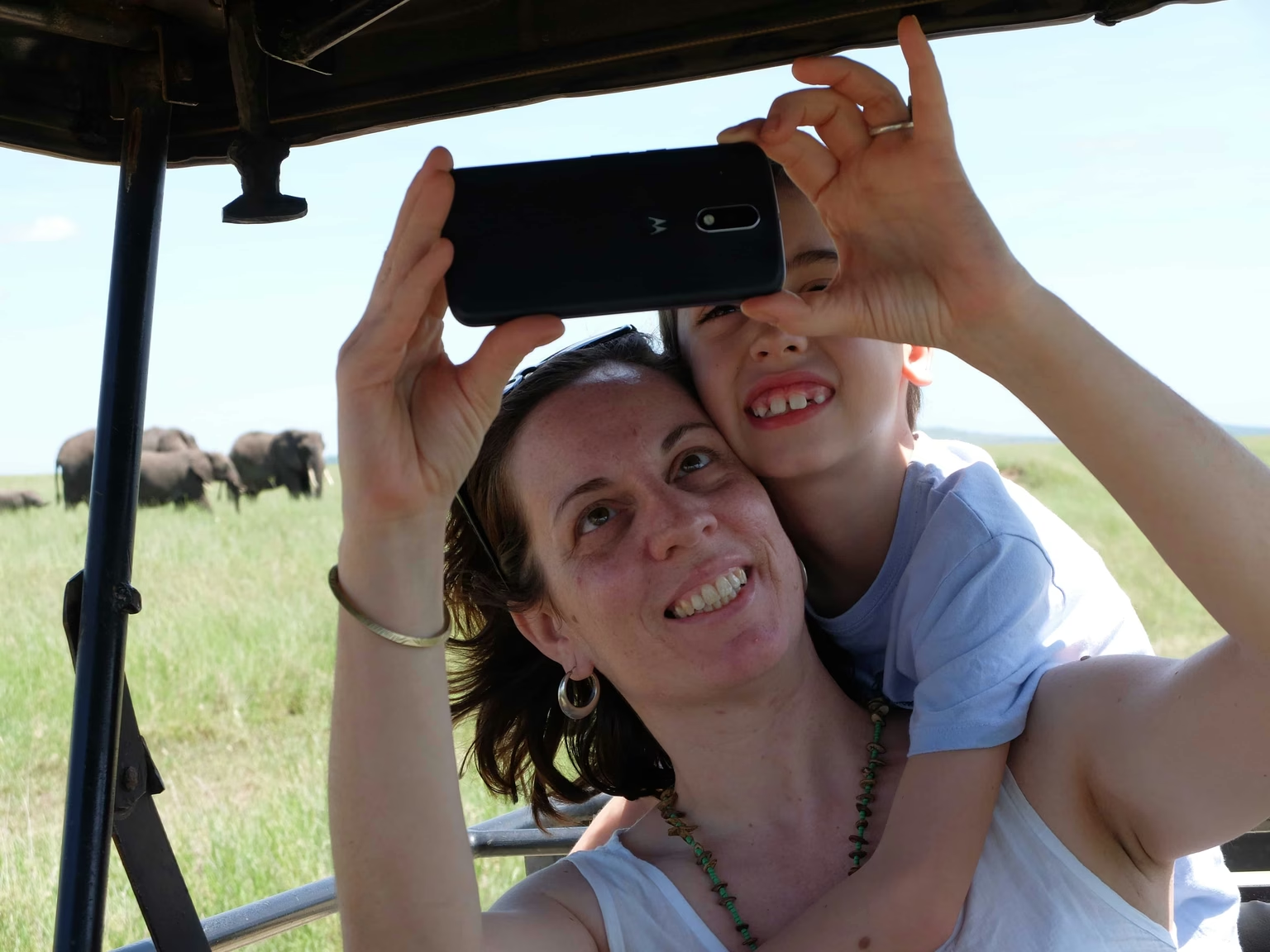
The first time you cross the Mara River in an open 4x4, watching a crocodile slide off a mudbank into brown water, you understand immediately why people come back here every few years without fail. We've been bringing guests to the Mara for over a decade. The question we get asked most often isn't when to go, it's where to stay. And that decision, far more than the month of travel, will define the experience you have.
The Masai Mara ecosystem is not one place. It's a national reserve surrounded by a patchwork of privately managed conservancies, Naboisho, Olare Motorogi, Mara North, Ol Kinyei, and others, that operate under different rules, different vehicle limits, and different relationships with the Maasai communities who own the land. Getting this geography right is the single most important piece of Mara planning, and almost no one talks about it properly.
We should be upfront: if you want a deep dive into the Migration river crossings themselves, or a full breakdown of Kenya safari pricing, we've written those separately. This article is specifically about the conservancy question, because that's where the real difference lies, and where most travellers are making the most consequential decision without enough information.
What Does the National Reserve Give You That the Conservancies Don't?
Scale, access, and the Migration at its most dramatic. The Masai Mara National Reserve, roughly 1,510 km², is where the wildebeest herds pour north from the Serengeti between July and October, where the famous Mara River crossings happen, and where the highest density of wildlife concentrates in the dry season. It's accessible from multiple gates, served by dozens of camps, and you can book it at relatively short notice even in peak season if you're willing to compromise on position.
The trade-off is crowding at hotspots. During a river crossing, it's not unusual to count 30 or 40 vehicles jostling for position. You are restricted to tracks, which means no off-road manoeuvring to improve a sighting. Night drives are prohibited. And the camps inside the reserve boundary, whatever their lodge quality, are often surrounded by other tented structures and staff villages, which erodes the feeling of wilderness that many travellers are chasing.
For all that, we still recommend spending two nights inside the main reserve for anyone visiting during Migration season. The sheer spectacle of tens of thousands of wildebeest moving across open savannah is not replicated anywhere else, and you need to be on the reserve side to access the main crossing points. Governors' Camp, one of the oldest camps in the Mara, positioned on the Mara River bank, is our most reliable recommendation for the national reserve itself. It's not cheap (expect around €550–750 per person per night based on our last booking season, full board), but the riverine setting gives you prime hippo and croc activity from your tent, and the guiding team there has collectively logged thousands of hours on these tracks. The main drawback: it's busy, the camp footprint is large, and in peak season you feel the volume of tourism.
What Do the Conservancies Offer That the Reserve Cannot?
Night drives. Walking safaris with Maasai guides. Off-road driving that lets your guide position the vehicle properly for a sighting rather than stopping on the track 40 metres short. And crucially: strict limits on how many vehicles can attend any single game sighting, typically three to six, depending on the conservancy.
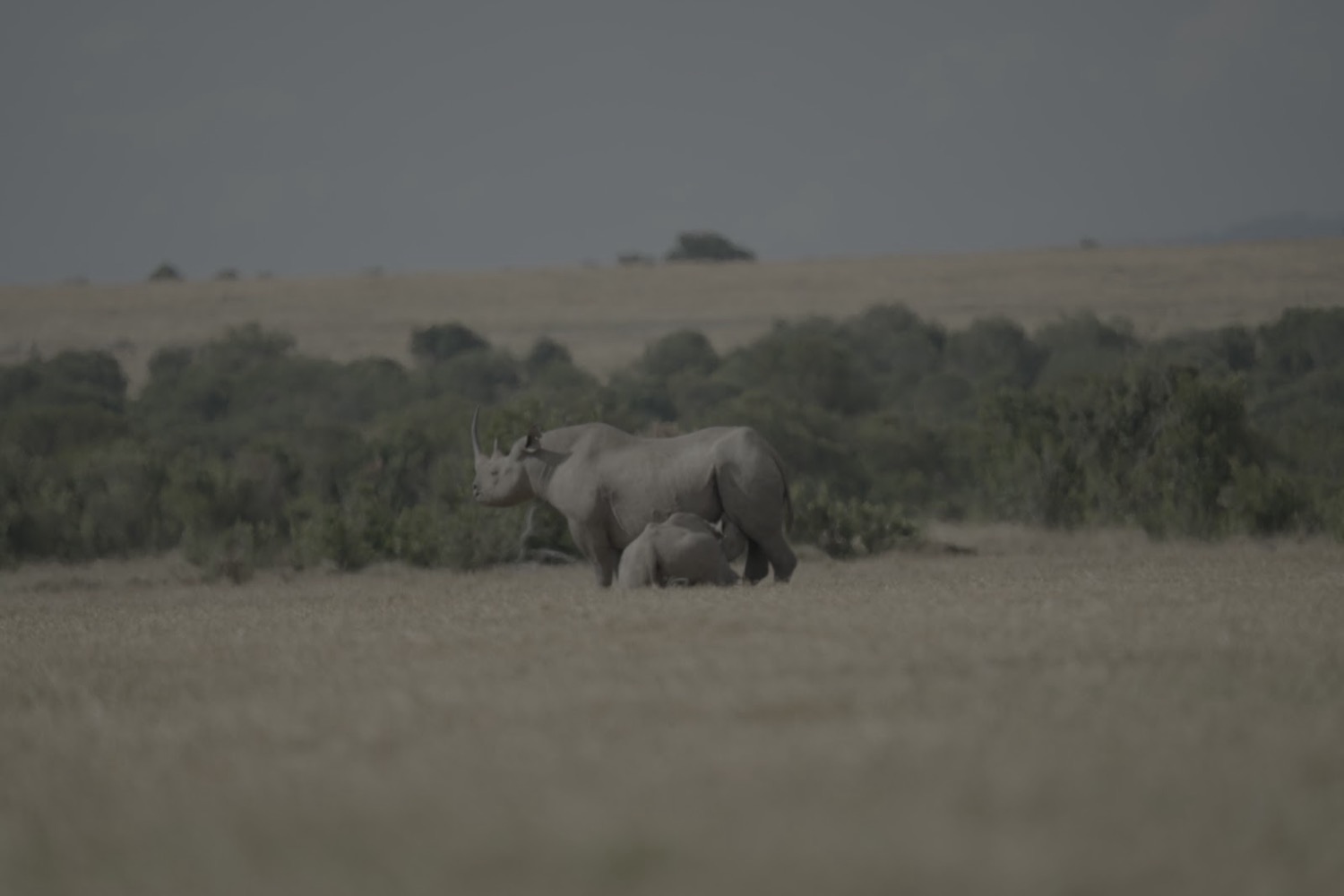
That last point matters more than people expect. Watching a leopard nurse her cub in a fever tree with three other vehicles present is a completely different experience from watching the same scene with 22 vehicles. The animal's behaviour is different. Your own response is different. The memory is different.
Naboisho Conservancy, northwest of the reserve, is the one we recommend most consistently. It's managed by a consortium of Maasai landowners, around 500 families, who leased their land for conservation rather than agriculture, with revenue distributed back through Ole Sopia, the community liaison coordinator we've worked with for several years. When you stay in Naboisho, the money going to your camp is directly linked to those families maintaining the land as wildlife corridor rather than converting it. That's not marketing language; it's a verifiable structure.
Encounter Mara sits inside Naboisho and is our preferred camp in the conservancy for small-group travellers. Eight tents, solar-powered, with a guiding team that includes several Maasai trackers who grew up on this land. The lion sightings are exceptional, not because lions are planted there, but because the conservancy has had no livestock pressure for years and the prey base is strong. A night here, full board with twice-daily game drives and one night drive, runs approximately €400–550 per person (as of our 2024–25 booking season; rates for 2027 were not yet confirmed at time of writing). For a more premium option in the same conservancy, Ol Seki Hemingways sits at the higher end, around €700–900 per person per night, with larger tents, a pool, and a more polished finish, though we find the guiding at Encounter Mara sharper.
Ready to Explore the Masai Mara?
Our Kenya Classic Safari covers the national reserve and a private conservancy stay, giving you the best of both worlds in six days. 6 days, from 2.250 € per person. Kenya - Classic Safari
Mara North Conservancy, bordering the reserve to the north, covers more than 30,000 acres and is particularly strong for elephant, family groups of 20 or 30 moving through acacia woodland is a regular sighting. It's quieter than Naboisho and slightly harder to access, which keeps volumes low. Offbeat Mara here is a camp we have complicated feelings about: the walking safaris are genuinely among the best in the ecosystem, but the tents are showing their age and the food was inconsistent on our last stay in late 2023. Worth knowing before you book.
Does Season Change This Calculus?
Yes, though perhaps not in the way you'd expect. Our strongest recommendation, for most travellers, most years, is January or February rather than the peak Migration window of July to October. We say this knowing it's counterintuitive.
In January and February, the wildebeest are calving in the southern Serengeti, which means they're not in the Mara. What that gives you is a quieter reserve, dramatically lower prices (30–40% reductions are common even at top conservancy camps), and resident predator populations that are just as large, lions, cheetah, leopard, but hunting prey that isn't temporarily inflated by migration. The cheetah sightings in the conservancies during this period are, in our experience, the best of the year.
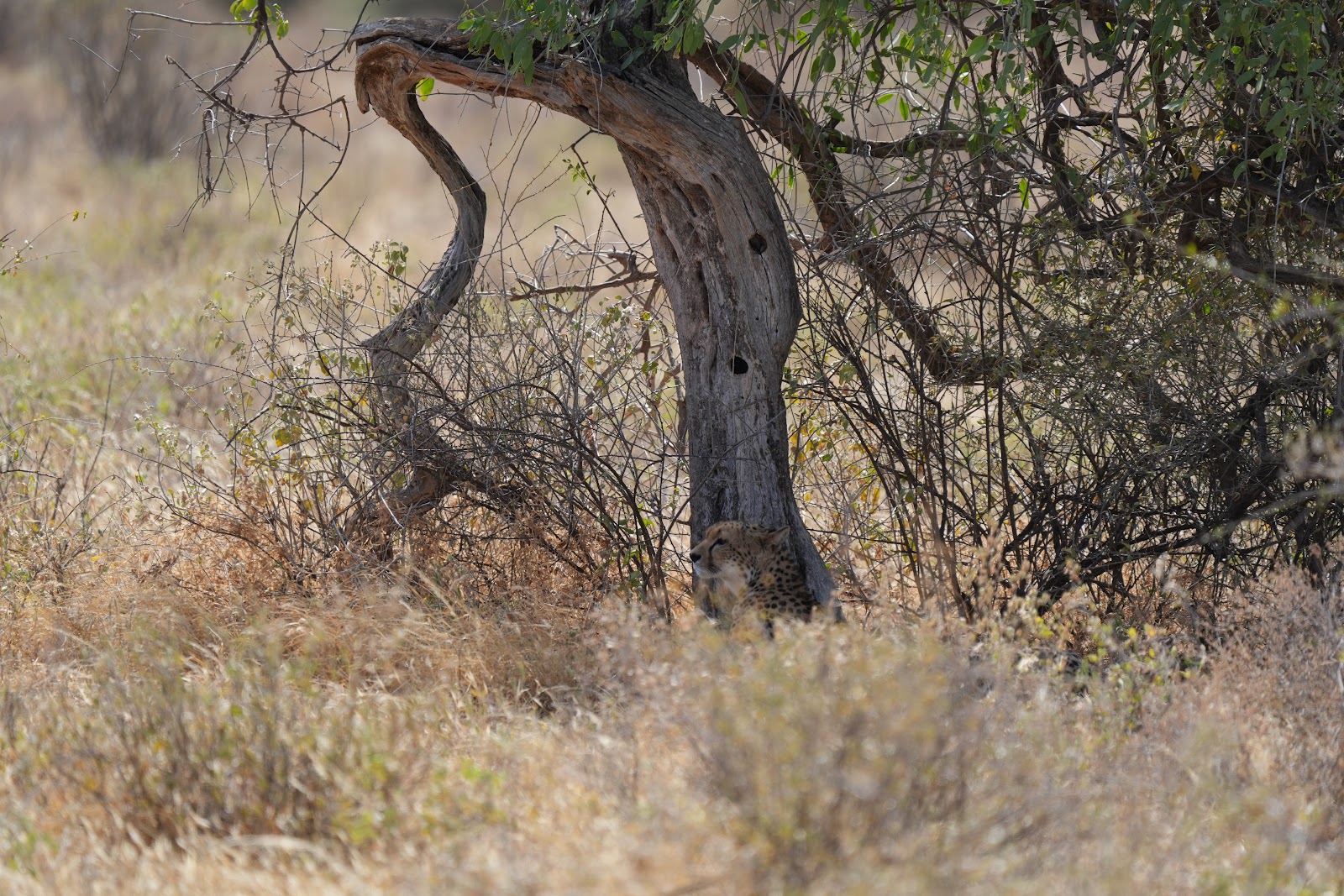
In February 2023, in Naboisho, our guide Saitoti, who has worked this conservancy for eight years, tracked a female cheetah we'd encountered the previous afternoon. She had two sub-adults, maybe fourteen months old, who were clearly being pushed to hunt independently. We found them just after 6:30am, light still flat and cool. Over three consecutive mornings, we watched her position herself upwind of Thomson's gazelle, then deliberately hang back as the sub-adults made increasingly competent attempts. On the third morning, the younger one made a clean kill. Saitoti was quietly jubilant, he said he'd watched this female since she was a cub herself. That kind of continuity, that quality of observation, simply doesn't happen in the national reserve at peak season when you're one of 15 vehicles following a single cheetah.
The Migration window is spectacular, and if crossings are your priority, July to September is when you need to be here. But go in knowing the conservancies will be busier and more expensive than any other time, and that the crossings themselves are entirely unpredictable, we once spent a full day at the Mara River crossing point with guests, from 7am to 5pm, watching the wildebeest mass on the far bank, turn back three separate times, and never cross. It was one of the most frustrating days we've had in the field. That's also the honest reality of what the Migration is.
November and December bring short rains, the grasslands turn extraordinary colours, and the birding peaks. Game density is lower because wildlife disperses as water becomes available everywhere. It's a good choice for photographers and birders willing to work harder for mammal sightings. March to June, the long rains, is when some camps close entirely and tracks in the conservancies can become genuinely impassable. We only suggest it to experienced travellers who've been to the Mara before and want an almost private experience at minimal cost.
How Should You Structure the Itinerary?
For most clients, whether this is their first Africa trip or their fourth, we structure the Mara portion as follows: two nights inside the national reserve, 6 days, from 2.250 € per person (for scale and Migration spectacle if in season), then three nights in a conservancy like Naboisho or Mara North (for intimate wildlife, night drives, and walking). Fly into the Mara rather than driving from Nairobi; the road takes five to six hours minimum and is rough enough to feel like an unscheduled off-road activity. Scheduled light aircraft from Wilson Airport to Keekorok or Ol Kiombo runs around €130–180 each way and takes 45 minutes.
Pack layers. Morning game drives in the conservancies start before 6am and it's cold, often genuinely cold, not British-people-calling-22-degrees-cold. Neutral colours throughout. And if your camp offers a walking safari with a Maasai guide, take it even if you're nervous, walking changes your relationship with the landscape in ways that vehicle-based game drives simply can't.
Frequently Asked Questions
Should I split time between the national reserve and a conservancy?
For most travellers with five or more nights in the Mara, yes. Two nights in the national reserve gives you access to the main crossing points and the scale of the ecosystem; three nights in a conservancy like Naboisho adds night drives, walking safaris, and far fewer vehicles at each sighting. With only three nights total, we'd lean toward the conservancy, the wildlife density is comparable and the quality of experience is higher.
Are the private conservancies worth the extra cost?
Almost always. The conservancy nightly rate is typically higher than an equivalent-quality camp inside the national reserve, partly because it includes conservancy fees and supports the Maasai landowner partnerships directly. But the per-sighting experience is significantly better, fewer vehicles, off-road access, night drives, and for most guests, that's what they'll actually remember.
Is the Masai Mara good for first-time safari visitors?
It's one of the strongest first-safari destinations in Africa. Game density is high year-round, guides are experienced, and the camps range from genuinely accessible to ultra-luxurious. The conservancies in particular are set up to work well for guests who've never been on a game drive before, Maasai guides are patient, pedagogically brilliant, and tend to communicate a relationship with the land that reshapes how you understand wildlife.
How many days do you need in the Masai Mara?
Three full days is the minimum for a meaningful experience, enough for six game drives and a feel for the landscape. Four to five days is what we actually recommend, particularly if you're combining national reserve and conservancy time. Anything under three nights and you'll spend the journey home calculating what you missed.
Is the Masai Mara safe to visit in 2027?
The reserve and conservancies are well-managed and considered safe for tourists. Kenya broadly is stable; standard precautions apply for Nairobi transit. Check your government's current travel advisory and ask your operator for their on-the-ground briefing, good operators update this regularly and will tell you frankly if anything has changed.
More Time, More Kenya
For travellers who want to go deeper, our nine-day Kenya Star Route combines the Mara with additional wildlife destinations and more nights in the conservancies. 9 days, from 2.995 € per person. Kenya - Star Route
Masai Mara Safari: National Reserve or Private Conservancy. Which Side Should You Be On?
The first time you cross the Mara River in an open 4x4, watching a crocodile slide off a mudbank into brown water, you understand immediately why people come back here every few years without fail. We've been bringing guests to the Mara for over a decade. The question we get asked most often isn't when to go, it's where to stay. And that decision, far more than the month of travel, will define the experience you have.
The Masai Mara ecosystem is not one place. It's a national reserve surrounded by a patchwork of privately managed conservancies, Naboisho, Olare Motorogi, Mara North, Ol Kinyei, and others, that operate under different rules, different vehicle limits, and different relationships with the Maasai communities who own the land. Getting this geography right is the single most important piece of Mara planning, and almost no one talks about it properly.
We should be upfront: if you want a deep dive into the Migration river crossings themselves, or a full breakdown of Kenya safari pricing, we've written those separately. This article is specifically about the conservancy question, because that's where the real difference lies, and where most travellers are making the most consequential decision without enough information.
What Does the National Reserve Give You That the Conservancies Don't?
Scale, access, and the Migration at its most dramatic. The Masai Mara National Reserve, roughly 1,510 km², is where the wildebeest herds pour north from the Serengeti between July and October, where the famous Mara River crossings happen, and where the highest density of wildlife concentrates in the dry season. It's accessible from multiple gates, served by dozens of camps, and you can book it at relatively short notice even in peak season if you're willing to compromise on position.
The trade-off is crowding at hotspots. During a river crossing, it's not unusual to count 30 or 40 vehicles jostling for position. You are restricted to tracks, which means no off-road manoeuvring to improve a sighting. Night drives are prohibited. And the camps inside the reserve boundary, whatever their lodge quality, are often surrounded by other tented structures and staff villages, which erodes the feeling of wilderness that many travellers are chasing.
For all that, we still recommend spending two nights inside the main reserve for anyone visiting during Migration season. The sheer spectacle of tens of thousands of wildebeest moving across open savannah is not replicated anywhere else, and you need to be on the reserve side to access the main crossing points. Governors' Camp, one of the oldest camps in the Mara, positioned on the Mara River bank, is our most reliable recommendation for the national reserve itself. It's not cheap (expect around €550–750 per person per night based on our last booking season, full board), but the riverine setting gives you prime hippo and croc activity from your tent, and the guiding team there has collectively logged thousands of hours on these tracks. The main drawback: it's busy, the camp footprint is large, and in peak season you feel the volume of tourism.
What Do the Conservancies Offer That the Reserve Cannot?
Night drives. Walking safaris with Maasai guides. Off-road driving that lets your guide position the vehicle properly for a sighting rather than stopping on the track 40 metres short. And crucially: strict limits on how many vehicles can attend any single game sighting, typically three to six, depending on the conservancy.
That last point matters more than people expect. Watching a leopard nurse her cub in a fever tree with three other vehicles present is a completely different experience from watching the same scene with 22 vehicles. The animal's behaviour is different. Your own response is different. The memory is different.
Naboisho Conservancy, northwest of the reserve, is the one we recommend most consistently. It's managed by a consortium of Maasai landowners, around 500 families, who leased their land for conservation rather than agriculture, with revenue distributed back through Ole Sopia, the community liaison coordinator we've worked with for several years. When you stay in Naboisho, the money going to your camp is directly linked to those families maintaining the land as wildlife corridor rather than converting it. That's not marketing language; it's a verifiable structure.
Encounter Mara sits inside Naboisho and is our preferred camp in the conservancy for small-group travellers. Eight tents, solar-powered, with a guiding team that includes several Maasai trackers who grew up on this land. The lion sightings are exceptional, not because lions are planted there, but because the conservancy has had no livestock pressure for years and the prey base is strong. A night here, full board with twice-daily game drives and one night drive, runs approximately €400–550 per person (as of our 2024–25 booking season; rates for 2027 were not yet confirmed at time of writing). For a more premium option in the same conservancy, Ol Seki Hemingways sits at the higher end, around €700–900 per person per night, with larger tents, a pool, and a more polished finish, though we find the guiding at Encounter Mara sharper.
Ready to Explore the Masai Mara?
Our Kenya Classic Safari covers the national reserve and a private conservancy stay, giving you the best of both worlds in six days. 6 days, from 2.250 € per person. Kenya - Classic Safari
Mara North Conservancy, bordering the reserve to the north, covers more than 30,000 acres and is particularly strong for elephant, family groups of 20 or 30 moving through acacia woodland is a regular sighting. It's quieter than Naboisho and slightly harder to access, which keeps volumes low. Offbeat Mara here is a camp we have complicated feelings about: the walking safaris are genuinely among the best in the ecosystem, but the tents are showing their age and the food was inconsistent on our last stay in late 2023. Worth knowing before you book.
Does Season Change This Calculus?
Yes, though perhaps not in the way you'd expect. Our strongest recommendation, for most travellers, most years, is January or February rather than the peak Migration window of July to October. We say this knowing it's counterintuitive.
In January and February, the wildebeest are calving in the southern Serengeti, which means they're not in the Mara. What that gives you is a quieter reserve, dramatically lower prices (30–40% reductions are common even at top conservancy camps), and resident predator populations that are just as large, lions, cheetah, leopard, but hunting prey that isn't temporarily inflated by migration. The cheetah sightings in the conservancies during this period are, in our experience, the best of the year.
In February 2023, in Naboisho, our guide Saitoti, who has worked this conservancy for eight years, tracked a female cheetah we'd encountered the previous afternoon. She had two sub-adults, maybe fourteen months old, who were clearly being pushed to hunt independently. We found them just after 6:30am, light still flat and cool. Over three consecutive mornings, we watched her position herself upwind of Thomson's gazelle, then deliberately hang back as the sub-adults made increasingly competent attempts. On the third morning, the younger one made a clean kill. Saitoti was quietly jubilant, he said he'd watched this female since she was a cub herself. That kind of continuity, that quality of observation, simply doesn't happen in the national reserve at peak season when you're one of 15 vehicles following a single cheetah.
The Migration window is spectacular, and if crossings are your priority, July to September is when you need to be here. But go in knowing the conservancies will be busier and more expensive than any other time, and that the crossings themselves are entirely unpredictable, we once spent a full day at the Mara River crossing point with guests, from 7am to 5pm, watching the wildebeest mass on the far bank, turn back three separate times, and never cross. It was one of the most frustrating days we've had in the field. That's also the honest reality of what the Migration is.
November and December bring short rains, the grasslands turn extraordinary colours, and the birding peaks. Game density is lower because wildlife disperses as water becomes available everywhere. It's a good choice for photographers and birders willing to work harder for mammal sightings. March to June, the long rains, is when some camps close entirely and tracks in the conservancies can become genuinely impassable. We only suggest it to experienced travellers who've been to the Mara before and want an almost private experience at minimal cost.
How Should You Structure the Itinerary?
For most clients, whether this is their first Africa trip or their fourth, we structure the Mara portion as follows: two nights inside the national reserve, 6 days, from 2.250 € per person (for scale and Migration spectacle if in season), then three nights in a conservancy like Naboisho or Mara North (for intimate wildlife, night drives, and walking). Fly into the Mara rather than driving from Nairobi; the road takes five to six hours minimum and is rough enough to feel like an unscheduled off-road activity. Scheduled light aircraft from Wilson Airport to Keekorok or Ol Kiombo runs around €130–180 each way and takes 45 minutes.
Pack layers. Morning game drives in the conservancies start before 6am and it's cold, often genuinely cold, not British-people-calling-22-degrees-cold. Neutral colours throughout. And if your camp offers a walking safari with a Maasai guide, take it even if you're nervous, walking changes your relationship with the landscape in ways that vehicle-based game drives simply can't.
Frequently Asked Questions
Should I split time between the national reserve and a conservancy?
For most travellers with five or more nights in the Mara, yes. Two nights in the national reserve gives you access to the main crossing points and the scale of the ecosystem; three nights in a conservancy like Naboisho adds night drives, walking safaris, and far fewer vehicles at each sighting. With only three nights total, we'd lean toward the conservancy, the wildlife density is comparable and the quality of experience is higher.
Are the private conservancies worth the extra cost?
Almost always. The conservancy nightly rate is typically higher than an equivalent-quality camp inside the national reserve, partly because it includes conservancy fees and supports the Maasai landowner partnerships directly. But the per-sighting experience is significantly better, fewer vehicles, off-road access, night drives, and for most guests, that's what they'll actually remember.
Is the Masai Mara good for first-time safari visitors?
It's one of the strongest first-safari destinations in Africa. Game density is high year-round, guides are experienced, and the camps range from genuinely accessible to ultra-luxurious. The conservancies in particular are set up to work well for guests who've never been on a game drive before, Maasai guides are patient, pedagogically brilliant, and tend to communicate a relationship with the land that reshapes how you understand wildlife.
How many days do you need in the Masai Mara?
Three full days is the minimum for a meaningful experience, enough for six game drives and a feel for the landscape. Four to five days is what we actually recommend, particularly if you're combining national reserve and conservancy time. Anything under three nights and you'll spend the journey home calculating what you missed.
Is the Masai Mara safe to visit in 2027?
The reserve and conservancies are well-managed and considered safe for tourists. Kenya broadly is stable; standard precautions apply for Nairobi transit. Check your government's current travel advisory and ask your operator for their on-the-ground briefing, good operators update this regularly and will tell you frankly if anything has changed.
More Time, More Kenya
For travellers who want to go deeper, our nine-day Kenya Star Route combines the Mara with additional wildlife destinations and more nights in the conservancies. 9 days, from 2.995 € per person. Kenya - Star Route






.png)