








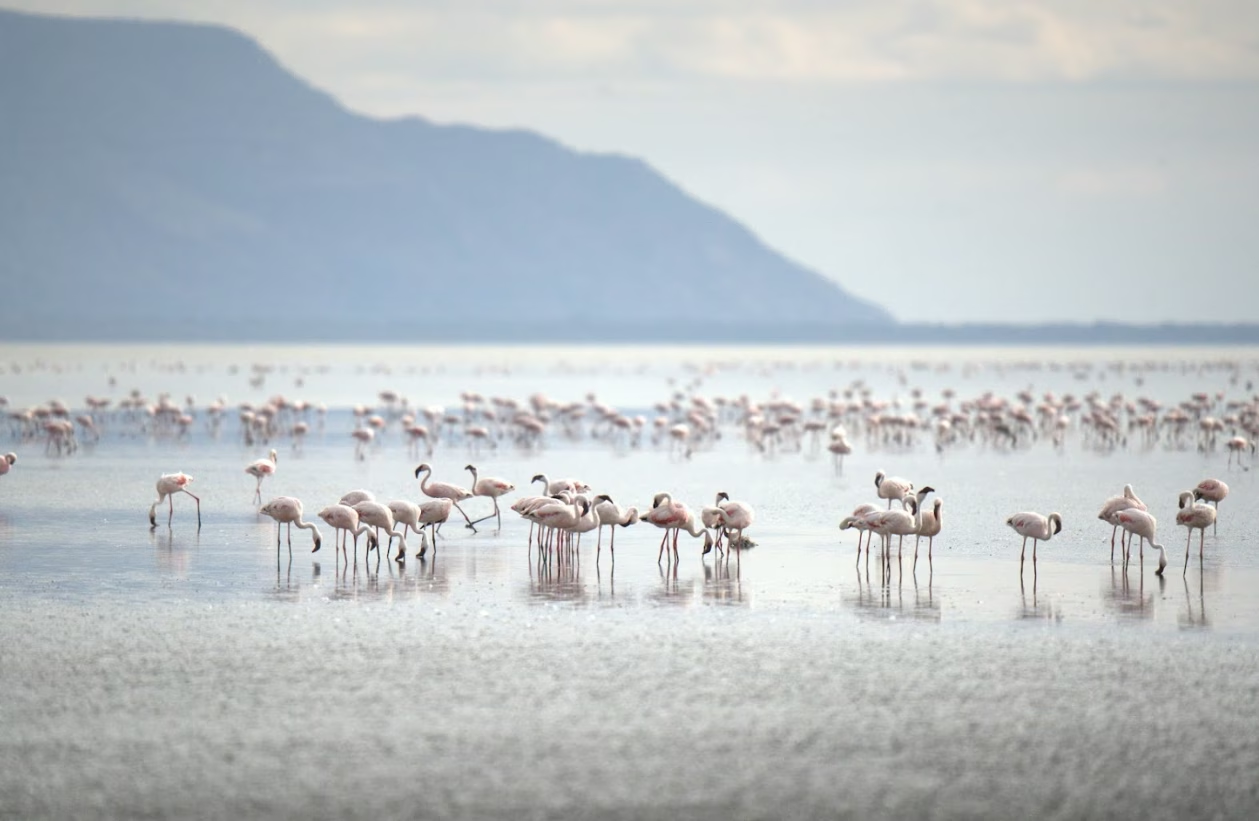

Tanzania is not only synonymous with large mammals and vast plains: it is also a vibrant haven for birds. From the shores of the Indian Ocean to the high mountain forests, this East African country is home to a variety of bird species as extensive as it is fascinating.
With more than 1,100 registered species, including permanent residents and migratory visitors, Tanzania is positioned as one of the richest ornithological destinations on the continent. For both novice bird watchers and experts, the country offers an incomparably rich experience.
But it's not just about counting species; it's about discovering how birds are an essential part of Tanzania's ecological soul. This article is a journey through its wings: a tour of the most iconic species, the most diverse habitats and the growing value of ornithology within the photo safariand sustainable tourism.
What is the national bird of Tanzania?
The national bird of Tanzania is the common ostrich (Struthio camelus). This majestic bird, the largest in the world, is a representative symbol of the African fauna and stands out for its imposing size and its adaptability to the various habitats of the savannas and plains of Tanzania. The ostrich is not only emblematic for its presence in the country, but also plays an important role in the local culture and ecosystem.
Discover our routes in Tanzania
Tanzania, Land of Birds
Located in the heart of East Africa, Tanzania boasts a diversity of ecosystems ranging from savannas and mountains to wetlands and rainforests. This wealth of habitats has turned the country into a real sanctuary for birds.
With more than 1,100 officially identified species, its avifauna not only stands out in number, but also in exclusivity: several of these species are endemic, that is, they are not found anywhere else in the world.
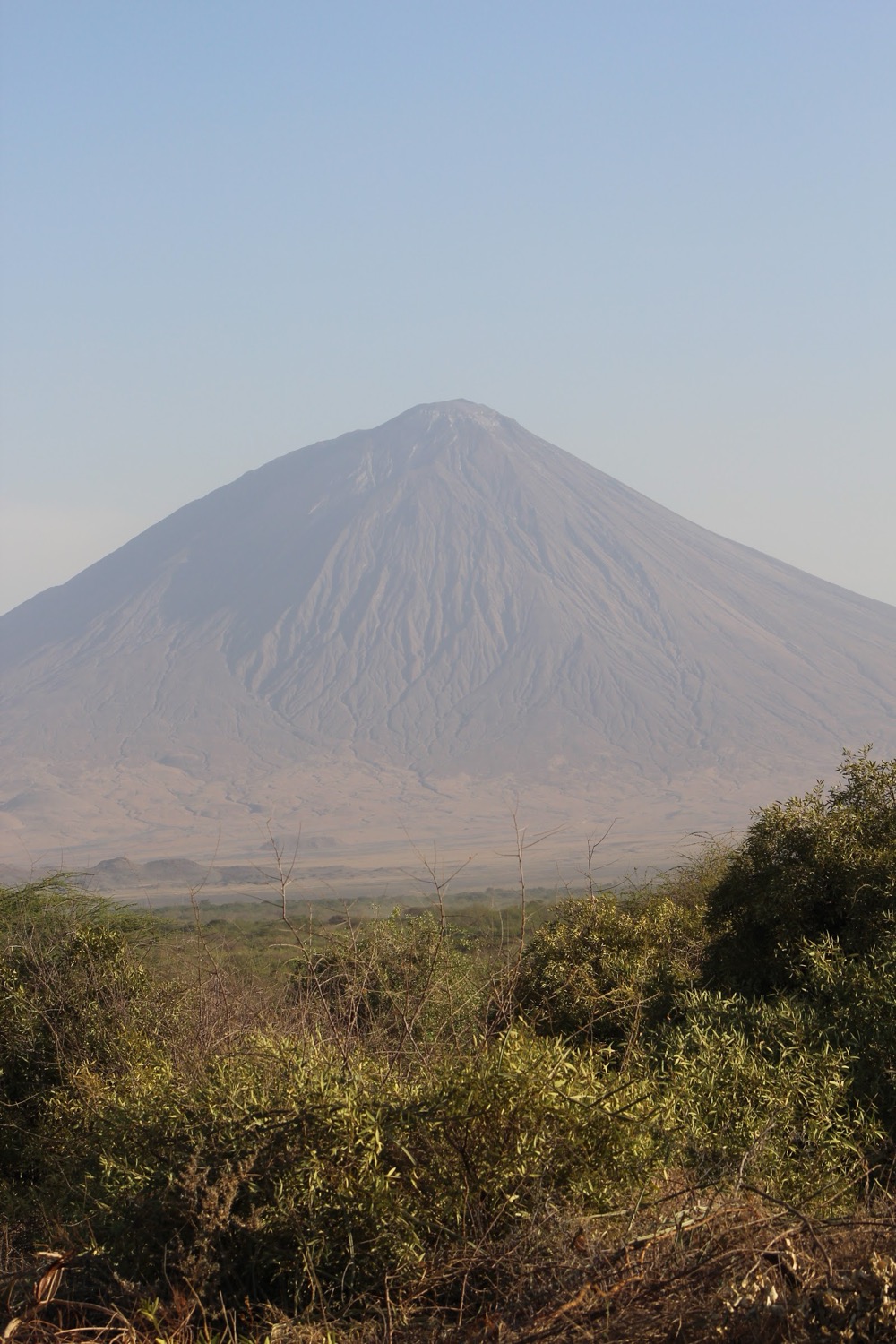
Lakes such as Victoria, Manyara or Natronserve as key stations for migratory waterfowl, while the upland forests of the Usambara and Udzungwa are home to rare and colorful species.
What sets Tanzania apart is the possibility of observing this explosion of winged life within some of its most famous national parks, perfectly integrating the observation experience with the rest of its wildlife.
The ornithological richness of Tanzania lies not only in the number of species, but in the astonishing diversity of forms, behaviors and habitats. From land giants to brightly colored winged jewels, the wide variety of Tanzanian birds reflects the complexity of their ecosystems. Next, we explore some of the most representative groups.
Your photography adventure starts here
Main Groups of Birds in Tanzania
From large birds to small winged jewels, Tanzania is home to a wide variety of birds that inhabit its different ecosystems.
Endemic and Emblematic Species
The concept of endemism refers to species that only exist in a specific geographical region. In the case of Tanzania, this means birds that cannot be found anywhere else in the world.
Two iconic examples of this exclusivity are the inseparable: Fischer's inseparable (Black-throated Woodpecker) and the masked inseparable (Black-throated Woodpecker). Both are small parrots known for their bright colors and strong social ties, becoming symbols of the country's natural uniqueness.
These species are valued not only by biologists, but also by bird watchers who travel expressly to see them in freedom.
Featured species:
- Black-throated Woodpecker(inseparable from Fischer)
- Black-throated Woodpecker(inseparable masked)
- Apalis moreaui(Apalis de Moreau)
- Anthreptes pallidigaster(pale-throated nectarinidia)
- Zosterops winifredae(eye circle uluguru)
Giants of Air and Earth
Within the winged fauna of Tanzania, there are birds that simply do not go unnoticed. This is the case of the common ostrich (Struthio camelus), the largest bird in the world. With his long legs and powerful stride, he is a characteristic inhabitant of open savannas and a fascinating figure in any photo safari.
Another frequent giant in African landscapes is the common guinea fowl (Numida meleagris), easily recognizable by its spotted plumage and gregarious behavior. Both species are essential for maintaining ecological balance and are part of the visual landscape that makes Tanzania such a special destination for those looking to connect with nature.
Featured species:
- Struthio camelus(common ostrich)
- Numida meleagris(common painting)
- Bucorvus leadbeateri(Southern Terrestrial Callao)
- Ardeotis bark(chorus octave)
- Sarkidiornis melanotos(african crested duck)
Aquatic and Migratory Birds
Thanks to its abundance of lakes, rivers and wetlands, Tanzania is a vital meeting point for migratory birds. Freshwater lakes such as Victoria and Manyara, along with the saline and visually spectacular lake Natron, attract thousands of birds every year, becoming true natural sanctuaries.
In these habitats you can observe from elegant flamingos that dye the surface of the lakes pink, to majestic herons, imposing pelicans and different seabirds such as the gray-headed gull and the common shrike. This constant flow of species makes these spaces some of the best on the continent to witness the dynamic spectacle of the winged world.
Featured species:
- Phoenicopterus roseus(common flamenco)
- Phoeniconaias minor(the flamenco)
- Ardea goliath(goliath heron)
- Pelecanus onocrotalus(common white pelican)
- Chroicocephalus cirrocephalus(gray-headed gull)
- Sterna hirundo(common xatrac)
- Anhinga rufa(african snake bird)
Birds of Prey and Birds of Prey
In the open skies and vast savannahs of Tanzania, raptors reign as stunning birds both for their imposing presence and their ecological role. These birds act as natural controllers, regulating populations of small mammals, reptiles and other birds, thereby maintaining the balance of the natural system.
During a Observation safari, it is not uncommon to see majestic eagles soaring through the sky or vultures gathered around a carriage, fulfilling their cleansing function.
Some species, such as the martial eagle (Polemaetus bellicosus), are easily identifiable by their size and strength, while others such as the fishing eagle (Pandion haliaetus) frequent areas with a lot of water, demonstrating their hunting prowess.
Featured species:
- Aquila rapax(raptor eagle)
- Polemaetus bellicosus(martial eagle)
- African Gypsophila(African white-backed vulture)
- Pandion haliaetus(fishing eagle)
- Falco biarmicus(falcó borní)
Color Jewels: Small and Striking Birds
Tanzania is not only home to towering birds, but also a dazzling collection of small species that stand out for their vivid colors and fascinating behaviors.
These true winged jewels are essential for pollination and seed dispersal, as well as beautifying the natural landscape. The sunbirdsor nectarinids, similar to hummingbirds for their nectar-based diet, are common in flowery areas.
Also popular are bumblebees, with their agile flight and iridescent plumage, and callas, some of which have distinctive features such as a yellow neck or white head. For their part, weavers, known for building complex hanging nests, offer one of the most curious shows for ornithology enthusiasts.
Featured species:
- Cinnyris venustus(precious nectarinidia)
- Merops apiaster(european bee-eater)
- Bycanists brevis(white-capped callao)
- Tockus flavirostris(yellow-necked callao)
- Ploceus cucullatus(masked weaver)
Differences between a safari and a photo safari
What is the best time to see birds in Tanzania?
The best time to see birds in Tanzania is during the short rainy season and the start of the dry season, that is, between November and April.In this period, many species are in the middle of the reproductive season, which translates into more colorful plumage and easily observable courtship behaviors.
In addition, it is when migratory birds arrive from Europe and Asia, increasing the variety of species present in the country. Wetlands, such as lakes Manyara and Natron, are filled with life thanks to the abundant water, attracting large concentrations of waterfowl. This balance between favorable climate and active biodiversity makes these months the ideal season for observational safari enthusiasts.
See Tanzania's birds for yourself
Join one of our Tanzania safari routes and experience the country's extraordinary avifauna across savannahs, lakes and mountain forests. 9 days, from 3.931 € per person. Tanzania - Kilimanjaro Machame
Tanzania safari tips: When to give and to whom?
Where to watch birds in Tanzania
For lovers of ornithology, Tanzania offers a diversity of settings as rich as its avifauna. From endless savannahs to lush forests and extensive bodies of water, the country provides unique opportunities to observe numerous species in their natural habitat.
Serenget National Park
Although the Serengeti National Parkis famous for its mammal migrations, it is also a sanctuary for birds. Here you can see from imposing ostriches to small roaches camouflaged among the tall grass. It is also common to see the superb stork, one of the most incredible birds for its metallic reflections and bright colors.
The vast savannah facilitates open-air observation, making the Serengeti a paradise for both photographers and birdwatchers looking to discover the many species that inhabit this ecosystem.
Tarangire National Park
Tarangire National Park, less visited than other destinations, is a well-kept secret among ornithology enthusiasts. With a landscape dominated by baobabs and seasonal watercourses, it is home to an abundance of waterfowl and raptors.
The bodies of water that form during the rainy season attract flocks of storks, herons and flamingos, while the heights are dominated by eagles and hawks patrolling the sky.
Amani Forest (Usambara Mountains)
Located in the Usambara Mountains, the Amani Forest is one of the main biodiversity hotspots in East Africa. This humid, mountainous enclave protects a large number of endemic birds that are not found anywhere else in the world.
Its dense vegetation and special microclimate create the perfect conditions for rare and specialized species, being a must-see destination for the most passionate birdwatchers.
Lake Manyara and Lake Natron National Park
Lake Manyara National Park and nearby Lake Natron are must-see areas for anyone who wants to explore Tanzania's aquatic birdlife. These bodies of water not only offer spectacular scenery, but also host thousands of flamingos at certain times of the year, along with pelicans, herons and shrews.
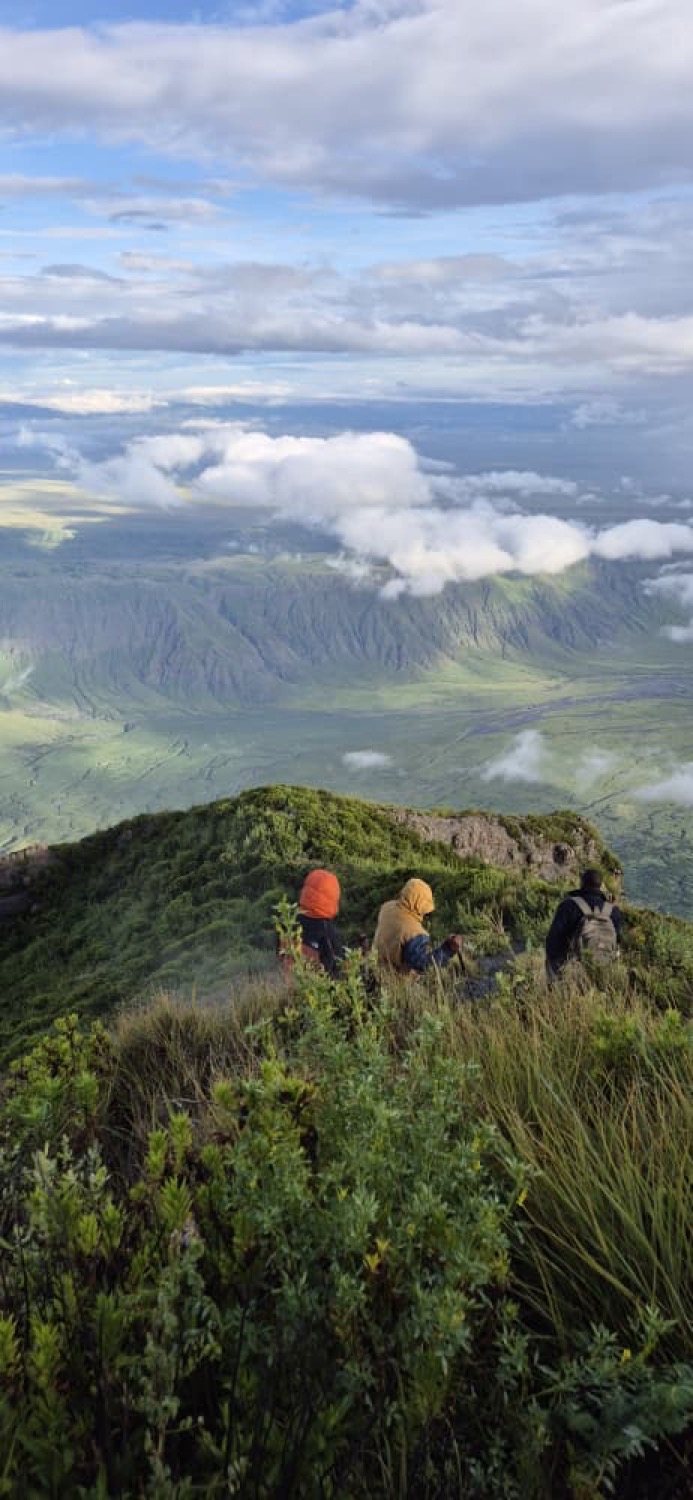
In addition to their richness in birds, these lakes offer a stunning visual contrast to the arid plains that surround them, making them iconic stops on any ornithological route.
How to practice responsible tourism in Tanzania?
What birds can I observe during a safari in Tanzania?
During a safari in Tanzania you can observe an amazing variety of birds, thanks to the diversity of ecosystems that the country offers. Among the most prominent species are:
- Painted Estornell (Lamprotornis hildebrandti), known for its iridescent plumage in metallic blue and green tones and its vibrant orange-red belly, very striking and common in various regions of East Africa.
- Flamingos major and minor, especially in alkaline lakes such as Lake Natron, where they form large pink colonies.
- Common ostriches, the largest birds in the world, typical of savannas.
- Terrestrial Callao, with its impressive beak and presence in the savannas and plains of the Serengeti and Tarangire.
- Carmine bee-eaters and other bee-eaters, famous for their agile flight and bright colors.
- Weavers, recognized for their elaborate hanging nests and abundant in the plains and shrubby areas.
- Secretary bird, a terrestrial predator very characteristic of savannas.
- Eagles and hawks, present in parks such as Ruaha and Serengeti.
- Sunbirds (nectarines), small brightly colored birds that inhabit mountainous areas and forests.
These are just a few examples of the great diversity you can enjoy on a safari in Tanzania, where bird watching is a fascinating experience for nature lovers.
What and how is the carbon footprint on a safari?
Frequently Asked Questions (FAQ): The Avifauna of Tanzania
How many species of birds can be found in Tanzania?
Tanzania is home to more than 1,100 species of birds, including around 26 endemic and many migratory species, making it one of Africa's richest bird destinations.
What endemic bird species can be seen in Tanzania?
Among the endemic birds, the Fischer's inseparable (Agapornis fischeri), the Usambara sunbird and the Udzungwa pita stand out. These species are found only in certain mountainous regions and forests of the country.
What are the most iconic and easy to observe birds in Tanzania?
Some of the most iconic include the lilac rattlesnake, African marabou, Ruppell's spotted vulture, land callao, flamingos, secretary bird and ruff-tailed weaver, all easily visible in safaris and national parks.
Is it possible to do specialized bird watching safaris in Tanzania?
Yes, there are specialized bird watching safaris and tours that cover national parks such as Serengeti, Tarangire, Arusha and the Usambara Mountains, ideal for seeing both common and endemic species.
What ecological role do birds play in Tanzania's ecosystems?
Birds are essential for ecological balance, as they act as pollinators, seed dispersers and pest controllers, as well as being indicators of environmental health in the various habitats of the country.
Book your photo safari with Trio Travel
If you are passionate about photography and dream of capturing nature in its purest form, a photo safariwith Watatu Travel is an invitation to look at Africa with different eyes. From the first lights of dawn to the most intimate moments of wildlife, each day is carefully thought out to offer you unique scenes, away from mass tourism.
Guided by experts who know the rhythm of the savannah and understand the needs of the photographer, you will have the time, space and inspiration to compose authentic images. It is not just a journey: it is an opportunity to create a visual archive deeply connected with the land, light and African life.
Ready to explore Tanzania's birdlife?
Our Tanzania routes are crafted to place you in the heart of the action, from flamingo-fringed lakes to eagle-patrolled savannahs. 6 days, from 2.095 € per person. Tanzania - Classic Safari
Tanzania is not only synonymous with large mammals and vast plains: it is also a vibrant haven for birds. From the shores of the Indian Ocean to the high mountain forests, this East African country is home to a variety of bird species as extensive as it is fascinating.
With more than 1,100 registered species, including permanent residents and migratory visitors, Tanzania is positioned as one of the richest ornithological destinations on the continent. For both novice bird watchers and experts, the country offers an incomparably rich experience.
But it's not just about counting species; it's about discovering how birds are an essential part of Tanzania's ecological soul. This article is a journey through its wings: a tour of the most iconic species, the most diverse habitats and the growing value of ornithology within the photo safariand sustainable tourism.
What is the national bird of Tanzania?
The national bird of Tanzania is the common ostrich (Struthio camelus). This majestic bird, the largest in the world, is a representative symbol of the African fauna and stands out for its imposing size and its adaptability to the various habitats of the savannas and plains of Tanzania. The ostrich is not only emblematic for its presence in the country, but also plays an important role in the local culture and ecosystem.
Discover our routes in Tanzania
Tanzania, Land of Birds
Located in the heart of East Africa, Tanzania boasts a diversity of ecosystems ranging from savannas and mountains to wetlands and rainforests. This wealth of habitats has turned the country into a real sanctuary for birds.
With more than 1,100 officially identified species, its avifauna not only stands out in number, but also in exclusivity: several of these species are endemic, that is, they are not found anywhere else in the world.
Lakes such as Victoria, Manyara or Natronserve as key stations for migratory waterfowl, while the upland forests of the Usambara and Udzungwa are home to rare and colorful species.
What sets Tanzania apart is the possibility of observing this explosion of winged life within some of its most famous national parks, perfectly integrating the observation experience with the rest of its wildlife.
The ornithological richness of Tanzania lies not only in the number of species, but in the astonishing diversity of forms, behaviors and habitats. From land giants to brightly colored winged jewels, the wide variety of Tanzanian birds reflects the complexity of their ecosystems. Next, we explore some of the most representative groups.
Your photography adventure starts here
Main Groups of Birds in Tanzania
From large birds to small winged jewels, Tanzania is home to a wide variety of birds that inhabit its different ecosystems.
Endemic and Emblematic Species
The concept of endemism refers to species that only exist in a specific geographical region. In the case of Tanzania, this means birds that cannot be found anywhere else in the world.
Two iconic examples of this exclusivity are the inseparable: Fischer's inseparable (Black-throated Woodpecker) and the masked inseparable (Black-throated Woodpecker). Both are small parrots known for their bright colors and strong social ties, becoming symbols of the country's natural uniqueness.
These species are valued not only by biologists, but also by bird watchers who travel expressly to see them in freedom.
Featured species:
- Black-throated Woodpecker(inseparable from Fischer)
- Black-throated Woodpecker(inseparable masked)
- Apalis moreaui(Apalis de Moreau)
- Anthreptes pallidigaster(pale-throated nectarinidia)
- Zosterops winifredae(eye circle uluguru)
Giants of Air and Earth
Within the winged fauna of Tanzania, there are birds that simply do not go unnoticed. This is the case of the common ostrich (Struthio camelus), the largest bird in the world. With his long legs and powerful stride, he is a characteristic inhabitant of open savannas and a fascinating figure in any photo safari.
Another frequent giant in African landscapes is the common guinea fowl (Numida meleagris), easily recognizable by its spotted plumage and gregarious behavior. Both species are essential for maintaining ecological balance and are part of the visual landscape that makes Tanzania such a special destination for those looking to connect with nature.
Featured species:
- Struthio camelus(common ostrich)
- Numida meleagris(common painting)
- Bucorvus leadbeateri(Southern Terrestrial Callao)
- Ardeotis bark(chorus octave)
- Sarkidiornis melanotos(african crested duck)
Aquatic and Migratory Birds
Thanks to its abundance of lakes, rivers and wetlands, Tanzania is a vital meeting point for migratory birds. Freshwater lakes such as Victoria and Manyara, along with the saline and visually spectacular lake Natron, attract thousands of birds every year, becoming true natural sanctuaries.
In these habitats you can observe from elegant flamingos that dye the surface of the lakes pink, to majestic herons, imposing pelicans and different seabirds such as the gray-headed gull and the common shrike. This constant flow of species makes these spaces some of the best on the continent to witness the dynamic spectacle of the winged world.
Featured species:
- Phoenicopterus roseus(common flamenco)
- Phoeniconaias minor(the flamenco)
- Ardea goliath(goliath heron)
- Pelecanus onocrotalus(common white pelican)
- Chroicocephalus cirrocephalus(gray-headed gull)
- Sterna hirundo(common xatrac)
- Anhinga rufa(african snake bird)
Birds of Prey and Birds of Prey
In the open skies and vast savannahs of Tanzania, raptors reign as stunning birds both for their imposing presence and their ecological role. These birds act as natural controllers, regulating populations of small mammals, reptiles and other birds, thereby maintaining the balance of the natural system.
During a Observation safari, it is not uncommon to see majestic eagles soaring through the sky or vultures gathered around a carriage, fulfilling their cleansing function.
Some species, such as the martial eagle (Polemaetus bellicosus), are easily identifiable by their size and strength, while others such as the fishing eagle (Pandion haliaetus) frequent areas with a lot of water, demonstrating their hunting prowess.
Featured species:
- Aquila rapax(raptor eagle)
- Polemaetus bellicosus(martial eagle)
- African Gypsophila(African white-backed vulture)
- Pandion haliaetus(fishing eagle)
- Falco biarmicus(falcó borní)
Color Jewels: Small and Striking Birds
Tanzania is not only home to towering birds, but also a dazzling collection of small species that stand out for their vivid colors and fascinating behaviors.
These true winged jewels are essential for pollination and seed dispersal, as well as beautifying the natural landscape. The sunbirdsor nectarinids, similar to hummingbirds for their nectar-based diet, are common in flowery areas.
Also popular are bumblebees, with their agile flight and iridescent plumage, and callas, some of which have distinctive features such as a yellow neck or white head. For their part, weavers, known for building complex hanging nests, offer one of the most curious shows for ornithology enthusiasts.
Featured species:
- Cinnyris venustus(precious nectarinidia)
- Merops apiaster(european bee-eater)
- Bycanists brevis(white-capped callao)
- Tockus flavirostris(yellow-necked callao)
- Ploceus cucullatus(masked weaver)
Differences between a safari and a photo safari
What is the best time to see birds in Tanzania?
The best time to see birds in Tanzania is during the short rainy season and the start of the dry season, that is, between November and April.In this period, many species are in the middle of the reproductive season, which translates into more colorful plumage and easily observable courtship behaviors.
In addition, it is when migratory birds arrive from Europe and Asia, increasing the variety of species present in the country. Wetlands, such as lakes Manyara and Natron, are filled with life thanks to the abundant water, attracting large concentrations of waterfowl. This balance between favorable climate and active biodiversity makes these months the ideal season for observational safari enthusiasts.
See Tanzania's birds for yourself
Join one of our Tanzania safari routes and experience the country's extraordinary avifauna across savannahs, lakes and mountain forests. 9 days, from 3.931 € per person. Tanzania - Kilimanjaro Machame
Tanzania safari tips: When to give and to whom?
Where to watch birds in Tanzania
For lovers of ornithology, Tanzania offers a diversity of settings as rich as its avifauna. From endless savannahs to lush forests and extensive bodies of water, the country provides unique opportunities to observe numerous species in their natural habitat.
Serenget National Park
Although the Serengeti National Parkis famous for its mammal migrations, it is also a sanctuary for birds. Here you can see from imposing ostriches to small roaches camouflaged among the tall grass. It is also common to see the superb stork, one of the most incredible birds for its metallic reflections and bright colors.
The vast savannah facilitates open-air observation, making the Serengeti a paradise for both photographers and birdwatchers looking to discover the many species that inhabit this ecosystem.
Tarangire National Park
Tarangire National Park, less visited than other destinations, is a well-kept secret among ornithology enthusiasts. With a landscape dominated by baobabs and seasonal watercourses, it is home to an abundance of waterfowl and raptors.
The bodies of water that form during the rainy season attract flocks of storks, herons and flamingos, while the heights are dominated by eagles and hawks patrolling the sky.
Amani Forest (Usambara Mountains)
Located in the Usambara Mountains, the Amani Forest is one of the main biodiversity hotspots in East Africa. This humid, mountainous enclave protects a large number of endemic birds that are not found anywhere else in the world.
Its dense vegetation and special microclimate create the perfect conditions for rare and specialized species, being a must-see destination for the most passionate birdwatchers.
Lake Manyara and Lake Natron National Park
Lake Manyara National Park and nearby Lake Natron are must-see areas for anyone who wants to explore Tanzania's aquatic birdlife. These bodies of water not only offer spectacular scenery, but also host thousands of flamingos at certain times of the year, along with pelicans, herons and shrews.
In addition to their richness in birds, these lakes offer a stunning visual contrast to the arid plains that surround them, making them iconic stops on any ornithological route.
How to practice responsible tourism in Tanzania?
What birds can I observe during a safari in Tanzania?
During a safari in Tanzania you can observe an amazing variety of birds, thanks to the diversity of ecosystems that the country offers. Among the most prominent species are:
- Painted Estornell (Lamprotornis hildebrandti), known for its iridescent plumage in metallic blue and green tones and its vibrant orange-red belly, very striking and common in various regions of East Africa.
- Flamingos major and minor, especially in alkaline lakes such as Lake Natron, where they form large pink colonies.
- Common ostriches, the largest birds in the world, typical of savannas.
- Terrestrial Callao, with its impressive beak and presence in the savannas and plains of the Serengeti and Tarangire.
- Carmine bee-eaters and other bee-eaters, famous for their agile flight and bright colors.
- Weavers, recognized for their elaborate hanging nests and abundant in the plains and shrubby areas.
- Secretary bird, a terrestrial predator very characteristic of savannas.
- Eagles and hawks, present in parks such as Ruaha and Serengeti.
- Sunbirds (nectarines), small brightly colored birds that inhabit mountainous areas and forests.
These are just a few examples of the great diversity you can enjoy on a safari in Tanzania, where bird watching is a fascinating experience for nature lovers.
What and how is the carbon footprint on a safari?
Frequently Asked Questions (FAQ): The Avifauna of Tanzania
How many species of birds can be found in Tanzania?
Tanzania is home to more than 1,100 species of birds, including around 26 endemic and many migratory species, making it one of Africa's richest bird destinations.
What endemic bird species can be seen in Tanzania?
Among the endemic birds, the Fischer's inseparable (Agapornis fischeri), the Usambara sunbird and the Udzungwa pita stand out. These species are found only in certain mountainous regions and forests of the country.
What are the most iconic and easy to observe birds in Tanzania?
Some of the most iconic include the lilac rattlesnake, African marabou, Ruppell's spotted vulture, land callao, flamingos, secretary bird and ruff-tailed weaver, all easily visible in safaris and national parks.
Is it possible to do specialized bird watching safaris in Tanzania?
Yes, there are specialized bird watching safaris and tours that cover national parks such as Serengeti, Tarangire, Arusha and the Usambara Mountains, ideal for seeing both common and endemic species.
What ecological role do birds play in Tanzania's ecosystems?
Birds are essential for ecological balance, as they act as pollinators, seed dispersers and pest controllers, as well as being indicators of environmental health in the various habitats of the country.
Book your photo safari with Trio Travel
If you are passionate about photography and dream of capturing nature in its purest form, a photo safariwith Watatu Travel is an invitation to look at Africa with different eyes. From the first lights of dawn to the most intimate moments of wildlife, each day is carefully thought out to offer you unique scenes, away from mass tourism.
Guided by experts who know the rhythm of the savannah and understand the needs of the photographer, you will have the time, space and inspiration to compose authentic images. It is not just a journey: it is an opportunity to create a visual archive deeply connected with the land, light and African life.
Ready to explore Tanzania's birdlife?
Our Tanzania routes are crafted to place you in the heart of the action, from flamingo-fringed lakes to eagle-patrolled savannahs. 6 days, from 2.095 € per person. Tanzania - Classic Safari










.png)