




Types of Safari in Africa: How to Choose the Right One for Your Trip
The best type of African safari depends on your fitness, budget, and what kind of access you want. A classic 4x4 game drive suits almost everyone. A walking safari demands more physically but gives a completely different quality of presence. Canoe and horseback formats unlock perspectives no vehicle can reach. Here is how they compare.
What Is a Classic Game Drive Safari and Who Is It For?
A game drive is the standard format: you ride in an open or semi-open 4x4 with a trained guide who reads animal tracks, interprets the terrain, and positions the vehicle so you get the moment. It's the most accessible option, works for first-timers, families with young children, and anyone with limited mobility.
Expect two drives per day, early morning and late afternoon, each lasting three to four hours. In the Serengeti or Masai Mara you can see the Big Five without leaving the vehicle. Our team was out in the Mara last June and watched a leopard drag a kill into a sausage tree at 7am, ten metres from the bonnet. You feel the stillness before the movement, it doesn't announce itself.
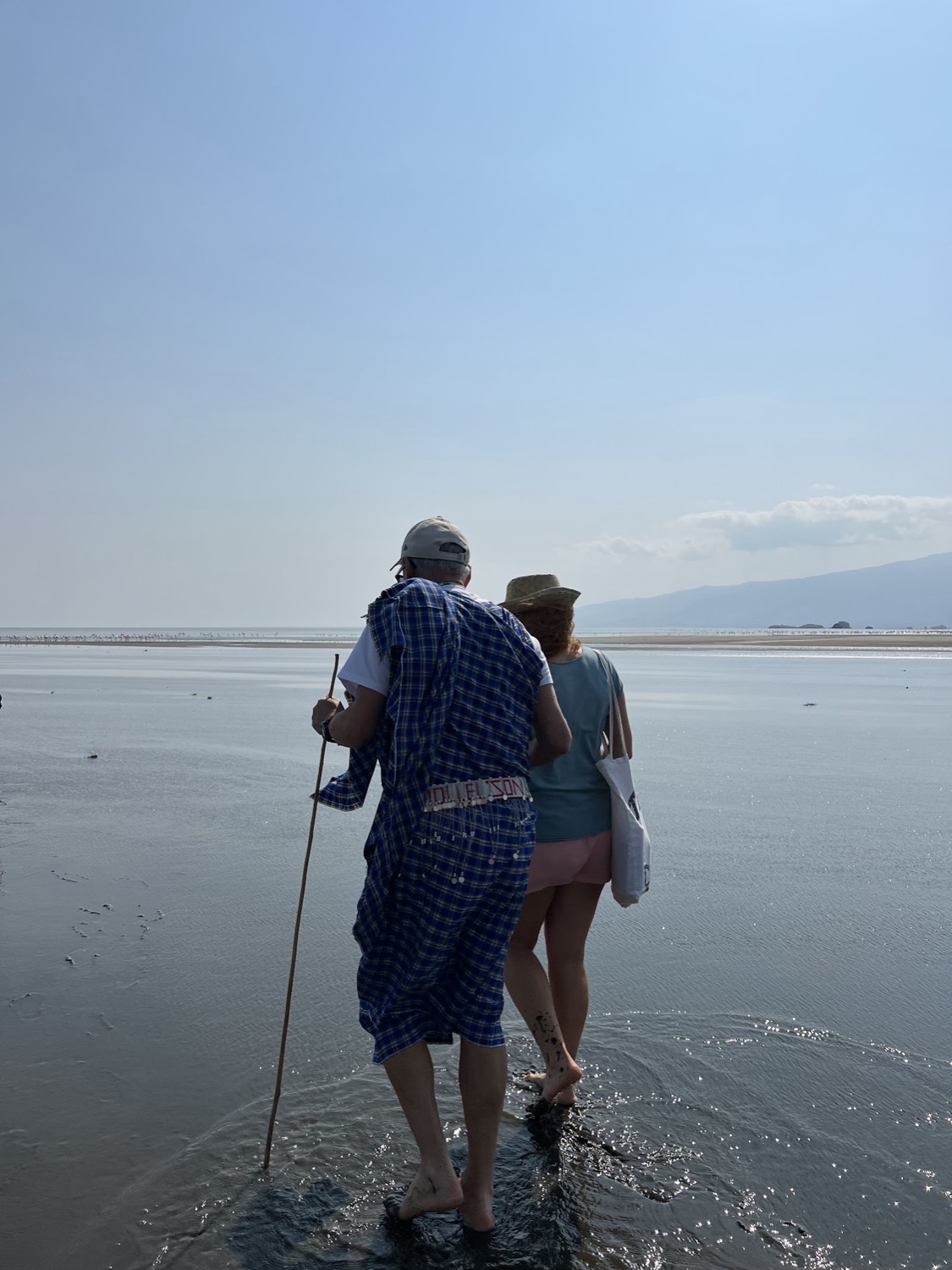
One camp we regularly send first-timers to in Tanzania is Lemala Nanyukie in the Central Serengeti. David, one of the senior guides there, has an almost uncanny ability to find cheetah on the open plains before anyone else has even scanned the horizon, the kind of quiet local knowledge that genuinely makes or breaks a game drive. It's the first thing we evaluate when we're assessing camps for clients.
Shared and private vehicle options span a wide price range. For the full budget breakdown, see our budget safari planning guide.
Ready to Experience Your First Game Drive?
Our classic Tanzania safari is the perfect starting point: the Serengeti, expert guides, and a pace that works for every traveller. 6 days, from 2.095 € per person. Tanzania - Classic Safari
What Is a Walking Safari and Should You Do One?
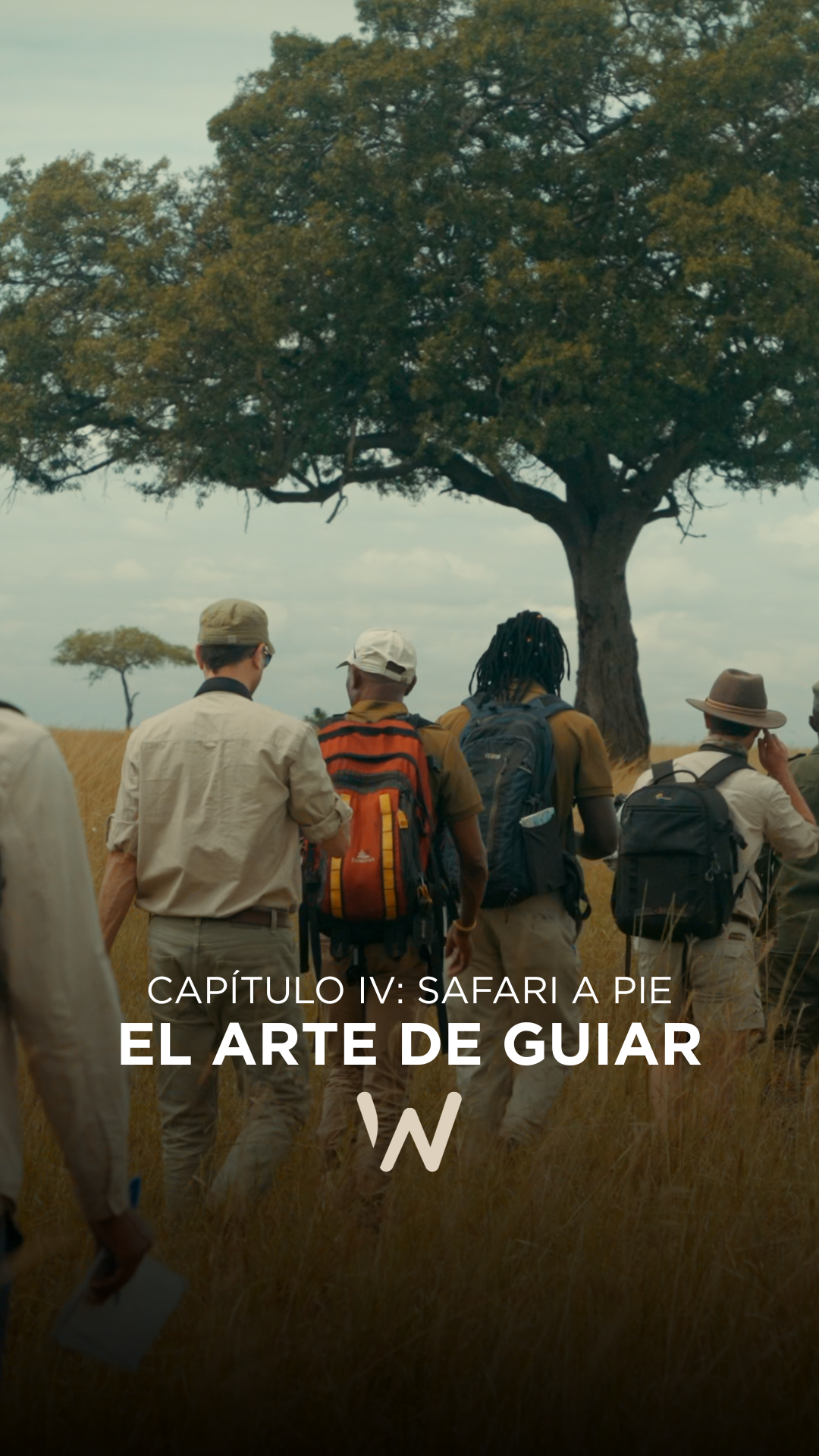
A walking safari puts you on foot in the bush with an armed ranger and a tracker: no vehicle, no glass between you and the landscape. South Luangwa in Zambia is the historic home of this format, and it's where we almost always send clients for a first experience on foot. Norman Carr Safaris' Chinzombo camp runs some of the best guided walks in the valley.
Here is an honest caveat people rarely mention: the walking safari's reputation is so strong that some travellers book it before they've done a single game drive, and a handful find the experience overwhelming rather than freeing. We once sent a client directly to Ruaha for a walking camp, she was fit, adventurous, enthusiastic, but the infrastructure there is thinner than South Luangwa and she had no game-drive baseline to calibrate against. She enjoyed it, but came back saying she wished she'd started in Luangwa first. Lesson taken seriously.
The sensory shift is real. You learn to read dung for freshness, to move without snapping a twig, to catch the smell of elephant on the breeze before you see it. But it requires reasonable fitness, expect 8 to 15 km in heat, a genuine willingness to follow instructions without hesitation, and the ability to stay calm if something large comes close. Children under 12 are not permitted at most camps. Five-night walking-focused itineraries here run €350–€600 per person per night depending on operator and season.
Our standard question when clients ask whether to book a walking safari: have you done any game drives before? If the answer is no, we almost always suggest starting there first.
What Is a Canoe or Mokoro Safari?
Being poled through a papyrus channel at dawn (not a sound except the dip of the pole and a malachite kingfisher exploding off a reed five metres ahead) is something no description quite prepares you for. The mokoro is a traditional dugout canoe, the oldest form of transport in Botswana's Okavango Delta, and the quiet at water level is the defining thing about it.
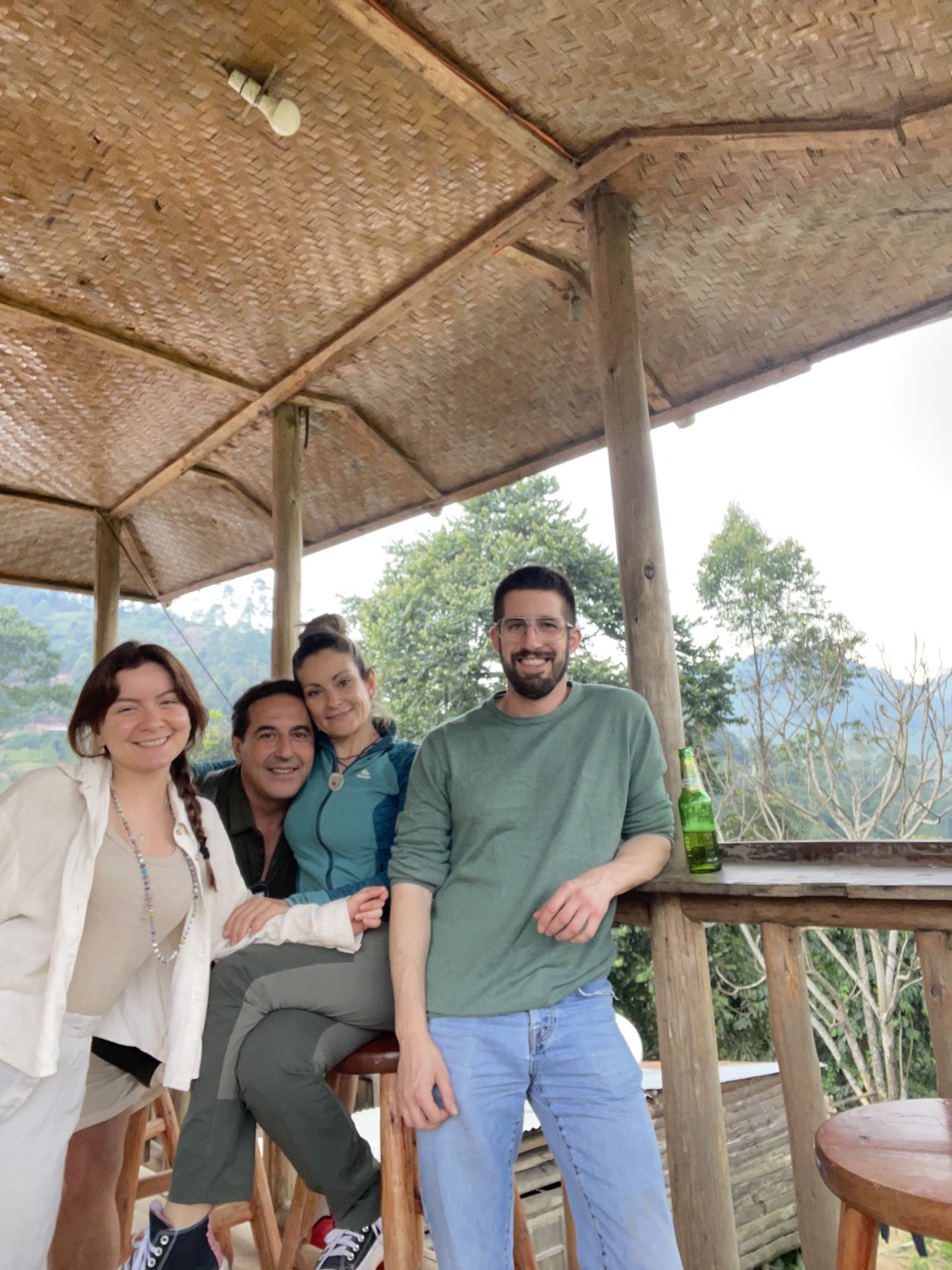
At that height, the Delta looks completely different. Hippos surface two boat-lengths away. Sitatunga, those semi-aquatic antelope most people have never heard of, pick through the reeds. The channel systems around Chief's Island in the northern Delta have given us the most consistent sightings over the years; operators like Wilderness Safaris run camps there that combine mokoro excursions with land-based game drives, which is the combination we most often recommend.
Two or three nights on the water paired with a land camp tends to work well, though if you're a light sleeper who needs solid ground, be honest about that before booking. Mid-range operators in the Delta run €200–€350 per person per night. For remote or luxury-focused Delta options, our luxury safari guide covers the specifics. The Lower Zambezi in Zambia is a strong alternative for canoe safaris, particularly if you want elephants crossing the river at the edge of your field of view.
What Is a Horseback Safari and Where Can You Do It?
In March 2023, a client returned from Offbeat Safaris on the Laikipia Plateau and described getting close enough to a bachelor group of around forty Grevy's zebra, the endangered, large-eared subspecies, that she could hear them breathing. No fence. No windscreen. Just horses and zebra on the same flat ground, neither group alarmed by the other.
That proximity is the point. Because you approach wildlife at roughly the same height and with a scent profile closer to other herbivores than any vehicle produces, you can move among zebra, wildebeest and giraffe in ways a 4x4 simply cannot. Lewa Conservancy in Kenya is outstanding for this; the Okavango has excellent options too.
Be realistic about your riding level. These are not guided beach rides, you need to be a genuinely competent rider who can hold position when an animal startles the horse. Offbeat Safaris and Ride Africa run the most rigorous programmes, at €450–€700 per person per night including all riding, guiding, and full board.
What About Fly-In Safaris?
Fly-in safaris use light aircraft to reach camps that would take days by road: private concessions in the Okavango, the remoter reaches of Luangwa, the internal lake system of Nyerere. Fewer guests, near-zero tourist pressure. The full breakdown of charter costs, camp selection, and logistics is in our luxury and fly-in safari guide. Worth it if you have at least seven nights and budget to match.
How Do the Main Safari Types Compare?
The clearest difference between safari formats is physical demand and the type of access each gives you, a game drive maximises sightings with minimal effort, while walking and horseback trade some comfort for genuine intimacy with the landscape.
| Safari Type | Physical Demand | Best For | Min. Budget/Person/Night | Key Destinations | Kids OK? |
|---|---|---|---|---|---|
| Classic Game Drive | Low | First-timers, families, all fitness levels | €150 | Serengeti, Masai Mara, Kruger | Yes (all ages) |
| Walking Safari | Moderate–High | Return visitors, adventurous travellers | €350 | South Luangwa, Ruaha, Hwange | 12+ only |
| Fly-In Safari | Low | Remote access, luxury, time-short travellers | €500 | Okavango, Nyerere, Luangwa | Usually yes |
| Canoe/Mokoro | Low–Moderate | Water lovers, birders, couples | €200 | Okavango Delta, Lower Zambezi | 12+ recommended |
| Horseback Safari | Moderate–High | Experienced riders wanting unique wildlife access | €450 | Lewa, Okavango | 14+ competent riders |
Which Safari Format Is Right for a First Trip?
Start with a game drive, that's our consistent advice, and it's not a hedge. The format works across every budget tier, fitness level, and travel style. Once you have that baseline, you'll know instinctively on the flight home whether you want to return for a walking camp or a fly-in extension. For route-specific advice on first-time East African itineraries, our East African safari routes for beginners guide goes into the detail this article deliberately skips.
Which Seasons Work Best for Each Format?
Dry season (roughly May–October in most of East and Southern Africa) favours all formats, but for different reasons. Walking safaris in Zambia and Zimbabwe depend on it, long grass makes on-foot movement genuinely difficult and can obscure a buffalo at close range. Canoe safaris on the Okavango peak July–September when the annual Angola flood fills the Delta. Game drives work year-round though sightings are sharpest when vegetation is low. Horseback safaris in Kenya run all year.
For the full seasonal breakdown, including how rain affects specific parks and what each month looks like on the ground, our safari planning guide and the dedicated Okavango and Zambia articles cover it in more granular detail than makes sense here.
FAQ
Can I combine different safari types in one trip?
Yes, and it's often the most rewarding structure. The logistics, though, are more complicated than a single-country itinerary. If you're combining a Zambia walking camp with an Okavango mokoro stay, for instance, you're crossing a border that requires advance visa arrangements for some nationalities, and your luggage limits change between charter flights (typically 15 kg soft-bag only on light aircraft). Pack once for both formats and you'll likely overpack for one. It's manageable with the right briefing, but worth knowing before you start building the itinerary rather than after.
Is a walking safari dangerous?
Not if you follow your ranger's instructions, and that's not a throwaway reassurance. All walking guides carry a rifle and hold professional qualifications specific to walking in big-game areas. The statistical risk is genuinely very low. What changes is your sense of exposure: you feel more present than in any vehicle, which some people find electrifying and others find stressful. We always ask clients to be honest with themselves about which category they fall into before we confirm the booking.
What is the cheapest way to do a safari in Africa?
The most affordable entry point is a shared-vehicle group safari in Tanzania or South Africa. For the full breakdown of what each price band actually gets you, see our budget safari guide. Short version: shared vehicles, camping or basic lodges, and flexibility on dates make the biggest difference to cost.
Do I need to be fit for a safari?
For game drives, no, genuinely comfortable, suitable for all ages and most mobility levels. For walking safaris you should be able to walk 8–15 km in heat without difficulty. Horseback safaris require active riding experience; these are not beginner rides. Canoe safaris need basic balance and water confidence, but no particular fitness level.
Are there safari types that are better for families with children?
Classic game drives are the clear choice for families with younger children, flexible, safe, and thrilling even for a six-year-old spotting their first elephant. Kenya and Tanzania, 7 days, from 2.495 € per personmmes alongside the standard drives, which adds genuine engagement. For the full picture on family-specific camps, age restrictions, and what to look for, our family safari guide covers it in detail. Walking and canoe safaris generally require children to be at least 12.
Find the Safari Format That Suits You
From shared game drives to specialist walking camps, we put together itineraries around how you actually want to travel. Let us match you to the right format. 9 days, from 3.350 € per person. Tanzania - Crossroads of the Great Migration
Types of Safari in Africa: How to Choose the Right One for Your Trip
The best type of African safari depends on your fitness, budget, and what kind of access you want. A classic 4x4 game drive suits almost everyone. A walking safari demands more physically but gives a completely different quality of presence. Canoe and horseback formats unlock perspectives no vehicle can reach. Here is how they compare.
What Is a Classic Game Drive Safari and Who Is It For?
A game drive is the standard format: you ride in an open or semi-open 4x4 with a trained guide who reads animal tracks, interprets the terrain, and positions the vehicle so you get the moment. It's the most accessible option, works for first-timers, families with young children, and anyone with limited mobility.
Expect two drives per day, early morning and late afternoon, each lasting three to four hours. In the Serengeti or Masai Mara you can see the Big Five without leaving the vehicle. Our team was out in the Mara last June and watched a leopard drag a kill into a sausage tree at 7am, ten metres from the bonnet. You feel the stillness before the movement, it doesn't announce itself.
One camp we regularly send first-timers to in Tanzania is Lemala Nanyukie in the Central Serengeti. David, one of the senior guides there, has an almost uncanny ability to find cheetah on the open plains before anyone else has even scanned the horizon, the kind of quiet local knowledge that genuinely makes or breaks a game drive. It's the first thing we evaluate when we're assessing camps for clients.
Shared and private vehicle options span a wide price range. For the full budget breakdown, see our budget safari planning guide.
Ready to Experience Your First Game Drive?
Our classic Tanzania safari is the perfect starting point: the Serengeti, expert guides, and a pace that works for every traveller. 6 days, from 2.095 € per person. Tanzania - Classic Safari
What Is a Walking Safari and Should You Do One?
A walking safari puts you on foot in the bush with an armed ranger and a tracker: no vehicle, no glass between you and the landscape. South Luangwa in Zambia is the historic home of this format, and it's where we almost always send clients for a first experience on foot. Norman Carr Safaris' Chinzombo camp runs some of the best guided walks in the valley.
Here is an honest caveat people rarely mention: the walking safari's reputation is so strong that some travellers book it before they've done a single game drive, and a handful find the experience overwhelming rather than freeing. We once sent a client directly to Ruaha for a walking camp, she was fit, adventurous, enthusiastic, but the infrastructure there is thinner than South Luangwa and she had no game-drive baseline to calibrate against. She enjoyed it, but came back saying she wished she'd started in Luangwa first. Lesson taken seriously.
The sensory shift is real. You learn to read dung for freshness, to move without snapping a twig, to catch the smell of elephant on the breeze before you see it. But it requires reasonable fitness, expect 8 to 15 km in heat, a genuine willingness to follow instructions without hesitation, and the ability to stay calm if something large comes close. Children under 12 are not permitted at most camps. Five-night walking-focused itineraries here run €350–€600 per person per night depending on operator and season.
Our standard question when clients ask whether to book a walking safari: have you done any game drives before? If the answer is no, we almost always suggest starting there first.
What Is a Canoe or Mokoro Safari?
Being poled through a papyrus channel at dawn (not a sound except the dip of the pole and a malachite kingfisher exploding off a reed five metres ahead) is something no description quite prepares you for. The mokoro is a traditional dugout canoe, the oldest form of transport in Botswana's Okavango Delta, and the quiet at water level is the defining thing about it.
At that height, the Delta looks completely different. Hippos surface two boat-lengths away. Sitatunga, those semi-aquatic antelope most people have never heard of, pick through the reeds. The channel systems around Chief's Island in the northern Delta have given us the most consistent sightings over the years; operators like Wilderness Safaris run camps there that combine mokoro excursions with land-based game drives, which is the combination we most often recommend.
Two or three nights on the water paired with a land camp tends to work well, though if you're a light sleeper who needs solid ground, be honest about that before booking. Mid-range operators in the Delta run €200–€350 per person per night. For remote or luxury-focused Delta options, our luxury safari guide covers the specifics. The Lower Zambezi in Zambia is a strong alternative for canoe safaris, particularly if you want elephants crossing the river at the edge of your field of view.
What Is a Horseback Safari and Where Can You Do It?
In March 2023, a client returned from Offbeat Safaris on the Laikipia Plateau and described getting close enough to a bachelor group of around forty Grevy's zebra, the endangered, large-eared subspecies, that she could hear them breathing. No fence. No windscreen. Just horses and zebra on the same flat ground, neither group alarmed by the other.
That proximity is the point. Because you approach wildlife at roughly the same height and with a scent profile closer to other herbivores than any vehicle produces, you can move among zebra, wildebeest and giraffe in ways a 4x4 simply cannot. Lewa Conservancy in Kenya is outstanding for this; the Okavango has excellent options too.
Be realistic about your riding level. These are not guided beach rides, you need to be a genuinely competent rider who can hold position when an animal startles the horse. Offbeat Safaris and Ride Africa run the most rigorous programmes, at €450–€700 per person per night including all riding, guiding, and full board.
What About Fly-In Safaris?
Fly-in safaris use light aircraft to reach camps that would take days by road: private concessions in the Okavango, the remoter reaches of Luangwa, the internal lake system of Nyerere. Fewer guests, near-zero tourist pressure. The full breakdown of charter costs, camp selection, and logistics is in our luxury and fly-in safari guide. Worth it if you have at least seven nights and budget to match.
How Do the Main Safari Types Compare?
The clearest difference between safari formats is physical demand and the type of access each gives you, a game drive maximises sightings with minimal effort, while walking and horseback trade some comfort for genuine intimacy with the landscape.
| Safari Type | Physical Demand | Best For | Min. Budget/Person/Night | Key Destinations | Kids OK? |
|---|---|---|---|---|---|
| Classic Game Drive | Low | First-timers, families, all fitness levels | €150 | Serengeti, Masai Mara, Kruger | Yes (all ages) |
| Walking Safari | Moderate–High | Return visitors, adventurous travellers | €350 | South Luangwa, Ruaha, Hwange | 12+ only |
| Fly-In Safari | Low | Remote access, luxury, time-short travellers | €500 | Okavango, Nyerere, Luangwa | Usually yes |
| Canoe/Mokoro | Low–Moderate | Water lovers, birders, couples | €200 | Okavango Delta, Lower Zambezi | 12+ recommended |
| Horseback Safari | Moderate–High | Experienced riders wanting unique wildlife access | €450 | Lewa, Okavango | 14+ competent riders |
Which Safari Format Is Right for a First Trip?
Start with a game drive, that's our consistent advice, and it's not a hedge. The format works across every budget tier, fitness level, and travel style. Once you have that baseline, you'll know instinctively on the flight home whether you want to return for a walking camp or a fly-in extension. For route-specific advice on first-time East African itineraries, our East African safari routes for beginners guide goes into the detail this article deliberately skips.
Which Seasons Work Best for Each Format?
Dry season (roughly May–October in most of East and Southern Africa) favours all formats, but for different reasons. Walking safaris in Zambia and Zimbabwe depend on it, long grass makes on-foot movement genuinely difficult and can obscure a buffalo at close range. Canoe safaris on the Okavango peak July–September when the annual Angola flood fills the Delta. Game drives work year-round though sightings are sharpest when vegetation is low. Horseback safaris in Kenya run all year.
For the full seasonal breakdown, including how rain affects specific parks and what each month looks like on the ground, our safari planning guide and the dedicated Okavango and Zambia articles cover it in more granular detail than makes sense here.
FAQ
Can I combine different safari types in one trip?
Yes, and it's often the most rewarding structure. The logistics, though, are more complicated than a single-country itinerary. If you're combining a Zambia walking camp with an Okavango mokoro stay, for instance, you're crossing a border that requires advance visa arrangements for some nationalities, and your luggage limits change between charter flights (typically 15 kg soft-bag only on light aircraft). Pack once for both formats and you'll likely overpack for one. It's manageable with the right briefing, but worth knowing before you start building the itinerary rather than after.
Is a walking safari dangerous?
Not if you follow your ranger's instructions, and that's not a throwaway reassurance. All walking guides carry a rifle and hold professional qualifications specific to walking in big-game areas. The statistical risk is genuinely very low. What changes is your sense of exposure: you feel more present than in any vehicle, which some people find electrifying and others find stressful. We always ask clients to be honest with themselves about which category they fall into before we confirm the booking.
What is the cheapest way to do a safari in Africa?
The most affordable entry point is a shared-vehicle group safari in Tanzania or South Africa. For the full breakdown of what each price band actually gets you, see our budget safari guide. Short version: shared vehicles, camping or basic lodges, and flexibility on dates make the biggest difference to cost.
Do I need to be fit for a safari?
For game drives, no, genuinely comfortable, suitable for all ages and most mobility levels. For walking safaris you should be able to walk 8–15 km in heat without difficulty. Horseback safaris require active riding experience; these are not beginner rides. Canoe safaris need basic balance and water confidence, but no particular fitness level.
Are there safari types that are better for families with children?
Classic game drives are the clear choice for families with younger children, flexible, safe, and thrilling even for a six-year-old spotting their first elephant. Kenya and Tanzania, 7 days, from 2.495 € per personmmes alongside the standard drives, which adds genuine engagement. For the full picture on family-specific camps, age restrictions, and what to look for, our family safari guide covers it in detail. Walking and canoe safaris generally require children to be at least 12.
Find the Safari Format That Suits You
From shared game drives to specialist walking camps, we put together itineraries around how you actually want to travel. Let us match you to the right format. 9 days, from 3.350 € per person. Tanzania - Crossroads of the Great Migration





.png)