




The difference between a normal safari and a photo safari lies in l'approach and objectives of the experience, although both share the essence of exploring wildlifein their natural habitat. Here we explain the main differences more carefully:
Differences between a Safari and a Photo Safari
Main objective
THEmain objectiveof the normal safari is the observation of wildlife, enjoying the natural environment and the thrill of seeing animals in their natural environment. It is one more general experience, where visitors focus on enjoying the landscape and wildlife, without necessarily looking for specific photographic opportunities.

On the other hand, in onephoto safari, the goal is in capture high-quality images of wildlife and landscapes.Photographers, whether amateur or professional, look for the best angle, light and moment to get spectacular photographs. This implies a longer waiting time and attention to detail to achieve the perfect shot.
Take a look at our blog about What is a Photo Safari and its characteristics
Duration and Patience
In one Safari Normal, the routes are usually more dynamic, moving from place to place to see as many animals as possible in a given time. The length of the stops depends on what the guide considers interesting, and a more structured itinerary is followed.
On the other hand, in one Photographic Safari, the itinerary requires more time and patience. Photographers can spend long hours in one place, waiting for the ideal moment to capture a specific image. A rigid schedule is not followed, as the goal is to take advantage of the best photographic opportunities.
Ready to Take Your Time in the Wild?
Our Kenya Classic Safari gives you the perfect balance of game drives and unhurried stops to soak in every moment. 6 days, from 2.250 € per person. Kenya - Classic Safari
Equipment and Preparation
In one Safari Normal, visitors often bring compact cameras or mobile phones to capture moments as personal memories. The experience is not focused on photography, so photographic equipment is not a priority.

On the contrary, in one Photographic SafariPhotographic equipment is essential. Participants bring professional or semi-professional cameras, with telephoto lenses, tripods and other specific accessories to capture high-quality images. In addition, the protection of the equipment against environmental conditions, such as dust or moisture, is taken into account.
Specialized Guides
Al Safari Normal, our guides concentrate on explaining the flora, fauna and geography of the place. Its goal is to provide an educational and exciting experience, keeping visitors entertained and informed about the animals they encounter.

In one Photographic Safari you will be accompanied by an expert guide in photography, specifically on our travels: the Miguel Ángel Artus Illana.Friend and professional photographer, he has traveled to many countries of the world and his photographs have been published in specialized magazines such as GEO France. Also, it has beenawarded in all the most important competitions in the world of nature photography, especially twice in the prestigious contest Wildlife Photographer of the Year Organized by the Natural History Museum in London.
Groups and Environment
To the Normal Safari, groups tend to be larger, and the experience is more social, with a focus on coexistence and shared observation. The atmosphere is more relaxed, and the priority is the overall safari experience.
.jpeg)
However, in Photographic Safarigroups are usually smaller, allowing for greater flexibility and customization of the experience. The environment is more concentrated and quiet, so as not to disturb the animals and allow photographers to focus on their work.
In short, while a normal safari focuses on the overall wildlife experience, a photo safari is designed specifically for those who wish to capture quality images, which involves a more technical and detailed approach to every aspect of the trip.
Capture Africa Through Your Lens
Join our Tanzania Classic Safari and bring home images that tell the full story of the wild. 6 days, from 2.095 € per person. Tanzania - Classic Safari
Frequently asked questions
Can a beginner photographer join a photo safari?
Absolutely. Photo safaris welcome participants at all skill levels. Expert guides such as Miguel Angel Artus Illana are on hand to advise on camera settings, composition and the best moments to shoot. You do not need professional equipment to enjoy the experience, though a camera with a decent zoom will make a noticeable difference to your results.
How many people are typically in a photo safari group compared to a regular safari?
Photo safari groups are kept deliberately small, usually no more than six to eight participants, so that vehicles can be positioned precisely and animals are not disturbed by noise or crowd movement. Regular safari groups can be larger, sometimes twelve or more, with the emphasis placed on a shared social experience rather than individual photographic needs.
What camera equipment should I bring on a photo safari?
A DSLR or mirrorless camera body paired with a telephoto lens of at least 300 mm is recommended. A sturdy beanbag or window mount replaces a traditional tripod in a moving vehicle. Bring extra batteries and memory cards, as long sessions in the field can drain power quickly and you will not want to miss a once-in-a-lifetime shot due to full storage.
Is a photo safari significantly more expensive than a regular safari?
Photo safaris often carry a modest premium because groups are smaller, guides have specialist photography knowledge, and itineraries allow for longer stops in prime locations. That said, the price difference is not always large, and the investment is well justified by the quality of images and the depth of the wildlife experience you take home.
Which African destinations are best suited for a photo safari?
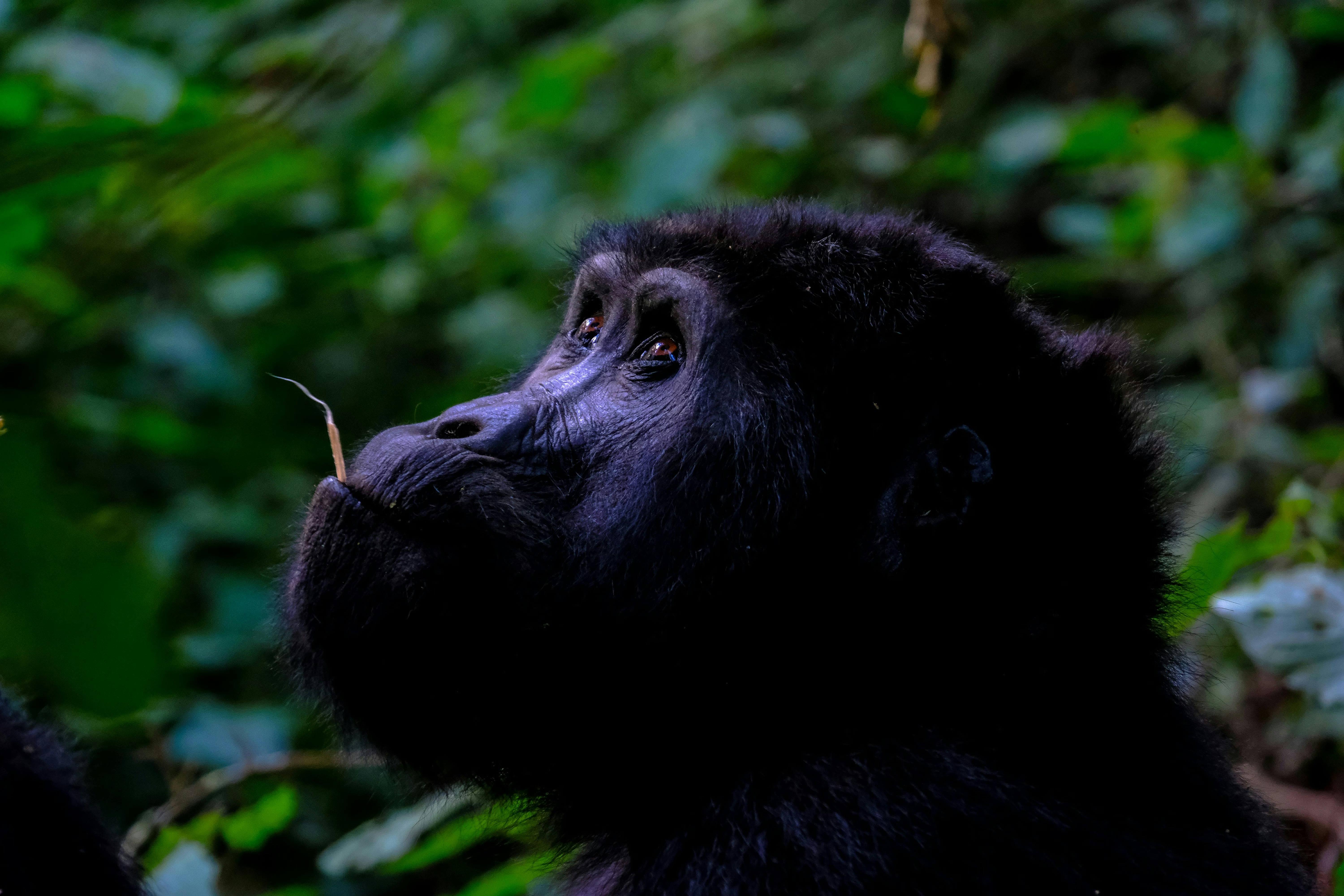
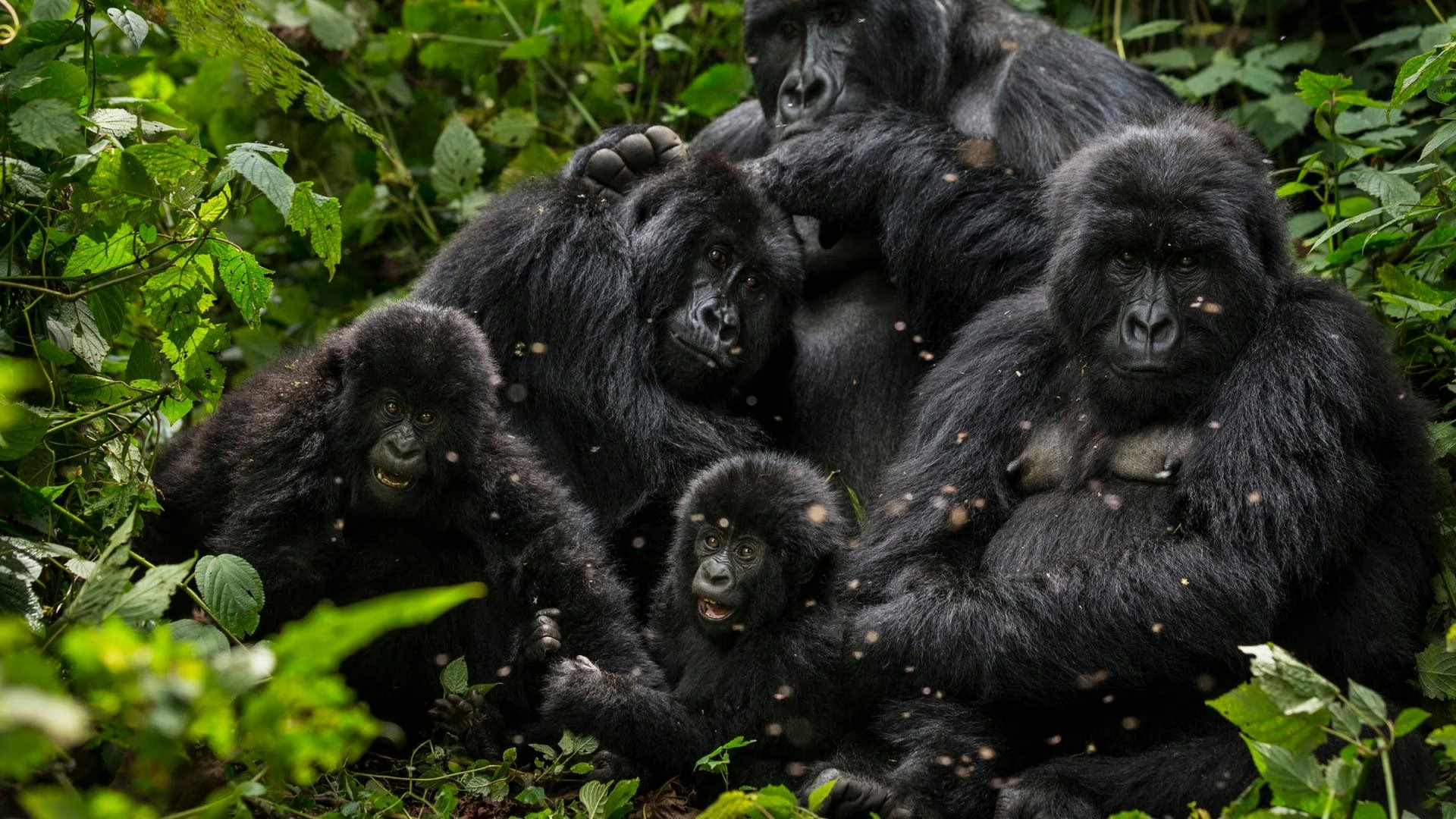
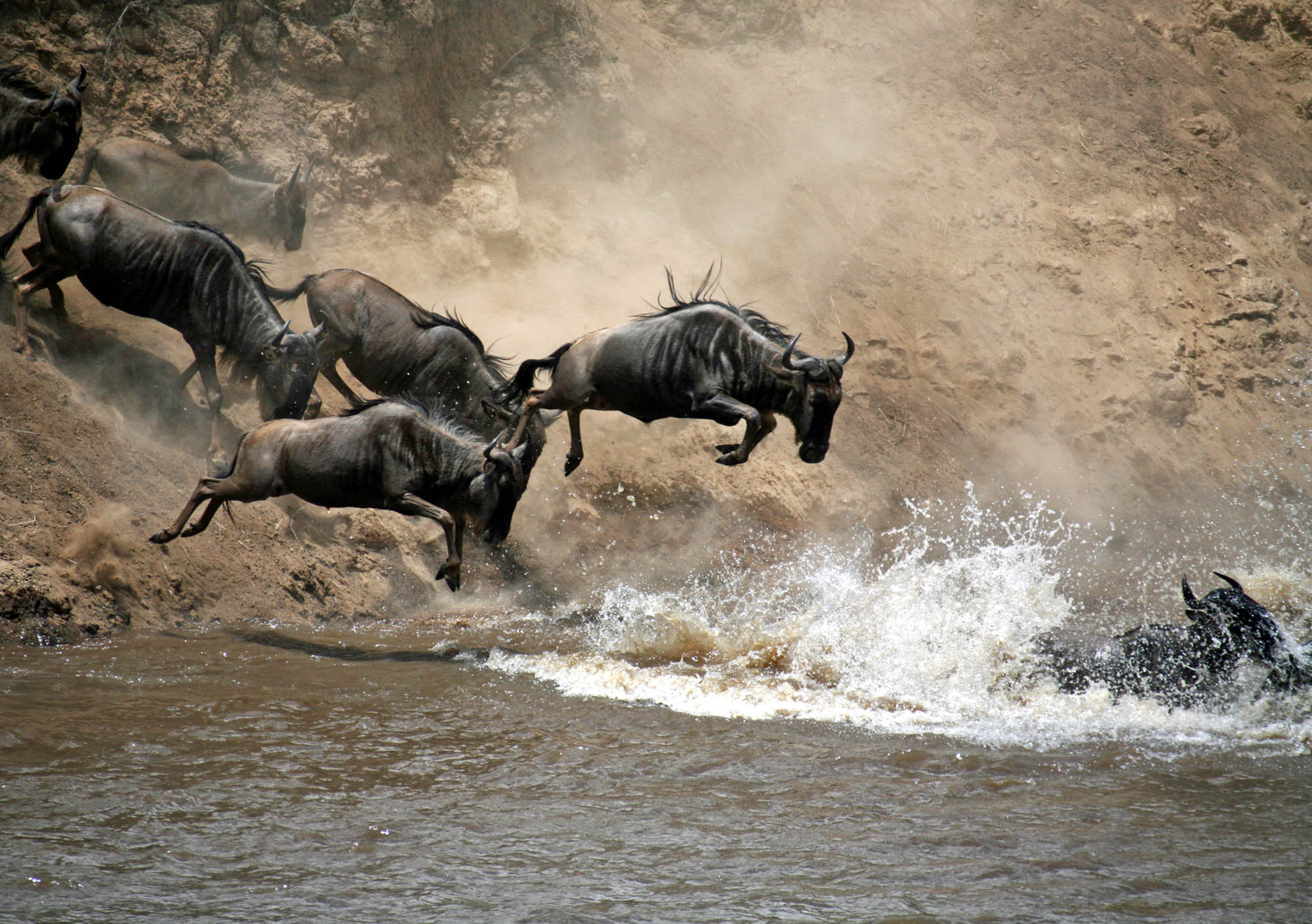
Kenya and Tanzania rank among the world's top photo safari destinations thanks to the Great Migration, open savannah landscapes and extraordinary concentrations of the Big Five. Uganda offers outstanding opportunities for gorilla and chimpanzee photography in dense forest settings. Each destination rewards patience with subjects that are rarely seen elsewhere on the planet.
Do I need any special permits to photograph wildlife in national parks?
Standard park entry fees cover general photography for personal use in most East African reserves. Some parks charge an additional permit for commercial shoots or professional video production. Gorilla trekking in Uganda requires a specific gorilla permit that is limited in number each day. Your guide or operator will confirm exactly which permits apply to your chosen itinerary before departure.
The difference between a normal safari and a photo safari lies in l'approach and objectives of the experience, although both share the essence of exploring wildlifein their natural habitat. Here we explain the main differences more carefully:
Differences between a Safari and a Photo Safari
Main objective
THEmain objectiveof the normal safari is the observation of wildlife, enjoying the natural environment and the thrill of seeing animals in their natural environment. It is one more general experience, where visitors focus on enjoying the landscape and wildlife, without necessarily looking for specific photographic opportunities.
On the other hand, in onephoto safari, the goal is in capture high-quality images of wildlife and landscapes.Photographers, whether amateur or professional, look for the best angle, light and moment to get spectacular photographs. This implies a longer waiting time and attention to detail to achieve the perfect shot.
Take a look at our blog about What is a Photo Safari and its characteristics
Duration and Patience
In one Safari Normal, the routes are usually more dynamic, moving from place to place to see as many animals as possible in a given time. The length of the stops depends on what the guide considers interesting, and a more structured itinerary is followed.
On the other hand, in one Photographic Safari, the itinerary requires more time and patience. Photographers can spend long hours in one place, waiting for the ideal moment to capture a specific image. A rigid schedule is not followed, as the goal is to take advantage of the best photographic opportunities.
Ready to Take Your Time in the Wild?
Our Kenya Classic Safari gives you the perfect balance of game drives and unhurried stops to soak in every moment. 6 days, from 2.250 € per person. Kenya - Classic Safari
Equipment and Preparation
In one Safari Normal, visitors often bring compact cameras or mobile phones to capture moments as personal memories. The experience is not focused on photography, so photographic equipment is not a priority.
On the contrary, in one Photographic SafariPhotographic equipment is essential. Participants bring professional or semi-professional cameras, with telephoto lenses, tripods and other specific accessories to capture high-quality images. In addition, the protection of the equipment against environmental conditions, such as dust or moisture, is taken into account.
Specialized Guides
Al Safari Normal, our guides concentrate on explaining the flora, fauna and geography of the place. Its goal is to provide an educational and exciting experience, keeping visitors entertained and informed about the animals they encounter.
In one Photographic Safari you will be accompanied by an expert guide in photography, specifically on our travels: the Miguel Ángel Artus Illana.Friend and professional photographer, he has traveled to many countries of the world and his photographs have been published in specialized magazines such as GEO France. Also, it has beenawarded in all the most important competitions in the world of nature photography, especially twice in the prestigious contest Wildlife Photographer of the Year Organized by the Natural History Museum in London.
Groups and Environment
To the Normal Safari, groups tend to be larger, and the experience is more social, with a focus on coexistence and shared observation. The atmosphere is more relaxed, and the priority is the overall safari experience.
However, in Photographic Safarigroups are usually smaller, allowing for greater flexibility and customization of the experience. The environment is more concentrated and quiet, so as not to disturb the animals and allow photographers to focus on their work.
In short, while a normal safari focuses on the overall wildlife experience, a photo safari is designed specifically for those who wish to capture quality images, which involves a more technical and detailed approach to every aspect of the trip.
Capture Africa Through Your Lens
Join our Tanzania Classic Safari and bring home images that tell the full story of the wild. 6 days, from 2.095 € per person. Tanzania - Classic Safari
Frequently asked questions
Can a beginner photographer join a photo safari?
Absolutely. Photo safaris welcome participants at all skill levels. Expert guides such as Miguel Angel Artus Illana are on hand to advise on camera settings, composition and the best moments to shoot. You do not need professional equipment to enjoy the experience, though a camera with a decent zoom will make a noticeable difference to your results.
How many people are typically in a photo safari group compared to a regular safari?
Photo safari groups are kept deliberately small, usually no more than six to eight participants, so that vehicles can be positioned precisely and animals are not disturbed by noise or crowd movement. Regular safari groups can be larger, sometimes twelve or more, with the emphasis placed on a shared social experience rather than individual photographic needs.
What camera equipment should I bring on a photo safari?
A DSLR or mirrorless camera body paired with a telephoto lens of at least 300 mm is recommended. A sturdy beanbag or window mount replaces a traditional tripod in a moving vehicle. Bring extra batteries and memory cards, as long sessions in the field can drain power quickly and you will not want to miss a once-in-a-lifetime shot due to full storage.
Is a photo safari significantly more expensive than a regular safari?
Photo safaris often carry a modest premium because groups are smaller, guides have specialist photography knowledge, and itineraries allow for longer stops in prime locations. That said, the price difference is not always large, and the investment is well justified by the quality of images and the depth of the wildlife experience you take home.
Which African destinations are best suited for a photo safari?
Kenya and Tanzania rank among the world's top photo safari destinations thanks to the Great Migration, open savannah landscapes and extraordinary concentrations of the Big Five. Uganda offers outstanding opportunities for gorilla and chimpanzee photography in dense forest settings. Each destination rewards patience with subjects that are rarely seen elsewhere on the planet.
Do I need any special permits to photograph wildlife in national parks?
Standard park entry fees cover general photography for personal use in most East African reserves. Some parks charge an additional permit for commercial shoots or professional video production. Gorilla trekking in Uganda requires a specific gorilla permit that is limited in number each day. Your guide or operator will confirm exactly which permits apply to your chosen itinerary before departure.






.avif)



.avif)

.avif)
.avif)

.avif)








.png)