








Reducing the ecological footprint has become a priority for those who want to take care of the planet and live more consciously. Both in our daily actions and when planning a trip, there are many ways to minimize the environmental impact and preserve natural resources.
In this article you will discover how you can reduce your ecological footprint, what simple habits you can incorporate into your day to day and what sustainable alternatives help you reduce your carbon footprint. If you care about the health of the planet and want to contribute to change, keep reading and start transforming your lifestyle.
What is the ecological footprint and why is it important?
The ecological footprint is an indicator that measures the impact that our daily activities have on the environment. From what we eat to how we move, it all counts. This concept helps us understand how much natural resources we consume compared to the planet's ability to regenerate them.
In a context of climate crisis and resource scarcity, knowing how to reduce the ecological footprint is key to protecting the health of the planet and ensuring a sustainable future. Reducing our ecological footprint not only decreases environmental damage, but also promotes a more conscious, balanced and environmentally friendly lifestyle.
Through small changes and informed decisions, such as using renewable energy, travelling responsibly or reducing waste, we can generate a positive and lasting impact.

Difference Between Ecological Footprint and Carbon Footprint
Although they are often used synonymously, the ecological footprint and the carbon footprint are not exactly the same:
- The Ecological footprint measures the total use of natural resources needed to sustain our lifestyle, including the use of land, water, energy and food.
- The carbon footprint, on the other hand, focuses solely on greenhouse gas emissions, especially CO2, that we generate through activities such as driving, flying or consuming industrial products. To reduce the impact of your safaris, Watatu Travel collaborates with Carbon Tanzania, an organization that develops carbon conservation and offset projects in local communities.
Both concepts are related and complement each other. Reducing your carbon footprint is a critical part of achieving a lower ecological footprint.
What is and how is the carbon footprint measured on a safari?
How is the ecological footprint measured?
The ecological footprint is measured through an analysis that evaluates the amount of natural resources that a person, community or activity consumes, as well as the amount of land and water necessary to absorb the waste and emissions generated.This calculation takes into account several factors, such as energy consumption, food, consumer goods and waste generation.
It is expressed in units of global hectares (hag) to represent the area of biologically productive ecosystems needed to meet this demand. This indicator allows to know the environmental impact and compare the sustainability of different lifestyles or productive processes, helping to identify areas where impacts can be reduced and efficiency in the use of resources improved.
7 everyday actions to reduce your ecological footprint

1. Use public transport or sustainable means
Changing the car for public transport, cycling or simply walking reduces carbon emissions and improves air quality. By changing your transportation habits, you not only reduce your ecological footprint, but also gain in well-being and contribute to a more livable city.
2. Reduce meat consumption and opt for vegetable alternatives
Excessive consumption of meat is one of the main contributors to the ecological footprint, as it requires large amounts of water, land and generates high CO2 emissions. Adopting a plant-based diet, even a few days a week, can significantly reduce your environmental impact and help preserve the planet's resources.
3. Avoid the use of bottled water
Plastic water bottles generate unnecessary waste and have a high environmental cost from production to disposal. Bringing your own reusable bottle is a small gesture that, on an individual level, has a great positive impact on the reduction of waste produced and on the protection of the environment.
4. Control your energy consumption at home
Reducing energy consumption at home is key to decreasing your ecological footprint. Simple actions such as turning off unnecessary lights, using efficient appliances, or installing LED bulbs can make a big difference.
In addition, installing double-glazed windows improves thermal insulation, which reduces the need for heating or cooling, helping to maintain a constant temperature in the home. With these measures, you not only reduce your environmental impact, but also save on your energy bill and reduce your dependence on non-renewable sources.
5. Reduce, reuse and recycle
Responsible management of the waste produced is key to minimizing the environmental impact. Betting on reusable products, properly separating waste and reducing the use of disposable materials, especially plastics, contributes to a more sustainable circular economy.

6. Check your consumption level and buy conscientiously
Before making a purchase, ask yourself if you really need it or if you could reuse something you already have. Opt for durable, reusable products, locally produced and with sustainable certifications.
For example, choose clothes made with organic or recycled materials, low-energy appliances, natural cosmetics, and household items free of disposable plastics. Adopting a lifestyle with a lower level of consumption promotes a more respectful relationship with the environment.
7. Commit to small sustainable changes
Reducing the ecological footprint does not mean transforming your life from one day to the next, but making conscious decisions on a constant basis. Opting for renewable energy at home (such as solar or wind), changing your transport habits, reducing unnecessary consumption or minimizing the waste generated are steps that, although they seem small, have a great impact.
On an individual level, your commitment not only benefits the environment, but can also inspire those around you and contribute to a collective change towards a healthier planet.
How to practice responsible tourism in Tanzania?
Explore Tanzania the responsible way
Discover wild landscapes, support local communities and travel with a lighter footprint on one of our Tanzania safaris. 6 days, from 2.095 € per person. Tanzania - Classic Safari
Sustainable Travel: How to Reduce Your Footprint When Exploring the World
Traveling allows us to discover unique cultures, landscapes and ways of life. But it can also have a significant environmental impact if not done responsibly. Fortunately, there are ways to reduce your ecological footprint while exploring the world.
Choose destinations with environmental awareness
Many tourist sites are home to vulnerable species and local communities that depend on the natural environment. Choose destinations that promote responsible tourism, where respect for biodiversity and natural resources is a priority.
Support local communities
Stay in Locally managed accommodations, buying artisanal products and consuming seasonal foods reduces your footprint and strengthens the local economy. Every conscious consumption decision contributes to fairer and more sustainable tourism.
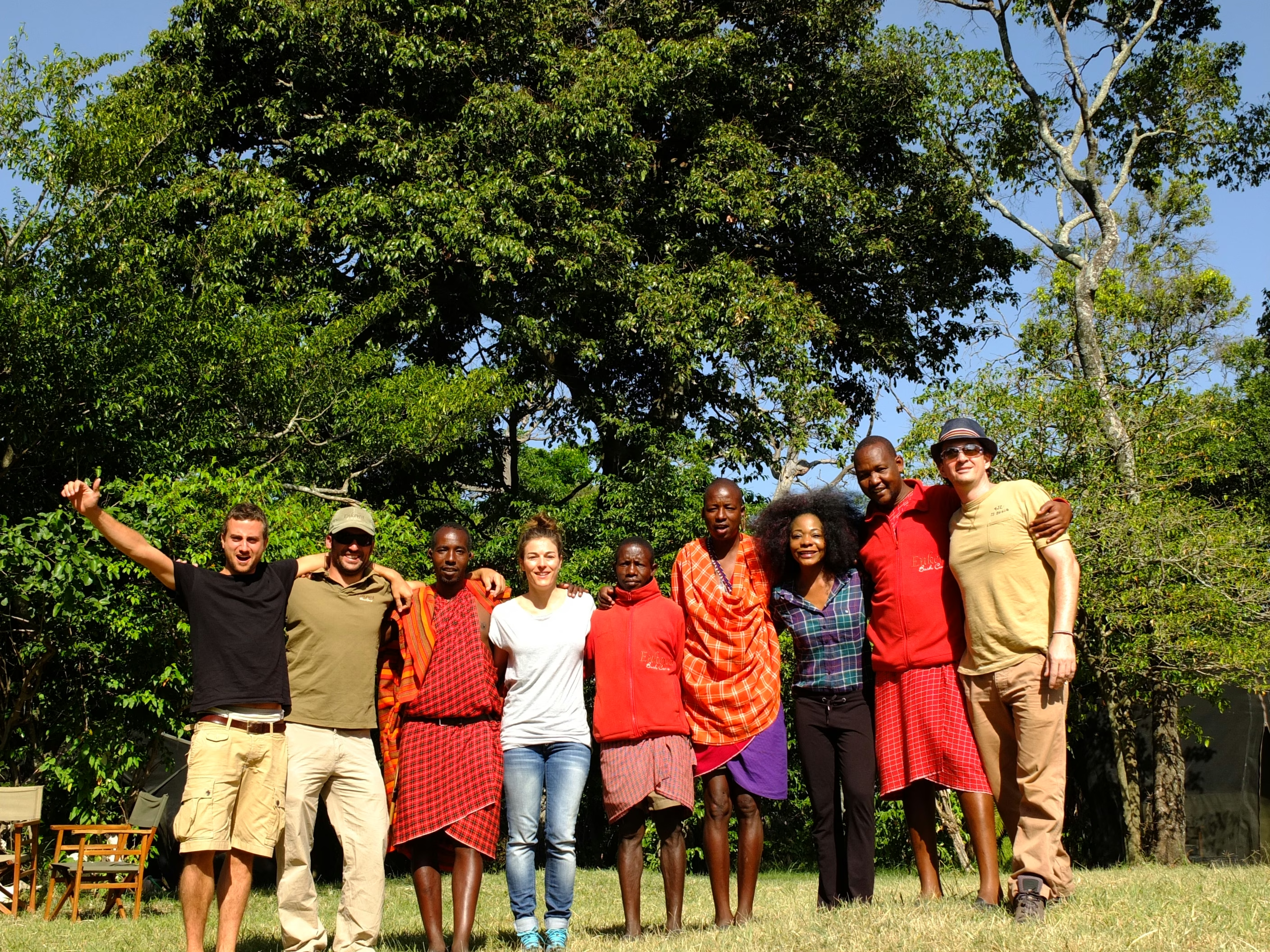
During its safaris in Tanzania, Watatu Travel organizes social impact projects such as Jewelry workshops with Maasai mothersand experiences of local cuisine in Arusha, generating real opportunities for the communities with which it collaborates.
Reduce the impact of your travels
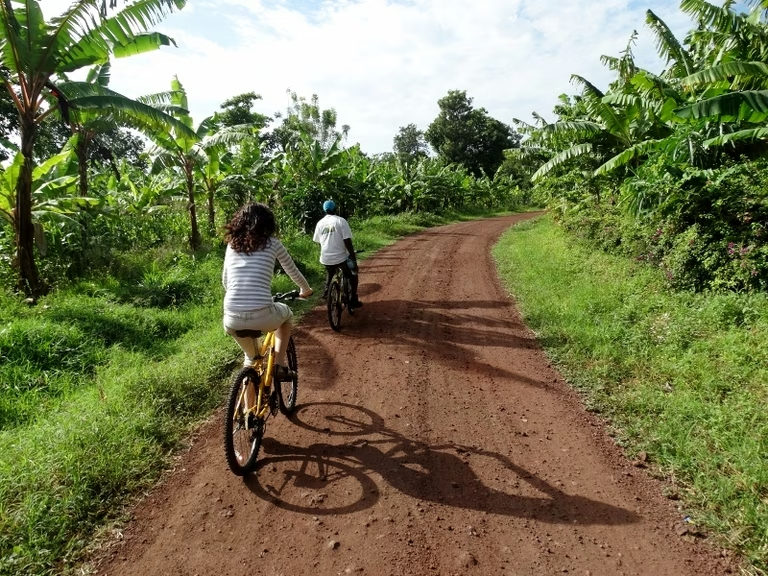
Opting for land and low-emission means of transport is an effective way to reduce your ecological footprint. Sharing vehicles, using public transport or cycling when possible contributes to reducing the environmental impact.

Travel with responsible agencies such as Trio Travel
At Watatu Travel, sustainable tourism is our commitment. We collaborate with local communities so that the benefits of the trip reach those who live in the destination directly. We support conservation projects and offset the carbon footprint of our operations and your flights.
In addition, we enrich each experience with talks and meetings that connect you with the culture, biodiversity and challenges of the place. Thus, your journey becomes a learning opportunity and a positive force for the planet.
Benefits of reducing your ecological footprint
Reducing your ecological footprint offers multiple benefits for both the planet and future generations. Some of the benefits include:
- Lower consumption of natural resources:By reducing unnecessary consumption of materials, energy and water, you contribute to the conservation of the planet's limited resources.
- Reduction of human demand on the environment:By decreasing the extraction of resources and the production of waste, the pressure on natural ecosystems is relieved, allowing them to regenerate and maintain their balance.
- Decrease in human consumption:Changing habits towards more sustainable options (such as local and recyclable products) reduces excessive consumption and fosters a more responsible circular economy.
- Positive impact on the life cycle of products:By choosing products with a lower ecological footprint, you contribute to reducing the environmental impact at all stages of their life cycle, from production to final disposal.
- Reduction of greenhouse gas emissions:Less energy consumption and more efficient use of resources reduce CO2 emissions, helping in the fight against climate change.
- Promoting biodiversity:With less pressure on ecosystems, there is more space for species preservation and natural habitat restoration.
Why choose locally owned accommodations on your safari?
Travel responsibly with Trio Travel
Travelling with Watatu Travel is a way to explore the world responsibly and sustainably. We offer you unique experiences, such as safarisin stunning destinations such as Tanzania and Uganda, where you will not only discover spectacular landscapes and wildlife, but also support local communities and contribute to the conservation of the environment. We work with suppliers committed to sustainability, ensuring that your trip has a positive impact on the places you visit.
Ready to travel with purpose?
Join a safari designed around conservation, community and conscious travel. Your adventure can leave the world a little better than you found it. 9 days, from 3.350 € per person. Tanzania - Crossroads of the Great Migration
Frequently asked questions
What is the difference between ecological footprint and carbon footprint?
The ecological footprint measures the total natural resources needed to sustain your lifestyle, including land, water, energy and food. The carbon footprint focuses specifically on greenhouse gas emissions. Both are related: reducing your carbon footprint is an important step toward lowering your overall ecological footprint.
How can I reduce my ecological footprint when travelling?
Choose destinations that promote responsible tourism, travel with agencies that support local communities, use low-emission transport where possible, stay in locally managed accommodation and avoid single-use plastics. Every conscious decision on the road adds up to a meaningful reduction in your travel footprint.
Does diet really affect my ecological footprint?
Yes, significantly. Meat production requires large amounts of water and land and generates high CO2 emissions. Reducing meat consumption, even on a few days each week, and opting for plant-based alternatives can noticeably lower your ecological footprint over time without requiring a complete lifestyle overhaul.
What are global hectares and why are they used to measure the ecological footprint?
Global hectares (hag) represent the area of biologically productive land and water needed to produce the resources a person consumes and absorb the waste they generate. Using a standardised unit makes it possible to compare the environmental impact of individuals, communities or entire countries on a common scale.
Can a safari holiday be sustainable?
Absolutely. Choosing an operator that works with local communities, offsets emissions, supports conservation projects and keeps tourism revenue in the destination makes a real difference. A well-planned safari can actively contribute to wildlife protection and local livelihoods rather than harming them.
What small daily habits have the biggest impact on reducing my ecological footprint?
Switching to public transport or cycling, cutting back on meat, eliminating single-use plastics, reducing home energy consumption and buying only what you genuinely need all rank among the highest-impact habits. Consistency matters more than perfection: small, sustained changes compound into significant environmental benefit over time.
Reducing the ecological footprint has become a priority for those who want to take care of the planet and live more consciously. Both in our daily actions and when planning a trip, there are many ways to minimize the environmental impact and preserve natural resources.
In this article you will discover how you can reduce your ecological footprint, what simple habits you can incorporate into your day to day and what sustainable alternatives help you reduce your carbon footprint. If you care about the health of the planet and want to contribute to change, keep reading and start transforming your lifestyle.
What is the ecological footprint and why is it important?
The ecological footprint is an indicator that measures the impact that our daily activities have on the environment. From what we eat to how we move, it all counts. This concept helps us understand how much natural resources we consume compared to the planet's ability to regenerate them.
In a context of climate crisis and resource scarcity, knowing how to reduce the ecological footprint is key to protecting the health of the planet and ensuring a sustainable future. Reducing our ecological footprint not only decreases environmental damage, but also promotes a more conscious, balanced and environmentally friendly lifestyle.
Through small changes and informed decisions, such as using renewable energy, travelling responsibly or reducing waste, we can generate a positive and lasting impact.
Difference Between Ecological Footprint and Carbon Footprint
Although they are often used synonymously, the ecological footprint and the carbon footprint are not exactly the same:
- The Ecological footprint measures the total use of natural resources needed to sustain our lifestyle, including the use of land, water, energy and food.
- The carbon footprint, on the other hand, focuses solely on greenhouse gas emissions, especially CO2, that we generate through activities such as driving, flying or consuming industrial products. To reduce the impact of your safaris, Watatu Travel collaborates with Carbon Tanzania, an organization that develops carbon conservation and offset projects in local communities.
Both concepts are related and complement each other. Reducing your carbon footprint is a critical part of achieving a lower ecological footprint.
What is and how is the carbon footprint measured on a safari?
How is the ecological footprint measured?
The ecological footprint is measured through an analysis that evaluates the amount of natural resources that a person, community or activity consumes, as well as the amount of land and water necessary to absorb the waste and emissions generated.This calculation takes into account several factors, such as energy consumption, food, consumer goods and waste generation.
It is expressed in units of global hectares (hag) to represent the area of biologically productive ecosystems needed to meet this demand. This indicator allows to know the environmental impact and compare the sustainability of different lifestyles or productive processes, helping to identify areas where impacts can be reduced and efficiency in the use of resources improved.
7 everyday actions to reduce your ecological footprint
1. Use public transport or sustainable means
Changing the car for public transport, cycling or simply walking reduces carbon emissions and improves air quality. By changing your transportation habits, you not only reduce your ecological footprint, but also gain in well-being and contribute to a more livable city.
2. Reduce meat consumption and opt for vegetable alternatives
Excessive consumption of meat is one of the main contributors to the ecological footprint, as it requires large amounts of water, land and generates high CO2 emissions. Adopting a plant-based diet, even a few days a week, can significantly reduce your environmental impact and help preserve the planet's resources.
3. Avoid the use of bottled water
Plastic water bottles generate unnecessary waste and have a high environmental cost from production to disposal. Bringing your own reusable bottle is a small gesture that, on an individual level, has a great positive impact on the reduction of waste produced and on the protection of the environment.
4. Control your energy consumption at home
Reducing energy consumption at home is key to decreasing your ecological footprint. Simple actions such as turning off unnecessary lights, using efficient appliances, or installing LED bulbs can make a big difference.
In addition, installing double-glazed windows improves thermal insulation, which reduces the need for heating or cooling, helping to maintain a constant temperature in the home. With these measures, you not only reduce your environmental impact, but also save on your energy bill and reduce your dependence on non-renewable sources.
5. Reduce, reuse and recycle
Responsible management of the waste produced is key to minimizing the environmental impact. Betting on reusable products, properly separating waste and reducing the use of disposable materials, especially plastics, contributes to a more sustainable circular economy.
6. Check your consumption level and buy conscientiously
Before making a purchase, ask yourself if you really need it or if you could reuse something you already have. Opt for durable, reusable products, locally produced and with sustainable certifications.
For example, choose clothes made with organic or recycled materials, low-energy appliances, natural cosmetics, and household items free of disposable plastics. Adopting a lifestyle with a lower level of consumption promotes a more respectful relationship with the environment.
7. Commit to small sustainable changes
Reducing the ecological footprint does not mean transforming your life from one day to the next, but making conscious decisions on a constant basis. Opting for renewable energy at home (such as solar or wind), changing your transport habits, reducing unnecessary consumption or minimizing the waste generated are steps that, although they seem small, have a great impact.
On an individual level, your commitment not only benefits the environment, but can also inspire those around you and contribute to a collective change towards a healthier planet.
How to practice responsible tourism in Tanzania?
Explore Tanzania the responsible way
Discover wild landscapes, support local communities and travel with a lighter footprint on one of our Tanzania safaris. 6 days, from 2.095 € per person. Tanzania - Classic Safari
Sustainable Travel: How to Reduce Your Footprint When Exploring the World
Traveling allows us to discover unique cultures, landscapes and ways of life. But it can also have a significant environmental impact if not done responsibly. Fortunately, there are ways to reduce your ecological footprint while exploring the world.
Choose destinations with environmental awareness
Many tourist sites are home to vulnerable species and local communities that depend on the natural environment. Choose destinations that promote responsible tourism, where respect for biodiversity and natural resources is a priority.
Support local communities
Stay in Locally managed accommodations, buying artisanal products and consuming seasonal foods reduces your footprint and strengthens the local economy. Every conscious consumption decision contributes to fairer and more sustainable tourism.
During its safaris in Tanzania, Watatu Travel organizes social impact projects such as Jewelry workshops with Maasai mothersand experiences of local cuisine in Arusha, generating real opportunities for the communities with which it collaborates.
Reduce the impact of your travels
Opting for land and low-emission means of transport is an effective way to reduce your ecological footprint. Sharing vehicles, using public transport or cycling when possible contributes to reducing the environmental impact.
Travel with responsible agencies such as Trio Travel
At Watatu Travel, sustainable tourism is our commitment. We collaborate with local communities so that the benefits of the trip reach those who live in the destination directly. We support conservation projects and offset the carbon footprint of our operations and your flights.
In addition, we enrich each experience with talks and meetings that connect you with the culture, biodiversity and challenges of the place. Thus, your journey becomes a learning opportunity and a positive force for the planet.
Benefits of reducing your ecological footprint
Reducing your ecological footprint offers multiple benefits for both the planet and future generations. Some of the benefits include:
- Lower consumption of natural resources:By reducing unnecessary consumption of materials, energy and water, you contribute to the conservation of the planet's limited resources.
- Reduction of human demand on the environment:By decreasing the extraction of resources and the production of waste, the pressure on natural ecosystems is relieved, allowing them to regenerate and maintain their balance.
- Decrease in human consumption:Changing habits towards more sustainable options (such as local and recyclable products) reduces excessive consumption and fosters a more responsible circular economy.
- Positive impact on the life cycle of products:By choosing products with a lower ecological footprint, you contribute to reducing the environmental impact at all stages of their life cycle, from production to final disposal.
- Reduction of greenhouse gas emissions:Less energy consumption and more efficient use of resources reduce CO2 emissions, helping in the fight against climate change.
- Promoting biodiversity:With less pressure on ecosystems, there is more space for species preservation and natural habitat restoration.
Why choose locally owned accommodations on your safari?
Travel responsibly with Trio Travel
Travelling with Watatu Travel is a way to explore the world responsibly and sustainably. We offer you unique experiences, such as safarisin stunning destinations such as Tanzania and Uganda, where you will not only discover spectacular landscapes and wildlife, but also support local communities and contribute to the conservation of the environment. We work with suppliers committed to sustainability, ensuring that your trip has a positive impact on the places you visit.
Ready to travel with purpose?
Join a safari designed around conservation, community and conscious travel. Your adventure can leave the world a little better than you found it. 9 days, from 3.350 € per person. Tanzania - Crossroads of the Great Migration
Frequently asked questions
What is the difference between ecological footprint and carbon footprint?
The ecological footprint measures the total natural resources needed to sustain your lifestyle, including land, water, energy and food. The carbon footprint focuses specifically on greenhouse gas emissions. Both are related: reducing your carbon footprint is an important step toward lowering your overall ecological footprint.
How can I reduce my ecological footprint when travelling?
Choose destinations that promote responsible tourism, travel with agencies that support local communities, use low-emission transport where possible, stay in locally managed accommodation and avoid single-use plastics. Every conscious decision on the road adds up to a meaningful reduction in your travel footprint.
Does diet really affect my ecological footprint?
Yes, significantly. Meat production requires large amounts of water and land and generates high CO2 emissions. Reducing meat consumption, even on a few days each week, and opting for plant-based alternatives can noticeably lower your ecological footprint over time without requiring a complete lifestyle overhaul.
What are global hectares and why are they used to measure the ecological footprint?
Global hectares (hag) represent the area of biologically productive land and water needed to produce the resources a person consumes and absorb the waste they generate. Using a standardised unit makes it possible to compare the environmental impact of individuals, communities or entire countries on a common scale.
Can a safari holiday be sustainable?
Absolutely. Choosing an operator that works with local communities, offsets emissions, supports conservation projects and keeps tourism revenue in the destination makes a real difference. A well-planned safari can actively contribute to wildlife protection and local livelihoods rather than harming them.
What small daily habits have the biggest impact on reducing my ecological footprint?
Switching to public transport or cycling, cutting back on meat, eliminating single-use plastics, reducing home energy consumption and buying only what you genuinely need all rank among the highest-impact habits. Consistency matters more than perfection: small, sustained changes compound into significant environmental benefit over time.














.avif)

.avif)









.png)