









Taking care of the planet is no longer an option, it is an urgent need. Adopting actions that favor the conservation of the environment not only protects natural resources, but also ensures a better quality of life for present and future generations.
From reducing our carbon footprint to implementing sustainable habits in the home, every little decision counts. In this article you will discover ecological actions to take care of the environment that you can easily apply in your day to day. If you are wondering how to contribute in a real way to the well-being of the planet, read on: your commitment can make a big difference.
Carbon footprint: What it is and how to measure it
The carbon footprint is an environmental indicator that reflects the total amount of greenhouse gases (GHG) emitted directly or indirectly by a person, organization, product, event or region, generally expressed in tons of CO₂ equivalent.
These gases, such as carbon dioxide (CO₂), methane (CH₄) and nitrogen oxides (N₂O), contribute to global warming and climate change. The carbon footprint includes both direct emissions (for example, the use of fossil fuels in transport) and indirect emissions (such as electricity consumed, the origin of which may be polluting).
How is the carbon footprint measured?
The carbon footprint is measured by calculating the total amount of greenhouse gases (GHGs) emitted as a result of human activities, expressed in tonnes of CO2 equivalent (CO2e).
To calculate it, several sources of emissions are taken into account, such as:
- Power consumption: Includes emissions from the use of electricity, gas and other fossil fuels in homes, offices, factories, etc.
- Transport: Emissions generated by the use of private vehicles, public transport, planes, trains, etc., taking into account the distance traveled and the type of fuel used.
- Feeding: The production, transportation and consumption of food also generates emissions. Animal products tend to have a higher carbon footprint than vegetable products.
- Consumption of products: The manufacture, transportation and disposal of consumer products, such as clothing, appliances and electronic items, also contribute to the carbon footprint.
- Residues: The decomposition of waste in landfills emits gases such as methane, which contribute to climate change.
There are online calculators that allow you to estimate the carbon footprint of individuals, households or companies, based on these factors and other parameters.

How is the carbon footprint on a safari?
Why is it important to conserve the environment?
Conserving the environment is essential to ensure the survival and well-being of all forms of life on the planet. The environmental impact generated by human activities (such as deforestation, pollution and excessive use of resources, has endangered the natural balance of ecosystems.
One of the most affected resources is water, whose scarcity and pollution threaten both public health and agriculture and biodiversity. In addition, the growth of unsustainable consumption has increased the demand for energy, food and products, leading to intensive use of natural resources and massive generation of waste.
This translates into an increase in greenhouse gas emissions, accelerating climate change and its consequences: extreme weather phenomena, habitat loss and decreased air quality.
Conserving the environment not only helps to curb these effects, but also allows to keep vital resources available for future generations. Reducing our impact, better managing consumption and minimizing emissions are fundamental steps towards a fairer, healthier and more sustainable model of life.
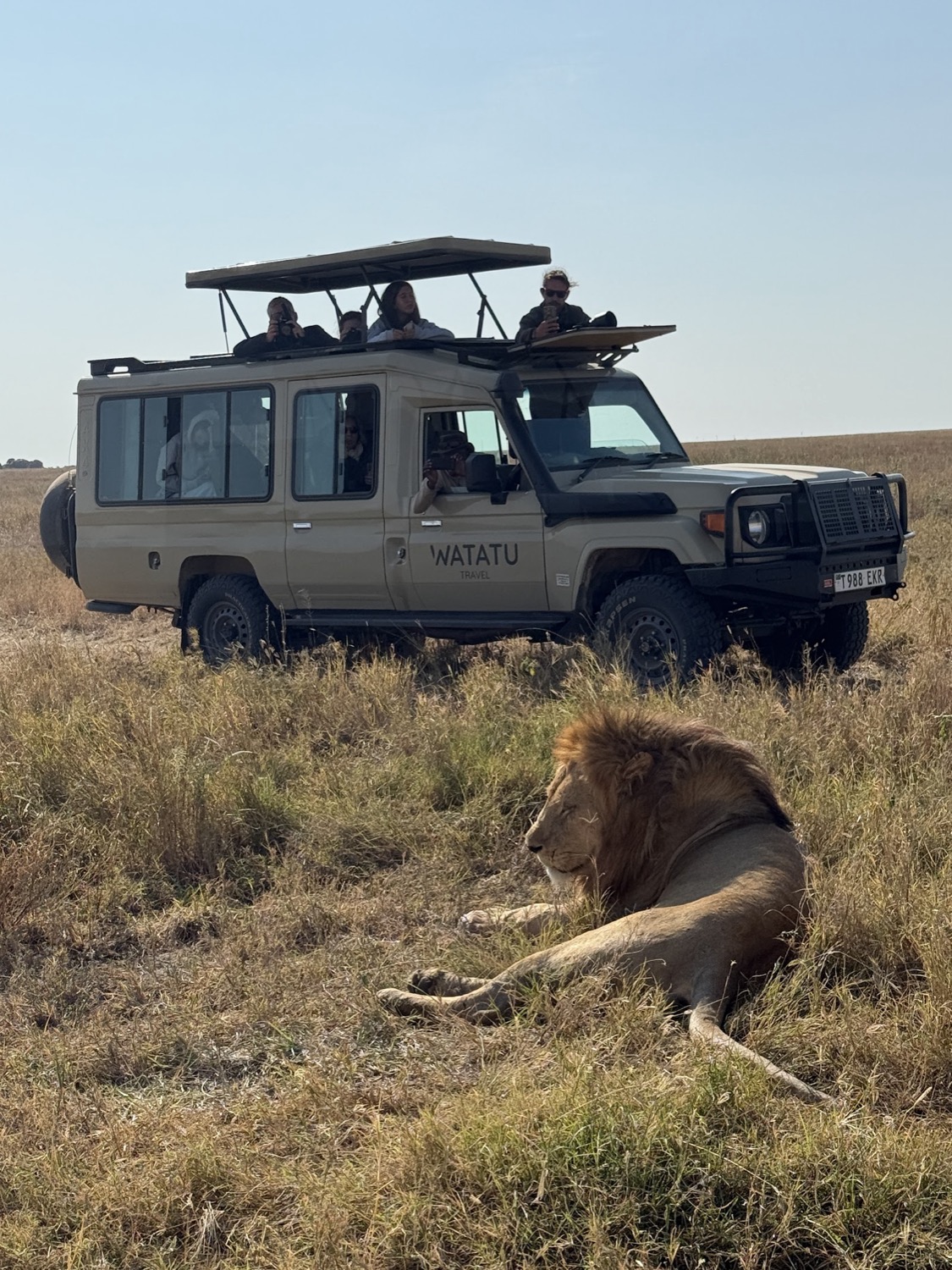
Watatu Travel collaborates with Carbon Tanzaniato reduce the carbon footprint of their trips, supporting forest conservation projects that protect critical areas of biodiversity and directly benefit local communities. Through this alliance, each trip becomes not only a transformative experience for the traveler, but also a concrete action in favor of the planet.
How to practice responsible tourism in Tanzania?
10 individual actions to conserve the environment
- Reduce fuel consumption using sustainable transport
One of the most effective daily actions to conserve the environment is to opt for sustainable means of transport, such as cycling, public transport or walking. By reducing fuel consumption, you not only decrease the emission of polluting gases, but also contribute to a healthier lifestyle.
- Take advantage of rainwater and take short showers
Responsible consumption of water is essential for environmental conservation. Taking advantage of rainwater to water plants or clean can make important differences. In addition, taking short showers helps reduce the waste of this vital resource.
- Prioritize local products and seasonal foods
Consuming local products and seasonal foods is a great way to reduce your ecological footprint. By choosing these products, then, you not only support local producers, but also reduce the fuel consumption needed for transport and encourage responsible consumption.
- Use cloth bags and reduce the generation of waste
Replacing plastic bags with reusable cloth bags is a simple but powerful action. In addition to reducing the amount of waste you generate, you contribute to reducing pollution and waste of resources.
- Separate waste and recycle responsibly
Separating waste properly and giving a second life to certain materials are everyday gestures that have a great impact. By organizing what we throw away and reusing elements such as paper, glass or plastic, we contribute to reducing the accumulation of waste and caring for the environment.
- Turn off and unplug electrical appliances when not in use
Many times we leave devices that we are not using plugged in, which generates unnecessary energy consumption. Completely turning off and unplugging electrical appliances helps reduce energy expenditure and contributes to decreasing the carbon footprint.
- Grow an urban garden or plants at home
Having a small vegetable garden or plants at home not only improves air quality, but also connects you to nature and allows you to produce fresh and healthy food. In addition, it reduces dependence on products transported from afar, decreasing the environmental impact.
- Opt for products with recyclable or biodegradable packaging
When shopping, choose products that use sustainable packaging to minimize the generation of plastic waste and pollutants. This practice fosters a circular economy and helps reduce pollution.
- Reduces food waste
Planning meals, storing food correctly and taking advantage of leftovers are actions that help reduce waste. This not only saves resources, but also reduces the amount of organic waste that ends up in landfills.
- Save energy at home with LED bulbs and efficient appliances
A simple and effective way to conserve the environment is to reduce energy consumption in the home. Changing traditional light bulbs for LED bulbs, which consume less electricity and last longer, is a big step. In addition, using efficient appliances and adopting responsible habits, such as turning off lights and appliances when they are not in use, contributes to decreasing energy demand and polluting emissions.
Ready to travel responsibly in Tanzania?
Our Tanzania Classic Safari is designed with sustainability at its core, supporting local communities and protecting wildlife every step of the way. 6 days, from 2.095 € per person. Tanzania - Classic Safari
7 tips to travel more responsibly
- Find out and plan in advance:Knowing thoroughly the place you are going to visit (including its protected areas and environmental challenges) will help you make more responsible decisions. By doing so, you can reduce your negative impact and contribute positively to the well-being of the Local communitiesand the natural environment.
- Choose sustainable means of transport:Whenever possible, opt for trains, buses or car-sharing to reduce fuel consumption. In this way, you contribute with your grain of sand to reduce the carbon emissions associated with transport.
- Hosted in accommodations committed to sustainability:Look for hotels or guesthouses that use renewable energy, efficiently manage water and reduce the use of plastics, supporting the conservation of the natural environment.
- Respect the local flora and fauna:Avoid disturbing wildlife and follow the rules of protected areas and nature reserves to preserve ecosystems. Your responsible behavior helps maintain biodiversity and ensures that other travelers can also enjoy these places.
- Reduce, reuse and recycle during your trip:Carry reusable bottles and cloth bags to avoid the use of disposable plastics. Make sure to properly separate waste and do not leave debris in natural environments. These actions help preserve the cleanliness and beauty of the places you visit, and encourage more responsible tourism.
- Support the local economy:Consume products and services from local businesses, such as seasonal foods and crafts. This strengthens the community and promotes a tourism that generates a positive impact beyond the environmental.
- Minimize the consumption of resources in your accommodation:Take short showers, turn off lights, and disconnect electrical appliances when not in use. These small daily actions reduce water and energy consumption, contributing to the conservation of the environment.
Why we do NOT visit tribes on our safaris
The importance of educating and spreading good practices
Educating and sharing good practices is key to generating a real change in the way we care for planet Earth. When we talk about sustainability, it is not enough to adopt responsible habits in everyday life: it is also essential to inspire others to do the same.
Everyday actions, such as reducing electricity consumption, separating recyclable materials, avoiding the use of polluting chemicals or participating in activities such as beach cleaning, may seem simple, but they have a powerful collective impact.
Social media is a valuable tool to amplify this message. Sharing advice, experiences or sustainable initiatives not only educates, but also motivates more people to become actively involved in caring for the environment.
Teaching by example and promoting ecological awareness in our close circles multiplies the positive effects of each gesture. Thus, little by little, we are building a culture that is more responsible for the environment and more committed to the future of the planet.
Travel responsibly with Trio Travel
Traveling with purpose is possible, and at Watatu Travel we make it happen. By booking a safari with us, you not only live an authentic experience in Africa, but also directly support projects that protect wildlife and conserve the natural environment.
Our trips are designed with a responsible approach: we collaborate with local communities, reduce environmental impact and promote sustainable practices at every stage of the tour. Join a way of traveling that respects the planet and makes a real difference. Are you ready to explore with awareness?
Make your next adventure count
Join us on the Crossroads of the Great Migration safari and experience Tanzania while making a positive impact on the planet and its people. 9 days, from 3.350 € per person. Tanzania - Crossroads of the Great Migration
Frequently asked questions
What is a carbon footprint and why does it matter when travelling?
A carbon footprint measures the total greenhouse gases emitted by your activities, expressed in tonnes of CO2 equivalent. When travelling, flights, accommodation and ground transport all contribute. Understanding your footprint helps you make greener choices, such as selecting operators that offset emissions or support forest conservation projects.
How does Watatu Travel reduce its environmental impact on safaris?
Watatu Travel partners with Carbon Tanzania to offset trip emissions by funding forest conservation projects. These initiatives protect biodiversity hotspots and deliver tangible benefits to local communities, ensuring that every safari contributes positively to both the environment and the people who depend on it.
What simple habits can I adopt at home to help the environment?
Small daily actions add up quickly. Switching to LED bulbs, taking shorter showers, separating waste for recycling, using reusable bags and unplugging appliances when not in use are all easy steps. Planning meals to avoid food waste and choosing local, seasonal produce further reduces your ecological footprint without major lifestyle changes.
What is responsible tourism and how can I practise it on a safari?
Responsible tourism means travelling in a way that respects local cultures, supports community livelihoods and minimises environmental damage. On a safari this includes choosing certified operators, staying on designated tracks, not disturbing wildlife, buying from local artisans and selecting accommodation that manages water and energy use sustainably.
Why is conserving water so important in safari destinations like Tanzania?
Tanzania's ecosystems depend on reliable water sources for wildlife, agriculture and local communities. Climate change and overuse are straining these resources. Travellers can help by taking short showers, reusing towels and supporting lodges with responsible water management policies, ensuring that this vital resource remains available for future generations.
How can I offset the carbon emissions from my flight to Africa?
Many airlines offer carbon offset programmes at booking, directing funds to renewable energy or reforestation projects. You can also use independent platforms such as Gold Standard or verified carbon registries to offset your flight independently. Choosing an operator like Watatu Travel, which already offsets ground-level emissions, further reduces your overall trip impact.
Taking care of the planet is no longer an option, it is an urgent need. Adopting actions that favor the conservation of the environment not only protects natural resources, but also ensures a better quality of life for present and future generations.
From reducing our carbon footprint to implementing sustainable habits in the home, every little decision counts. In this article you will discover ecological actions to take care of the environment that you can easily apply in your day to day. If you are wondering how to contribute in a real way to the well-being of the planet, read on: your commitment can make a big difference.
Carbon footprint: What it is and how to measure it
The carbon footprint is an environmental indicator that reflects the total amount of greenhouse gases (GHG) emitted directly or indirectly by a person, organization, product, event or region, generally expressed in tons of CO₂ equivalent.
These gases, such as carbon dioxide (CO₂), methane (CH₄) and nitrogen oxides (N₂O), contribute to global warming and climate change. The carbon footprint includes both direct emissions (for example, the use of fossil fuels in transport) and indirect emissions (such as electricity consumed, the origin of which may be polluting).
How is the carbon footprint measured?
The carbon footprint is measured by calculating the total amount of greenhouse gases (GHGs) emitted as a result of human activities, expressed in tonnes of CO2 equivalent (CO2e).
To calculate it, several sources of emissions are taken into account, such as:
- Power consumption: Includes emissions from the use of electricity, gas and other fossil fuels in homes, offices, factories, etc.
- Transport: Emissions generated by the use of private vehicles, public transport, planes, trains, etc., taking into account the distance traveled and the type of fuel used.
- Feeding: The production, transportation and consumption of food also generates emissions. Animal products tend to have a higher carbon footprint than vegetable products.
- Consumption of products: The manufacture, transportation and disposal of consumer products, such as clothing, appliances and electronic items, also contribute to the carbon footprint.
- Residues: The decomposition of waste in landfills emits gases such as methane, which contribute to climate change.
There are online calculators that allow you to estimate the carbon footprint of individuals, households or companies, based on these factors and other parameters.
How is the carbon footprint on a safari?
Why is it important to conserve the environment?
Conserving the environment is essential to ensure the survival and well-being of all forms of life on the planet. The environmental impact generated by human activities (such as deforestation, pollution and excessive use of resources, has endangered the natural balance of ecosystems.
One of the most affected resources is water, whose scarcity and pollution threaten both public health and agriculture and biodiversity. In addition, the growth of unsustainable consumption has increased the demand for energy, food and products, leading to intensive use of natural resources and massive generation of waste.
This translates into an increase in greenhouse gas emissions, accelerating climate change and its consequences: extreme weather phenomena, habitat loss and decreased air quality.
Conserving the environment not only helps to curb these effects, but also allows to keep vital resources available for future generations. Reducing our impact, better managing consumption and minimizing emissions are fundamental steps towards a fairer, healthier and more sustainable model of life.
Watatu Travel collaborates with Carbon Tanzaniato reduce the carbon footprint of their trips, supporting forest conservation projects that protect critical areas of biodiversity and directly benefit local communities. Through this alliance, each trip becomes not only a transformative experience for the traveler, but also a concrete action in favor of the planet.
How to practice responsible tourism in Tanzania?
10 individual actions to conserve the environment
- Reduce fuel consumption using sustainable transport
One of the most effective daily actions to conserve the environment is to opt for sustainable means of transport, such as cycling, public transport or walking. By reducing fuel consumption, you not only decrease the emission of polluting gases, but also contribute to a healthier lifestyle.
- Take advantage of rainwater and take short showers
Responsible consumption of water is essential for environmental conservation. Taking advantage of rainwater to water plants or clean can make important differences. In addition, taking short showers helps reduce the waste of this vital resource.
- Prioritize local products and seasonal foods
Consuming local products and seasonal foods is a great way to reduce your ecological footprint. By choosing these products, then, you not only support local producers, but also reduce the fuel consumption needed for transport and encourage responsible consumption.
- Use cloth bags and reduce the generation of waste
Replacing plastic bags with reusable cloth bags is a simple but powerful action. In addition to reducing the amount of waste you generate, you contribute to reducing pollution and waste of resources.
- Separate waste and recycle responsibly
Separating waste properly and giving a second life to certain materials are everyday gestures that have a great impact. By organizing what we throw away and reusing elements such as paper, glass or plastic, we contribute to reducing the accumulation of waste and caring for the environment.
- Turn off and unplug electrical appliances when not in use
Many times we leave devices that we are not using plugged in, which generates unnecessary energy consumption. Completely turning off and unplugging electrical appliances helps reduce energy expenditure and contributes to decreasing the carbon footprint.
- Grow an urban garden or plants at home
Having a small vegetable garden or plants at home not only improves air quality, but also connects you to nature and allows you to produce fresh and healthy food. In addition, it reduces dependence on products transported from afar, decreasing the environmental impact.
- Opt for products with recyclable or biodegradable packaging
When shopping, choose products that use sustainable packaging to minimize the generation of plastic waste and pollutants. This practice fosters a circular economy and helps reduce pollution.
- Reduces food waste
Planning meals, storing food correctly and taking advantage of leftovers are actions that help reduce waste. This not only saves resources, but also reduces the amount of organic waste that ends up in landfills.
- Save energy at home with LED bulbs and efficient appliances
A simple and effective way to conserve the environment is to reduce energy consumption in the home. Changing traditional light bulbs for LED bulbs, which consume less electricity and last longer, is a big step. In addition, using efficient appliances and adopting responsible habits, such as turning off lights and appliances when they are not in use, contributes to decreasing energy demand and polluting emissions.
Ready to travel responsibly in Tanzania?
Our Tanzania Classic Safari is designed with sustainability at its core, supporting local communities and protecting wildlife every step of the way. 6 days, from 2.095 € per person. Tanzania - Classic Safari
7 tips to travel more responsibly
- Find out and plan in advance:Knowing thoroughly the place you are going to visit (including its protected areas and environmental challenges) will help you make more responsible decisions. By doing so, you can reduce your negative impact and contribute positively to the well-being of the Local communitiesand the natural environment.
- Choose sustainable means of transport:Whenever possible, opt for trains, buses or car-sharing to reduce fuel consumption. In this way, you contribute with your grain of sand to reduce the carbon emissions associated with transport.
- Hosted in accommodations committed to sustainability:Look for hotels or guesthouses that use renewable energy, efficiently manage water and reduce the use of plastics, supporting the conservation of the natural environment.
- Respect the local flora and fauna:Avoid disturbing wildlife and follow the rules of protected areas and nature reserves to preserve ecosystems. Your responsible behavior helps maintain biodiversity and ensures that other travelers can also enjoy these places.
- Reduce, reuse and recycle during your trip:Carry reusable bottles and cloth bags to avoid the use of disposable plastics. Make sure to properly separate waste and do not leave debris in natural environments. These actions help preserve the cleanliness and beauty of the places you visit, and encourage more responsible tourism.
- Support the local economy:Consume products and services from local businesses, such as seasonal foods and crafts. This strengthens the community and promotes a tourism that generates a positive impact beyond the environmental.
- Minimize the consumption of resources in your accommodation:Take short showers, turn off lights, and disconnect electrical appliances when not in use. These small daily actions reduce water and energy consumption, contributing to the conservation of the environment.
Why we do NOT visit tribes on our safaris
The importance of educating and spreading good practices
Educating and sharing good practices is key to generating a real change in the way we care for planet Earth. When we talk about sustainability, it is not enough to adopt responsible habits in everyday life: it is also essential to inspire others to do the same.
Everyday actions, such as reducing electricity consumption, separating recyclable materials, avoiding the use of polluting chemicals or participating in activities such as beach cleaning, may seem simple, but they have a powerful collective impact.
Social media is a valuable tool to amplify this message. Sharing advice, experiences or sustainable initiatives not only educates, but also motivates more people to become actively involved in caring for the environment.
Teaching by example and promoting ecological awareness in our close circles multiplies the positive effects of each gesture. Thus, little by little, we are building a culture that is more responsible for the environment and more committed to the future of the planet.
Travel responsibly with Trio Travel
Traveling with purpose is possible, and at Watatu Travel we make it happen. By booking a safari with us, you not only live an authentic experience in Africa, but also directly support projects that protect wildlife and conserve the natural environment.
Our trips are designed with a responsible approach: we collaborate with local communities, reduce environmental impact and promote sustainable practices at every stage of the tour. Join a way of traveling that respects the planet and makes a real difference. Are you ready to explore with awareness?
Make your next adventure count
Join us on the Crossroads of the Great Migration safari and experience Tanzania while making a positive impact on the planet and its people. 9 days, from 3.350 € per person. Tanzania - Crossroads of the Great Migration
Frequently asked questions
What is a carbon footprint and why does it matter when travelling?
A carbon footprint measures the total greenhouse gases emitted by your activities, expressed in tonnes of CO2 equivalent. When travelling, flights, accommodation and ground transport all contribute. Understanding your footprint helps you make greener choices, such as selecting operators that offset emissions or support forest conservation projects.
How does Watatu Travel reduce its environmental impact on safaris?
Watatu Travel partners with Carbon Tanzania to offset trip emissions by funding forest conservation projects. These initiatives protect biodiversity hotspots and deliver tangible benefits to local communities, ensuring that every safari contributes positively to both the environment and the people who depend on it.
What simple habits can I adopt at home to help the environment?
Small daily actions add up quickly. Switching to LED bulbs, taking shorter showers, separating waste for recycling, using reusable bags and unplugging appliances when not in use are all easy steps. Planning meals to avoid food waste and choosing local, seasonal produce further reduces your ecological footprint without major lifestyle changes.
What is responsible tourism and how can I practise it on a safari?
Responsible tourism means travelling in a way that respects local cultures, supports community livelihoods and minimises environmental damage. On a safari this includes choosing certified operators, staying on designated tracks, not disturbing wildlife, buying from local artisans and selecting accommodation that manages water and energy use sustainably.
Why is conserving water so important in safari destinations like Tanzania?
Tanzania's ecosystems depend on reliable water sources for wildlife, agriculture and local communities. Climate change and overuse are straining these resources. Travellers can help by taking short showers, reusing towels and supporting lodges with responsible water management policies, ensuring that this vital resource remains available for future generations.
How can I offset the carbon emissions from my flight to Africa?
Many airlines offer carbon offset programmes at booking, directing funds to renewable energy or reforestation projects. You can also use independent platforms such as Gold Standard or verified carbon registries to offset your flight independently. Choosing an operator like Watatu Travel, which already offsets ground-level emissions, further reduces your overall trip impact.











.png)