



.avif)

Okavango Delta Safari: Planning, Booking and What Nobody Tells You
The first thing our guide Kagiso told us when we arrived at Jao Camp last July (before the vehicle had even stopped) was to look left. A pack of eighteen wild dogs was moving through the treeline at a pace that made the tracker, Bashi, cut the engine and point without a word. No drama. Just the dogs, the dust, and seventeen seconds that reset every expectation we'd had about what a safari could be.
We tell that story not to sell you a postcard, but because it captures something true about planning a Delta trip: the best moments are structural, not lucky. They happen because you chose the right concession, in the right month, with guides who read animal behaviour rather than follow GPS waypoints. The planning decisions you make six months before you arrive determine almost everything.
This article is about those decisions. How to book, what to budget for, which camps genuinely differ from one another, and where we've seen trips go sideways. If you want detail on moving around the Delta day-to-day or the precise seasonal calendar, our separate article on when to go and how to get around covers that ground. This is the planning and booking layer that sits on top.
The Flood Timing Nobody Explains Properly
The single most confusing thing about the Okavango Delta, and the source of the most client disappointment we've seen, is that the flood peaks during the dry season. July and August. The rain fell months earlier, in Angola, where the Okavango River originates. It takes roughly four to five months for that water to travel south and fan out across the Kalahari. By the time it arrives, Botswana itself is completely dry.
This matters enormously for planning. If you book in March because 'the rains have just finished, so the flood must be high,' you'll arrive at low-water levels with reduced boat access. If you arrive in July expecting dry-season scrubland, you'll find Chiefs Island genuinely surrounded by water and the mokoro channels at their deepest and most navigable.
The practical consequence: the best window for combining game viewing and water activities is June through September. Peak water plus peak dry-season visibility. That's also peak pricing, but it's peak for a reason, and we think the premium is justified for a first-time Delta trip.
Why Two Camps Always Beat One
We've tried the single-camp, seven-night format. It works, but it misses something fundamental about how the Delta is structured. The ecosystem isn't uniform: the deep-channel northwest (Jao, Kwetsani, Vumbura Plains) and the game-dense Moremi-adjacent southeast (Chitabe, Sandibe, Little Vumbura) offer experiences different enough that staying in only one is like visiting half the country.
At Chitabe, where we spent four nights in 2027, the game drives ran on relatively firm ground and concentrated on predator tracking, Bashi found a leopard cache on our third morning, a kudu that had been hauled six metres up an acacia. On the water side, the boat excursions were limited to morning trips on one channel. Beautiful, but contained.
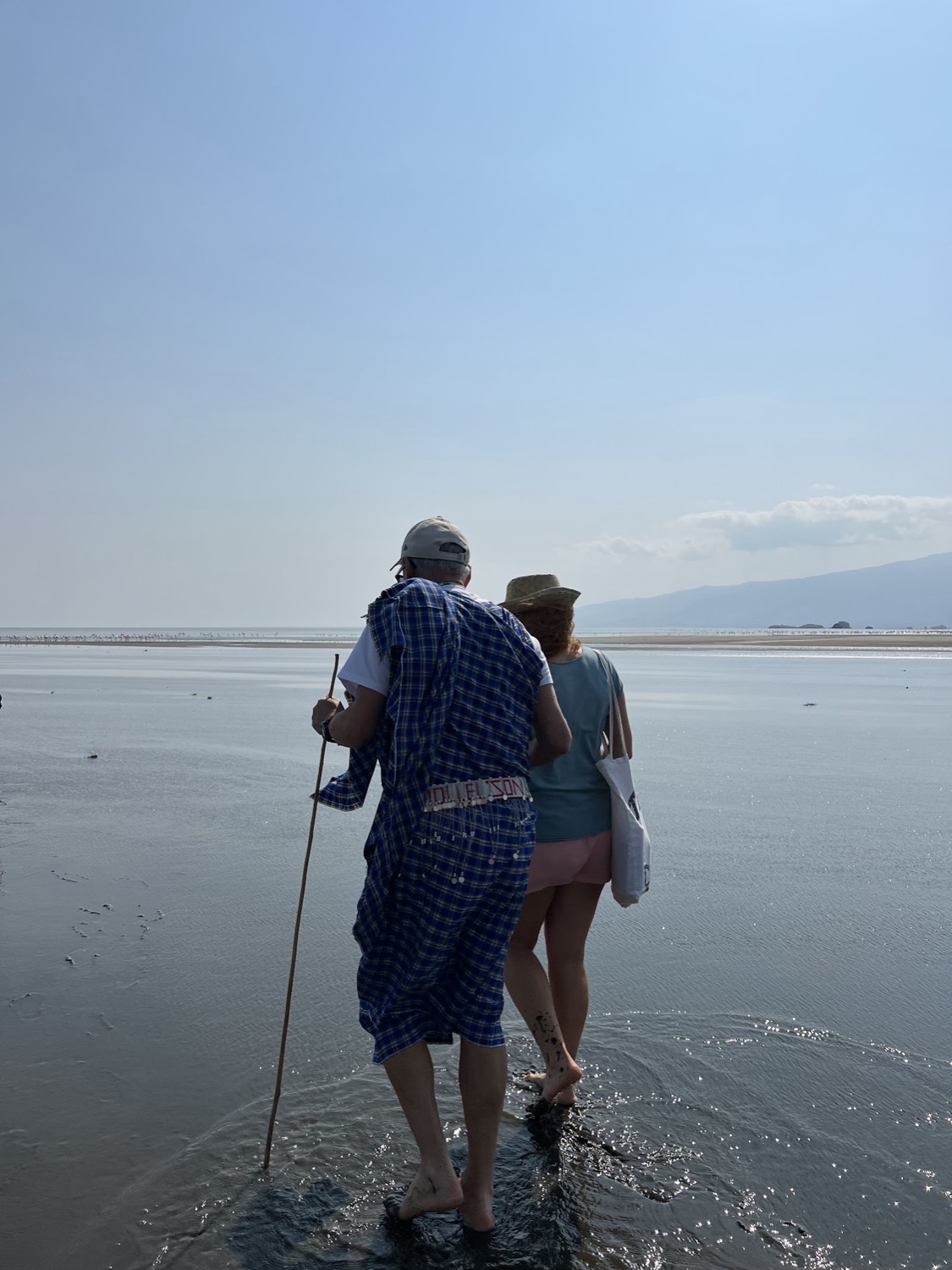
Move northwest to Jao or Kwetsani and the logic inverts. The vehicle barely leaves camp in peak flood because the landscape is predominantly water, the camp is on an island, the channels around it are navigable for hours in every direction, and the birding is extraordinary. We've had mornings at Kwetsani where the guide simply stopped the mokoro and we sat in silence listening to carmine bee-eaters work the bank. No game drive would have delivered that.
The honest caveat: adding a second camp adds cost and a light-aircraft transfer (USD 150–350 per person per leg). For trips under eight nights, it can feel rushed. Five nights split 2+3 is our minimum recommendation. Seven nights split 3+4 is where the trip breathes properly.
Thinking about your first African safari?
While we specialise in Botswana itineraries, our Tanzania Classic Safari is a brilliant way to build your safari instincts before tackling the Delta's logistics. Botswana
What Wildlife Are You Actually Going to See?
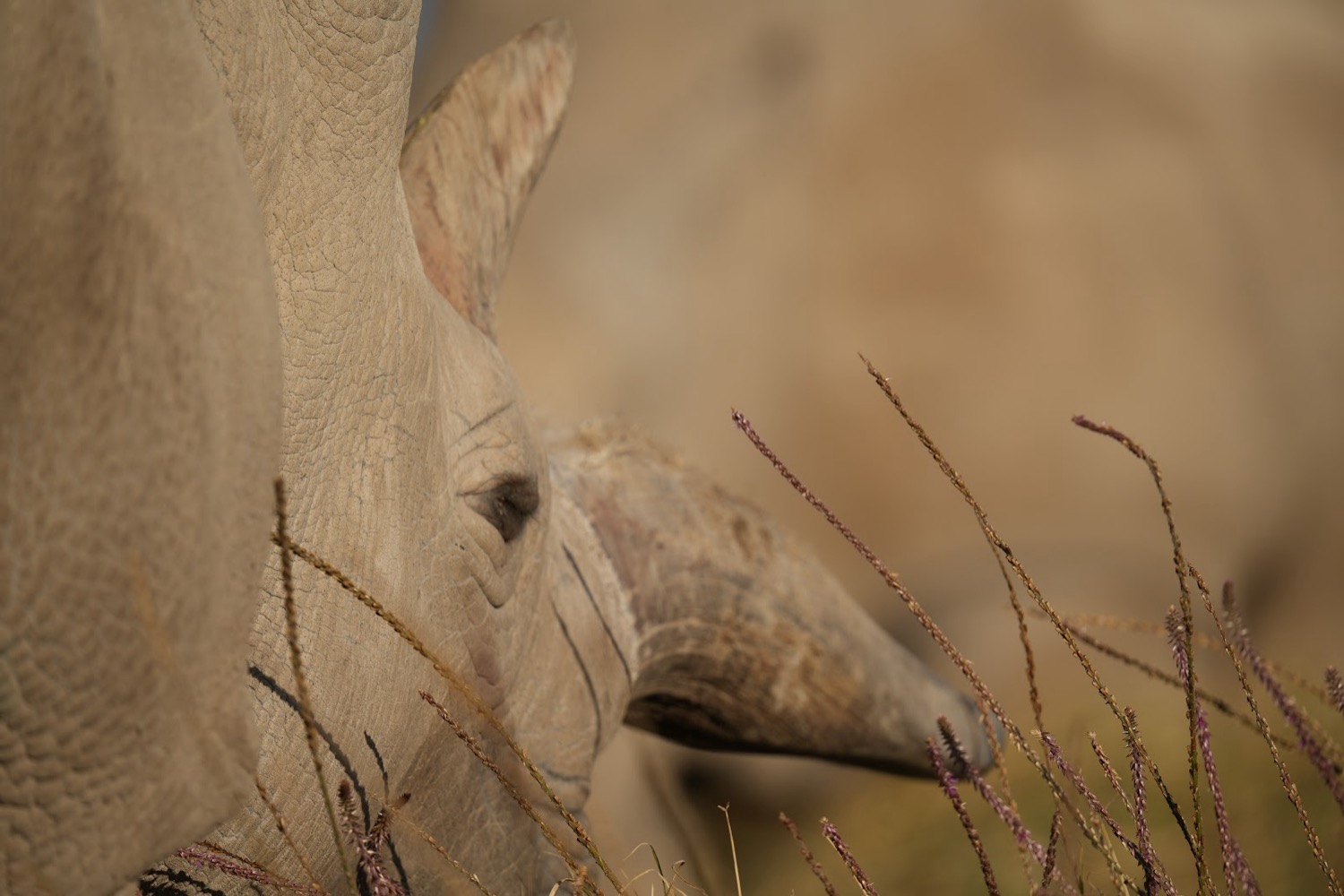
African elephant, Cape buffalo, lion, leopard, cheetah, hippo, crocodile, giraffe, zebra, red lechwe, sitatunga, wild dog, the list is genuinely long. Over 500 bird species. But a list tells you nothing useful, so let's be more specific.
Wild dog sightings at Jao and Chitabe run at around 70–80% probability during dry season, based on our own trip records. Lion is even more reliable in Moremi proper and around Xakanaxa. Leopard is the variable, you might see three in a week or go five days without a confirmed sighting. Cheetah is occasional rather than reliable in the Delta itself; if cheetah is a priority, pair the Delta with Nxai Pan to the east, where open grassland makes them far more visible.
One thing that surprised us on our first Delta trip and continues to surprise clients: the bird life often becomes the highlight regardless of prior interest. At Kwetsani in July 2023, one client, a self-described 'non-birder', spent her last two hours photographing a malachite kingfisher from the mokoro and came back to camp genuinely emotional about it. The Delta does that.
The Green Season, When It Works and When It Doesn't
November through April brings lower prices, camps typically discount 30–40% off rack rates, and a landscape so changed it can feel like a different destination. Wildflower flushes, breeding plumage, thousands of migratory birds arriving from Europe and Central Asia. Predators with young cubs, which means more hunting activity and more dramatic sightings.
Here's the specific trade-off: in January 2023, we had a client group booked into a mobile camp south of Moremi that operates exclusively in the dry season. They didn't read the small print. The camp had packed up in December. The operator re-routed them to a permanent lodge at additional cost, the roads in were four-wheel-drive-only with one vehicle recovery along the way, and the game drives produced good but not exceptional sightings through thick vegetation. They said afterwards it was still a worthwhile trip, but not the trip they'd planned.
November and March are our preferred green-season months: the flush is visible but the rains haven't peaked, camps that close do so mainly in December and January, and wildlife is still concentrated enough to find reliably. If cost is a genuine factor, a November Okavango paired with Victoria Falls makes a strong itinerary at 30–35% below high-season pricing.
Budgeting Honestly, What Camps Actually Cost in 2027/26
Botswana's high-value, low-volume tourism policy means this is genuinely expensive wilderness. Operators publish rack rates, but what you actually pay depends heavily on the booking window, rates confirmed early in the season (typically by February for July travel) often run 15–20% below last-minute availability pricing. That spread is real and worth planning around.
As a working framework for 2027/26 quoted rack rates:
- Mid-range permanent camps (e.g. Moremi Crossing, Camp Moremi): USD 500–800 per person per night, full board and activities
- Private concession luxury camps (Jao, Kwetsani, Vumbura Plains, Chitabe): USD 950–1,800+ per person per night
- Light aircraft transfers between camps: USD 150–350 per person per leg
A five-night Delta trip with two camps, all transfers and a Maun night runs roughly USD 6,000–12,000 per person at these rates. Our group departures bring that figure down meaningfully, ask us specifically about our 2027 small-group Delta itineraries, which are priced well below the individual booking equivalent.
One honest disappointment worth flagging: Vumbura Plains, despite its reputation and price point, gave us our most underwhelming wild dog experience. The pack that uses that concession had shifted territory and we covered two full game drives without a sighting. The camp itself is spectacular, the flood-level decking, the boat excursions, but wildlife is wildlife. No camp can guarantee it, and any operator who implies otherwise is overselling.
Getting There and the Luggage Problem
Maun is the gateway, a small town in northern Botswana with reliable connections via Johannesburg (roughly 90 minutes on Air Botswana or Airlink). From Maun, nearly all camps are reached by light aircraft, typically a 15–45 minute flight in a six-seater Cessna Caravan. The aerial approach is genuinely worth having: the Delta's geometry, channels, islands, floodplains, only makes visual sense from 500 metres up.
The luggage restriction is the one logistical detail that causes the most friction with our clients: 20kg total, soft bag only, no exceptions on most light-aircraft routes. Hard-sided cases cannot go in the hold. We send all our clients a specific packing list before departure, if you book through us, it's part of your pre-trip briefing. If you're planning independently, plan your bag before you plan your clothes.
Frequently Asked Questions
How far in advance should I book an Okavango Delta safari?
For July–September travel, 10–12 months ahead is the practical target for top-tier private concession camps, Jao and Kwetsani in particular fill their July–August allocation by October the previous year. Mid-range camps and green-season travel have more flexibility, but early booking also locks in lower rates before operators apply peak-season adjustments, which typically run 15–20% above early-confirmed pricing.
Can I combine the Okavango Delta with other destinations?
Yes, and most Delta itineraries work better with a pairing. Nxai Pan to the east adds open-grassland cheetah and the December–March zebra migration. Victoria Falls (Zimbabwe or Zambia side) adds a non-wildlife anchor and pairs well cost-effectively in green season. Chobe National Park is a natural add-on for those who want higher elephant and buffalo densities than the Delta delivers. A 10–12 night trip can comfortably combine Delta plus one of these without feeling rushed.
What's the one thing first-time Delta visitors consistently underestimate?
The cold. June and July mornings in the Delta regularly drop to 4–6°C before dawn. Open-vehicle game drives at that temperature, at speed, are genuinely cold in a way that thin layers don't solve. We've had clients in shorts arrive for a 5:30 AM departure in July and spend the first hour unable to hold binoculars steady. Pack a proper mid-layer and windproof shell regardless of what the average temperature chart shows.
Is malaria a serious concern in the Delta?
The Delta is a malaria zone year-round, with higher transmission risk from October through April when mosquito populations peak. We strongly recommend chemoprophylaxis for all clients regardless of season, consult a travel medicine clinic rather than a general practitioner for current drug recommendations, as resistance patterns shift. DEET-based repellent and long sleeves from dusk are standard practice at every camp.
Ready to plan your African adventure?
If the Okavango Delta is on your list but you'd like to start with a well-structured introduction to African wildlife, our Tanzania Classic Safari gives you Serengeti game drives and expert guiding in a proven format. Botswana
Okavango Delta Safari: Planning, Booking and What Nobody Tells You
The first thing our guide Kagiso told us when we arrived at Jao Camp last July (before the vehicle had even stopped) was to look left. A pack of eighteen wild dogs was moving through the treeline at a pace that made the tracker, Bashi, cut the engine and point without a word. No drama. Just the dogs, the dust, and seventeen seconds that reset every expectation we'd had about what a safari could be.
We tell that story not to sell you a postcard, but because it captures something true about planning a Delta trip: the best moments are structural, not lucky. They happen because you chose the right concession, in the right month, with guides who read animal behaviour rather than follow GPS waypoints. The planning decisions you make six months before you arrive determine almost everything.
This article is about those decisions. How to book, what to budget for, which camps genuinely differ from one another, and where we've seen trips go sideways. If you want detail on moving around the Delta day-to-day or the precise seasonal calendar, our separate article on when to go and how to get around covers that ground. This is the planning and booking layer that sits on top.
The Flood Timing Nobody Explains Properly
The single most confusing thing about the Okavango Delta, and the source of the most client disappointment we've seen, is that the flood peaks during the dry season. July and August. The rain fell months earlier, in Angola, where the Okavango River originates. It takes roughly four to five months for that water to travel south and fan out across the Kalahari. By the time it arrives, Botswana itself is completely dry.
This matters enormously for planning. If you book in March because 'the rains have just finished, so the flood must be high,' you'll arrive at low-water levels with reduced boat access. If you arrive in July expecting dry-season scrubland, you'll find Chiefs Island genuinely surrounded by water and the mokoro channels at their deepest and most navigable.
The practical consequence: the best window for combining game viewing and water activities is June through September. Peak water plus peak dry-season visibility. That's also peak pricing, but it's peak for a reason, and we think the premium is justified for a first-time Delta trip.
Why Two Camps Always Beat One
We've tried the single-camp, seven-night format. It works, but it misses something fundamental about how the Delta is structured. The ecosystem isn't uniform: the deep-channel northwest (Jao, Kwetsani, Vumbura Plains) and the game-dense Moremi-adjacent southeast (Chitabe, Sandibe, Little Vumbura) offer experiences different enough that staying in only one is like visiting half the country.
At Chitabe, where we spent four nights in 2027, the game drives ran on relatively firm ground and concentrated on predator tracking, Bashi found a leopard cache on our third morning, a kudu that had been hauled six metres up an acacia. On the water side, the boat excursions were limited to morning trips on one channel. Beautiful, but contained.
Move northwest to Jao or Kwetsani and the logic inverts. The vehicle barely leaves camp in peak flood because the landscape is predominantly water, the camp is on an island, the channels around it are navigable for hours in every direction, and the birding is extraordinary. We've had mornings at Kwetsani where the guide simply stopped the mokoro and we sat in silence listening to carmine bee-eaters work the bank. No game drive would have delivered that.
The honest caveat: adding a second camp adds cost and a light-aircraft transfer (USD 150–350 per person per leg). For trips under eight nights, it can feel rushed. Five nights split 2+3 is our minimum recommendation. Seven nights split 3+4 is where the trip breathes properly.
Thinking about your first African safari?
While we specialise in Botswana itineraries, our Tanzania Classic Safari is a brilliant way to build your safari instincts before tackling the Delta's logistics. Botswana
What Wildlife Are You Actually Going to See?
African elephant, Cape buffalo, lion, leopard, cheetah, hippo, crocodile, giraffe, zebra, red lechwe, sitatunga, wild dog, the list is genuinely long. Over 500 bird species. But a list tells you nothing useful, so let's be more specific.
Wild dog sightings at Jao and Chitabe run at around 70–80% probability during dry season, based on our own trip records. Lion is even more reliable in Moremi proper and around Xakanaxa. Leopard is the variable, you might see three in a week or go five days without a confirmed sighting. Cheetah is occasional rather than reliable in the Delta itself; if cheetah is a priority, pair the Delta with Nxai Pan to the east, where open grassland makes them far more visible.
One thing that surprised us on our first Delta trip and continues to surprise clients: the bird life often becomes the highlight regardless of prior interest. At Kwetsani in July 2023, one client, a self-described 'non-birder', spent her last two hours photographing a malachite kingfisher from the mokoro and came back to camp genuinely emotional about it. The Delta does that.
The Green Season, When It Works and When It Doesn't
November through April brings lower prices, camps typically discount 30–40% off rack rates, and a landscape so changed it can feel like a different destination. Wildflower flushes, breeding plumage, thousands of migratory birds arriving from Europe and Central Asia. Predators with young cubs, which means more hunting activity and more dramatic sightings.
Here's the specific trade-off: in January 2023, we had a client group booked into a mobile camp south of Moremi that operates exclusively in the dry season. They didn't read the small print. The camp had packed up in December. The operator re-routed them to a permanent lodge at additional cost, the roads in were four-wheel-drive-only with one vehicle recovery along the way, and the game drives produced good but not exceptional sightings through thick vegetation. They said afterwards it was still a worthwhile trip, but not the trip they'd planned.
November and March are our preferred green-season months: the flush is visible but the rains haven't peaked, camps that close do so mainly in December and January, and wildlife is still concentrated enough to find reliably. If cost is a genuine factor, a November Okavango paired with Victoria Falls makes a strong itinerary at 30–35% below high-season pricing.
Budgeting Honestly, What Camps Actually Cost in 2027/26
Botswana's high-value, low-volume tourism policy means this is genuinely expensive wilderness. Operators publish rack rates, but what you actually pay depends heavily on the booking window, rates confirmed early in the season (typically by February for July travel) often run 15–20% below last-minute availability pricing. That spread is real and worth planning around.
As a working framework for 2027/26 quoted rack rates:
- Mid-range permanent camps (e.g. Moremi Crossing, Camp Moremi): USD 500–800 per person per night, full board and activities
- Private concession luxury camps (Jao, Kwetsani, Vumbura Plains, Chitabe): USD 950–1,800+ per person per night
- Light aircraft transfers between camps: USD 150–350 per person per leg
A five-night Delta trip with two camps, all transfers and a Maun night runs roughly USD 6,000–12,000 per person at these rates. Our group departures bring that figure down meaningfully, ask us specifically about our 2027 small-group Delta itineraries, which are priced well below the individual booking equivalent.
One honest disappointment worth flagging: Vumbura Plains, despite its reputation and price point, gave us our most underwhelming wild dog experience. The pack that uses that concession had shifted territory and we covered two full game drives without a sighting. The camp itself is spectacular, the flood-level decking, the boat excursions, but wildlife is wildlife. No camp can guarantee it, and any operator who implies otherwise is overselling.
Getting There and the Luggage Problem
Maun is the gateway, a small town in northern Botswana with reliable connections via Johannesburg (roughly 90 minutes on Air Botswana or Airlink). From Maun, nearly all camps are reached by light aircraft, typically a 15–45 minute flight in a six-seater Cessna Caravan. The aerial approach is genuinely worth having: the Delta's geometry, channels, islands, floodplains, only makes visual sense from 500 metres up.
The luggage restriction is the one logistical detail that causes the most friction with our clients: 20kg total, soft bag only, no exceptions on most light-aircraft routes. Hard-sided cases cannot go in the hold. We send all our clients a specific packing list before departure, if you book through us, it's part of your pre-trip briefing. If you're planning independently, plan your bag before you plan your clothes.
Frequently Asked Questions
How far in advance should I book an Okavango Delta safari?
For July–September travel, 10–12 months ahead is the practical target for top-tier private concession camps, Jao and Kwetsani in particular fill their July–August allocation by October the previous year. Mid-range camps and green-season travel have more flexibility, but early booking also locks in lower rates before operators apply peak-season adjustments, which typically run 15–20% above early-confirmed pricing.
Can I combine the Okavango Delta with other destinations?
Yes, and most Delta itineraries work better with a pairing. Nxai Pan to the east adds open-grassland cheetah and the December–March zebra migration. Victoria Falls (Zimbabwe or Zambia side) adds a non-wildlife anchor and pairs well cost-effectively in green season. Chobe National Park is a natural add-on for those who want higher elephant and buffalo densities than the Delta delivers. A 10–12 night trip can comfortably combine Delta plus one of these without feeling rushed.
What's the one thing first-time Delta visitors consistently underestimate?
The cold. June and July mornings in the Delta regularly drop to 4–6°C before dawn. Open-vehicle game drives at that temperature, at speed, are genuinely cold in a way that thin layers don't solve. We've had clients in shorts arrive for a 5:30 AM departure in July and spend the first hour unable to hold binoculars steady. Pack a proper mid-layer and windproof shell regardless of what the average temperature chart shows.
Is malaria a serious concern in the Delta?
The Delta is a malaria zone year-round, with higher transmission risk from October through April when mosquito populations peak. We strongly recommend chemoprophylaxis for all clients regardless of season, consult a travel medicine clinic rather than a general practitioner for current drug recommendations, as resistance patterns shift. DEET-based repellent and long sleeves from dusk are standard practice at every camp.
Ready to plan your African adventure?
If the Okavango Delta is on your list but you'd like to start with a well-structured introduction to African wildlife, our Tanzania Classic Safari gives you Serengeti game drives and expert guiding in a proven format. Botswana




.png)