





Safari in Zimbabwe 2027: What to See and When to Go
Zimbabwe doesn't shout for attention. That's precisely what makes it so special. While its neighbours collect the headlines, Zimbabwe gets on with offering some of the most authentic bush experiences on the continent, better guide ratios, fewer vehicles at sightings, and landscapes that feel genuinely untouched. We've been bringing travellers here for years, and every time we return to Hwange or Mana Pools we're reminded of why this country sits at the top of our list.
| Capital | Harare |
| Currency for tourists | US Dollar (USD) |
| Single-entry visa (most Western passports) | USD 30 on arrival |
| Best months for wildlife | July, August and September |
| Largest national park | Hwange National Park |
| Mammal species | Approximately 350 |
| Recommended minimum trip length | 7 to 9 days |
What Can You See on a Zimbabwe Safari?
Zimbabwe protects around 350 mammal species and over 500 bird species across its national parks. The variety is real, and so is the quality of the sightings.
Hwange National Park: Zimbabwe's Big Game Heartland
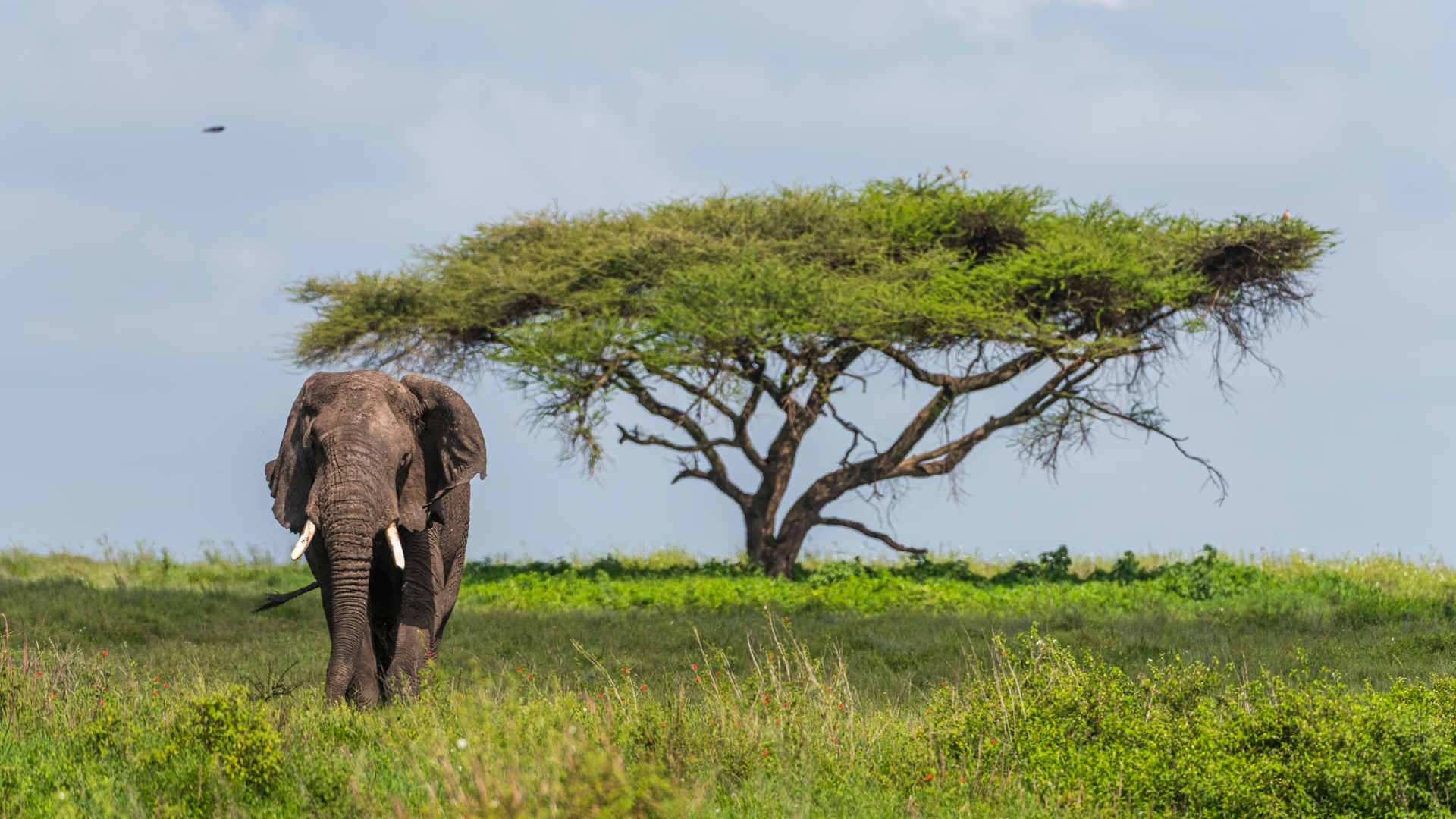
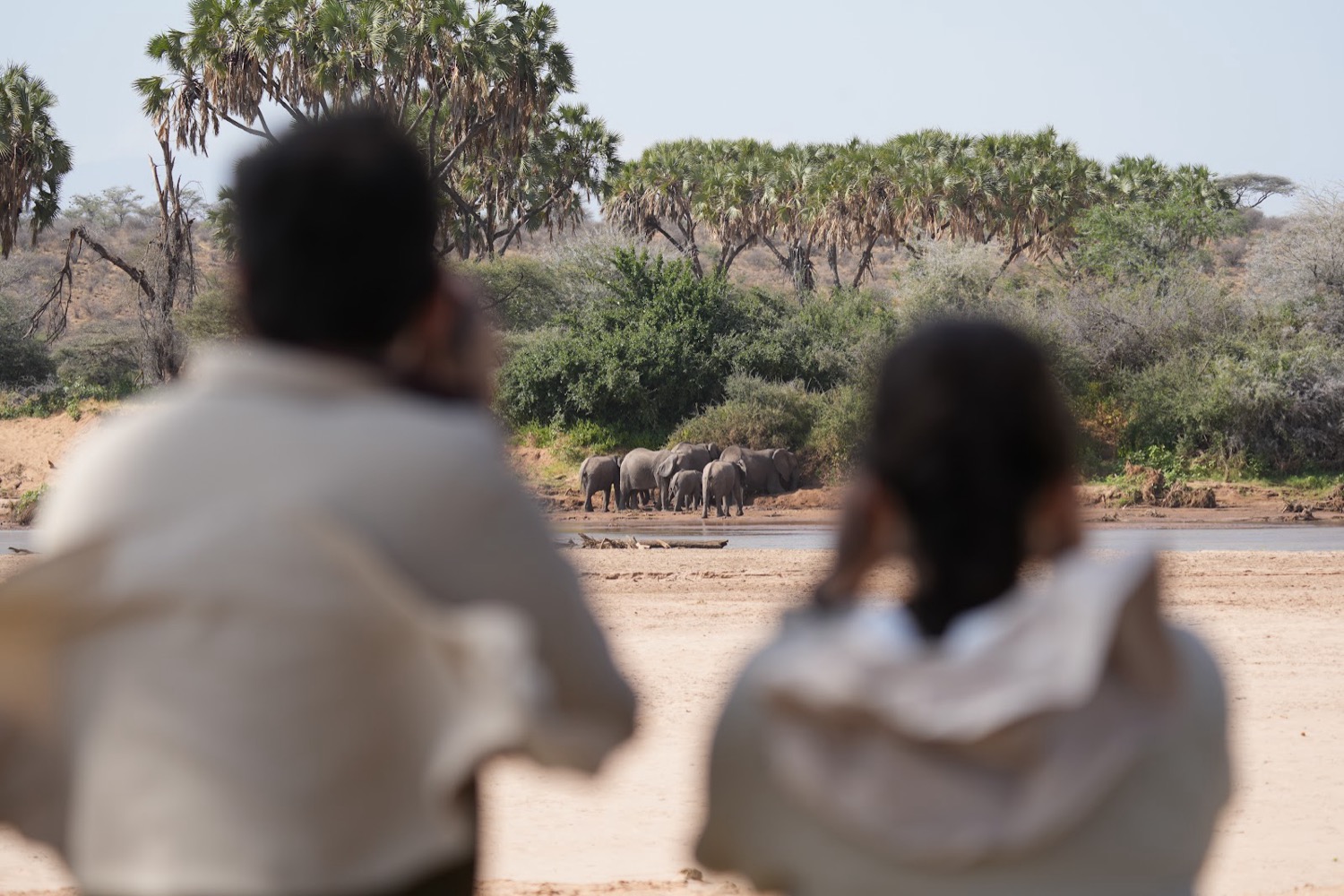
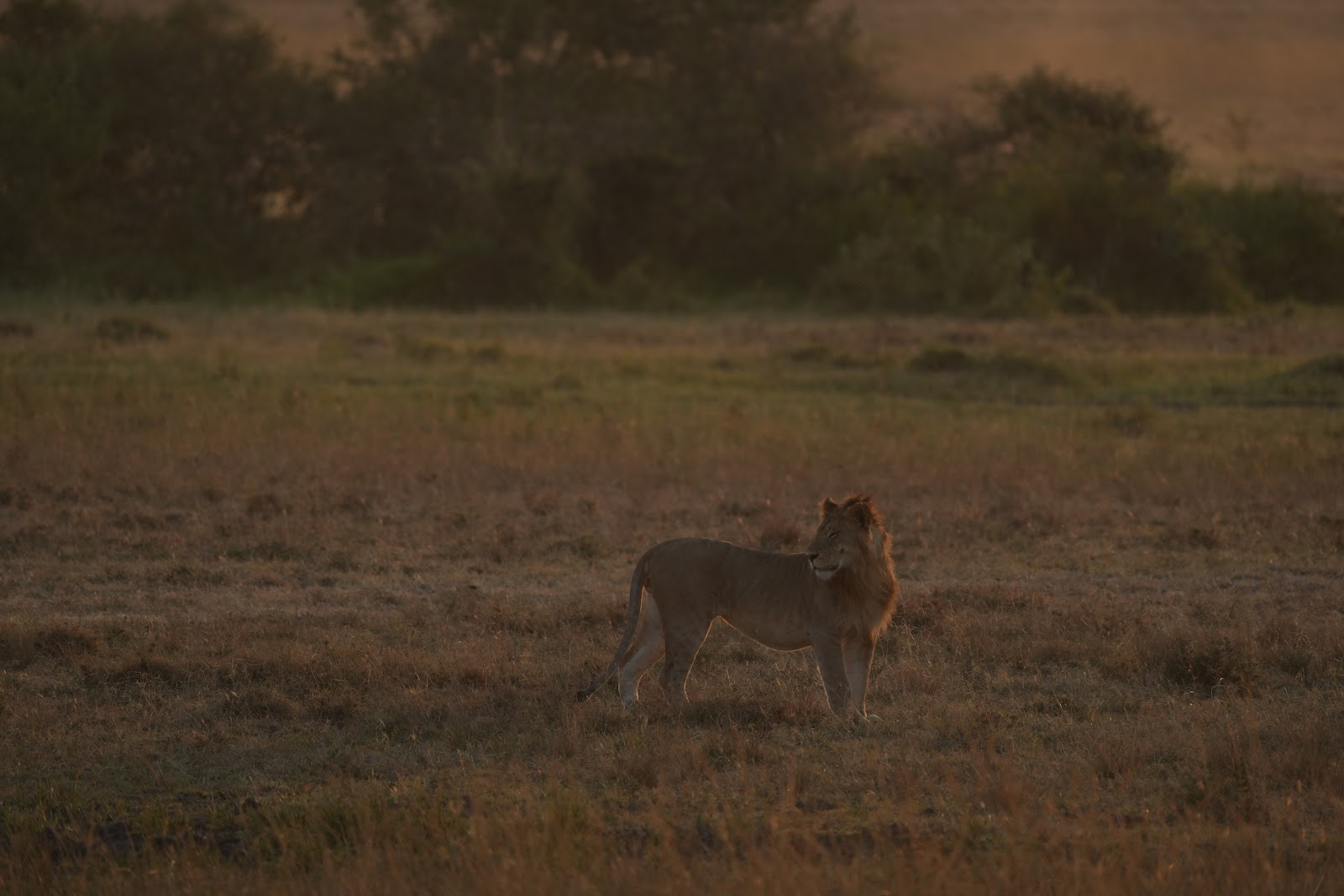
Hwange is the country's largest national park and arguably its most productive for big game. The elephant population alone (roughly 45,000 animals) is one of the largest concentrations anywhere in Africa. During the dry season, the artificial waterholes become theatre: lion, wild dog, sable antelope and buffalo all converge within a few hundred metres of each other. We watched a pack of 18 African wild dogs bring down an impala here at dawn last September. Nothing quite prepares you for it, the speed, the coordination, the absolute silence from the other animals watching.
Mana Pools National Park: UNESCO World Heritage and Canoe Safaris
Mana Pools sits on the Zambezi floodplain and operates under a different rhythm. This is where walking safaris and canoe trips come into their own, no fences, no restrictions, just you and the guides moving through elephant territory on foot. The photography here is world-class. Hippos, crocodiles, nyala and huge elephant bulls that have learned to stand on their hind legs to reach leadwood pods. It's odd, it's beautiful, and it's entirely real.
Victoria Falls, The Zimbabwe Side
Most itineraries begin or end at Victoria Falls. The falls themselves (locally known as Mosi-oa-Tunya, "the smoke that thunders") are genuinely staggering from the Zimbabwe side, where the main viewpoint path runs close enough to soak you in mist within seconds. We cover Victoria Falls in depth in a dedicated article, but in the context of a Zimbabwe safari, we recommend at least two nights in the town for sunset boat cruises on the Zambezi and to use the excellent lodges as a comfortable start or end point. One night is never enough.
Matobo National Park: Rhino and Ancient Rock Art
Often overlooked, Matobo deserves a detour. The granite kopjes landscape is unlike anything else in southern Africa, and the park hosts one of the highest densities of black and white rhino on the continent. Walking with rhino, genuinely on foot, without barriers, is one of the most moving wildlife experiences we offer. Cecil Rhodes is buried at the summit of Malindidzimu Hill, which adds an odd historical layer to an already extraordinary place.
When Is the Best Time to Visit Zimbabwe on Safari?
Zimbabwe has two broad seasons that shape what you'll experience on the ground.
Dry Season (May to October): Best Overall for Wildlife Viewing
The dry season is peak safari time. Vegetation thins dramatically, wildlife concentrates around water sources, and the skies are cloudless. July, August and September are the sweet spot, cool mornings, warm afternoons, and exceptional game viewing. Hwange's waterholes are at their most productive in September and October, though temperatures push into the high 30s by October. Book camps well in advance for these months, popular properties fill up twelve months ahead.
Mana Pools is open from April to November. We prefer visiting in August and September when elephant numbers peak on the floodplains and the light for photography is extraordinary.
Planning a Safari in East Africa Too?
If Zimbabwe has whetted your appetite for African wilderness, our Tanzania Classic Safari covers equally spectacular big-game territory in a similar number of days. Zimbabwe
Green Season (November to April): Lush, Affordable, Surprisingly Good
The rainy season gets unfairly dismissed. Yes, roads can flood and some remote camps close, but the green season brings its own rewards: migratory birds arrive in huge numbers, newborn antelope are everywhere, and camp rates drop by 30–40%. The landscape transforms, red soil, yellow grasses and green canopies make every photograph feel different. If budget is a consideration, November and March are particularly good compromises between price and conditions.
How Much Does a Zimbabwe Safari Cost in 2027?
Zimbabwe sits in a genuinely interesting pricing bracket. It's not as expensive as Botswana's private concessions but delivers comparable exclusivity in many areas.
As a general guide for the 2027/26 high season (prices vary by operator, occupancy and inclusions), mid-range lodge safaris on a sharing basis with full board and shared game drives typically run USD 350–550 per person per night. Premium camps such as the Wilderness Safaris properties in Hwange or Chikwenya in Mana Pools come in at around USD 700–1,200 per person per night with all activities included. A seven-night itinerary combining Hwange, Mana Pools and Victoria Falls can be done well from around USD 4,500 per person all-in, excluding international flights. Always ask your operator for a current quote, seasonal promotions and green-season rates change the numbers significantly.
Budget travellers can self-drive Hwange with National Parks accommodation from as little as USD 80 per person per night. The wildlife doesn't care what vehicle you arrive in.
Do You Need a Visa to Visit Zimbabwe?
Most nationalities can purchase a visa on arrival at Harare, Victoria Falls Airport or the land border at Kazungula. As of 2026, a single-entry visa costs USD 30 for most Western passports. The KAZA UniVisa at USD 75 also covers Zambia, useful if your itinerary crosses to the Zambian side of Victoria Falls. Always carry USD cash in small denominations at the border regardless of any online pre-approval. Entry requirements do change, so verify your specific passport situation before travel.
Is Zimbabwe Safe for Safari Travellers?
We've taken dozens of groups through Zimbabwe's national parks over the years and haven't had a serious incident. The Zimbabwe Parks and Wildlife Management Authority restructured its anti-poaching operations significantly in 2019, and the effects on park security have been tangible, ranger presence in Hwange and Mana Pools is noticeably stronger than it was five years ago. Guide standards here are high; many of the country's top guides trained through the prestigious FGASA or Zimbabwe Professional Guides Association programmes. In urban areas, the same common-sense precautions apply as in any African city. We'd take our own families here without hesitation, and some of us already have.
Getting Around and a Few Things Worth Knowing Before You Go
Internal flights on Fastjet and Zimbabwe Airlink connect Harare, Victoria Falls and Hwange airstrip quickly and reliably, far preferable to the long road transfers that eat half a day. If you're doing a multi-park itinerary, budget for these domestic legs from the start.
The US dollar is the working currency for tourists throughout the country. Carry cash in small denominations, USD 1, 5 and 10 notes are the most useful. Malaria prophylaxis is non-negotiable for Hwange and Mana Pools year-round; Victoria Falls carries lower risk but we still recommend cover. And if your itinerary includes Mana Pools, pack light, many bush camps there have strict weight limits on light aircraft transfers.
Our favourite starting combination remains: Victoria Falls (2 nights) + Hwange (3 nights) + Mana Pools (3 nights). Nine days that cover an enormous range of habitats and wildlife, with enough time in each place to actually settle in rather than just tick boxes.
Every time we return from Zimbabwe with a group, someone says some version of the same thing on the last morning: they didn't expect it to feel this raw, this quiet, this real. That's not something you can manufacture. It's just what Zimbabwe does.
Ready to Experience Africa's Wild Side?
Our Tanzania Classic Safari is a great companion trip for those who want to extend their African adventure beyond Zimbabwe's borders. Zimbabwe
Frequently asked questions
Do I need vaccinations to visit Zimbabwe on safari?
Yellow fever vaccination is required if you are arriving from a yellow fever endemic country. Malaria prophylaxis is strongly recommended for Hwange, Mana Pools and most other national park areas. Consult your GP or a travel health clinic at least six weeks before departure to get personalised advice on medications and any other recommended vaccines.
How many days should I allow for a Zimbabwe safari?
A minimum of seven to nine days is recommended to do justice to more than one area. A popular combination is two nights at Victoria Falls, three nights in Hwange and three nights at Mana Pools. This gives you enough time to settle into each habitat, let wildlife come to you and actually experience the pace of the bush rather than rushing between viewpoints.
Is it possible to self-drive in Zimbabwe's national parks?
Yes. Hwange is the most accessible park for self-drivers, with clearly marked game-drive circuits and National Parks campsites and chalets. Mana Pools allows self-driving but the terrain, river crossings and genuinely dangerous wildlife make a knowledgeable guide strongly advisable. For first-time visitors, joining a guided safari delivers far more in terms of sightings and context.
What currency should I bring to Zimbabwe?
The US dollar is the practical currency for tourists across Zimbabwe. Credit cards are accepted at larger lodges and hotels, but cash remains essential for tips, local markets and smaller establishments. Bring a mix of small denominations: USD 1, 5 and 10 notes are the most useful day to day. Avoid bringing old or marked notes, as these can occasionally be refused.
Can I combine a Zimbabwe safari with a visit to Botswana or Zambia?
Absolutely, and it is one of the most rewarding combinations in southern Africa. The KAZA UniVisa (USD 75 as of 2026) covers both Zimbabwe and Zambia, and the Kazungula border crossing to Botswana is straightforward. Victoria Falls sits at the convergence of four countries, making multi-destination itineraries genuinely practical without excessive travel time.
What is the best park in Zimbabwe for seeing rhino?
Matobo National Park is the standout destination for rhino tracking in Zimbabwe. The park runs highly regarded guided walking safaris specifically focused on finding both black and white rhino on foot. The success rate is impressive, and the dramatic granite kopje landscape provides a backdrop that is entirely unlike the classic savannah associated with other southern African parks.
Safari in Zimbabwe 2027: What to See and When to Go
Zimbabwe doesn't shout for attention. That's precisely what makes it so special. While its neighbours collect the headlines, Zimbabwe gets on with offering some of the most authentic bush experiences on the continent, better guide ratios, fewer vehicles at sightings, and landscapes that feel genuinely untouched. We've been bringing travellers here for years, and every time we return to Hwange or Mana Pools we're reminded of why this country sits at the top of our list.
| Capital | Harare |
| Currency for tourists | US Dollar (USD) |
| Single-entry visa (most Western passports) | USD 30 on arrival |
| Best months for wildlife | July, August and September |
| Largest national park | Hwange National Park |
| Mammal species | Approximately 350 |
| Recommended minimum trip length | 7 to 9 days |
What Can You See on a Zimbabwe Safari?
Zimbabwe protects around 350 mammal species and over 500 bird species across its national parks. The variety is real, and so is the quality of the sightings.
Hwange National Park: Zimbabwe's Big Game Heartland
Hwange is the country's largest national park and arguably its most productive for big game. The elephant population alone (roughly 45,000 animals) is one of the largest concentrations anywhere in Africa. During the dry season, the artificial waterholes become theatre: lion, wild dog, sable antelope and buffalo all converge within a few hundred metres of each other. We watched a pack of 18 African wild dogs bring down an impala here at dawn last September. Nothing quite prepares you for it, the speed, the coordination, the absolute silence from the other animals watching.
Mana Pools National Park: UNESCO World Heritage and Canoe Safaris
Mana Pools sits on the Zambezi floodplain and operates under a different rhythm. This is where walking safaris and canoe trips come into their own, no fences, no restrictions, just you and the guides moving through elephant territory on foot. The photography here is world-class. Hippos, crocodiles, nyala and huge elephant bulls that have learned to stand on their hind legs to reach leadwood pods. It's odd, it's beautiful, and it's entirely real.
Victoria Falls, The Zimbabwe Side
Most itineraries begin or end at Victoria Falls. The falls themselves (locally known as Mosi-oa-Tunya, "the smoke that thunders") are genuinely staggering from the Zimbabwe side, where the main viewpoint path runs close enough to soak you in mist within seconds. We cover Victoria Falls in depth in a dedicated article, but in the context of a Zimbabwe safari, we recommend at least two nights in the town for sunset boat cruises on the Zambezi and to use the excellent lodges as a comfortable start or end point. One night is never enough.
Matobo National Park: Rhino and Ancient Rock Art
Often overlooked, Matobo deserves a detour. The granite kopjes landscape is unlike anything else in southern Africa, and the park hosts one of the highest densities of black and white rhino on the continent. Walking with rhino, genuinely on foot, without barriers, is one of the most moving wildlife experiences we offer. Cecil Rhodes is buried at the summit of Malindidzimu Hill, which adds an odd historical layer to an already extraordinary place.
When Is the Best Time to Visit Zimbabwe on Safari?
Zimbabwe has two broad seasons that shape what you'll experience on the ground.
Dry Season (May to October): Best Overall for Wildlife Viewing
The dry season is peak safari time. Vegetation thins dramatically, wildlife concentrates around water sources, and the skies are cloudless. July, August and September are the sweet spot, cool mornings, warm afternoons, and exceptional game viewing. Hwange's waterholes are at their most productive in September and October, though temperatures push into the high 30s by October. Book camps well in advance for these months, popular properties fill up twelve months ahead.
Mana Pools is open from April to November. We prefer visiting in August and September when elephant numbers peak on the floodplains and the light for photography is extraordinary.
Planning a Safari in East Africa Too?
If Zimbabwe has whetted your appetite for African wilderness, our Tanzania Classic Safari covers equally spectacular big-game territory in a similar number of days. Zimbabwe
Green Season (November to April): Lush, Affordable, Surprisingly Good
The rainy season gets unfairly dismissed. Yes, roads can flood and some remote camps close, but the green season brings its own rewards: migratory birds arrive in huge numbers, newborn antelope are everywhere, and camp rates drop by 30–40%. The landscape transforms, red soil, yellow grasses and green canopies make every photograph feel different. If budget is a consideration, November and March are particularly good compromises between price and conditions.
How Much Does a Zimbabwe Safari Cost in 2027?
Zimbabwe sits in a genuinely interesting pricing bracket. It's not as expensive as Botswana's private concessions but delivers comparable exclusivity in many areas.
As a general guide for the 2027/26 high season (prices vary by operator, occupancy and inclusions), mid-range lodge safaris on a sharing basis with full board and shared game drives typically run USD 350–550 per person per night. Premium camps such as the Wilderness Safaris properties in Hwange or Chikwenya in Mana Pools come in at around USD 700–1,200 per person per night with all activities included. A seven-night itinerary combining Hwange, Mana Pools and Victoria Falls can be done well from around USD 4,500 per person all-in, excluding international flights. Always ask your operator for a current quote, seasonal promotions and green-season rates change the numbers significantly.
Budget travellers can self-drive Hwange with National Parks accommodation from as little as USD 80 per person per night. The wildlife doesn't care what vehicle you arrive in.
Do You Need a Visa to Visit Zimbabwe?
Most nationalities can purchase a visa on arrival at Harare, Victoria Falls Airport or the land border at Kazungula. As of 2026, a single-entry visa costs USD 30 for most Western passports. The KAZA UniVisa at USD 75 also covers Zambia, useful if your itinerary crosses to the Zambian side of Victoria Falls. Always carry USD cash in small denominations at the border regardless of any online pre-approval. Entry requirements do change, so verify your specific passport situation before travel.
Is Zimbabwe Safe for Safari Travellers?
We've taken dozens of groups through Zimbabwe's national parks over the years and haven't had a serious incident. The Zimbabwe Parks and Wildlife Management Authority restructured its anti-poaching operations significantly in 2019, and the effects on park security have been tangible, ranger presence in Hwange and Mana Pools is noticeably stronger than it was five years ago. Guide standards here are high; many of the country's top guides trained through the prestigious FGASA or Zimbabwe Professional Guides Association programmes. In urban areas, the same common-sense precautions apply as in any African city. We'd take our own families here without hesitation, and some of us already have.
Getting Around and a Few Things Worth Knowing Before You Go
Internal flights on Fastjet and Zimbabwe Airlink connect Harare, Victoria Falls and Hwange airstrip quickly and reliably, far preferable to the long road transfers that eat half a day. If you're doing a multi-park itinerary, budget for these domestic legs from the start.
The US dollar is the working currency for tourists throughout the country. Carry cash in small denominations, USD 1, 5 and 10 notes are the most useful. Malaria prophylaxis is non-negotiable for Hwange and Mana Pools year-round; Victoria Falls carries lower risk but we still recommend cover. And if your itinerary includes Mana Pools, pack light, many bush camps there have strict weight limits on light aircraft transfers.
Our favourite starting combination remains: Victoria Falls (2 nights) + Hwange (3 nights) + Mana Pools (3 nights). Nine days that cover an enormous range of habitats and wildlife, with enough time in each place to actually settle in rather than just tick boxes.
Every time we return from Zimbabwe with a group, someone says some version of the same thing on the last morning: they didn't expect it to feel this raw, this quiet, this real. That's not something you can manufacture. It's just what Zimbabwe does.
Ready to Experience Africa's Wild Side?
Our Tanzania Classic Safari is a great companion trip for those who want to extend their African adventure beyond Zimbabwe's borders. Zimbabwe
Frequently asked questions
Do I need vaccinations to visit Zimbabwe on safari?
Yellow fever vaccination is required if you are arriving from a yellow fever endemic country. Malaria prophylaxis is strongly recommended for Hwange, Mana Pools and most other national park areas. Consult your GP or a travel health clinic at least six weeks before departure to get personalised advice on medications and any other recommended vaccines.
How many days should I allow for a Zimbabwe safari?
A minimum of seven to nine days is recommended to do justice to more than one area. A popular combination is two nights at Victoria Falls, three nights in Hwange and three nights at Mana Pools. This gives you enough time to settle into each habitat, let wildlife come to you and actually experience the pace of the bush rather than rushing between viewpoints.
Is it possible to self-drive in Zimbabwe's national parks?
Yes. Hwange is the most accessible park for self-drivers, with clearly marked game-drive circuits and National Parks campsites and chalets. Mana Pools allows self-driving but the terrain, river crossings and genuinely dangerous wildlife make a knowledgeable guide strongly advisable. For first-time visitors, joining a guided safari delivers far more in terms of sightings and context.
What currency should I bring to Zimbabwe?
The US dollar is the practical currency for tourists across Zimbabwe. Credit cards are accepted at larger lodges and hotels, but cash remains essential for tips, local markets and smaller establishments. Bring a mix of small denominations: USD 1, 5 and 10 notes are the most useful day to day. Avoid bringing old or marked notes, as these can occasionally be refused.
Can I combine a Zimbabwe safari with a visit to Botswana or Zambia?
Absolutely, and it is one of the most rewarding combinations in southern Africa. The KAZA UniVisa (USD 75 as of 2026) covers both Zimbabwe and Zambia, and the Kazungula border crossing to Botswana is straightforward. Victoria Falls sits at the convergence of four countries, making multi-destination itineraries genuinely practical without excessive travel time.
What is the best park in Zimbabwe for seeing rhino?
Matobo National Park is the standout destination for rhino tracking in Zimbabwe. The park runs highly regarded guided walking safaris specifically focused on finding both black and white rhino on foot. The success rate is impressive, and the dramatic granite kopje landscape provides a backdrop that is entirely unlike the classic savannah associated with other southern African parks.




.png)