



Rwanda Safari: Beyond Gorillas. Akagera, Nyungwe and When to Go in 2027
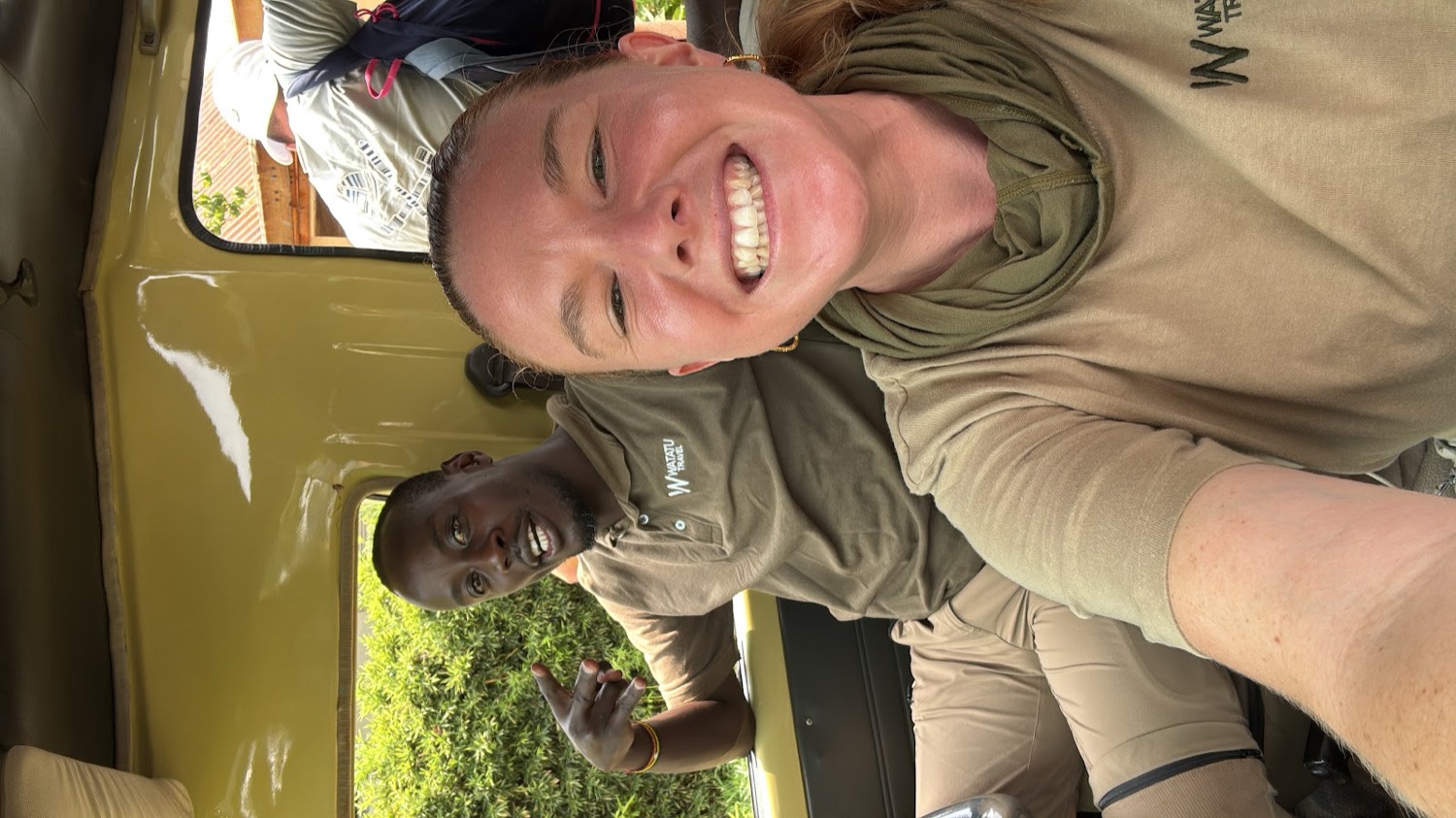
Our guide Joseph once described driving into Akagera after three days in Volcanoes National Park as feeling like changing continents mid-trip. He was right. You leave the cold, foggy bamboo slopes, drop east through tea-covered hills, and arrive at a completely different Africa, open savannah, papyrus-fringed lakes, the sound of hippos at dusk. That contrast is what makes Rwanda so compelling for a safari itinerary: very few countries stack three such distinct ecosystems so close together.
| Gorilla permit (2027) | USD 1,500 per person |
| Golden monkey permit | USD 100 per person |
| Chimp trekking permit (Nyungwe) | USD 150 per person |
| Best season | June to September (long dry season) |
| Recommended trip length | 7 to 8 days for all three parks |
| Mid-range lodge cost | USD 350 to 600 per night |
| Parks covered | Volcanoes, Akagera, Nyungwe |
This article focuses on Rwanda as a complete destination, the parks, the seasons, the costs, and what makes each corner of the country worth your time. For the specific mechanics of booking a gorilla permit, comparing Rwanda and Uganda options, or choosing between family groups, we have dedicated articles that go into far more depth: see our gorilla permit comparison guide and our Volcanoes National Park trekking guide.
What can you see on a Rwanda safari?
Three parks anchor any Rwanda itinerary. They share a country but almost nothing else.
Volcanoes National Park: gorilla trekking and golden monkeys
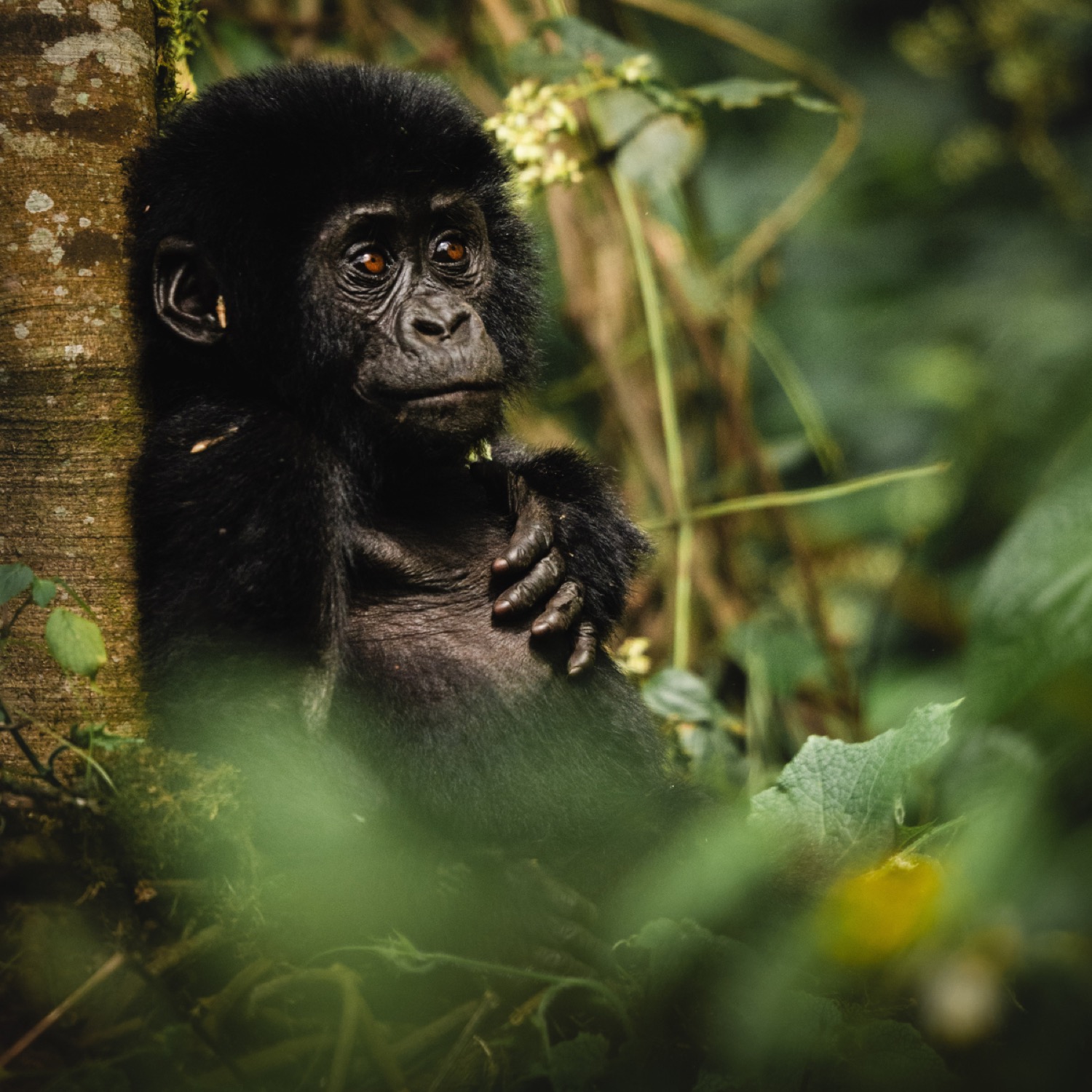
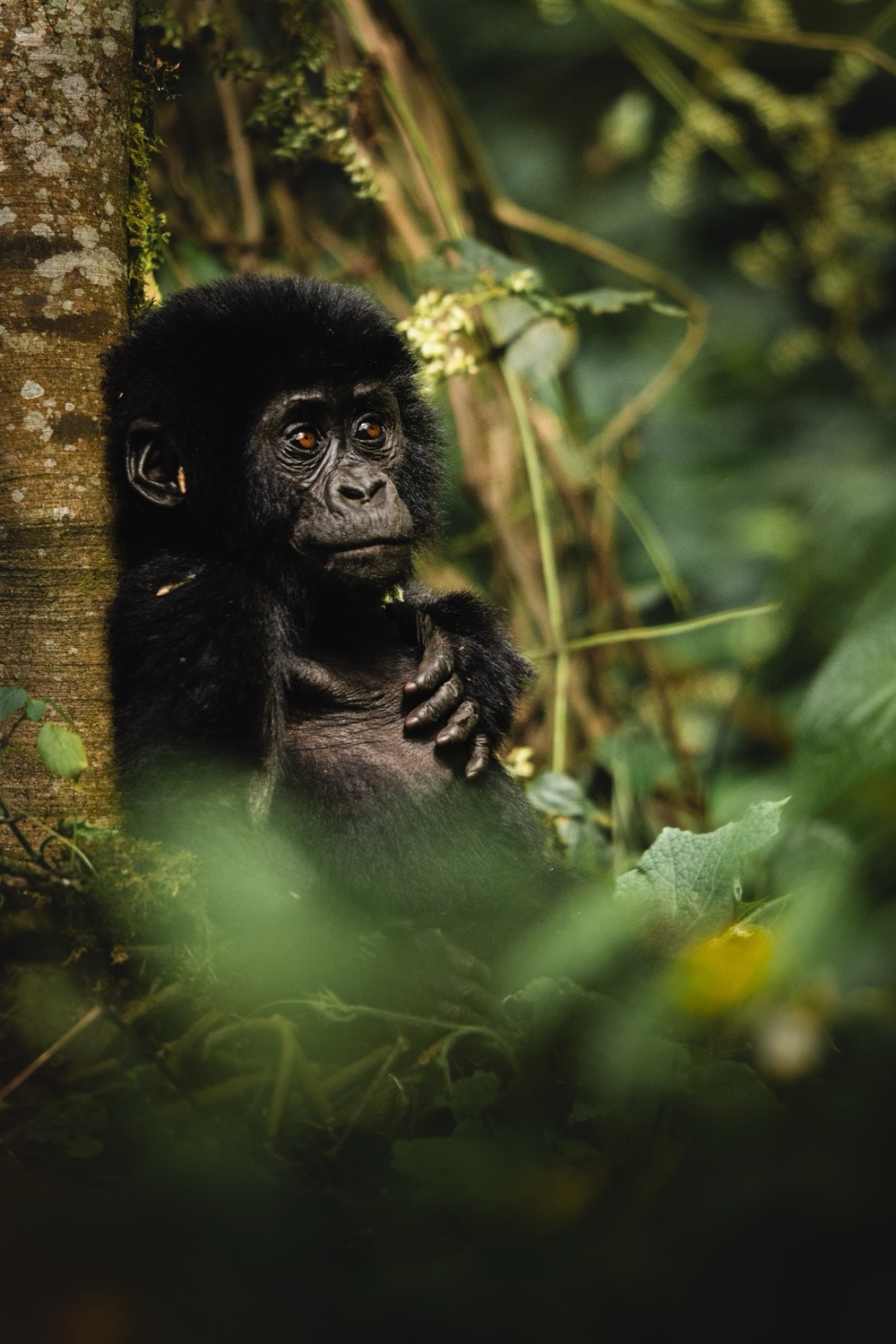
Volcanoes protects roughly a third of the world's remaining mountain gorillas across twelve habituated family groups. You spend one hour with them, no more, regardless of how long the trek took to find them. When a silverback from the Pablo family sits four metres away and holds eye contact, that hour passes in about six minutes. Rangers brief you in advance on what to do if a gorilla charges, step back slowly, crouch, look away, do not run, and charges do happen, usually a bluff by a young male asserting himself. Any guide who has worked Volcanoes has a story.
Gorilla permits cost USD 1,500 per person in 2027. Book early, high-season slots fill months out. Golden monkey trekking in the same park costs USD 100 per permit and is routinely underrated. Groups of eighty or a hundred of these vivid primates crashing through bamboo at head height is chaotic and wonderful and over far too quickly.
Akagera National Park: where Rwanda does big-game safari
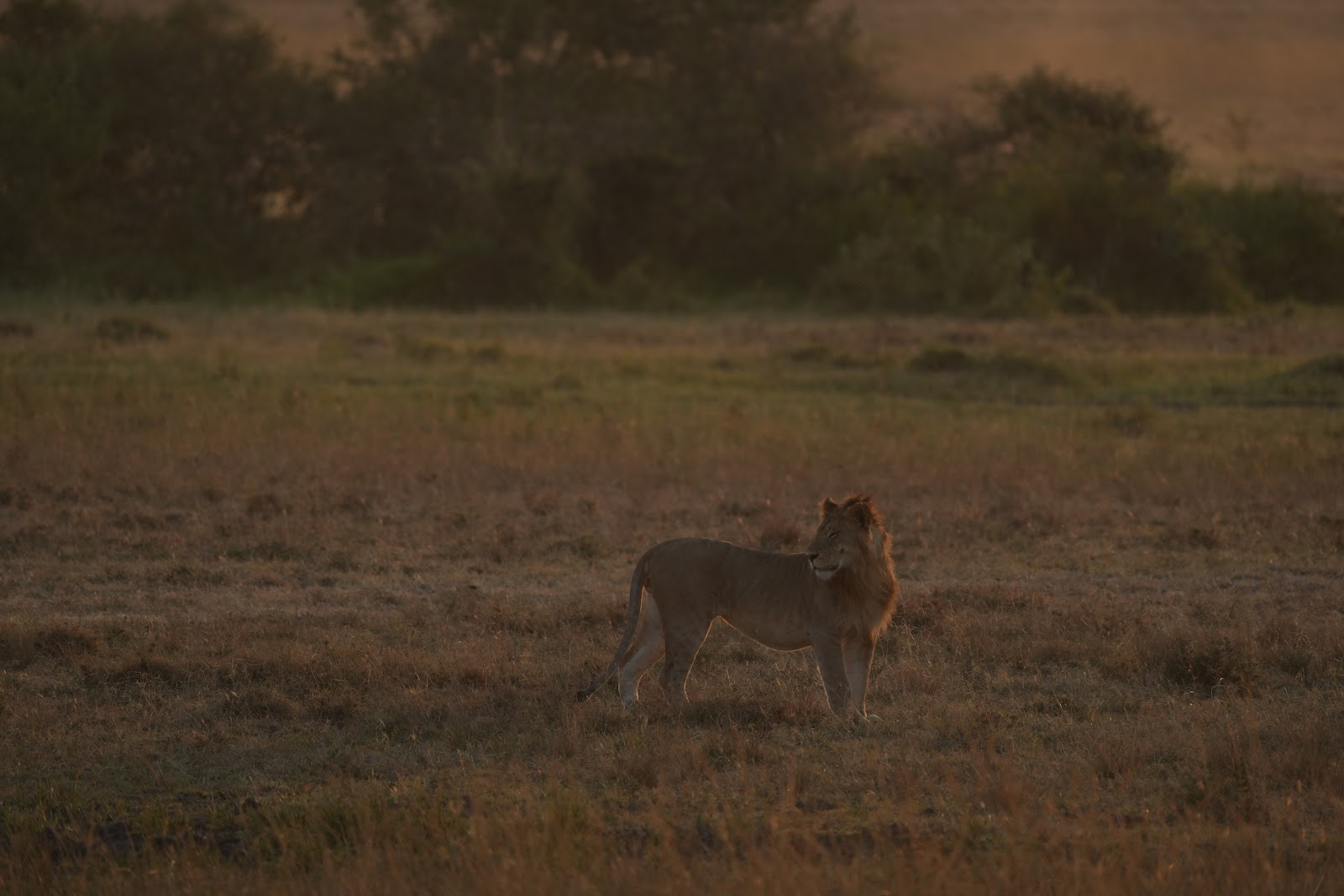
Akagera is the part of Rwanda that surprises people who only came for gorillas. African Parks took over management in 2010 when the park was heavily poached and underfunded. Since then, lions were reintroduced in 2015, black rhino returned in 2017, and elephant numbers have climbed steadily. Today Akagera holds all of the Big Five.
The landscape shifts between rolling miombo woodland, open grassland and a chain of shallow Rift Valley lakes edged with papyrus. Lake Ihema is the centrepiece, boat safaris here at sunrise put you at eye level with hippo pods and enormous Nile crocodiles, and the birding is exceptional. We have logged over 200 species in a single day in the southern sector. Leopard are present in the northern woodland but sightings require patience and some luck; lion are more regularly encountered near Mutumba Hill.
Self-drive is permitted in Akagera with a good map and a 4WD. The track network is well-marked. That said, a guided game drive for the first morning is worth paying for, rangers know current predator movements and can read the landscape in ways that take visitors a full day to calibrate independently.
Nyungwe Forest National Park: chimpanzees, colobus and a walk above the trees
Nyungwe sits in Rwanda's southwest corner and feels genuinely remote: a rolling ocean of montane rainforest that stretches to the Burundi border. It holds thirteen primate species, including large habituated troops of black-and-white colobus sometimes numbering 400 individuals, which is extraordinary for any forested park in East Africa.
Chimpanzee trekking here has improved markedly in recent years as habituation of new groups has progressed. Permits cost USD 150. The canopy walkway is the other draw, a 160-metre suspension bridge hung 50 metres above the forest floor along the Igishigishigi trail. On a clear morning you stand above the mist with the Virunga volcanoes visible to the north. It is one of those moments that photographs cannot quite capture.
Nyungwe fits naturally at the midpoint of a Rwanda loop: start in Kigali, drive northwest to Volcanoes, then south through the tea country to Nyungwe, then east across the Congo-Nile Divide back towards Kigali, with Akagera as a final stop. Seven to eight days covers this circuit without feeling rushed.
When is the best time to go on safari in Rwanda?
Rwanda has two dry seasons and two wet seasons. Gorilla trekking runs year-round, but the experience varies considerably depending on when you go, and so does the cost.
June to September, the long dry season
Peak season, and justifiably so. Trails in Volcanoes are drier and firmer underfoot. In Akagera, reduced water sources concentrate wildlife near Lake Ihema and the other valley lakes, improving game-drive sightings. The Virunga slopes are often clear of cloud by mid-morning, which matters both for trekking and for photography.
The downside is demand. Gorilla permits and premium lodge beds book out fast, at Bisate Lodge and One&Only Gorilla's Nest, rates in July and August sit between roughly USD 1,500 and USD 2,500 per person per night all-inclusive (as of our late 2024 bookings; confirm current rates directly). We advise securing everything at least six months ahead if you are targeting July or August.
December to February, the short dry season
This is our preferred window for clients who have flexibility. The landscape holds the green of the October–November rains, which makes Akagera especially photogenic. Trails are manageable. Gorilla trekking is perfectly good. Lodge rates at most properties drop by roughly 15–20% compared to peak, useful when a lodge night already runs several hundred dollars. Fewer visitors on the trails also means a quieter experience in Volcanoes, which matters when you have just one hour with a gorilla family.
March to May, the long rains
Trails in Volcanoes can become steep, slippery and genuinely exhausting. Some Akagera tracks become temporarily impassable after heavy rain. Prices drop further and permits are available, but come with solid waterproof hiking boots and accept that the trek will be harder work. Some travellers find the forest atmosphere in the wet season, the smell of wet earth and flowers, the mist, worth every muddy step. Others do not.
October to November, the short rains
Shorter and usually less intense than March–May. A focused trip to Volcanoes is workable. Not ideal for Akagera roads, but manageable if you build in flexibility.
How many days do you need for a Rwanda safari?
Five days is the functional minimum: one gorilla trek, one full day in Akagera, one night in Kigali. Seven to eight days lets you add Nyungwe and a golden monkey morning without feeling like you are rushing from park to park. Most of the Rwanda trips we organise run eight days, often paired with Uganda or northern Tanzania to broaden the East Africa experience.
What does a Rwanda safari cost in 2027?
The gorilla permit alone is USD 1,500. A mid-range lodge or tented camp runs USD 350–600 per night; add transfers, guide fees, park entry, and a boat safari, and a seven-day trip realistically starts around USD 5,500–7,500 per person, these are indicative figures based on our recent bookings and will shift with exchange rates and lodge pricing cycles. Luxury at Bisate Lodge or Singita Kwitonda can reach USD 15,000 or more. At the other end, travellers who stay in guesthouses in Musanze or Rusumo can bring accommodation costs down sharply, the gorilla permit price is fixed regardless of where you sleep.
Practical tips for planning your Rwanda safari
- Book gorilla permits early. Rwanda Development Board releases permits on a rolling basis. For June–September travel, six months ahead is not excessive, permits sell out.
- Altitude acclimatisation. Volcanoes NP sits above 2,500 m and some treks push to 3,500 m. Arriving from sea level and trekking the following morning is possible but increases fatigue. One extra night in Kigali (1,567 m) helps.
- Flights and entry. RwandAir operates direct flights from London Heathrow, Brussels and several African hubs into Kigali. Citizens of most Western countries receive a free 30-day visa on arrival. East Africa Tourist Visa (USD 100) covers Rwanda, Uganda and Kenya in one document, useful if you are combining countries.
- Health. Yellow fever vaccination is required if arriving from an endemic country. Malaria risk is low at altitude (Volcanoes, Nyungwe) but real in Akagera, discuss prophylaxis with your GP or travel clinic before departure.
- Money. Rwandan franc is the official currency. USD is accepted at lodges and for permits. Cards work in Kigali; carry cash once you head into the parks. ATMs in Musanze are reliable but limit withdrawals.
Is Rwanda safe for tourists?
Rwanda is consistently rated among the safest countries in Africa for international visitors. Crime targeting tourists is rare. The national plastic bag ban (enforced with genuine rigour) is a small but telling indicator of how seriously the country takes its public-order commitments. Kigali's roads at night are safer than most European capitals by most practical measures. The parks themselves are well-staffed and professionally managed.
Frequently Asked Questions
What is the best time to visit Rwanda for safari?
June to September (long dry season) offers the best overall conditions across all three parks. December to February is excellent, quieter, and often cheaper. Gorilla trekking runs year-round.
Is Rwanda more than just gorilla trekking?
Yes. Akagera National Park offers full big-five savannah safari with lions, rhino, elephant, buffalo and leopard. Nyungwe Forest has chimpanzee trekking and one of Africa's best canopy walkways. Combined, the three parks make a complete and varied safari destination.
How much does a Rwanda safari cost in 2027?
A gorilla permit costs USD 1,500. A seven-day mid-range trip including permits, transfers, guiding and accommodation starts around USD 5,500–7,500 per person (indicative, based on late 2027 bookings). Luxury options at Bisate or Singita Kwitonda can reach USD 15,000 or more.
Can you do a self-drive safari in Rwanda?
Self-drive is permitted in Akagera National Park with a 4WD vehicle. Gorilla trekking in Volcanoes and chimp trekking in Nyungwe always require a ranger-led group, independent trekking in those parks is not allowed.
How many days should I spend in Rwanda?
Five days is the minimum for a meaningful trip. Seven to eight days allows you to cover Volcanoes, Akagera and Nyungwe comfortably. Many travellers pair Rwanda with Uganda or Tanzania for a broader East Africa itinerary.
Rwanda Safari: Beyond Gorillas. Akagera, Nyungwe and When to Go in 2027
Our guide Joseph once described driving into Akagera after three days in Volcanoes National Park as feeling like changing continents mid-trip. He was right. You leave the cold, foggy bamboo slopes, drop east through tea-covered hills, and arrive at a completely different Africa, open savannah, papyrus-fringed lakes, the sound of hippos at dusk. That contrast is what makes Rwanda so compelling for a safari itinerary: very few countries stack three such distinct ecosystems so close together.
| Gorilla permit (2027) | USD 1,500 per person |
| Golden monkey permit | USD 100 per person |
| Chimp trekking permit (Nyungwe) | USD 150 per person |
| Best season | June to September (long dry season) |
| Recommended trip length | 7 to 8 days for all three parks |
| Mid-range lodge cost | USD 350 to 600 per night |
| Parks covered | Volcanoes, Akagera, Nyungwe |
This article focuses on Rwanda as a complete destination, the parks, the seasons, the costs, and what makes each corner of the country worth your time. For the specific mechanics of booking a gorilla permit, comparing Rwanda and Uganda options, or choosing between family groups, we have dedicated articles that go into far more depth: see our gorilla permit comparison guide and our Volcanoes National Park trekking guide.
What can you see on a Rwanda safari?
Three parks anchor any Rwanda itinerary. They share a country but almost nothing else.
Volcanoes National Park: gorilla trekking and golden monkeys
Volcanoes protects roughly a third of the world's remaining mountain gorillas across twelve habituated family groups. You spend one hour with them, no more, regardless of how long the trek took to find them. When a silverback from the Pablo family sits four metres away and holds eye contact, that hour passes in about six minutes. Rangers brief you in advance on what to do if a gorilla charges, step back slowly, crouch, look away, do not run, and charges do happen, usually a bluff by a young male asserting himself. Any guide who has worked Volcanoes has a story.
Gorilla permits cost USD 1,500 per person in 2027. Book early, high-season slots fill months out. Golden monkey trekking in the same park costs USD 100 per permit and is routinely underrated. Groups of eighty or a hundred of these vivid primates crashing through bamboo at head height is chaotic and wonderful and over far too quickly.
Akagera National Park: where Rwanda does big-game safari
Akagera is the part of Rwanda that surprises people who only came for gorillas. African Parks took over management in 2010 when the park was heavily poached and underfunded. Since then, lions were reintroduced in 2015, black rhino returned in 2017, and elephant numbers have climbed steadily. Today Akagera holds all of the Big Five.
The landscape shifts between rolling miombo woodland, open grassland and a chain of shallow Rift Valley lakes edged with papyrus. Lake Ihema is the centrepiece, boat safaris here at sunrise put you at eye level with hippo pods and enormous Nile crocodiles, and the birding is exceptional. We have logged over 200 species in a single day in the southern sector. Leopard are present in the northern woodland but sightings require patience and some luck; lion are more regularly encountered near Mutumba Hill.
Self-drive is permitted in Akagera with a good map and a 4WD. The track network is well-marked. That said, a guided game drive for the first morning is worth paying for, rangers know current predator movements and can read the landscape in ways that take visitors a full day to calibrate independently.
Nyungwe Forest National Park: chimpanzees, colobus and a walk above the trees
Nyungwe sits in Rwanda's southwest corner and feels genuinely remote: a rolling ocean of montane rainforest that stretches to the Burundi border. It holds thirteen primate species, including large habituated troops of black-and-white colobus sometimes numbering 400 individuals, which is extraordinary for any forested park in East Africa.
Chimpanzee trekking here has improved markedly in recent years as habituation of new groups has progressed. Permits cost USD 150. The canopy walkway is the other draw, a 160-metre suspension bridge hung 50 metres above the forest floor along the Igishigishigi trail. On a clear morning you stand above the mist with the Virunga volcanoes visible to the north. It is one of those moments that photographs cannot quite capture.
Nyungwe fits naturally at the midpoint of a Rwanda loop: start in Kigali, drive northwest to Volcanoes, then south through the tea country to Nyungwe, then east across the Congo-Nile Divide back towards Kigali, with Akagera as a final stop. Seven to eight days covers this circuit without feeling rushed.
When is the best time to go on safari in Rwanda?
Rwanda has two dry seasons and two wet seasons. Gorilla trekking runs year-round, but the experience varies considerably depending on when you go, and so does the cost.
June to September, the long dry season
Peak season, and justifiably so. Trails in Volcanoes are drier and firmer underfoot. In Akagera, reduced water sources concentrate wildlife near Lake Ihema and the other valley lakes, improving game-drive sightings. The Virunga slopes are often clear of cloud by mid-morning, which matters both for trekking and for photography.
The downside is demand. Gorilla permits and premium lodge beds book out fast, at Bisate Lodge and One&Only Gorilla's Nest, rates in July and August sit between roughly USD 1,500 and USD 2,500 per person per night all-inclusive (as of our late 2024 bookings; confirm current rates directly). We advise securing everything at least six months ahead if you are targeting July or August.
December to February, the short dry season
This is our preferred window for clients who have flexibility. The landscape holds the green of the October–November rains, which makes Akagera especially photogenic. Trails are manageable. Gorilla trekking is perfectly good. Lodge rates at most properties drop by roughly 15–20% compared to peak, useful when a lodge night already runs several hundred dollars. Fewer visitors on the trails also means a quieter experience in Volcanoes, which matters when you have just one hour with a gorilla family.
March to May, the long rains
Trails in Volcanoes can become steep, slippery and genuinely exhausting. Some Akagera tracks become temporarily impassable after heavy rain. Prices drop further and permits are available, but come with solid waterproof hiking boots and accept that the trek will be harder work. Some travellers find the forest atmosphere in the wet season, the smell of wet earth and flowers, the mist, worth every muddy step. Others do not.
October to November, the short rains
Shorter and usually less intense than March–May. A focused trip to Volcanoes is workable. Not ideal for Akagera roads, but manageable if you build in flexibility.
How many days do you need for a Rwanda safari?
Five days is the functional minimum: one gorilla trek, one full day in Akagera, one night in Kigali. Seven to eight days lets you add Nyungwe and a golden monkey morning without feeling like you are rushing from park to park. Most of the Rwanda trips we organise run eight days, often paired with Uganda or northern Tanzania to broaden the East Africa experience.
What does a Rwanda safari cost in 2027?
The gorilla permit alone is USD 1,500. A mid-range lodge or tented camp runs USD 350–600 per night; add transfers, guide fees, park entry, and a boat safari, and a seven-day trip realistically starts around USD 5,500–7,500 per person, these are indicative figures based on our recent bookings and will shift with exchange rates and lodge pricing cycles. Luxury at Bisate Lodge or Singita Kwitonda can reach USD 15,000 or more. At the other end, travellers who stay in guesthouses in Musanze or Rusumo can bring accommodation costs down sharply, the gorilla permit price is fixed regardless of where you sleep.
Practical tips for planning your Rwanda safari
- Book gorilla permits early. Rwanda Development Board releases permits on a rolling basis. For June–September travel, six months ahead is not excessive, permits sell out.
- Altitude acclimatisation. Volcanoes NP sits above 2,500 m and some treks push to 3,500 m. Arriving from sea level and trekking the following morning is possible but increases fatigue. One extra night in Kigali (1,567 m) helps.
- Flights and entry. RwandAir operates direct flights from London Heathrow, Brussels and several African hubs into Kigali. Citizens of most Western countries receive a free 30-day visa on arrival. East Africa Tourist Visa (USD 100) covers Rwanda, Uganda and Kenya in one document, useful if you are combining countries.
- Health. Yellow fever vaccination is required if arriving from an endemic country. Malaria risk is low at altitude (Volcanoes, Nyungwe) but real in Akagera, discuss prophylaxis with your GP or travel clinic before departure.
- Money. Rwandan franc is the official currency. USD is accepted at lodges and for permits. Cards work in Kigali; carry cash once you head into the parks. ATMs in Musanze are reliable but limit withdrawals.
Is Rwanda safe for tourists?
Rwanda is consistently rated among the safest countries in Africa for international visitors. Crime targeting tourists is rare. The national plastic bag ban (enforced with genuine rigour) is a small but telling indicator of how seriously the country takes its public-order commitments. Kigali's roads at night are safer than most European capitals by most practical measures. The parks themselves are well-staffed and professionally managed.
Frequently Asked Questions
What is the best time to visit Rwanda for safari?
June to September (long dry season) offers the best overall conditions across all three parks. December to February is excellent, quieter, and often cheaper. Gorilla trekking runs year-round.
Is Rwanda more than just gorilla trekking?
Yes. Akagera National Park offers full big-five savannah safari with lions, rhino, elephant, buffalo and leopard. Nyungwe Forest has chimpanzee trekking and one of Africa's best canopy walkways. Combined, the three parks make a complete and varied safari destination.
How much does a Rwanda safari cost in 2027?
A gorilla permit costs USD 1,500. A seven-day mid-range trip including permits, transfers, guiding and accommodation starts around USD 5,500–7,500 per person (indicative, based on late 2027 bookings). Luxury options at Bisate or Singita Kwitonda can reach USD 15,000 or more.
Can you do a self-drive safari in Rwanda?
Self-drive is permitted in Akagera National Park with a 4WD vehicle. Gorilla trekking in Volcanoes and chimp trekking in Nyungwe always require a ranger-led group, independent trekking in those parks is not allowed.
How many days should I spend in Rwanda?
Five days is the minimum for a meaningful trip. Seven to eight days allows you to cover Volcanoes, Akagera and Nyungwe comfortably. Many travellers pair Rwanda with Uganda or Tanzania for a broader East Africa itinerary.




.png)