





.avif)

Gorilla Trekking Uganda 2027: Sector-by-Sector Booking Guide
The first time you lock eyes with a silverback, nothing really prepares you for it. The Mubare group in Buhoma ranges close to the trailhead, sometimes rangers radio ahead to say the family is resting barely twenty minutes in, and yet when you actually step into that clearing and find a 180-kilogram male sitting three meters from your boots, the proximity still stops you cold. Your ranger, usually one of the long-serving team from the Buhoma sector, raises a hand. The group freezes. And then something odd happens: you stop thinking about logistics entirely.
| Permit cost (2027) | USD 800 per person (non-resident foreign visitors) |
| Trek duration | Variable approach hike, 1 hour guaranteed with the gorillas |
| Group size limit | 8 visitors per gorilla family per day |
| Bwindi sectors | Buhoma, Rushaga, Nkuringo, Ruhija |
| Habituated families | 10+ across Bwindi; 1 at Mgahinga (Nyakagezi) |
| Best availability | Rushaga and Ruhija; book 2 to 3 months ahead outside peak season |
| Altitude range | Approx. 1,160 m (Buhoma) to 2,300 m (Ruhija) |
That moment is what this whole exercise is pointing toward. But getting there in 2027 takes more advance planning than it used to, and the choices you make before you leave, which sector, which family, which lodge, how far ahead to book, shape everything that follows. This article focuses specifically on those decisions. For a fuller comparison of Uganda versus Rwanda, and a breakdown of the best time to travel by weather, see our companion guides linked at the end.
Uganda holds more than half of all surviving mountain gorillas, roughly 500 of an estimated 1,000 individuals. The number has actually grown over the past decade, which is one of conservation's genuine recent success stories. It comes partly from permit revenue, which is why the USD 800 price point exists and why it's worth paying.
Which Bwindi Sector Should You Choose?
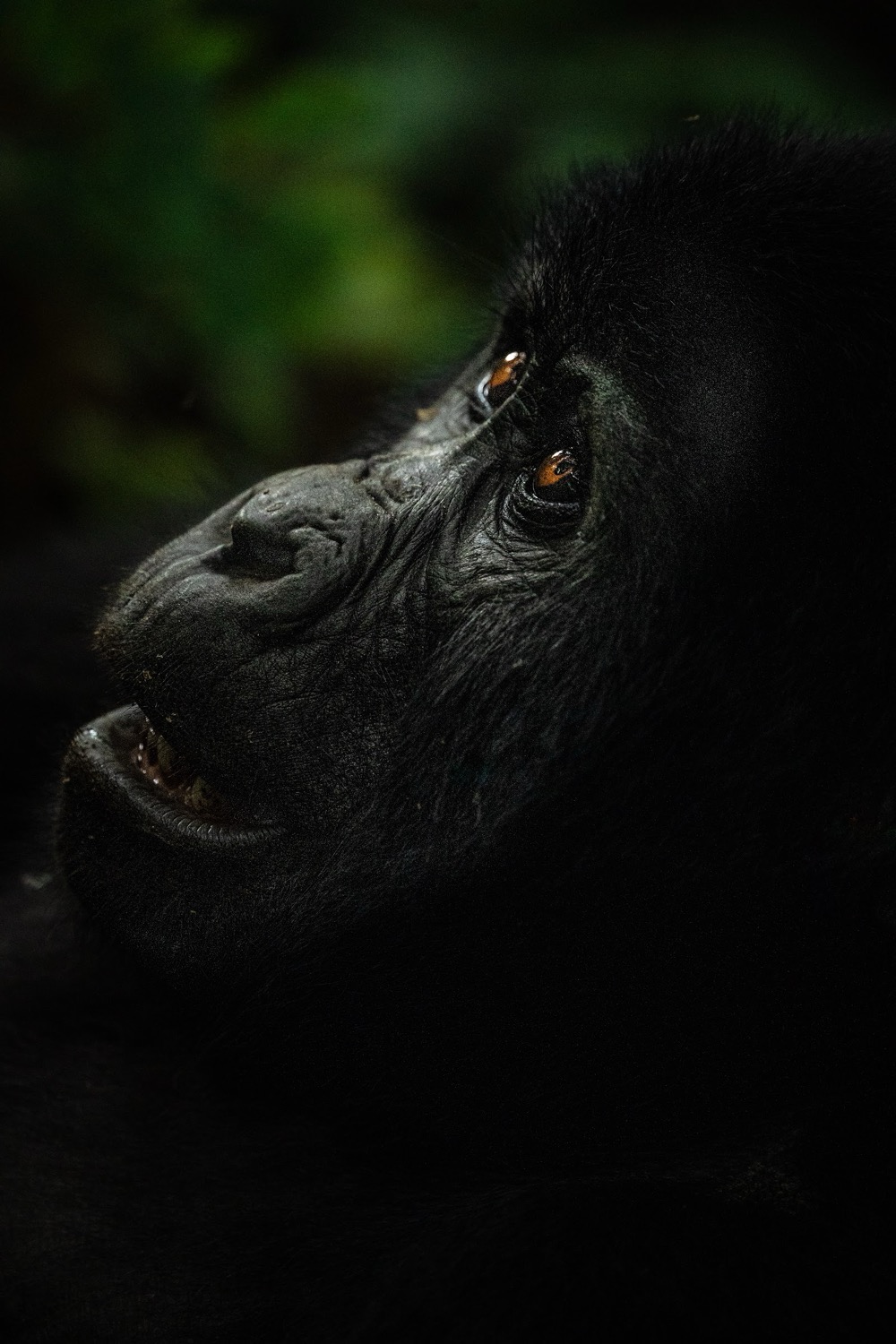
Bwindi Impenetrable National Park is divided into four trekking sectors, and the choice between them matters more than most booking resources let on. Each has different families, different terrain, different lodge options, and, critically in 2027, different permit availability windows.
Buhoma: Best for First-Timers and the Mubare Group
Buhoma is the original gorilla trekking sector, opened in 1993, and it's where we put most first-time trekkers. The reason is the Mubare group, Uganda's first habituated gorilla family and among the most comfortable with human presence of any group in Bwindi. They range within a few kilometers of the trailhead, and while there are no guarantees in the forest, Buhoma treks tend toward the shorter end of the spectrum. That said, the sector has only two habituated families (Mubare and Habinyanja), which means permit slots fill faster here than anywhere else in the park. Book Buhoma six months out for July and August, no exceptions.
For lodges, Buhoma Lodge sits directly at the sector entrance, we've watched rangers do the morning briefing from its garden terrace, and Mahogany Springs is a step up in terms of finish and river views. Both have the practical advantage of a two-minute walk to the briefing point, which matters when you have a 7 a.m. start.
Rushaga: Best Permit Availability and Most Family Choice
Rushaga, in Bwindi's southern section, has the highest concentration of habituated families in the entire park, currently six, including Nshongi (the largest group, with 25+ members at last count), Mishaya, Busingye and Kahungye among others. More families means more daily permits, which translates directly into better availability at shorter booking notice. If you're planning a trip in the next two to three months, Rushaga is almost always where we find space first.
The terrain here runs steep. There's no gentle way to put it: Rushaga can involve serious climbing, and the vegetation is dense even by Bwindi standards. A porter isn't optional here; it's the difference between arriving at the family breathless and barely functional versus arriving composed enough to actually absorb what you're seeing. Porter fees run USD 15–20 and go directly to the local community.
Ichumbi Gorilla Lodge is reliable mid-range, well-positioned for early starts. For something with more character, Clouds Mountain Gorilla Lodge at nearby Nkuringo has extraordinary views across the Virunga volcanoes, though it sits in its own sector (see below).
Nkuringo: The Hardest Trek, the Best Views
The Nkuringo sector operates on the southwestern edge of Bwindi and is, honestly, the most physically demanding of the four. The Nkuringo family itself is well-habituated, but reaching them involves a descent and then a climb back out that has humbled guests who sailed through Rushaga the day before. We recommend Nkuringo for returning trekkers or anyone specifically seeking a more remote feel. Fewer visitors come this far, and it shows, the trails feel quieter, the forest denser.
Clouds Mountain Gorilla Lodge here is worth naming twice: the views from the terrace at dusk, with the Virunga volcanoes in silhouette and the sounds of the forest settling below, are something we genuinely look forward to every time a client's itinerary brings us through.
Ruhija: High Altitude, Specialized Experience
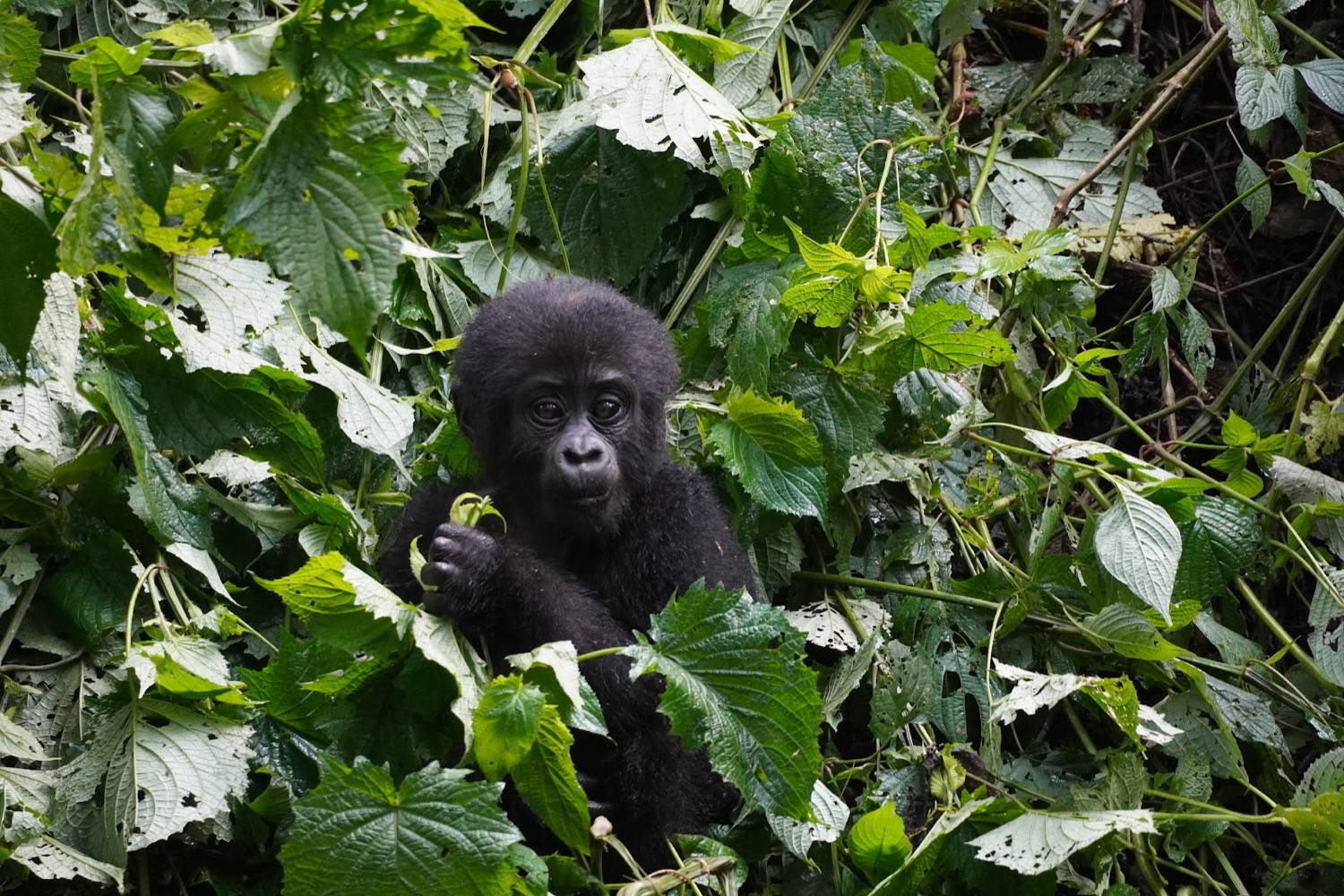
Ruhija sits at higher elevation than the other sectors, around 2,300 meters, and is the least-visited of the four. The Bitukura and Oruzogo families trek here, both well-habituated and with interesting group dynamics (Bitukura has multiple silverbacks, which creates a particular kind of tension to watch). The road to Ruhija is genuinely rough and adds time to any transfer, which is why it tends to be quieter. That's also precisely its appeal for travelers who've done Bwindi before and want something less trodden.
What Happens During the Hour with the Gorillas?
Ready to Plan Your Gorilla Trek?
Our Uganda gorilla itineraries include permit logistics, sector advice, and lodge selection handled for you. From a focused short break to a full Uganda safari, we have options to suit your schedule. 12 days, from 4.995 € per person. Uganda - The Land of the Mountain Gorilla
This is the part most articles skip past, and it shouldn't be skipped. Your ranger-guide manages the hour carefully. The eight-person group is positioned so everyone has sightlines without crowding the family. If a juvenile approaches, and juveniles are curious, often uncomfortably so, the ranger steps slightly forward, not to block, but to redirect the young gorilla's attention. They do this with practiced calm, using low sounds and a relaxed posture. You watch it happen and realize these rangers have spent thousands of hours with these families.
Occasionally a silverback will mock-charge. It's loud, it's fast, and your instinct will be to run. Do not run. You crouch slightly, avoid direct eye contact, and hold still. Every ranger will brief you on this beforehand, it almost always stops within a meter or two. We've seen it happen maybe a dozen times across the treks we've led or joined, and in every case the silverback pulled up, assessed the situation, and went back to whatever he was doing. The charge is communication, not attack. Once you know that, it's extraordinary to witness rather than terrifying.
How Do Permit Booking Mechanics Actually Work in 2027?
The Uganda Wildlife Authority issues permits through its online portal and through licensed tour operators. The portal has improved significantly, you can now select sector and available date, see real-time slot counts, and pay by card. It works, but it offers no flexibility if your plans shift. An operator booking means your permit sits within a wider itinerary, and if a flight gets cancelled or a date needs moving, there's room to renegotiate.
The practical booking windows for 2027, based on what we're seeing: Buhoma and Nkuringo, book at least five to six months ahead for June through August, and four months ahead for December. Rushaga and Ruhija, two to three months is usually workable except in peak July and August, when four months is safer. Walk-in permits are functionally gone. Even showing up at a UWA office hoping for a cancellation is now a long shot most weeks of the year.
One practical note: UWA permits are non-refundable but can sometimes be transferred to a different date within the same booking year. Operators can usually facilitate this; direct bookings cannot. If there's any chance your travel dates could shift, that flexibility is worth the operator booking fee.
What to Pack, With Specifics That Actually Help
Most packing lists for gorilla trekking read identically across the internet. Here's what actually gets used and what gets left in the daypack:
The single most underrated item is garden gloves. Actual gardening gloves, the kind with rubber grip. Stinging nettles are everywhere in Bwindi's understory, and at some point you will need to grab vegetation to pull yourself up a slope. Trekking poles help, too, some camps lend them, but bringing your own collapsible pair means you have them from the first step.
Gaiters are non-negotiable. The red laterite mud of Bwindi gets into everything, and once it's in your boots it stays there. Gaiters also provide a useful secondary barrier against safari ants, which in Rushaga in particular can move fast across ground-level vegetation. We've seen guests spend the first fifteen minutes of their hour with the gorillas quietly dealing with ants in their socks. It's avoidable.
For cameras: leave the big telephoto at the lodge. You will not need 400mm in dense forest. A 24–70mm or the equivalent on a mirrorless body covers everything. Charge two batteries the night before, cold and humidity drain them faster than normal. And memorize where your camera's silent shutter mode is before you enter the forest. The difference in atmosphere when eight people are firing mechanical shutters versus electronic ones is significant.
Water: two liters minimum, three if you're heading to Rushaga or Nkuringo. The trek to find the gorillas is the variable, the walk back feels shorter because you're running on adrenaline, but you still sweat through it.
Is Mgahinga Worth Considering?
The Susa, no, wait. Mgahinga has the Nyakagezi group, currently the only habituated family in the park. They're a smaller, tight-knit family, and because Mgahinga sees far fewer visitors than any Bwindi sector, the trek feels genuinely wild. The volcanic landscape is also spectacular, you're trekking in the shadow of Mounts Gahinga and Sabinyo rather than through pure rainforest.
The risk that gets mentioned: the Nyakagezi group has historically crossed into Rwanda and the DRC. Permit cancellations because of family absence are rare now, the group has been resident in Uganda for several years running, but the possibility exists. We tell clients this upfront. For travelers who can absorb a single disrupted day within a longer itinerary, it's worth the risk. For someone flying in specifically for one trek, Bwindi is the safer bet.
Security and Current Conditions
The UK Foreign Commonwealth and Development Office (FCDO) Uganda travel advisory, last reviewed April 2027, rates southwestern Uganda including Bwindi as a normal-precaution area with no specific advisory against travel. The US State Department Uganda page carries a Level 1 (Exercise Normal Precautions) rating for the gorilla trekking regions. Both are worth checking against your own departure date. The UWA ranger presence in Bwindi is substantial and has been consistent for over a decade, armed rangers accompany every trek not just as protocol but as people who know these families individually and have done this thousands of times.
Frequently Asked Questions: Gorilla Trekking Uganda 2027
Which Bwindi sector has the best gorilla permit availability in 2027?
Rushaga consistently offers the best permit availability because it has the most habituated families, currently six, including the large Nshongi group. Buhoma books out fastest due to high demand for the famous Mubare group.
How much does a Uganda gorilla permit cost in 2027?
A gorilla trekking permit costs USD 800 per person for non-resident foreign visitors in 2027, issued by the Uganda Wildlife Authority. This covers one hour with a habituated family under ranger supervision. Foreign residents pay USD 700; East African citizens pay UGX 300,000.
How far in advance should I book a gorilla permit in Uganda?
For Buhoma and peak season months (June–August, December), book five to six months ahead. Rushaga and Ruhija have more flexibility, two to three months works for most of the year, but four months is safer for peak July and August slots.
What gorilla families can you see in Bwindi?
Named habituated families include Mubare and Habinyanja (Buhoma), Nshongi, Mishaya, Busingye and Kahungye (Rushaga), Nkuringo family (Nkuringo sector), and Bitukura and Oruzogo (Ruhija). Family composition changes over time; UWA publishes current group data on its permits portal.
What should you do if a gorilla charges during the trek?
Crouch slightly, avoid direct eye contact, stay still, and do not run. Silverback mock charges are communication displays that almost always stop within a meter or two. Your ranger will brief you on this before the trek begins, the response is the same every time and becomes instinct quickly.
Start Planning Your 2027 Uganda Gorilla Trek
Permits for peak season 2027 are already moving. Let us secure your sector, your family, and your lodge before availability closes. 11 days, from 3.995 € per person. Uganda - The Wild Jungle
Gorilla Trekking Uganda 2027: Sector-by-Sector Booking Guide
The first time you lock eyes with a silverback, nothing really prepares you for it. The Mubare group in Buhoma ranges close to the trailhead, sometimes rangers radio ahead to say the family is resting barely twenty minutes in, and yet when you actually step into that clearing and find a 180-kilogram male sitting three meters from your boots, the proximity still stops you cold. Your ranger, usually one of the long-serving team from the Buhoma sector, raises a hand. The group freezes. And then something odd happens: you stop thinking about logistics entirely.
| Permit cost (2027) | USD 800 per person (non-resident foreign visitors) |
| Trek duration | Variable approach hike, 1 hour guaranteed with the gorillas |
| Group size limit | 8 visitors per gorilla family per day |
| Bwindi sectors | Buhoma, Rushaga, Nkuringo, Ruhija |
| Habituated families | 10+ across Bwindi; 1 at Mgahinga (Nyakagezi) |
| Best availability | Rushaga and Ruhija; book 2 to 3 months ahead outside peak season |
| Altitude range | Approx. 1,160 m (Buhoma) to 2,300 m (Ruhija) |
That moment is what this whole exercise is pointing toward. But getting there in 2027 takes more advance planning than it used to, and the choices you make before you leave, which sector, which family, which lodge, how far ahead to book, shape everything that follows. This article focuses specifically on those decisions. For a fuller comparison of Uganda versus Rwanda, and a breakdown of the best time to travel by weather, see our companion guides linked at the end.
Uganda holds more than half of all surviving mountain gorillas, roughly 500 of an estimated 1,000 individuals. The number has actually grown over the past decade, which is one of conservation's genuine recent success stories. It comes partly from permit revenue, which is why the USD 800 price point exists and why it's worth paying.
Which Bwindi Sector Should You Choose?
Bwindi Impenetrable National Park is divided into four trekking sectors, and the choice between them matters more than most booking resources let on. Each has different families, different terrain, different lodge options, and, critically in 2027, different permit availability windows.
Buhoma: Best for First-Timers and the Mubare Group
Buhoma is the original gorilla trekking sector, opened in 1993, and it's where we put most first-time trekkers. The reason is the Mubare group, Uganda's first habituated gorilla family and among the most comfortable with human presence of any group in Bwindi. They range within a few kilometers of the trailhead, and while there are no guarantees in the forest, Buhoma treks tend toward the shorter end of the spectrum. That said, the sector has only two habituated families (Mubare and Habinyanja), which means permit slots fill faster here than anywhere else in the park. Book Buhoma six months out for July and August, no exceptions.
For lodges, Buhoma Lodge sits directly at the sector entrance, we've watched rangers do the morning briefing from its garden terrace, and Mahogany Springs is a step up in terms of finish and river views. Both have the practical advantage of a two-minute walk to the briefing point, which matters when you have a 7 a.m. start.
Rushaga: Best Permit Availability and Most Family Choice
Rushaga, in Bwindi's southern section, has the highest concentration of habituated families in the entire park, currently six, including Nshongi (the largest group, with 25+ members at last count), Mishaya, Busingye and Kahungye among others. More families means more daily permits, which translates directly into better availability at shorter booking notice. If you're planning a trip in the next two to three months, Rushaga is almost always where we find space first.
The terrain here runs steep. There's no gentle way to put it: Rushaga can involve serious climbing, and the vegetation is dense even by Bwindi standards. A porter isn't optional here; it's the difference between arriving at the family breathless and barely functional versus arriving composed enough to actually absorb what you're seeing. Porter fees run USD 15–20 and go directly to the local community.
Ichumbi Gorilla Lodge is reliable mid-range, well-positioned for early starts. For something with more character, Clouds Mountain Gorilla Lodge at nearby Nkuringo has extraordinary views across the Virunga volcanoes, though it sits in its own sector (see below).
Nkuringo: The Hardest Trek, the Best Views
The Nkuringo sector operates on the southwestern edge of Bwindi and is, honestly, the most physically demanding of the four. The Nkuringo family itself is well-habituated, but reaching them involves a descent and then a climb back out that has humbled guests who sailed through Rushaga the day before. We recommend Nkuringo for returning trekkers or anyone specifically seeking a more remote feel. Fewer visitors come this far, and it shows, the trails feel quieter, the forest denser.
Clouds Mountain Gorilla Lodge here is worth naming twice: the views from the terrace at dusk, with the Virunga volcanoes in silhouette and the sounds of the forest settling below, are something we genuinely look forward to every time a client's itinerary brings us through.
Ruhija: High Altitude, Specialized Experience
Ruhija sits at higher elevation than the other sectors, around 2,300 meters, and is the least-visited of the four. The Bitukura and Oruzogo families trek here, both well-habituated and with interesting group dynamics (Bitukura has multiple silverbacks, which creates a particular kind of tension to watch). The road to Ruhija is genuinely rough and adds time to any transfer, which is why it tends to be quieter. That's also precisely its appeal for travelers who've done Bwindi before and want something less trodden.
What Happens During the Hour with the Gorillas?
Ready to Plan Your Gorilla Trek?
Our Uganda gorilla itineraries include permit logistics, sector advice, and lodge selection handled for you. From a focused short break to a full Uganda safari, we have options to suit your schedule. 12 days, from 4.995 € per person. Uganda - The Land of the Mountain Gorilla
This is the part most articles skip past, and it shouldn't be skipped. Your ranger-guide manages the hour carefully. The eight-person group is positioned so everyone has sightlines without crowding the family. If a juvenile approaches, and juveniles are curious, often uncomfortably so, the ranger steps slightly forward, not to block, but to redirect the young gorilla's attention. They do this with practiced calm, using low sounds and a relaxed posture. You watch it happen and realize these rangers have spent thousands of hours with these families.
Occasionally a silverback will mock-charge. It's loud, it's fast, and your instinct will be to run. Do not run. You crouch slightly, avoid direct eye contact, and hold still. Every ranger will brief you on this beforehand, it almost always stops within a meter or two. We've seen it happen maybe a dozen times across the treks we've led or joined, and in every case the silverback pulled up, assessed the situation, and went back to whatever he was doing. The charge is communication, not attack. Once you know that, it's extraordinary to witness rather than terrifying.
How Do Permit Booking Mechanics Actually Work in 2027?
The Uganda Wildlife Authority issues permits through its online portal and through licensed tour operators. The portal has improved significantly, you can now select sector and available date, see real-time slot counts, and pay by card. It works, but it offers no flexibility if your plans shift. An operator booking means your permit sits within a wider itinerary, and if a flight gets cancelled or a date needs moving, there's room to renegotiate.
The practical booking windows for 2027, based on what we're seeing: Buhoma and Nkuringo, book at least five to six months ahead for June through August, and four months ahead for December. Rushaga and Ruhija, two to three months is usually workable except in peak July and August, when four months is safer. Walk-in permits are functionally gone. Even showing up at a UWA office hoping for a cancellation is now a long shot most weeks of the year.
One practical note: UWA permits are non-refundable but can sometimes be transferred to a different date within the same booking year. Operators can usually facilitate this; direct bookings cannot. If there's any chance your travel dates could shift, that flexibility is worth the operator booking fee.
What to Pack, With Specifics That Actually Help
Most packing lists for gorilla trekking read identically across the internet. Here's what actually gets used and what gets left in the daypack:
The single most underrated item is garden gloves. Actual gardening gloves, the kind with rubber grip. Stinging nettles are everywhere in Bwindi's understory, and at some point you will need to grab vegetation to pull yourself up a slope. Trekking poles help, too, some camps lend them, but bringing your own collapsible pair means you have them from the first step.
Gaiters are non-negotiable. The red laterite mud of Bwindi gets into everything, and once it's in your boots it stays there. Gaiters also provide a useful secondary barrier against safari ants, which in Rushaga in particular can move fast across ground-level vegetation. We've seen guests spend the first fifteen minutes of their hour with the gorillas quietly dealing with ants in their socks. It's avoidable.
For cameras: leave the big telephoto at the lodge. You will not need 400mm in dense forest. A 24–70mm or the equivalent on a mirrorless body covers everything. Charge two batteries the night before, cold and humidity drain them faster than normal. And memorize where your camera's silent shutter mode is before you enter the forest. The difference in atmosphere when eight people are firing mechanical shutters versus electronic ones is significant.
Water: two liters minimum, three if you're heading to Rushaga or Nkuringo. The trek to find the gorillas is the variable, the walk back feels shorter because you're running on adrenaline, but you still sweat through it.
Is Mgahinga Worth Considering?
The Susa, no, wait. Mgahinga has the Nyakagezi group, currently the only habituated family in the park. They're a smaller, tight-knit family, and because Mgahinga sees far fewer visitors than any Bwindi sector, the trek feels genuinely wild. The volcanic landscape is also spectacular, you're trekking in the shadow of Mounts Gahinga and Sabinyo rather than through pure rainforest.
The risk that gets mentioned: the Nyakagezi group has historically crossed into Rwanda and the DRC. Permit cancellations because of family absence are rare now, the group has been resident in Uganda for several years running, but the possibility exists. We tell clients this upfront. For travelers who can absorb a single disrupted day within a longer itinerary, it's worth the risk. For someone flying in specifically for one trek, Bwindi is the safer bet.
Security and Current Conditions
The UK Foreign Commonwealth and Development Office (FCDO) Uganda travel advisory, last reviewed April 2027, rates southwestern Uganda including Bwindi as a normal-precaution area with no specific advisory against travel. The US State Department Uganda page carries a Level 1 (Exercise Normal Precautions) rating for the gorilla trekking regions. Both are worth checking against your own departure date. The UWA ranger presence in Bwindi is substantial and has been consistent for over a decade, armed rangers accompany every trek not just as protocol but as people who know these families individually and have done this thousands of times.
Frequently Asked Questions: Gorilla Trekking Uganda 2027
Which Bwindi sector has the best gorilla permit availability in 2027?
Rushaga consistently offers the best permit availability because it has the most habituated families, currently six, including the large Nshongi group. Buhoma books out fastest due to high demand for the famous Mubare group.
How much does a Uganda gorilla permit cost in 2027?
A gorilla trekking permit costs USD 800 per person for non-resident foreign visitors in 2027, issued by the Uganda Wildlife Authority. This covers one hour with a habituated family under ranger supervision. Foreign residents pay USD 700; East African citizens pay UGX 300,000.
How far in advance should I book a gorilla permit in Uganda?
For Buhoma and peak season months (June–August, December), book five to six months ahead. Rushaga and Ruhija have more flexibility, two to three months works for most of the year, but four months is safer for peak July and August slots.
What gorilla families can you see in Bwindi?
Named habituated families include Mubare and Habinyanja (Buhoma), Nshongi, Mishaya, Busingye and Kahungye (Rushaga), Nkuringo family (Nkuringo sector), and Bitukura and Oruzogo (Ruhija). Family composition changes over time; UWA publishes current group data on its permits portal.
What should you do if a gorilla charges during the trek?
Crouch slightly, avoid direct eye contact, stay still, and do not run. Silverback mock charges are communication displays that almost always stop within a meter or two. Your ranger will brief you on this before the trek begins, the response is the same every time and becomes instinct quickly.
Start Planning Your 2027 Uganda Gorilla Trek
Permits for peak season 2027 are already moving. Let us secure your sector, your family, and your lodge before availability closes. 11 days, from 3.995 € per person. Uganda - The Wild Jungle

.jpeg)







.png)