





10-Day Kenya Safari: Conservancy Logistics, Real Sightings and the Order That Works
Ten days splits cleanly into four nights in Masai Mara and three in Amboseli, with Nairobi bookending both ends. That structure gives you the Mara's predator density and, if timing is right, the river crossings, before Amboseli slows everything down to elephants and Kilimanjaro light. Prices run from 2,800 EUR per person at mid-range tented camps to around 5,500 EUR in private conservancy lodges, internal flights included.
| Quick Facts | |
|---|---|
| Best months | July-October (Great Migration crossings), January-February (dry, fewer vehicles) |
| Price range | 2,800-5,500 EUR per person, double occupancy |
| Closest airports | Nairobi JKIA (NBO) international; Wilson Airport for light aircraft |
| Visa | Kenya ETA required before travel, apply at etakenya.go.ke, approx. USD 30 |
| Park fees | Masai Mara Reserve: up to USD 200/day peak; conservancies: USD 70-120/day |
| Internal transport | Light aircraft recommended; private 4WD as alternative |
| Duration | 10 days / 9 nights: 1 Nairobi in, 4 Mara, 3 Amboseli, 1 Nairobi out |
What Is the Real Difference Between the Masai Mara Reserve and a Private Conservancy?
This question drives most of the budget decisions on this itinerary, and the answer has practical consequences that go beyond price. The Masai Mara National Reserve is managed by Narok County in partnership with Kenya Wildlife Service and imposes no limit on how many vehicles can gather at a sighting. A lone cheetah with cubs in peak July can attract fifteen Land Cruisers within twenty minutes. Private conservancies on the northern and western boundaries, such as Olare Motorogi, Mara North and Naboisho, cap vehicle numbers per sighting at four or five, allow night drives, permit off-road tracking, and charge USD 70-120 per person per day on top of your accommodation.
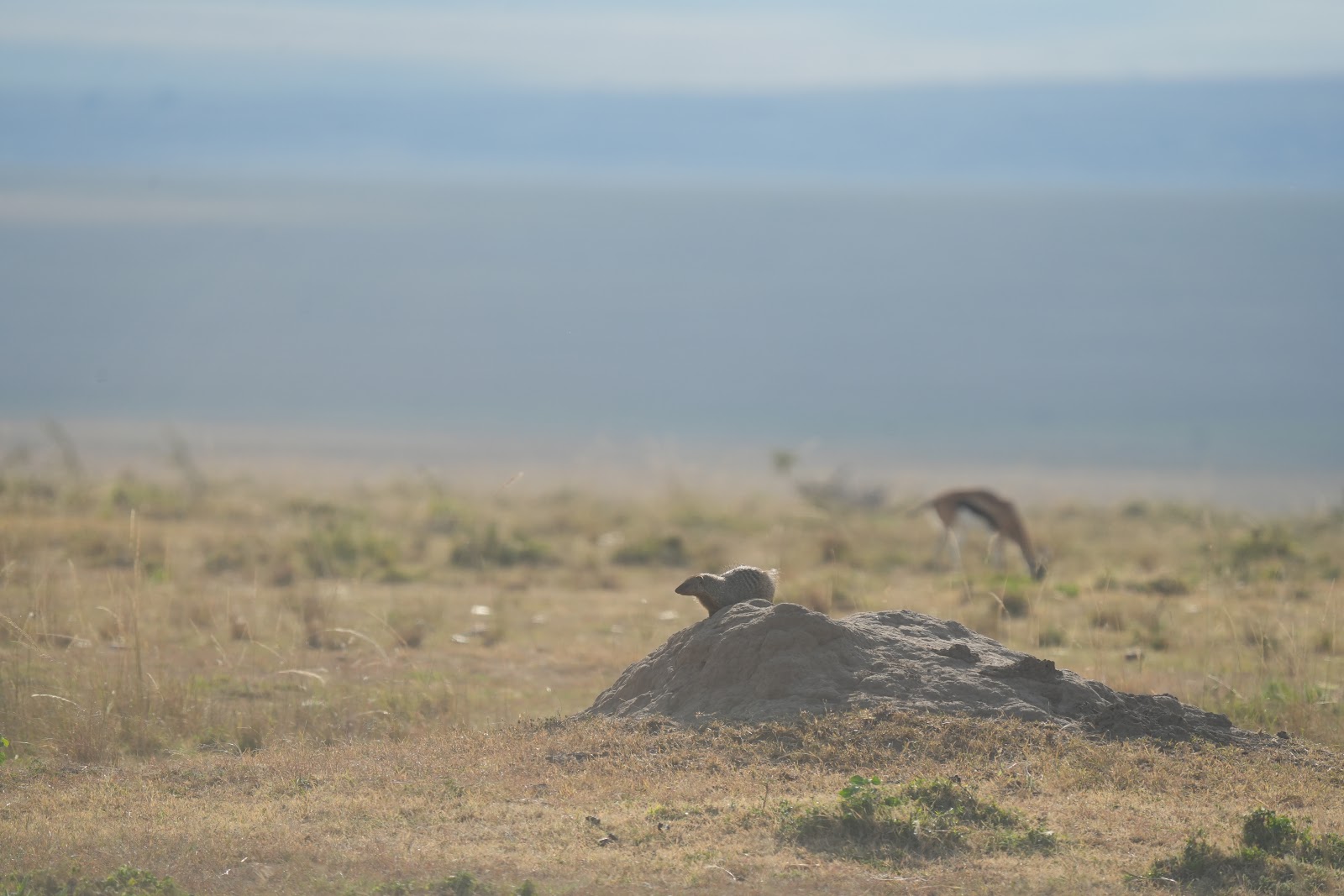
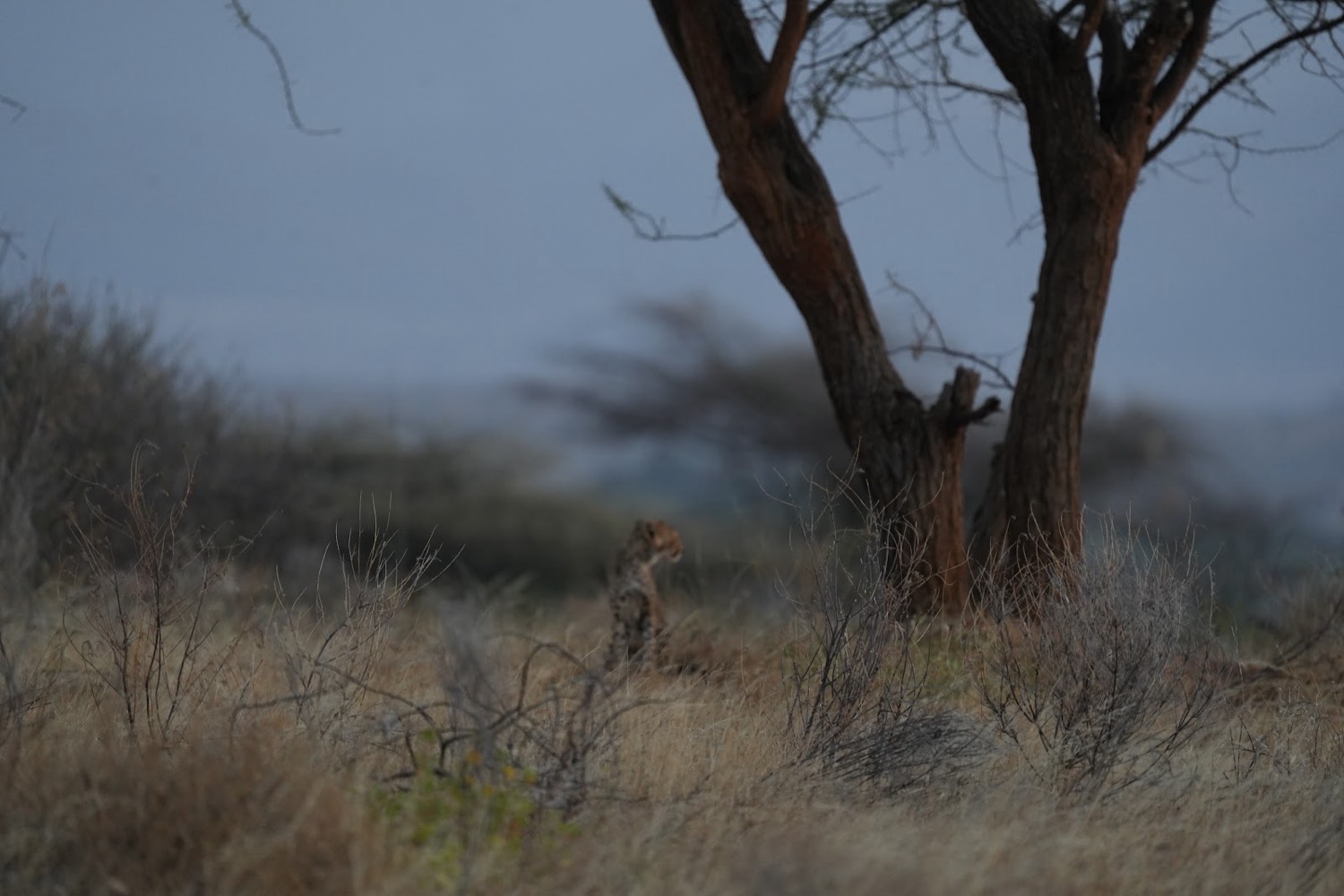
We booked our September 2023 group into Rekero Camp in Olare Motorogi specifically because our guide Jackson Looseyia had flagged a coalition of four cheetah brothers working the conservancy's eastern drainage. We found them on the second morning, spread across a termite mound watching a Thomson's gazelle herd, zero other vehicles. That kind of sighting is structurally difficult inside the main reserve at peak season, no matter how good your guide is.
How Do You Choose Between Mid-Range and Conservancy Camps for This Route?
Budget is the obvious filter, but it's not the only one. If you're travelling in January or February, when the reserve is quieter and the short rains have passed, the National Reserve gives strong value and the conservancy premium is harder to justify. July through October is different. During migration season the reserve roads around the Mara River crossing points, particularly Lookout Hill and Bila Shaka, fill up fast. The conservancy becomes worth the extra spend.
For mid-range clients we book Entim Mara Camp inside the reserve. The guiding team is solid, the location gives good access to the Talek River circuit, and the lion prides around the camp boundary are reliably active. Step up to Rekero or Cottar's 1920s Camp in Ol Kinyei and you're gaining the conservancy rules, night drives, and a noticeable drop in vehicle pressure at every sighting.
What Does the Day-by-Day Itinerary Actually Look Like?
Day 1: Arrive Nairobi. Land at JKIA, transfer to a hotel near Wilson Airport. We use Eka Hotel or Ole Sereni depending on group preference. Your guide runs a 30-minute briefing covering game-drive protocol, luggage limits for the light aircraft (15 kg in a soft bag, no exceptions), and the specific terrain you'll encounter at each park.
Days 2-5: Masai Mara, four nights. Fly from Wilson Airport to Ol Kiombo or Keekorok airstrip, roughly 45 minutes and around USD 190-220 one way on scheduled services such as Air Kenya or SafariLink. Four full game-drive days. Day 2 is an afternoon drive from the airstrip, which is when some groups catch their first lion sighting within an hour of landing. Day 5, a final morning drive before the transfer back.
One thing worth planning before you arrive: balloon flights over the Mara (USD 450-550 per person) sell out weeks ahead during peak migration. If you want it, book it the moment you confirm your dates. The pre-dawn drive to the launch site through the sleeping grassland is half the experience, and the light at 300 metres over the Mara River at first sun is something that does not translate in photographs.
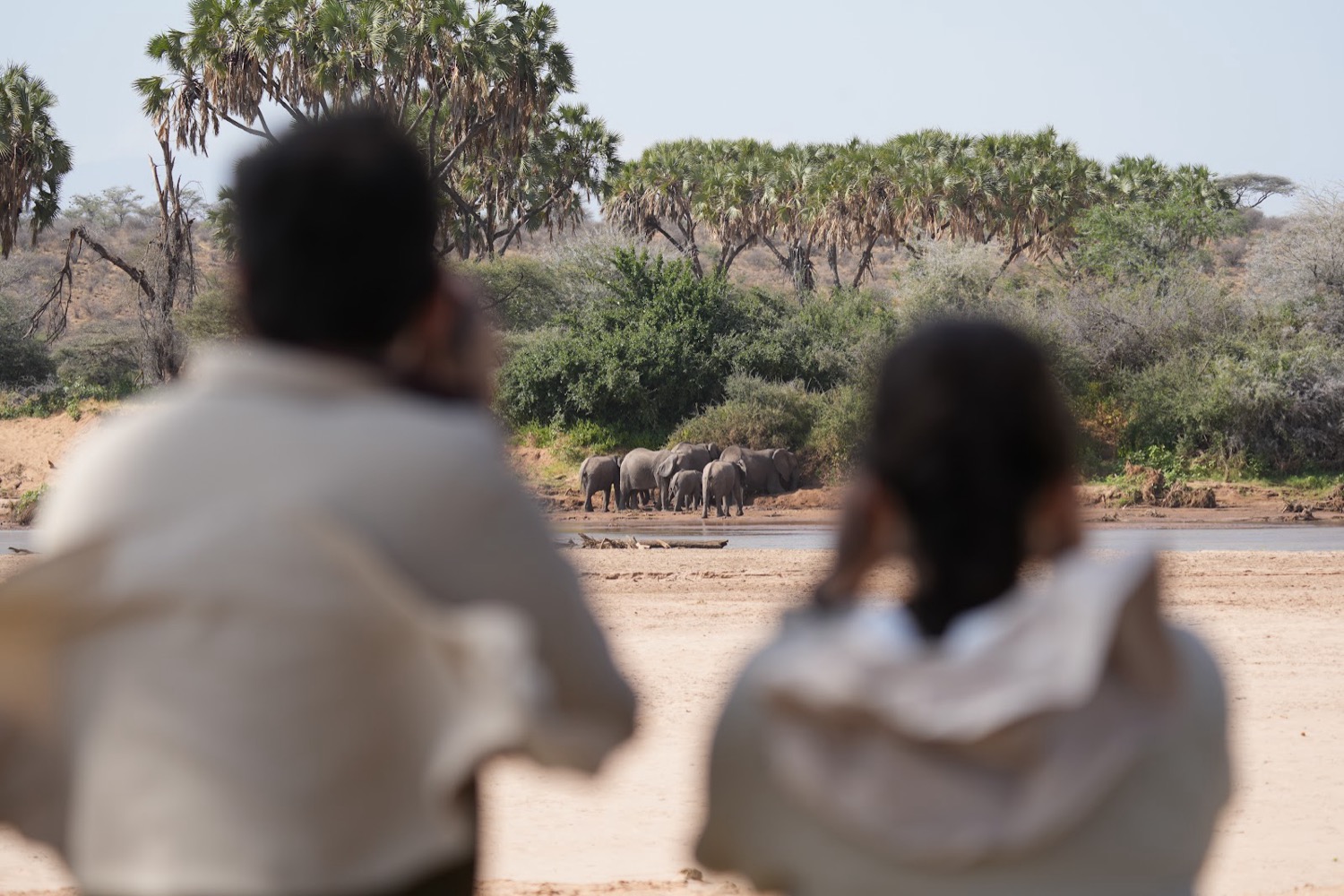
Days 6-8: Amboseli National Park, three nights. Fly Mara to Amboseli via Nairobi Wilson, around 60-90 minutes total and USD 280-350 per person on scheduled routing. Tortilis Camp sits on a private conservancy bordering the park's northern boundary; the tents face Kilimanjaro directly and the mountain is clearest in the early morning before cloud builds. Amboseli's elephant population numbers over 1,500 individuals, one of the highest-density concentrations in East Africa. The Enkongo Narok swamp draws the big family groups every afternoon, and the old tuskers, bulls with ivory reaching close to the ground, patrol the southern marshes around Longinye.
Three game drives a day works here because the park covers only 392 km². Amboseli rewards slow driving. Sit with one elephant family for forty minutes and you'll watch social dynamics, calf play, and maternal behaviour that a fast circuit misses entirely.
Day 9: Return to Nairobi. Morning flight to JKIA. The David Sheldrick Wildlife Trust elephant orphanage runs visits at 11am daily and is 30 minutes from the airport. It pairs well with the elephant sightings you've just had in Amboseli, giving you a completely different perspective on the same animal.
Day 10: International departure. Early transfer to JKIA.
How Much Does a 10-Day Kenya Safari Actually Cost, Line by Line?
| Category | Per person (double) | What's included |
|---|---|---|
| Mid-range tented camps | 2,800-3,800 EUR | Full board, game drives, park fees, internal flights |
| Upper mid / conservancy access | 3,800-4,800 EUR | Above, plus conservancy fees, night drives, premium locations |
| Luxury / private conservancy | 4,800-5,500 EUR+ | All-inclusive, private vehicle, exclusive conservancy access |
International flights are separate. Barcelona to Nairobi return runs 550-900 EUR with Ethiopian Airlines or Kenya Airways depending on the season and how far ahead you book. Add USD 30 for the Kenya ETA and 80-120 EUR for travel insurance. Tips: USD 10-15 per person per day for your guide, USD 5-8 per day for camp staff.
Park fees deserve a closer look. The Masai Mara National Reserve charges USD 200 per person per day at peak season. The conservancies charge USD 70-120 per day but that buys you night drives and off-road access that the reserve cannot offer. If you're on a tighter budget and travelling in low season, the reserve is fine. During July to October, the conservancy fee pays for itself in sighting quality within the first morning.
What Wildlife Should You Realistically Expect at Each Stop?
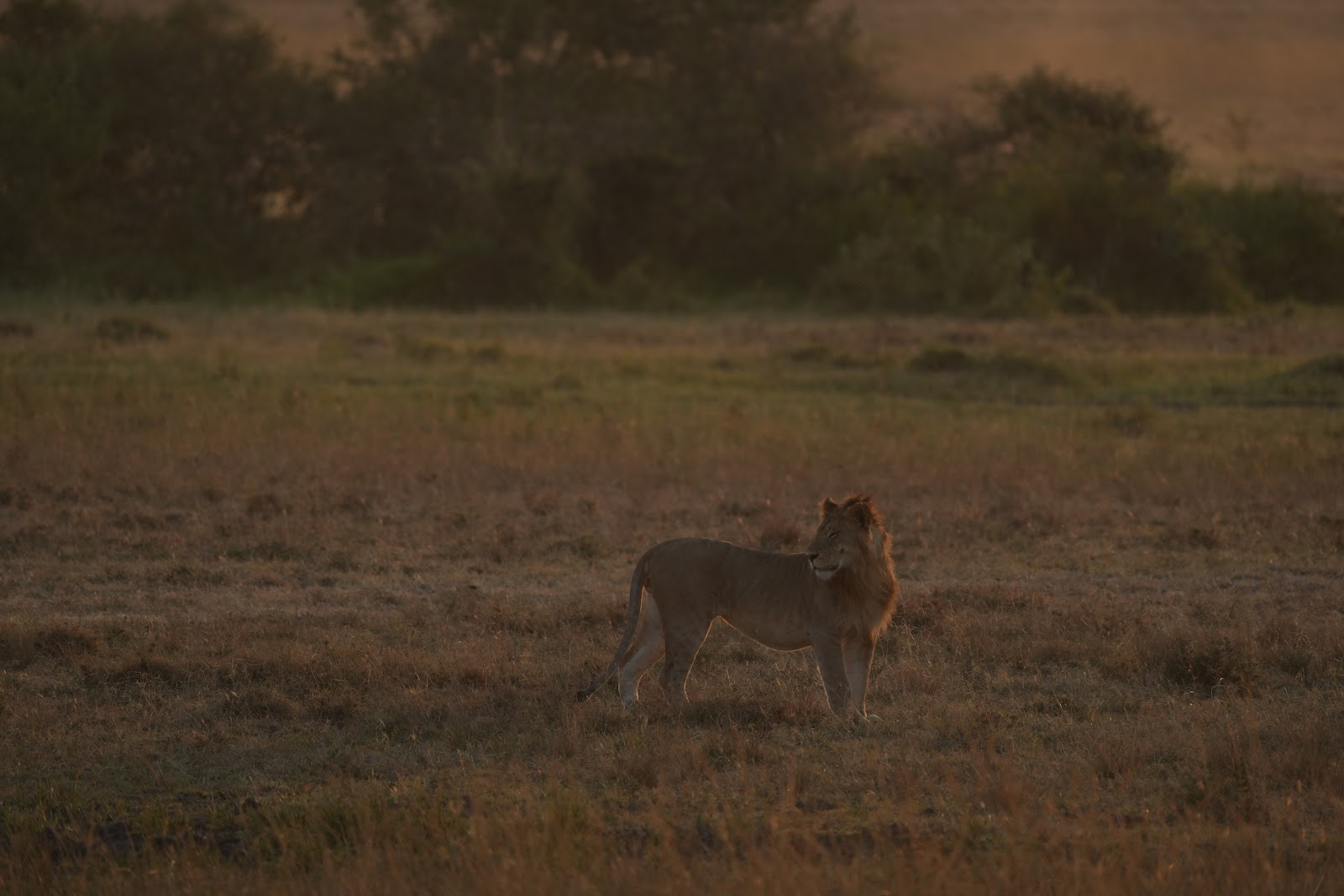
The Mara's lion prides are large and well-studied. The Marsh Pride around Bila Shaka has been monitored for decades and is generally findable. Cheetah sightings depend heavily on which part of the ecosystem you're in: Olare Motorogi and Mara North consistently outperform the main reserve for cheetah because vehicle pressure doesn't scatter them. Leopard takes patience. The Talek River drainage and the fig tree corridors near Governor's Camp produce regular sightings, but never on a schedule.
Amboseli is a different kind of watching. You're not scanning for movement across an open plain; you're sitting with animals that are largely habituated to vehicles and observing family structures up close. The bull elephants around Longinye marsh are some of the most photographed in Africa, and for good reason: tusks of 40-50 kg on an animal that walks within ten metres of your vehicle is an encounter that recalibrates your sense of scale. Bird life is exceptional too, with pelicans, herons and African fish eagles working the Enkongo Narok swamp throughout the day.
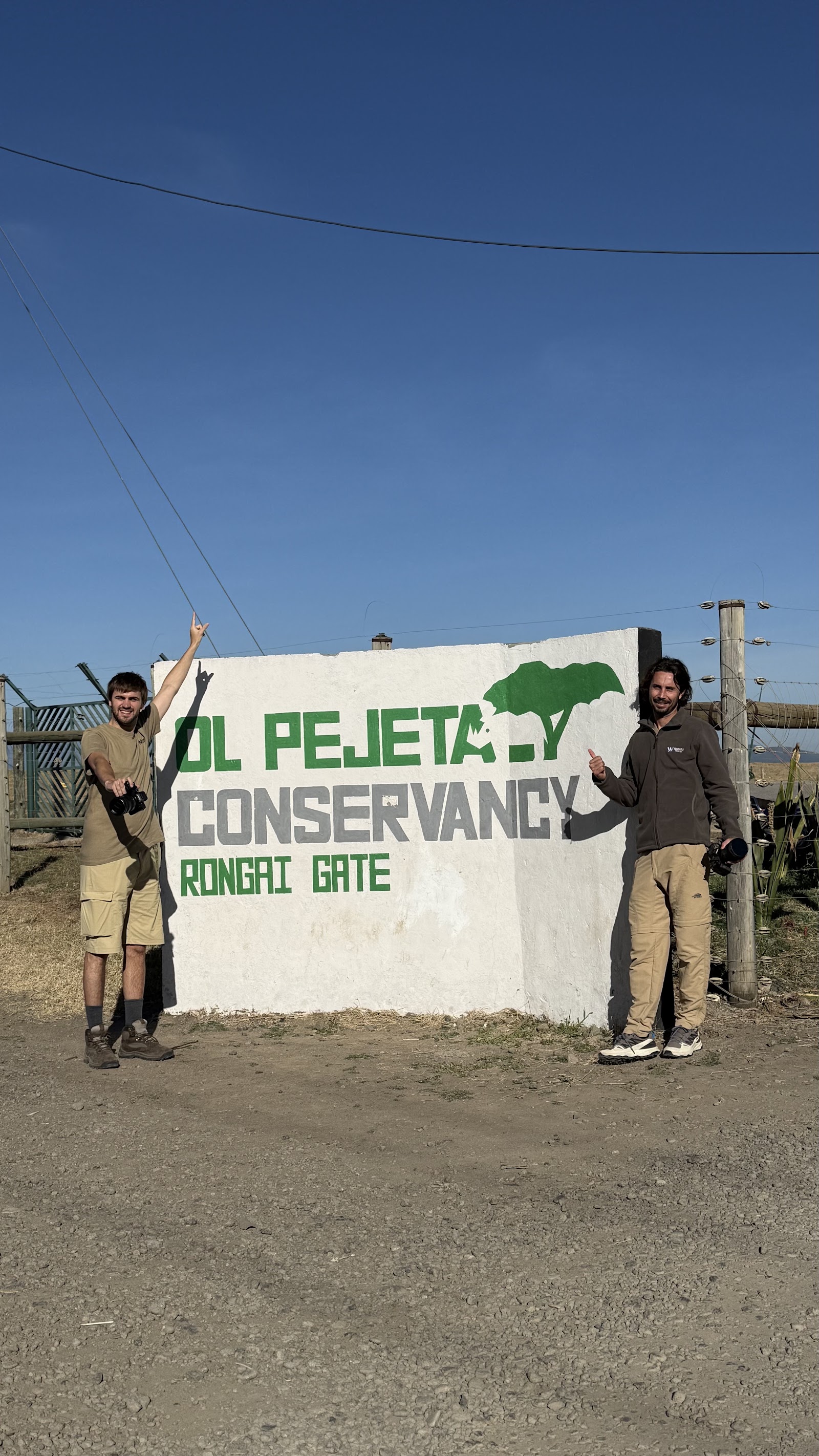
Rhino is an honest zero on this route. Neither Masai Mara nor Amboseli holds a meaningful rhino population. If rhino tracking matters to you, Ol Pejeta Conservancy in Laikipia fits into a 12 or 13-day version of this trip, adding two nights between the Mara and Nairobi out.
How Do You Get from Masai Mara to Amboseli Without Losing a Full Day?
The road distance is around 350 km but routes through Nairobi, so a drive means spending most of a day in a vehicle and arriving at Amboseli in the late afternoon. We always book the flight. Scheduled services via Nairobi Wilson take 60-90 minutes and cost USD 280-350 per person. A direct charter is faster but adds USD 200-400 per person depending on group size. The only reason to drive is if a client specifically wants the Narok market stop on the way out of the Mara, and even then we build a full day around it.
Do You Need a Yellow Fever Certificate to Enter Kenya?
Kenya requires proof of yellow fever vaccination only if you're arriving directly from a country on the endemic list. Travellers flying from Spain do not trigger that requirement on this routing. We still recommend the vaccination if your itinerary includes any stops in Central or West Africa before Kenya, or if you plan to extend your trip to Uganda or the DRC after. Check current entry requirements on the Kenya Ministry of Health website before you travel.
Got dates in mind? Send us a message on WhatsApp and we'll come back within 24 hours with a tailored quote showing real camp availability for your window, conservancy or reserve depending on your budget.
10-Day Kenya Safari: Conservancy Logistics, Real Sightings and the Order That Works
Ten days splits cleanly into four nights in Masai Mara and three in Amboseli, with Nairobi bookending both ends. That structure gives you the Mara's predator density and, if timing is right, the river crossings, before Amboseli slows everything down to elephants and Kilimanjaro light. Prices run from 2,800 EUR per person at mid-range tented camps to around 5,500 EUR in private conservancy lodges, internal flights included.
| Quick Facts | |
|---|---|
| Best months | July-October (Great Migration crossings), January-February (dry, fewer vehicles) |
| Price range | 2,800-5,500 EUR per person, double occupancy |
| Closest airports | Nairobi JKIA (NBO) international; Wilson Airport for light aircraft |
| Visa | Kenya ETA required before travel, apply at etakenya.go.ke, approx. USD 30 |
| Park fees | Masai Mara Reserve: up to USD 200/day peak; conservancies: USD 70-120/day |
| Internal transport | Light aircraft recommended; private 4WD as alternative |
| Duration | 10 days / 9 nights: 1 Nairobi in, 4 Mara, 3 Amboseli, 1 Nairobi out |
What Is the Real Difference Between the Masai Mara Reserve and a Private Conservancy?
This question drives most of the budget decisions on this itinerary, and the answer has practical consequences that go beyond price. The Masai Mara National Reserve is managed by Narok County in partnership with Kenya Wildlife Service and imposes no limit on how many vehicles can gather at a sighting. A lone cheetah with cubs in peak July can attract fifteen Land Cruisers within twenty minutes. Private conservancies on the northern and western boundaries, such as Olare Motorogi, Mara North and Naboisho, cap vehicle numbers per sighting at four or five, allow night drives, permit off-road tracking, and charge USD 70-120 per person per day on top of your accommodation.
We booked our September 2023 group into Rekero Camp in Olare Motorogi specifically because our guide Jackson Looseyia had flagged a coalition of four cheetah brothers working the conservancy's eastern drainage. We found them on the second morning, spread across a termite mound watching a Thomson's gazelle herd, zero other vehicles. That kind of sighting is structurally difficult inside the main reserve at peak season, no matter how good your guide is.
How Do You Choose Between Mid-Range and Conservancy Camps for This Route?
Budget is the obvious filter, but it's not the only one. If you're travelling in January or February, when the reserve is quieter and the short rains have passed, the National Reserve gives strong value and the conservancy premium is harder to justify. July through October is different. During migration season the reserve roads around the Mara River crossing points, particularly Lookout Hill and Bila Shaka, fill up fast. The conservancy becomes worth the extra spend.
For mid-range clients we book Entim Mara Camp inside the reserve. The guiding team is solid, the location gives good access to the Talek River circuit, and the lion prides around the camp boundary are reliably active. Step up to Rekero or Cottar's 1920s Camp in Ol Kinyei and you're gaining the conservancy rules, night drives, and a noticeable drop in vehicle pressure at every sighting.
What Does the Day-by-Day Itinerary Actually Look Like?
Day 1: Arrive Nairobi. Land at JKIA, transfer to a hotel near Wilson Airport. We use Eka Hotel or Ole Sereni depending on group preference. Your guide runs a 30-minute briefing covering game-drive protocol, luggage limits for the light aircraft (15 kg in a soft bag, no exceptions), and the specific terrain you'll encounter at each park.
Days 2-5: Masai Mara, four nights. Fly from Wilson Airport to Ol Kiombo or Keekorok airstrip, roughly 45 minutes and around USD 190-220 one way on scheduled services such as Air Kenya or SafariLink. Four full game-drive days. Day 2 is an afternoon drive from the airstrip, which is when some groups catch their first lion sighting within an hour of landing. Day 5, a final morning drive before the transfer back.
One thing worth planning before you arrive: balloon flights over the Mara (USD 450-550 per person) sell out weeks ahead during peak migration. If you want it, book it the moment you confirm your dates. The pre-dawn drive to the launch site through the sleeping grassland is half the experience, and the light at 300 metres over the Mara River at first sun is something that does not translate in photographs.
Days 6-8: Amboseli National Park, three nights. Fly Mara to Amboseli via Nairobi Wilson, around 60-90 minutes total and USD 280-350 per person on scheduled routing. Tortilis Camp sits on a private conservancy bordering the park's northern boundary; the tents face Kilimanjaro directly and the mountain is clearest in the early morning before cloud builds. Amboseli's elephant population numbers over 1,500 individuals, one of the highest-density concentrations in East Africa. The Enkongo Narok swamp draws the big family groups every afternoon, and the old tuskers, bulls with ivory reaching close to the ground, patrol the southern marshes around Longinye.
Three game drives a day works here because the park covers only 392 km². Amboseli rewards slow driving. Sit with one elephant family for forty minutes and you'll watch social dynamics, calf play, and maternal behaviour that a fast circuit misses entirely.
Day 9: Return to Nairobi. Morning flight to JKIA. The David Sheldrick Wildlife Trust elephant orphanage runs visits at 11am daily and is 30 minutes from the airport. It pairs well with the elephant sightings you've just had in Amboseli, giving you a completely different perspective on the same animal.
Day 10: International departure. Early transfer to JKIA.
How Much Does a 10-Day Kenya Safari Actually Cost, Line by Line?
| Category | Per person (double) | What's included |
|---|---|---|
| Mid-range tented camps | 2,800-3,800 EUR | Full board, game drives, park fees, internal flights |
| Upper mid / conservancy access | 3,800-4,800 EUR | Above, plus conservancy fees, night drives, premium locations |
| Luxury / private conservancy | 4,800-5,500 EUR+ | All-inclusive, private vehicle, exclusive conservancy access |
International flights are separate. Barcelona to Nairobi return runs 550-900 EUR with Ethiopian Airlines or Kenya Airways depending on the season and how far ahead you book. Add USD 30 for the Kenya ETA and 80-120 EUR for travel insurance. Tips: USD 10-15 per person per day for your guide, USD 5-8 per day for camp staff.
Park fees deserve a closer look. The Masai Mara National Reserve charges USD 200 per person per day at peak season. The conservancies charge USD 70-120 per day but that buys you night drives and off-road access that the reserve cannot offer. If you're on a tighter budget and travelling in low season, the reserve is fine. During July to October, the conservancy fee pays for itself in sighting quality within the first morning.
What Wildlife Should You Realistically Expect at Each Stop?
The Mara's lion prides are large and well-studied. The Marsh Pride around Bila Shaka has been monitored for decades and is generally findable. Cheetah sightings depend heavily on which part of the ecosystem you're in: Olare Motorogi and Mara North consistently outperform the main reserve for cheetah because vehicle pressure doesn't scatter them. Leopard takes patience. The Talek River drainage and the fig tree corridors near Governor's Camp produce regular sightings, but never on a schedule.
Amboseli is a different kind of watching. You're not scanning for movement across an open plain; you're sitting with animals that are largely habituated to vehicles and observing family structures up close. The bull elephants around Longinye marsh are some of the most photographed in Africa, and for good reason: tusks of 40-50 kg on an animal that walks within ten metres of your vehicle is an encounter that recalibrates your sense of scale. Bird life is exceptional too, with pelicans, herons and African fish eagles working the Enkongo Narok swamp throughout the day.
Rhino is an honest zero on this route. Neither Masai Mara nor Amboseli holds a meaningful rhino population. If rhino tracking matters to you, Ol Pejeta Conservancy in Laikipia fits into a 12 or 13-day version of this trip, adding two nights between the Mara and Nairobi out.
How Do You Get from Masai Mara to Amboseli Without Losing a Full Day?
The road distance is around 350 km but routes through Nairobi, so a drive means spending most of a day in a vehicle and arriving at Amboseli in the late afternoon. We always book the flight. Scheduled services via Nairobi Wilson take 60-90 minutes and cost USD 280-350 per person. A direct charter is faster but adds USD 200-400 per person depending on group size. The only reason to drive is if a client specifically wants the Narok market stop on the way out of the Mara, and even then we build a full day around it.
Do You Need a Yellow Fever Certificate to Enter Kenya?
Kenya requires proof of yellow fever vaccination only if you're arriving directly from a country on the endemic list. Travellers flying from Spain do not trigger that requirement on this routing. We still recommend the vaccination if your itinerary includes any stops in Central or West Africa before Kenya, or if you plan to extend your trip to Uganda or the DRC after. Check current entry requirements on the Kenya Ministry of Health website before you travel.
Got dates in mind? Send us a message on WhatsApp and we'll come back within 24 hours with a tailored quote showing real camp availability for your window, conservancy or reserve depending on your budget.




.png)