





What to See on a South Africa Safari in 2027
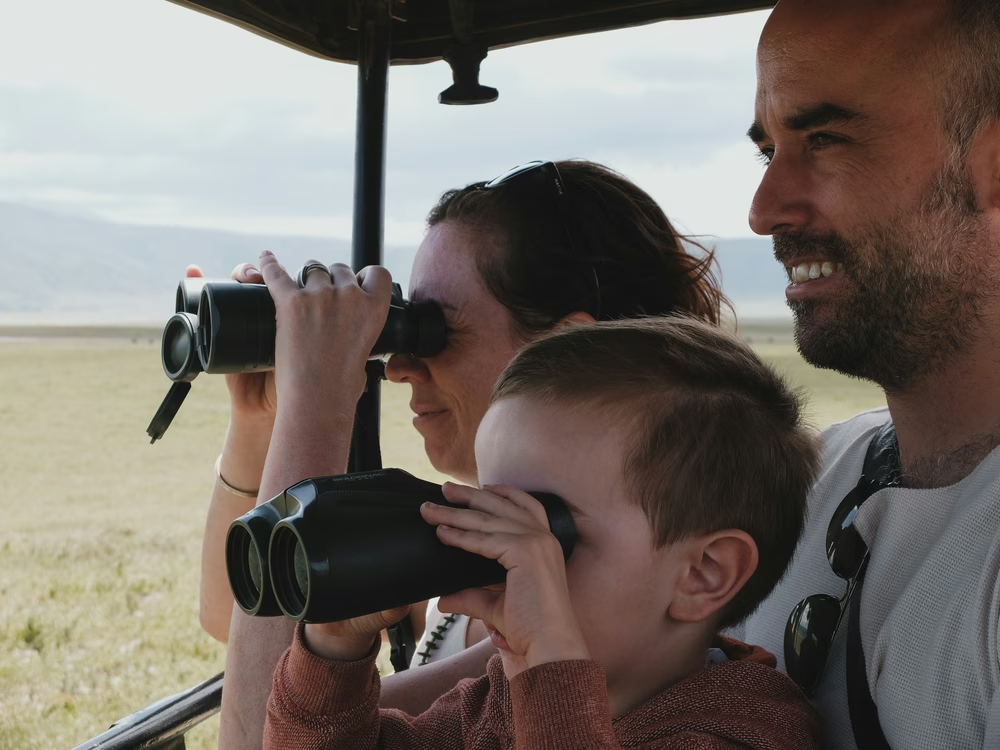
In May 2027, our vehicle broke down on the S100 loop inside Kruger, about four kilometres south of Tshokwane picnic site. While the driver radioed for help, a female leopard walked out of the riverine bush not fifteen metres away, glanced at us with spectacular indifference, and disappeared. We sat there for forty minutes waiting for the recovery truck. Nobody complained once.
| Best time to visit | May to September (dry season); late April and late August for the sweet spot |
| Top parks | Kruger, Sabi Sand, Pilanesberg, Addo Elephant, iSimangaliso |
| Malaria-free options | Pilanesberg and Addo Elephant National Park |
| Self-drive viability | Yes, Kruger has tar and gravel roads accessible by standard hire car |
| Big Five reliability | 5 to 7 nights gives a strong chance of seeing all five species |
| Green season savings | Lodge prices drop 30 to 40% from November through March |
| iSimangaliso whale sharks | Snorkelling season runs November through April |
That story captures something real about South Africa: the best moments rarely arrive on schedule. But before we romanticise the whole thing, let's be honest about what you're actually getting into, including the parts that guidebooks tend to skip.
What Animals Can You See on a South Africa Safari?
The Big Five, lion, leopard, elephant, rhino, and buffalo, are the headline act, and South Africa remains one of the most reliable countries on the continent for seeing all five within a single itinerary. Kruger National Park is the obvious anchor. It holds around 2,000 lions, 17,000 elephants, and the continent's densest leopard population. We've had mornings in the south, around Lower Sabie and Skukuza, with three different leopard sightings before 9am.
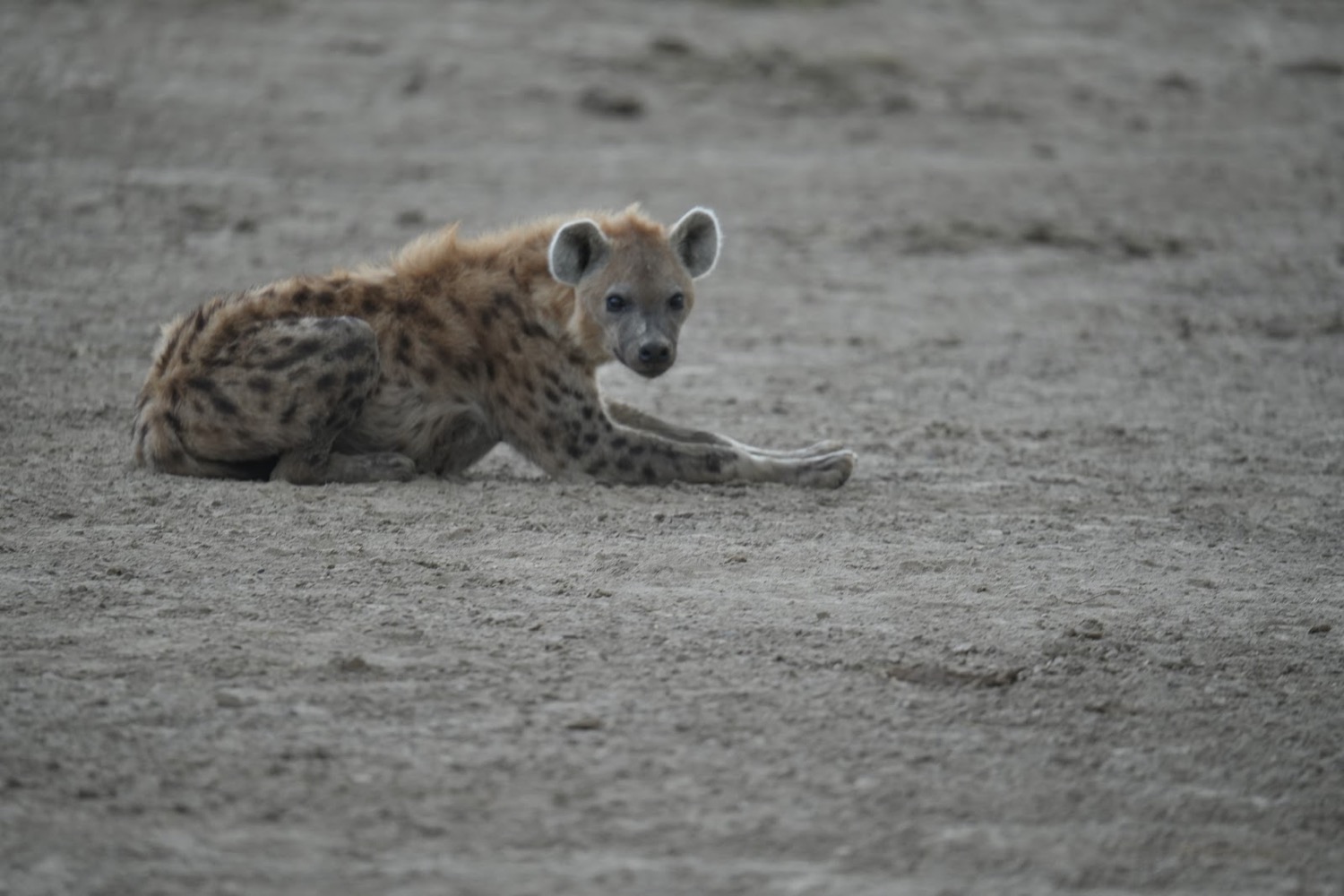
Beyond those, the diversity is genuinely striking: wild dogs (more consistently seen here than in Tanzania or Kenya's main circuits), cheetah, spotted hyena, giraffe, zebra, wildebeest, kudu, nyala. Kruger alone holds over 500 bird species. Birders regularly lose entire mornings to hornbills, fish eagles, and lilac-breasted rollers without feeling remotely cheated.
And then there's iSimangaliso on the KwaZulu-Natal coast, hippos, crocodiles, whale sharks, humpback whales, and leatherback turtles all within a few kilometres of each other. It's the kind of place that makes you reconsider the word 'safari' entirely.
South Africa vs East Africa: Which Safari Is Right for You?
This question comes up on almost every call we take, and it deserves a straight answer rather than diplomatic hedging.
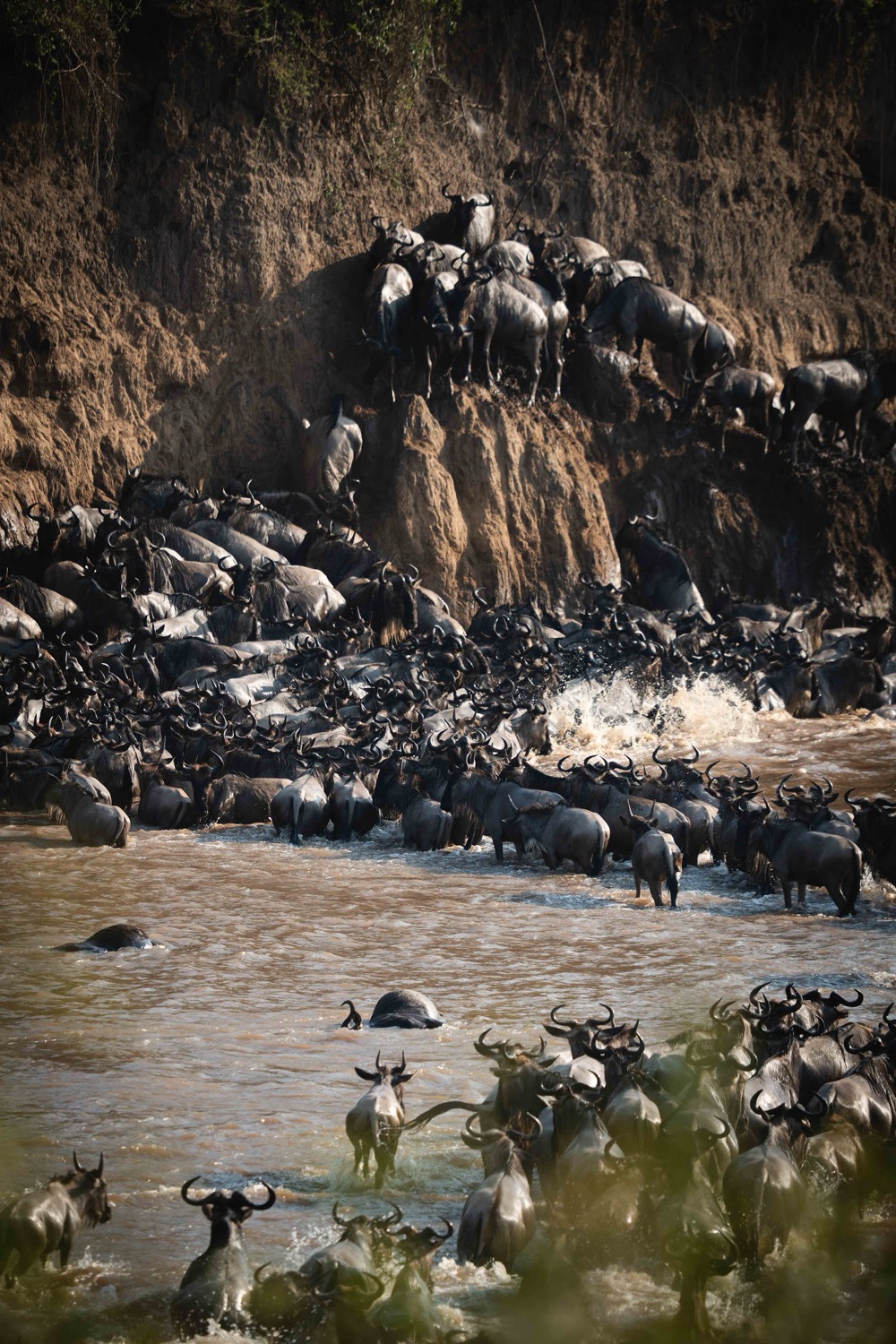
If the wildebeest migration is your primary goal, South Africa isn't the right destination, that's Kenya's Masai Mara and Tanzania's Serengeti, full stop. The sheer volume of plains game during a peak Serengeti crossing is something Kruger doesn't replicate. Uganda is unmatched for primates, gorilla trekking in Bwindi is a category of its own.
Where South Africa wins is breadth, accessibility, and value at the entry level. Self-drive is genuinely viable here in a way it isn't in the Serengeti or Masai Mara. You can combine a three-night private lodge with two nights in a guesthouse in Cape Town, add the Garden Route, and build a trip that works for mixed groups, some safari-obsessed, some not. East Africa demands more commitment to the bush. South Africa rewards those who want the bush and everything else.
Malaria-free options also make South Africa the stronger choice for families with young children, Pilanesberg and Addo Elephant National Park both offer the Big Five without the prophylaxis conversation.
Which Parks Should You Visit?
Kruger National Park, and Its Honest Limitations
The cornerstone of any South Africa wildlife trip, yes. But let's name the frustrations too. The H1-4 tarmac corridor between Skukuza and Lower Sabie is genuinely overcrowded during South African school holidays (late June to mid-July, and December). You will sit in traffic behind seventeen other vehicles watching a lion sleep. Some self-drive visitors play music from their cars, a detail that no amount of wilderness atmosphere can fully overcome. The entrance gate queues at Paul Kruger Gate on peak mornings can swallow ninety minutes.
The fix is simple: go early April or late August. Stay in the northern camps, Shingwedzi, Mopani, where the crowds thin dramatically and the baobab landscape has a different quality entirely. Or move to the private concessions.
The private reserves bordering Kruger (Sabi Sand, Timbavati, Klaserie) share an unfenced boundary with the park, which means the animals roam freely across. Night drives and off-road tracking are permitted here. A mid-range lodge in Sabi Sand runs roughly $500–900 per person per night, all-inclusive with two daily drives. It's not cheap, but compared to the equivalent in Tanzania's private conservancies, the value is strong.
Pilanesberg National Park
About two hours from Johannesburg, sitting inside an ancient volcanic crater. Malaria-free, all five of the Big Five present, and compact enough that you can cover meaningful ground in a single afternoon drive. We often recommend it as a confidence-builder for first-time self-drive visitors before they tackle Kruger's scale. The crater rim at sunrise looks like something that should be on a poster, but isn't, which is partly why we like it.
Addo Elephant National Park
Over 600 elephants in the main section of the Eastern Cape park. Malaria-free. Black rhino present and, with patience and a good guide, findable. It pairs naturally with a Garden Route road trip and doesn't feel like a compromise. Several clients have told us afterward that Addo was the highlight of the trip, which surprises them every time.
iSimangaliso Wetland Park
A UNESCO World Heritage Site on the KwaZulu-Natal coast that combines ecosystems in a way that shouldn't quite work but does. Snorkelling with whale sharks between November and April. Hippo-watching from motorboats at dusk. Leatherback turtle nesting on beaches between November and February. If you're routing through Durban, it's two hours north and entirely worth the detour, or as a standalone destination if marine wildlife is your thing.
When Is the Best Time to Go on Safari in South Africa?
May through September is the dry season, and for game viewing it's the clear winner. Vegetation retreats, water sources concentrate animals at predictable points, and visibility in the bush is excellent. July and August are peak months in Kruger, and peak crowd months too. Bring layers for the open vehicles; we sat in Timbavati at 6am in August in everything we'd packed and still wished for more.
The green season (November through March) is genuinely underrated. Lodge prices drop 30–40% at many properties. Migratory birds arrive in force. The bush turns a lush, almost tropical green after the first rains, and the light during afternoon thunderstorms is the kind that makes photographers forget they're being rained on. Spotting is harder, the vegetation hides animals effectively, but it's not impossible, and on a Watatu itinerary we've had exceptional wild dog sightings in December specifically because the long grass pushed them onto the roads.
What Is the Best Way to Do a Safari in South Africa?
Self-drive through Kruger is the entry point for most independent travellers, and for good reason. The tar and gravel road network inside the park handles a standard hire car without drama. You set your pace, stop for as long as you like at a sighting, and there is real satisfaction in rounding a bend and finding a breeding herd of elephants blocking the road with zero other tourists around, which does still happen, particularly in the north.
Private lodge safaris offer guided tracking expertise, night drives, bush walks, and a depth of ecological understanding that self-drive rarely matches. Our most common itinerary structure: two nights self-driving in Kruger public camps, then transfer to three nights in a Sabi Sand or Timbavati lodge. The contrast between the two experiences is itself interesting, stripped-back independence followed by total immersion.
Can You See the Big Five in One Trip?
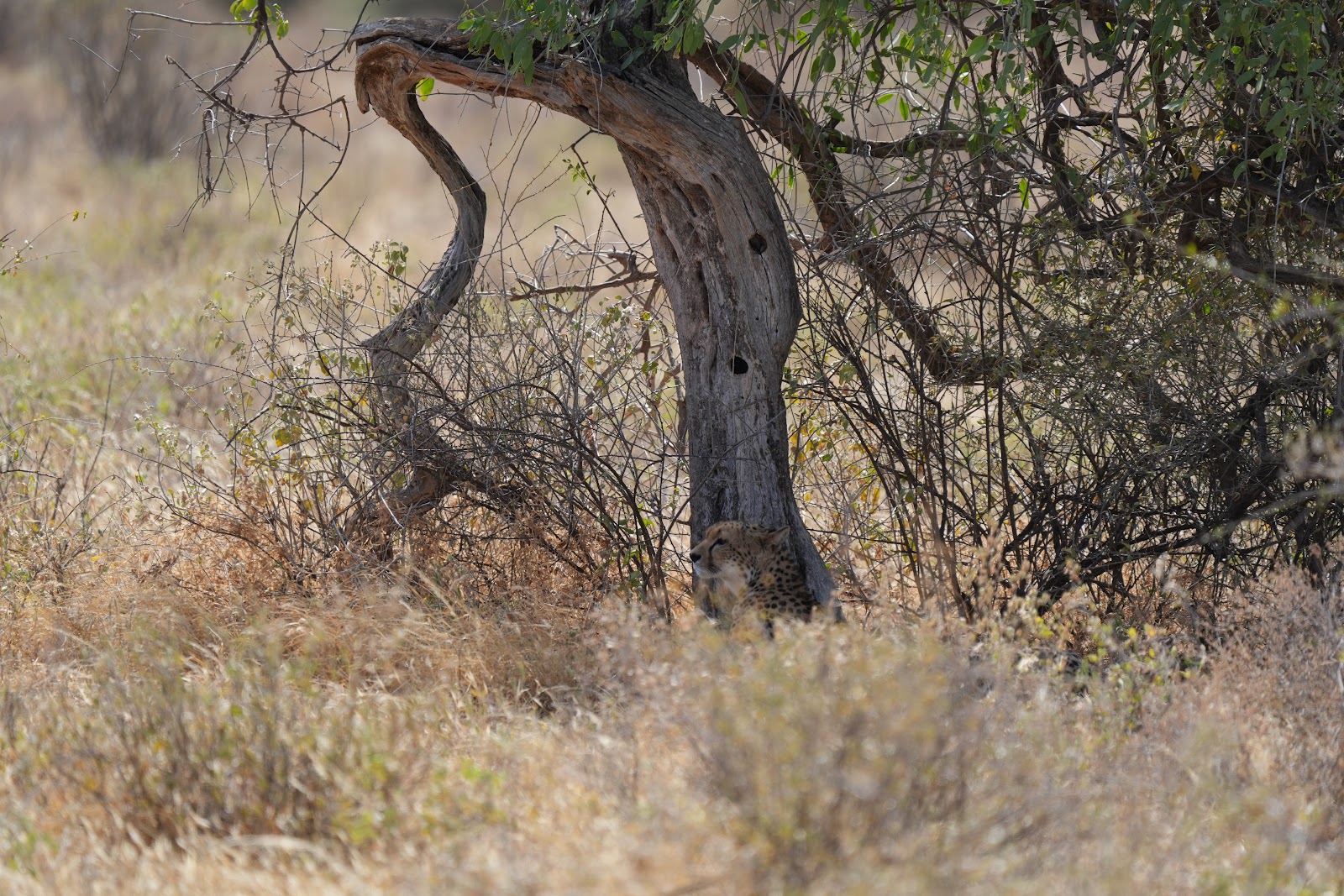
Yes, and more reliably than in most East African destinations. Five to seven nights across Kruger gives you a strong statistical chance of all five. Leopard and rhino require the most patience, white rhino are actually quite findable near waterholes, but black rhino involve genuine luck. In Sabi Sand, leopard sightings are nearly daily events; the guides know individual animals by name, which changes the experience considerably.
What Else Is Worth Seeing Beyond the Parks?
The Garden Route between George and Storms River is beautiful driving country: Tsitsikamma's forest elephants, whale watching at Hermanus from June through November (southern right whales, no boat required, from the clifftops), and the Bloukrans bungee if you need to explain the scar to someone later. Cape Town adds Boulders Beach penguin colony and great white shark cage diving near Gansbaai. South Africa is one of the few destinations where a game drive and a world-class restaurant happen on the same calendar day.
Practical Things Worth Knowing
- Malaria: Kruger and iSimangaliso fall in malaria zones. Pilanesberg and Addo do not. Consult your GP or travel clinic at least four weeks before departure about prophylaxis.
- Visa: Most EU, UK, and North American passport holders receive 90 days visa-free on arrival. Check current requirements if travelling on a non-standard passport.
- Currency: South African Rand (ZAR). Around R18–19 per USD in mid-2027. Cards work everywhere except the most remote camp shops.
- Flights: Johannesburg OR Tambo and Cape Town are the two international gateways. Internal flights are cheap, budget R800–1,500 for a Joburg–Hoedspruit leg on FlySafair or Airlink, which puts you at Kruger's doorstep.
- Packing: Neutral colours (khaki, olive, grey), genuine layers for early starts, a headlamp, and binoculars. A 100–400mm zoom covers most wildlife photography needs without attracting stares.
One combination that consistently surprises people: two nights at Pilanesberg directly after landing in Johannesburg to recover from the flight, then a connecting flight to Skukuza for Kruger, ending with two nights at a Sabi Sand lodge before flying home from Hoedspruit or Nelspruit. No Cape Town. It sounds counterintuitive to skip Cape Town on a first trip, but the focused wildlife itinerary leaves people wanting to return, which is honestly the best outcome a safari can have.
Frequently Asked Questions
What animals can you see on a South Africa safari?
The Big Five (lion, leopard, elephant, rhino, buffalo), wild dog, cheetah, giraffe, hippo, crocodile, hyena, zebra, and over 500 bird species in Kruger alone. iSimangaliso adds whale sharks and nesting sea turtles. For wild dog sightings specifically, ask your operator to prioritise Limpopo-facing areas in Kruger or reserves like Klaserie, where packs have established territories.
What is the best park for a South Africa safari?
Kruger for species richness and self-drive flexibility. Sabi Sand private reserve for the best leopard sightings on the continent. Pilanesberg or Addo for families who need a malaria-free environment, both have reputable day-visitor options if you're not staying overnight. Book Kruger public camps via SANParks directly; they sell out months ahead for peak school-holiday dates.
When is the best time to go on safari in South Africa?
May to September for game viewing, with late April and late August being the sweet spot, drier than the green season, cooler than October, and noticeably less crowded than July peak. If budget is the primary concern, January and February offer the deepest lodge discounts and spectacular birdlife, but accept that thick vegetation will cost you some sightings.
How much does a South Africa safari cost?
Public Kruger rest camps from $50–80 per person per night (book via SANParks.org). Private lodges in Sabi Sand or Timbavati from $500–900+ per person per night all-inclusive. Mid-range Pilanesberg lodges like Bakubung or Black Rhino Game Lodge come in at $150–300 per person per night, solid value for a malaria-free Big Five experience near Johannesburg.
Can you do a self-drive safari in South Africa?
Yes, and Kruger is one of the best-managed self-drive parks in Africa. Tar roads, well-placed rest camps, and reliable mobile signal along main routes make it accessible. That said, self-drive works best outside South African school holidays (late June–mid July, late September–early October, December). During those windows, the popular loops get genuinely congested. A 4WD is not required but gives you access to some excellent gravel loops in the north.
What to See on a South Africa Safari in 2027
In May 2027, our vehicle broke down on the S100 loop inside Kruger, about four kilometres south of Tshokwane picnic site. While the driver radioed for help, a female leopard walked out of the riverine bush not fifteen metres away, glanced at us with spectacular indifference, and disappeared. We sat there for forty minutes waiting for the recovery truck. Nobody complained once.
| Best time to visit | May to September (dry season); late April and late August for the sweet spot |
| Top parks | Kruger, Sabi Sand, Pilanesberg, Addo Elephant, iSimangaliso |
| Malaria-free options | Pilanesberg and Addo Elephant National Park |
| Self-drive viability | Yes, Kruger has tar and gravel roads accessible by standard hire car |
| Big Five reliability | 5 to 7 nights gives a strong chance of seeing all five species |
| Green season savings | Lodge prices drop 30 to 40% from November through March |
| iSimangaliso whale sharks | Snorkelling season runs November through April |
That story captures something real about South Africa: the best moments rarely arrive on schedule. But before we romanticise the whole thing, let's be honest about what you're actually getting into, including the parts that guidebooks tend to skip.
What Animals Can You See on a South Africa Safari?
The Big Five, lion, leopard, elephant, rhino, and buffalo, are the headline act, and South Africa remains one of the most reliable countries on the continent for seeing all five within a single itinerary. Kruger National Park is the obvious anchor. It holds around 2,000 lions, 17,000 elephants, and the continent's densest leopard population. We've had mornings in the south, around Lower Sabie and Skukuza, with three different leopard sightings before 9am.
Beyond those, the diversity is genuinely striking: wild dogs (more consistently seen here than in Tanzania or Kenya's main circuits), cheetah, spotted hyena, giraffe, zebra, wildebeest, kudu, nyala. Kruger alone holds over 500 bird species. Birders regularly lose entire mornings to hornbills, fish eagles, and lilac-breasted rollers without feeling remotely cheated.
And then there's iSimangaliso on the KwaZulu-Natal coast, hippos, crocodiles, whale sharks, humpback whales, and leatherback turtles all within a few kilometres of each other. It's the kind of place that makes you reconsider the word 'safari' entirely.
South Africa vs East Africa: Which Safari Is Right for You?
This question comes up on almost every call we take, and it deserves a straight answer rather than diplomatic hedging.
If the wildebeest migration is your primary goal, South Africa isn't the right destination, that's Kenya's Masai Mara and Tanzania's Serengeti, full stop. The sheer volume of plains game during a peak Serengeti crossing is something Kruger doesn't replicate. Uganda is unmatched for primates, gorilla trekking in Bwindi is a category of its own.
Where South Africa wins is breadth, accessibility, and value at the entry level. Self-drive is genuinely viable here in a way it isn't in the Serengeti or Masai Mara. You can combine a three-night private lodge with two nights in a guesthouse in Cape Town, add the Garden Route, and build a trip that works for mixed groups, some safari-obsessed, some not. East Africa demands more commitment to the bush. South Africa rewards those who want the bush and everything else.
Malaria-free options also make South Africa the stronger choice for families with young children, Pilanesberg and Addo Elephant National Park both offer the Big Five without the prophylaxis conversation.
Which Parks Should You Visit?
Kruger National Park, and Its Honest Limitations
The cornerstone of any South Africa wildlife trip, yes. But let's name the frustrations too. The H1-4 tarmac corridor between Skukuza and Lower Sabie is genuinely overcrowded during South African school holidays (late June to mid-July, and December). You will sit in traffic behind seventeen other vehicles watching a lion sleep. Some self-drive visitors play music from their cars, a detail that no amount of wilderness atmosphere can fully overcome. The entrance gate queues at Paul Kruger Gate on peak mornings can swallow ninety minutes.
The fix is simple: go early April or late August. Stay in the northern camps, Shingwedzi, Mopani, where the crowds thin dramatically and the baobab landscape has a different quality entirely. Or move to the private concessions.
The private reserves bordering Kruger (Sabi Sand, Timbavati, Klaserie) share an unfenced boundary with the park, which means the animals roam freely across. Night drives and off-road tracking are permitted here. A mid-range lodge in Sabi Sand runs roughly $500–900 per person per night, all-inclusive with two daily drives. It's not cheap, but compared to the equivalent in Tanzania's private conservancies, the value is strong.
Pilanesberg National Park
About two hours from Johannesburg, sitting inside an ancient volcanic crater. Malaria-free, all five of the Big Five present, and compact enough that you can cover meaningful ground in a single afternoon drive. We often recommend it as a confidence-builder for first-time self-drive visitors before they tackle Kruger's scale. The crater rim at sunrise looks like something that should be on a poster, but isn't, which is partly why we like it.
Addo Elephant National Park
Over 600 elephants in the main section of the Eastern Cape park. Malaria-free. Black rhino present and, with patience and a good guide, findable. It pairs naturally with a Garden Route road trip and doesn't feel like a compromise. Several clients have told us afterward that Addo was the highlight of the trip, which surprises them every time.
iSimangaliso Wetland Park
A UNESCO World Heritage Site on the KwaZulu-Natal coast that combines ecosystems in a way that shouldn't quite work but does. Snorkelling with whale sharks between November and April. Hippo-watching from motorboats at dusk. Leatherback turtle nesting on beaches between November and February. If you're routing through Durban, it's two hours north and entirely worth the detour, or as a standalone destination if marine wildlife is your thing.
When Is the Best Time to Go on Safari in South Africa?
May through September is the dry season, and for game viewing it's the clear winner. Vegetation retreats, water sources concentrate animals at predictable points, and visibility in the bush is excellent. July and August are peak months in Kruger, and peak crowd months too. Bring layers for the open vehicles; we sat in Timbavati at 6am in August in everything we'd packed and still wished for more.
The green season (November through March) is genuinely underrated. Lodge prices drop 30–40% at many properties. Migratory birds arrive in force. The bush turns a lush, almost tropical green after the first rains, and the light during afternoon thunderstorms is the kind that makes photographers forget they're being rained on. Spotting is harder, the vegetation hides animals effectively, but it's not impossible, and on a Watatu itinerary we've had exceptional wild dog sightings in December specifically because the long grass pushed them onto the roads.
What Is the Best Way to Do a Safari in South Africa?
Self-drive through Kruger is the entry point for most independent travellers, and for good reason. The tar and gravel road network inside the park handles a standard hire car without drama. You set your pace, stop for as long as you like at a sighting, and there is real satisfaction in rounding a bend and finding a breeding herd of elephants blocking the road with zero other tourists around, which does still happen, particularly in the north.
Private lodge safaris offer guided tracking expertise, night drives, bush walks, and a depth of ecological understanding that self-drive rarely matches. Our most common itinerary structure: two nights self-driving in Kruger public camps, then transfer to three nights in a Sabi Sand or Timbavati lodge. The contrast between the two experiences is itself interesting, stripped-back independence followed by total immersion.
Can You See the Big Five in One Trip?
Yes, and more reliably than in most East African destinations. Five to seven nights across Kruger gives you a strong statistical chance of all five. Leopard and rhino require the most patience, white rhino are actually quite findable near waterholes, but black rhino involve genuine luck. In Sabi Sand, leopard sightings are nearly daily events; the guides know individual animals by name, which changes the experience considerably.
What Else Is Worth Seeing Beyond the Parks?
The Garden Route between George and Storms River is beautiful driving country: Tsitsikamma's forest elephants, whale watching at Hermanus from June through November (southern right whales, no boat required, from the clifftops), and the Bloukrans bungee if you need to explain the scar to someone later. Cape Town adds Boulders Beach penguin colony and great white shark cage diving near Gansbaai. South Africa is one of the few destinations where a game drive and a world-class restaurant happen on the same calendar day.
Practical Things Worth Knowing
- Malaria: Kruger and iSimangaliso fall in malaria zones. Pilanesberg and Addo do not. Consult your GP or travel clinic at least four weeks before departure about prophylaxis.
- Visa: Most EU, UK, and North American passport holders receive 90 days visa-free on arrival. Check current requirements if travelling on a non-standard passport.
- Currency: South African Rand (ZAR). Around R18–19 per USD in mid-2027. Cards work everywhere except the most remote camp shops.
- Flights: Johannesburg OR Tambo and Cape Town are the two international gateways. Internal flights are cheap, budget R800–1,500 for a Joburg–Hoedspruit leg on FlySafair or Airlink, which puts you at Kruger's doorstep.
- Packing: Neutral colours (khaki, olive, grey), genuine layers for early starts, a headlamp, and binoculars. A 100–400mm zoom covers most wildlife photography needs without attracting stares.
One combination that consistently surprises people: two nights at Pilanesberg directly after landing in Johannesburg to recover from the flight, then a connecting flight to Skukuza for Kruger, ending with two nights at a Sabi Sand lodge before flying home from Hoedspruit or Nelspruit. No Cape Town. It sounds counterintuitive to skip Cape Town on a first trip, but the focused wildlife itinerary leaves people wanting to return, which is honestly the best outcome a safari can have.
Frequently Asked Questions
What animals can you see on a South Africa safari?
The Big Five (lion, leopard, elephant, rhino, buffalo), wild dog, cheetah, giraffe, hippo, crocodile, hyena, zebra, and over 500 bird species in Kruger alone. iSimangaliso adds whale sharks and nesting sea turtles. For wild dog sightings specifically, ask your operator to prioritise Limpopo-facing areas in Kruger or reserves like Klaserie, where packs have established territories.
What is the best park for a South Africa safari?
Kruger for species richness and self-drive flexibility. Sabi Sand private reserve for the best leopard sightings on the continent. Pilanesberg or Addo for families who need a malaria-free environment, both have reputable day-visitor options if you're not staying overnight. Book Kruger public camps via SANParks directly; they sell out months ahead for peak school-holiday dates.
When is the best time to go on safari in South Africa?
May to September for game viewing, with late April and late August being the sweet spot, drier than the green season, cooler than October, and noticeably less crowded than July peak. If budget is the primary concern, January and February offer the deepest lodge discounts and spectacular birdlife, but accept that thick vegetation will cost you some sightings.
How much does a South Africa safari cost?
Public Kruger rest camps from $50–80 per person per night (book via SANParks.org). Private lodges in Sabi Sand or Timbavati from $500–900+ per person per night all-inclusive. Mid-range Pilanesberg lodges like Bakubung or Black Rhino Game Lodge come in at $150–300 per person per night, solid value for a malaria-free Big Five experience near Johannesburg.
Can you do a self-drive safari in South Africa?
Yes, and Kruger is one of the best-managed self-drive parks in Africa. Tar roads, well-placed rest camps, and reliable mobile signal along main routes make it accessible. That said, self-drive works best outside South African school holidays (late June–mid July, late September–early October, December). During those windows, the popular loops get genuinely congested. A 4WD is not required but gives you access to some excellent gravel loops in the north.




.png)