





Serengeti Wildlife by Zone: What Animals to Expect and Where
Most wildlife articles about the Serengeti are organised by species or by month. We've always found that less useful than the question our clients actually ask on the way from Kilimanjaro Airport: where exactly are we going, and what will we see there? Zone matters more than season in many cases. A week in the northern Serengeti in October and a week near Ndutu in February are almost different parks, same name, completely different cast of animals.
So this guide is built around the four main zones: southern plains, Seronera woodland, western corridor, and northern Serengeti. Each has its own wildlife character.
Southern Plains and Ndutu: Cheetahs, Newborns, and Open-Sky Predators
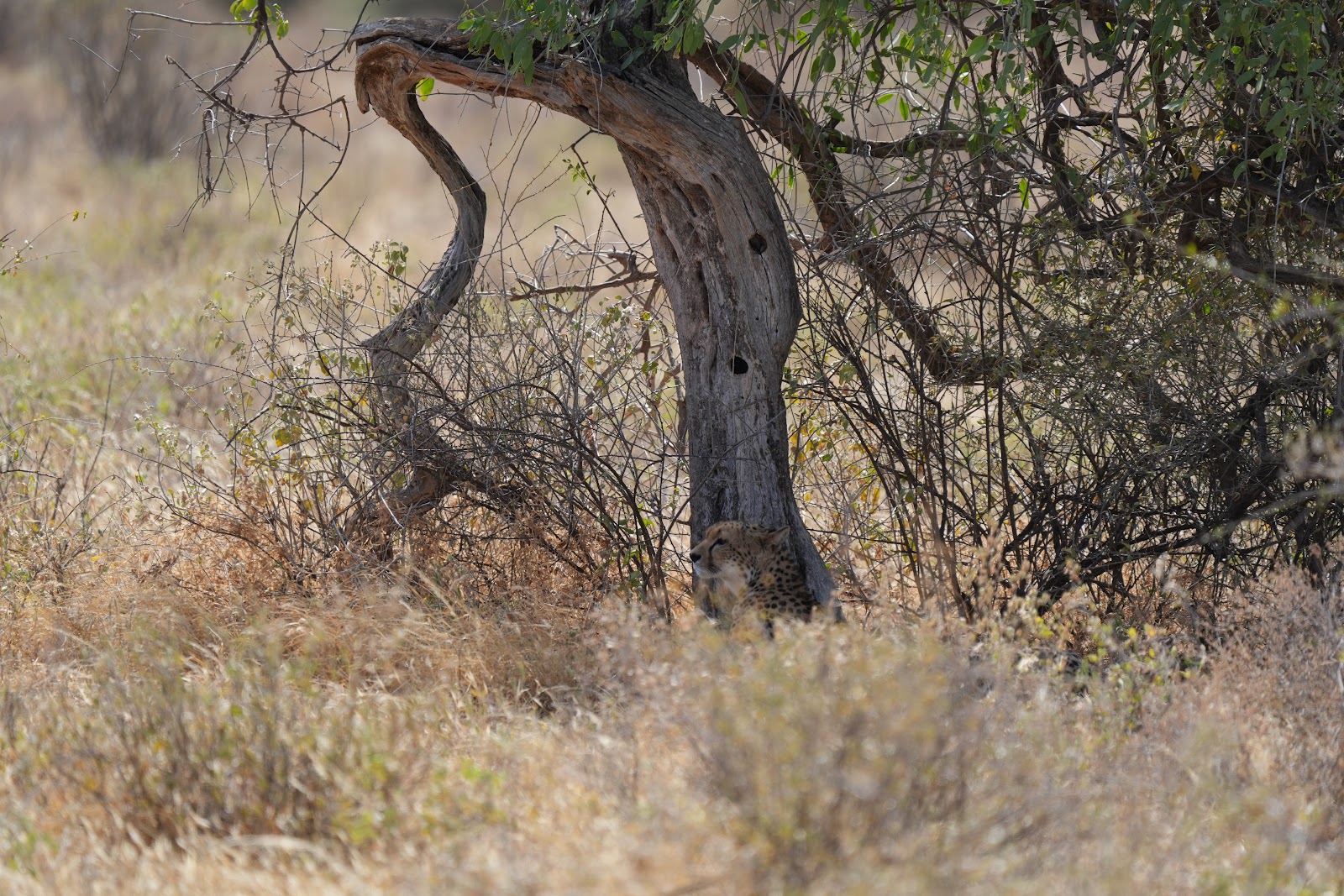
The short-grass plains stretching from the park's southern boundary toward Ndutu are cheetah country. The Serengeti holds one of Africa's healthiest cheetah populations, and this flat, open terrain suits them: they hunt by sight and need room to accelerate. Sightings here involve whole family groups, mothers with cubs, sometimes two or three adult males coalition-hunting together.
The lions of the southern plains tend to be less habituated to vehicles than the famous Seronera prides, which actually makes encounters feel rawer. We've watched a coalition of four males hold a zebra kill on the open grass near Lake Ndutu, not a tree or kopje in sight, everything visible from 200 metres.
This zone is also where the Great Migration's calving concentrates between January and March, for the full detail on that, see our dedicated Ndutu calving season guide, 8 days, from 2.750 € per person. The short version: wildebeest calves in their thousands attract every predator in the ecosystem, and the predator activity on these plains during those months is unlike anything else in Africa.
Bat-eared foxes, serval cats at dusk, and banded mongooses are regulars here too. The southern plains are also where you'll see the densest ostrich populations in the park.
Seronera Woodland: Leopards, Hippos, and the Park's Most Reliable Big Cat Sightings
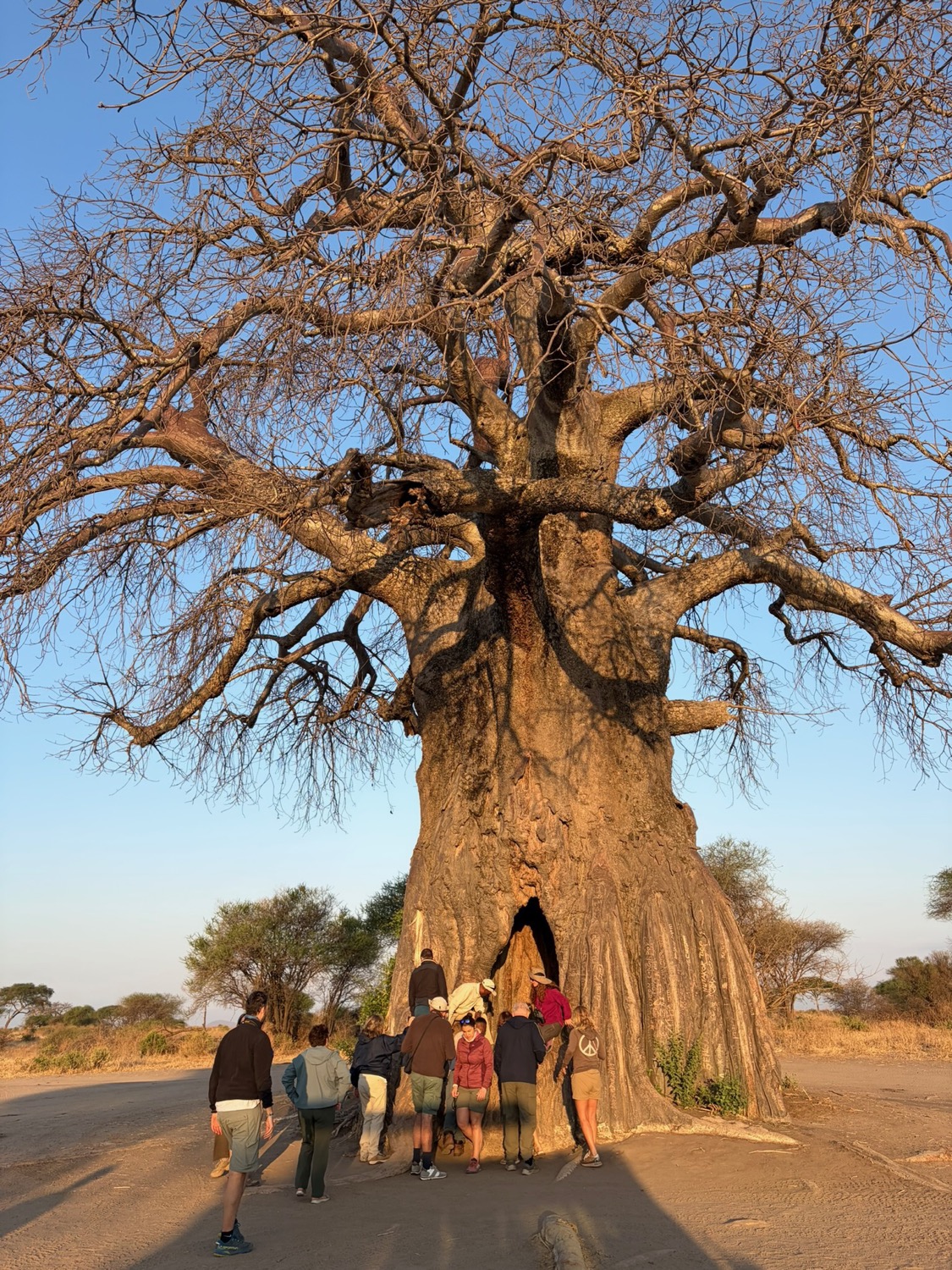
Seronera sits at the park's geographical heart, and the riverine woodland threading along the Seronera River is the best leopard habitat in Tanzania. The fig trees (massive, multi-branched, draped over the rocky kopjes), are where leopards cache kills and rest through the day. Our guide Joseph Mollel, who has been working this zone since 2009, keeps a mental map of about a dozen trees worth checking on any given morning. Last August he spotted a female with a fresh impala kill at a fig not 400 metres from the main road.
The lion prides here are well-studied and easier to find than in the south. Seronera's prides have been monitored for decades, which means your guide can often predict their movements. Early dry season, May and June, before the migration herds fully arrive, these prides are particularly active and visible.
Hippos are reliable at the river pools year-round, the pool just downstream from Seronera Lodge holds a pod of 30 or more during most months. Elephants move through the woodland in small family groups; encounters here feel quiet and close compared to the open-country sightings you get in Amboseli. And the kopjes themselves, Moru, Simba, Gol, each have their own resident populations of rock hyraxes, klipspringers, and occasionally African wild cats.
The Seronera zone is also where African wild dogs occasionally pass through. They're not residents here, but packs from the Loliondo area range widely. Our guide Baraka Ndoto tracked a pack of eleven near the Moru Kopjes in March 2027, the sighting lasted less than twenty minutes but people still talk about it. If the ranger network has a confirmed sighting, restructure the entire day around it.
Western Corridor: Buffalo Herds, Giraffes, and the Grumeti Crossings
The long western arm reaching toward Lake Victoria sees far fewer visitors than Seronera, which is part of its appeal. The woodland here is denser and greener, the roads rougher, and the wildlife encounters noticeably less crowded.
African buffalo form some of their largest aggregations in this zone. The area around Lake Magadi in the western corridor regularly produces herds in the thousands, we've driven through a group that took a full fifteen minutes to cross the track in front of us. Maasai giraffes browse the acacia canopy throughout; the subspecies here tends to have darker, more irregular patches than the reticulated giraffes you'd see in northern Kenya, and they're noticeably more relaxed around vehicles.
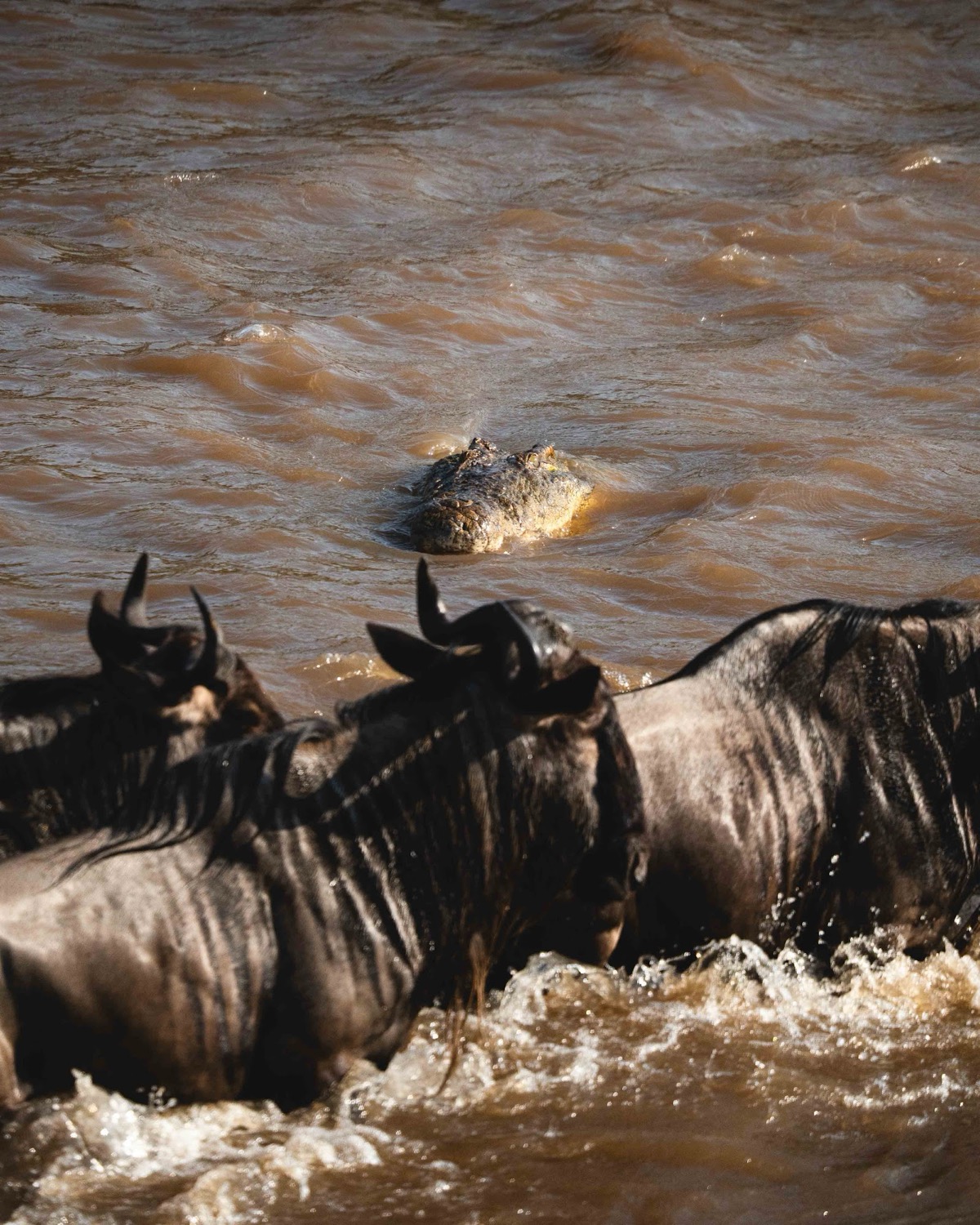
Between June and July, migrating herds moving northwest encounter the Grumeti River, and crocodile crossings happen here before the more famous Mara crossings further north. The Grumeti crocodiles are among the largest in Africa, some individuals over five metres, and they wait. For detail on timing these crossings, the Great Migration guide has the full calendar.
Topi are common on the western corridor plains in numbers you won't see elsewhere in the park. Defassa waterbuck prefer the wetter edges near the river. And roan antelope (genuinely rare in most of East Africa) have a small but stable population in this zone.
Follow the Migration Through Every Zone
Our Great Migration route takes you from the calving plains to the Grumeti crossings and beyond, with expert guides who know exactly where to position you. 9 days, from 3.350 € per person. Tanzania - Crossroads of the Great Migration
Northern Serengeti: Lions, Elephant Families, and the Mara River Drama
Kogatende and the Lamai Wedge in the far north feel like a separate ecosystem. The rolling hills, rocky outcrops, and riverine forest along the Mara River support some of the park's densest lion populations, multiple resident prides, plus nomadic males that move between Tanzania and Kenya with the herds. Between July and October, this is where the Mara River crossings happen, and for that we'd point you to our dedicated Mara crossings article rather than repeat it here.
What gets less attention is how good this zone is year-round. Elephant families use the riverine forest heavily, the Mara River area supports some of the most relaxed elephant behaviour we see anywhere, large matriarchal groups feeding in the late afternoon shade. Leopards are present and well-habituated. Black-and-white colobus monkeys appear in the forest patches near the river, which you simply don't see in the southern zones.
Birdlife in the north is exceptional in its own right, the riparian forest holds species absent from the open plains, including African fish eagles, giant kingfishers, and the occasional Pel's fishing owl if you're very patient and very quiet after dark. The Serengeti ecosystem as a whole records over 500 bird species, and a serious share of the interesting ones concentrate along this northern river corridor. For a full treatment of Serengeti birdwatching, the Tanzania birds guide goes deeper than we can here.
What Surprised Our Clients Most, Species That Consistently Delight
Spotted hyenas. Almost without exception, first-time visitors arrive thinking of hyenas as skulking scavengers, and leave having watched a clan coordinate a hunt with more tactical intelligence than they expected. They're the most abundant large predator in the Serengeti, estimates put the population above 7,000, and they are overwhelmingly hunters, not scavengers. A night game drive in Seronera zone almost always delivers hyena action.
The other consistent surprise is the black-backed jackal. Jackals are everywhere, but clients who watch them properly, really watch, not just note them and move on, end up fascinated by the boldness. A jackal that decides to rob a cheetah of a kill is doing something genuinely audacious, and it works more often than it should.
And then there are the smaller finds: dwarf mongooses tumbling around the kopjes, rock pythons warming on boulders in the early morning, the startlingly blue agama lizards that are somehow on every other rock. The Serengeti doesn't run out of things to notice.
Planning Your Time: Zones, Seasons, and Costs
The dry season (June–October) produces the most concentrated game viewing across all zones, thin vegetation, animals gravitating to water sources, excellent visibility. The wet season brings a different quality: green landscapes, newborn animals, and far fewer vehicles at sightings. Neither is wrong.
Where you stay shapes what you see as much as when you travel. Budget roughly $400–$700 USD per person per night for mid-range lodges such as Serengeti Serena (central zone) or Kubu Kubu (Seronera); $700–$1,500+ for premium camps like Singita Grumeti (western corridor) or &Beyond Serengeti Under Canvas (mobile, follows the migration). Prices rise sharply during the July–October migration peak, if your primary goal is the Mara crossings, budget for the premium. If you want exceptional game viewing without peak-season costs, the southern plains in February or the western corridor in May offer real value.
Frequently Asked Questions About Serengeti Wildlife
Ready to Explore the Serengeti?
From leopards in the Seronera woodland to lion prides in the Lamai Wedge, our Tanzania Classic Safari puts you in the right zone at the right time. 6 days, from 2.095 € per person. Tanzania - Classic Safari
Serengeti Wildlife by Zone: What Animals to Expect and Where
Most wildlife articles about the Serengeti are organised by species or by month. We've always found that less useful than the question our clients actually ask on the way from Kilimanjaro Airport: where exactly are we going, and what will we see there? Zone matters more than season in many cases. A week in the northern Serengeti in October and a week near Ndutu in February are almost different parks, same name, completely different cast of animals.
So this guide is built around the four main zones: southern plains, Seronera woodland, western corridor, and northern Serengeti. Each has its own wildlife character.
Southern Plains and Ndutu: Cheetahs, Newborns, and Open-Sky Predators
The short-grass plains stretching from the park's southern boundary toward Ndutu are cheetah country. The Serengeti holds one of Africa's healthiest cheetah populations, and this flat, open terrain suits them: they hunt by sight and need room to accelerate. Sightings here involve whole family groups, mothers with cubs, sometimes two or three adult males coalition-hunting together.
The lions of the southern plains tend to be less habituated to vehicles than the famous Seronera prides, which actually makes encounters feel rawer. We've watched a coalition of four males hold a zebra kill on the open grass near Lake Ndutu, not a tree or kopje in sight, everything visible from 200 metres.
This zone is also where the Great Migration's calving concentrates between January and March, for the full detail on that, see our dedicated Ndutu calving season guide, 8 days, from 2.750 € per person. The short version: wildebeest calves in their thousands attract every predator in the ecosystem, and the predator activity on these plains during those months is unlike anything else in Africa.
Bat-eared foxes, serval cats at dusk, and banded mongooses are regulars here too. The southern plains are also where you'll see the densest ostrich populations in the park.
Seronera Woodland: Leopards, Hippos, and the Park's Most Reliable Big Cat Sightings
Seronera sits at the park's geographical heart, and the riverine woodland threading along the Seronera River is the best leopard habitat in Tanzania. The fig trees (massive, multi-branched, draped over the rocky kopjes), are where leopards cache kills and rest through the day. Our guide Joseph Mollel, who has been working this zone since 2009, keeps a mental map of about a dozen trees worth checking on any given morning. Last August he spotted a female with a fresh impala kill at a fig not 400 metres from the main road.
The lion prides here are well-studied and easier to find than in the south. Seronera's prides have been monitored for decades, which means your guide can often predict their movements. Early dry season, May and June, before the migration herds fully arrive, these prides are particularly active and visible.
Hippos are reliable at the river pools year-round, the pool just downstream from Seronera Lodge holds a pod of 30 or more during most months. Elephants move through the woodland in small family groups; encounters here feel quiet and close compared to the open-country sightings you get in Amboseli. And the kopjes themselves, Moru, Simba, Gol, each have their own resident populations of rock hyraxes, klipspringers, and occasionally African wild cats.
The Seronera zone is also where African wild dogs occasionally pass through. They're not residents here, but packs from the Loliondo area range widely. Our guide Baraka Ndoto tracked a pack of eleven near the Moru Kopjes in March 2027, the sighting lasted less than twenty minutes but people still talk about it. If the ranger network has a confirmed sighting, restructure the entire day around it.
Western Corridor: Buffalo Herds, Giraffes, and the Grumeti Crossings
The long western arm reaching toward Lake Victoria sees far fewer visitors than Seronera, which is part of its appeal. The woodland here is denser and greener, the roads rougher, and the wildlife encounters noticeably less crowded.
African buffalo form some of their largest aggregations in this zone. The area around Lake Magadi in the western corridor regularly produces herds in the thousands, we've driven through a group that took a full fifteen minutes to cross the track in front of us. Maasai giraffes browse the acacia canopy throughout; the subspecies here tends to have darker, more irregular patches than the reticulated giraffes you'd see in northern Kenya, and they're noticeably more relaxed around vehicles.
Between June and July, migrating herds moving northwest encounter the Grumeti River, and crocodile crossings happen here before the more famous Mara crossings further north. The Grumeti crocodiles are among the largest in Africa, some individuals over five metres, and they wait. For detail on timing these crossings, the Great Migration guide has the full calendar.
Topi are common on the western corridor plains in numbers you won't see elsewhere in the park. Defassa waterbuck prefer the wetter edges near the river. And roan antelope (genuinely rare in most of East Africa) have a small but stable population in this zone.
Follow the Migration Through Every Zone
Our Great Migration route takes you from the calving plains to the Grumeti crossings and beyond, with expert guides who know exactly where to position you. 9 days, from 3.350 € per person. Tanzania - Crossroads of the Great Migration
Northern Serengeti: Lions, Elephant Families, and the Mara River Drama
Kogatende and the Lamai Wedge in the far north feel like a separate ecosystem. The rolling hills, rocky outcrops, and riverine forest along the Mara River support some of the park's densest lion populations, multiple resident prides, plus nomadic males that move between Tanzania and Kenya with the herds. Between July and October, this is where the Mara River crossings happen, and for that we'd point you to our dedicated Mara crossings article rather than repeat it here.
What gets less attention is how good this zone is year-round. Elephant families use the riverine forest heavily, the Mara River area supports some of the most relaxed elephant behaviour we see anywhere, large matriarchal groups feeding in the late afternoon shade. Leopards are present and well-habituated. Black-and-white colobus monkeys appear in the forest patches near the river, which you simply don't see in the southern zones.
Birdlife in the north is exceptional in its own right, the riparian forest holds species absent from the open plains, including African fish eagles, giant kingfishers, and the occasional Pel's fishing owl if you're very patient and very quiet after dark. The Serengeti ecosystem as a whole records over 500 bird species, and a serious share of the interesting ones concentrate along this northern river corridor. For a full treatment of Serengeti birdwatching, the Tanzania birds guide goes deeper than we can here.
What Surprised Our Clients Most, Species That Consistently Delight
Spotted hyenas. Almost without exception, first-time visitors arrive thinking of hyenas as skulking scavengers, and leave having watched a clan coordinate a hunt with more tactical intelligence than they expected. They're the most abundant large predator in the Serengeti, estimates put the population above 7,000, and they are overwhelmingly hunters, not scavengers. A night game drive in Seronera zone almost always delivers hyena action.
The other consistent surprise is the black-backed jackal. Jackals are everywhere, but clients who watch them properly, really watch, not just note them and move on, end up fascinated by the boldness. A jackal that decides to rob a cheetah of a kill is doing something genuinely audacious, and it works more often than it should.
And then there are the smaller finds: dwarf mongooses tumbling around the kopjes, rock pythons warming on boulders in the early morning, the startlingly blue agama lizards that are somehow on every other rock. The Serengeti doesn't run out of things to notice.
Planning Your Time: Zones, Seasons, and Costs
The dry season (June–October) produces the most concentrated game viewing across all zones, thin vegetation, animals gravitating to water sources, excellent visibility. The wet season brings a different quality: green landscapes, newborn animals, and far fewer vehicles at sightings. Neither is wrong.
Where you stay shapes what you see as much as when you travel. Budget roughly $400–$700 USD per person per night for mid-range lodges such as Serengeti Serena (central zone) or Kubu Kubu (Seronera); $700–$1,500+ for premium camps like Singita Grumeti (western corridor) or &Beyond Serengeti Under Canvas (mobile, follows the migration). Prices rise sharply during the July–October migration peak, if your primary goal is the Mara crossings, budget for the premium. If you want exceptional game viewing without peak-season costs, the southern plains in February or the western corridor in May offer real value.
Frequently Asked Questions About Serengeti Wildlife
Ready to Explore the Serengeti?
From leopards in the Seronera woodland to lion prides in the Lamai Wedge, our Tanzania Classic Safari puts you in the right zone at the right time. 6 days, from 2.095 € per person. Tanzania - Classic Safari








.png)