





Amboseli Safari: What to See and When to Go in 2027
We nearly missed the best Amboseli morning we ever had. It was a dusty August afternoon (the kind where everything tastes of chalky volcanic soil and the horizon disappears into a brown haze) and a client was ready to write the whole park off. 'It's just dust,' she said. We went out the next dawn anyway. The haze had settled overnight, Kilimanjaro was sharper than we'd seen it all trip, and 200 elephants were moving through the Longinye swamp below us. She didn't speak for about ten minutes.
| Park size | 392 km² |
| Altitude | 1,200 m above sea level |
| Bird species recorded | Over 600 |
| Elephant research ongoing since | 1972 |
| Park gate opens | 6:00 AM |
| Peak season | June to October |
| Recommended minimum stay | 3 full days (4 days ideal) |
That's Amboseli. It earns you nothing, and then it gives you everything at once.
The park sits in southern Kenya, a compact 392 square kilometres on the Tanzanian border. Semi-arid savannah, permanent wetlands fed by Kilimanjaro's snowmelt, and vast dust flats that were once a Pleistocene lake bed: the landscape is stranger and more varied than photos suggest. Three full days covers it properly; four gives you room to breathe.
For practical details, park fees, gate access, road and flight options from Nairobi, see our complete Amboseli park guide. This article focuses on what you'll actually see and when to go.
What Wildlife Will You See in Amboseli?
The elephants are why people come, and they are genuinely extraordinary. The Amboseli Elephant Research Project has tracked individuals here since 1972, one of the longest continuous wildlife studies on Earth, so these animals are among the most observed, and most habituated, in Africa. Bulls with tusks long enough to graze the ground as they walk are a real possibility, not a lottery win. On our last dry-season visit we counted over 300 elephants gathered around the Enkiama swamp in a single afternoon, including three large old bulls moving slowly through the reeds.
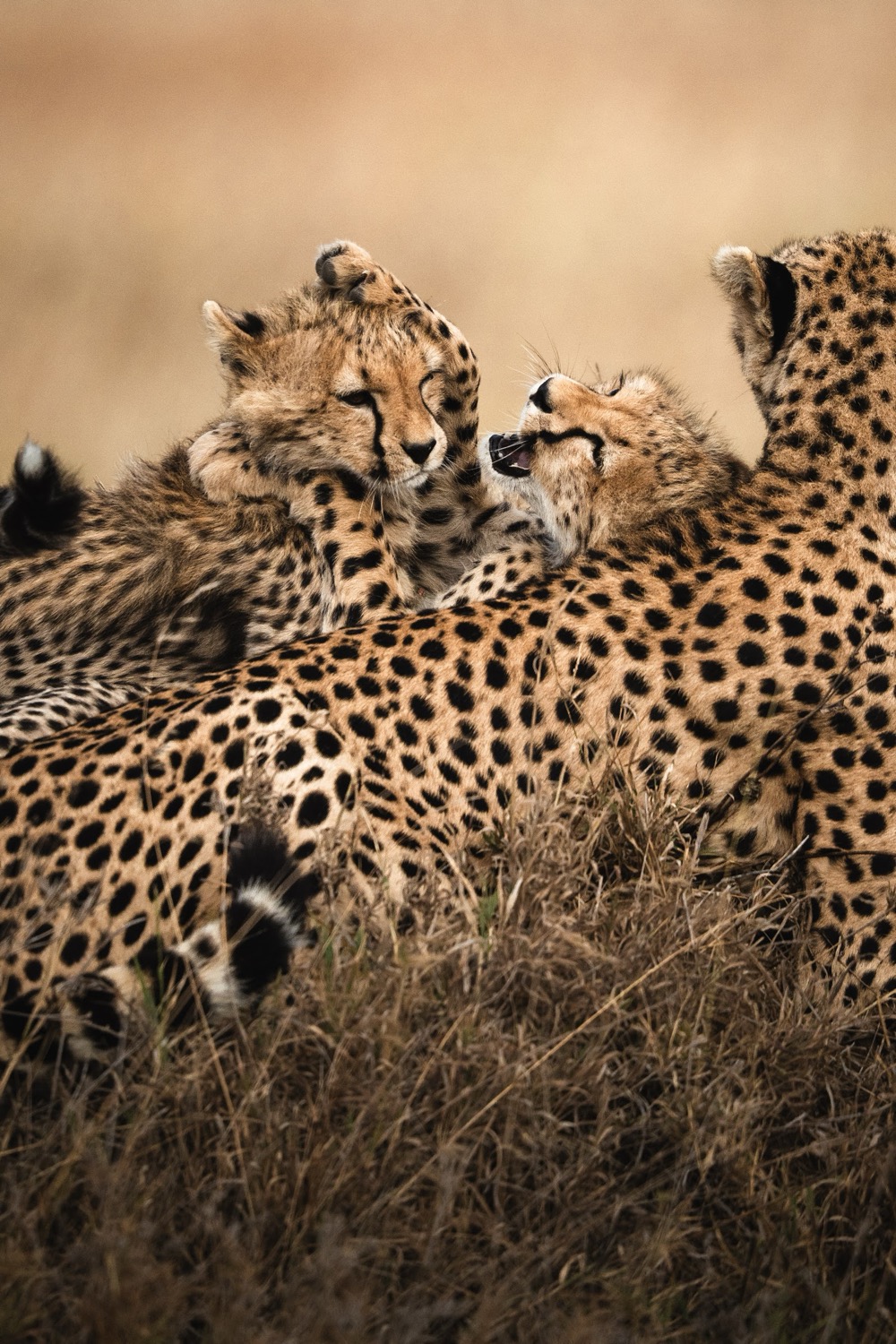
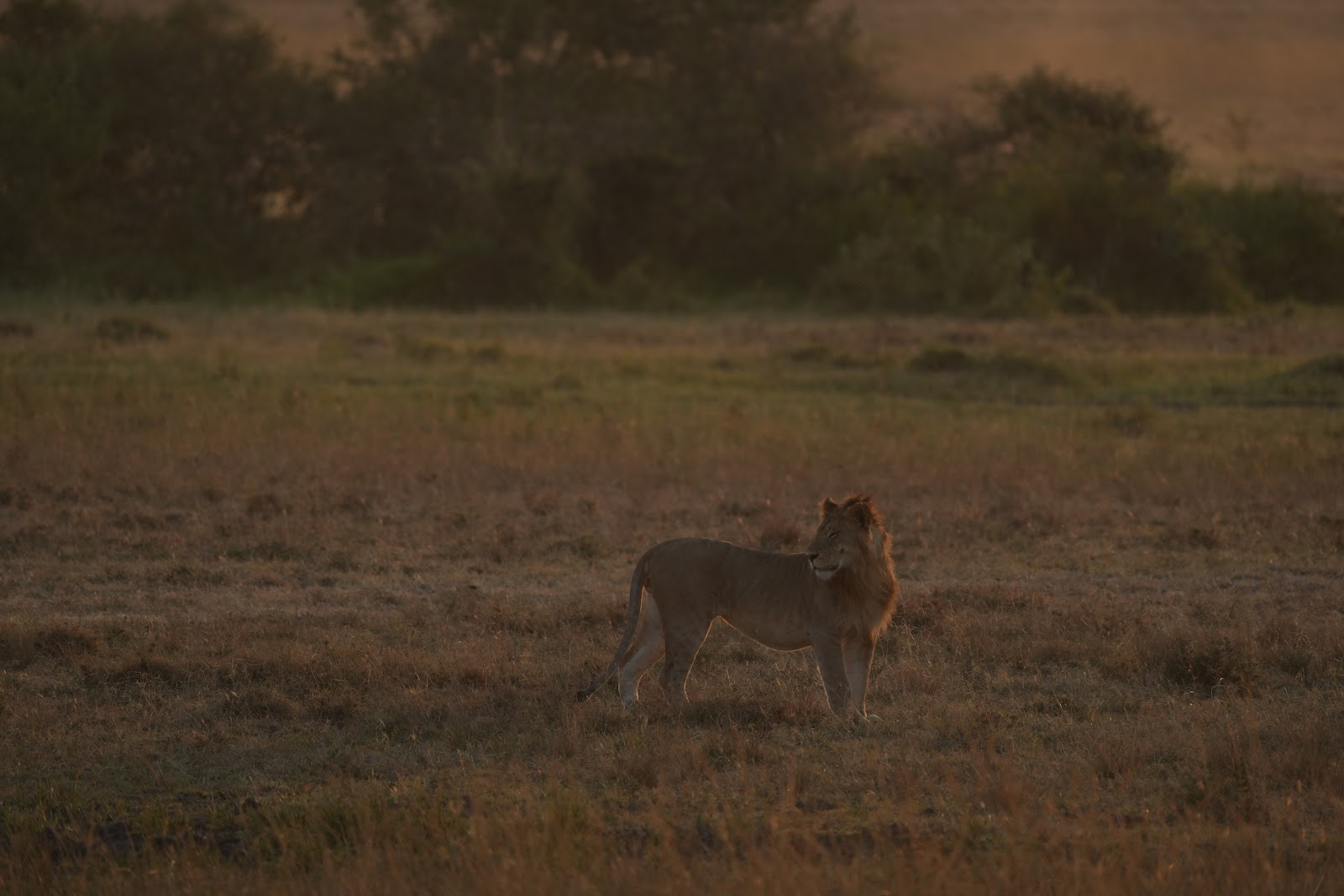
Beyond elephants, the open grasslands around Observation Hill produce some of Kenya's most watchable big-cat encounters. Lions are resident and largely unfazed by vehicles. Cheetahs hunt the eastern plains in terrain so flat that you can follow an entire chase, stalk, sprint, catch or miss, without the vehicle moving. That almost never happens in the Masai Mara's longer grass. We've sat through three complete cheetah hunts in Amboseli in a single morning; two succeeded.
Wildebeest and zebra move across the open plains in large mixed herds. Masai giraffe pick their way between acacia stands. Hippos wallow in the permanent swamps year-round. Spotted hyenas are active well into the late morning here, later than in most other parks, possibly because the open terrain makes nocturnal hunting more exposed.

Is Amboseli Good for Birdwatching?
Better than its elephant reputation suggests, over 600 recorded species. Saddle-billed storks and African fish eagles are almost guaranteed near the swamps. Lesser flamingos appear on the seasonal lake beds when water levels are right, usually after the short rains. During November and December, migrant waders arrive in numbers that genuinely surprise first-time birders who come only for elephants and stay for the birds.
When Is the Best Time to Visit Amboseli?
The honest answer is that every season in Amboseli involves a trade-off: there is no perfect month. What follows is what we've actually observed, including the parts that don't make the highlight reels.
June to October is peak season, and for good reason: the long dry spell pushes wildlife to concentrate around the permanent swamps, and game drive after game drive delivers. But August and September are genuinely punishing. The dust is not a minor inconvenience, it coats your throat, your lenses, your clothes, and by day three it colours the light a flat, washed-out orange that makes photography frustrating rather than exhilarating. A client of ours swore by July as the only month worth visiting; she came back in January the following year and told us, unprompted, that the dust alone made July feel overrated. We weren't surprised. Lodge rates at peak reflect the demand, expect to pay a significant premium, and note that prices fluctuate considerably by operator, booking window and group size, so treat any published range as a starting point rather than a fixed figure. Tortilis Camp on the Kitirua Conservancy, for instance, prices differently for exclusive-use bookings versus individual rooms, and rates shift substantially between high and shoulder season.
January and February are the months we find ourselves recommending more and more often, especially to photographers. The vegetation holds some green from the short rains, the air is clear, the dust is manageable, and the park is noticeably quiet. Kilimanjaro views can be exceptional, not guaranteed, never guaranteed, but October and January are consistently where we've seen the sharpest mountain light. One caveat: if the short rains came late or were heavier than usual, January tracks can be softer than expected in the swamp fringes. Worth asking about conditions before you arrive.
November and December bring the short rains, the vuli in Swahili. Showers are usually brief, a couple of hours in the afternoon, and the effect on the landscape is immediate: the plains green up within days, newborn animals appear, and the whole park feels less exhausted than it does in late September. Prices drop and crowds thin. The genuine downside is that some smaller camps close for maintenance, and if the rains run heavier than average, a few tracks around the swamp margins become difficult even in a 4WD. We once got stuck axle-deep in November on a track that was bone-dry three weeks earlier, worth keeping that possibility in mind.
March to May, the long rains, is the one window we generally steer clients away from. Some of Amboseli's dust-flat circuits become impassable. The park empties of tourists, which has its own quiet appeal, but wildlife disperses away from the swamps and sightings are less reliable. Unless you have a specific interest in green-season photography or the birding surge that comes with the rains, there are better moments.
What Month Has the Clearest Views of Kilimanjaro?
October and January are our best bets, consistently. The air is drier after the rains clear, and the mountain tends to be cloud-free at dawn and dusk. But Kilimanjaro is notoriously fickle, we've had crystal clear views on random August mornings and cloud all day in January. The only reliable strategy is to be on the swamp edge at first light every single morning, no exceptions.
Ready to Plan Your Amboseli Safari?
Our Kenya Classic Safari includes Amboseli with hand-picked camps, expert guides and all logistics taken care of from Nairobi. Tanzania
Where to Stay in Amboseli: an Honest Take
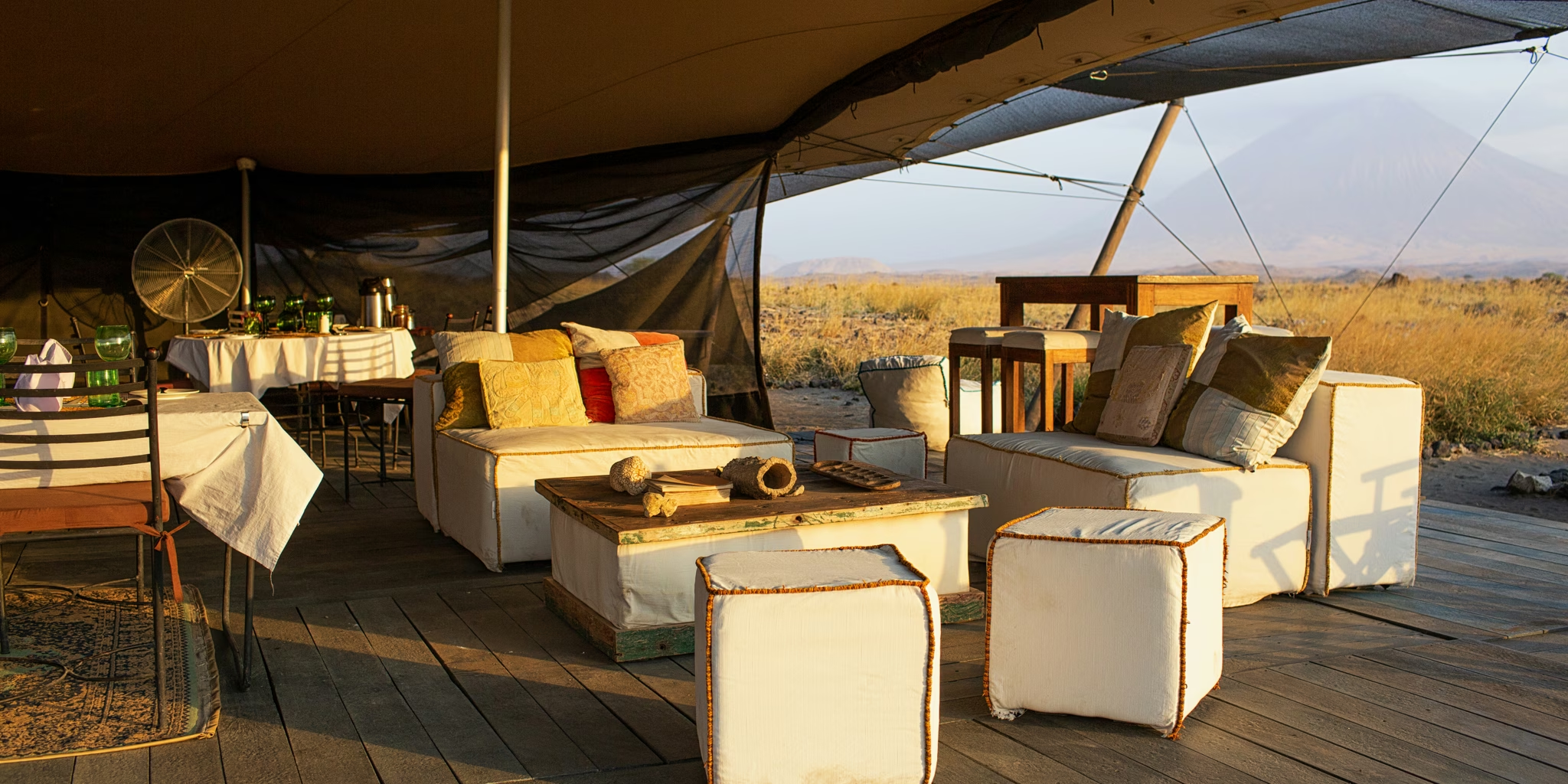
Ol Tukai Lodge sits inside the park with a direct sightline to Kilimanjaro from the garden and several rooms. It is the most reliably positioned property for mountain views, the north-facing cottages wake up looking straight at the peak, which is genuinely moving on a clear morning. One practical note: it books out early for July and August, and the mountain-view rooms go first. If Kilimanjaro at dawn from your veranda matters to you, confirm the specific room category when you book, not after.
Tortilis Camp, on the Kitirua Conservancy just outside the park boundary, operates its own game drives that go beyond the main circuits, which we find valuable when the central park tracks are congested in high season. The camp is smaller and quieter than Ol Tukai, and the conservancy access means you can do early-morning and night drives that aren't permitted inside the national park. The trade-off is that mountain views require a short walk to the right spot, the camp is nestled in fever trees and doesn't have the open aspect of Ol Tukai.
Budget-conscious travellers will find solid options around the Kimana Gate area, 15–20 minutes from the best elephant zones. The extra drive time is real but the saving is substantial. We can discuss what fits your trip best, there is no single right answer.
Practical Notes
Dust is not seasonal in Amboseli, it is a year-round reality that intensifies significantly from July. Camera gear needs a sealed bag or case from that point on; the particles are fine enough to get into zoom rings and sensor chambers. We've seen expensive lenses permanently damaged by a single dusty afternoon.
The park gate opens at 6:00 AM. Being at the swamp edge at first light is not optional if Kilimanjaro matters to you, the mountain clouds over by mid-morning on most days. Malaria risk at Amboseli's 1,200 metres altitude is lower than on the Kenyan coast, but prophylaxis remains advisable. A 4WD is non-negotiable on the swamp tracks year-round, not just in the rains. And Safaricom signal is reasonable across most of the park, functional for messages, unreliable for navigation or streaming.
Frequently Asked Questions About an Amboseli Safari
Is Amboseli worth visiting in 2027?
For elephant behaviour specifically, nowhere in East Africa comes close. The Enkiama swamp area regularly hosts aggregations of over 200 animals, family groups, bachelor herds, old bulls, in one viewable scene. That specific experience is what makes Amboseli genuinely hard to replicate elsewhere.
How many days do you need for an Amboseli safari?
Three full days is the workable minimum, six game drives, enough to cover the main circuits and absorb a couple of slow mornings. Four days is better if you want to sit with an elephant herd for an hour without feeling you're burning drive time. Five or more only makes sense if you're combining with photography workshops or a conservancy extension.
Can you see the Big Five in Amboseli?
Four of the five reliably: elephant, lion, Cape buffalo and leopard (the latter is recorded but rare, don't build an itinerary around it). Rhino were poached out of Amboseli and are not present in the main park. For rhino, Ol Pejeta Conservancy or Lewa Wildlife Conservancy are the right destinations.
What is the best time of year for an Amboseli safari?
June to October brings the highest wildlife concentrations, but also the most dust and the highest prices. January and February offer a quieter, often clearer experience that suits photographers well. November and December are underrated, green landscapes, fewer visitors, lower rates, but some camps close and tracks can flood after heavier-than-usual rains.
What month has the clearest views of Kilimanjaro from Amboseli?
October and January consistently deliver the sharpest views in our experience. Going out at first light every morning is the only reliable tactic, the mountain clouds over quickly after dawn on most days.
Is Amboseli suitable for a first safari?
It is often the best choice for a first safari precisely because the terrain is open and the wildlife, especially elephants, is close and approachable. The lack of dense bush means you see what is happening, not just the tail end of something disappearing into scrub. The trade-off is that Amboseli doesn't have the lion density of the Masai Mara or the leopard sightings of parks like Samburu.
Start Planning Your 2027 Amboseli Safari
From first-time travellers to seasoned safari-goers, our Kenya Star Route is built around the moments Amboseli does best: elephants, open skies and Kilimanjaro at dawn. Tanzania
Amboseli Safari: What to See and When to Go in 2027
We nearly missed the best Amboseli morning we ever had. It was a dusty August afternoon (the kind where everything tastes of chalky volcanic soil and the horizon disappears into a brown haze) and a client was ready to write the whole park off. 'It's just dust,' she said. We went out the next dawn anyway. The haze had settled overnight, Kilimanjaro was sharper than we'd seen it all trip, and 200 elephants were moving through the Longinye swamp below us. She didn't speak for about ten minutes.
| Park size | 392 km² |
| Altitude | 1,200 m above sea level |
| Bird species recorded | Over 600 |
| Elephant research ongoing since | 1972 |
| Park gate opens | 6:00 AM |
| Peak season | June to October |
| Recommended minimum stay | 3 full days (4 days ideal) |
That's Amboseli. It earns you nothing, and then it gives you everything at once.
The park sits in southern Kenya, a compact 392 square kilometres on the Tanzanian border. Semi-arid savannah, permanent wetlands fed by Kilimanjaro's snowmelt, and vast dust flats that were once a Pleistocene lake bed: the landscape is stranger and more varied than photos suggest. Three full days covers it properly; four gives you room to breathe.
For practical details, park fees, gate access, road and flight options from Nairobi, see our complete Amboseli park guide. This article focuses on what you'll actually see and when to go.
What Wildlife Will You See in Amboseli?
The elephants are why people come, and they are genuinely extraordinary. The Amboseli Elephant Research Project has tracked individuals here since 1972, one of the longest continuous wildlife studies on Earth, so these animals are among the most observed, and most habituated, in Africa. Bulls with tusks long enough to graze the ground as they walk are a real possibility, not a lottery win. On our last dry-season visit we counted over 300 elephants gathered around the Enkiama swamp in a single afternoon, including three large old bulls moving slowly through the reeds.
Beyond elephants, the open grasslands around Observation Hill produce some of Kenya's most watchable big-cat encounters. Lions are resident and largely unfazed by vehicles. Cheetahs hunt the eastern plains in terrain so flat that you can follow an entire chase, stalk, sprint, catch or miss, without the vehicle moving. That almost never happens in the Masai Mara's longer grass. We've sat through three complete cheetah hunts in Amboseli in a single morning; two succeeded.
Wildebeest and zebra move across the open plains in large mixed herds. Masai giraffe pick their way between acacia stands. Hippos wallow in the permanent swamps year-round. Spotted hyenas are active well into the late morning here, later than in most other parks, possibly because the open terrain makes nocturnal hunting more exposed.
Is Amboseli Good for Birdwatching?
Better than its elephant reputation suggests, over 600 recorded species. Saddle-billed storks and African fish eagles are almost guaranteed near the swamps. Lesser flamingos appear on the seasonal lake beds when water levels are right, usually after the short rains. During November and December, migrant waders arrive in numbers that genuinely surprise first-time birders who come only for elephants and stay for the birds.
When Is the Best Time to Visit Amboseli?
The honest answer is that every season in Amboseli involves a trade-off: there is no perfect month. What follows is what we've actually observed, including the parts that don't make the highlight reels.
June to October is peak season, and for good reason: the long dry spell pushes wildlife to concentrate around the permanent swamps, and game drive after game drive delivers. But August and September are genuinely punishing. The dust is not a minor inconvenience, it coats your throat, your lenses, your clothes, and by day three it colours the light a flat, washed-out orange that makes photography frustrating rather than exhilarating. A client of ours swore by July as the only month worth visiting; she came back in January the following year and told us, unprompted, that the dust alone made July feel overrated. We weren't surprised. Lodge rates at peak reflect the demand, expect to pay a significant premium, and note that prices fluctuate considerably by operator, booking window and group size, so treat any published range as a starting point rather than a fixed figure. Tortilis Camp on the Kitirua Conservancy, for instance, prices differently for exclusive-use bookings versus individual rooms, and rates shift substantially between high and shoulder season.
January and February are the months we find ourselves recommending more and more often, especially to photographers. The vegetation holds some green from the short rains, the air is clear, the dust is manageable, and the park is noticeably quiet. Kilimanjaro views can be exceptional, not guaranteed, never guaranteed, but October and January are consistently where we've seen the sharpest mountain light. One caveat: if the short rains came late or were heavier than usual, January tracks can be softer than expected in the swamp fringes. Worth asking about conditions before you arrive.
November and December bring the short rains, the vuli in Swahili. Showers are usually brief, a couple of hours in the afternoon, and the effect on the landscape is immediate: the plains green up within days, newborn animals appear, and the whole park feels less exhausted than it does in late September. Prices drop and crowds thin. The genuine downside is that some smaller camps close for maintenance, and if the rains run heavier than average, a few tracks around the swamp margins become difficult even in a 4WD. We once got stuck axle-deep in November on a track that was bone-dry three weeks earlier, worth keeping that possibility in mind.
March to May, the long rains, is the one window we generally steer clients away from. Some of Amboseli's dust-flat circuits become impassable. The park empties of tourists, which has its own quiet appeal, but wildlife disperses away from the swamps and sightings are less reliable. Unless you have a specific interest in green-season photography or the birding surge that comes with the rains, there are better moments.
What Month Has the Clearest Views of Kilimanjaro?
October and January are our best bets, consistently. The air is drier after the rains clear, and the mountain tends to be cloud-free at dawn and dusk. But Kilimanjaro is notoriously fickle, we've had crystal clear views on random August mornings and cloud all day in January. The only reliable strategy is to be on the swamp edge at first light every single morning, no exceptions.
Ready to Plan Your Amboseli Safari?
Our Kenya Classic Safari includes Amboseli with hand-picked camps, expert guides and all logistics taken care of from Nairobi. Tanzania
Where to Stay in Amboseli: an Honest Take
Ol Tukai Lodge sits inside the park with a direct sightline to Kilimanjaro from the garden and several rooms. It is the most reliably positioned property for mountain views, the north-facing cottages wake up looking straight at the peak, which is genuinely moving on a clear morning. One practical note: it books out early for July and August, and the mountain-view rooms go first. If Kilimanjaro at dawn from your veranda matters to you, confirm the specific room category when you book, not after.
Tortilis Camp, on the Kitirua Conservancy just outside the park boundary, operates its own game drives that go beyond the main circuits, which we find valuable when the central park tracks are congested in high season. The camp is smaller and quieter than Ol Tukai, and the conservancy access means you can do early-morning and night drives that aren't permitted inside the national park. The trade-off is that mountain views require a short walk to the right spot, the camp is nestled in fever trees and doesn't have the open aspect of Ol Tukai.
Budget-conscious travellers will find solid options around the Kimana Gate area, 15–20 minutes from the best elephant zones. The extra drive time is real but the saving is substantial. We can discuss what fits your trip best, there is no single right answer.
Practical Notes
Dust is not seasonal in Amboseli, it is a year-round reality that intensifies significantly from July. Camera gear needs a sealed bag or case from that point on; the particles are fine enough to get into zoom rings and sensor chambers. We've seen expensive lenses permanently damaged by a single dusty afternoon.
The park gate opens at 6:00 AM. Being at the swamp edge at first light is not optional if Kilimanjaro matters to you, the mountain clouds over by mid-morning on most days. Malaria risk at Amboseli's 1,200 metres altitude is lower than on the Kenyan coast, but prophylaxis remains advisable. A 4WD is non-negotiable on the swamp tracks year-round, not just in the rains. And Safaricom signal is reasonable across most of the park, functional for messages, unreliable for navigation or streaming.
Frequently Asked Questions About an Amboseli Safari
Is Amboseli worth visiting in 2027?
For elephant behaviour specifically, nowhere in East Africa comes close. The Enkiama swamp area regularly hosts aggregations of over 200 animals, family groups, bachelor herds, old bulls, in one viewable scene. That specific experience is what makes Amboseli genuinely hard to replicate elsewhere.
How many days do you need for an Amboseli safari?
Three full days is the workable minimum, six game drives, enough to cover the main circuits and absorb a couple of slow mornings. Four days is better if you want to sit with an elephant herd for an hour without feeling you're burning drive time. Five or more only makes sense if you're combining with photography workshops or a conservancy extension.
Can you see the Big Five in Amboseli?
Four of the five reliably: elephant, lion, Cape buffalo and leopard (the latter is recorded but rare, don't build an itinerary around it). Rhino were poached out of Amboseli and are not present in the main park. For rhino, Ol Pejeta Conservancy or Lewa Wildlife Conservancy are the right destinations.
What is the best time of year for an Amboseli safari?
June to October brings the highest wildlife concentrations, but also the most dust and the highest prices. January and February offer a quieter, often clearer experience that suits photographers well. November and December are underrated, green landscapes, fewer visitors, lower rates, but some camps close and tracks can flood after heavier-than-usual rains.
What month has the clearest views of Kilimanjaro from Amboseli?
October and January consistently deliver the sharpest views in our experience. Going out at first light every morning is the only reliable tactic, the mountain clouds over quickly after dawn on most days.
Is Amboseli suitable for a first safari?
It is often the best choice for a first safari precisely because the terrain is open and the wildlife, especially elephants, is close and approachable. The lack of dense bush means you see what is happening, not just the tail end of something disappearing into scrub. The trade-off is that Amboseli doesn't have the lion density of the Masai Mara or the leopard sightings of parks like Samburu.
Start Planning Your 2027 Amboseli Safari
From first-time travellers to seasoned safari-goers, our Kenya Star Route is built around the moments Amboseli does best: elephants, open skies and Kilimanjaro at dawn. Tanzania









.png)