




15-Day Botswana Safari: Okavango, Chobe, Makgadikgadi and Kalahari
Fifteen days is the minimum to cover all four of Botswana's distinct ecosystems without rushing. Budget €6,500 to €11,000 per person all-inclusive depending on camp category, and aim for July to October for peak wildlife density, or May to June for thinner crowds and marginally lower rates. Our 10-day Botswana itinerary covers Okavango, Chobe and a short Kalahari stay; this 15-day version adds a proper three-night Makgadikgadi block and extends the CKGR segment enough to actually feel its scale. Those two additions change the trip significantly.
| Detail | Info |
|---|---|
| Best months | July to October (dry season); May to June (shoulder) |
| Price range | €6,500 to €11,000 pp all-inclusive, flights extra |
| Duration | 15 days / 14 nights |
| Closest international airports | Maun (MUB) and Kasane (BBK) |
| Visa | Most EU/UK/US passports visa-free up to 90 days; check Government of Botswana |
| Currency | Botswana Pula (BWP); USD and EUR widely accepted at camps |
| Yellow fever | Not required unless arriving from an endemic country |
Why does a 15-day itinerary work better than shorter Botswana trips?
Botswana's top parks are far apart and mostly accessible only by light aircraft or long 4WD transfers. Ten days forces you to pick two or three areas; 15 days means you can do four properly. The internal flights add cost but recover two full days each way that you'd otherwise spend on dirt tracks.
There's also an economic logic here. Botswana's conservation fees are built into camp rates, and those rates reward depth over speed. Hopping between camps every two nights defeats the low-density model the country has built since the 1990s. You feel that difference by night three. And the two ecosystems that get cut from a 10-day trip, Makgadikgadi and the deep CKGR, aren't just add-ons: they're genuinely different from anything in the Okavango or Chobe, in landscape, wildlife and atmosphere.
What does the day-by-day route look like?
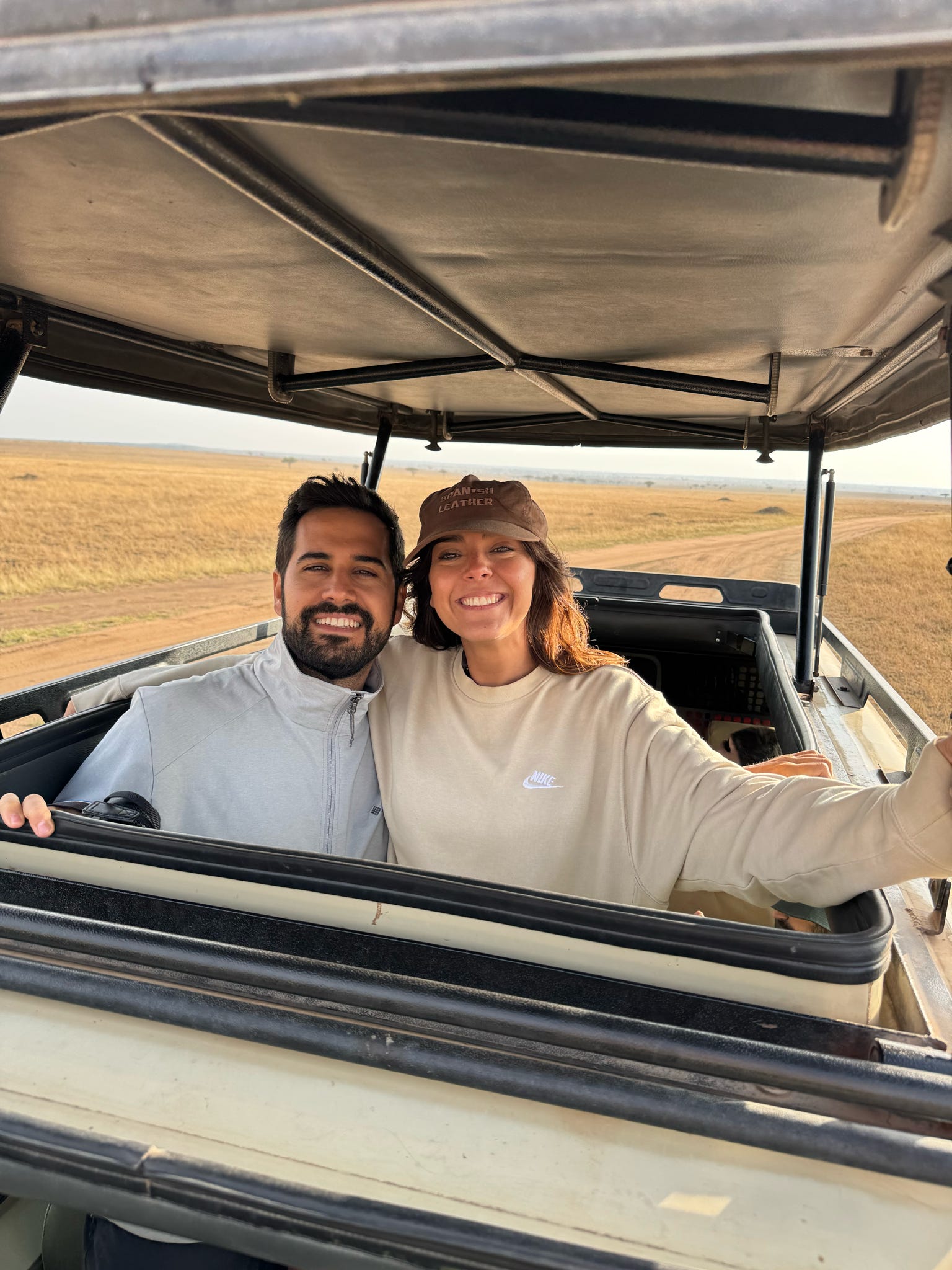
This is the sequence we run at Watatu. A couple from Barcelona did this exact version with us in June 2024, and the pacing held up across all four areas.
Days 1-2: Arrive Maun, fly into Okavango Delta (Moremi Game Reserve)
Most international connections route through Johannesburg or Addis Ababa into Maun. A short charter then drops you inside or just outside Moremi Game Reserve. Two nights is the floor for actually feeling the delta. At mid-range we use Oddballs' Palm Island or similar owner-run camps; at the luxury end, Mombo or Little Vumbura. Expect €650 to €1,200 per person per night all-inclusive.
Days 3-5: Deep Okavango, Xigera or Chief's Island area
Morning mokoro glides and afternoon game drives fill these three days naturally. Wild dog sightings are more consistent in Moremi than almost anywhere else in southern Africa: in July we logged four separate packs in three days from camp. Hippos, sitatunga and red lechwe are daily sightings, and lion are never far away.
Days 6-8: Chobe National Park, Kasane sector
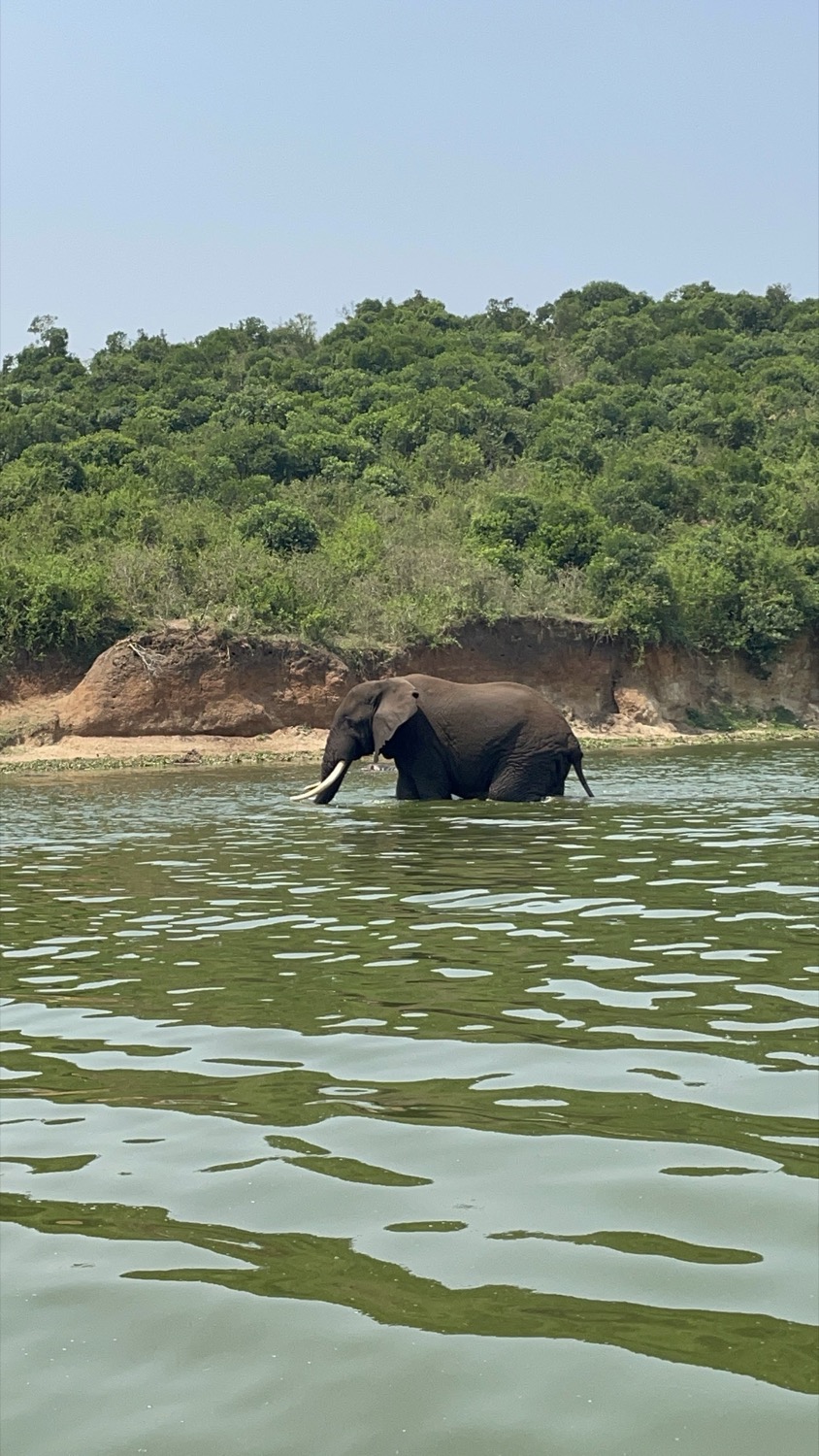
A light aircraft from Maun to Kasane takes about an hour. Chobe's riverfront holds the largest elephant concentration on earth: around 130,000 individuals according to Botswana's Department of Wildlife and National Parks (DWNP) aerial surveys. Dawn boat safaris and dry-land drives into the forest zone split the days well. Mid-range: Chobe Safari Lodge. For something more remote, the Savute sector's Belmond Savute Elephant Lodge justifies the extra internal transfer.
Days 9-11: Makgadikgadi Pans, Nxai Pan National Park
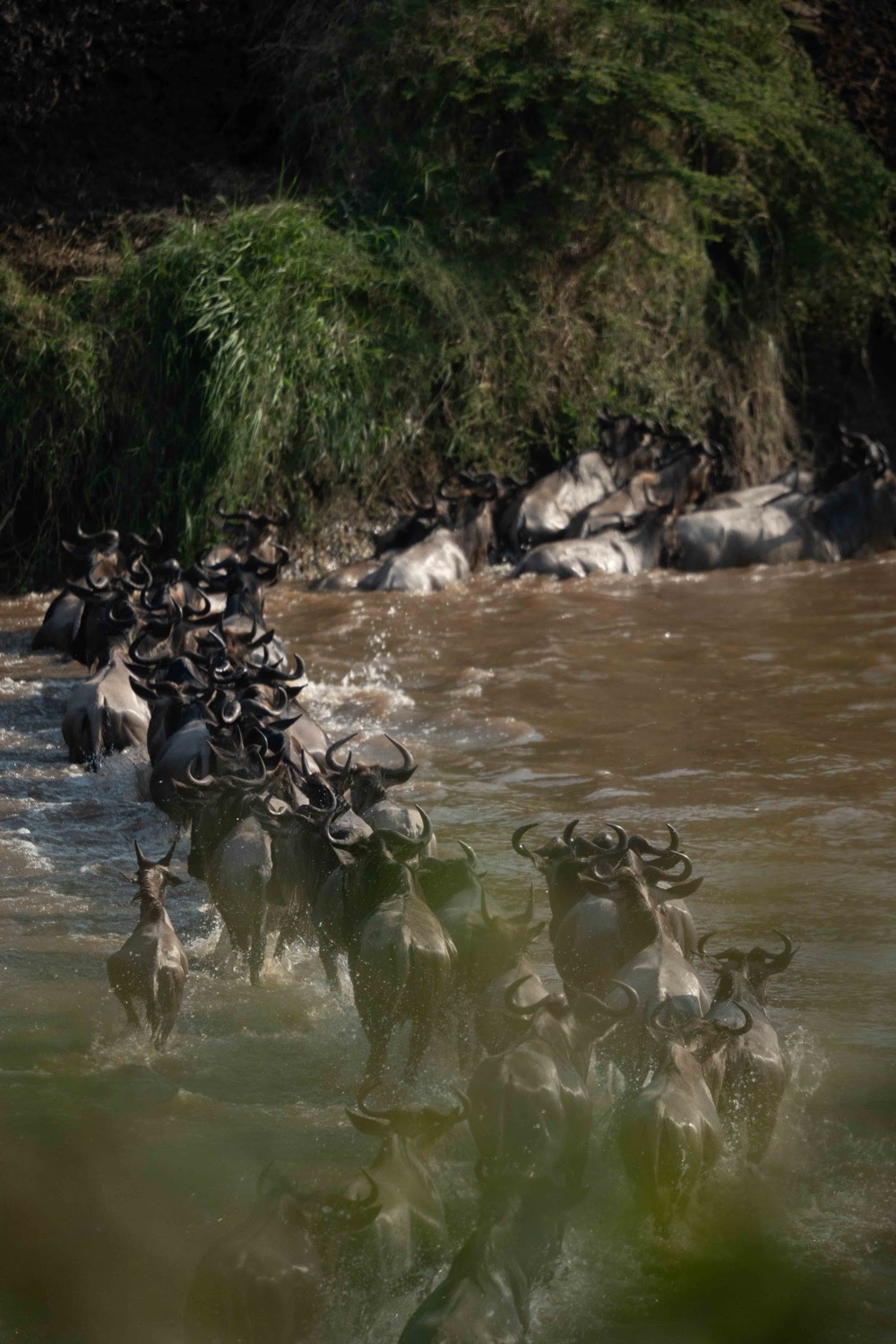
This is where the 15-day format earns its extra five nights. Most 10-day Botswana itineraries skip Makgadikgadi entirely, or squeeze in a single night that barely registers. Three nights changes things. From November to March the pans flood and host one of Africa's largest zebra and wildebeest concentrations. In the dry season the salt crust is bone-white, and the habituated meerkat groups here offer some of the most close-up wildlife encounters in southern Africa. The night silence is something you don't find in the busier parks. Camp Kalahari and Meno a Kwena are our go-to mid-range picks, running €400 to €700 per person per night.
Days 12-14: Central Kalahari Game Reserve (CKGR)
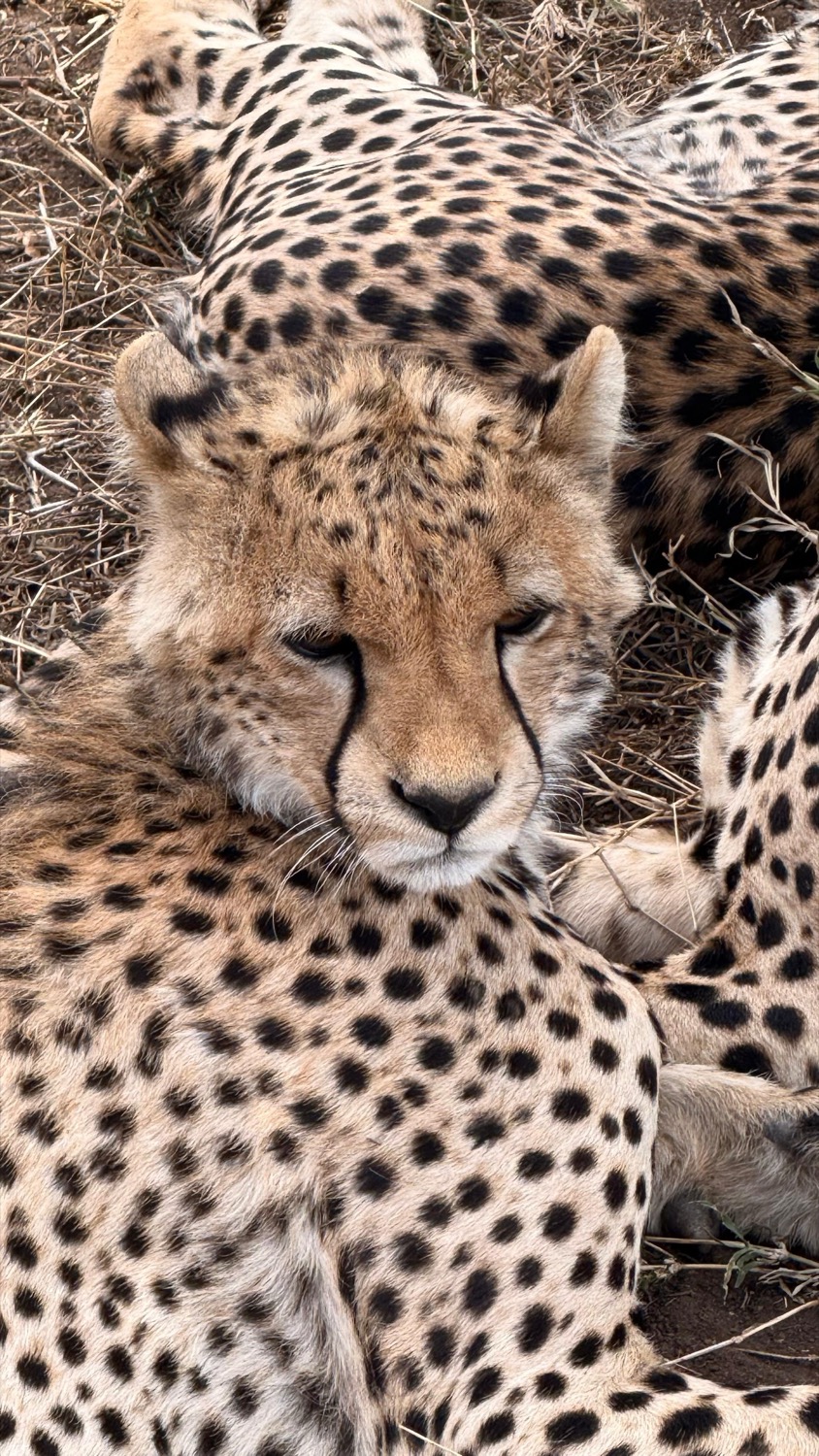
At 52,000 km², the CKGR is one of the world's largest protected areas. The dry season concentrates predators here in ways that still catch people off guard: black-maned Kalahari lions are the headline, but cheetah sightings are frequent and brown hyena appear regularly on night drives. Access is by charter into a private airstrip. We've used Tau Pan Camp and Kalahari Plains Camp on multiple trips. Three nights here moves at a different pace to anywhere else on this circuit. On our 10-day route we fit only one night in the CKGR; you barely scratch the surface.
Day 15: Fly out via Maun or Gaborone
Camps arrange the light aircraft back to Maun for your international connection. Allow 3 to 4 hours minimum before your onward departure: light aircraft schedules shift, and Maun's terminal can get busy with midday transfers.
How much does a 15-day Botswana safari cost in total?
| Component | Mid-range (€) | Luxury (€) |
|---|---|---|
| Camp accommodation (14 nights, all-inclusive) | 7,000 to 8,400 | 11,200 to 16,800 |
| Internal charter flights (approx. 4 legs) | 1,200 to 1,800 | 1,200 to 1,800 |
| International flights (BCN to JNB return) | 800 to 1,400 | 1,800 to 3,500 |
| Travel insurance | 120 to 200 | 200 to 350 |
| Visa / entry fees | 0 (visa-free for EU) | 0 |
| Tips (recommended) | 200 to 400 | 300 to 600 |
| Total per person | ~€9,300 to €12,200 | ~€14,700 to €22,950 |
The all-inclusive camp rate covers accommodation, all meals, two daily game activities and park fees. Laundry, curio shop purchases and tips sit outside that figure. If you want a full breakdown by park and camp tier, our Botswana safari costs article runs through the numbers in detail.
When is the best time to visit Botswana for this itinerary?
May to October keeps the dirt tracks passable and pushes wildlife toward water, which concentrates sightings. July and August bring the coldest mornings (a fleece is not optional) and the clearest skies. October runs hot but wildlife is excellent and rates tick down slightly before the November rains. We ran this exact circuit in June: the Okavango was at ideal flood level, the pans were shimmering white, and we had lions every single day.
If Makgadikgadi's zebra migration is the primary draw, December to March is the window. Flip the itinerary accordingly: Chobe and Moremi become harder to navigate when rains soften the tracks, so the sequencing changes and those camps need to move to the front of the trip.
Which camps should you book first?
Mombo and Little Vumbura in the Okavango, and Tau Pan in the Kalahari, routinely sell out 10 to 14 months ahead for July and August. Lock those anchor camps first, then build the rest of the route around their availability. Mid-range properties carry more flexibility, usually 4 to 6 months out. Botswana doesn't discount: the price reflects a conservation model that limits visitor numbers by design, and that's exactly what makes the wildlife experiences here different.
Do you need a 4WD or do camps handle all transfers?
On this 15-day circuit every inter-park transfer is by light aircraft, booked through us or directly with Maun-based charter operators. Within each park, camp vehicles handle game drives. A self-drive leg through Chobe or Nxai Pan is possible for travelers with experience on African bush tracks, and we can layer that in if it appeals to you.
Frequently asked questions
Can I combine this Botswana itinerary with Victoria Falls?
Yes. Kasane sits 80 km from Livingstone, Zambia, from where you cross to either side of the falls. Two nights tacked onto the end of your Chobe stay works well. The falls run fullest from April to June; from August onward the spray drops and you can walk much closer to the edge. Budget an extra €300 to €700 per person depending on where you sleep.
Is Botswana malaria-free?
No. Every area in this itinerary falls within a malaria zone. Consult a travel medicine clinic before departure. Atovaquone-proguanil or doxycycline combined with a DEET repellent and covered clothing at low-light hours reduces risk considerably. The WHO International Travel and Health guide is a useful reference for checking current recommendations by destination.
How many people are typically in a game drive vehicle?
High-end Botswana camps cap vehicles at 6 guests, often just 4. That's part of what drives the price up relative to, say, the Serengeti, where 20 vehicles around a lion sighting is normal. A fully private vehicle for your group runs an extra €150 to €300 per day depending on the camp, and it's worth it if you're serious about photography.
What vaccinations are recommended for Botswana?
No vaccination is legally required for EU or UK travelers arriving directly without transiting a yellow fever endemic country. Routine vaccinations should be current. Malaria prophylaxis is strongly advised for all zones in this itinerary. We have a standalone health guide for Botswana covering prophylaxis options, medevac cover and the nearest clinics to each park: ask us and we'll send it over before you book.
Can families with children do this route?
With planning, yes. Botswana's high-end camps mostly accept children aged 6 and up, with some setting the threshold at 12. Moremi and Chobe suit families most naturally for game viewing. The habituated meerkat experience in Makgadikgadi is genuinely unlike anything else on an African trip for older kids, and it often becomes the story they tell at school. Always check each camp's minimum age policy before booking: it varies, and a handful are adults-only by design.
How does this 15-day route differ from the 10-day Botswana itinerary?
The 10-day version fits Okavango, Chobe and one night in the CKGR. This route replaces that single CKGR night with three full days, and inserts a complete Makgadikgadi block that the shorter trip skips entirely. Those five extra days aren't filler: they cover two ecosystems that look and feel nothing like the Okavango or Chobe, and they account for a large part of what makes Botswana unique among southern African safari destinations.
Want to see exact camp availability for your dates? Write us on WhatsApp and we'll put together a tailored day-by-day plan within 24 hours.
15-Day Botswana Safari: Okavango, Chobe, Makgadikgadi and Kalahari
Fifteen days is the minimum to cover all four of Botswana's distinct ecosystems without rushing. Budget €6,500 to €11,000 per person all-inclusive depending on camp category, and aim for July to October for peak wildlife density, or May to June for thinner crowds and marginally lower rates. Our 10-day Botswana itinerary covers Okavango, Chobe and a short Kalahari stay; this 15-day version adds a proper three-night Makgadikgadi block and extends the CKGR segment enough to actually feel its scale. Those two additions change the trip significantly.
| Detail | Info |
|---|---|
| Best months | July to October (dry season); May to June (shoulder) |
| Price range | €6,500 to €11,000 pp all-inclusive, flights extra |
| Duration | 15 days / 14 nights |
| Closest international airports | Maun (MUB) and Kasane (BBK) |
| Visa | Most EU/UK/US passports visa-free up to 90 days; check Government of Botswana |
| Currency | Botswana Pula (BWP); USD and EUR widely accepted at camps |
| Yellow fever | Not required unless arriving from an endemic country |
Why does a 15-day itinerary work better than shorter Botswana trips?
Botswana's top parks are far apart and mostly accessible only by light aircraft or long 4WD transfers. Ten days forces you to pick two or three areas; 15 days means you can do four properly. The internal flights add cost but recover two full days each way that you'd otherwise spend on dirt tracks.
There's also an economic logic here. Botswana's conservation fees are built into camp rates, and those rates reward depth over speed. Hopping between camps every two nights defeats the low-density model the country has built since the 1990s. You feel that difference by night three. And the two ecosystems that get cut from a 10-day trip, Makgadikgadi and the deep CKGR, aren't just add-ons: they're genuinely different from anything in the Okavango or Chobe, in landscape, wildlife and atmosphere.
What does the day-by-day route look like?
This is the sequence we run at Watatu. A couple from Barcelona did this exact version with us in June 2024, and the pacing held up across all four areas.
Days 1-2: Arrive Maun, fly into Okavango Delta (Moremi Game Reserve)
Most international connections route through Johannesburg or Addis Ababa into Maun. A short charter then drops you inside or just outside Moremi Game Reserve. Two nights is the floor for actually feeling the delta. At mid-range we use Oddballs' Palm Island or similar owner-run camps; at the luxury end, Mombo or Little Vumbura. Expect €650 to €1,200 per person per night all-inclusive.
Days 3-5: Deep Okavango, Xigera or Chief's Island area
Morning mokoro glides and afternoon game drives fill these three days naturally. Wild dog sightings are more consistent in Moremi than almost anywhere else in southern Africa: in July we logged four separate packs in three days from camp. Hippos, sitatunga and red lechwe are daily sightings, and lion are never far away.
Days 6-8: Chobe National Park, Kasane sector
A light aircraft from Maun to Kasane takes about an hour. Chobe's riverfront holds the largest elephant concentration on earth: around 130,000 individuals according to Botswana's Department of Wildlife and National Parks (DWNP) aerial surveys. Dawn boat safaris and dry-land drives into the forest zone split the days well. Mid-range: Chobe Safari Lodge. For something more remote, the Savute sector's Belmond Savute Elephant Lodge justifies the extra internal transfer.
Days 9-11: Makgadikgadi Pans, Nxai Pan National Park
This is where the 15-day format earns its extra five nights. Most 10-day Botswana itineraries skip Makgadikgadi entirely, or squeeze in a single night that barely registers. Three nights changes things. From November to March the pans flood and host one of Africa's largest zebra and wildebeest concentrations. In the dry season the salt crust is bone-white, and the habituated meerkat groups here offer some of the most close-up wildlife encounters in southern Africa. The night silence is something you don't find in the busier parks. Camp Kalahari and Meno a Kwena are our go-to mid-range picks, running €400 to €700 per person per night.
Days 12-14: Central Kalahari Game Reserve (CKGR)
At 52,000 km², the CKGR is one of the world's largest protected areas. The dry season concentrates predators here in ways that still catch people off guard: black-maned Kalahari lions are the headline, but cheetah sightings are frequent and brown hyena appear regularly on night drives. Access is by charter into a private airstrip. We've used Tau Pan Camp and Kalahari Plains Camp on multiple trips. Three nights here moves at a different pace to anywhere else on this circuit. On our 10-day route we fit only one night in the CKGR; you barely scratch the surface.
Day 15: Fly out via Maun or Gaborone
Camps arrange the light aircraft back to Maun for your international connection. Allow 3 to 4 hours minimum before your onward departure: light aircraft schedules shift, and Maun's terminal can get busy with midday transfers.
How much does a 15-day Botswana safari cost in total?
| Component | Mid-range (€) | Luxury (€) |
|---|---|---|
| Camp accommodation (14 nights, all-inclusive) | 7,000 to 8,400 | 11,200 to 16,800 |
| Internal charter flights (approx. 4 legs) | 1,200 to 1,800 | 1,200 to 1,800 |
| International flights (BCN to JNB return) | 800 to 1,400 | 1,800 to 3,500 |
| Travel insurance | 120 to 200 | 200 to 350 |
| Visa / entry fees | 0 (visa-free for EU) | 0 |
| Tips (recommended) | 200 to 400 | 300 to 600 |
| Total per person | ~€9,300 to €12,200 | ~€14,700 to €22,950 |
The all-inclusive camp rate covers accommodation, all meals, two daily game activities and park fees. Laundry, curio shop purchases and tips sit outside that figure. If you want a full breakdown by park and camp tier, our Botswana safari costs article runs through the numbers in detail.
When is the best time to visit Botswana for this itinerary?
May to October keeps the dirt tracks passable and pushes wildlife toward water, which concentrates sightings. July and August bring the coldest mornings (a fleece is not optional) and the clearest skies. October runs hot but wildlife is excellent and rates tick down slightly before the November rains. We ran this exact circuit in June: the Okavango was at ideal flood level, the pans were shimmering white, and we had lions every single day.
If Makgadikgadi's zebra migration is the primary draw, December to March is the window. Flip the itinerary accordingly: Chobe and Moremi become harder to navigate when rains soften the tracks, so the sequencing changes and those camps need to move to the front of the trip.
Which camps should you book first?
Mombo and Little Vumbura in the Okavango, and Tau Pan in the Kalahari, routinely sell out 10 to 14 months ahead for July and August. Lock those anchor camps first, then build the rest of the route around their availability. Mid-range properties carry more flexibility, usually 4 to 6 months out. Botswana doesn't discount: the price reflects a conservation model that limits visitor numbers by design, and that's exactly what makes the wildlife experiences here different.
Do you need a 4WD or do camps handle all transfers?
On this 15-day circuit every inter-park transfer is by light aircraft, booked through us or directly with Maun-based charter operators. Within each park, camp vehicles handle game drives. A self-drive leg through Chobe or Nxai Pan is possible for travelers with experience on African bush tracks, and we can layer that in if it appeals to you.
Frequently asked questions
Can I combine this Botswana itinerary with Victoria Falls?
Yes. Kasane sits 80 km from Livingstone, Zambia, from where you cross to either side of the falls. Two nights tacked onto the end of your Chobe stay works well. The falls run fullest from April to June; from August onward the spray drops and you can walk much closer to the edge. Budget an extra €300 to €700 per person depending on where you sleep.
Is Botswana malaria-free?
No. Every area in this itinerary falls within a malaria zone. Consult a travel medicine clinic before departure. Atovaquone-proguanil or doxycycline combined with a DEET repellent and covered clothing at low-light hours reduces risk considerably. The WHO International Travel and Health guide is a useful reference for checking current recommendations by destination.
How many people are typically in a game drive vehicle?
High-end Botswana camps cap vehicles at 6 guests, often just 4. That's part of what drives the price up relative to, say, the Serengeti, where 20 vehicles around a lion sighting is normal. A fully private vehicle for your group runs an extra €150 to €300 per day depending on the camp, and it's worth it if you're serious about photography.
What vaccinations are recommended for Botswana?
No vaccination is legally required for EU or UK travelers arriving directly without transiting a yellow fever endemic country. Routine vaccinations should be current. Malaria prophylaxis is strongly advised for all zones in this itinerary. We have a standalone health guide for Botswana covering prophylaxis options, medevac cover and the nearest clinics to each park: ask us and we'll send it over before you book.
Can families with children do this route?
With planning, yes. Botswana's high-end camps mostly accept children aged 6 and up, with some setting the threshold at 12. Moremi and Chobe suit families most naturally for game viewing. The habituated meerkat experience in Makgadikgadi is genuinely unlike anything else on an African trip for older kids, and it often becomes the story they tell at school. Always check each camp's minimum age policy before booking: it varies, and a handful are adults-only by design.
How does this 15-day route differ from the 10-day Botswana itinerary?
The 10-day version fits Okavango, Chobe and one night in the CKGR. This route replaces that single CKGR night with three full days, and inserts a complete Makgadikgadi block that the shorter trip skips entirely. Those five extra days aren't filler: they cover two ecosystems that look and feel nothing like the Okavango or Chobe, and they account for a large part of what makes Botswana unique among southern African safari destinations.
Want to see exact camp availability for your dates? Write us on WhatsApp and we'll put together a tailored day-by-day plan within 24 hours.





.png)