





10-Day Botswana Safari Itinerary: Okavango, Chobe and Kalahari Night by Night
The 10-night sequence that works best splits like this: three nights in the Okavango Delta (water-based, mokoro, walking), three in Moremi Game Reserve (predator density, wild dogs), two on the Chobe River (elephants by the hundred, boat safaris), and two in the Central Kalahari (open dunes, Kalahari lions, meerkats). Budget from 4,800 EUR per person mid-range, 9,500 EUR luxury, flying between areas. This article focuses purely on the logistics of moving through those four zones. For what each area costs by camp category, see our Botswana safari pricing guide. For detailed Okavango planning, see our Okavango Delta planning article.
| Detail | Info |
|---|---|
| Best months | May to October (dry season) |
| Price range per person | 4,800 EUR (mid-range) to 9,500 EUR (luxury) |
| Total duration | 10 nights, 11 days |
| Visa | Not required for EU, UK or US passports (90 days) |
| Gateway airports | Maun (Okavango) or Kasane (Chobe) |
| Internal transport | Light aircraft between areas, 4x4 on game drives |
| Currency | Botswana Pula (BWP); USD and EUR accepted at most camps |
Why does 10 nights work better than 7 or 14?
Seven nights forces a choice between the Okavango and the Kalahari, and most people regret whichever one they drop. Fourteen nights can leave you restless toward the end, especially on a first safari. Ten hits the balance: enough days in each zone to let it reveal itself, not so many that the rhythm turns monotonous.
Botswana limits visitor numbers by design, which means you almost never share a sighting with another vehicle. In July we watched a leopard drag a kill up a marula tree for forty minutes with no other jeep in sight. That exclusivity is priced into every camp rate, which is why costs look steep compared to Kenya or Tanzania. It is also why the experience is different in kind, not just degree.
What is the best time of year for this route?
May to October is the dry season and the clear window. Waterholes shrink, animals cluster near rivers, and morning temperatures drop to a pleasant 12-15°C. July and August deliver peak visibility but peak prices and full camps. May and June are our preferred months: wildlife activity is nearly identical, camp rates run 10-15% lower, and airstrips are quieter.
November to April changes each area significantly. The Kalahari greens up and meerkats are easier to spot at their dens. The Okavango floods in a way that limits mokoro routes, and some Moremi tracks become impassable after heavy rain. For a first visit, the dry season is the right call.
Night-by-night: how the 10 nights play out
Nights 1-3: Okavango Delta
You fly into Maun from Johannesburg (roughly two hours) and transfer immediately by light aircraft to your camp in the delta. There are no roads into the inner Okavango: the camp coordinates the six-seater Cessna from Maun. Budget camps can arrange road transfers to the outer delta, which cuts costs but also cuts the experience considerably.
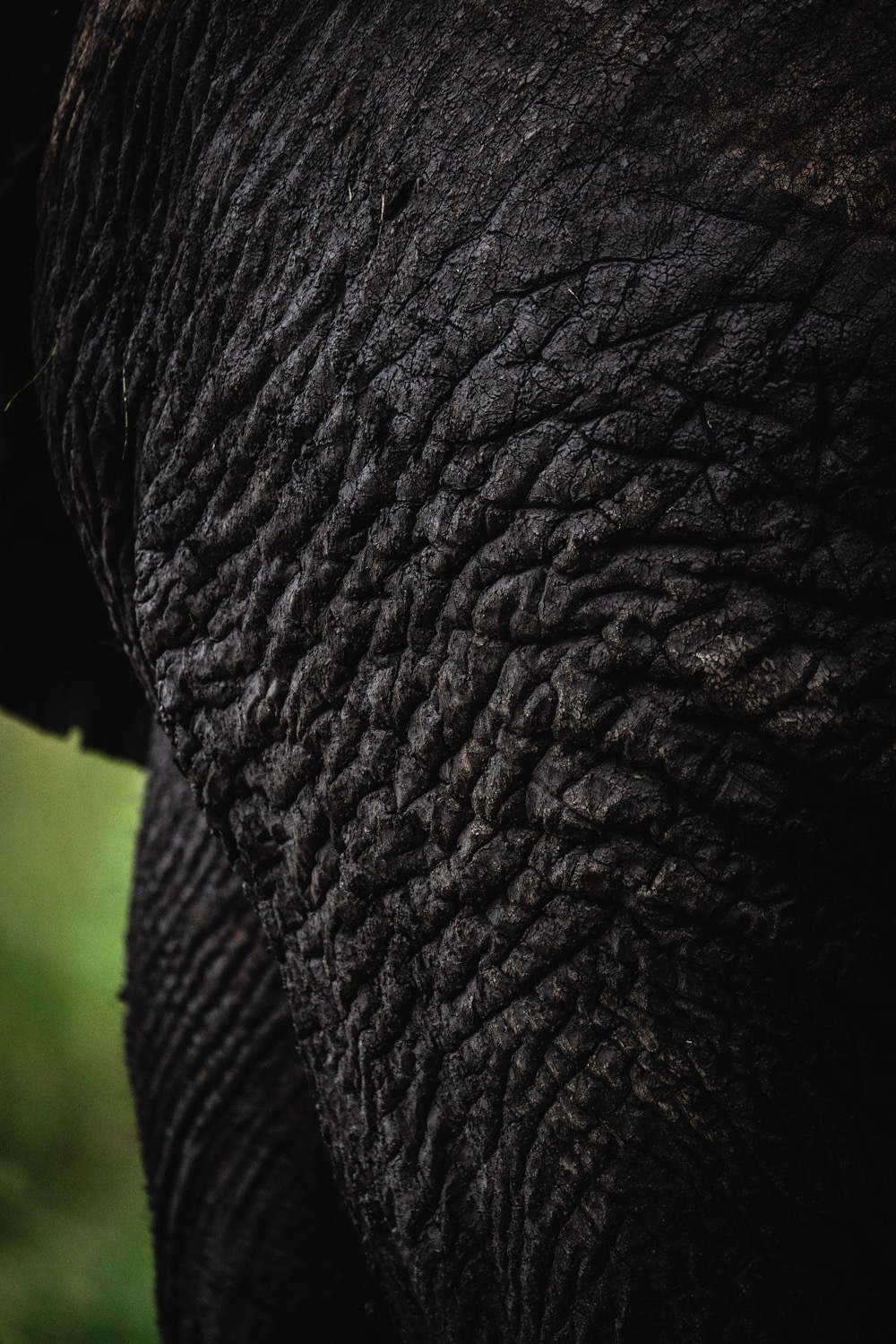
Three nights here gives you a full mokoro glide through papyrus channels, at least one walking safari on the dry palm islands, and two morning game drives. Hippos are constant. Red lechwe and sitatunga appear in the shallows every afternoon. Elephant herds cross the floodplains in single file at dusk, and if your guide knows the area well, you will find lions on the islands before breakfast on day two.
Camp options run from Oddballs Enclave (around 180 USD per night full board, good for independent travellers) to Sanctuary Stanley's Camp (from 1,100 USD per night all-inclusive). The guiding gap between budget and luxury is especially significant in the Okavango because the terrain demands someone who reads water channels by instinct, not by map.
Nights 4-6: Moremi Game Reserve
A short flight repositions you to Moremi. It sits within the broader Okavango ecosystem but feels entirely different: denser mopane woodland, drier islands, and a noticeably higher predator density. Wild dog packs use Moremi as a core territory. In June we followed a pack of fourteen through the bush for the better part of an hour before they rested under a fig tree. That kind of sighting is not unusual here.
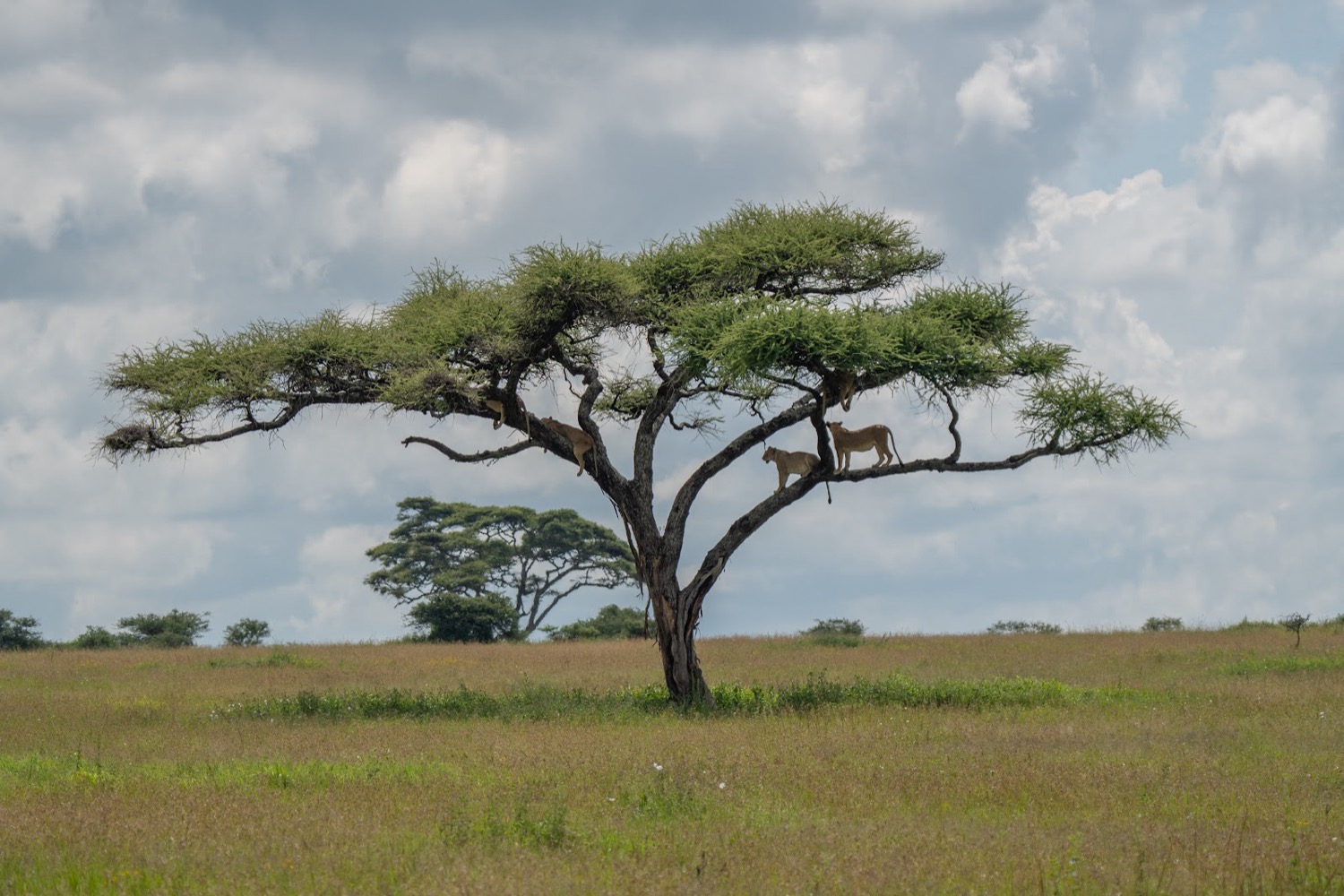
Lions are reliable year-round. Leopards require patience, and the best sightings tend to come from guides who know which trees they use regularly. Three nights, with the focus on early morning and late afternoon drives. Midday is for resting and watching whatever comes to the waterhole near camp.
Nights 7-8: Chobe National Park
From Moremi, fly to Kasane. The drive is also possible (about five hours on good tarmac via Nata) and works if you want a slower transition day. Chobe's claim is scale. The river front carries one of the largest elephant concentrations on the continent, with herds of 50 to 200 animals moving down to drink through the afternoon. A boat safari at sunset takes about two hours and covers angles no game drive vehicle can reach: bulls swimming across the current, pied kingfishers hovering, hippos surfacing two metres from the hull.
Two nights works for most people. A third makes sense only if elephants are your primary reason for being in Botswana. Entry fees to Chobe National Park are currently around 15 USD per person per day for international visitors (2025 tariff; verify directly before travel).
Nights 9-10: Central Kalahari Game Reserve
This is where the itinerary parts ways with every standard Botswana package. The Central Kalahari is the second-largest game reserve on earth, roughly the size of France, and visitor numbers are so low that you can go a full morning without seeing another vehicle. Getting there from Kasane means a flight via Maun to Xade or Deception Valley, or a long 4x4 drive that requires proper preparation and fuel planning.
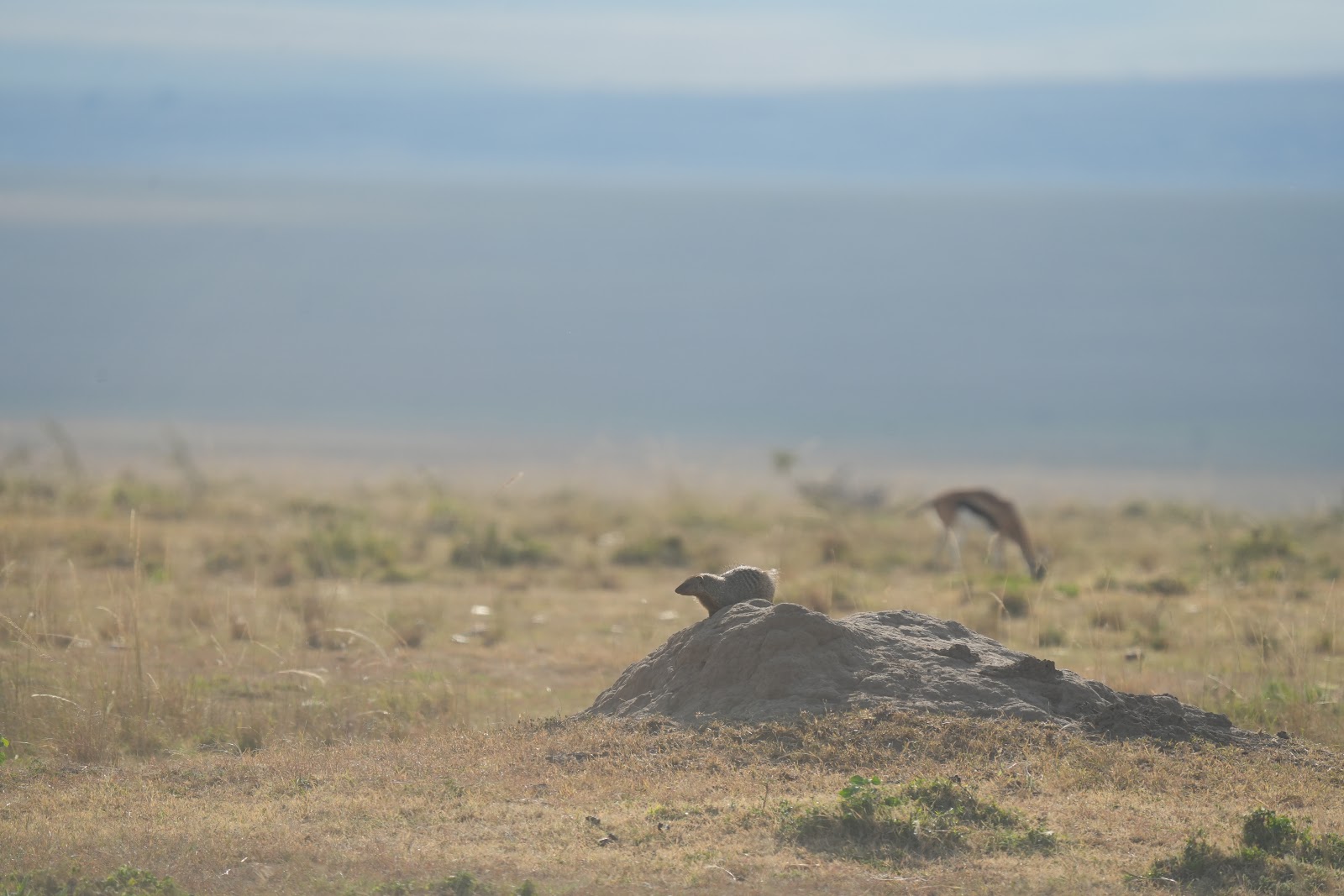
Kalahari lions move across open red dunes. Their manes are noticeably heavier than those of Okavango lions. Oryx stand still in the midday heat while brown hyenas wait out the day in whatever shade exists. At first light, meerkats stand sentinel on termite mounds while the desert shifts from black to amber. The early-morning light here is something photographers keep coming back for.
Two nights scratches the surface. Four is the right number if your schedule allows it, and if you need to choose between extending here or adding a third night in Chobe, extend here. The Department of Wildlife and National Parks Botswana manages camping permits for the Central Kalahari, and for July and August slots, both permits and campsites sell out by March.
How do you move between areas?
Light aircraft is the standard answer and the right one for most travellers. Flights between Okavango, Moremi, Kasane and the Kalahari take 20-45 minutes per leg and cost roughly 150-300 USD depending on route and operator. The low-level transit over the delta gives you a perspective that no ground transfer can replicate.
We budget around 650 EUR per person for internal flights across the full itinerary. That saves the better part of three days compared to driving and is the single logistics decision that makes this 10-night structure feasible.
What will you realistically see across the 10 days?
Large elephant herds every afternoon in Chobe, hippos and crocodiles in the Okavango channels, lions and leopards in Moremi, wild dogs if the timing aligns (May to July is the denning season, which anchors the packs and makes them far easier to locate), and Kalahari lions with meerkats in the desert. Buffalo, giraffe, zebra and wildebeest appear throughout as consistent background presence.
Rhinos are present in Botswana but confined to private conservancies and Khama Rhino Sanctuary near Serowe. If rhino is a priority, we can add a night there as an extension before or after this circuit.
How far in advance do you need to book?
For July and August: nine to twelve months minimum. Camps in the Okavango and Central Kalahari fill fast, and whatever remains by April is almost always the most expensive. We have seen clients find nothing below 1,500 USD per night when they tried to book four months out for peak season.
May, June and early October are more forgiving. Five to six months is usually enough. If you are planning this trip for the 2027 dry season, write to us before the end of 2026 and we can hold camp availability while you finalise flights.
Is Botswana safe for this kind of trip?
Botswana is among the most stable countries in sub-Saharan Africa and crime against tourists is very low. The main risks are wildlife-related: follow your guide's instructions on foot, especially in the Okavango. The UK Foreign Office travel advice for Botswana rates it as a low-risk destination with standard precautions.
Malaria prophylaxis is recommended for the Okavango and Chobe. The Central Kalahari carries lower transmission risk, but DEET and long sleeves at dusk are still sensible. Talk to your doctor six to eight weeks before departure.
Ready to put dates on this? Send us a WhatsApp message with your travel window and we will check camp availability within 24 hours.
FAQ
Can I add Victoria Falls to this itinerary?
Yes, and it is easy to arrange. Kasane in Chobe sits 80 km from Livingstone in Zambia and from Victoria Falls in Zimbabwe. A one-night extension adds roughly 150-250 USD per person and works as a final stop before flying home from Livingstone or Victoria Falls airport. Most clients who do it say they wish they had booked two nights.
Is this itinerary suitable for children?
Most camps in the Okavango and Chobe accept children aged 8 and over on game drives. The Central Kalahari is harder with young kids: drives are long and facilities at remote camps are basic. Some Okavango camps, including Sanctuary Baines' Camp, have dedicated children's guides and family activities. Tell us the ages when you contact us and we will match camps accordingly.
What are the luggage rules for light aircraft in Botswana?
Light aircraft across Botswana operate a strict 20 kg total limit per person, hand luggage included, and bags must be soft-sided. Hard shell cases will not fit in the hold. Camps do laundry daily, so the limit is more manageable than it sounds. We send a specific packing list with every booking confirmation.
What is the practical difference between the Okavango and Moremi?
The Okavango Delta covers roughly 15,000 square kilometres of channels, islands and floodplains. Moremi Game Reserve is a protected zone within that broader ecosystem, with denser bush and a consistently higher predator density. Three nights in pure Okavango channels gives the best water-based experience. Three nights in Moremi gives more reliable big cat sightings.
Do Botswana camps have Wi-Fi?
Luxury camps in the Okavango and Chobe usually offer limited Wi-Fi in communal areas, adequate for messaging and email. Camps in the Central Kalahari often rely on satellite internet, which is slow and intermittent. Plan to be largely offline for the duration. Ten days without a reliable signal is, for most people who have done it, one of the better parts of the trip.
10-Day Botswana Safari Itinerary: Okavango, Chobe and Kalahari Night by Night
The 10-night sequence that works best splits like this: three nights in the Okavango Delta (water-based, mokoro, walking), three in Moremi Game Reserve (predator density, wild dogs), two on the Chobe River (elephants by the hundred, boat safaris), and two in the Central Kalahari (open dunes, Kalahari lions, meerkats). Budget from 4,800 EUR per person mid-range, 9,500 EUR luxury, flying between areas. This article focuses purely on the logistics of moving through those four zones. For what each area costs by camp category, see our Botswana safari pricing guide. For detailed Okavango planning, see our Okavango Delta planning article.
| Detail | Info |
|---|---|
| Best months | May to October (dry season) |
| Price range per person | 4,800 EUR (mid-range) to 9,500 EUR (luxury) |
| Total duration | 10 nights, 11 days |
| Visa | Not required for EU, UK or US passports (90 days) |
| Gateway airports | Maun (Okavango) or Kasane (Chobe) |
| Internal transport | Light aircraft between areas, 4x4 on game drives |
| Currency | Botswana Pula (BWP); USD and EUR accepted at most camps |
Why does 10 nights work better than 7 or 14?
Seven nights forces a choice between the Okavango and the Kalahari, and most people regret whichever one they drop. Fourteen nights can leave you restless toward the end, especially on a first safari. Ten hits the balance: enough days in each zone to let it reveal itself, not so many that the rhythm turns monotonous.
Botswana limits visitor numbers by design, which means you almost never share a sighting with another vehicle. In July we watched a leopard drag a kill up a marula tree for forty minutes with no other jeep in sight. That exclusivity is priced into every camp rate, which is why costs look steep compared to Kenya or Tanzania. It is also why the experience is different in kind, not just degree.
What is the best time of year for this route?
May to October is the dry season and the clear window. Waterholes shrink, animals cluster near rivers, and morning temperatures drop to a pleasant 12-15°C. July and August deliver peak visibility but peak prices and full camps. May and June are our preferred months: wildlife activity is nearly identical, camp rates run 10-15% lower, and airstrips are quieter.
November to April changes each area significantly. The Kalahari greens up and meerkats are easier to spot at their dens. The Okavango floods in a way that limits mokoro routes, and some Moremi tracks become impassable after heavy rain. For a first visit, the dry season is the right call.
Night-by-night: how the 10 nights play out
Nights 1-3: Okavango Delta
You fly into Maun from Johannesburg (roughly two hours) and transfer immediately by light aircraft to your camp in the delta. There are no roads into the inner Okavango: the camp coordinates the six-seater Cessna from Maun. Budget camps can arrange road transfers to the outer delta, which cuts costs but also cuts the experience considerably.
Three nights here gives you a full mokoro glide through papyrus channels, at least one walking safari on the dry palm islands, and two morning game drives. Hippos are constant. Red lechwe and sitatunga appear in the shallows every afternoon. Elephant herds cross the floodplains in single file at dusk, and if your guide knows the area well, you will find lions on the islands before breakfast on day two.
Camp options run from Oddballs Enclave (around 180 USD per night full board, good for independent travellers) to Sanctuary Stanley's Camp (from 1,100 USD per night all-inclusive). The guiding gap between budget and luxury is especially significant in the Okavango because the terrain demands someone who reads water channels by instinct, not by map.
Nights 4-6: Moremi Game Reserve
A short flight repositions you to Moremi. It sits within the broader Okavango ecosystem but feels entirely different: denser mopane woodland, drier islands, and a noticeably higher predator density. Wild dog packs use Moremi as a core territory. In June we followed a pack of fourteen through the bush for the better part of an hour before they rested under a fig tree. That kind of sighting is not unusual here.
Lions are reliable year-round. Leopards require patience, and the best sightings tend to come from guides who know which trees they use regularly. Three nights, with the focus on early morning and late afternoon drives. Midday is for resting and watching whatever comes to the waterhole near camp.
Nights 7-8: Chobe National Park
From Moremi, fly to Kasane. The drive is also possible (about five hours on good tarmac via Nata) and works if you want a slower transition day. Chobe's claim is scale. The river front carries one of the largest elephant concentrations on the continent, with herds of 50 to 200 animals moving down to drink through the afternoon. A boat safari at sunset takes about two hours and covers angles no game drive vehicle can reach: bulls swimming across the current, pied kingfishers hovering, hippos surfacing two metres from the hull.
Two nights works for most people. A third makes sense only if elephants are your primary reason for being in Botswana. Entry fees to Chobe National Park are currently around 15 USD per person per day for international visitors (2025 tariff; verify directly before travel).
Nights 9-10: Central Kalahari Game Reserve
This is where the itinerary parts ways with every standard Botswana package. The Central Kalahari is the second-largest game reserve on earth, roughly the size of France, and visitor numbers are so low that you can go a full morning without seeing another vehicle. Getting there from Kasane means a flight via Maun to Xade or Deception Valley, or a long 4x4 drive that requires proper preparation and fuel planning.
Kalahari lions move across open red dunes. Their manes are noticeably heavier than those of Okavango lions. Oryx stand still in the midday heat while brown hyenas wait out the day in whatever shade exists. At first light, meerkats stand sentinel on termite mounds while the desert shifts from black to amber. The early-morning light here is something photographers keep coming back for.
Two nights scratches the surface. Four is the right number if your schedule allows it, and if you need to choose between extending here or adding a third night in Chobe, extend here. The Department of Wildlife and National Parks Botswana manages camping permits for the Central Kalahari, and for July and August slots, both permits and campsites sell out by March.
How do you move between areas?
Light aircraft is the standard answer and the right one for most travellers. Flights between Okavango, Moremi, Kasane and the Kalahari take 20-45 minutes per leg and cost roughly 150-300 USD depending on route and operator. The low-level transit over the delta gives you a perspective that no ground transfer can replicate.
We budget around 650 EUR per person for internal flights across the full itinerary. That saves the better part of three days compared to driving and is the single logistics decision that makes this 10-night structure feasible.
What will you realistically see across the 10 days?
Large elephant herds every afternoon in Chobe, hippos and crocodiles in the Okavango channels, lions and leopards in Moremi, wild dogs if the timing aligns (May to July is the denning season, which anchors the packs and makes them far easier to locate), and Kalahari lions with meerkats in the desert. Buffalo, giraffe, zebra and wildebeest appear throughout as consistent background presence.
Rhinos are present in Botswana but confined to private conservancies and Khama Rhino Sanctuary near Serowe. If rhino is a priority, we can add a night there as an extension before or after this circuit.
How far in advance do you need to book?
For July and August: nine to twelve months minimum. Camps in the Okavango and Central Kalahari fill fast, and whatever remains by April is almost always the most expensive. We have seen clients find nothing below 1,500 USD per night when they tried to book four months out for peak season.
May, June and early October are more forgiving. Five to six months is usually enough. If you are planning this trip for the 2027 dry season, write to us before the end of 2026 and we can hold camp availability while you finalise flights.
Is Botswana safe for this kind of trip?
Botswana is among the most stable countries in sub-Saharan Africa and crime against tourists is very low. The main risks are wildlife-related: follow your guide's instructions on foot, especially in the Okavango. The UK Foreign Office travel advice for Botswana rates it as a low-risk destination with standard precautions.
Malaria prophylaxis is recommended for the Okavango and Chobe. The Central Kalahari carries lower transmission risk, but DEET and long sleeves at dusk are still sensible. Talk to your doctor six to eight weeks before departure.
Ready to put dates on this? Send us a WhatsApp message with your travel window and we will check camp availability within 24 hours.
FAQ
Can I add Victoria Falls to this itinerary?
Yes, and it is easy to arrange. Kasane in Chobe sits 80 km from Livingstone in Zambia and from Victoria Falls in Zimbabwe. A one-night extension adds roughly 150-250 USD per person and works as a final stop before flying home from Livingstone or Victoria Falls airport. Most clients who do it say they wish they had booked two nights.
Is this itinerary suitable for children?
Most camps in the Okavango and Chobe accept children aged 8 and over on game drives. The Central Kalahari is harder with young kids: drives are long and facilities at remote camps are basic. Some Okavango camps, including Sanctuary Baines' Camp, have dedicated children's guides and family activities. Tell us the ages when you contact us and we will match camps accordingly.
What are the luggage rules for light aircraft in Botswana?
Light aircraft across Botswana operate a strict 20 kg total limit per person, hand luggage included, and bags must be soft-sided. Hard shell cases will not fit in the hold. Camps do laundry daily, so the limit is more manageable than it sounds. We send a specific packing list with every booking confirmation.
What is the practical difference between the Okavango and Moremi?
The Okavango Delta covers roughly 15,000 square kilometres of channels, islands and floodplains. Moremi Game Reserve is a protected zone within that broader ecosystem, with denser bush and a consistently higher predator density. Three nights in pure Okavango channels gives the best water-based experience. Three nights in Moremi gives more reliable big cat sightings.
Do Botswana camps have Wi-Fi?
Luxury camps in the Okavango and Chobe usually offer limited Wi-Fi in communal areas, adequate for messaging and email. Camps in the Central Kalahari often rely on satellite internet, which is slow and intermittent. Plan to be largely offline for the duration. Ten days without a reliable signal is, for most people who have done it, one of the better parts of the trip.




.png)