

Arusha, Tanzania: What to See in the Safari Capital of East Africa
Arusha is Tanzania's de facto safari capital: a mid-sized city of roughly 500,000 people sitting at 1,400 metres on the lower slopes of Mount Meru, with Kilimanjaro International Airport (JRO) 46 km to the east and Arusha National Park on your doorstep from USD 60. Every Northern Circuit departure, every Kilimanjaro climb, every Ngorongoro trip starts here. It rewards an extra day.
| Quick Facts | |
|---|---|
| Best months to visit | June to October (dry season) and January to February |
| Closest airport | Kilimanjaro International Airport (JRO), 46 km east |
| Arusha National Park entry | From USD 60 per person per day |
| City walking tour | Tip-based, departures from Clock Tower most mornings |
| Visa (most EU nationals) | eVisa required, USD 50 single entry, apply at immigration.go.tz |
| Currency | Tanzanian Shilling (TZS); USD widely accepted |
| Time zone | EAT (UTC+3), no daylight saving |
Why do safaris start in Arusha?
Arusha sits almost exactly halfway between Cairo and Cape Town, which is why it became East Africa's conference city and safari hub. Kilimanjaro International Airport receives direct connections from Amsterdam, Doha, Nairobi and Addis Ababa, so it's often quicker to fly in here than to route through Dar es Salaam. Our Arusha-based team uses it as the staging point for every Northern Circuit departure, and we've never once wished we'd routed differently.
What can you do in Arusha city itself?
More than most visitors expect. The city has a dense, walkable centre around the old colonial Clock Tower, a cultural museum that takes you properly into Tanzania's post-independence politics, and a craft market that rewards patience.
The Arusha Declaration Museum on Makongoro Road covers Tanzania's political history since independence with surprising depth. Entry is around TZS 5,000 (roughly EUR 2). Give it an hour. The exhibits are modest, but the context they give you for everything you'll see in the bush is real.
The Cultural Heritage Centre on the Dodoma Road is part gallery, part high-end craft shop. Prices are fixed and not cheap, but the Tingatinga paintings and Makonde sculptures are authenticated and the selection is curated. We send clients there when they want to avoid bargaining fatigue entirely.
The Maasai Market near the Clock Tower runs most mornings. Start at roughly 40% of the asking price and settle somewhere around 60%. It's the expected rhythm and sellers aren't offended by it. Take your time.
Tip-based walking tours depart from the Clock Tower area most mornings. They're led by young Arusha guides who know the neighbourhoods, the chapati spots on Sokoine Road and the Themi riverbank that most visitors never find. Around two hours; tip what feels fair (USD 5-10 is a reasonable baseline).
Is Arusha National Park worth a visit?
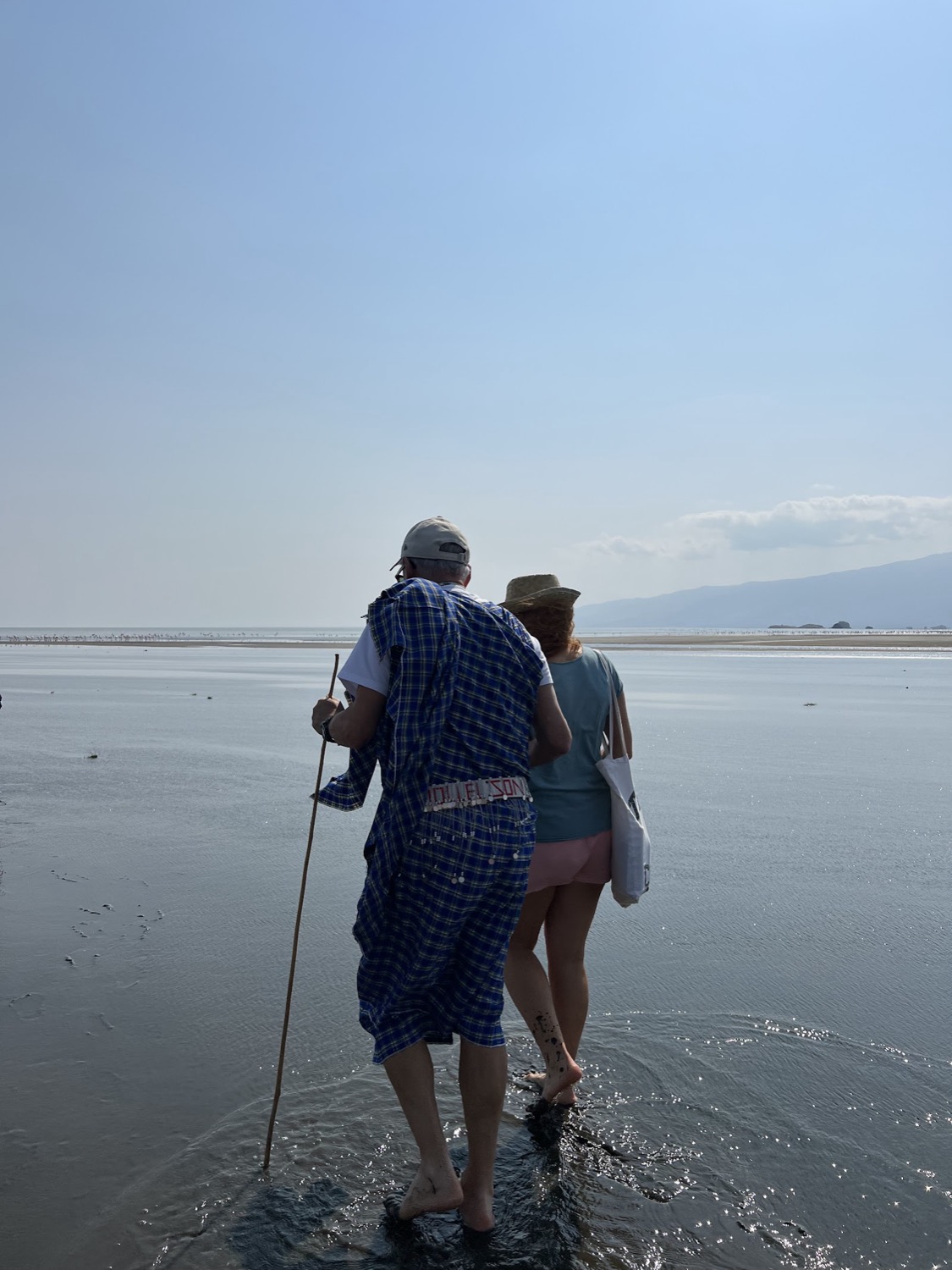
Yes. The park is 32 km from the city centre, entry is set at USD 60 per person per day by TANAPA, and a half-day add-on through us comes in at around EUR 95 per person. It's also the only park in Tanzania where you can do a guided walking safari without special fees. We cover the full detail, including the Momela Lakes flamingos and the colobus trails, in our dedicated Arusha National Park guide.
When is the best time to visit Arusha and the Northern Circuit?
June to October brings clear skies, cooler temperatures and the best wildlife concentrations in the Northern Circuit. The Great Migration moves into the northern Serengeti from July to September. January and February offer a shorter dry window, hotter but good for calving season in Ngorongoro. April and May are worth avoiding if you can: the long rains make some roads impassable and several camps close.
The city itself sits high enough that even in the wet season, mornings are usually clear. One night in Arusha rarely comes down to weather.
How do you get from Arusha to the main parks?
Road transfers are standard for the closer parks. Tarangire National Park is 120 km from the city centre (about two hours), and the Ngorongoro Crater rim is 180 km (three and a half hours). Both are very manageable in a 4x4 and that's how most of our clients start their circuits.
The Serengeti is a different calculation. Central Serengeti is 350 km on dirt roads: six to seven hours each way. Most clients do the first parks by road, then catch a domestic flight from Arusha Airport (ARK, the small city airstrip distinct from JRO) to Seronera. Auric Air and Coastal Aviation both fly this route for USD 180-250 one way, and you save an entire day in the vehicle.
How much should you budget for time in Arusha?
Budget guesthouses near the city centre start at USD 25-40 per night. Mid-range hotels like Four Points by Sheraton or Arusha Hotel run USD 100-180. For something with more character, Rivertrees Country Inn has rooms from around USD 180 with a garden that feels a long way from the city dust. The African Tulip is similar in price and has a rooftop bar worth using the evening before you head out.
Food is affordable. A good plate at a local restaurant costs TZS 10,000-20,000 (EUR 4-8). Dinner at a spot aimed at travellers runs around USD 15-25 per person. The local Kilimanjaro lager is TZS 3,500 at a neighbourhood bar.
How we do it
If you want to travel it with us: 8 days, from 3.095 € per person. Tanzania - Secrets of the South
One practical note: book your safari nights through a specialist, budget your Arusha nights separately. You'll pay less and get better local recommendations for where to eat.
Arusha vs Nairobi: which city to use as your safari base?
| Arusha | Nairobi | |
|---|---|---|
| Best for | Tanzania Northern Circuit, Kilimanjaro | Masai Mara, Amboseli, Kenya coast |
| International airport | JRO (Kilimanjaro), 46 km | JKIA (Nairobi), 18 km |
| City vibe | Smaller, slower, Maasai presence | Major metropolis, 5M+ people |
| Safety | Low urban risk | Moderate, more traffic crime |
| Flight connections from Europe | Via Nairobi, Doha, Amsterdam | Direct from many EU cities |
| Watatu operates from | Yes, home base | Partner network only |
Tanzania-only itinerary? Fly into Kilimanjaro and base yourself here. Mixing Kenya and Tanzania in the same trip? Nairobi makes more sense as the first entry point. If you're not sure which parks to combine, our Arusha team usually replies on WhatsApp within a few hours.
FAQ about Arusha
Do I need a visa to visit Arusha and Tanzania?
Most European and North American passport holders need a Tanzanian eVisa. Apply online at the official immigration portal before you travel. Cost is USD 50 for a single-entry tourist visa. Processing typically takes 3-10 business days, so apply at least two weeks ahead. Full step-by-step detail is in our Tanzania visa guide.
Can I visit the Serengeti as a day trip from Arusha?
The drive is not feasible as a day trip: six to seven hours each way on dirt roads. A fly-in day using the domestic Arusha-Seronera service costs around USD 360-500 round trip plus park fees, which is possible but expensive and tiring. We recommend staying at least two nights once you're there.
What currency should I bring to Arusha?
US dollars are the most practical for hotels, tours and park fees. Bring small denominations (USD 1, 5, 10 and 20) because change is scarce. Tanzanian shillings are needed for local transport and market purchases. ATMs in the city centre dispense TZS reliably; Stanbic and NMB branches near the Clock Tower rarely run dry.
Is Mount Meru visible from Arusha city?
Yes, on clear mornings. Mount Meru (4,566 m) rises directly above the city to the west. Kilimanjaro (5,895 m) is visible to the east when there's no cloud cover. The June-to-October window, before 09:00, gives the best chance of seeing both peaks at once.
How many days should I spend in Arusha?
One to two days covers the city highlights and a half-day in Arusha National Park. Most clients arrive the afternoon before their safari starts, spend one city day, then head out. On the return leg, a night to decompress before flying home makes sense. Three days feels right if you want to slow down, eat well and explore beyond the tourist circuit.
Is Arusha safe for travellers?
Generally yes. The main risks are petty theft and persistent touts near the market and bus stations. Keep your phone in your pocket and use a registered taxi or Uber after dark (Uber works reliably in Arusha). The UK Foreign Office Tanzania advice and equivalent EU advisories rate Arusha as low-risk within the country.
Your next step
If you want to travel it with us: 8 days, from 3.095 € per person. Tanzania - Secrets of the South
Arusha, Tanzania: What to See in the Safari Capital of East Africa
Arusha is Tanzania's de facto safari capital: a mid-sized city of roughly 500,000 people sitting at 1,400 metres on the lower slopes of Mount Meru, with Kilimanjaro International Airport (JRO) 46 km to the east and Arusha National Park on your doorstep from USD 60. Every Northern Circuit departure, every Kilimanjaro climb, every Ngorongoro trip starts here. It rewards an extra day.
| Quick Facts | |
|---|---|
| Best months to visit | June to October (dry season) and January to February |
| Closest airport | Kilimanjaro International Airport (JRO), 46 km east |
| Arusha National Park entry | From USD 60 per person per day |
| City walking tour | Tip-based, departures from Clock Tower most mornings |
| Visa (most EU nationals) | eVisa required, USD 50 single entry, apply at immigration.go.tz |
| Currency | Tanzanian Shilling (TZS); USD widely accepted |
| Time zone | EAT (UTC+3), no daylight saving |
Why do safaris start in Arusha?
Arusha sits almost exactly halfway between Cairo and Cape Town, which is why it became East Africa's conference city and safari hub. Kilimanjaro International Airport receives direct connections from Amsterdam, Doha, Nairobi and Addis Ababa, so it's often quicker to fly in here than to route through Dar es Salaam. Our Arusha-based team uses it as the staging point for every Northern Circuit departure, and we've never once wished we'd routed differently.
What can you do in Arusha city itself?
More than most visitors expect. The city has a dense, walkable centre around the old colonial Clock Tower, a cultural museum that takes you properly into Tanzania's post-independence politics, and a craft market that rewards patience.
The Arusha Declaration Museum on Makongoro Road covers Tanzania's political history since independence with surprising depth. Entry is around TZS 5,000 (roughly EUR 2). Give it an hour. The exhibits are modest, but the context they give you for everything you'll see in the bush is real.
The Cultural Heritage Centre on the Dodoma Road is part gallery, part high-end craft shop. Prices are fixed and not cheap, but the Tingatinga paintings and Makonde sculptures are authenticated and the selection is curated. We send clients there when they want to avoid bargaining fatigue entirely.
The Maasai Market near the Clock Tower runs most mornings. Start at roughly 40% of the asking price and settle somewhere around 60%. It's the expected rhythm and sellers aren't offended by it. Take your time.
Tip-based walking tours depart from the Clock Tower area most mornings. They're led by young Arusha guides who know the neighbourhoods, the chapati spots on Sokoine Road and the Themi riverbank that most visitors never find. Around two hours; tip what feels fair (USD 5-10 is a reasonable baseline).
Is Arusha National Park worth a visit?
Yes. The park is 32 km from the city centre, entry is set at USD 60 per person per day by TANAPA, and a half-day add-on through us comes in at around EUR 95 per person. It's also the only park in Tanzania where you can do a guided walking safari without special fees. We cover the full detail, including the Momela Lakes flamingos and the colobus trails, in our dedicated Arusha National Park guide.
When is the best time to visit Arusha and the Northern Circuit?
June to October brings clear skies, cooler temperatures and the best wildlife concentrations in the Northern Circuit. The Great Migration moves into the northern Serengeti from July to September. January and February offer a shorter dry window, hotter but good for calving season in Ngorongoro. April and May are worth avoiding if you can: the long rains make some roads impassable and several camps close.
The city itself sits high enough that even in the wet season, mornings are usually clear. One night in Arusha rarely comes down to weather.
How do you get from Arusha to the main parks?
Road transfers are standard for the closer parks. Tarangire National Park is 120 km from the city centre (about two hours), and the Ngorongoro Crater rim is 180 km (three and a half hours). Both are very manageable in a 4x4 and that's how most of our clients start their circuits.
The Serengeti is a different calculation. Central Serengeti is 350 km on dirt roads: six to seven hours each way. Most clients do the first parks by road, then catch a domestic flight from Arusha Airport (ARK, the small city airstrip distinct from JRO) to Seronera. Auric Air and Coastal Aviation both fly this route for USD 180-250 one way, and you save an entire day in the vehicle.
How much should you budget for time in Arusha?
Budget guesthouses near the city centre start at USD 25-40 per night. Mid-range hotels like Four Points by Sheraton or Arusha Hotel run USD 100-180. For something with more character, Rivertrees Country Inn has rooms from around USD 180 with a garden that feels a long way from the city dust. The African Tulip is similar in price and has a rooftop bar worth using the evening before you head out.
Food is affordable. A good plate at a local restaurant costs TZS 10,000-20,000 (EUR 4-8). Dinner at a spot aimed at travellers runs around USD 15-25 per person. The local Kilimanjaro lager is TZS 3,500 at a neighbourhood bar.
How we do it
If you want to travel it with us: 8 days, from 3.095 € per person. Tanzania - Secrets of the South
One practical note: book your safari nights through a specialist, budget your Arusha nights separately. You'll pay less and get better local recommendations for where to eat.
Arusha vs Nairobi: which city to use as your safari base?
| Arusha | Nairobi | |
|---|---|---|
| Best for | Tanzania Northern Circuit, Kilimanjaro | Masai Mara, Amboseli, Kenya coast |
| International airport | JRO (Kilimanjaro), 46 km | JKIA (Nairobi), 18 km |
| City vibe | Smaller, slower, Maasai presence | Major metropolis, 5M+ people |
| Safety | Low urban risk | Moderate, more traffic crime |
| Flight connections from Europe | Via Nairobi, Doha, Amsterdam | Direct from many EU cities |
| Watatu operates from | Yes, home base | Partner network only |
Tanzania-only itinerary? Fly into Kilimanjaro and base yourself here. Mixing Kenya and Tanzania in the same trip? Nairobi makes more sense as the first entry point. If you're not sure which parks to combine, our Arusha team usually replies on WhatsApp within a few hours.
FAQ about Arusha
Do I need a visa to visit Arusha and Tanzania?
Most European and North American passport holders need a Tanzanian eVisa. Apply online at the official immigration portal before you travel. Cost is USD 50 for a single-entry tourist visa. Processing typically takes 3-10 business days, so apply at least two weeks ahead. Full step-by-step detail is in our Tanzania visa guide.
Can I visit the Serengeti as a day trip from Arusha?
The drive is not feasible as a day trip: six to seven hours each way on dirt roads. A fly-in day using the domestic Arusha-Seronera service costs around USD 360-500 round trip plus park fees, which is possible but expensive and tiring. We recommend staying at least two nights once you're there.
What currency should I bring to Arusha?
US dollars are the most practical for hotels, tours and park fees. Bring small denominations (USD 1, 5, 10 and 20) because change is scarce. Tanzanian shillings are needed for local transport and market purchases. ATMs in the city centre dispense TZS reliably; Stanbic and NMB branches near the Clock Tower rarely run dry.
Is Mount Meru visible from Arusha city?
Yes, on clear mornings. Mount Meru (4,566 m) rises directly above the city to the west. Kilimanjaro (5,895 m) is visible to the east when there's no cloud cover. The June-to-October window, before 09:00, gives the best chance of seeing both peaks at once.
How many days should I spend in Arusha?
One to two days covers the city highlights and a half-day in Arusha National Park. Most clients arrive the afternoon before their safari starts, spend one city day, then head out. On the return leg, a night to decompress before flying home makes sense. Three days feels right if you want to slow down, eat well and explore beyond the tourist circuit.
Is Arusha safe for travellers?
Generally yes. The main risks are petty theft and persistent touts near the market and bus stations. Keep your phone in your pocket and use a registered taxi or Uber after dark (Uber works reliably in Arusha). The UK Foreign Office Tanzania advice and equivalent EU advisories rate Arusha as low-risk within the country.
Your next step
If you want to travel it with us: 8 days, from 3.095 € per person. Tanzania - Secrets of the South