





10-Day Namibia Safari: Namib Desert, Etosha and Fish River Canyon
Ten days is enough for Namib, Etosha and Fish River Canyon without feeling rushed, provided you fly in and out of Windhoek and follow a loop of roughly 2,200 km. You can do it by self-drive 4WD or with a private guide. What follows is the exact route we ran in May 2025.
| Detail | Info |
|---|---|
| Best months | May to October (dry season) |
| Price range (guided) | €2,800 to €5,500 per person |
| Price range (self-drive) | €1,600 to €2,400 per person |
| Total driving distance | approx. 2,200 km |
| Closest airport | Windhoek Hosea Kutako (WDH) |
| Visa | Most EU nationals: visa-free up to 90 days |
| Currency | Namibian Dollar (NAD), pegged 1:1 to ZAR |
What is the best route for a 10-day Namibia safari?
Two loops work well. The classic version goes south from Windhoek to Sossusvlei, northwest to Swakopmund, north to Etosha, then back to the capital. The southern-first version reverses this: Windhoek to Fish River Canyon first, roughly 600 km and one long driving day, then northwest into Namib-Naukluft and up to Etosha. We prefer south-first because it opens with the most dramatic geology on the continent before the game viewing begins. Both loops close in Windhoek with no backtracking.
A 4WD is non-negotiable inside Namib-Naukluft and strongly advised on the southern gravel. The gravel roads between Keetmanshoop and Lüderitz are well-graded in dry season, and a high-clearance 2WD can manage the B1 and C10 in good conditions. It cannot handle the sandy tracks to Sossusvlei.
Day-by-day: how do you structure 10 days in Namibia?
Day 1: Windhoek. Pick up your vehicle at Hosea Kutako or meet your guide at arrivals. Do your supermarket run tonight. There are almost no shops once you head south, and the few roadside towns that have them close early.
Days 2 and 3: Fish River Canyon. Take the B1 south then the C10, around five and a half hours of driving. At 160 km long and up to 550 m deep, the canyon sits alongside the Grand Canyon in sheer scale. The main viewpoint needs no permit and is open year-round. The five-day, 85 km hiking trail inside runs May to September only and requires a medical certificate; book permits through NWR (Namibia Wildlife Resorts) well in advance. On a 10-day loop you are limited to rim walks, and they fill a full day easily. Lodges on the rim cost NAD 1,200 to 2,500 per night, roughly €60 to €125.
Days 4 and 5: Sossusvlei and Deadvlei. Drive northwest into Namib-Naukluft National Park through the Sesriem gate. Park entry is NAD 180 per person per day. The alarm goes off before dawn, no exceptions: the light on Dune 45 lasts roughly forty minutes before it flattens. Big Daddy rewards the climb. Deadvlei sits 5 km past Sossusvlei by foot or park shuttle, and the dead camelthorn trees pressed into cracked white clay have been standing for around 900 years. NWR runs the only camp inside the park gates; for July or August, book 6 to 12 months ahead. Several private lodges just outside the gate are easier to secure on shorter notice and suit most budgets.
Day 6: Swakopmund. Northwest across the Namib to the Atlantic. The cold ocean air hits differently after four days of dust and heat. Swakopmund has a colonial German layout, decent fish restaurants on the waterfront and optional quad biking or dune boarding if you have the energy. Mostly it is the day to wash clothes, eat a salad and sleep in a proper bed.
Days 7, 8 and 9: Etosha National Park. Four hours north of Swakopmund. Etosha's defining feature is a vast salt pan of roughly 5,000 square kilometres that concentrates wildlife at the waterholes around its edges. Okaukuejo waterhole, right inside the camp, is floodlit at night. We sat there in May 2025 and watched four black rhino arrive one after another between 9 pm and midnight. Halali, about 70 km east, tends to be quieter and gives good elephant and lion sightings. Park entry is NAD 180 per person per day; check current fees and gate hours on the Namibian Ministry of Environment, Forestry and Tourism park page. Three nights inside beats two. The floodlit waterholes are the reason to be here.
Day 10: Back to Windhoek. About four hours on the B1. Drop the vehicle, late lunch in town, evening flight. Or add a night in Windhoek and spend the morning at the Namibian Craft Centre or the National Museum before you go.
How much does this 10-day Namibia safari cost?
The short answer: self-drive runs €1,600 to €2,400 per person, guided trips €2,800 to €5,500. Park fees across the route add up to around €80 to €100 per person for the full ten days. Fuel for the loop costs roughly NAD 3,500 to 4,500 depending on your vehicle (€175 to €225). A 4WD hire from Windhoek costs €80 to €130 per day before insurance.
The table below gives a quick orientation. For a full breakdown by accommodation tier and what each option actually includes, see our Namibia safari price guide, which is the better place for that level of detail.
| Option | Accommodation | Approx. total per person | What is included |
|---|---|---|---|
| Budget self-drive | NWR campsites | €1,600 to €2,000 | 4WD hire, fuel, park fees, camping |
| Mid-range self-drive | Guesthouses and lodges | €2,200 to €2,800 | 4WD hire, fuel, park fees, B&B lodges |
| Guided private safari | Mid-range to upper lodges | €3,500 to €5,500 | Guide, vehicle, accommodation, most meals |
| Luxury fly-in | High-end lodges only | €6,000 and up | Internal flights, transfers, full board, activities |
When is the best time for this specific route?
May to October gives dry conditions and reliable waterhole sightings in Etosha. July and August are peak season: lodge prices rise and NWR campsites need to be booked months ahead. June and September deliver near-identical game viewing with fewer vehicles at the waterholes. May is our personal favourite for this loop. Cool mornings, a green tinge still on the Etosha edges, and a sense of space that July simply does not have. Our dedicated when-to-go piece covers the green season (November to April) and the specific trade-offs it brings for each section of this route.
Self-drive or guided: which suits this route?
If you are comfortable on long gravel roads and can navigate with a downloaded offline map plus a paper backup, self-drive works well here. Distances between fuel stops can exceed 200 km in the south, so discipline about fill-ups matters. The reward is real freedom: stopping where you want, taking the pace you want.
A private guide removes the logistics and adds something harder to quantify. In Etosha, our guide pointed out a cheetah lying flat against a termite mound 80 metres off the track. We would have driven straight past. From our Barcelona base, a private 10-day guided Namibia trip including flights from Spain runs from €3,800 per person. Send us a WhatsApp and we will put together a no-obligation quote within 48 hours.
What wildlife does this route produce?
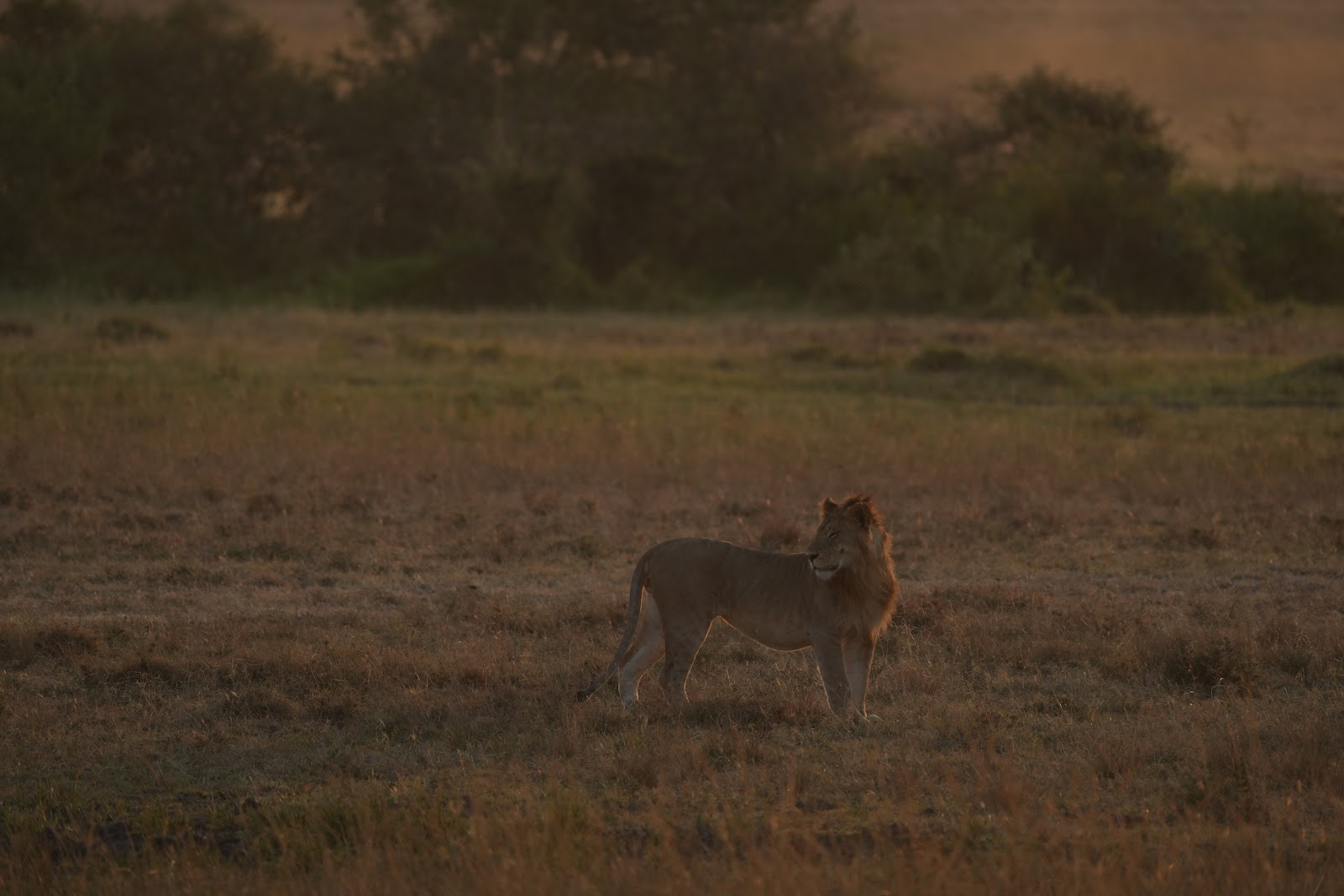
Etosha carries the big game: black and white rhino, elephant, lion, leopard, cheetah, giraffe, zebra, wildebeest and a long list of antelope species. Black rhino sightings are more consistent here than almost anywhere else in southern Africa. The Namib section is a different register entirely: desert-adapted oryx motionless against red dunes, brown hyena tracks in the clay at Deadvlei, the occasional desert-adapted lion. Fish River Canyon is geology first, but klipspringers and rock hyrax are everywhere along the rim, and most people stand at the viewpoint longer than they planned.
Practical things to sort before you go
Carry NAD or USD cash. Card terminals exist in major towns but fail regularly at remote campsites and smaller lodges. An MTC Namibia SIM covers most of this route with usable data if you want local rates. Nights in the desert in June and July drop to 5 to 10°C even when afternoons reach 25°C, so a proper fleece and a down layer for the waterholes after dark are worth packing.
Most EU nationals enter Namibia without a visa for stays under 90 days. Confirm your specific passport on the Namibia Ministry of Foreign Affairs website before travel. Malaria risk on this southern loop is low: the south and Namib coast are malaria-free, and Etosha sits in a low-risk area. A quick conversation with a travel health clinic is worth the ten minutes.
One practical thing that catches people out: the Sesriem gate opens at sunrise and closes at sunset. Miss the closing time and you lose dawn dune access. Stay inside the park, or at a lodge just outside the gate if NWR camps are full.
Ready to plan the trip? Write to us on WhatsApp and we will send a detailed proposal within 48 hours.
FAQ: Namibia 10-day safari
Do I need a 4WD for this Namibia itinerary?
Yes. The sandy tracks inside Namib-Naukluft to Sossusvlei and Deadvlei require 4WD and low-range gear. Gravel roads in the south are manageable in a high-clearance 2WD in dry season, but a 4WD removes all uncertainty and lets you stop wherever you like. Hire one from Windhoek for €80 to €130 per day before insurance.
Is 10 days enough for Namibia?
Ten days covers Namib, Etosha and Fish River Canyon at a reasonable pace with two or three nights at each stop. You will not feel compressed if you fly in and out of Windhoek and leave the Skeleton Coast for a longer trip, which needs at least 14 days to do properly alongside these three areas.
Can I hike inside Fish River Canyon on a 10-day trip?
The five-day, 85 km trail runs May to September and requires a medical fitness certificate issued within 40 days of the start date. Permits go through NWR. The hike is a serious undertaking and adds at least five days to this route, making it a 15-day minimum trip. On a 10-day loop, rim walks and viewpoints are what you have, and they are worth a full day on their own.
What is the cheapest way to do this Namibia route?
Self-drive with NWR campsites is the most affordable approach, around €1,600 to €2,000 per person for 10 days excluding flights. NWR campsites cost NAD 200 to 350 per person per night. Travelling in June or September gets you dry-season wildlife without the July and August lodge price premium.
Is Namibia safe for solo travellers?
Namibia is one of the safer countries in sub-Saharan Africa for independent travel. The practical risks on this route are fuel gaps (some southern stretches exceed 200 km between stations) and getting stuck on remote tracks. Always carry 5 litres of water per person, a spare tyre and a satellite communicator if you venture off the main roads.
Which month has the best wildlife in Etosha?
July and August bring the highest animal concentrations as water sources outside the park dry up. September and October are nearly as productive and noticeably quieter. June offers good lion and black rhino sightings with comfortable daytime temperatures around 22 to 25°C and far fewer vehicles at the waterholes.
10-Day Namibia Safari: Namib Desert, Etosha and Fish River Canyon
Ten days is enough for Namib, Etosha and Fish River Canyon without feeling rushed, provided you fly in and out of Windhoek and follow a loop of roughly 2,200 km. You can do it by self-drive 4WD or with a private guide. What follows is the exact route we ran in May 2025.
| Detail | Info |
|---|---|
| Best months | May to October (dry season) |
| Price range (guided) | €2,800 to €5,500 per person |
| Price range (self-drive) | €1,600 to €2,400 per person |
| Total driving distance | approx. 2,200 km |
| Closest airport | Windhoek Hosea Kutako (WDH) |
| Visa | Most EU nationals: visa-free up to 90 days |
| Currency | Namibian Dollar (NAD), pegged 1:1 to ZAR |
What is the best route for a 10-day Namibia safari?
Two loops work well. The classic version goes south from Windhoek to Sossusvlei, northwest to Swakopmund, north to Etosha, then back to the capital. The southern-first version reverses this: Windhoek to Fish River Canyon first, roughly 600 km and one long driving day, then northwest into Namib-Naukluft and up to Etosha. We prefer south-first because it opens with the most dramatic geology on the continent before the game viewing begins. Both loops close in Windhoek with no backtracking.
A 4WD is non-negotiable inside Namib-Naukluft and strongly advised on the southern gravel. The gravel roads between Keetmanshoop and Lüderitz are well-graded in dry season, and a high-clearance 2WD can manage the B1 and C10 in good conditions. It cannot handle the sandy tracks to Sossusvlei.
Day-by-day: how do you structure 10 days in Namibia?
Day 1: Windhoek. Pick up your vehicle at Hosea Kutako or meet your guide at arrivals. Do your supermarket run tonight. There are almost no shops once you head south, and the few roadside towns that have them close early.
Days 2 and 3: Fish River Canyon. Take the B1 south then the C10, around five and a half hours of driving. At 160 km long and up to 550 m deep, the canyon sits alongside the Grand Canyon in sheer scale. The main viewpoint needs no permit and is open year-round. The five-day, 85 km hiking trail inside runs May to September only and requires a medical certificate; book permits through NWR (Namibia Wildlife Resorts) well in advance. On a 10-day loop you are limited to rim walks, and they fill a full day easily. Lodges on the rim cost NAD 1,200 to 2,500 per night, roughly €60 to €125.
Days 4 and 5: Sossusvlei and Deadvlei. Drive northwest into Namib-Naukluft National Park through the Sesriem gate. Park entry is NAD 180 per person per day. The alarm goes off before dawn, no exceptions: the light on Dune 45 lasts roughly forty minutes before it flattens. Big Daddy rewards the climb. Deadvlei sits 5 km past Sossusvlei by foot or park shuttle, and the dead camelthorn trees pressed into cracked white clay have been standing for around 900 years. NWR runs the only camp inside the park gates; for July or August, book 6 to 12 months ahead. Several private lodges just outside the gate are easier to secure on shorter notice and suit most budgets.
Day 6: Swakopmund. Northwest across the Namib to the Atlantic. The cold ocean air hits differently after four days of dust and heat. Swakopmund has a colonial German layout, decent fish restaurants on the waterfront and optional quad biking or dune boarding if you have the energy. Mostly it is the day to wash clothes, eat a salad and sleep in a proper bed.
Days 7, 8 and 9: Etosha National Park. Four hours north of Swakopmund. Etosha's defining feature is a vast salt pan of roughly 5,000 square kilometres that concentrates wildlife at the waterholes around its edges. Okaukuejo waterhole, right inside the camp, is floodlit at night. We sat there in May 2025 and watched four black rhino arrive one after another between 9 pm and midnight. Halali, about 70 km east, tends to be quieter and gives good elephant and lion sightings. Park entry is NAD 180 per person per day; check current fees and gate hours on the Namibian Ministry of Environment, Forestry and Tourism park page. Three nights inside beats two. The floodlit waterholes are the reason to be here.
Day 10: Back to Windhoek. About four hours on the B1. Drop the vehicle, late lunch in town, evening flight. Or add a night in Windhoek and spend the morning at the Namibian Craft Centre or the National Museum before you go.
How much does this 10-day Namibia safari cost?
The short answer: self-drive runs €1,600 to €2,400 per person, guided trips €2,800 to €5,500. Park fees across the route add up to around €80 to €100 per person for the full ten days. Fuel for the loop costs roughly NAD 3,500 to 4,500 depending on your vehicle (€175 to €225). A 4WD hire from Windhoek costs €80 to €130 per day before insurance.
The table below gives a quick orientation. For a full breakdown by accommodation tier and what each option actually includes, see our Namibia safari price guide, which is the better place for that level of detail.
| Option | Accommodation | Approx. total per person | What is included |
|---|---|---|---|
| Budget self-drive | NWR campsites | €1,600 to €2,000 | 4WD hire, fuel, park fees, camping |
| Mid-range self-drive | Guesthouses and lodges | €2,200 to €2,800 | 4WD hire, fuel, park fees, B&B lodges |
| Guided private safari | Mid-range to upper lodges | €3,500 to €5,500 | Guide, vehicle, accommodation, most meals |
| Luxury fly-in | High-end lodges only | €6,000 and up | Internal flights, transfers, full board, activities |
When is the best time for this specific route?
May to October gives dry conditions and reliable waterhole sightings in Etosha. July and August are peak season: lodge prices rise and NWR campsites need to be booked months ahead. June and September deliver near-identical game viewing with fewer vehicles at the waterholes. May is our personal favourite for this loop. Cool mornings, a green tinge still on the Etosha edges, and a sense of space that July simply does not have. Our dedicated when-to-go piece covers the green season (November to April) and the specific trade-offs it brings for each section of this route.
Self-drive or guided: which suits this route?
If you are comfortable on long gravel roads and can navigate with a downloaded offline map plus a paper backup, self-drive works well here. Distances between fuel stops can exceed 200 km in the south, so discipline about fill-ups matters. The reward is real freedom: stopping where you want, taking the pace you want.
A private guide removes the logistics and adds something harder to quantify. In Etosha, our guide pointed out a cheetah lying flat against a termite mound 80 metres off the track. We would have driven straight past. From our Barcelona base, a private 10-day guided Namibia trip including flights from Spain runs from €3,800 per person. Send us a WhatsApp and we will put together a no-obligation quote within 48 hours.
What wildlife does this route produce?
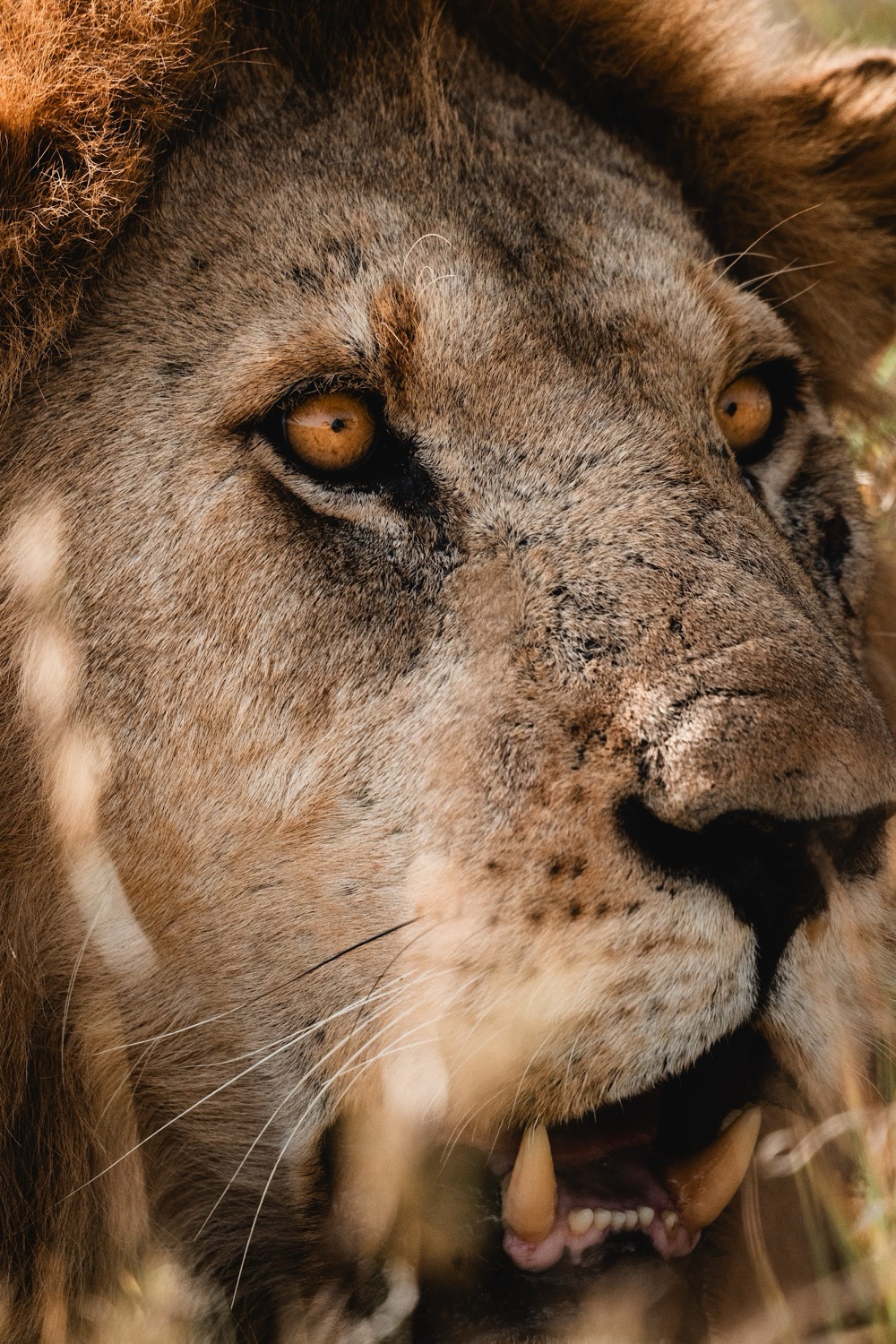
Etosha carries the big game: black and white rhino, elephant, lion, leopard, cheetah, giraffe, zebra, wildebeest and a long list of antelope species. Black rhino sightings are more consistent here than almost anywhere else in southern Africa. The Namib section is a different register entirely: desert-adapted oryx motionless against red dunes, brown hyena tracks in the clay at Deadvlei, the occasional desert-adapted lion. Fish River Canyon is geology first, but klipspringers and rock hyrax are everywhere along the rim, and most people stand at the viewpoint longer than they planned.
Practical things to sort before you go
Carry NAD or USD cash. Card terminals exist in major towns but fail regularly at remote campsites and smaller lodges. An MTC Namibia SIM covers most of this route with usable data if you want local rates. Nights in the desert in June and July drop to 5 to 10°C even when afternoons reach 25°C, so a proper fleece and a down layer for the waterholes after dark are worth packing.
Most EU nationals enter Namibia without a visa for stays under 90 days. Confirm your specific passport on the Namibia Ministry of Foreign Affairs website before travel. Malaria risk on this southern loop is low: the south and Namib coast are malaria-free, and Etosha sits in a low-risk area. A quick conversation with a travel health clinic is worth the ten minutes.
One practical thing that catches people out: the Sesriem gate opens at sunrise and closes at sunset. Miss the closing time and you lose dawn dune access. Stay inside the park, or at a lodge just outside the gate if NWR camps are full.
Ready to plan the trip? Write to us on WhatsApp and we will send a detailed proposal within 48 hours.
FAQ: Namibia 10-day safari
Do I need a 4WD for this Namibia itinerary?
Yes. The sandy tracks inside Namib-Naukluft to Sossusvlei and Deadvlei require 4WD and low-range gear. Gravel roads in the south are manageable in a high-clearance 2WD in dry season, but a 4WD removes all uncertainty and lets you stop wherever you like. Hire one from Windhoek for €80 to €130 per day before insurance.
Is 10 days enough for Namibia?
Ten days covers Namib, Etosha and Fish River Canyon at a reasonable pace with two or three nights at each stop. You will not feel compressed if you fly in and out of Windhoek and leave the Skeleton Coast for a longer trip, which needs at least 14 days to do properly alongside these three areas.
Can I hike inside Fish River Canyon on a 10-day trip?
The five-day, 85 km trail runs May to September and requires a medical fitness certificate issued within 40 days of the start date. Permits go through NWR. The hike is a serious undertaking and adds at least five days to this route, making it a 15-day minimum trip. On a 10-day loop, rim walks and viewpoints are what you have, and they are worth a full day on their own.
What is the cheapest way to do this Namibia route?
Self-drive with NWR campsites is the most affordable approach, around €1,600 to €2,000 per person for 10 days excluding flights. NWR campsites cost NAD 200 to 350 per person per night. Travelling in June or September gets you dry-season wildlife without the July and August lodge price premium.
Is Namibia safe for solo travellers?
Namibia is one of the safer countries in sub-Saharan Africa for independent travel. The practical risks on this route are fuel gaps (some southern stretches exceed 200 km between stations) and getting stuck on remote tracks. Always carry 5 litres of water per person, a spare tyre and a satellite communicator if you venture off the main roads.
Which month has the best wildlife in Etosha?
July and August bring the highest animal concentrations as water sources outside the park dry up. September and October are nearly as productive and noticeably quieter. June offers good lion and black rhino sightings with comfortable daytime temperatures around 22 to 25°C and far fewer vehicles at the waterholes.










.png)