





15-Day Namibia Safari: Skeleton Coast and Damaraland Rhino Tracking Beyond the Standard Loop
The extra five days over a standard 10-day Namibia loop go to two things: the Skeleton Coast done properly with two nights instead of a rushed day trip from Swakopmund, and three days in Damaraland tracking desert-adapted black rhino on foot with a community guide. Those additions change the character of the trip completely. A self-drive loop covering all four regions costs roughly 2,800 to 4,500 EUR per person and clocks around 3,200 km on tar and gravel with no internal flights.
| Detail | Info |
|---|---|
| Best months | May to October (dry season); peak wildlife Jun–Sep |
| Price range | 2,800–4,500 EUR/person (self-drive, mid-range lodges) |
| Duration | 15 days / 14 nights |
| Visa | Free 90-day entry for EU citizens (no prior application) |
| Closest airport | Windhoek Hosea Kutako International (WDH) |
| Driving side | Left |
| Currency | Namibian Dollar (NAD); 1 EUR ≈ 20 NAD |
When is the best time to do a 15-day Namibia safari?
May to October is the dry season and the window when wildlife concentrates around waterholes. June to September is peak: days run 20 to 28°C, nights in the desert drop to around 5°C. We were at Okaukuejo in August and the waterhole had lions every single evening.
April and November work well with fewer vehicles on the gravel and noticeably lower prices. Avoid December to February in the south: Fish River Canyon closes to hikers because of extreme heat, and the Namib becomes brutal midday. The Namibian Meteorological Service publishes monthly forecasts worth checking before you book.
What does the day-by-day route look like?
The structure below avoids backtracking and keeps daily driving under five hours on most stages. Long segments are flagged with a split option.
Days 1–2: Windhoek
Collect your 4x4 on arrival and use day one entirely for logistics. The Namibian Craft Centre is worth an hour for last-minute kit, and a proper grocery run matters more than people expect: stock a cool box with enough food for three days at a time because options thin out fast once you leave Swakopmund heading north. Paper map alongside your offline GPS is not optional on D-roads. Guesthouses in the centre run 45 to 80 EUR per room.
Days 3–5: Namib-Naukluft and Sossusvlei
The drive south from Windhoek is 350 km on the B1 then west on gravel. You reach Sesriem gate by mid-afternoon on day three. Day four is the one that justifies the whole trip to this region: up before dawn, inside the dune field by 6am. Do Dune 45 early if you want company, Big Daddy if you want silence and a slightly harder climb. By 9am the sand is already warm enough to blister bare feet, so most people are back at the car by 10. Conservation fees sit at roughly 80 NAD per person per day. Lodges near Sesriem range from 90 to 200 EUR per night depending on category. If your budget is tight, the NWR campsite at Sesriem itself is around 30 EUR and the stargazing from that altitude on a clear night is worth the trade-off.
Days 6–7: Skeleton Coast
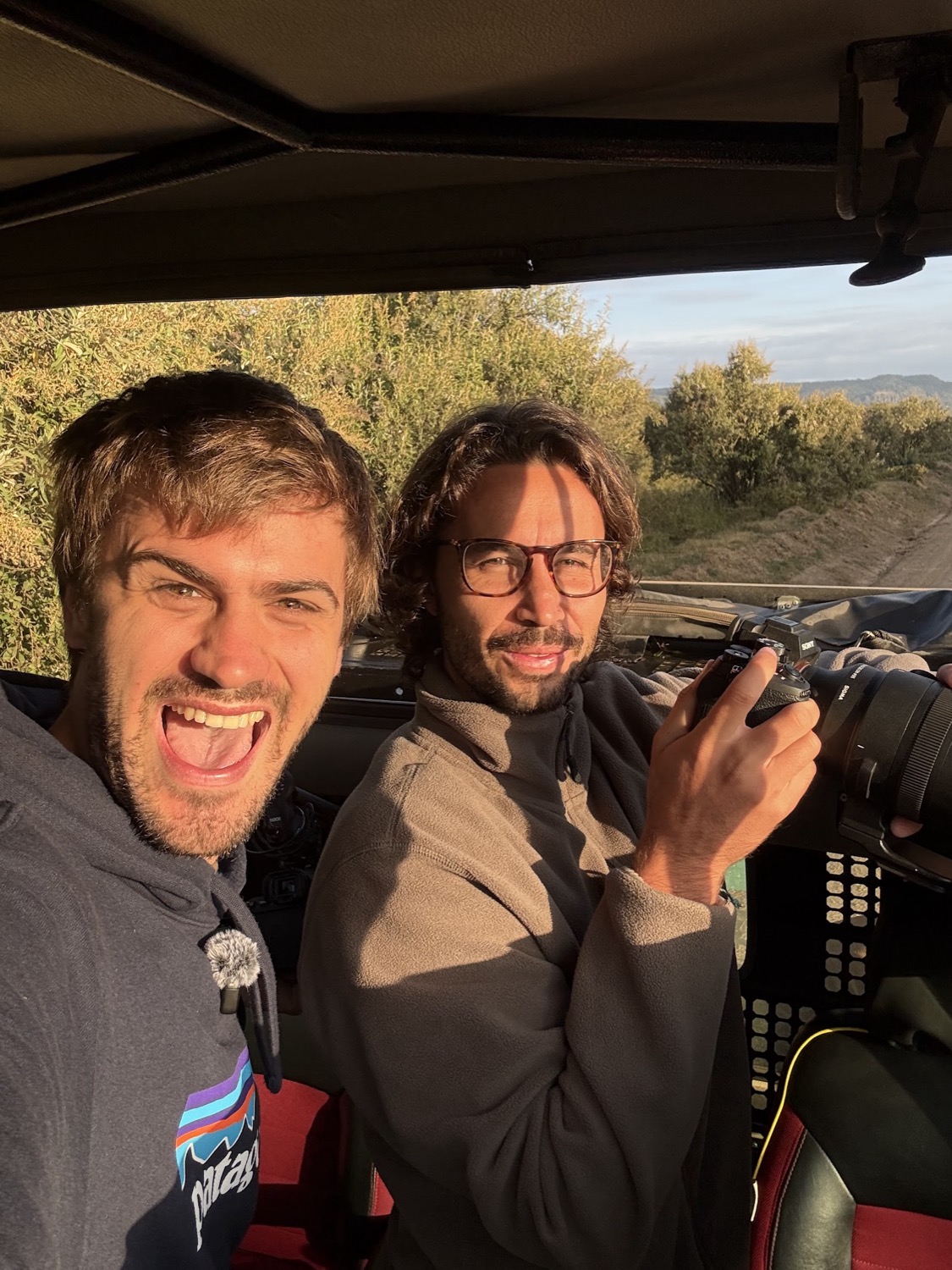
Drive north 380 km to Swakopmund on the C14. The road is partly gravel and the Atlantic scenery along that stretch is unlike anything else on the trip: fog banks sitting offshore, the desert meeting the ocean, the occasional shipwreck silhouette. Most 10-day Namibia itineraries treat Swakopmund as a base and manage one rushed day to Cape Cross. Two days here changes that entirely. On day seven, push north into the Skeleton Coast National Park proper. The Cape fur seal colony at Cape Cross numbers around 250,000 animals in peak season and the noise and smell hit you before you even park. Entry is roughly 120 NAD. If you have a spare afternoon back in Swakopmund, the township tour run by local operators is a better two hours than any quad bike on the dunes. Accommodation in Swakopmund runs 70 to 150 EUR per night.
Days 8–10: Damaraland
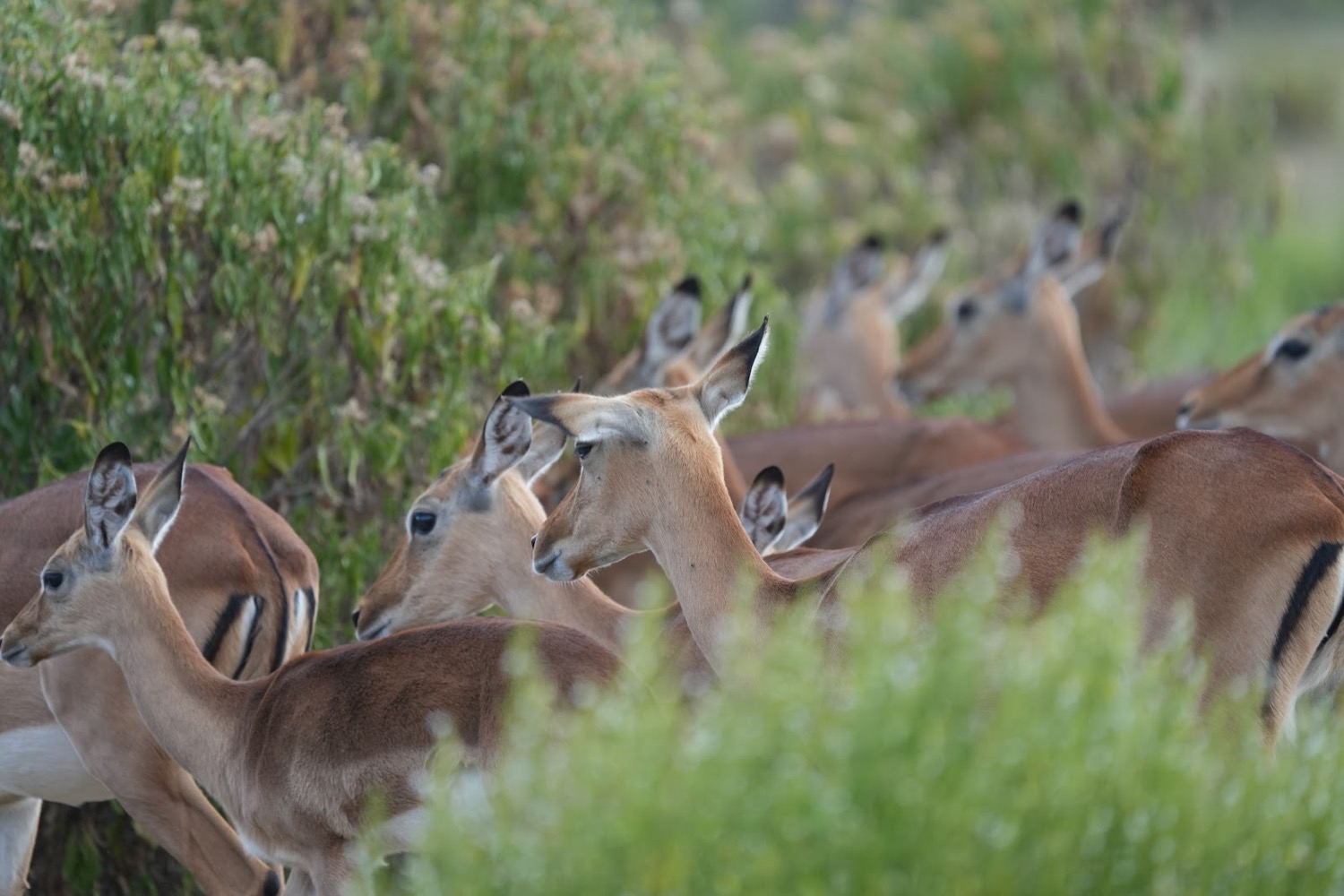
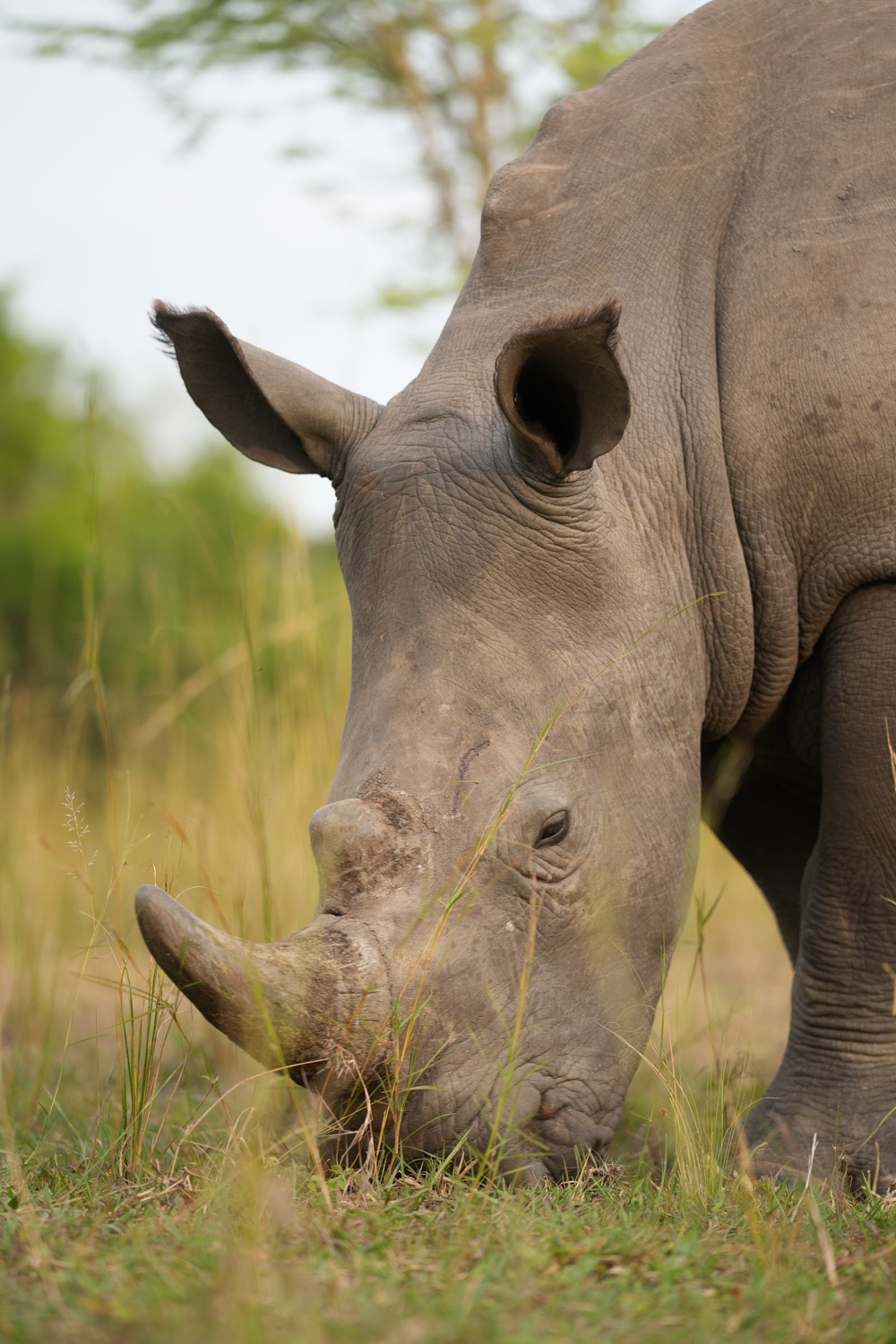
Head inland and north. The landscape shifts from coastal fog to red ochre plains and the driving gets more interesting on the D2612 and D3254 toward Palmwag. Desert-adapted elephants show up regularly along the Huab and Ugab riverbeds: slow down, engine off, windows down, wait. Black rhino tracking on foot with a Save the Rhino Trust community guide is available in the Palmwag Concession. Half-day excursions run around 80 to 120 USD per person and the money goes directly to the trackers and the conservancy. It is genuinely different from a vehicle-based game drive. You read the terrain differently on foot, and the guide reads signs you would never notice from a car seat. Twyfelfontein's ancient San rock engravings are a UNESCO World Heritage Site worth two hours. Lodges across Damaraland range from 150 to 350 EUR per night.
Days 11–13: Etosha National Park
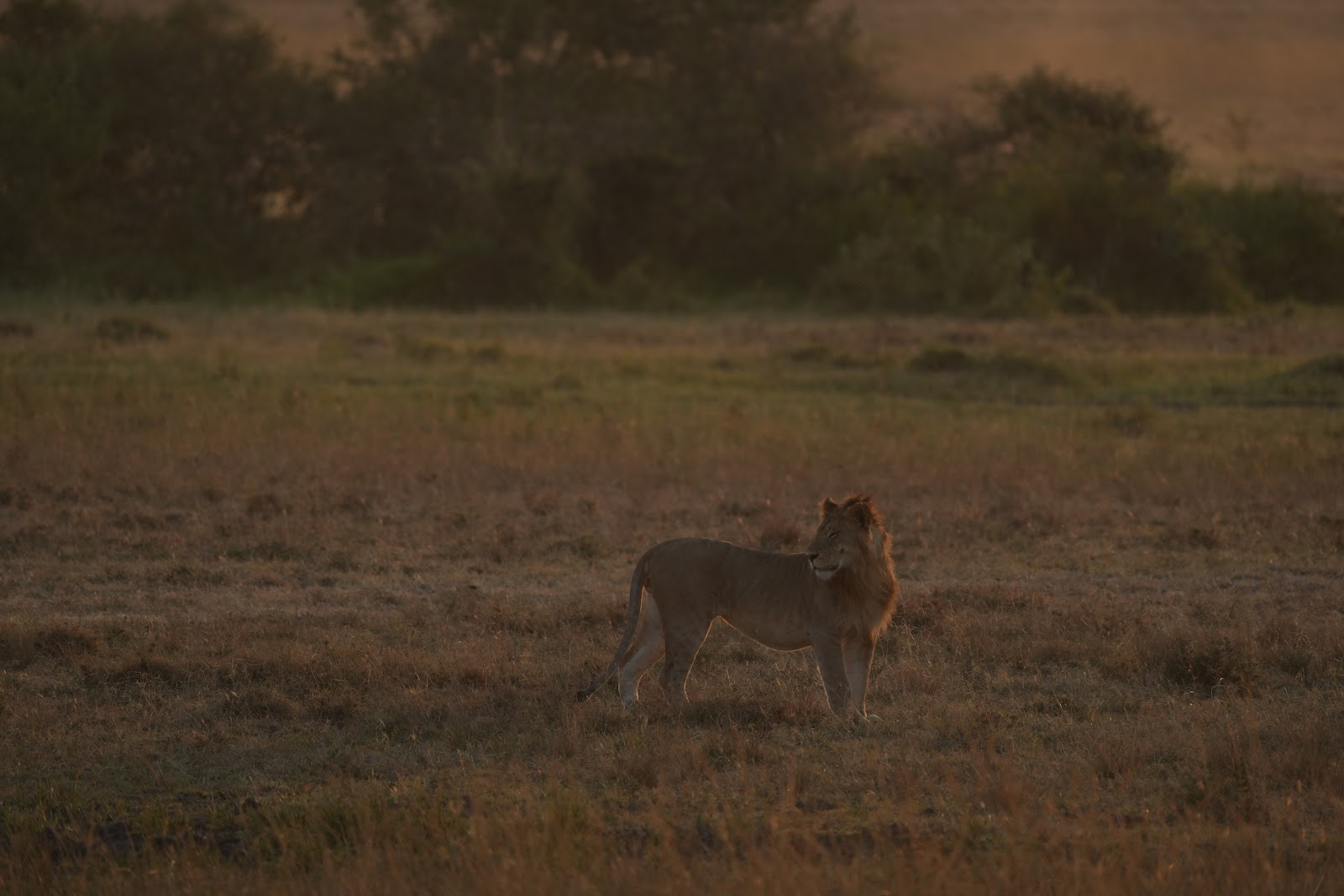
Enter through Anderson Gate and work east across the camps: Okaukuejo, Halali and Namutoni each have their own lit waterhole. The strategy is simple. Drive the park through the day, then anchor at one waterhole from dusk. On a good session at Okaukuejo we have sat for two hours and watched lion, black rhino, zebra and giraffe all come through without moving the car once. Park fees are around 150 NAD per person per day plus 10 NAD per vehicle. NWR chalets inside the park run 80 to 130 EUR per night. For June to September travel, book through Namibia Wildlife Resorts at least six months out. The NWR system opens 12 months in advance and the best chalets go fast.
Days 14–15: Fish River Canyon
The drive south from Etosha is 650 km on the B1. Split it with a night near Keetmanshoop: there is a decent guesthouse on the main road for around 50 EUR and the quiver tree forest (Quivertree Forest Rest Camp) is a ten-minute detour worth making at sunset. The canyon itself is 160 km long and 550 metres deep. The main viewpoint above Hobas in late afternoon is where the scale takes time to register: most people stand there quietly for a while before saying anything. The five-day canyon hike runs April to September, requires a medical certificate and costs roughly 150 NAD per person in permits. It does not fit inside a 15-day trip without cutting something significant elsewhere. A short rim walk and the viewpoint are the right scope here. Fly home from Windhoek the next morning, four hours north on the B1.
Self-drive or guided: which works better for this route?
The flexibility matters most at Etosha waterholes where sitting for three unplanned hours can produce the best moment of the entire trip. A fixed-schedule tour cannot easily accommodate that. For first-time Africa travellers with no off-road experience, a guided trip removes the navigation stress on D-roads and the pressure of making lodge check-in times.
| Factor | Self-Drive | Guided Tour |
|---|---|---|
| Cost (15 days) | 2,800–4,000 EUR/person | 4,500–7,500 EUR/person |
| Flexibility | Full | Fixed schedule |
| Navigation challenge | Moderate (gravel D-roads) | None |
| Wildlife expertise | Your own knowledge | Experienced guide |
| Solo traveller suitability | Good (but costly alone) | Ideal |
| Community impact | High if you book local lodges | Depends on operator |
What does a 15-day Namibia safari actually cost?
These are realistic per-person costs for two people sharing, mid-range accommodation, rented 4x4.
- 4x4 rental (15 days, fully equipped): 900–1,400 EUR total split between two
- Fuel (3,200 km at roughly 10L/100km, NAD 22/L): around 350 EUR total
- Park entry fees across all parks: 120–180 EUR/person
- Accommodation (14 nights, mid-range): 900–1,800 EUR/person
- Food and drinks: 400–600 EUR/person (self-catering cuts this sharply)
- Activities including Damaraland rhino tracking, Cape Cross entry, Twyfelfontein: 150–250 EUR/person
Total: roughly 2,800–4,300 EUR per person for two people travelling together. Solo travellers pay around 30 to 40% more because of single supplements and the full car rental cost carried alone.
What do you need to sort before leaving for Namibia?
EU citizens enter visa-free for up to 90 days. Your passport needs at least six months of validity beyond your entry date. Yellow fever vaccination is only required if you arrive from a country with active transmission risk. Malaria risk exists in the Caprivi Strip and northern areas above Etosha: take prophylaxis if you extend the trip into those zones. The NHS Fit for Travel Namibia page carries current health advice worth reading before your pre-travel appointment.
Travel insurance with emergency evacuation cover is something we push every client on before any Namibia trip. Cell coverage is solid on main B-roads but drops away on D-roads and inside Etosha entirely. Download OsmAnd with Namibia loaded before you leave Windhoek.
FAQ
Do I need a 4x4 for this Namibia itinerary?
For the Skeleton Coast, Damaraland and the D-roads around Sossusvlei you need at minimum a high-clearance vehicle. A proper 4x4 (Toyota Land Cruiser or similar) gives real confidence on gravel and in soft sand near the dunes. A standard 4x4 from Windhoek costs around 80 to 130 EUR per day. A fully equipped camping 4x4 runs higher but eliminates lodge nights entirely if you prefer camping.
Can I do this route in reverse, south to north?
Yes. Start at Fish River Canyon flying in via Cape Town, drive north through the Namib, Swakopmund, Skeleton Coast and Damaraland, finish in Etosha before flying home from Windhoek. Logistics are almost identical in either direction. Some travellers prefer saving Etosha for last as the wildlife density there tends to feel like the crescendo of the trip.
How far in advance should I book lodges and NWR camps?
For June to September travel, book Etosha NWR camps and Sossusvlei lodges at least six months ahead. The NWR system at nwr.com.na opens bookings 12 months in advance and the best chalets fill fast. For shoulder season travel in April, May or October, three months ahead is usually enough for most lodges.
Is the Fish River Canyon hike included in this 15-day itinerary?
No. The five-day Fish River Canyon trail would consume a third of the trip. This itinerary includes the canyon as a viewpoint and short rim walk. If the full hike is a priority, plan a separate southern Namibia trip of around seven days between April and September when permits are issued.
What wildlife can I realistically expect on this route?
In Etosha during the dry season: lion, elephant, zebra, oryx, springbok and often black rhino at the lit waterholes after dark. In Damaraland: desert-adapted elephant along the riverbeds and black rhino on foot with a Save the Rhino Trust guide. At Cape Cross: around 250,000 Cape fur seals in peak season. The Namib itself rewards landscape and photography more than big-mammal sightings.
Can Watatu Travel organise this trip?
Yes. We put together private and small-group Namibia trips from Barcelona covering 4x4 rental, lodge and NWR bookings, park permits, rhino tracking arrangements and a pre-departure logistics briefing. Write to us on WhatsApp or check our Namibia trips page for current departures and pricing.
15-Day Namibia Safari: Skeleton Coast and Damaraland Rhino Tracking Beyond the Standard Loop
The extra five days over a standard 10-day Namibia loop go to two things: the Skeleton Coast done properly with two nights instead of a rushed day trip from Swakopmund, and three days in Damaraland tracking desert-adapted black rhino on foot with a community guide. Those additions change the character of the trip completely. A self-drive loop covering all four regions costs roughly 2,800 to 4,500 EUR per person and clocks around 3,200 km on tar and gravel with no internal flights.
| Detail | Info |
|---|---|
| Best months | May to October (dry season); peak wildlife Jun–Sep |
| Price range | 2,800–4,500 EUR/person (self-drive, mid-range lodges) |
| Duration | 15 days / 14 nights |
| Visa | Free 90-day entry for EU citizens (no prior application) |
| Closest airport | Windhoek Hosea Kutako International (WDH) |
| Driving side | Left |
| Currency | Namibian Dollar (NAD); 1 EUR ≈ 20 NAD |
When is the best time to do a 15-day Namibia safari?
May to October is the dry season and the window when wildlife concentrates around waterholes. June to September is peak: days run 20 to 28°C, nights in the desert drop to around 5°C. We were at Okaukuejo in August and the waterhole had lions every single evening.
April and November work well with fewer vehicles on the gravel and noticeably lower prices. Avoid December to February in the south: Fish River Canyon closes to hikers because of extreme heat, and the Namib becomes brutal midday. The Namibian Meteorological Service publishes monthly forecasts worth checking before you book.
What does the day-by-day route look like?
The structure below avoids backtracking and keeps daily driving under five hours on most stages. Long segments are flagged with a split option.
Days 1–2: Windhoek
Collect your 4x4 on arrival and use day one entirely for logistics. The Namibian Craft Centre is worth an hour for last-minute kit, and a proper grocery run matters more than people expect: stock a cool box with enough food for three days at a time because options thin out fast once you leave Swakopmund heading north. Paper map alongside your offline GPS is not optional on D-roads. Guesthouses in the centre run 45 to 80 EUR per room.
Days 3–5: Namib-Naukluft and Sossusvlei
The drive south from Windhoek is 350 km on the B1 then west on gravel. You reach Sesriem gate by mid-afternoon on day three. Day four is the one that justifies the whole trip to this region: up before dawn, inside the dune field by 6am. Do Dune 45 early if you want company, Big Daddy if you want silence and a slightly harder climb. By 9am the sand is already warm enough to blister bare feet, so most people are back at the car by 10. Conservation fees sit at roughly 80 NAD per person per day. Lodges near Sesriem range from 90 to 200 EUR per night depending on category. If your budget is tight, the NWR campsite at Sesriem itself is around 30 EUR and the stargazing from that altitude on a clear night is worth the trade-off.
Days 6–7: Skeleton Coast
Drive north 380 km to Swakopmund on the C14. The road is partly gravel and the Atlantic scenery along that stretch is unlike anything else on the trip: fog banks sitting offshore, the desert meeting the ocean, the occasional shipwreck silhouette. Most 10-day Namibia itineraries treat Swakopmund as a base and manage one rushed day to Cape Cross. Two days here changes that entirely. On day seven, push north into the Skeleton Coast National Park proper. The Cape fur seal colony at Cape Cross numbers around 250,000 animals in peak season and the noise and smell hit you before you even park. Entry is roughly 120 NAD. If you have a spare afternoon back in Swakopmund, the township tour run by local operators is a better two hours than any quad bike on the dunes. Accommodation in Swakopmund runs 70 to 150 EUR per night.
Days 8–10: Damaraland
Head inland and north. The landscape shifts from coastal fog to red ochre plains and the driving gets more interesting on the D2612 and D3254 toward Palmwag. Desert-adapted elephants show up regularly along the Huab and Ugab riverbeds: slow down, engine off, windows down, wait. Black rhino tracking on foot with a Save the Rhino Trust community guide is available in the Palmwag Concession. Half-day excursions run around 80 to 120 USD per person and the money goes directly to the trackers and the conservancy. It is genuinely different from a vehicle-based game drive. You read the terrain differently on foot, and the guide reads signs you would never notice from a car seat. Twyfelfontein's ancient San rock engravings are a UNESCO World Heritage Site worth two hours. Lodges across Damaraland range from 150 to 350 EUR per night.
Days 11–13: Etosha National Park
Enter through Anderson Gate and work east across the camps: Okaukuejo, Halali and Namutoni each have their own lit waterhole. The strategy is simple. Drive the park through the day, then anchor at one waterhole from dusk. On a good session at Okaukuejo we have sat for two hours and watched lion, black rhino, zebra and giraffe all come through without moving the car once. Park fees are around 150 NAD per person per day plus 10 NAD per vehicle. NWR chalets inside the park run 80 to 130 EUR per night. For June to September travel, book through Namibia Wildlife Resorts at least six months out. The NWR system opens 12 months in advance and the best chalets go fast.
Days 14–15: Fish River Canyon
The drive south from Etosha is 650 km on the B1. Split it with a night near Keetmanshoop: there is a decent guesthouse on the main road for around 50 EUR and the quiver tree forest (Quivertree Forest Rest Camp) is a ten-minute detour worth making at sunset. The canyon itself is 160 km long and 550 metres deep. The main viewpoint above Hobas in late afternoon is where the scale takes time to register: most people stand there quietly for a while before saying anything. The five-day canyon hike runs April to September, requires a medical certificate and costs roughly 150 NAD per person in permits. It does not fit inside a 15-day trip without cutting something significant elsewhere. A short rim walk and the viewpoint are the right scope here. Fly home from Windhoek the next morning, four hours north on the B1.
Self-drive or guided: which works better for this route?
The flexibility matters most at Etosha waterholes where sitting for three unplanned hours can produce the best moment of the entire trip. A fixed-schedule tour cannot easily accommodate that. For first-time Africa travellers with no off-road experience, a guided trip removes the navigation stress on D-roads and the pressure of making lodge check-in times.
| Factor | Self-Drive | Guided Tour |
|---|---|---|
| Cost (15 days) | 2,800–4,000 EUR/person | 4,500–7,500 EUR/person |
| Flexibility | Full | Fixed schedule |
| Navigation challenge | Moderate (gravel D-roads) | None |
| Wildlife expertise | Your own knowledge | Experienced guide |
| Solo traveller suitability | Good (but costly alone) | Ideal |
| Community impact | High if you book local lodges | Depends on operator |
What does a 15-day Namibia safari actually cost?
These are realistic per-person costs for two people sharing, mid-range accommodation, rented 4x4.
- 4x4 rental (15 days, fully equipped): 900–1,400 EUR total split between two
- Fuel (3,200 km at roughly 10L/100km, NAD 22/L): around 350 EUR total
- Park entry fees across all parks: 120–180 EUR/person
- Accommodation (14 nights, mid-range): 900–1,800 EUR/person
- Food and drinks: 400–600 EUR/person (self-catering cuts this sharply)
- Activities including Damaraland rhino tracking, Cape Cross entry, Twyfelfontein: 150–250 EUR/person
Total: roughly 2,800–4,300 EUR per person for two people travelling together. Solo travellers pay around 30 to 40% more because of single supplements and the full car rental cost carried alone.
What do you need to sort before leaving for Namibia?
EU citizens enter visa-free for up to 90 days. Your passport needs at least six months of validity beyond your entry date. Yellow fever vaccination is only required if you arrive from a country with active transmission risk. Malaria risk exists in the Caprivi Strip and northern areas above Etosha: take prophylaxis if you extend the trip into those zones. The NHS Fit for Travel Namibia page carries current health advice worth reading before your pre-travel appointment.
Travel insurance with emergency evacuation cover is something we push every client on before any Namibia trip. Cell coverage is solid on main B-roads but drops away on D-roads and inside Etosha entirely. Download OsmAnd with Namibia loaded before you leave Windhoek.
FAQ
Do I need a 4x4 for this Namibia itinerary?
For the Skeleton Coast, Damaraland and the D-roads around Sossusvlei you need at minimum a high-clearance vehicle. A proper 4x4 (Toyota Land Cruiser or similar) gives real confidence on gravel and in soft sand near the dunes. A standard 4x4 from Windhoek costs around 80 to 130 EUR per day. A fully equipped camping 4x4 runs higher but eliminates lodge nights entirely if you prefer camping.
Can I do this route in reverse, south to north?
Yes. Start at Fish River Canyon flying in via Cape Town, drive north through the Namib, Swakopmund, Skeleton Coast and Damaraland, finish in Etosha before flying home from Windhoek. Logistics are almost identical in either direction. Some travellers prefer saving Etosha for last as the wildlife density there tends to feel like the crescendo of the trip.
How far in advance should I book lodges and NWR camps?
For June to September travel, book Etosha NWR camps and Sossusvlei lodges at least six months ahead. The NWR system at nwr.com.na opens bookings 12 months in advance and the best chalets fill fast. For shoulder season travel in April, May or October, three months ahead is usually enough for most lodges.
Is the Fish River Canyon hike included in this 15-day itinerary?
No. The five-day Fish River Canyon trail would consume a third of the trip. This itinerary includes the canyon as a viewpoint and short rim walk. If the full hike is a priority, plan a separate southern Namibia trip of around seven days between April and September when permits are issued.
What wildlife can I realistically expect on this route?
In Etosha during the dry season: lion, elephant, zebra, oryx, springbok and often black rhino at the lit waterholes after dark. In Damaraland: desert-adapted elephant along the riverbeds and black rhino on foot with a Save the Rhino Trust guide. At Cape Cross: around 250,000 Cape fur seals in peak season. The Namib itself rewards landscape and photography more than big-mammal sightings.
Can Watatu Travel organise this trip?
Yes. We put together private and small-group Namibia trips from Barcelona covering 4x4 rental, lodge and NWR bookings, park permits, rhino tracking arrangements and a pre-departure logistics briefing. Write to us on WhatsApp or check our Namibia trips page for current departures and pricing.









.png)