





Kenya Safari Parks: Which One Matches You
Ask most people which Kenya park to choose and they'll say the Masai Mara. It's not wrong — but it's not the full answer either. The Mara is one experience. Amboseli is a different one. Tsavo is something else entirely. The question worth asking isn't which park is best in the abstract; it's which park fits the particular trip you want to take. That's what this is about.
| Detail | Info |
|---|---|
| Best general months | July–October (dry season; Migration in the Mara) |
| Price range per day | USD 150–900 per person depending on park and lodge tier |
| Closest airport | Nairobi JKIA (international) or Wilson Airport (light aircraft) |
| Mara conservancy fees | USD 70–100 per night conservation levy, plus park entry |
| Visa | eTA required for most nationalities — apply at etakenya.go.ke |
| Getting between parks | Road 4WD circuit or light aircraft |
Who should choose the Masai Mara?
The Mara is the right choice if the river crossings are on your list, or if big cats in open country are your thing. It's the only park in Kenya where you can watch the wildebeest Migration, and the crossings run from late July through October, peaking in August and September.
One of our guides spent a full morning at a single Mara River crossing in September 2023. He counted somewhere around 40,000 animals in the water at once — the kind of number that doesn't make sense until you're watching it. That said, the Mara is also the busiest park in Kenya by a margin. Peak season brings real vehicle congestion around the crossing points. The private conservancies outside the national reserve — Olare Motorogi, Naboisho, Ol Kinyei — keep vehicle numbers low, which changes the quality of every drive. They cost more, but the difference in atmosphere is noticeable.
January through March is a quieter, cheaper window that most people miss. The plains empty out, cheetah sightings are frequent, and a kill is more likely because there's less vehicular disturbance. If the Migration isn't the core reason you're going, January is worth considering.
Who should choose Amboseli?
Amboseli is the clearest case in Kenya. If elephants are your priority, this is your park. The herds are large, relaxed around vehicles, and on clear mornings Kilimanjaro fills the horizon behind them. No other park in Africa puts that combination in front of you so reliably.
The park covers just 392 km² — the Kenya Wildlife Service manages it as a compact ecosystem around the Ol Tukai swamps — so you're rarely more than twenty minutes from the main action. On one afternoon drive in October we watched a matriarch lead her herd of about thirty elephants across an open mud flat with Kibo summit visible in the background. It's a photograph that doesn't need editing.
April and May are the one real catch. The long rains turn tracks to mud and the mountain disappears behind cloud for weeks at a time. Every other month is workable, with December through February and June through October giving the clearest views.
Who should choose Tsavo?
Tsavo is for people who find the Mara too managed and want to feel the scale of Africa rather than just see it. Tsavo East and West together cover over 20,000 km² — one of the largest protected ecosystems anywhere — and you can drive for an hour without passing another vehicle.
The red elephants here are something specific. The soil in Tsavo is a deep rust-iron colour, and elephants dust-bathe constantly, which coats them in it. We had one bull walk to within four metres of our vehicle near Aruba Dam and just stand there, completely unbothered. He looked like no elephant I'd seen in the Mara or Amboseli. Lugard Falls in Tsavo East — where the Galana River compresses through a narrow rock channel — is a geological spectacle that has nothing to do with tourism infrastructure. It's just a remarkable place.
The bush is thicker than the Mara's open plains, so sightings require patience and a guide who knows where to look by time of day. For the right traveller, that patience is the point. Tsavo East also sits directly on the Nairobi–Mombasa road, which makes it the natural choice for anyone adding a coast leg to their trip.
Who should choose Samburu?
Samburu is the answer to a specific question: what do you visit after you've already seen the Big Five? The reserve holds five species found almost nowhere else in Kenya — Grevy's zebra, reticulated giraffe, Beisa oryx, Somali ostrich and gerenuk. That last one, the gerenuk, stands on its hind legs to browse acacia branches and looks like nothing else in the mammal world. Seeing it for the first time tends to produce a reaction somewhere between confusion and delight.
The Ewaso Ng'iro river runs through the centre of the reserve and concentrates animals along its banks in the dry months. July through September and January through February are the two windows when game density along the river is at its highest. Samburu pairs well with a Laikipia addition — the two ecosystems together give a significantly broader picture of northern Kenya than either alone.
A note on leopards: Samburu has one of the better leopard densities in Kenya, and unlike the Mara where they tend to be secretive in dense bush, here they're often spotted resting on rocky outcrops or in riverine fig trees in full daylight.
How do Kenya's parks compare at a glance?
| Park | Best Months | Signature Wildlife | Crowd Level |
|---|---|---|---|
| Masai Mara | Aug–Sep (Migration); Jan–Mar (cats) | Big Five, wildebeest crossings | High at peak |
| Amboseli | Dec–Feb, Jun–Oct | Elephants, Kilimanjaro backdrop | Medium |
| Tsavo East/West | Jun–Oct | Red elephants, lions, Lugard Falls | Low |
| Samburu | Jul–Sep, Jan–Feb | Special Five, leopards | Low |
| Lake Nakuru | Year-round | Black and white rhino, flamingos | Medium |
| Laikipia Plateau | Jun–Oct | Wild dogs, black rhino | Very low |
Is Lake Nakuru still worth a stop?
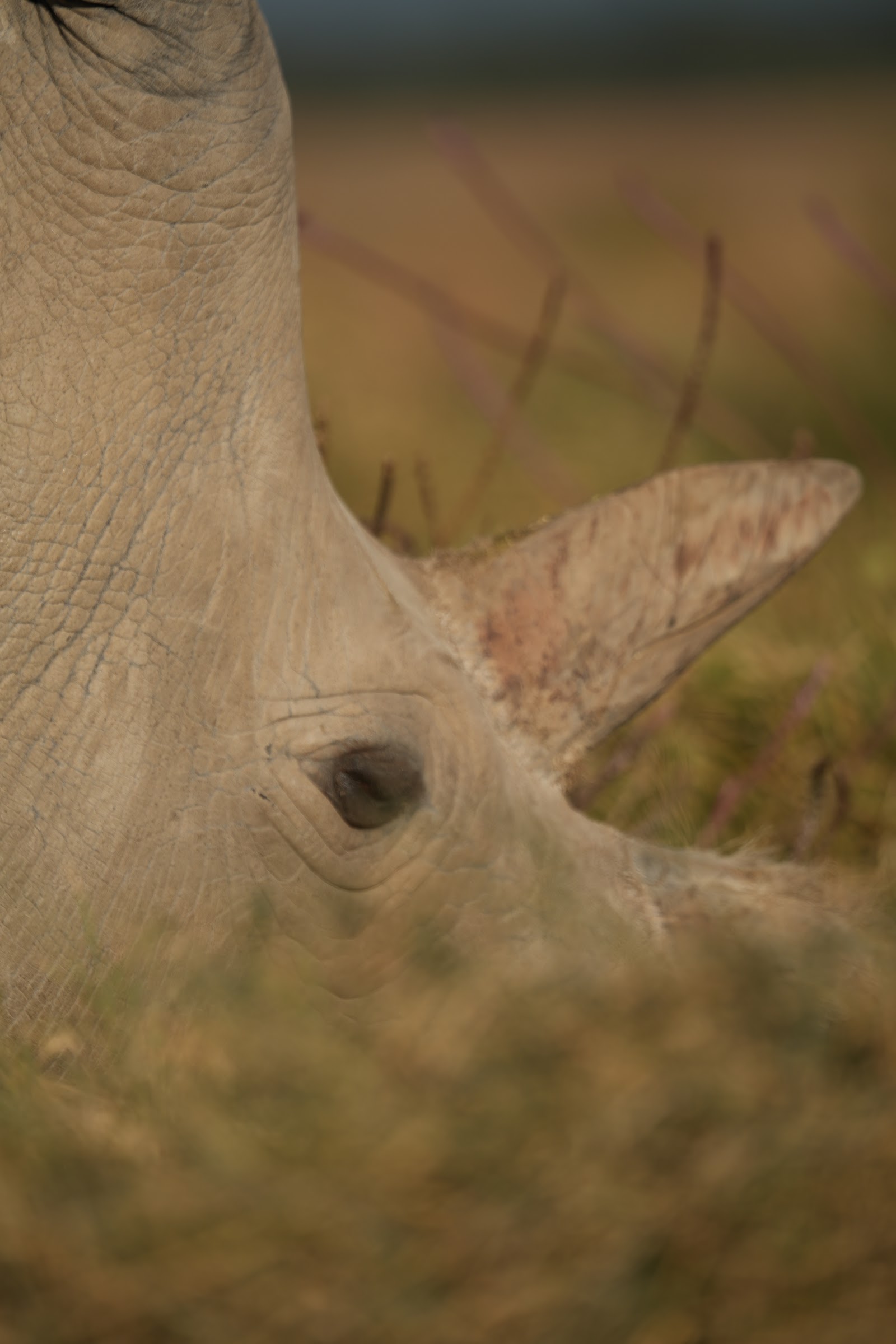
Flamingo numbers have declined as the lake's water level has risen, but Nakuru remains one of Kenya's strongest parks for rhino — both black and white — in a compact, navigable space. We use it as a half-day transit stop between Nairobi and the Mara rather than a standalone destination. Entry fees run around USD 60–70 per adult via the Kenya Wildlife Service. If you're driving the northern route, it earns its place.
Which park combination makes sense for two weeks?
Two weeks works best as three parks with enough nights in each to do the game viewing properly — four nights somewhere, three nights somewhere, three nights somewhere, travel days on the ends. The combination we put together most often is Amboseli into the Masai Mara into Samburu, but the right answer depends on your season. Travelling in September? The Mara comes first. Travelling in February? Amboseli's mountain views and Samburu's dry-season river are both at their best, and you can skip the Mara without missing much.
A road circuit through Amboseli, Tsavo East and Tsavo West is the tighter-budget version — eight to ten days, no internal flights needed, and the contrast between the two parks' landscapes is sharper than most people expect. The Kenya Tourism Board publishes current entry requirements and regional conditions worth checking before you confirm dates.
Tell us your travel window on WhatsApp and we'll tell you which parks are at their best that week. Our team checks current road and weather conditions regularly and can give you a straight answer within a day.
FAQ: Kenya National Parks Safari
Do I need a visa to visit Kenya's national parks?
Most nationalities, including EU citizens, need a Kenya Electronic Travel Authorisation (eTA) before arrival. Apply online at etakenya.go.ke. The fee is USD 34.57 for a single entry and processing takes 24–72 hours. Apply at least a week before you fly to avoid last-minute complications.
Can I self-drive a Kenya safari?
You can legally self-drive in most Kenya parks with a 4WD. For a first visit we don't recommend it. A local guide reads animal behaviour, knows where to position the vehicle before a hunt breaks out, and turns a game drive into something you couldn't replicate alone. Budget USD 150 or more per day for a qualified guide on top of park fees.
How long should I spend in the Masai Mara?
Three nights minimum, four if you can manage it. The Mara covers distinct zones — the Triangle in the south, the river corridors, the central plains — and you need time to work through them. Three nights gives you six drives, which is enough for big cats and, between July and October, a reasonable shot at a river crossing.
What are the internal flight options between Kenya parks?
Light aircraft connect Nairobi's Wilson Airport with the Mara, Amboseli, Samburu and several Laikipia airstrips. Airkenya and Safarilink are the main scheduled operators. A one-way Nairobi–Mara flight runs roughly USD 130–200 per person and takes about 45 minutes. For multi-park itineraries, flying at least one leg is worth the cost.
Are Kenya safaris suitable for families with children?
Yes — most Kenya parks welcome families, and children tend to engage with game drives more than adults expect. Some conservancy camps have minimum age rules for bush walks, typically 6–8 years, so check before booking. Amboseli and Tsavo are both relaxed for families: straightforward logistics, good sightings without long off-road stretches, and no river-crossing crowds.
Can I combine a Kenya safari with the coast?
Tsavo East sits on the Nairobi–Mombasa road, so a safari-and-coast combination requires no backtracking. Three nights in the park followed by four nights in Diani Beach or Mombasa is one of our most requested itineraries. October through March is the window when the Indian Ocean is calm and the coast is at its best.
Kenya Safari Parks: Which One Matches You
Ask most people which Kenya park to choose and they'll say the Masai Mara. It's not wrong — but it's not the full answer either. The Mara is one experience. Amboseli is a different one. Tsavo is something else entirely. The question worth asking isn't which park is best in the abstract; it's which park fits the particular trip you want to take. That's what this is about.
| Detail | Info |
|---|---|
| Best general months | July–October (dry season; Migration in the Mara) |
| Price range per day | USD 150–900 per person depending on park and lodge tier |
| Closest airport | Nairobi JKIA (international) or Wilson Airport (light aircraft) |
| Mara conservancy fees | USD 70–100 per night conservation levy, plus park entry |
| Visa | eTA required for most nationalities — apply at etakenya.go.ke |
| Getting between parks | Road 4WD circuit or light aircraft |
Who should choose the Masai Mara?
The Mara is the right choice if the river crossings are on your list, or if big cats in open country are your thing. It's the only park in Kenya where you can watch the wildebeest Migration, and the crossings run from late July through October, peaking in August and September.
One of our guides spent a full morning at a single Mara River crossing in September 2023. He counted somewhere around 40,000 animals in the water at once — the kind of number that doesn't make sense until you're watching it. That said, the Mara is also the busiest park in Kenya by a margin. Peak season brings real vehicle congestion around the crossing points. The private conservancies outside the national reserve — Olare Motorogi, Naboisho, Ol Kinyei — keep vehicle numbers low, which changes the quality of every drive. They cost more, but the difference in atmosphere is noticeable.
January through March is a quieter, cheaper window that most people miss. The plains empty out, cheetah sightings are frequent, and a kill is more likely because there's less vehicular disturbance. If the Migration isn't the core reason you're going, January is worth considering.
Who should choose Amboseli?
Amboseli is the clearest case in Kenya. If elephants are your priority, this is your park. The herds are large, relaxed around vehicles, and on clear mornings Kilimanjaro fills the horizon behind them. No other park in Africa puts that combination in front of you so reliably.
The park covers just 392 km² — the Kenya Wildlife Service manages it as a compact ecosystem around the Ol Tukai swamps — so you're rarely more than twenty minutes from the main action. On one afternoon drive in October we watched a matriarch lead her herd of about thirty elephants across an open mud flat with Kibo summit visible in the background. It's a photograph that doesn't need editing.
April and May are the one real catch. The long rains turn tracks to mud and the mountain disappears behind cloud for weeks at a time. Every other month is workable, with December through February and June through October giving the clearest views.
Who should choose Tsavo?
Tsavo is for people who find the Mara too managed and want to feel the scale of Africa rather than just see it. Tsavo East and West together cover over 20,000 km² — one of the largest protected ecosystems anywhere — and you can drive for an hour without passing another vehicle.
The red elephants here are something specific. The soil in Tsavo is a deep rust-iron colour, and elephants dust-bathe constantly, which coats them in it. We had one bull walk to within four metres of our vehicle near Aruba Dam and just stand there, completely unbothered. He looked like no elephant I'd seen in the Mara or Amboseli. Lugard Falls in Tsavo East — where the Galana River compresses through a narrow rock channel — is a geological spectacle that has nothing to do with tourism infrastructure. It's just a remarkable place.
The bush is thicker than the Mara's open plains, so sightings require patience and a guide who knows where to look by time of day. For the right traveller, that patience is the point. Tsavo East also sits directly on the Nairobi–Mombasa road, which makes it the natural choice for anyone adding a coast leg to their trip.
Who should choose Samburu?
Samburu is the answer to a specific question: what do you visit after you've already seen the Big Five? The reserve holds five species found almost nowhere else in Kenya — Grevy's zebra, reticulated giraffe, Beisa oryx, Somali ostrich and gerenuk. That last one, the gerenuk, stands on its hind legs to browse acacia branches and looks like nothing else in the mammal world. Seeing it for the first time tends to produce a reaction somewhere between confusion and delight.
The Ewaso Ng'iro river runs through the centre of the reserve and concentrates animals along its banks in the dry months. July through September and January through February are the two windows when game density along the river is at its highest. Samburu pairs well with a Laikipia addition — the two ecosystems together give a significantly broader picture of northern Kenya than either alone.
A note on leopards: Samburu has one of the better leopard densities in Kenya, and unlike the Mara where they tend to be secretive in dense bush, here they're often spotted resting on rocky outcrops or in riverine fig trees in full daylight.
How do Kenya's parks compare at a glance?
| Park | Best Months | Signature Wildlife | Crowd Level |
|---|---|---|---|
| Masai Mara | Aug–Sep (Migration); Jan–Mar (cats) | Big Five, wildebeest crossings | High at peak |
| Amboseli | Dec–Feb, Jun–Oct | Elephants, Kilimanjaro backdrop | Medium |
| Tsavo East/West | Jun–Oct | Red elephants, lions, Lugard Falls | Low |
| Samburu | Jul–Sep, Jan–Feb | Special Five, leopards | Low |
| Lake Nakuru | Year-round | Black and white rhino, flamingos | Medium |
| Laikipia Plateau | Jun–Oct | Wild dogs, black rhino | Very low |
Is Lake Nakuru still worth a stop?
Flamingo numbers have declined as the lake's water level has risen, but Nakuru remains one of Kenya's strongest parks for rhino — both black and white — in a compact, navigable space. We use it as a half-day transit stop between Nairobi and the Mara rather than a standalone destination. Entry fees run around USD 60–70 per adult via the Kenya Wildlife Service. If you're driving the northern route, it earns its place.
Which park combination makes sense for two weeks?
Two weeks works best as three parks with enough nights in each to do the game viewing properly — four nights somewhere, three nights somewhere, three nights somewhere, travel days on the ends. The combination we put together most often is Amboseli into the Masai Mara into Samburu, but the right answer depends on your season. Travelling in September? The Mara comes first. Travelling in February? Amboseli's mountain views and Samburu's dry-season river are both at their best, and you can skip the Mara without missing much.
A road circuit through Amboseli, Tsavo East and Tsavo West is the tighter-budget version — eight to ten days, no internal flights needed, and the contrast between the two parks' landscapes is sharper than most people expect. The Kenya Tourism Board publishes current entry requirements and regional conditions worth checking before you confirm dates.
Tell us your travel window on WhatsApp and we'll tell you which parks are at their best that week. Our team checks current road and weather conditions regularly and can give you a straight answer within a day.
FAQ: Kenya National Parks Safari
Do I need a visa to visit Kenya's national parks?
Most nationalities, including EU citizens, need a Kenya Electronic Travel Authorisation (eTA) before arrival. Apply online at etakenya.go.ke. The fee is USD 34.57 for a single entry and processing takes 24–72 hours. Apply at least a week before you fly to avoid last-minute complications.
Can I self-drive a Kenya safari?
You can legally self-drive in most Kenya parks with a 4WD. For a first visit we don't recommend it. A local guide reads animal behaviour, knows where to position the vehicle before a hunt breaks out, and turns a game drive into something you couldn't replicate alone. Budget USD 150 or more per day for a qualified guide on top of park fees.
How long should I spend in the Masai Mara?
Three nights minimum, four if you can manage it. The Mara covers distinct zones — the Triangle in the south, the river corridors, the central plains — and you need time to work through them. Three nights gives you six drives, which is enough for big cats and, between July and October, a reasonable shot at a river crossing.
What are the internal flight options between Kenya parks?
Light aircraft connect Nairobi's Wilson Airport with the Mara, Amboseli, Samburu and several Laikipia airstrips. Airkenya and Safarilink are the main scheduled operators. A one-way Nairobi–Mara flight runs roughly USD 130–200 per person and takes about 45 minutes. For multi-park itineraries, flying at least one leg is worth the cost.
Are Kenya safaris suitable for families with children?
Yes — most Kenya parks welcome families, and children tend to engage with game drives more than adults expect. Some conservancy camps have minimum age rules for bush walks, typically 6–8 years, so check before booking. Amboseli and Tsavo are both relaxed for families: straightforward logistics, good sightings without long off-road stretches, and no river-crossing crowds.
Can I combine a Kenya safari with the coast?
Tsavo East sits on the Nairobi–Mombasa road, so a safari-and-coast combination requires no backtracking. Three nights in the park followed by four nights in Diani Beach or Mombasa is one of our most requested itineraries. October through March is the window when the Indian Ocean is calm and the coast is at its best.






.png)