




.avif)

Uganda Safari: How to Sequence the Parks and Build Your 2027 Itinerary
Most Uganda safari articles will tell you which parks exist. This one is about something different: the order you visit them in, and why that decision shapes everything from your energy levels to your photography conditions to whether the gorilla trek feels like a highlight or an afterthought.
We've run Uganda itineraries long enough to know that a client who spends their first two nights in Kampala and drives straight to Bwindi on day three is going to arrive tired, altitude-affected, and under-prepared for one of the most physically demanding wildlife experiences in Africa. Sequencing matters. That's what this article is actually about.
For the deeper detail on specific topics, gorilla permit costs and booking, Uganda's best seasons, full wildlife lists, and price benchmarks, we've linked to the dedicated guides throughout. No point repeating what's already covered properly elsewhere.
Why the Order of Uganda's Parks Is Worth Thinking About
Uganda is a compact country but deceptively slow to move around. The roads between parks are improving, but 'improving' still means a 5–6 hour drive between Kampala and Bwindi, and 4–5 hours from Bwindi to Queen Elizabeth National Park if you're taking the southern route via Ishasha. Factor in crater lake detours, border crossings for multi-country trips, and genuine altitude changes (Bwindi sits above 1,600m), and you start to see why itinerary logic is a real craft rather than a map exercise.
The other variable is emotional pacing. Gorilla trekking is intense (in the best possible way). Most of our clients come out of Bwindi Forest slightly speechless, processing something they've never felt before. Dropping them into a long transfer and a busy game park the next morning wastes that feeling. Build in a buffer. Give the experience room.
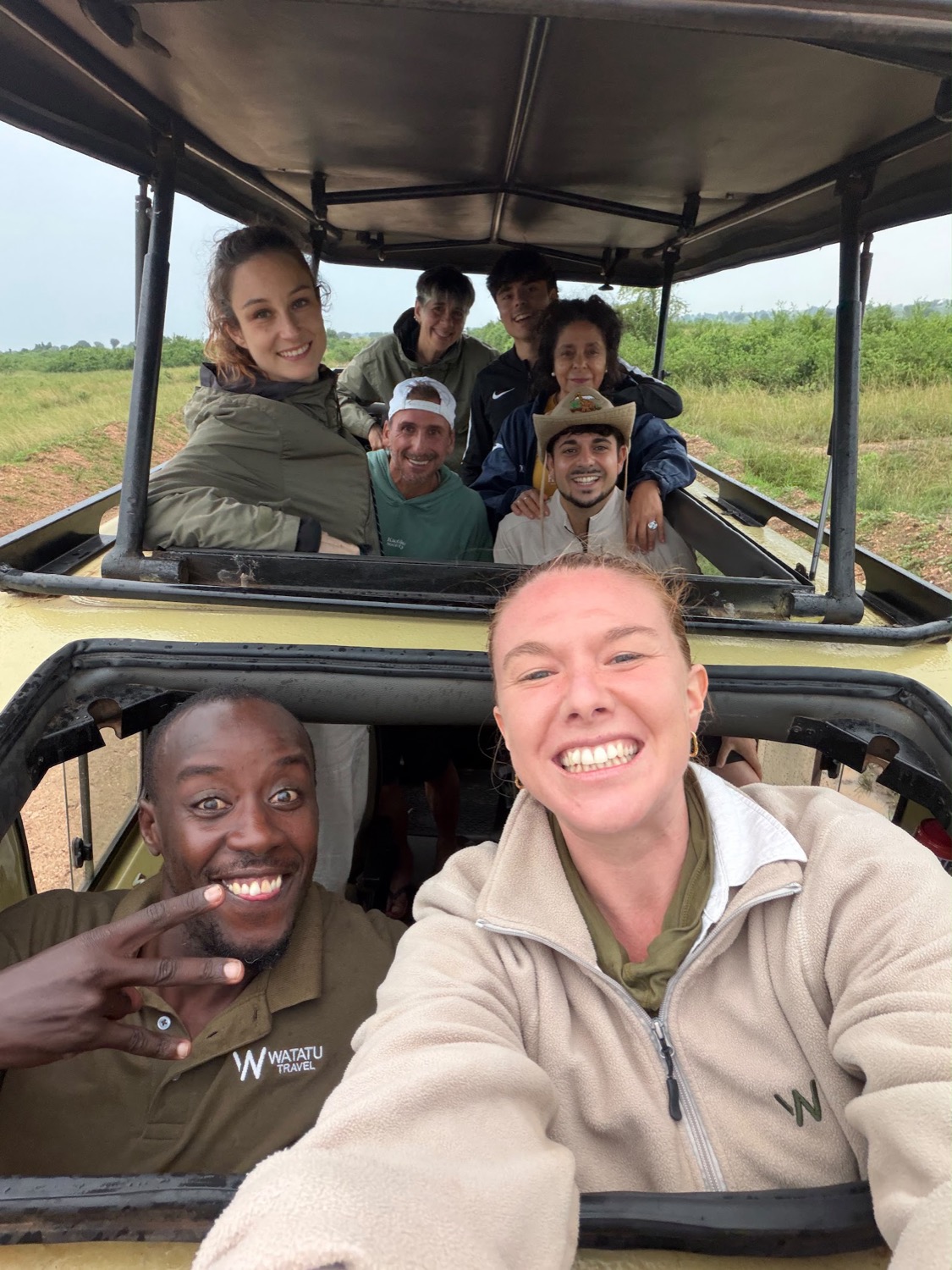
The Classic 10-Day Route, and Why We Structure It This Way
For first-time visitors, the circuit that consistently delivers is: Kampala → Kibale → Queen Elizabeth (Kasenyi Plains + Kazinga Channel) → Ishasha → Bwindi → Kampala or Entebbe.
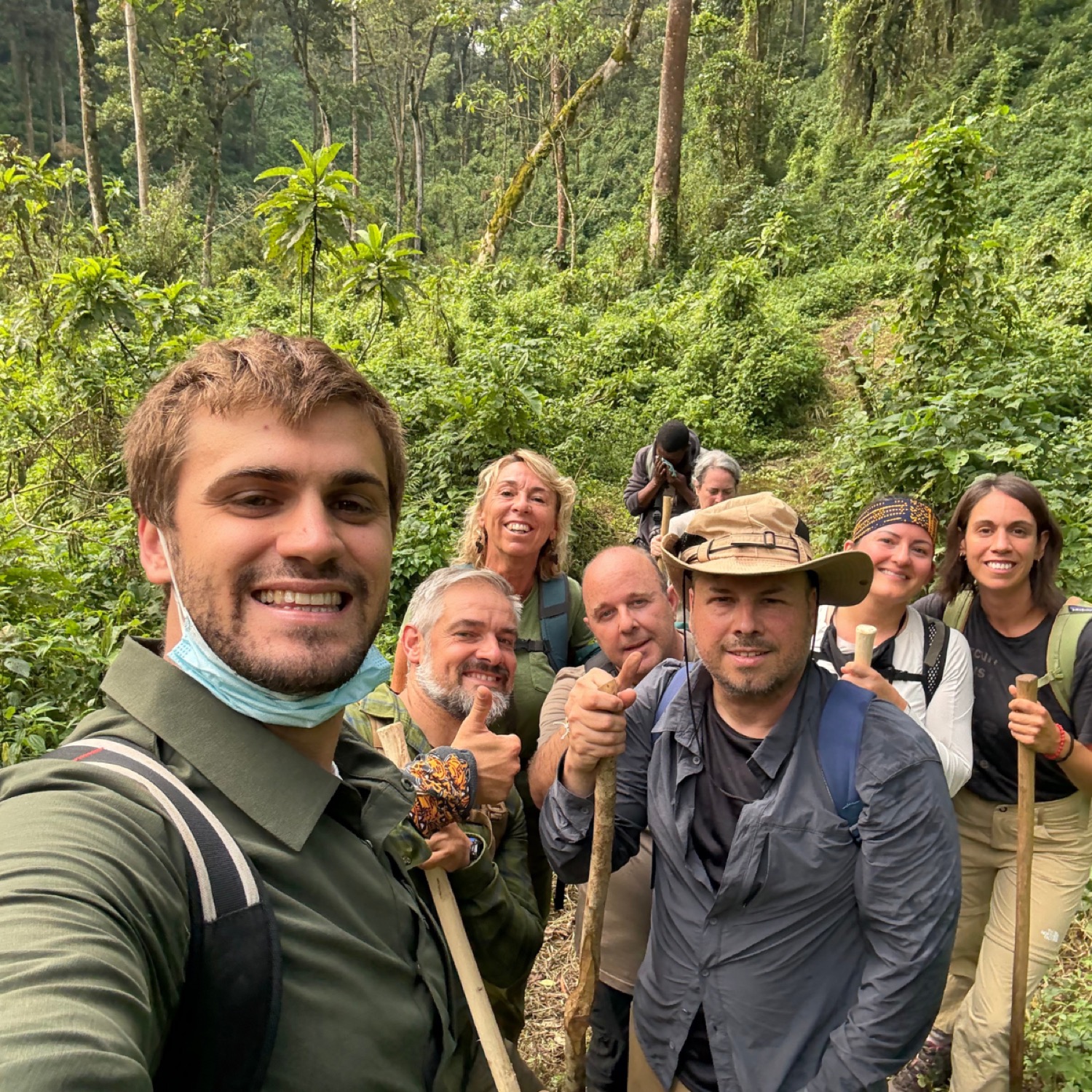
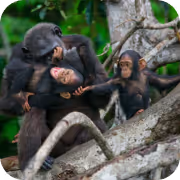
Starting in Kibale rather than Bwindi is a deliberate choice. Chimpanzee trekking at Kibale is spectacular, the habituated groups in the Bigodi Wetland area are large and active, but it's also a lower-altitude, lower-intensity introduction to primate tracking. It calibrates expectations and gets clients used to early starts, rainforest terrain, and the genuinely unpredictable nature of primate encounters. By the time they reach Bwindi, they know what they're doing.
The Kazinga Channel boat cruise sits in the middle of the itinerary deliberately. After two days of forest trekking, an afternoon on the water watching hippos and elephants from deck level is restorative. We've started booking the afternoon boat slot rather than the morning one for exactly this reason, better light for photography and a gentler pace after active mornings.
Finishing in Bwindi gives the gorilla trek the position it deserves: the emotional crescendo of the trip. We'd also strongly recommend adding a night in Nkuringo or Rushaga rather than rushing back to Buhoma, the southern sectors have tougher terrain but often produce longer, closer encounters because the family groups range across smaller territories. One hour with a silverback is never quite enough, but in the south it tends to feel more intimate.
Ready to Build Your Uganda Circuit?
Our 11-day Uganda itinerary covers Kibale, Queen Elizabeth, Ishasha, and Bwindi in the sequence described above, with permits, transfers, and lodge selections already worked out. 11 days, from 3.995 € per person. Uganda - The Wild Jungle
What to Do If You Have 7 Days
Cut Kibale and tighten the Queen Elizabeth stay to one night. Kampala → Queen Elizabeth → Bwindi → Entebbe, 5 days, from 1.479 € per person, but you'll feel the pace. If budget allows, a charter flight from Kasese airstrip to Kihihi saves three hours of road and is worth it on a short itinerary.
What to Do If You Have 12–14 Days
Add Murchison Falls in the north at the start, before driving south. The north bank game drives (elephant, giraffe, lion, and buffalo in serious numbers) are a genuinely different ecosystem from the Albertine Rift parks further south. And the boat trip to the base of the falls, where the entire Nile squeezes through a 7-metre gap in the rock, is one of those moments that stops conversation. See our Uganda seasons guide to understand how water levels affect the falls visit at different times of year.
Kidepo Valley, The Itinerary Decision That Divides Opinions
Kidepo gets recommended by every Uganda specialist, including us, and then quietly dropped from itineraries when clients realise what getting there involves. It's worth being honest about this.
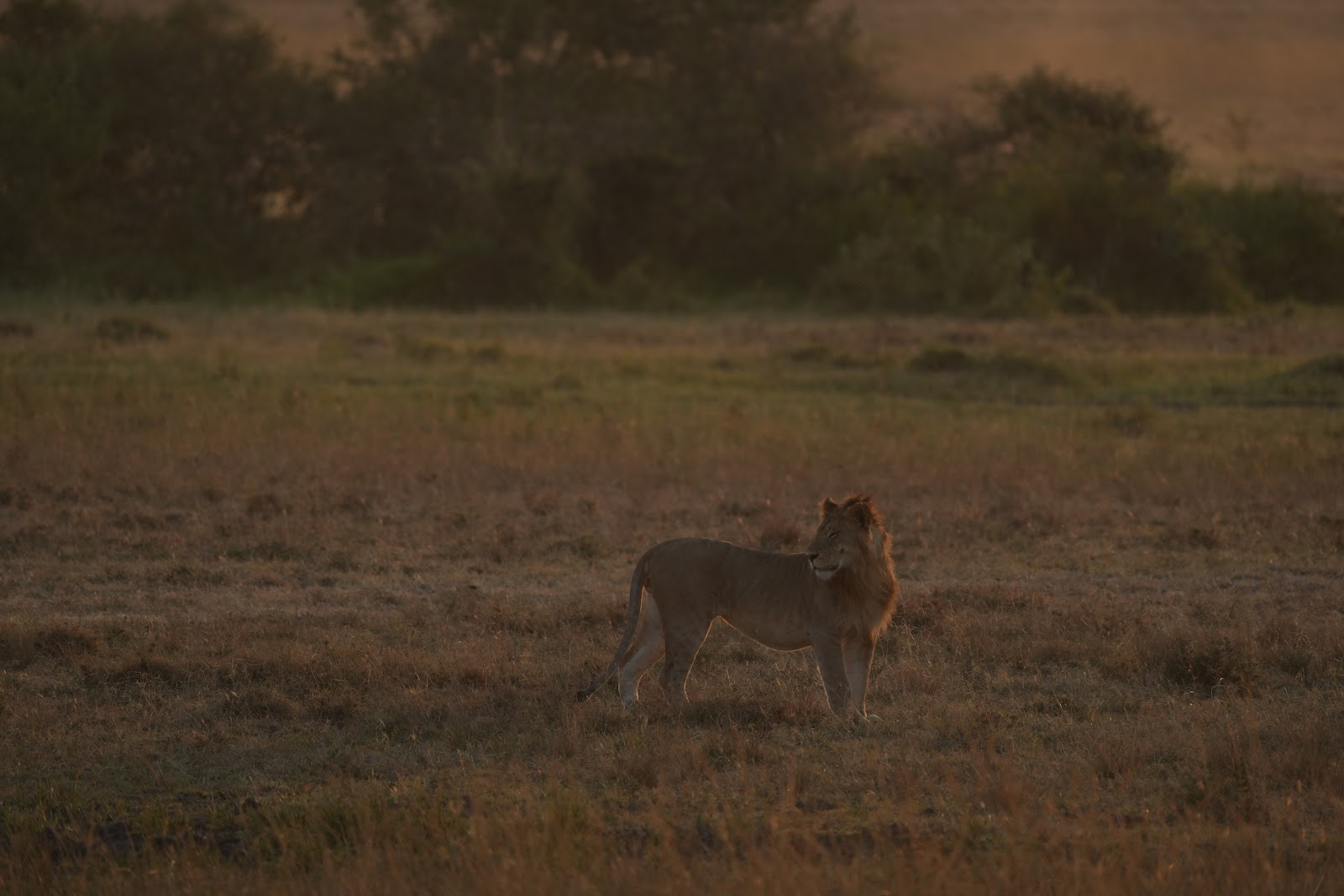
The valley sits in Uganda's far northeast, near the South Sudan border, in semi-arid savannah that looks genuinely nothing like the rest of the country, no banana plantations, no equatorial green, just open grassland andd the Narus and Kidepo rivers cutting through dramatic escarpment. On one of our scouting trips we drove the Narus Valley from first light until almost noon without seeing another vehicle. Lions, ostrich, eland, cheetah. The silence was something you could almost touch.
But the overland journey from any of the western circuit parks takes 10–12 hours of driving. A charter flight from Entebbe or Pakuba cuts that to under an hour. If Kidepo is calling you, budget 14 days minimum and seriously consider the flight option. It's not a bolt-on to a standard Uganda circuit, it's almost a separate trip within a trip, and it's best treated that way.
How Seasonality Affects the Sequencing Decision
The short answer: the two dry seasons (June–September and December–February) are when roads between parks are most reliable and game viewing around water sources peaks. The green season (March–May and October–November) brings its own rewards, extraordinary birdwatching, emptier parks, and lush conditions that photograph beautifully, but it changes the sequencing calculus because some roads become genuinely impassable after heavy rain.
During the green season we often swap the direction of the southern circuit, starting in Bwindi first and moving north, to avoid the worst of the Ishasha road conditions. The gorilla trek happens regardless of weather, mountain gorillas don't take days off, and the forest in rain has a quality that's hard to describe without sounding like a travel brochure. You'll just have to trust us on that one.
For the full seasonal breakdown including which months are genuinely best for birding, when the Nile is highest at Murchison, and how the chimpanzee tracking conditions vary through the year, the dedicated Uganda timing guide has all of it.
A Note on Yellow Fever, and Why This Matters More Than You Think
Yellow fever vaccination is mandatory for Uganda, and you need the physical certificate, not a photo of it on your phone. We've had clients turned away at Entebbe airport because their certificate was digital or had expired. The window between the jab and the certificate becoming valid is 10 days, so this is something to sort out at least two weeks before travel, not the week of departure. It sounds like a minor admin point until you're standing at immigration watching your flight home leave without you.
Pack layers for Bwindi regardless of season, 10°C nights at altitude catch people off guard in a country they associate with equatorial heat. And book gorilla and chimpanzee permits as early as possible; for peak season travel the lead time is realistically 6 months. The details on how to do that, and what the permits actually cost, are in our Uganda permits guide.
Combining Uganda with Rwanda or Kenya
Many of our clients tack Rwanda onto a Uganda trip, usually for a second gorilla encounter in Volcanoes National Park or for the Kigali city experience. The East African Tourist Visa ($100 USD, covering Uganda, Kenya and Rwanda on a single entry) makes this straightforward logistically. Whether adding Rwanda is worth it for the gorilla experience specifically, given that the two countries' permits differ by $700, is a question that deserves its own answer. We've written a full comparison here.
Common Sequencing Mistakes We See
Arriving in Uganda and heading straight to Bwindi without a night's buffer comes up repeatedly. So does trying to include Kidepo without a flight. Another one: booking Queen Elizabeth for only one night and missing the Ishasha sector entirely, the tree-climbing lions in the fig trees along the Ishasha River are one of the most genuinely unusual wildlife sightings in East Africa, and they require a morning game drive you simply can't do if you're checking out after breakfast.
Finally, underestimating how much of Uganda's value is in the transitions. The road from Bwindi to Queen Elizabeth through Buhoma and down to Ishasha passes through communities, crater lakes, and tea plantations that are part of the experience. Clients who fly between every park save time and miss Uganda. There's a balance, and finding it is what the trip planning conversation with us is actually for.
Go Deeper: Uganda in 14 Days
For travellers who want to add Murchison Falls, Kidepo, or a Rwanda extension, our 14-day programme gives you the time and pacing to do it properly. 14 days, from 4.995 € per person. Uganda - Totale
Frequently asked questions
What is the best order to visit Uganda's national parks?
For most first-time visitors, the recommended sequence is Kampala, then Kibale for chimpanzee trekking, followed by Queen Elizabeth National Park (including the Kazinga Channel cruise), Ishasha for tree-climbing lions, and finally Bwindi for gorilla trekking. This order builds intensity gradually and ends on the emotional highlight of the trip.
How much time do I need for a Uganda safari?
Ten days is the practical minimum for the full southern circuit covering Kibale, Queen Elizabeth, Ishasha, and Bwindi. Seven days is possible but demanding. Fourteen days allows you to add Murchison Falls in the north or extend into Rwanda for a second gorilla encounter in Volcanoes National Park. Allow extra buffer days for travel between parks.
Is Kidepo Valley worth visiting and how do you get there?
Kidepo Valley offers a semi-arid landscape and wildlife experience unlike anywhere else in Uganda, including large elephant herds and cheetah sightings. It is worth visiting, but the overland journey from the western parks takes 10 to 12 hours. A charter flight from Entebbe cuts travel time to under an hour and is strongly recommended if the budget allows.
What health documents do I need for Uganda?
A valid yellow fever vaccination certificate is mandatory for entry into Uganda. The physical certificate is required at Entebbe airport. A digital copy or photograph of the certificate is not accepted. Ensure your certificate has not expired and that the vaccination was administered at least ten days before travel.
Can I combine a Uganda safari with Rwanda?
Yes, and it is a popular combination. The East African Tourist Visa covers Uganda, Kenya, and Rwanda at a single cost, making the logistics straightforward. Most clients cross into Rwanda for a second gorilla encounter in Volcanoes National Park or to spend time in Kigali. Budget at least two additional days for a meaningful Rwanda addition.
When is the best time of year for a Uganda safari?
The two dry seasons, June to September and December to February, offer the most reliable road conditions between parks and the best game viewing around water sources. The green season from March to May and October to November brings lush scenery and excellent birding, but some roads, particularly to Ishasha, can become difficult to navigate.
Uganda Safari: How to Sequence the Parks and Build Your 2027 Itinerary
Most Uganda safari articles will tell you which parks exist. This one is about something different: the order you visit them in, and why that decision shapes everything from your energy levels to your photography conditions to whether the gorilla trek feels like a highlight or an afterthought.
We've run Uganda itineraries long enough to know that a client who spends their first two nights in Kampala and drives straight to Bwindi on day three is going to arrive tired, altitude-affected, and under-prepared for one of the most physically demanding wildlife experiences in Africa. Sequencing matters. That's what this article is actually about.
For the deeper detail on specific topics, gorilla permit costs and booking, Uganda's best seasons, full wildlife lists, and price benchmarks, we've linked to the dedicated guides throughout. No point repeating what's already covered properly elsewhere.
Why the Order of Uganda's Parks Is Worth Thinking About
Uganda is a compact country but deceptively slow to move around. The roads between parks are improving, but 'improving' still means a 5–6 hour drive between Kampala and Bwindi, and 4–5 hours from Bwindi to Queen Elizabeth National Park if you're taking the southern route via Ishasha. Factor in crater lake detours, border crossings for multi-country trips, and genuine altitude changes (Bwindi sits above 1,600m), and you start to see why itinerary logic is a real craft rather than a map exercise.
The other variable is emotional pacing. Gorilla trekking is intense (in the best possible way). Most of our clients come out of Bwindi Forest slightly speechless, processing something they've never felt before. Dropping them into a long transfer and a busy game park the next morning wastes that feeling. Build in a buffer. Give the experience room.
The Classic 10-Day Route, and Why We Structure It This Way
For first-time visitors, the circuit that consistently delivers is: Kampala → Kibale → Queen Elizabeth (Kasenyi Plains + Kazinga Channel) → Ishasha → Bwindi → Kampala or Entebbe.
Starting in Kibale rather than Bwindi is a deliberate choice. Chimpanzee trekking at Kibale is spectacular, the habituated groups in the Bigodi Wetland area are large and active, but it's also a lower-altitude, lower-intensity introduction to primate tracking. It calibrates expectations and gets clients used to early starts, rainforest terrain, and the genuinely unpredictable nature of primate encounters. By the time they reach Bwindi, they know what they're doing.
The Kazinga Channel boat cruise sits in the middle of the itinerary deliberately. After two days of forest trekking, an afternoon on the water watching hippos and elephants from deck level is restorative. We've started booking the afternoon boat slot rather than the morning one for exactly this reason, better light for photography and a gentler pace after active mornings.
Finishing in Bwindi gives the gorilla trek the position it deserves: the emotional crescendo of the trip. We'd also strongly recommend adding a night in Nkuringo or Rushaga rather than rushing back to Buhoma, the southern sectors have tougher terrain but often produce longer, closer encounters because the family groups range across smaller territories. One hour with a silverback is never quite enough, but in the south it tends to feel more intimate.
Ready to Build Your Uganda Circuit?
Our 11-day Uganda itinerary covers Kibale, Queen Elizabeth, Ishasha, and Bwindi in the sequence described above, with permits, transfers, and lodge selections already worked out. 11 days, from 3.995 € per person. Uganda - The Wild Jungle
What to Do If You Have 7 Days
Cut Kibale and tighten the Queen Elizabeth stay to one night. Kampala → Queen Elizabeth → Bwindi → Entebbe, 5 days, from 1.479 € per person, but you'll feel the pace. If budget allows, a charter flight from Kasese airstrip to Kihihi saves three hours of road and is worth it on a short itinerary.
What to Do If You Have 12–14 Days
Add Murchison Falls in the north at the start, before driving south. The north bank game drives (elephant, giraffe, lion, and buffalo in serious numbers) are a genuinely different ecosystem from the Albertine Rift parks further south. And the boat trip to the base of the falls, where the entire Nile squeezes through a 7-metre gap in the rock, is one of those moments that stops conversation. See our Uganda seasons guide to understand how water levels affect the falls visit at different times of year.
Kidepo Valley, The Itinerary Decision That Divides Opinions
Kidepo gets recommended by every Uganda specialist, including us, and then quietly dropped from itineraries when clients realise what getting there involves. It's worth being honest about this.
The valley sits in Uganda's far northeast, near the South Sudan border, in semi-arid savannah that looks genuinely nothing like the rest of the country, no banana plantations, no equatorial green, just open grassland andd the Narus and Kidepo rivers cutting through dramatic escarpment. On one of our scouting trips we drove the Narus Valley from first light until almost noon without seeing another vehicle. Lions, ostrich, eland, cheetah. The silence was something you could almost touch.
But the overland journey from any of the western circuit parks takes 10–12 hours of driving. A charter flight from Entebbe or Pakuba cuts that to under an hour. If Kidepo is calling you, budget 14 days minimum and seriously consider the flight option. It's not a bolt-on to a standard Uganda circuit, it's almost a separate trip within a trip, and it's best treated that way.
How Seasonality Affects the Sequencing Decision
The short answer: the two dry seasons (June–September and December–February) are when roads between parks are most reliable and game viewing around water sources peaks. The green season (March–May and October–November) brings its own rewards, extraordinary birdwatching, emptier parks, and lush conditions that photograph beautifully, but it changes the sequencing calculus because some roads become genuinely impassable after heavy rain.
During the green season we often swap the direction of the southern circuit, starting in Bwindi first and moving north, to avoid the worst of the Ishasha road conditions. The gorilla trek happens regardless of weather, mountain gorillas don't take days off, and the forest in rain has a quality that's hard to describe without sounding like a travel brochure. You'll just have to trust us on that one.
For the full seasonal breakdown including which months are genuinely best for birding, when the Nile is highest at Murchison, and how the chimpanzee tracking conditions vary through the year, the dedicated Uganda timing guide has all of it.
A Note on Yellow Fever, and Why This Matters More Than You Think
Yellow fever vaccination is mandatory for Uganda, and you need the physical certificate, not a photo of it on your phone. We've had clients turned away at Entebbe airport because their certificate was digital or had expired. The window between the jab and the certificate becoming valid is 10 days, so this is something to sort out at least two weeks before travel, not the week of departure. It sounds like a minor admin point until you're standing at immigration watching your flight home leave without you.
Pack layers for Bwindi regardless of season, 10°C nights at altitude catch people off guard in a country they associate with equatorial heat. And book gorilla and chimpanzee permits as early as possible; for peak season travel the lead time is realistically 6 months. The details on how to do that, and what the permits actually cost, are in our Uganda permits guide.
Combining Uganda with Rwanda or Kenya
Many of our clients tack Rwanda onto a Uganda trip, usually for a second gorilla encounter in Volcanoes National Park or for the Kigali city experience. The East African Tourist Visa ($100 USD, covering Uganda, Kenya and Rwanda on a single entry) makes this straightforward logistically. Whether adding Rwanda is worth it for the gorilla experience specifically, given that the two countries' permits differ by $700, is a question that deserves its own answer. We've written a full comparison here.
Common Sequencing Mistakes We See
Arriving in Uganda and heading straight to Bwindi without a night's buffer comes up repeatedly. So does trying to include Kidepo without a flight. Another one: booking Queen Elizabeth for only one night and missing the Ishasha sector entirely, the tree-climbing lions in the fig trees along the Ishasha River are one of the most genuinely unusual wildlife sightings in East Africa, and they require a morning game drive you simply can't do if you're checking out after breakfast.
Finally, underestimating how much of Uganda's value is in the transitions. The road from Bwindi to Queen Elizabeth through Buhoma and down to Ishasha passes through communities, crater lakes, and tea plantations that are part of the experience. Clients who fly between every park save time and miss Uganda. There's a balance, and finding it is what the trip planning conversation with us is actually for.
Go Deeper: Uganda in 14 Days
For travellers who want to add Murchison Falls, Kidepo, or a Rwanda extension, our 14-day programme gives you the time and pacing to do it properly. 14 days, from 4.995 € per person. Uganda - Totale
Frequently asked questions
What is the best order to visit Uganda's national parks?
For most first-time visitors, the recommended sequence is Kampala, then Kibale for chimpanzee trekking, followed by Queen Elizabeth National Park (including the Kazinga Channel cruise), Ishasha for tree-climbing lions, and finally Bwindi for gorilla trekking. This order builds intensity gradually and ends on the emotional highlight of the trip.
How much time do I need for a Uganda safari?
Ten days is the practical minimum for the full southern circuit covering Kibale, Queen Elizabeth, Ishasha, and Bwindi. Seven days is possible but demanding. Fourteen days allows you to add Murchison Falls in the north or extend into Rwanda for a second gorilla encounter in Volcanoes National Park. Allow extra buffer days for travel between parks.
Is Kidepo Valley worth visiting and how do you get there?
Kidepo Valley offers a semi-arid landscape and wildlife experience unlike anywhere else in Uganda, including large elephant herds and cheetah sightings. It is worth visiting, but the overland journey from the western parks takes 10 to 12 hours. A charter flight from Entebbe cuts travel time to under an hour and is strongly recommended if the budget allows.
What health documents do I need for Uganda?
A valid yellow fever vaccination certificate is mandatory for entry into Uganda. The physical certificate is required at Entebbe airport. A digital copy or photograph of the certificate is not accepted. Ensure your certificate has not expired and that the vaccination was administered at least ten days before travel.
Can I combine a Uganda safari with Rwanda?
Yes, and it is a popular combination. The East African Tourist Visa covers Uganda, Kenya, and Rwanda at a single cost, making the logistics straightforward. Most clients cross into Rwanda for a second gorilla encounter in Volcanoes National Park or to spend time in Kigali. Budget at least two additional days for a meaningful Rwanda addition.
When is the best time of year for a Uganda safari?
The two dry seasons, June to September and December to February, offer the most reliable road conditions between parks and the best game viewing around water sources. The green season from March to May and October to November brings lush scenery and excellent birding, but some roads, particularly to Ishasha, can become difficult to navigate.








.png)