




10-Day Uganda Safari: Bwindi, Queen Elizabeth and Murchison Falls
Ten days is the sweet spot for combining Uganda's three flagship parks without rushing. You trek gorillas in Bwindi, spot tree-climbing lions in Queen Elizabeth, and watch the Nile squeeze through a 7-metre gap at Murchison Falls. This article is the day-by-day itinerary with transfer logistics and price comparisons. If you want detail on booking the gorilla permit itself, see our dedicated permit guide; if you're weighing Uganda against Rwanda for gorilla tracking, that comparison is in a separate piece.
Budget from around 3,800 EUR per person on a shared 4x4 with mid-range lodges, up to 6,500 EUR for private departures with premium camps.
| Detail | Info |
|---|---|
| Best months | June-July and December-February |
| Price range | 3,800-6,500 EUR per person |
| Duration | 10 days / 9 nights |
| Gorilla permit | USD 800 per person (Bwindi) |
| Entry visa | USD 50 (e-visa, single entry) |
| Closest airport | Entebbe International (EBB) |
| Internal transfers | Road + optional domestic flight to Murchison |
When is the best time to do this Uganda circuit?
June and July are the driest months across all three parks. Forest trails in Bwindi are less slippery, Nile roads stay passable, and the savannah in Queen Elizabeth is easy to drive. December through February is a strong second window: shorter rains ease off and animal concentrations around the Kazinga Channel water sources are excellent. We avoid Bwindi in April and May specifically because the red mountain mud makes the gorilla trek much harder than it needs to be.
Gorilla permits sell out three to six months ahead during peak season. If you're travelling in June or July 2027, reserve the permit before you book flights.
How does the day-by-day itinerary look?
Here is how we typically structure the 10 days, balancing drive times with meaningful time in each park. Long transfers are split with an overnight stop so you arrive fresh.
Day 1. Arrival Entebbe. Land at EBB, transfer to a guesthouse near the lake. If you arrive before 14:00, Entebbe Botanical Garden has wild chimpanzees right at its edges and makes for a low-key first afternoon.
Days 2-3. Queen Elizabeth National Park. Around a 6-hour drive southwest, or a 45-minute domestic flight if you want to save the road. Morning game drive in the Kasenyi sector for lions and elephants. Afternoon boat cruise on the Kazinga Channel: hippo-dense and good for photography. Day 3 is for the Ishasha sector, the corner of the park where lions climb into fig trees. It sounds like a cliché until you see a pride of eight sprawled across branches 5 metres up. We watched exactly that in December 2024.
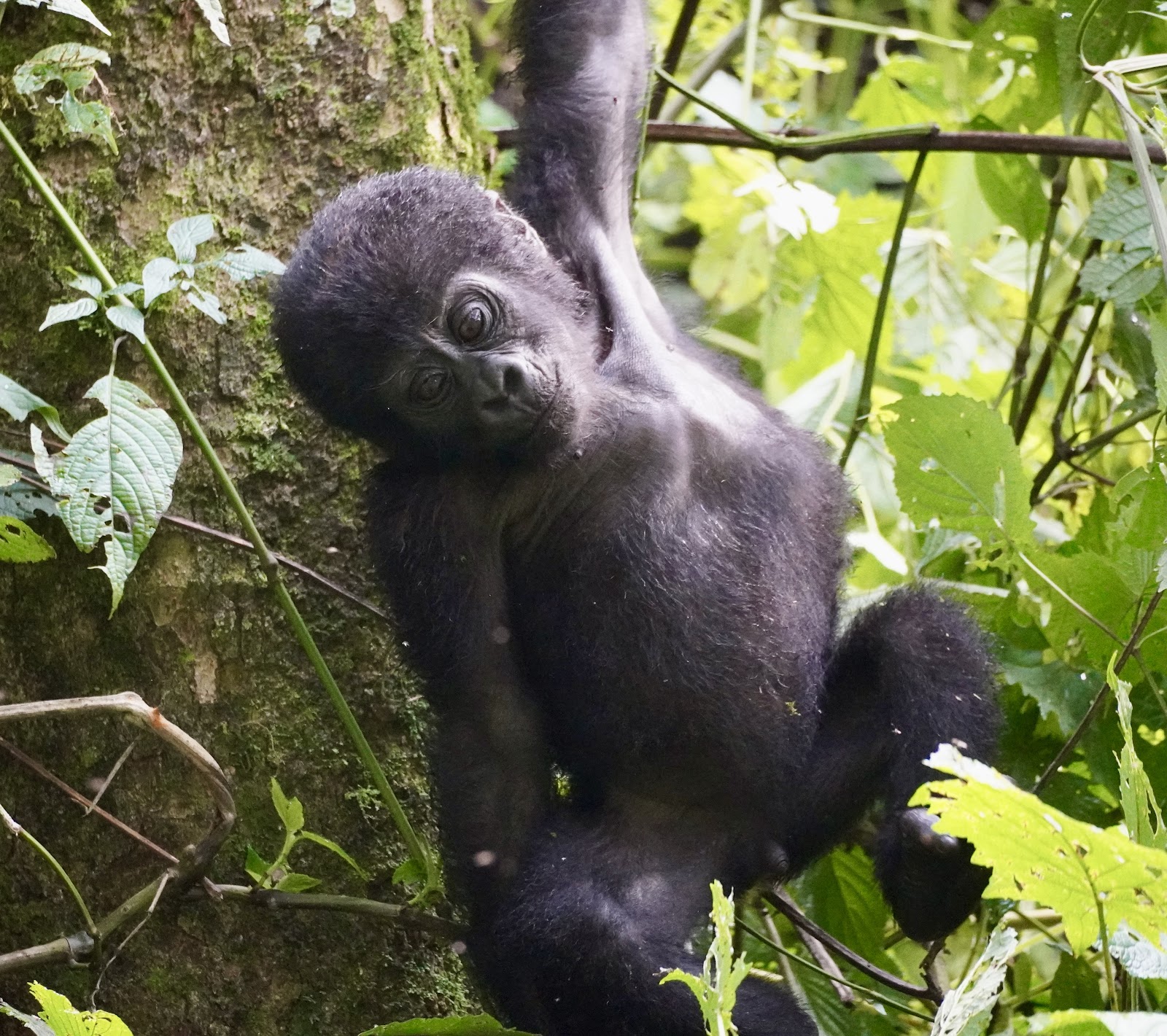
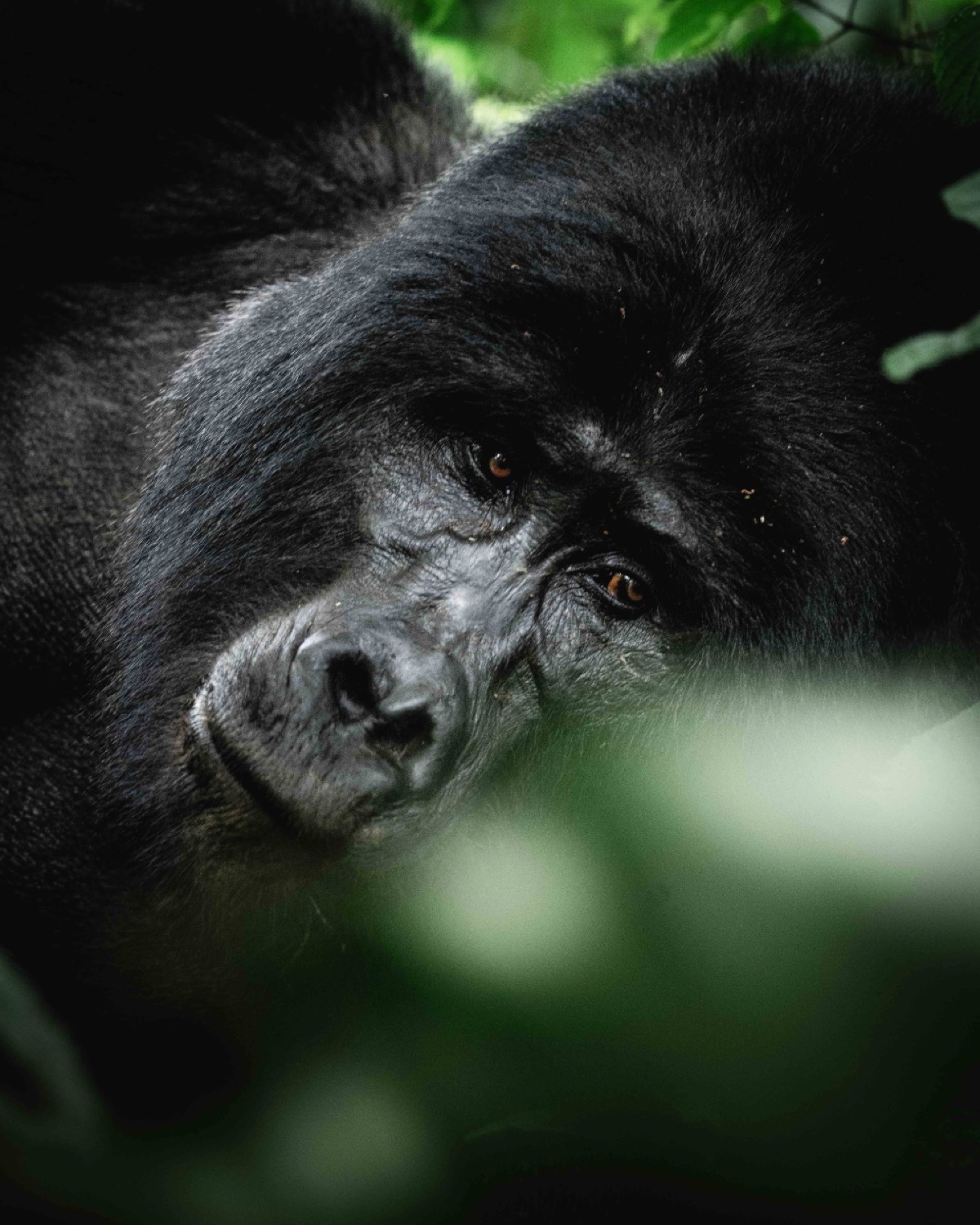
Days 4-6. Bwindi Impenetrable Forest. The drive from Ishasha to Bwindi is beautiful and only 2 hours, through tea plantations. Day 4: arrival, afternoon briefing with Uganda Wildlife Authority rangers. Day 5: the gorilla trek. Treks range from 1 hour to 6 hours depending on where the family has moved overnight; the permit is USD 800 regardless of duration, and you get one unrushed hour with the group. Day 6: optional chimpanzee habituation in Kyambura Gorge or forest walks around Bwindi.
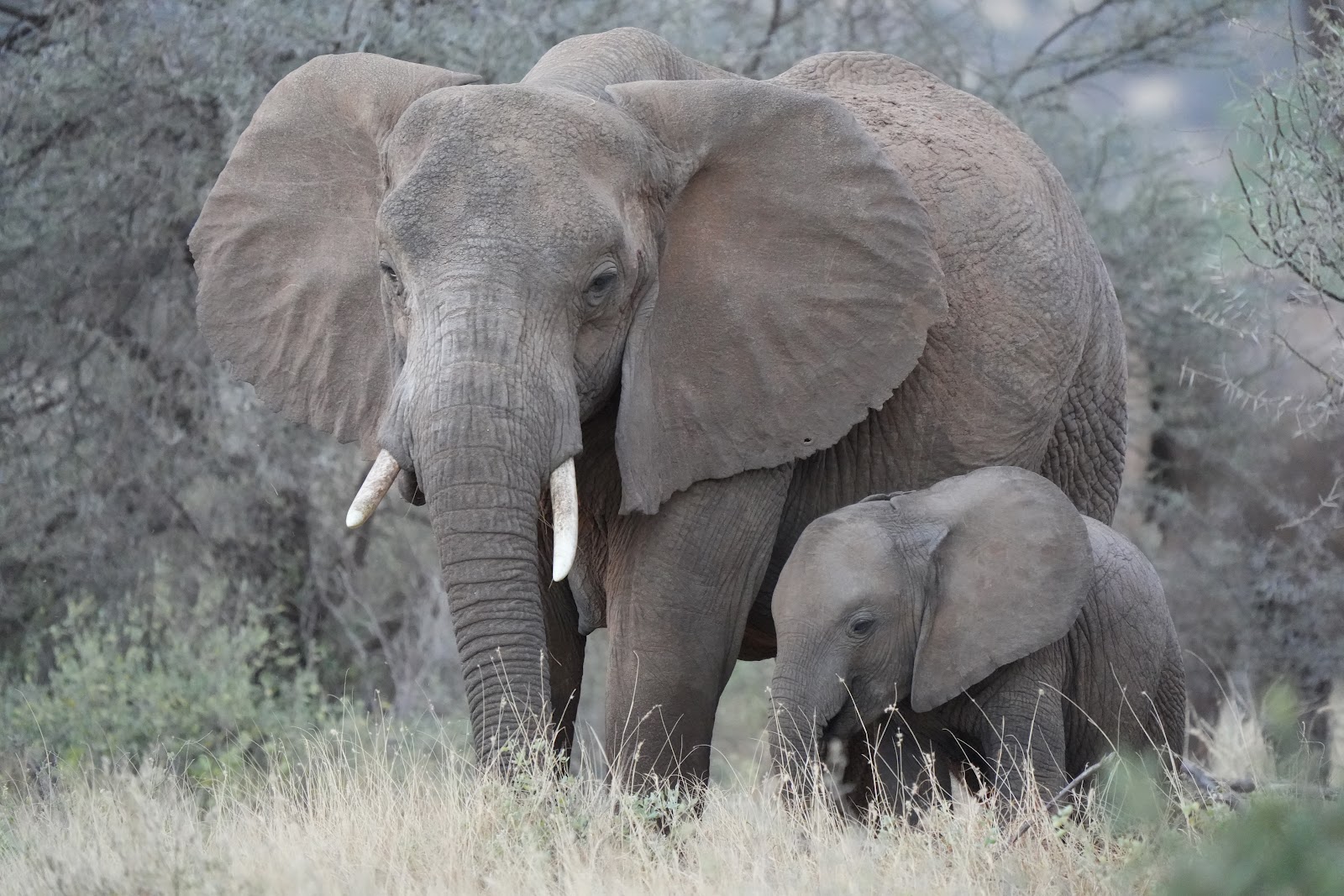
Days 7-8. Transfer north and Murchison Falls National Park. This is the longest leg: roughly 8-9 hours by road, or a domestic flight from Kasese to Pakuba airstrip at around USD 180 one-way. On private trips we almost always fly because the time saving translates directly into an extra game drive. Day 8: full game drive in the northern circuit for Rothschild giraffes, buffaloes and Uganda's largest elephant population. Afternoon: boat cruise from Paraa up to the foot of Murchison Falls. The sight of the Nile being forced through that narrow gorge from the boat deck is something you don't forget.
Day 9. Murchison continuation. Morning game drive. Optional top-of-the-falls hike, an easy 30-minute walk with a clear view down into the gorge. Afternoon at leisure.
Day 10. Return Entebbe, departure. Transfer or flight back to EBB. Most international connections leave in the evening, giving you a useful half-day buffer.
What does this safari cost, and what is included?
How we do it
If you want to travel it with us: Uganda: all our routes
Here is a straightforward comparison of the two main ways to run this circuit.
| Format | Price per person | Included | Not included |
|---|---|---|---|
| Small group (4-6 pax) | 3,800-4,500 EUR | Gorilla permit, all park fees, 4x4, mid-range lodges, full board, driver-guide | Flights to Uganda, visa, travel insurance, tips |
| Private departure | 5,200-6,500 EUR | Same as above plus domestic flights, premium camps, private guide | Flights to Uganda, visa, personal expenses |
The gorilla permit (USD 800) is issued by the Uganda Wildlife Authority and is already inside our package price. The Uganda e-visa (USD 50) you apply for at Uganda's official immigration portal before arrival, and that cost sits outside the package. Budget around USD 100-150 for tips across the whole trip: tracker, driver-guide, lodge staff.
Which lodges do we use on this route?
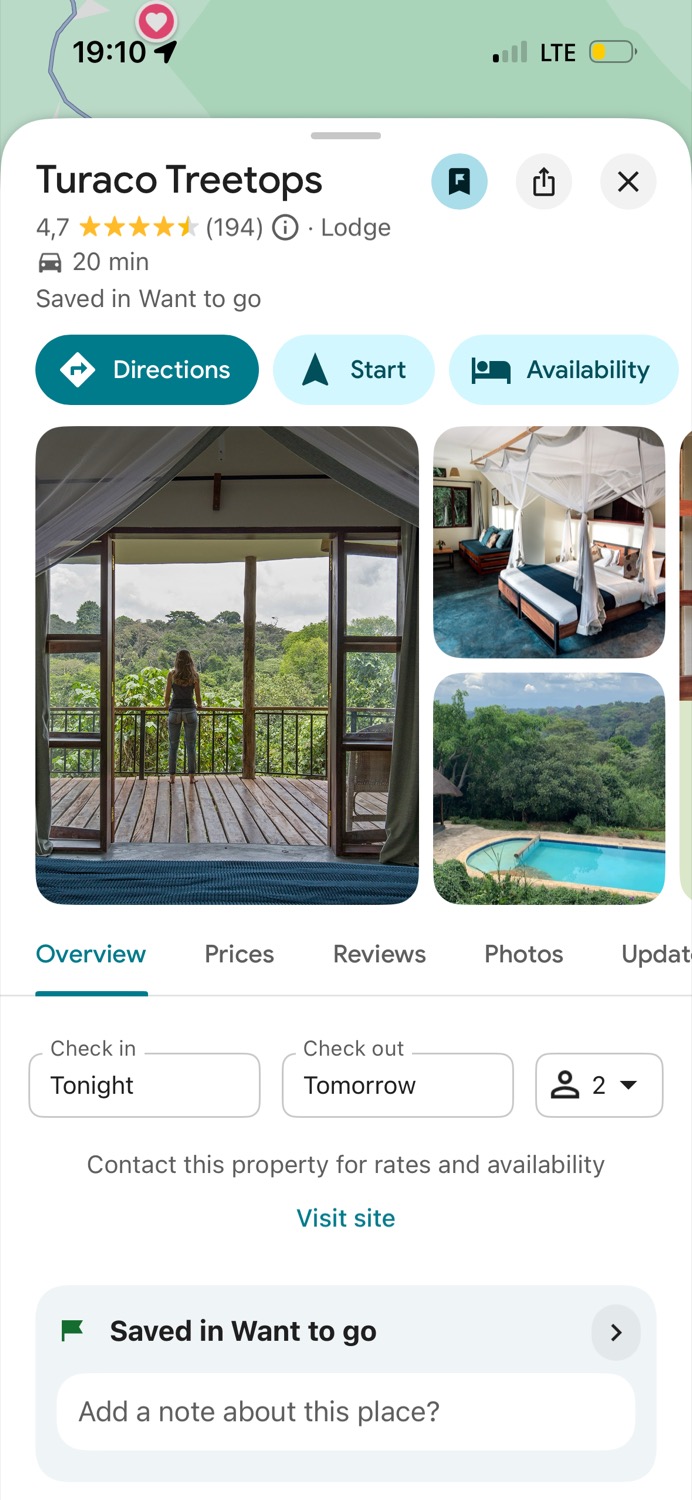
In Queen Elizabeth, Mweya Safari Lodge sits on a peninsula above the Kazinga Channel and is our standard recommendation. For a more budget-conscious option, Engiri Game Lodge is honest value. In Bwindi, Buhoma Lodge and Mahogany Springs are our favourites near the Buhoma sector entrance. In Murchison, Paraa Safari Lodge is within walking distance of the ferry crossing; Chobe Safari Lodge sits slightly downstream and is very comfortable. All three parks also have community-run bandas at around USD 60-100 per person per night, basic but perfectly adequate.
What wildlife will you actually see?
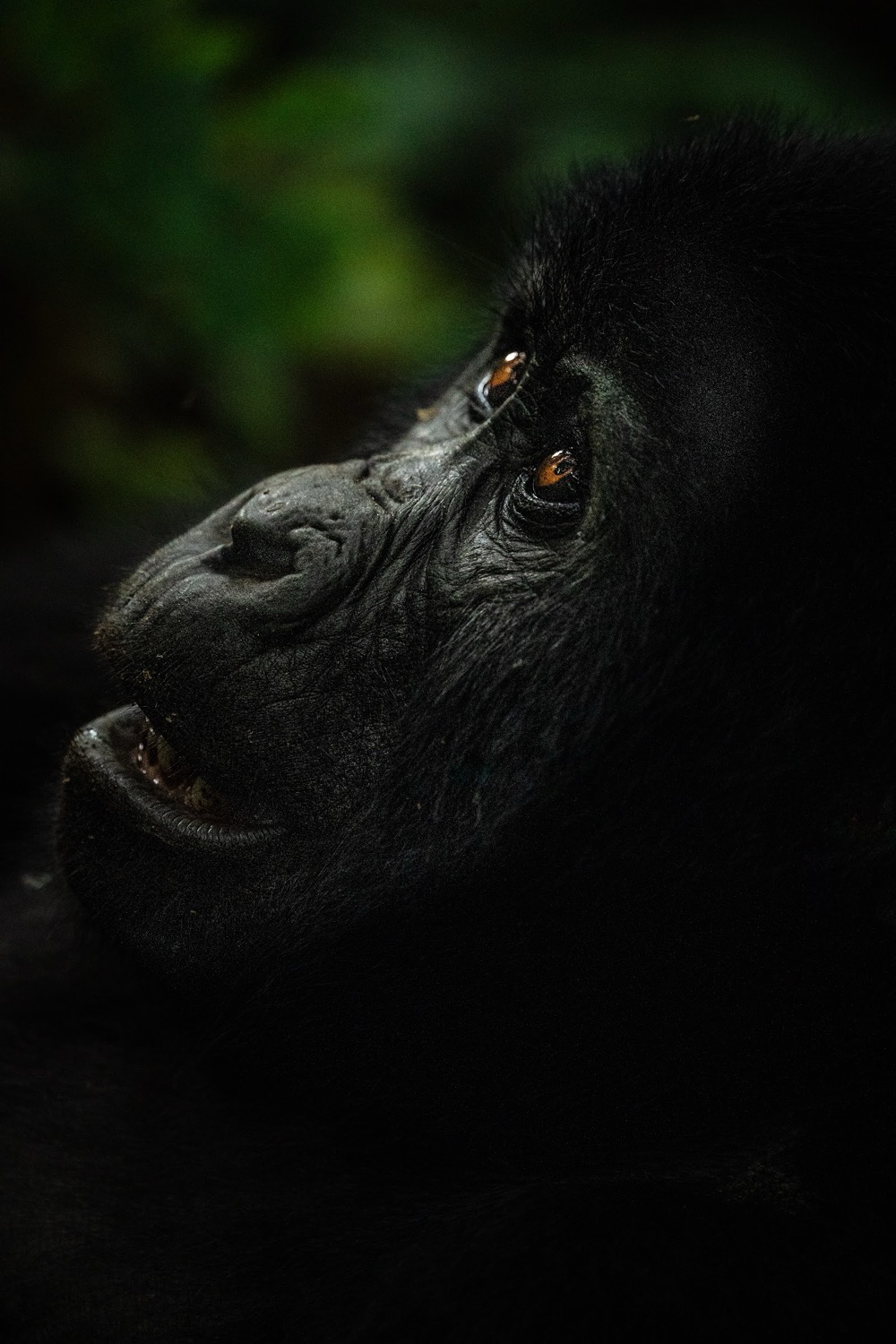
Uganda has the highest primate diversity in Africa. Mountain gorillas in Bwindi are the headline. In Queen Elizabeth's Ishasha sector, the tree-climbing lion sightings are reliable enough that we've never come away empty-handed. Murchison adds Rothschild giraffes, buffaloes and the country's densest elephant population.
Across all three parks you can also expect hippos, Nile crocodiles, Uganda kobs and shoebill storks. The shoebill looks genuinely prehistoric. Mabamba Swamp near Entebbe is the easiest place to find them, and a 2-hour canoe trip fits neatly into an arrival or departure morning. Uganda sits within the Albertine Rift, the richest zone for endemic species in Africa, and a focused birder can top 300 species on this 10-day circuit.
How do you get between the three parks?
Queen Elizabeth to Bwindi is the easy leg: 2 hours on tarmac through tea plantations. Bwindi to Murchison is the tricky one, nearly 500 km. You can drive it by splitting the journey with a night in Fort Portal, or fly Kasese to Pakuba on Aero Link Uganda for roughly USD 180. On group trips we usually drive to keep costs manageable. On private trips we fly, almost without exception.
If you want to extend this circuit into Rwanda's Volcanoes National Park, or you're trying to decide whether to book Bwindi or Rwanda for the gorilla trek, those logistics are covered in our Uganda-Rwanda gorilla comparison article.
What makes this 15-day circuit different from a 10-day Uganda trip?
The extra five days are not just padding. A 10-day circuit means choosing between Murchison Falls and a relaxed Bwindi; at 15 days you keep both without compressing any park below two nights. We cover the southern-focused 10-day logic in our 10-day Uganda itinerary article, so this guide focuses on what changes when you add Murchison to the south and north circuit: the internal flight question, the third day at Queen Elizabeth and the Nile delta morning for shoebill stork.
Here is how the 15 days break down when the logistics are sequenced correctly:
- Days 1-2: Arrive Entebbe, overnight near the airport, drive west to Fort Portal (roughly 5 hours, good tarmac)
- Days 3-4: Kibale Forest, chimpanzee tracking (morning session), afternoon forest walk
- Days 5-7: Queen Elizabeth NP, Kazinga Channel boat trip on Day 5, Ishasha sector tree lions on Days 6-7
- Days 8-10: Bwindi Impenetrable Forest, gorilla trek on Day 9 (permit locked in months ahead)
- Days 11-12: Drive or fly north to Murchison Falls NP (overnight at Masindi or fly direct to Pakuba)
- Days 13-14: Murchison game drives, afternoon boat to the falls base, Nile sunset cruise
- Day 15: Aerolink flight from Pakuba airstrip to Entebbe saves 6 hours of road, evening departure
When should you book gorilla and chimp permits?
Gorilla permits for June and July start selling out as early as January of the same year. For December and January, October bookings are often already tight. The Uganda Wildlife Authority issues permits directly with no waitlist system, which means if you miss the slot, you miss the trek. We secure permits the moment a client confirms a deposit.
Chimpanzee permits in Kibale are easier to get, but the morning session fills before the afternoon one. If your Kibale days are Days 3-4 on this itinerary, book the Day 3 morning session. That leaves Day 4 for the forest walk and a relaxed drive south toward Queen Elizabeth. Trying to do both activities on the same day is possible but rushed. The forest walk alone takes two to three hours and the light through the canopy in the late morning is something worth sitting in for a moment.
A practical note: the East Africa Tourist Visa at USD 100 covers Uganda, Kenya and Rwanda and is issued at Entebbe or online before travel. Check the Uganda Directorate of Citizenship and Immigration Control for current processing times, which vary by nationality. For health requirements and yellow fever certificate rules, the Uganda Tourism Board keeps an updated entry requirements page.
The Bwindi gorilla trek: what to expect physically and what the permit funds
Physically, the trek runs from 30 minutes to 6 hours depending on where the gorilla family slept the previous night. The Bwindi terrain is steep, the vegetation dense, and the ground slippery in any season. Porter hire at USD 15-20 is not optional in our view: the porters are community members who carry packs on terrain that has turned back fitter people than most of our clients.
The hour you get with the family once you find them is a different kind of experience entirely. A silverback at three metres while juveniles chase each other through the undergrowth is something clients describe as transformative. We've guided this dozens of times and still find it hard to prepare people adequately. The permit revenue directly funds the community agreements that keep forests intact, which is partly why mountain gorilla numbers have risen from around 680 individuals in 2008 to over 1,000 today.
Kibale or Kyambura: where to track chimpanzees?
Kibale Forest near Fort Portal holds more than 1,500 chimpanzees with high habituation rates, giving encounter success around 90%. The USD 250 permit covers a morning session with a ranger. Start there.
Kyambura Gorge inside Queen Elizabeth is a completely different setting: an underground forest cut by a river, with steep walls and a much smaller chimp community. Encounters are less predictable and the descent is demanding. For travellers doing both parks, a Kyambura session adds real variety if the budget stretches to it. For most people on a standard 15-day circuit, one chimp experience in Kibale is the right call.
FAQ
- Do I need any vaccinations to visit Uganda?
- Yellow fever vaccination is mandatory and you must carry the certificate at all times. Malaria prophylaxis is strongly recommended. Hepatitis A and typhoid are standard additions. Check the latest requirements with your travel health clinic or the NaTHNaC travel health advisory before you travel.
- Can I combine this itinerary with gorilla tracking in Rwanda?
- Yes. You can add Volcanoes National Park in Rwanda either at the start or end of this circuit. Rwanda permits cost USD 1,500 per person, so it adds meaningful cost. Road crossings at Katuna are straightforward. Many clients travelling 14 days or more include both. See our full Uganda-Rwanda gorilla comparison for a detailed breakdown.
- Is this route suitable for children?
- Gorilla trekking has a minimum age of 15. Queen Elizabeth and Murchison are excellent for families with younger children: boat rides, open-vehicle game drives, no age restrictions. If you travel with under-15s, we swap the Bwindi gorilla day for a forest walk or chimp tracking.
- How fit do I need to be for the gorilla trek?
- Reasonably fit, not athletic. The trails are steep and often muddy. Most people who exercise two or three times a week handle it without problems. Uganda Wildlife Authority provides porters at USD 15-20, highly recommended. They carry your bag, help you on slippery sections and the income makes a real difference to local families.
- What currency should I carry?
- US dollars, cash, in clean notes printed after 2006. Most lodges accept cards but connectivity is unreliable in remote areas. Bring USD 300-400 in cash for tips, park extras and incidentals. Ugandan shillings are easy to buy at Entebbe or Kampala on arrival.
Your next step
If you want to travel it with us: Uganda: all our routes
10-Day Uganda Safari: Bwindi, Queen Elizabeth and Murchison Falls
Ten days is the sweet spot for combining Uganda's three flagship parks without rushing. You trek gorillas in Bwindi, spot tree-climbing lions in Queen Elizabeth, and watch the Nile squeeze through a 7-metre gap at Murchison Falls. This article is the day-by-day itinerary with transfer logistics and price comparisons. If you want detail on booking the gorilla permit itself, see our dedicated permit guide; if you're weighing Uganda against Rwanda for gorilla tracking, that comparison is in a separate piece.
Budget from around 3,800 EUR per person on a shared 4x4 with mid-range lodges, up to 6,500 EUR for private departures with premium camps.
| Detail | Info |
|---|---|
| Best months | June-July and December-February |
| Price range | 3,800-6,500 EUR per person |
| Duration | 10 days / 9 nights |
| Gorilla permit | USD 800 per person (Bwindi) |
| Entry visa | USD 50 (e-visa, single entry) |
| Closest airport | Entebbe International (EBB) |
| Internal transfers | Road + optional domestic flight to Murchison |
When is the best time to do this Uganda circuit?
June and July are the driest months across all three parks. Forest trails in Bwindi are less slippery, Nile roads stay passable, and the savannah in Queen Elizabeth is easy to drive. December through February is a strong second window: shorter rains ease off and animal concentrations around the Kazinga Channel water sources are excellent. We avoid Bwindi in April and May specifically because the red mountain mud makes the gorilla trek much harder than it needs to be.
Gorilla permits sell out three to six months ahead during peak season. If you're travelling in June or July 2027, reserve the permit before you book flights.
How does the day-by-day itinerary look?
Here is how we typically structure the 10 days, balancing drive times with meaningful time in each park. Long transfers are split with an overnight stop so you arrive fresh.
Day 1. Arrival Entebbe. Land at EBB, transfer to a guesthouse near the lake. If you arrive before 14:00, Entebbe Botanical Garden has wild chimpanzees right at its edges and makes for a low-key first afternoon.
Days 2-3. Queen Elizabeth National Park. Around a 6-hour drive southwest, or a 45-minute domestic flight if you want to save the road. Morning game drive in the Kasenyi sector for lions and elephants. Afternoon boat cruise on the Kazinga Channel: hippo-dense and good for photography. Day 3 is for the Ishasha sector, the corner of the park where lions climb into fig trees. It sounds like a cliché until you see a pride of eight sprawled across branches 5 metres up. We watched exactly that in December 2024.
Days 4-6. Bwindi Impenetrable Forest. The drive from Ishasha to Bwindi is beautiful and only 2 hours, through tea plantations. Day 4: arrival, afternoon briefing with Uganda Wildlife Authority rangers. Day 5: the gorilla trek. Treks range from 1 hour to 6 hours depending on where the family has moved overnight; the permit is USD 800 regardless of duration, and you get one unrushed hour with the group. Day 6: optional chimpanzee habituation in Kyambura Gorge or forest walks around Bwindi.
Days 7-8. Transfer north and Murchison Falls National Park. This is the longest leg: roughly 8-9 hours by road, or a domestic flight from Kasese to Pakuba airstrip at around USD 180 one-way. On private trips we almost always fly because the time saving translates directly into an extra game drive. Day 8: full game drive in the northern circuit for Rothschild giraffes, buffaloes and Uganda's largest elephant population. Afternoon: boat cruise from Paraa up to the foot of Murchison Falls. The sight of the Nile being forced through that narrow gorge from the boat deck is something you don't forget.
Day 9. Murchison continuation. Morning game drive. Optional top-of-the-falls hike, an easy 30-minute walk with a clear view down into the gorge. Afternoon at leisure.
Day 10. Return Entebbe, departure. Transfer or flight back to EBB. Most international connections leave in the evening, giving you a useful half-day buffer.
What does this safari cost, and what is included?
How we do it
If you want to travel it with us: Uganda: all our routes
Here is a straightforward comparison of the two main ways to run this circuit.
| Format | Price per person | Included | Not included |
|---|---|---|---|
| Small group (4-6 pax) | 3,800-4,500 EUR | Gorilla permit, all park fees, 4x4, mid-range lodges, full board, driver-guide | Flights to Uganda, visa, travel insurance, tips |
| Private departure | 5,200-6,500 EUR | Same as above plus domestic flights, premium camps, private guide | Flights to Uganda, visa, personal expenses |
The gorilla permit (USD 800) is issued by the Uganda Wildlife Authority and is already inside our package price. The Uganda e-visa (USD 50) you apply for at Uganda's official immigration portal before arrival, and that cost sits outside the package. Budget around USD 100-150 for tips across the whole trip: tracker, driver-guide, lodge staff.
Which lodges do we use on this route?
In Queen Elizabeth, Mweya Safari Lodge sits on a peninsula above the Kazinga Channel and is our standard recommendation. For a more budget-conscious option, Engiri Game Lodge is honest value. In Bwindi, Buhoma Lodge and Mahogany Springs are our favourites near the Buhoma sector entrance. In Murchison, Paraa Safari Lodge is within walking distance of the ferry crossing; Chobe Safari Lodge sits slightly downstream and is very comfortable. All three parks also have community-run bandas at around USD 60-100 per person per night, basic but perfectly adequate.
What wildlife will you actually see?
Uganda has the highest primate diversity in Africa. Mountain gorillas in Bwindi are the headline. In Queen Elizabeth's Ishasha sector, the tree-climbing lion sightings are reliable enough that we've never come away empty-handed. Murchison adds Rothschild giraffes, buffaloes and the country's densest elephant population.
Across all three parks you can also expect hippos, Nile crocodiles, Uganda kobs and shoebill storks. The shoebill looks genuinely prehistoric. Mabamba Swamp near Entebbe is the easiest place to find them, and a 2-hour canoe trip fits neatly into an arrival or departure morning. Uganda sits within the Albertine Rift, the richest zone for endemic species in Africa, and a focused birder can top 300 species on this 10-day circuit.
How do you get between the three parks?
Queen Elizabeth to Bwindi is the easy leg: 2 hours on tarmac through tea plantations. Bwindi to Murchison is the tricky one, nearly 500 km. You can drive it by splitting the journey with a night in Fort Portal, or fly Kasese to Pakuba on Aero Link Uganda for roughly USD 180. On group trips we usually drive to keep costs manageable. On private trips we fly, almost without exception.
If you want to extend this circuit into Rwanda's Volcanoes National Park, or you're trying to decide whether to book Bwindi or Rwanda for the gorilla trek, those logistics are covered in our Uganda-Rwanda gorilla comparison article.
What makes this 15-day circuit different from a 10-day Uganda trip?
The extra five days are not just padding. A 10-day circuit means choosing between Murchison Falls and a relaxed Bwindi; at 15 days you keep both without compressing any park below two nights. We cover the southern-focused 10-day logic in our 10-day Uganda itinerary article, so this guide focuses on what changes when you add Murchison to the south and north circuit: the internal flight question, the third day at Queen Elizabeth and the Nile delta morning for shoebill stork.
Here is how the 15 days break down when the logistics are sequenced correctly:
- Days 1-2: Arrive Entebbe, overnight near the airport, drive west to Fort Portal (roughly 5 hours, good tarmac)
- Days 3-4: Kibale Forest, chimpanzee tracking (morning session), afternoon forest walk
- Days 5-7: Queen Elizabeth NP, Kazinga Channel boat trip on Day 5, Ishasha sector tree lions on Days 6-7
- Days 8-10: Bwindi Impenetrable Forest, gorilla trek on Day 9 (permit locked in months ahead)
- Days 11-12: Drive or fly north to Murchison Falls NP (overnight at Masindi or fly direct to Pakuba)
- Days 13-14: Murchison game drives, afternoon boat to the falls base, Nile sunset cruise
- Day 15: Aerolink flight from Pakuba airstrip to Entebbe saves 6 hours of road, evening departure
When should you book gorilla and chimp permits?
Gorilla permits for June and July start selling out as early as January of the same year. For December and January, October bookings are often already tight. The Uganda Wildlife Authority issues permits directly with no waitlist system, which means if you miss the slot, you miss the trek. We secure permits the moment a client confirms a deposit.
Chimpanzee permits in Kibale are easier to get, but the morning session fills before the afternoon one. If your Kibale days are Days 3-4 on this itinerary, book the Day 3 morning session. That leaves Day 4 for the forest walk and a relaxed drive south toward Queen Elizabeth. Trying to do both activities on the same day is possible but rushed. The forest walk alone takes two to three hours and the light through the canopy in the late morning is something worth sitting in for a moment.
A practical note: the East Africa Tourist Visa at USD 100 covers Uganda, Kenya and Rwanda and is issued at Entebbe or online before travel. Check the Uganda Directorate of Citizenship and Immigration Control for current processing times, which vary by nationality. For health requirements and yellow fever certificate rules, the Uganda Tourism Board keeps an updated entry requirements page.
The Bwindi gorilla trek: what to expect physically and what the permit funds
Physically, the trek runs from 30 minutes to 6 hours depending on where the gorilla family slept the previous night. The Bwindi terrain is steep, the vegetation dense, and the ground slippery in any season. Porter hire at USD 15-20 is not optional in our view: the porters are community members who carry packs on terrain that has turned back fitter people than most of our clients.
The hour you get with the family once you find them is a different kind of experience entirely. A silverback at three metres while juveniles chase each other through the undergrowth is something clients describe as transformative. We've guided this dozens of times and still find it hard to prepare people adequately. The permit revenue directly funds the community agreements that keep forests intact, which is partly why mountain gorilla numbers have risen from around 680 individuals in 2008 to over 1,000 today.
Kibale or Kyambura: where to track chimpanzees?
Kibale Forest near Fort Portal holds more than 1,500 chimpanzees with high habituation rates, giving encounter success around 90%. The USD 250 permit covers a morning session with a ranger. Start there.
Kyambura Gorge inside Queen Elizabeth is a completely different setting: an underground forest cut by a river, with steep walls and a much smaller chimp community. Encounters are less predictable and the descent is demanding. For travellers doing both parks, a Kyambura session adds real variety if the budget stretches to it. For most people on a standard 15-day circuit, one chimp experience in Kibale is the right call.
FAQ
- Do I need any vaccinations to visit Uganda?
- Yellow fever vaccination is mandatory and you must carry the certificate at all times. Malaria prophylaxis is strongly recommended. Hepatitis A and typhoid are standard additions. Check the latest requirements with your travel health clinic or the NaTHNaC travel health advisory before you travel.
- Can I combine this itinerary with gorilla tracking in Rwanda?
- Yes. You can add Volcanoes National Park in Rwanda either at the start or end of this circuit. Rwanda permits cost USD 1,500 per person, so it adds meaningful cost. Road crossings at Katuna are straightforward. Many clients travelling 14 days or more include both. See our full Uganda-Rwanda gorilla comparison for a detailed breakdown.
- Is this route suitable for children?
- Gorilla trekking has a minimum age of 15. Queen Elizabeth and Murchison are excellent for families with younger children: boat rides, open-vehicle game drives, no age restrictions. If you travel with under-15s, we swap the Bwindi gorilla day for a forest walk or chimp tracking.
- How fit do I need to be for the gorilla trek?
- Reasonably fit, not athletic. The trails are steep and often muddy. Most people who exercise two or three times a week handle it without problems. Uganda Wildlife Authority provides porters at USD 15-20, highly recommended. They carry your bag, help you on slippery sections and the income makes a real difference to local families.
- What currency should I carry?
- US dollars, cash, in clean notes printed after 2006. Most lodges accept cards but connectivity is unreliable in remote areas. Bring USD 300-400 in cash for tips, park extras and incidentals. Ugandan shillings are easy to buy at Entebbe or Kampala on arrival.
Your next step
If you want to travel it with us: Uganda: all our routes