





What to See in Tanzania: 10 Places Our Team Actually Recommends
People often ask us for a shortlist. Not the standard brochure rundown, but the places we would send a close friend who had two weeks and no idea where to start. This is that list. We have cut it to ten because ten places done well beats fifteen done fast, and because Tanzania rewards depth far more than distance covered.
| Detail | Info |
|---|---|
| Best months | June to October (dry season); January to February (Ndutu calving) |
| Price range per person | €2,800 to €5,500 (mid-range circuit, 10-14 days) |
| Closest airports | Kilimanjaro International (JRO), Julius Nyerere Dar es Salaam (DAR) |
| Visa | e-Visa required for most nationalities; apply at Tanzania Immigration Services |
| Currency | Tanzanian Shilling (TZS); USD widely accepted in parks |
| Yellow fever | Certificate required if arriving from an endemic country |
Why do so many travellers return to Tanzania?
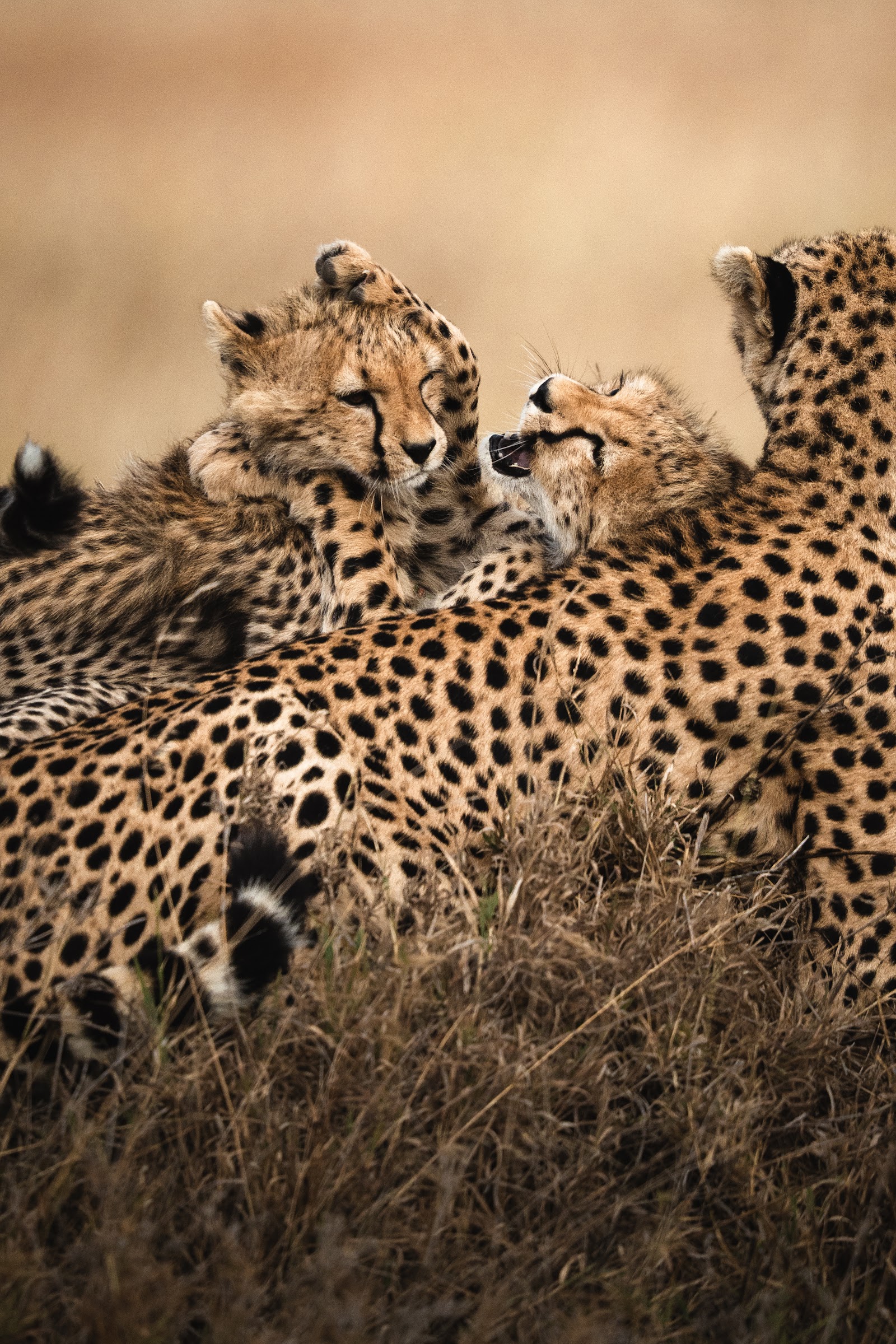
Tanzania protects more than 38% of its land in national parks, game reserves and conservation areas. The Tanzania National Parks Authority (TANAPA) manages 22 national parks alone. That statistic only means something when you are actually inside one of them, watching a cheetah scan the plains at dawn with no other vehicle in sight. The variety here is not marketing. It is just what happens when you combine savannah, crater, rainforest, mountain and Indian Ocean coast in one country.
What makes the Serengeti different from every other African park?
Scale, mostly. The Serengeti covers 14,763 square kilometres of open savannah, and the wildlife is distributed across all of it. The Great Migration moves through year-round: calving near Ndutu runs from January into February, when the southern plains fill with newborn wildebeest and the cats that trail them. The Mara River crossings happen from July through October in the northern sector.
We watched a crossing from the Lamai Wedge last August. The vehicle went quiet the moment the first wildebeest committed. It always does, even after dozens of trips. Park entry runs around $70 per person per day for non-residents, with mid-range tented camps from about €250 a night full board.
Is Ngorongoro Crater worth the extra fees?
Yes. The crater floor sits 600 metres below the rim and shelters around 25,000 animals that rarely leave. It is the most reliable place in East Africa to see black rhino from a standard safari vehicle. The crater service fee is around $295 per vehicle per day on top of conservation area entry, which makes it expensive. Go anyway.
The trick is timing. At the descent gate by 7:15, on the floor before 8 am, and you will have the best light and the fewest vehicles. Most day-trippers arrive around 9 and crowd the same lion sighting. Stay until noon at minimum. The floor in the afternoon, once the herds have moved, is a different place entirely.

What can you see in Tarangire that you cannot see elsewhere?
Elephant numbers that stop you mid-sentence. In September we counted more than 300 animals at the Tarangire River in a single afternoon, spread across both banks and the floodplain between them. The baobab trees here are centuries old and large enough that the elephants scratch against them. Fewer visitors than the Serengeti, lower fees, and the landscape in the dry season looks like something from a painting you cannot quite place.
Tarangire also has reliable sightings of fringe-eared oryx and gerenuk, which you will not find in the northern circuit parks. Worth a full day minimum, ideally two.
Why do we recommend Ruaha to repeat visitors?
Because it is nothing like the northern parks. Ruaha is Tanzania's largest national park and one of the least visited by international travellers. The vegetation is different, drier and more acacia-dominated, and the wildlife reflects it. Wild dogs are seen here with a consistency that few parks in Africa can match. We have had three separate sightings on a single three-night stay.
Getting there means a flight from Dar es Salaam, about 90 minutes. The camps are smaller and further apart. If you have already done the Serengeti and Ngorongoro and want to understand what the word remote actually means in a safari context, Ruaha is the answer.
What is Selous like compared to the northern parks?
Completely different in feel. The Nyerere National Park (the former Selous Game Reserve, now partly a UNESCO World Heritage Site) is one of the largest protected areas in Africa. The Rufiji River runs through it and boat safaris here are unlike anything you do on a standard game drive. You drift past hippo pods at eye level, watch crocodiles on sandbanks and sometimes get so close to elephants drinking that you can hear the water going down.
The south has fewer visitors per square kilometre than almost anywhere else in East Africa. That alone is worth the journey.
What is Zanzibar Stone Town like to visit?
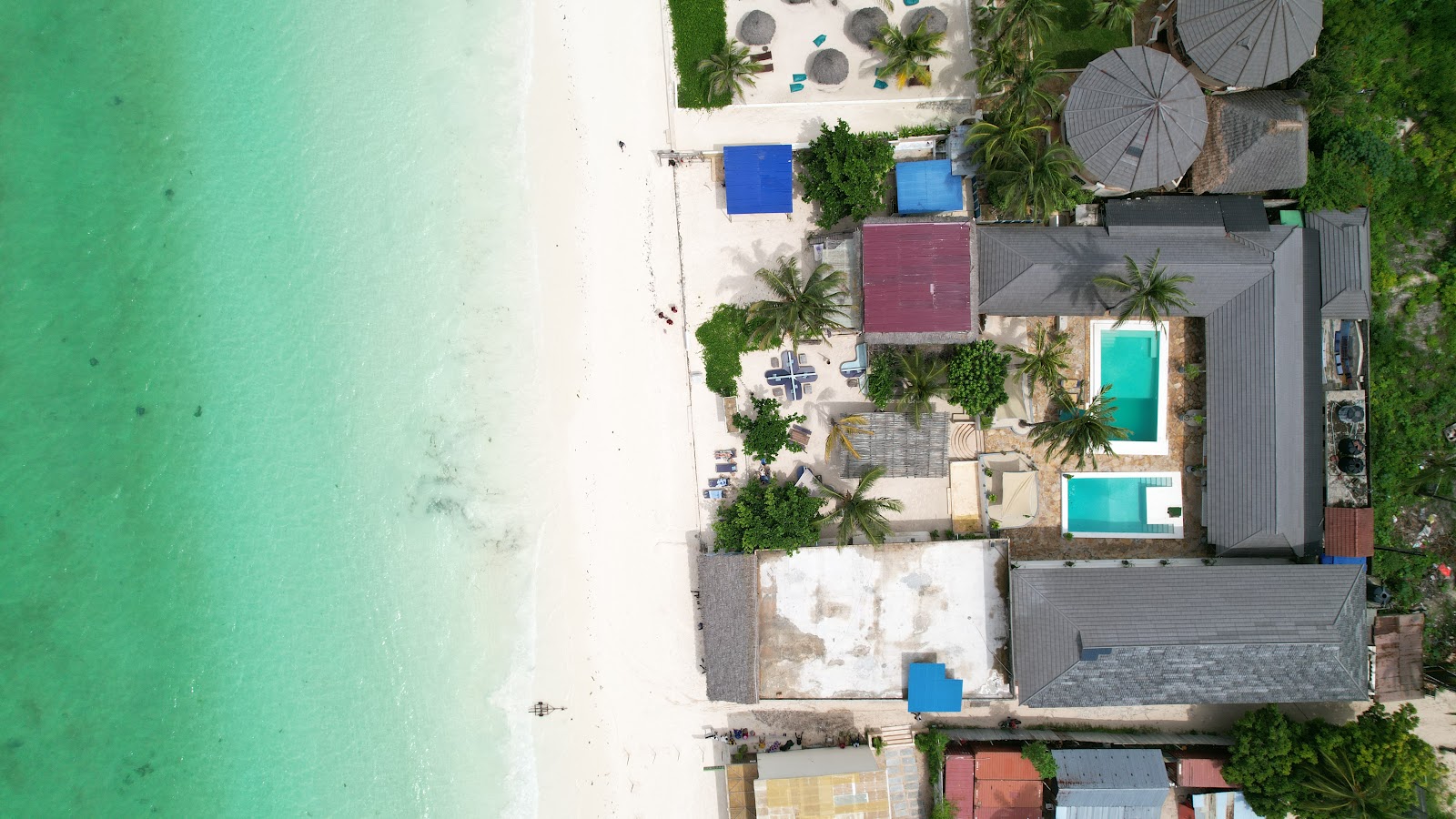
Dense, layered and nothing like the beach towns north of it. Stone Town is a UNESCO World Heritage Site and the lanes are genuinely narrow, some barely wide enough for two people to pass. The Forodhani night market along the seafront does grilled octopus and chips, Zanzibar pizza (a street food thing, not what you are picturing) and fresh sugarcane juice. Half a day covers the main sites. A full day lets you go slower, which is better.
How we do it
If you want to travel it with us: 8 days, from 3.095 € per person. Tanzania - Secrets of the South
The Zanzibari coast north of Stone Town is a separate decision entirely and depends heavily on which months you are travelling.
What can you do at Mahale Mountains?
Chimpanzee trekking on the shore of Lake Tanganyika, in a setting so unlikely it barely feels real. Getting here requires a flight to Kigoma and then a boat ride along the lake. The camp costs from around €600 per night. It is logistically complex and not cheap.
Clients who go always say the same thing afterwards. Not that the chimps were impressive, though they are, but that the whole place felt like somewhere the rest of the world does not know exists. The combination of forest trekking and the lake in the evening, surrounded by the Mahale Mountains, is nothing we have been able to replicate anywhere else we operate.
Is Kilimanjaro worth climbing if you are not a mountaineer?
It depends on what you mean by mountaineer. Kilimanjaro at 5,895 metres is a trekking peak, not a technical climb. No ropes, no crampons on the standard routes. The Machame route takes six to eight days and has a better acclimatisation profile than the more direct Marangu. What catches people out is not the terrain. It is the altitude at the summit attempt, which starts around midnight and brings most people to Uhuru Peak in bitter cold around dawn.
Roughly 60% of climbers who attempt the summit reach it. Those odds improve significantly with an extra acclimatisation day and a decent fitness base going in. We brief every client on this before they book.
What is Gombe Stream and who is it for?
Gombe is where Jane Goodall began her chimpanzee research in 1960, and the park is small, accessible by boat from Kigoma, and historically significant in a way that is hard to overstate. It lacks the dramatic setting of Mahale but carries a weight that many travellers find unexpectedly moving. This is where our understanding of chimpanzee behaviour began.
It is best combined with Mahale on the same western Tanzania swing, which makes the journey worthwhile.
What about Zanzibar's north coast?
Nungwi and Kendwa are the two main beach areas at the northern tip of the island. White sand, calm water on the western side, strong snorkelling off the reef. The water is best from June to October and from December into February. March and April bring the long rains and the sea turns rough. If your dates fall in that window, the beach is not the reason to come.
Pemba Island, further north, is the choice for experienced divers. The walls drop hundreds of metres and the coral health is far better than most of Zanzibar's main island reefs. The currents are strong enough that you need to know what you are doing, but the reward is some of the best diving in the Indian Ocean.
Do you need a visa to enter Tanzania?
Yes. Most European nationalities apply online for an e-Visa before arrival at the official Tanzania Immigration portal. The standard tourist visa costs $50 USD and is typically approved within three to five working days. Apply at least two weeks before you travel. If you are planning to cross into Kenya or Uganda on the same trip, the East Africa Tourist Visa at $100 covers all three countries and saves paperwork at the borders.
Our team is in Arusha and responds on WhatsApp within a few hours if you want to talk through which of these places fits the time you have.
FAQ
- Is Tanzania safe for tourists?
- The main safari parks, Zanzibar and the tourist areas of Dar es Salaam are well-travelled and considered safe. The practical advice is what applies anywhere: keep expensive camera equipment in a plain bag, use taxis arranged through your accommodation or guide, and check your government's current travel advisory before booking. We brief all our clients before departure.
- What vaccinations do you need for Tanzania?
- Yellow fever is required if you arrive from an endemic country. The standard East Africa recommendations cover hepatitis A, typhoid and a tetanus update if yours has lapsed. Malaria prophylaxis is strongly advised for all safari areas and Zanzibar. See a travel health clinic at least four weeks before you go, as some courses need time to take effect.
- How many days do you need in Tanzania?
- Ten to fourteen days covers a northern circuit plus Zanzibar at a reasonable pace. Seven days is tight but workable if you focus only on the parks. Adding Mahale or Ruaha to a northern circuit realistically needs 14 to 16 days. Trying to rush Tanzania is the most common mistake we see.
- Can you combine Tanzania with Kenya?
- Yes, and many of our clients do. The Masai Mara and the Serengeti share the same ecosystem. The wildebeest move between them without caring about the border. The East Africa Tourist Visa simplifies crossings, and we run combined circuits regularly.
- What is the best base for a northern circuit safari?
- Arusha. Our team is based there, which makes early departures, last-minute changes and any on-the-ground logistics straightforward. Almost every northern circuit starts and ends at Arusha or at Kilimanjaro International Airport, 45 minutes away by road.
Your next step
If you want to travel it with us: 8 days, from 3.095 € per person. Tanzania - Secrets of the South
What to See in Tanzania: 10 Places Our Team Actually Recommends
People often ask us for a shortlist. Not the standard brochure rundown, but the places we would send a close friend who had two weeks and no idea where to start. This is that list. We have cut it to ten because ten places done well beats fifteen done fast, and because Tanzania rewards depth far more than distance covered.
| Detail | Info |
|---|---|
| Best months | June to October (dry season); January to February (Ndutu calving) |
| Price range per person | €2,800 to €5,500 (mid-range circuit, 10-14 days) |
| Closest airports | Kilimanjaro International (JRO), Julius Nyerere Dar es Salaam (DAR) |
| Visa | e-Visa required for most nationalities; apply at Tanzania Immigration Services |
| Currency | Tanzanian Shilling (TZS); USD widely accepted in parks |
| Yellow fever | Certificate required if arriving from an endemic country |
Why do so many travellers return to Tanzania?
Tanzania protects more than 38% of its land in national parks, game reserves and conservation areas. The Tanzania National Parks Authority (TANAPA) manages 22 national parks alone. That statistic only means something when you are actually inside one of them, watching a cheetah scan the plains at dawn with no other vehicle in sight. The variety here is not marketing. It is just what happens when you combine savannah, crater, rainforest, mountain and Indian Ocean coast in one country.
What makes the Serengeti different from every other African park?
Scale, mostly. The Serengeti covers 14,763 square kilometres of open savannah, and the wildlife is distributed across all of it. The Great Migration moves through year-round: calving near Ndutu runs from January into February, when the southern plains fill with newborn wildebeest and the cats that trail them. The Mara River crossings happen from July through October in the northern sector.
We watched a crossing from the Lamai Wedge last August. The vehicle went quiet the moment the first wildebeest committed. It always does, even after dozens of trips. Park entry runs around $70 per person per day for non-residents, with mid-range tented camps from about €250 a night full board.
Is Ngorongoro Crater worth the extra fees?
Yes. The crater floor sits 600 metres below the rim and shelters around 25,000 animals that rarely leave. It is the most reliable place in East Africa to see black rhino from a standard safari vehicle. The crater service fee is around $295 per vehicle per day on top of conservation area entry, which makes it expensive. Go anyway.
The trick is timing. At the descent gate by 7:15, on the floor before 8 am, and you will have the best light and the fewest vehicles. Most day-trippers arrive around 9 and crowd the same lion sighting. Stay until noon at minimum. The floor in the afternoon, once the herds have moved, is a different place entirely.
What can you see in Tarangire that you cannot see elsewhere?
Elephant numbers that stop you mid-sentence. In September we counted more than 300 animals at the Tarangire River in a single afternoon, spread across both banks and the floodplain between them. The baobab trees here are centuries old and large enough that the elephants scratch against them. Fewer visitors than the Serengeti, lower fees, and the landscape in the dry season looks like something from a painting you cannot quite place.
Tarangire also has reliable sightings of fringe-eared oryx and gerenuk, which you will not find in the northern circuit parks. Worth a full day minimum, ideally two.
Why do we recommend Ruaha to repeat visitors?
Because it is nothing like the northern parks. Ruaha is Tanzania's largest national park and one of the least visited by international travellers. The vegetation is different, drier and more acacia-dominated, and the wildlife reflects it. Wild dogs are seen here with a consistency that few parks in Africa can match. We have had three separate sightings on a single three-night stay.
Getting there means a flight from Dar es Salaam, about 90 minutes. The camps are smaller and further apart. If you have already done the Serengeti and Ngorongoro and want to understand what the word remote actually means in a safari context, Ruaha is the answer.
What is Selous like compared to the northern parks?
Completely different in feel. The Nyerere National Park (the former Selous Game Reserve, now partly a UNESCO World Heritage Site) is one of the largest protected areas in Africa. The Rufiji River runs through it and boat safaris here are unlike anything you do on a standard game drive. You drift past hippo pods at eye level, watch crocodiles on sandbanks and sometimes get so close to elephants drinking that you can hear the water going down.
The south has fewer visitors per square kilometre than almost anywhere else in East Africa. That alone is worth the journey.
What is Zanzibar Stone Town like to visit?
Dense, layered and nothing like the beach towns north of it. Stone Town is a UNESCO World Heritage Site and the lanes are genuinely narrow, some barely wide enough for two people to pass. The Forodhani night market along the seafront does grilled octopus and chips, Zanzibar pizza (a street food thing, not what you are picturing) and fresh sugarcane juice. Half a day covers the main sites. A full day lets you go slower, which is better.
How we do it
If you want to travel it with us: 8 days, from 3.095 € per person. Tanzania - Secrets of the South
The Zanzibari coast north of Stone Town is a separate decision entirely and depends heavily on which months you are travelling.
What can you do at Mahale Mountains?
Chimpanzee trekking on the shore of Lake Tanganyika, in a setting so unlikely it barely feels real. Getting here requires a flight to Kigoma and then a boat ride along the lake. The camp costs from around €600 per night. It is logistically complex and not cheap.
Clients who go always say the same thing afterwards. Not that the chimps were impressive, though they are, but that the whole place felt like somewhere the rest of the world does not know exists. The combination of forest trekking and the lake in the evening, surrounded by the Mahale Mountains, is nothing we have been able to replicate anywhere else we operate.
Is Kilimanjaro worth climbing if you are not a mountaineer?
It depends on what you mean by mountaineer. Kilimanjaro at 5,895 metres is a trekking peak, not a technical climb. No ropes, no crampons on the standard routes. The Machame route takes six to eight days and has a better acclimatisation profile than the more direct Marangu. What catches people out is not the terrain. It is the altitude at the summit attempt, which starts around midnight and brings most people to Uhuru Peak in bitter cold around dawn.
Roughly 60% of climbers who attempt the summit reach it. Those odds improve significantly with an extra acclimatisation day and a decent fitness base going in. We brief every client on this before they book.
What is Gombe Stream and who is it for?
Gombe is where Jane Goodall began her chimpanzee research in 1960, and the park is small, accessible by boat from Kigoma, and historically significant in a way that is hard to overstate. It lacks the dramatic setting of Mahale but carries a weight that many travellers find unexpectedly moving. This is where our understanding of chimpanzee behaviour began.
It is best combined with Mahale on the same western Tanzania swing, which makes the journey worthwhile.
What about Zanzibar's north coast?
Nungwi and Kendwa are the two main beach areas at the northern tip of the island. White sand, calm water on the western side, strong snorkelling off the reef. The water is best from June to October and from December into February. March and April bring the long rains and the sea turns rough. If your dates fall in that window, the beach is not the reason to come.
Pemba Island, further north, is the choice for experienced divers. The walls drop hundreds of metres and the coral health is far better than most of Zanzibar's main island reefs. The currents are strong enough that you need to know what you are doing, but the reward is some of the best diving in the Indian Ocean.
Do you need a visa to enter Tanzania?
Yes. Most European nationalities apply online for an e-Visa before arrival at the official Tanzania Immigration portal. The standard tourist visa costs $50 USD and is typically approved within three to five working days. Apply at least two weeks before you travel. If you are planning to cross into Kenya or Uganda on the same trip, the East Africa Tourist Visa at $100 covers all three countries and saves paperwork at the borders.
Our team is in Arusha and responds on WhatsApp within a few hours if you want to talk through which of these places fits the time you have.
FAQ
- Is Tanzania safe for tourists?
- The main safari parks, Zanzibar and the tourist areas of Dar es Salaam are well-travelled and considered safe. The practical advice is what applies anywhere: keep expensive camera equipment in a plain bag, use taxis arranged through your accommodation or guide, and check your government's current travel advisory before booking. We brief all our clients before departure.
- What vaccinations do you need for Tanzania?
- Yellow fever is required if you arrive from an endemic country. The standard East Africa recommendations cover hepatitis A, typhoid and a tetanus update if yours has lapsed. Malaria prophylaxis is strongly advised for all safari areas and Zanzibar. See a travel health clinic at least four weeks before you go, as some courses need time to take effect.
- How many days do you need in Tanzania?
- Ten to fourteen days covers a northern circuit plus Zanzibar at a reasonable pace. Seven days is tight but workable if you focus only on the parks. Adding Mahale or Ruaha to a northern circuit realistically needs 14 to 16 days. Trying to rush Tanzania is the most common mistake we see.
- Can you combine Tanzania with Kenya?
- Yes, and many of our clients do. The Masai Mara and the Serengeti share the same ecosystem. The wildebeest move between them without caring about the border. The East Africa Tourist Visa simplifies crossings, and we run combined circuits regularly.
- What is the best base for a northern circuit safari?
- Arusha. Our team is based there, which makes early departures, last-minute changes and any on-the-ground logistics straightforward. Almost every northern circuit starts and ends at Arusha or at Kilimanjaro International Airport, 45 minutes away by road.
Your next step
If you want to travel it with us: 8 days, from 3.095 € per person. Tanzania - Secrets of the South