




Zanzibar Beaches by Tide: Which Coast to Pick and When
In Zanzibar, tidal range determines whether you're swimming or standing on a seagrass flat 400 metres from the waterline. The north coast holds depth at any stage of the tide. The east coast can swing from full lagoon to exposed mudflat within six hours. Everything else, accommodation comparisons, activity choices, which village to base yourself in, is covered in our Nungwi vs Paje vs Matemwe piece. What we're doing here is simpler: showing you how the tide calendar should drive your beach planning before you book a single night.
| Detail | Info |
|---|---|
| Best months | June to October (long dry), Jan to Feb (short dry) |
| Closest airport | Abeid Amani Karume International (ZNZ), Stone Town |
| Visa | Visa on arrival, USD 50 for most EU passports. Check Tanzania Immigration and the Zanzibar Commission for Tourism |
| Budget range | From USD 40/night (east coast guesthouses) to USD 600+/night (north coast villas) |
| Currency | Tanzanian Shilling (TZS); USD widely accepted |
| Getting around | Dala-dala (shared minibus), private taxi or scooter rental |
Which Zanzibar beaches stay swimmable at any tide?
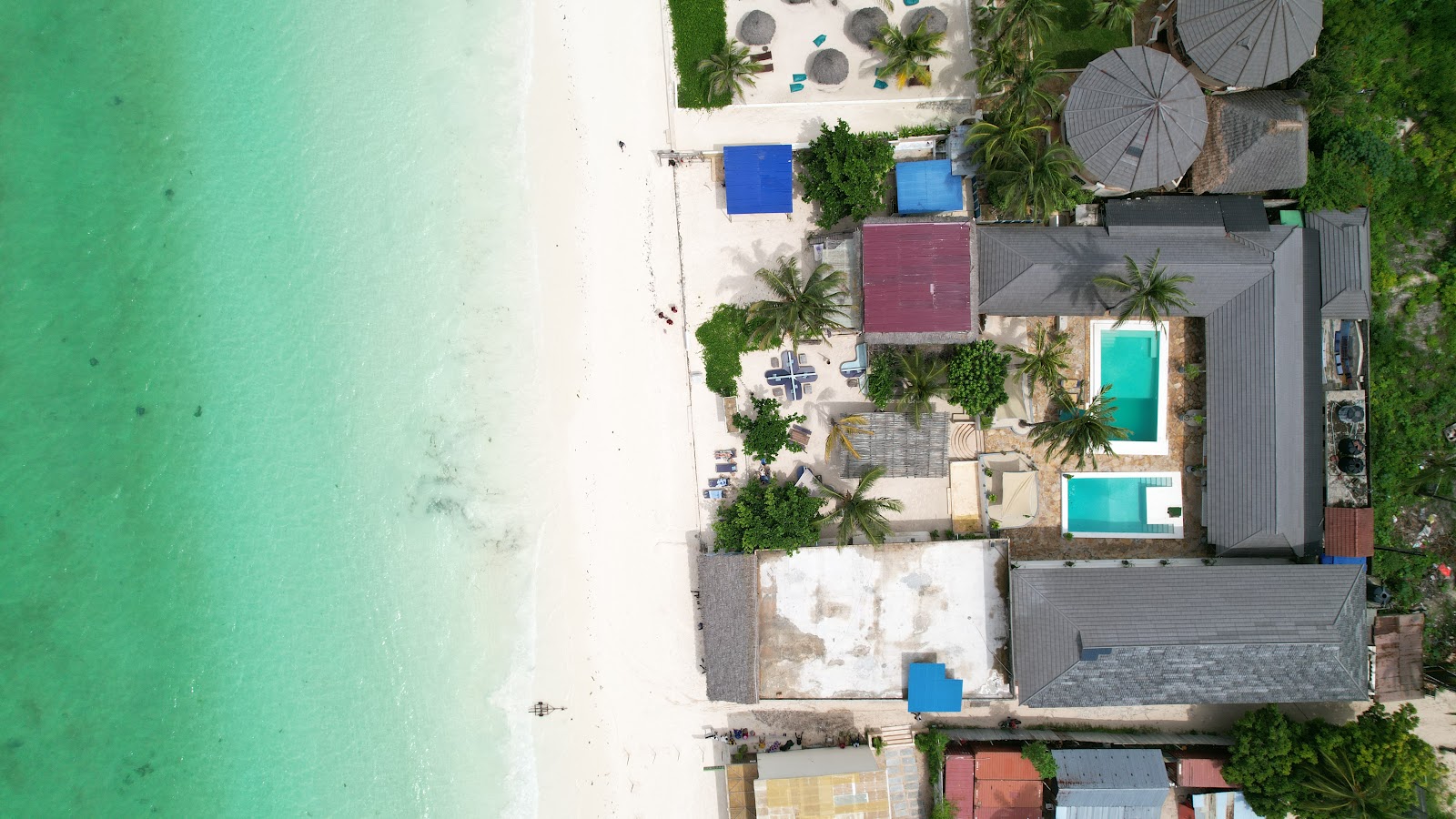
Nungwi and Kendwa, both on the north tip, hold enough depth even at low water because of how the reef sits offshore. The channel close to shore stays navigable regardless of tidal stage.
We stayed in Kendwa in June 2026 at a mid-range sea-view lodge: USD 110 per night with breakfast, roughly thirty guests on a beach that fits three hundred. By August those rooms were USD 160 and mostly full. Nungwi carries more infrastructure, dive centres and beach restaurants and early-morning boats heading toward Mnemba Atoll, but Kendwa runs quieter and a tuk-tuk connects the two in ten minutes if you want both.
Matemwe sits on the north-east coast, technically tide-affected, but its lagoon is wide enough that low water still leaves a good depth to swim in. The reef draw is Mnemba Atoll, a short boat ride offshore. Day snorkel trips from Matemwe run USD 50 to 70 per person with equipment. If you want the full picture on how those three northern spots compare for stays and activities, the Nungwi vs Paje vs Matemwe guide goes into that detail.
What actually happens on the east coast at low tide?
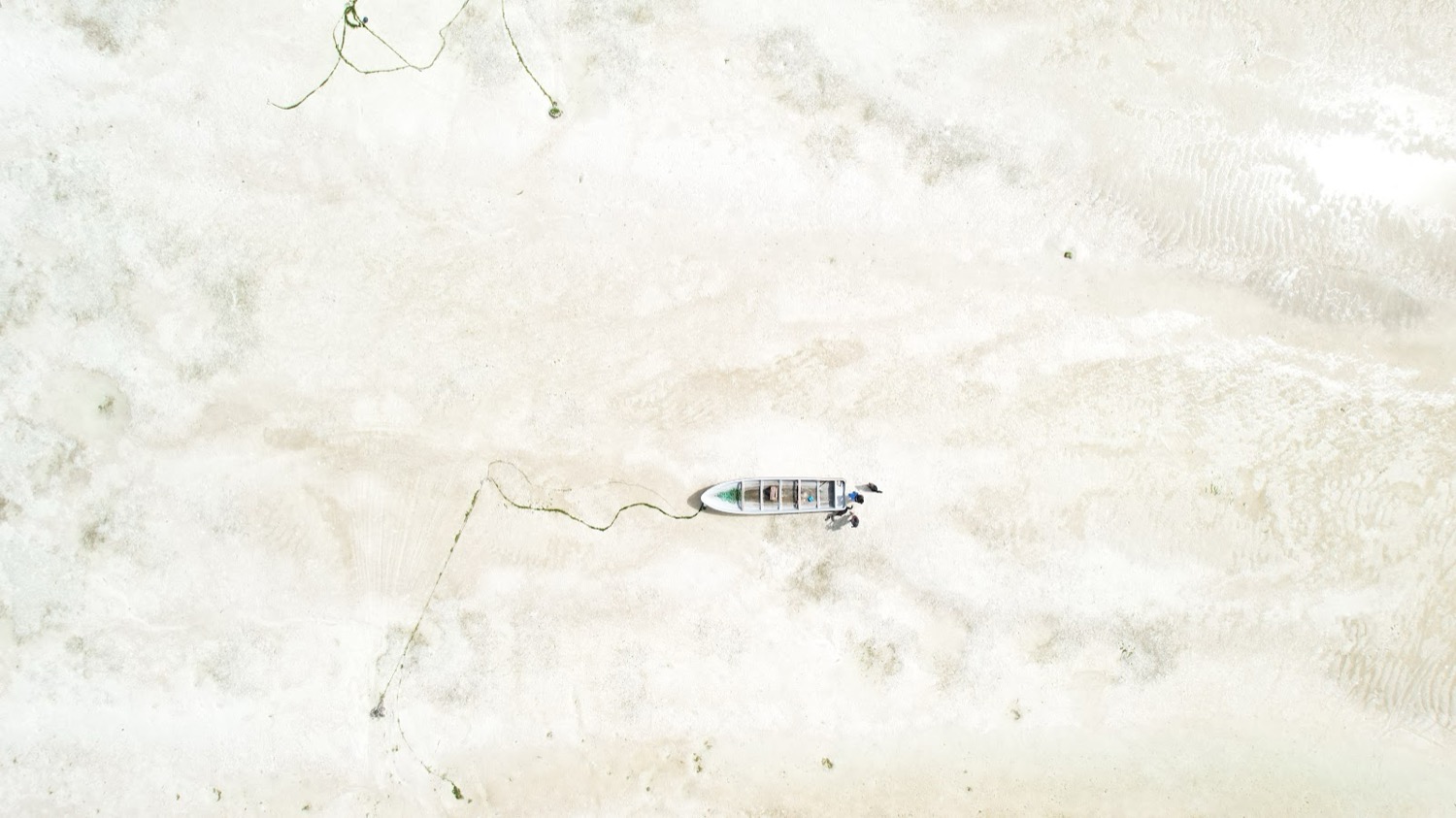
At low tide in Paje or Jambiani the Indian Ocean retreats 400 to 500 metres and leaves a wide seagrass flat. Local women work those flats harvesting farmed seaweed. Some first-time visitors arrive mid-afternoon on an ebb tide, see brown sand with nothing swimmable, and feel genuinely cheated. Download a tide table app before you arrive. It takes two minutes and fixes the whole problem.
For kitesurfers the east coast is the right call regardless. Paje has reliable south-easterly winds from June through September, and a beginner IKO course runs USD 350 to 400 for around nine hours over three days. Airborne Kite Centre has been operating there for over a decade and teaches in multiple languages.
Jambiani, 10 km south of Paje, is a working fishing village with a handful of small lodges priced from USD 35. Worth a half-day from Paje if village pace appeals. A full week there suits a specific kind of traveller.
How should you structure a multi-coast trip around the tides?
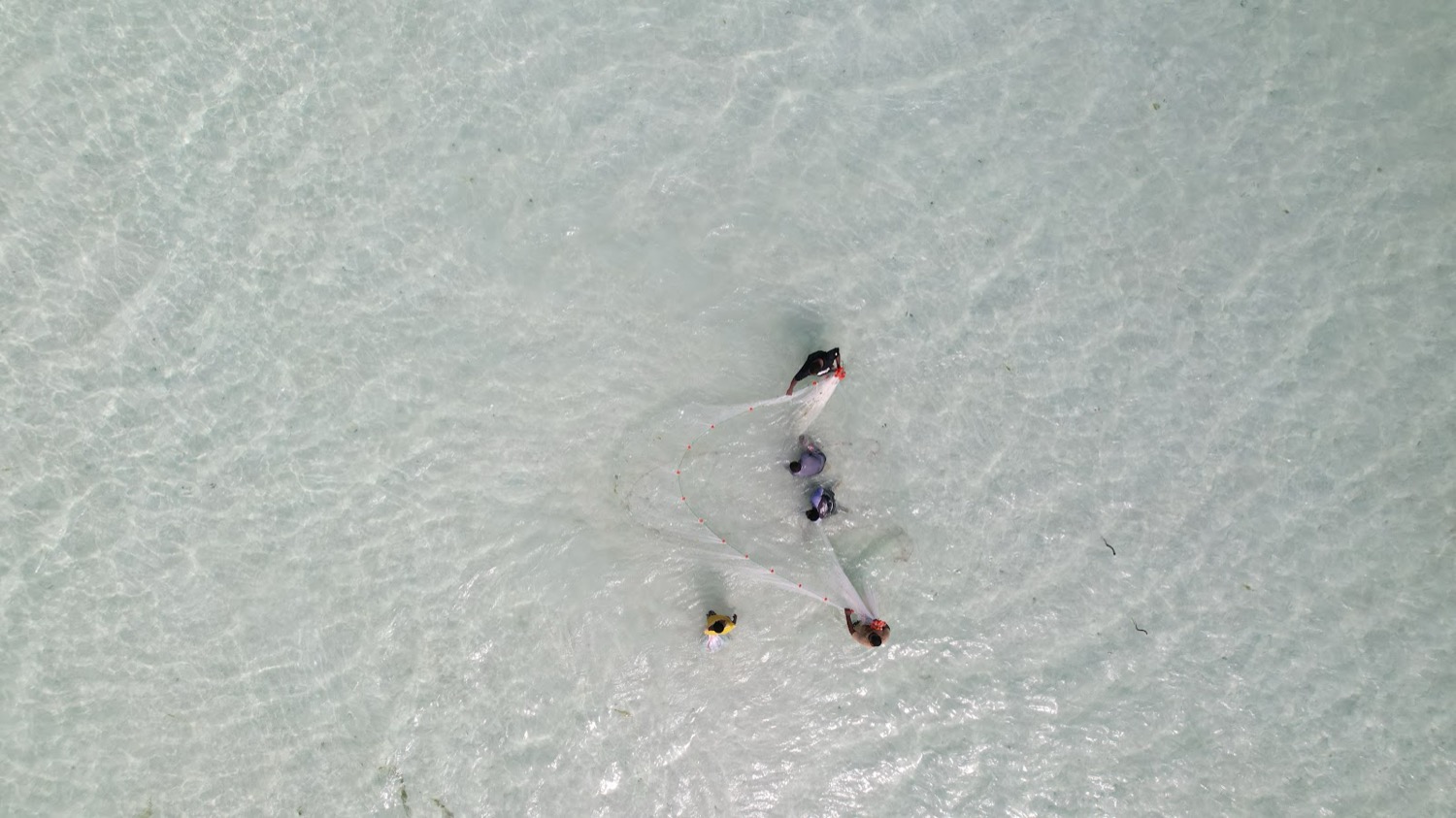
The clearest approach is to start on the north coast and move east or south in the second half of the trip. That way you're using north-coast tide immunity as a buffer while you get a tide app set up and learn the local rhythm before hitting Paje or Jambiani.
Three nights in Kendwa or Nungwi, then three or four nights on the east coast, works well logistically. The drive between them is under two hours by private taxi at around USD 50. If you're adding a safari beforehand, the internal flight from Kilimanjaro Airport (JRO) to Zanzibar (ZNZ) takes about 90 minutes on Coastal Aviation or Auric Air, landing you ready for a beach start. Full itinerary structures for a combined Tanzania trip are in our 7 and 10-day post-safari guide.
One timing detail most people miss: the tidal cycle shifts roughly fifty minutes later each day. A perfect high-water morning swim on day one will be an afternoon swim by day four. Worth checking the app daily rather than once at the start of the trip.
What does the south coast offer that the north and east don't?
Price and dolphins. Kizimkazi is one of the few places in the Indian Ocean with reliable wild spinner and bottlenose dolphins close to shore. Boats leave at around 6:30 am, cost USD 25 to 35 per person, and return within two hours. Use an operator that follows Zanzibar Commission for Tourism guidelines on dolphin interaction. The difference between a decent experience and a rushed one depends on that.
Tidal exposure on the south coast sits between the north and east: not as forgiving as Nungwi, but the beaches are shorter and the retreat less dramatic than Paje. Guesthouses here run USD 30 to 50 per night; boutique lodges reach USD 150 to 250. Stone Town is 1.5 hours north on mostly tarmac.
When is the best time to visit Zanzibar beaches?
June to October is the main dry window. Low humidity, almost no rain, calm seas on both the north and east coasts. Lodges in July and August fill up three to four months in advance.
January and February are worth serious consideration. Lodge rates drop 15 to 25% below peak, the beaches are less crowded, and the sea is still warm. It's hotter than July, but not oppressively so with a sea breeze. December and early January carry Christmas and New Year surcharges of 30 to 50% at many properties. April, May and November are rainy; March is unpredictable. For a full seasonal breakdown with month-by-month conditions, see our best time to visit Zanzibar article.
How do you get between beaches in Zanzibar?
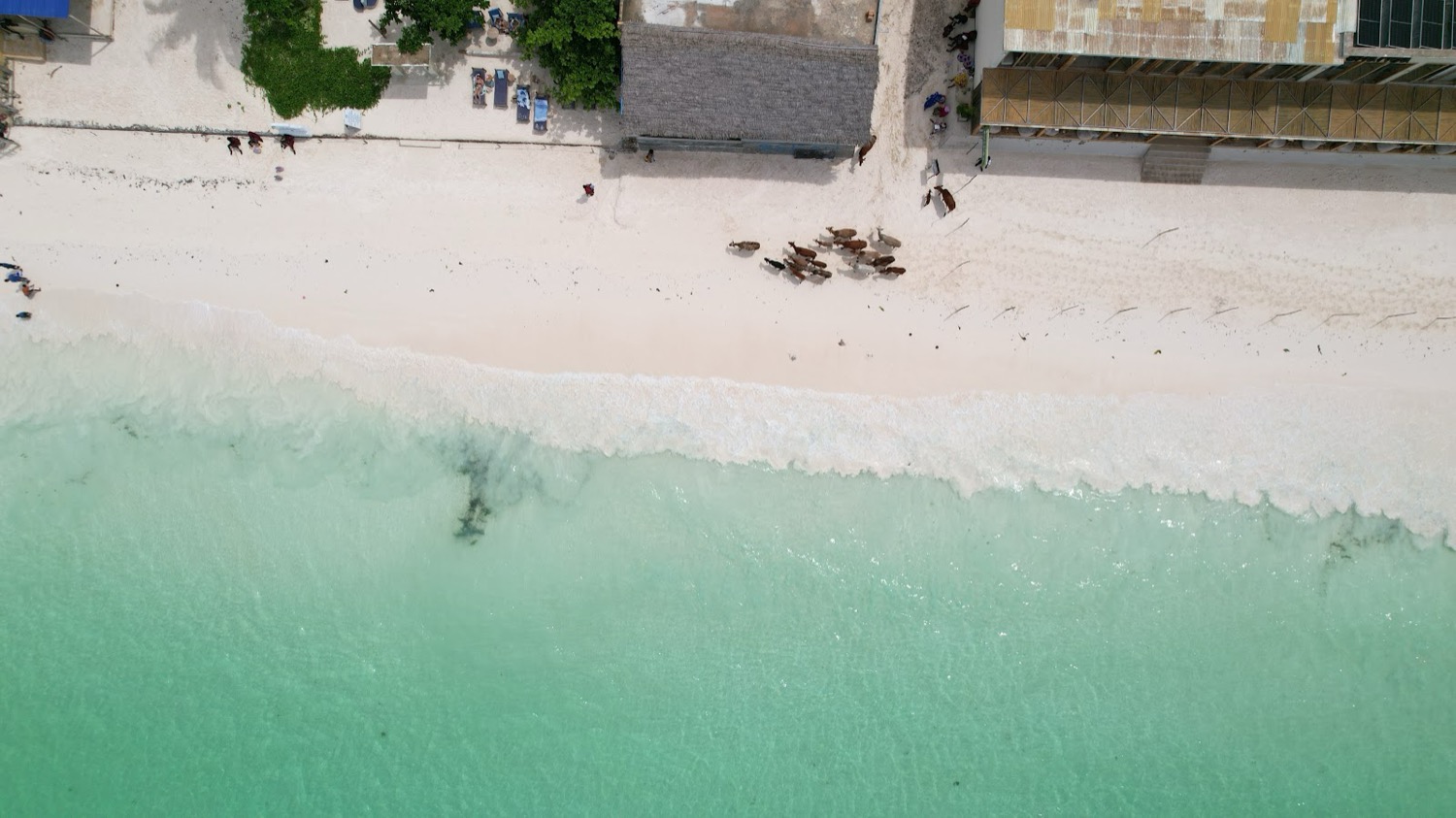
Private taxi is the default: Nungwi to Stone Town costs USD 25 to 35, Stone Town to Paje around USD 30. Dala-dalas connect most villages for under USD 2 and are entirely workable if you have time. Scooter rental in Nungwi or Paje costs USD 20 to 30 per day. Some tracks to smaller east and south coast beaches are unpaved but passable in a standard car during the dry season.
| Beach / Area | Best For | Tide Impact | Price Range | Vibe |
|---|---|---|---|---|
| Nungwi | Swimming, diving, nightlife | Low | USD 80-250/night | Lively |
| Kendwa | Couples, snorkelling | Low | USD 80-200/night | Relaxed |
| Matemwe | Snorkelling, low-key stays | Medium | USD 60-180/night | Quiet |
| Paje | Kitesurfing, younger crowd | High | USD 40-150/night | Active |
| Jambiani | Slow travel, local culture | High | USD 35-100/night | Village |
| Kizimkazi | Dolphins, budget travel | Medium | USD 30-150/night | Off-the-radar |
How we do it
If you want to travel it with us: 8 days, from 3.095 € per person. Tanzania - Secrets of the South
Is Zanzibar safe for solo travellers and families with kids?
Beach areas see steady tourist traffic and Zanzibar sits on the safer end of East African destinations. Standard precautions apply: no solo beach walks after dark, valuables out of sight, taxis after sunset rather than walking unfamiliar paths. Nungwi and Kendwa work well for families because shallow reef snorkelling is accessible to children and the water stays calm. The east coast at high tide is fine for confident swimmers. Check current advisories with your country's foreign affairs ministry before travelling.
What does a Zanzibar beach trip actually cost?
Budget travellers can manage on USD 60 to 80 per day: a guesthouse, local food stalls and dala-dalas. Mid-range comfort with a lodge pool and one or two activities daily runs USD 150 to 250 per person. Flights from Barcelona, typically routed via Nairobi or Addis Ababa, cost EUR 550 to 900 return depending on season and lead time. For a full cost breakdown covering accommodation grades, activities and transfers, our Zanzibar prices guide covers those numbers in detail.
Planning a combined safari and beach trip? Write to us on WhatsApp and we'll put together a route around your dates and tide windows.
FAQ: Zanzibar Beaches
Do I need a visa for Zanzibar?
Zanzibar is part of Tanzania, so you need a Tanzanian visa. Most EU citizens get one on arrival at Karume Airport for USD 50 (rate confirmed for 2025). You can also apply in advance through the Tanzania e-visa portal. Bring USD cash: card machines at the visa desk are unreliable, and having exact change moves the queue along faster.
Which beach in Zanzibar is best for snorkelling?
Matemwe for the Mnemba Atoll reef: green turtles, diverse reef fish and reasonable visibility most of the year. Day trips from Matemwe cost around USD 50 to 70 per person including equipment. Nungwi also has good snorkelling directly off the beach. East coast lagoons have coral patches at high tide but conditions vary more than on the north coast.
Can I combine Zanzibar with a Tanzania safari?
It's one of the most popular itineraries we run. A typical format is a week in the northern parks followed by five to seven nights on the island. The flight between Kilimanjaro Airport (JRO) and Zanzibar (ZNZ) takes around 90 minutes on Coastal Aviation or Auric Air. Total trip roughly 12 to 14 nights, from EUR 4,500 per person depending on accommodation grade and safari circuit chosen.
Is Zanzibar a good honeymoon destination?
Kendwa and Matemwe both have boutique properties with private pools and direct beach access. Some villas near Pongwe or on the south coast rent from USD 500 to 800 per night for the whole property, which gives real privacy. Budget from EUR 300 per couple per night at a solid boutique lodge. The north coast works best for couples who also want dining and activity options close by.
Do I need malaria prophylaxis for Zanzibar?
Yes, year-round transmission is confirmed. See your doctor or travel clinic at least four weeks before departure. Atovaquone/proguanil (Malarone) and doxycycline are the most commonly prescribed options. Use repellent from dusk and sleep under a net if your room doesn't have full window screens. This applies regardless of how short your stay is.
How different are the east coast tides from the north coast?
Significantly. The north coast (Nungwi, Kendwa) stays swimmable at all tide stages because of its reef configuration. The east coast (Paje, Jambiani) can see the waterline retreat 400 to 500 metres at low tide. Download a local tide chart app before you arrive, check it daily, and plan beach time around high water.
Your next step
If you want to travel it with us: 8 days, from 3.095 € per person. Tanzania - Secrets of the South
Zanzibar Beaches by Tide: Which Coast to Pick and When
In Zanzibar, tidal range determines whether you're swimming or standing on a seagrass flat 400 metres from the waterline. The north coast holds depth at any stage of the tide. The east coast can swing from full lagoon to exposed mudflat within six hours. Everything else, accommodation comparisons, activity choices, which village to base yourself in, is covered in our Nungwi vs Paje vs Matemwe piece. What we're doing here is simpler: showing you how the tide calendar should drive your beach planning before you book a single night.
| Detail | Info |
|---|---|
| Best months | June to October (long dry), Jan to Feb (short dry) |
| Closest airport | Abeid Amani Karume International (ZNZ), Stone Town |
| Visa | Visa on arrival, USD 50 for most EU passports. Check Tanzania Immigration and the Zanzibar Commission for Tourism |
| Budget range | From USD 40/night (east coast guesthouses) to USD 600+/night (north coast villas) |
| Currency | Tanzanian Shilling (TZS); USD widely accepted |
| Getting around | Dala-dala (shared minibus), private taxi or scooter rental |
Which Zanzibar beaches stay swimmable at any tide?
Nungwi and Kendwa, both on the north tip, hold enough depth even at low water because of how the reef sits offshore. The channel close to shore stays navigable regardless of tidal stage.
We stayed in Kendwa in June 2026 at a mid-range sea-view lodge: USD 110 per night with breakfast, roughly thirty guests on a beach that fits three hundred. By August those rooms were USD 160 and mostly full. Nungwi carries more infrastructure, dive centres and beach restaurants and early-morning boats heading toward Mnemba Atoll, but Kendwa runs quieter and a tuk-tuk connects the two in ten minutes if you want both.
Matemwe sits on the north-east coast, technically tide-affected, but its lagoon is wide enough that low water still leaves a good depth to swim in. The reef draw is Mnemba Atoll, a short boat ride offshore. Day snorkel trips from Matemwe run USD 50 to 70 per person with equipment. If you want the full picture on how those three northern spots compare for stays and activities, the Nungwi vs Paje vs Matemwe guide goes into that detail.
What actually happens on the east coast at low tide?
At low tide in Paje or Jambiani the Indian Ocean retreats 400 to 500 metres and leaves a wide seagrass flat. Local women work those flats harvesting farmed seaweed. Some first-time visitors arrive mid-afternoon on an ebb tide, see brown sand with nothing swimmable, and feel genuinely cheated. Download a tide table app before you arrive. It takes two minutes and fixes the whole problem.
For kitesurfers the east coast is the right call regardless. Paje has reliable south-easterly winds from June through September, and a beginner IKO course runs USD 350 to 400 for around nine hours over three days. Airborne Kite Centre has been operating there for over a decade and teaches in multiple languages.
Jambiani, 10 km south of Paje, is a working fishing village with a handful of small lodges priced from USD 35. Worth a half-day from Paje if village pace appeals. A full week there suits a specific kind of traveller.
How should you structure a multi-coast trip around the tides?
The clearest approach is to start on the north coast and move east or south in the second half of the trip. That way you're using north-coast tide immunity as a buffer while you get a tide app set up and learn the local rhythm before hitting Paje or Jambiani.
Three nights in Kendwa or Nungwi, then three or four nights on the east coast, works well logistically. The drive between them is under two hours by private taxi at around USD 50. If you're adding a safari beforehand, the internal flight from Kilimanjaro Airport (JRO) to Zanzibar (ZNZ) takes about 90 minutes on Coastal Aviation or Auric Air, landing you ready for a beach start. Full itinerary structures for a combined Tanzania trip are in our 7 and 10-day post-safari guide.
One timing detail most people miss: the tidal cycle shifts roughly fifty minutes later each day. A perfect high-water morning swim on day one will be an afternoon swim by day four. Worth checking the app daily rather than once at the start of the trip.
What does the south coast offer that the north and east don't?
Price and dolphins. Kizimkazi is one of the few places in the Indian Ocean with reliable wild spinner and bottlenose dolphins close to shore. Boats leave at around 6:30 am, cost USD 25 to 35 per person, and return within two hours. Use an operator that follows Zanzibar Commission for Tourism guidelines on dolphin interaction. The difference between a decent experience and a rushed one depends on that.
Tidal exposure on the south coast sits between the north and east: not as forgiving as Nungwi, but the beaches are shorter and the retreat less dramatic than Paje. Guesthouses here run USD 30 to 50 per night; boutique lodges reach USD 150 to 250. Stone Town is 1.5 hours north on mostly tarmac.
When is the best time to visit Zanzibar beaches?
June to October is the main dry window. Low humidity, almost no rain, calm seas on both the north and east coasts. Lodges in July and August fill up three to four months in advance.
January and February are worth serious consideration. Lodge rates drop 15 to 25% below peak, the beaches are less crowded, and the sea is still warm. It's hotter than July, but not oppressively so with a sea breeze. December and early January carry Christmas and New Year surcharges of 30 to 50% at many properties. April, May and November are rainy; March is unpredictable. For a full seasonal breakdown with month-by-month conditions, see our best time to visit Zanzibar article.
How do you get between beaches in Zanzibar?
Private taxi is the default: Nungwi to Stone Town costs USD 25 to 35, Stone Town to Paje around USD 30. Dala-dalas connect most villages for under USD 2 and are entirely workable if you have time. Scooter rental in Nungwi or Paje costs USD 20 to 30 per day. Some tracks to smaller east and south coast beaches are unpaved but passable in a standard car during the dry season.
| Beach / Area | Best For | Tide Impact | Price Range | Vibe |
|---|---|---|---|---|
| Nungwi | Swimming, diving, nightlife | Low | USD 80-250/night | Lively |
| Kendwa | Couples, snorkelling | Low | USD 80-200/night | Relaxed |
| Matemwe | Snorkelling, low-key stays | Medium | USD 60-180/night | Quiet |
| Paje | Kitesurfing, younger crowd | High | USD 40-150/night | Active |
| Jambiani | Slow travel, local culture | High | USD 35-100/night | Village |
| Kizimkazi | Dolphins, budget travel | Medium | USD 30-150/night | Off-the-radar |
How we do it
If you want to travel it with us: 8 days, from 3.095 € per person. Tanzania - Secrets of the South
Is Zanzibar safe for solo travellers and families with kids?
Beach areas see steady tourist traffic and Zanzibar sits on the safer end of East African destinations. Standard precautions apply: no solo beach walks after dark, valuables out of sight, taxis after sunset rather than walking unfamiliar paths. Nungwi and Kendwa work well for families because shallow reef snorkelling is accessible to children and the water stays calm. The east coast at high tide is fine for confident swimmers. Check current advisories with your country's foreign affairs ministry before travelling.
What does a Zanzibar beach trip actually cost?
Budget travellers can manage on USD 60 to 80 per day: a guesthouse, local food stalls and dala-dalas. Mid-range comfort with a lodge pool and one or two activities daily runs USD 150 to 250 per person. Flights from Barcelona, typically routed via Nairobi or Addis Ababa, cost EUR 550 to 900 return depending on season and lead time. For a full cost breakdown covering accommodation grades, activities and transfers, our Zanzibar prices guide covers those numbers in detail.
Planning a combined safari and beach trip? Write to us on WhatsApp and we'll put together a route around your dates and tide windows.
FAQ: Zanzibar Beaches
Do I need a visa for Zanzibar?
Zanzibar is part of Tanzania, so you need a Tanzanian visa. Most EU citizens get one on arrival at Karume Airport for USD 50 (rate confirmed for 2025). You can also apply in advance through the Tanzania e-visa portal. Bring USD cash: card machines at the visa desk are unreliable, and having exact change moves the queue along faster.
Which beach in Zanzibar is best for snorkelling?
Matemwe for the Mnemba Atoll reef: green turtles, diverse reef fish and reasonable visibility most of the year. Day trips from Matemwe cost around USD 50 to 70 per person including equipment. Nungwi also has good snorkelling directly off the beach. East coast lagoons have coral patches at high tide but conditions vary more than on the north coast.
Can I combine Zanzibar with a Tanzania safari?
It's one of the most popular itineraries we run. A typical format is a week in the northern parks followed by five to seven nights on the island. The flight between Kilimanjaro Airport (JRO) and Zanzibar (ZNZ) takes around 90 minutes on Coastal Aviation or Auric Air. Total trip roughly 12 to 14 nights, from EUR 4,500 per person depending on accommodation grade and safari circuit chosen.
Is Zanzibar a good honeymoon destination?
Kendwa and Matemwe both have boutique properties with private pools and direct beach access. Some villas near Pongwe or on the south coast rent from USD 500 to 800 per night for the whole property, which gives real privacy. Budget from EUR 300 per couple per night at a solid boutique lodge. The north coast works best for couples who also want dining and activity options close by.
Do I need malaria prophylaxis for Zanzibar?
Yes, year-round transmission is confirmed. See your doctor or travel clinic at least four weeks before departure. Atovaquone/proguanil (Malarone) and doxycycline are the most commonly prescribed options. Use repellent from dusk and sleep under a net if your room doesn't have full window screens. This applies regardless of how short your stay is.
How different are the east coast tides from the north coast?
Significantly. The north coast (Nungwi, Kendwa) stays swimmable at all tide stages because of its reef configuration. The east coast (Paje, Jambiani) can see the waterline retreat 400 to 500 metres at low tide. Download a local tide chart app before you arrive, check it daily, and plan beach time around high water.
Your next step
If you want to travel it with us: 8 days, from 3.095 € per person. Tanzania - Secrets of the South