





.avif)

Tanzania Safari + Zanzibar: What to See and When to Go in 2027
Every time we land clients in Stone Town after a week in the Serengeti, the reaction is the same: pure disbelief that two such wildly different worlds sit only 45 minutes apart by plane. The savannah smells, the dust on your boots, the memory of a lion at sunrise; then suddenly you are stepping onto a dhow in a coral-blue harbour. Tanzania and Zanzibar were made to be combined, and 2027 is a genuinely good year to do it.
| Recommended duration | 10 to 14 days |
| Internal flight time (Serengeti to Zanzibar) | Approx. 2 to 3 hours |
| Best months for safari | July to October and January to February |
| Ngorongoro Crater elevation | 2,300 m (crater rim) |
| Serengeti area | 14,763 km2 |
| Zanzibar recommended stay | 4 to 5 nights |
| Tanzania park fees | Approx. USD 70 to 100 per person per day |
Why Combine a Tanzania Safari with Zanzibar?
The practical answer: both destinations share Julius Nyerere International Airport in Dar es Salaam, and multiple daily Cessna and ATR flights connect the mainland parks directly to Zanzibar's Abeid Amani Karume Airport. There is no need to transit through a third country. The experiential answer: a safari without a beach recovery period leaves many travellers exhausted. And a Zanzibar beach holiday alone, without the context of East Africa's wildlife, feels like an incomplete sentence.
Together, ten to fourteen days gives you a rhythm, adrenaline and stillness, red laterite dust and white sand.
Which Parks Should You Include on a Tanzania Safari?
Serengeti National Park
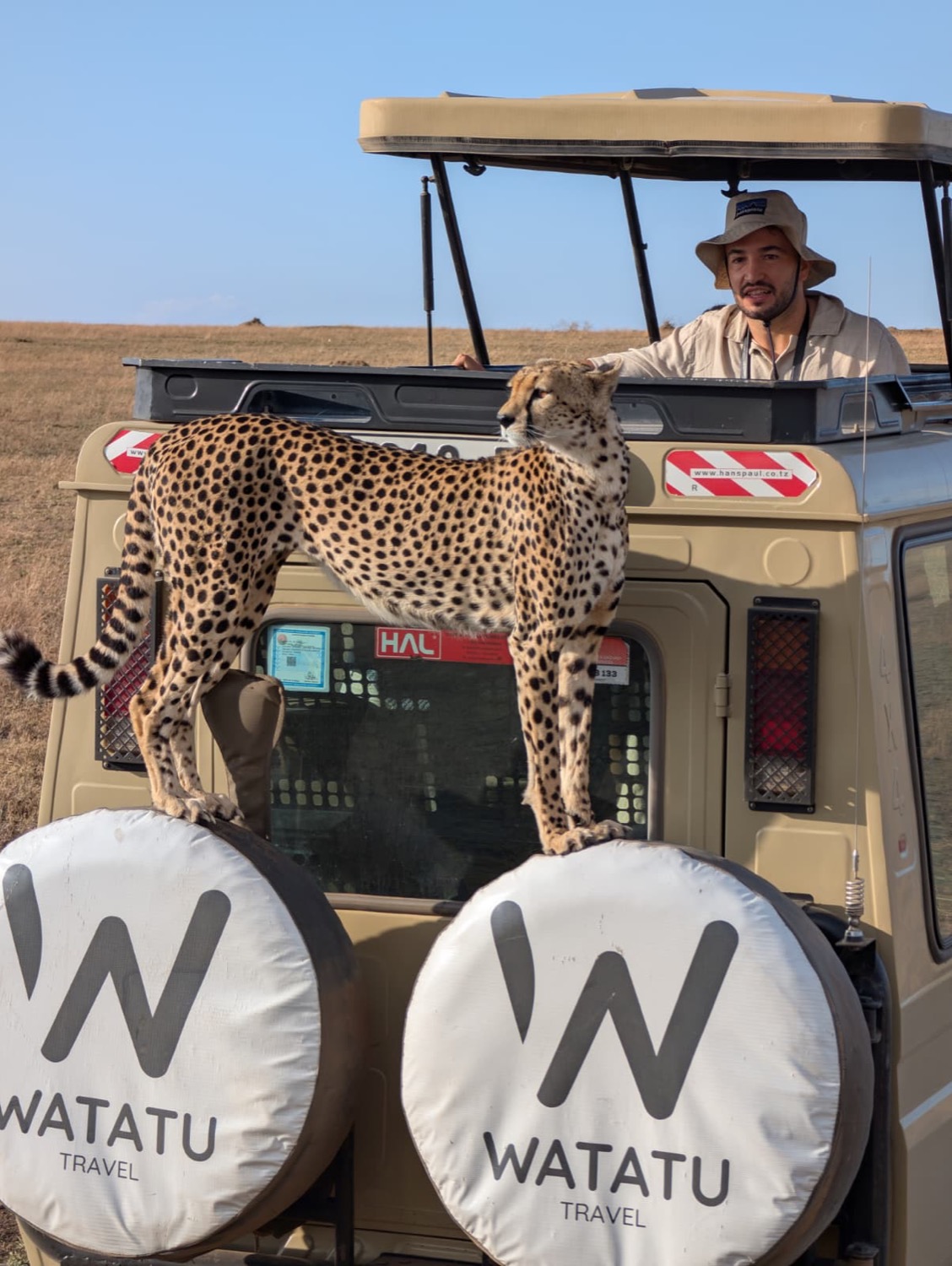
Non-negotiable for most itineraries. The Serengeti covers 14,763 km² and hosts the Great Migration, arguably the planet's most dramatic wildlife event. We recommend at least three nights in the central Seronera area for year-round predator sightings, plus an additional two nights in the north or south depending on the migration calendar (more on timing below). Expect to pay between USD 500 and USD 1,200 per person per night at a mid-to-luxury tented camp, including park fees.
Ngorongoro Crater
A UNESCO World Heritage Site and a collapsed volcanic caldera that shelters roughly 25,000 animals in a self-contained ecosystem. The crater floor covers 260 km², intimate enough to spot black rhino on a good morning, which is rare across the rest of Tanzania. One full day on the crater floor is standard; we often build two to leave room for the unexpected.
Tarangire National Park
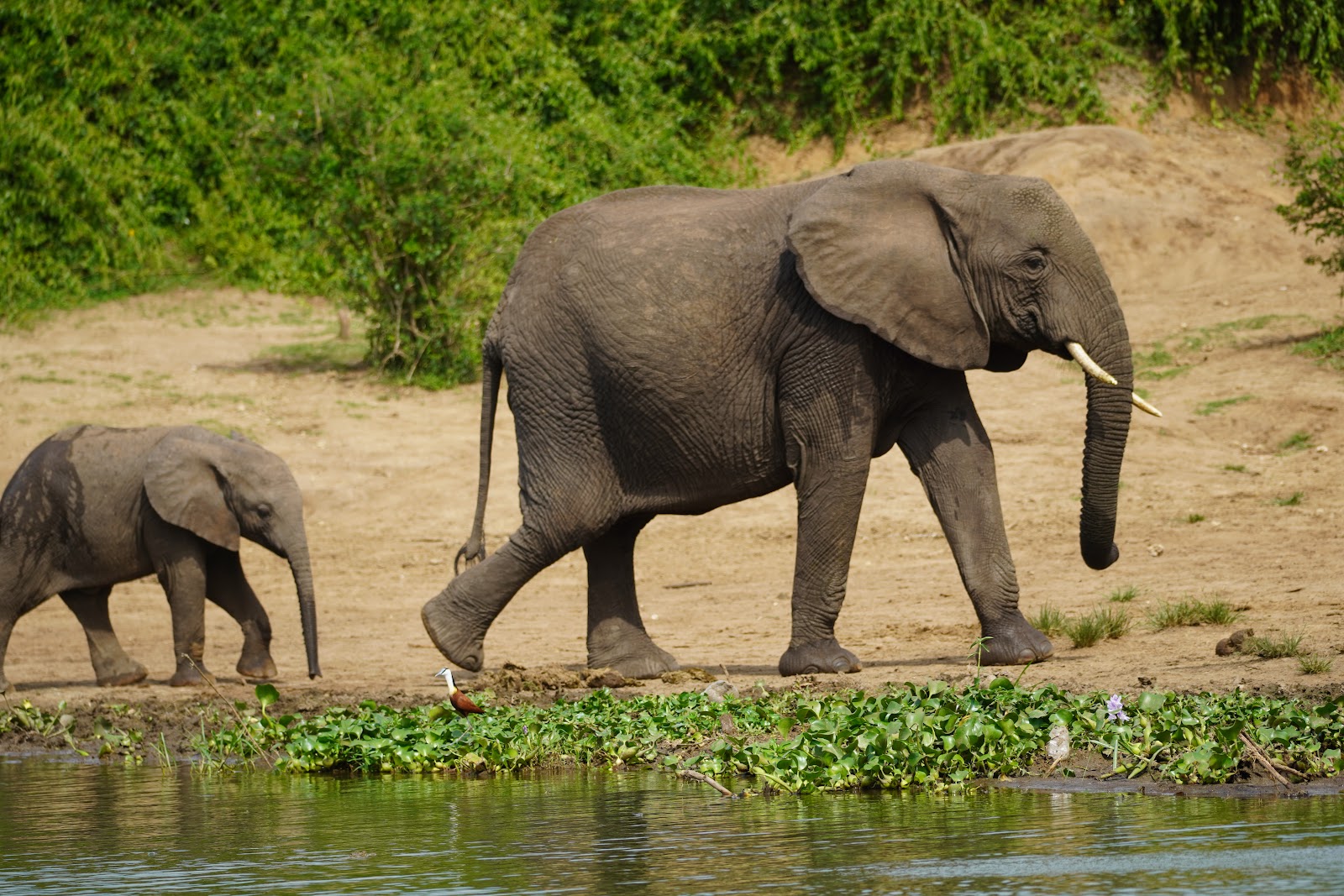
Underrated and often skipped in favour of the famous duo above. Tarangire is spectacular in the dry season (June–October) when hundreds of elephants converge on the Tarangire River, the last water source for miles. The baobab landscape alone is worth the detour. One or two nights slots in naturally at the start of a classic northern circuit.
Should You Add the Southern Parks?
Ruaha National Park and the Selous / Nyerere Game Reserve are extraordinary, wilder, less visited, and home to massive lion and elephant populations. The trade-off is time: the southern circuit usually needs at least five days to justify the journey. If your trip runs to fourteen days or more, we strongly recommend splitting the safari between north and south before finishing in Zanzibar.
Ready to Plan Your Tanzania Safari?
Our Tanzania routes cover the Serengeti, Ngorongoro Crater, and beyond, with expert logistics handled for you. 9 days, from 3.931 € per person. Tanzania - Kilimanjaro Machame
When Is the Best Time to Go on a Tanzania Safari Before Zanzibar?
July to October, Peak Dry Season
This is East Africa's sweet spot. Skies are clear, vegetation is low, and wildlife clusters around water sources making game drives remarkably productive. In the northern Serengeti (July–September), the Great Migration river crossings at the Mara River reach their dramatic peak. Zanzibar in these months is warm and mostly dry, trade winds (the Kaskazi) make afternoons breezy and pleasant.
Prices reflect the demand. High-season camp rates apply, and popular lodges at Ngorongoro and the northern Serengeti book out eight to twelve months ahead. If you are planning a 2027 July or August trip, you should be reserving now.
January and February, Short Dry Season
The calving season in the southern Serengeti, 8 days, from 2.750 € per person. Watching thousands of wildebeest calves born within days of each other, while lions, cheetahs and hyenas hunt with extraordinary efficiency, is visceral and unforgettable. Zanzibar is hot in these months, humidity climbs, but the northeast coast (Nungwi, Kendwa) remains drier than the southeast.
Months to Think Carefully About
The long rains (March–May) bring lush green landscapes and dramatically lower prices, up to 40% off peak rates. Roads in remote areas can flood, some camps close, and the Ngorongoro Crater floor gets misty. That said, birding is exceptional, crowds are minimal, and a skilled guide makes it work. Zanzibar's southeast coast sees heavy rain in April and May; the northwest stays more manageable.
How Many Days Should You Spend in Zanzibar After the Safari?
Four to five nights is our usual recommendation. Enough to decompress, snorkel the coral reefs off Mnemba Atoll, wander the alleys of Stone Town's UNESCO-listed old city, and eat your body weight in Swahili seafood. Fewer than three nights feels rushed; much more than a week and you start wanting to be back in the bush.
What Can You Do in Zanzibar?
- Stone Town: Half-day walking tours covering the House of Wonders, the old slave market and the spice market labyrinth. Most guides charge around USD 25–40 per person.
- Mnemba Atoll: One of the Indian Ocean's finest snorkel and dive sites. Day trips from the northeast coast cost roughly USD 50–80 per person; diving with PADI certification adds USD 40–60 per dive.
- Spice Farm Tour: A two-hour sensory overload of cloves, vanilla, lemongrass and jackfruit. USD 20–30 per person and invariably one of the highest-rated half-days on any itinerary.
- Jozani Forest: Home to the endemic Zanzibar red colobus monkey, found nowhere else on Earth. A short and easy walk, USD 10 entry.
- Dhow sunset cruise: Book through your hotel or a local operator. USD 30–50 per person, sundowners included.
How Much Does a Combined Tanzania Safari and Zanzibar Trip Cost?
Ballpark figures for 2027, per person sharing, based on typical itineraries we run:
- Budget / mid-range (shared vehicles, guesthouses in Zanzibar): USD 3,500–5,500 for 10 nights
- Mid-luxury (private vehicle, 4-star camps, boutique hotel): USD 7,000–12,000 for 12 nights
- Luxury / exclusive (private guides, top-tier camps, villa in Zanzibar): USD 15,000–30,000+ for 12–14 nights
Tanzania's national park fees alone account for USD 70–100 per person per day in the main parks, which is why budget itineraries still carry a meaningful price tag.
Practical Tips from Our Guides
Pack layers for the Ngorongoro Crater, mornings at 2,300 metres elevation can drop to 10°C even in the dry season. Light neutral-coloured clothing works across both environments; you do not need a full wardrobe change between bush and beach. A wide-brimmed hat pulls double duty.
Yellow fever vaccination is not mandatory for Tanzania or Zanzibar but is required if you are arriving from a country with risk of transmission. Malaria prophylaxis is strongly recommended for both the mainland and the islands. Carry your vaccination card, Zanzibar border control occasionally checks it.
The Zanzibar archipelago observes a predominantly Muslim culture. Lightweight cover-ups for wandering Stone Town away from the beach are a respectful and practical addition to any packing list.
How to Book a Tanzania Safari Combined with Zanzibar
The logistics, internal flights, park permits, accommodation sequencing, are genuinely complex when you start mixing the northern and southern circuits. A specialist operator handles the internal flight scheduling (these sell out faster than the camps themselves), ensures your Zanzibar stay aligns with the marine park tidal windows for snorkelling, and absorbs the risk of weather-related itinerary adjustments. At Watatu Travel, every combined itinerary is built with at least one flexible travel day for exactly this reason.
Combine the Safari and the Beach in One Trip
Let us take care of the internal flights, park permits, and accommodation sequencing so you can focus on the experience. 9 days, from 3.350 € per person. Tanzania - Crossroads of the Great Migration
Frequently asked questions
Do I need a visa to visit Tanzania and Zanzibar?
Most nationalities require a visa to enter Tanzania, which also covers Zanzibar as it is part of the United Republic of Tanzania. Tourist visas can be obtained online through the Tanzania e-visa portal before travel. Always check current requirements with the official Tanzanian immigration authority well in advance of your 2027 departure date.
How do I get from the Serengeti to Zanzibar?
Small scheduled charter flights (typically Cessna Caravans or similar) connect the Serengeti's airstrips directly to Zanzibar's Abeid Amani Karume Airport, usually via a brief transit in Arusha or Dar es Salaam. Total travel time is roughly two to three hours. Your operator books these legs together with your safari to ensure smooth connections.
Is Zanzibar safe for tourists?
Zanzibar is generally considered safe for tourists. Stone Town and the main resort areas on the north and east coasts have a well-established tourism infrastructure. As with any destination, standard precautions apply: avoid displaying valuables, use reputable transport, and respect local customs, particularly during Ramadan and in religious areas around Stone Town.
What is the best time of year to see the Great Migration river crossings?
The famous Mara River crossings, where vast herds of wildebeest plunge across crocodile-filled waters, typically occur between July and September in the northern Serengeti and the Masai Mara area. Exact timing varies year to year and cannot be guaranteed, but July through early October offers the highest statistical chance of witnessing this spectacle.
Do I need malaria tablets for Tanzania and Zanzibar?
Malaria is present in both mainland Tanzania and Zanzibar. Prophylactic medication is strongly recommended, and you should consult a travel health clinic or your GP at least six to eight weeks before departure. Mosquito repellent containing DEET and long-sleeved evening clothing are additional practical precautions for both destinations.
Can families with young children do this combined trip?
Yes, with the right camp and lodge choices. Many properties in the Serengeti and Ngorongoro area welcome children aged seven or above on game drives, and several luxury camps offer dedicated family programmes. Zanzibar's beaches and shallow reef snorkelling are ideal for children. Early planning is especially important for 2027 as family-suitable lodges fill quickly.
Tanzania Safari + Zanzibar: What to See and When to Go in 2027
Every time we land clients in Stone Town after a week in the Serengeti, the reaction is the same: pure disbelief that two such wildly different worlds sit only 45 minutes apart by plane. The savannah smells, the dust on your boots, the memory of a lion at sunrise; then suddenly you are stepping onto a dhow in a coral-blue harbour. Tanzania and Zanzibar were made to be combined, and 2027 is a genuinely good year to do it.
| Recommended duration | 10 to 14 days |
| Internal flight time (Serengeti to Zanzibar) | Approx. 2 to 3 hours |
| Best months for safari | July to October and January to February |
| Ngorongoro Crater elevation | 2,300 m (crater rim) |
| Serengeti area | 14,763 km2 |
| Zanzibar recommended stay | 4 to 5 nights |
| Tanzania park fees | Approx. USD 70 to 100 per person per day |
Why Combine a Tanzania Safari with Zanzibar?
The practical answer: both destinations share Julius Nyerere International Airport in Dar es Salaam, and multiple daily Cessna and ATR flights connect the mainland parks directly to Zanzibar's Abeid Amani Karume Airport. There is no need to transit through a third country. The experiential answer: a safari without a beach recovery period leaves many travellers exhausted. And a Zanzibar beach holiday alone, without the context of East Africa's wildlife, feels like an incomplete sentence.
Together, ten to fourteen days gives you a rhythm, adrenaline and stillness, red laterite dust and white sand.
Which Parks Should You Include on a Tanzania Safari?
Serengeti National Park
Non-negotiable for most itineraries. The Serengeti covers 14,763 km² and hosts the Great Migration, arguably the planet's most dramatic wildlife event. We recommend at least three nights in the central Seronera area for year-round predator sightings, plus an additional two nights in the north or south depending on the migration calendar (more on timing below). Expect to pay between USD 500 and USD 1,200 per person per night at a mid-to-luxury tented camp, including park fees.
Ngorongoro Crater
A UNESCO World Heritage Site and a collapsed volcanic caldera that shelters roughly 25,000 animals in a self-contained ecosystem. The crater floor covers 260 km², intimate enough to spot black rhino on a good morning, which is rare across the rest of Tanzania. One full day on the crater floor is standard; we often build two to leave room for the unexpected.
Tarangire National Park
Underrated and often skipped in favour of the famous duo above. Tarangire is spectacular in the dry season (June–October) when hundreds of elephants converge on the Tarangire River, the last water source for miles. The baobab landscape alone is worth the detour. One or two nights slots in naturally at the start of a classic northern circuit.
Should You Add the Southern Parks?
Ruaha National Park and the Selous / Nyerere Game Reserve are extraordinary, wilder, less visited, and home to massive lion and elephant populations. The trade-off is time: the southern circuit usually needs at least five days to justify the journey. If your trip runs to fourteen days or more, we strongly recommend splitting the safari between north and south before finishing in Zanzibar.
Ready to Plan Your Tanzania Safari?
Our Tanzania routes cover the Serengeti, Ngorongoro Crater, and beyond, with expert logistics handled for you. 9 days, from 3.931 € per person. Tanzania - Kilimanjaro Machame
When Is the Best Time to Go on a Tanzania Safari Before Zanzibar?
July to October, Peak Dry Season
This is East Africa's sweet spot. Skies are clear, vegetation is low, and wildlife clusters around water sources making game drives remarkably productive. In the northern Serengeti (July–September), the Great Migration river crossings at the Mara River reach their dramatic peak. Zanzibar in these months is warm and mostly dry, trade winds (the Kaskazi) make afternoons breezy and pleasant.
Prices reflect the demand. High-season camp rates apply, and popular lodges at Ngorongoro and the northern Serengeti book out eight to twelve months ahead. If you are planning a 2027 July or August trip, you should be reserving now.
January and February, Short Dry Season
The calving season in the southern Serengeti, 8 days, from 2.750 € per person. Watching thousands of wildebeest calves born within days of each other, while lions, cheetahs and hyenas hunt with extraordinary efficiency, is visceral and unforgettable. Zanzibar is hot in these months, humidity climbs, but the northeast coast (Nungwi, Kendwa) remains drier than the southeast.
Months to Think Carefully About
The long rains (March–May) bring lush green landscapes and dramatically lower prices, up to 40% off peak rates. Roads in remote areas can flood, some camps close, and the Ngorongoro Crater floor gets misty. That said, birding is exceptional, crowds are minimal, and a skilled guide makes it work. Zanzibar's southeast coast sees heavy rain in April and May; the northwest stays more manageable.
How Many Days Should You Spend in Zanzibar After the Safari?
Four to five nights is our usual recommendation. Enough to decompress, snorkel the coral reefs off Mnemba Atoll, wander the alleys of Stone Town's UNESCO-listed old city, and eat your body weight in Swahili seafood. Fewer than three nights feels rushed; much more than a week and you start wanting to be back in the bush.
What Can You Do in Zanzibar?
- Stone Town: Half-day walking tours covering the House of Wonders, the old slave market and the spice market labyrinth. Most guides charge around USD 25–40 per person.
- Mnemba Atoll: One of the Indian Ocean's finest snorkel and dive sites. Day trips from the northeast coast cost roughly USD 50–80 per person; diving with PADI certification adds USD 40–60 per dive.
- Spice Farm Tour: A two-hour sensory overload of cloves, vanilla, lemongrass and jackfruit. USD 20–30 per person and invariably one of the highest-rated half-days on any itinerary.
- Jozani Forest: Home to the endemic Zanzibar red colobus monkey, found nowhere else on Earth. A short and easy walk, USD 10 entry.
- Dhow sunset cruise: Book through your hotel or a local operator. USD 30–50 per person, sundowners included.
How Much Does a Combined Tanzania Safari and Zanzibar Trip Cost?
Ballpark figures for 2027, per person sharing, based on typical itineraries we run:
- Budget / mid-range (shared vehicles, guesthouses in Zanzibar): USD 3,500–5,500 for 10 nights
- Mid-luxury (private vehicle, 4-star camps, boutique hotel): USD 7,000–12,000 for 12 nights
- Luxury / exclusive (private guides, top-tier camps, villa in Zanzibar): USD 15,000–30,000+ for 12–14 nights
Tanzania's national park fees alone account for USD 70–100 per person per day in the main parks, which is why budget itineraries still carry a meaningful price tag.
Practical Tips from Our Guides
Pack layers for the Ngorongoro Crater, mornings at 2,300 metres elevation can drop to 10°C even in the dry season. Light neutral-coloured clothing works across both environments; you do not need a full wardrobe change between bush and beach. A wide-brimmed hat pulls double duty.
Yellow fever vaccination is not mandatory for Tanzania or Zanzibar but is required if you are arriving from a country with risk of transmission. Malaria prophylaxis is strongly recommended for both the mainland and the islands. Carry your vaccination card, Zanzibar border control occasionally checks it.
The Zanzibar archipelago observes a predominantly Muslim culture. Lightweight cover-ups for wandering Stone Town away from the beach are a respectful and practical addition to any packing list.
How to Book a Tanzania Safari Combined with Zanzibar
The logistics, internal flights, park permits, accommodation sequencing, are genuinely complex when you start mixing the northern and southern circuits. A specialist operator handles the internal flight scheduling (these sell out faster than the camps themselves), ensures your Zanzibar stay aligns with the marine park tidal windows for snorkelling, and absorbs the risk of weather-related itinerary adjustments. At Watatu Travel, every combined itinerary is built with at least one flexible travel day for exactly this reason.
Combine the Safari and the Beach in One Trip
Let us take care of the internal flights, park permits, and accommodation sequencing so you can focus on the experience. 9 days, from 3.350 € per person. Tanzania - Crossroads of the Great Migration
Frequently asked questions
Do I need a visa to visit Tanzania and Zanzibar?
Most nationalities require a visa to enter Tanzania, which also covers Zanzibar as it is part of the United Republic of Tanzania. Tourist visas can be obtained online through the Tanzania e-visa portal before travel. Always check current requirements with the official Tanzanian immigration authority well in advance of your 2027 departure date.
How do I get from the Serengeti to Zanzibar?
Small scheduled charter flights (typically Cessna Caravans or similar) connect the Serengeti's airstrips directly to Zanzibar's Abeid Amani Karume Airport, usually via a brief transit in Arusha or Dar es Salaam. Total travel time is roughly two to three hours. Your operator books these legs together with your safari to ensure smooth connections.
Is Zanzibar safe for tourists?
Zanzibar is generally considered safe for tourists. Stone Town and the main resort areas on the north and east coasts have a well-established tourism infrastructure. As with any destination, standard precautions apply: avoid displaying valuables, use reputable transport, and respect local customs, particularly during Ramadan and in religious areas around Stone Town.
What is the best time of year to see the Great Migration river crossings?
The famous Mara River crossings, where vast herds of wildebeest plunge across crocodile-filled waters, typically occur between July and September in the northern Serengeti and the Masai Mara area. Exact timing varies year to year and cannot be guaranteed, but July through early October offers the highest statistical chance of witnessing this spectacle.
Do I need malaria tablets for Tanzania and Zanzibar?
Malaria is present in both mainland Tanzania and Zanzibar. Prophylactic medication is strongly recommended, and you should consult a travel health clinic or your GP at least six to eight weeks before departure. Mosquito repellent containing DEET and long-sleeved evening clothing are additional practical precautions for both destinations.
Can families with young children do this combined trip?
Yes, with the right camp and lodge choices. Many properties in the Serengeti and Ngorongoro area welcome children aged seven or above on game drives, and several luxury camps offer dedicated family programmes. Zanzibar's beaches and shallow reef snorkelling are ideal for children. Early planning is especially important for 2027 as family-suitable lodges fill quickly.










.png)