







| Visa cost | 50 USD (available online via e-visa) |
| Gorilla trekking permit | 800 USD per person |
| Chimpanzee trekking permit | 200 USD per person (Kibale National Park) |
| National park entry fee | Approx. 40 USD per person per day |
| Accommodation range | 100 USD (budget) to 700+ USD (luxury) per night |
| Bird species recorded | Over 1,000 species |
| Best travel months | June to September and December to February |
If you are planning a Journey to the Pearl of Africa, it is essential to know the factors that influence the price of a safari in Uganda and what to expect from this unique experience. Uganda, with its rich wildlife and stunning variety of landscapes, offers you everything from close encounters with gorillas in Bwindi National Park to fascinating tours of Queen Elizabeth National Park.
The price of your adventure will vary depending on the type of accommodation, the entrance fees to the national parks and the length of your trip. In this article, we tell you everything you need to know to plan an unforgettable safari.
Why choose Uganda for your next safari?
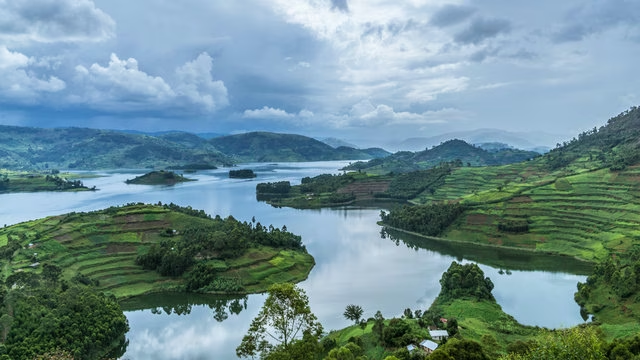
Uganda is a destination that catches any lover of nature and adventure, consolidating itself as one of the best options for a safari in Africa.This country offers a diversity of landscapes and experiences difficult to match: from rainforests and savannas to crystal clear lakes and the mythical springs of the Victoria Nile. Here, every day of safari is different and amazing.
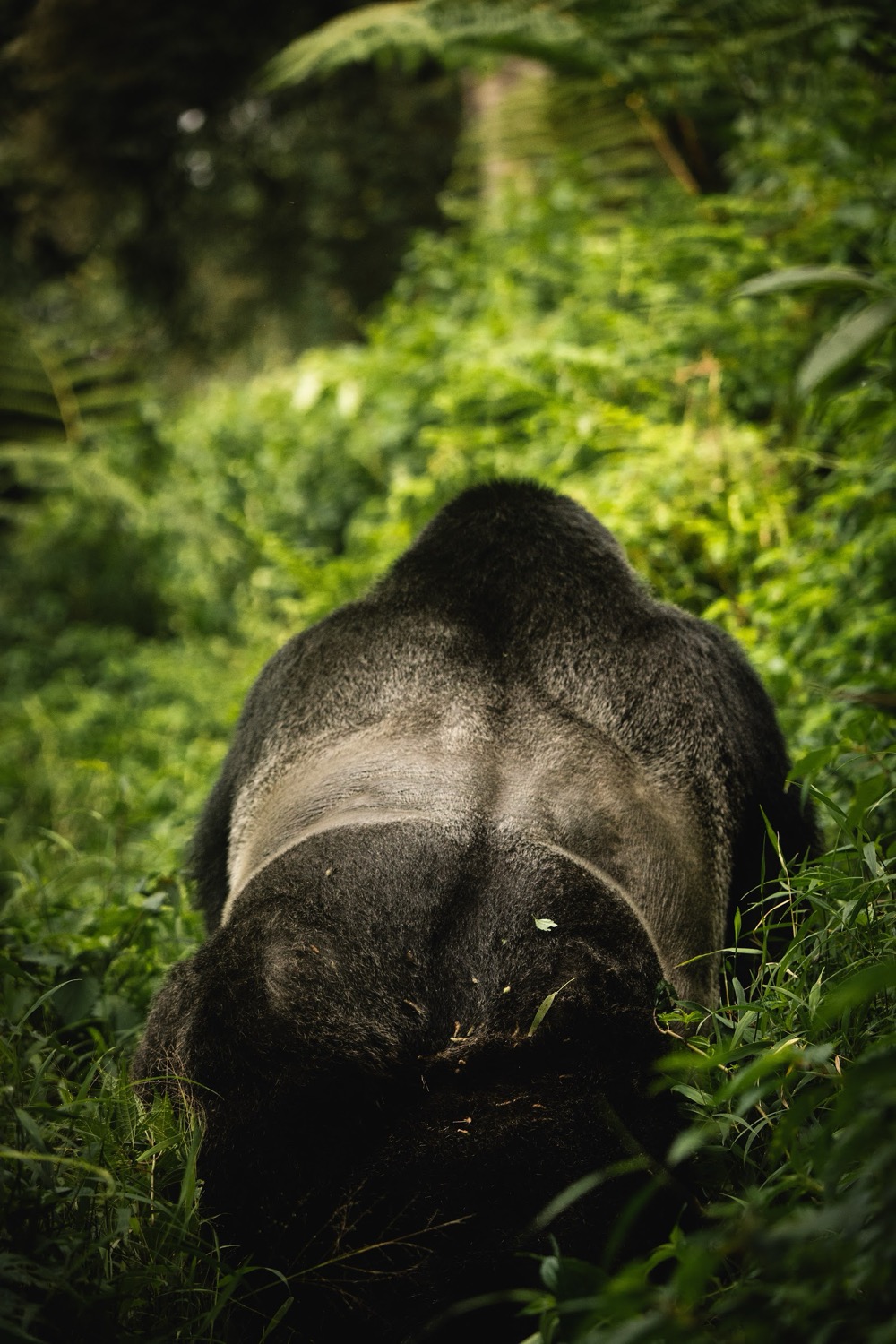
One of Uganda's greatest attractions is the possibility of entering the legendary impenetrable forest of Bwindi, a World Heritage Site and home to half of the remaining mountain gorillas on the planet.
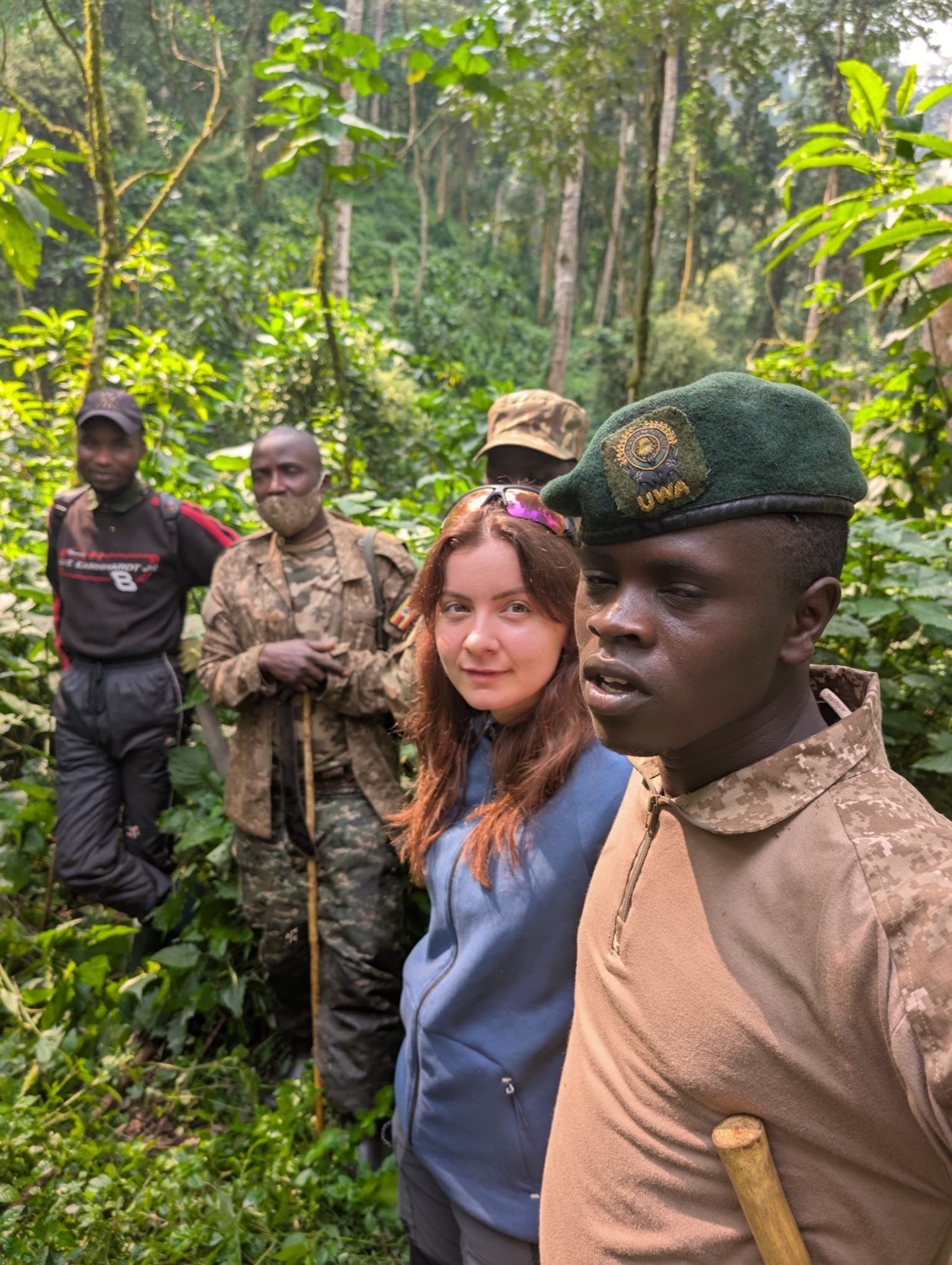
Trekking in search of gorilla families in this environment is a unique experience, where the silence of the jungle is only broken by the singing of birds and the murmur of the wind between the trees. gorilla trekking experience, 5 days, from 1.479 € per persone these impressive primates in their natural habitat leaves an indelible imprint on any traveler.
But Uganda is not only famous for gorillas. It is a paradise for bird watching lovers, with more than 1,000 species registered, and parks such as Queen Elizabeth or Kibale where it is possible to see up to 150 species of birds in a single day.
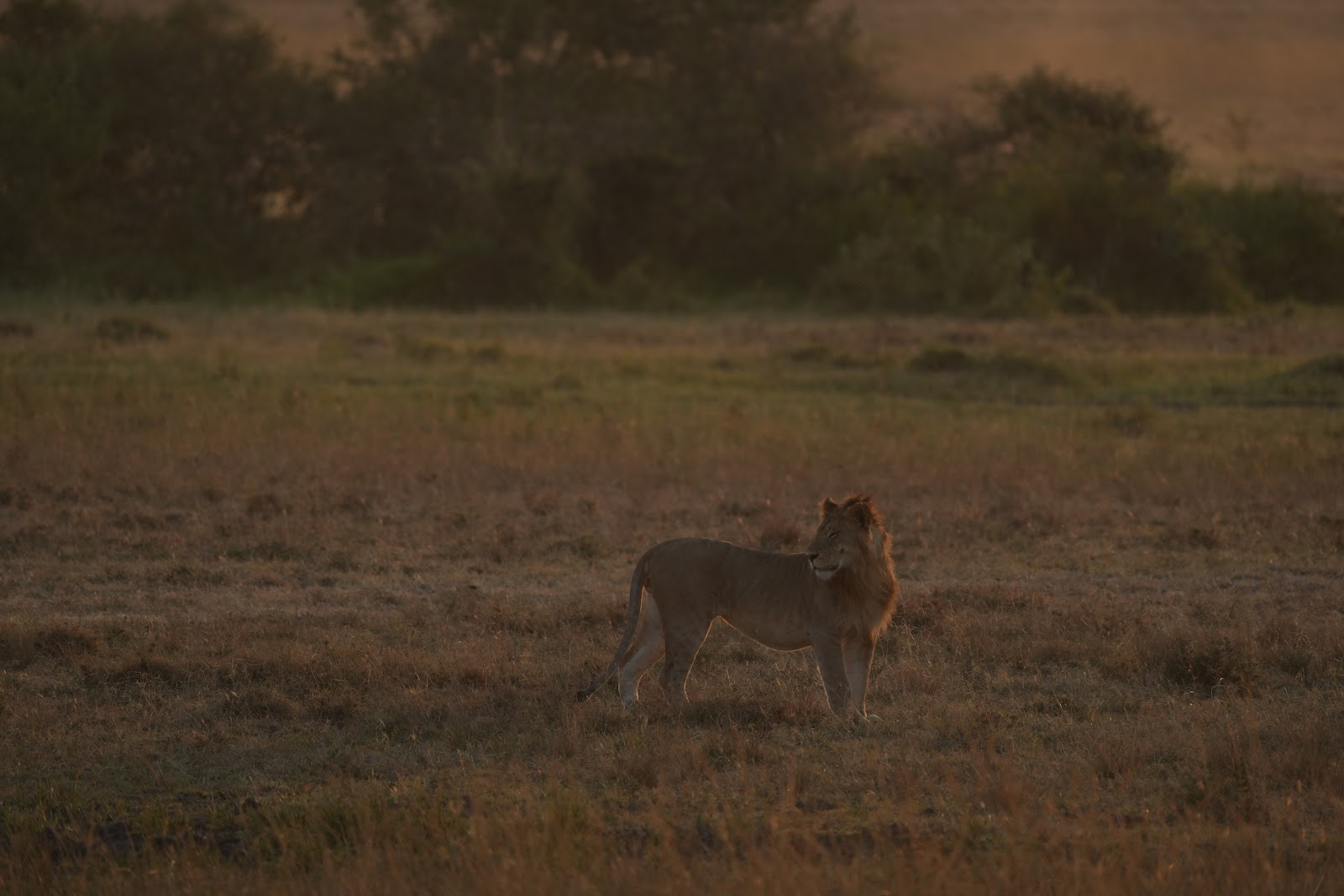
In addition, the country is home to an incredible variety of mammals, from elephants and buffaloes to the famous tree-climbing lions and chimpanzee dodgers. The Victoria Nile fountains, in Jinja, are another of the emblematic points of the country. Here you can experience the thrill of navigating the birth of the legendary river, surrounded by lush landscapes and vibrant fauna.
What to bring for a safari in Uganda: Prepare your suitcase
What is the price of a safari in Uganda?
The price of a safari in Uganda varies according to the duration, the type of accommodation, the number of people and the activities included. In general, an organized safari of between 10 and 13 days can cost between 1,500 and 3,000 euros per person.
The private safarisor luxury can exceed 4,000 euros per person, especially if the best accommodations or exclusive services are chosen. To this budget must be added the cost of the international flight, visa (50 USD), gratuities, personal expenses and possible optional activities not included in the program. In short, the final price will depend on the preferences of the traveler, the season and the level of customization of the safari.
Breakdown of main expenses in a safari in Uganda
International flights and airfares
When planning a safari in Uganda, one of the first costs to consider is the flight from your home country to Entebbe, the main gateway to the country. Most travelers opt for economy class tickets, as they usually offer the best value for money. Flight prices vary depending on the season, the advance of the reservation and the airline.
Visa for Uganda and required documentation
To enter Uganda, most travelers need to get one tourist visa, which can be managed electronically before the trip. The cost of the visa is usually 50 USD per person. It is important to have your passport in good standing and, if you are traveling as a family, bring the family book or the documents that accredit the relationship with the minors, as they can be requested at the immigration control.
Travel insurance
Have one good travel insuranceis essential when doing a safari in Uganda. It is recommended to take out a policy that includes travel assistance, international medical coverage, emergency evacuation and protection against cancellations or unforeseen events. The cost of this insurance varies depending on the duration and level of coverage. This small investment can make a difference in the face of any eventuality during your adventure.
Take advantage of 5% discount here
Permissionsfor gorilla and chimpanzee trekking
Permission to trek in search of gorillas in the impenetrable forest of Bwindi is one of the main costs of any safari in Uganda. The price of this permit is 800 USD per person and allows one hour of observation with a family of gorillas in their natural habitat.
If your interest is chimpanzee trekking, the permit for Kibale National Park costs 200 USD per person. It is essential to book these permits in advance, as the demand is high, especially in the high season, and the daily amount of permits is limited.
Complete guide to safari permits in Uganda (gorillas and chimpanzees)
Tickets to national parks and additional activities
Access to national parks such as Queen Elizabeth, Murchison Falls, Lake Mburo or Kidepo costs approximately USD 40 per person per day. In addition, you can enrich your experience with optional activities such as a boat cruise, the visit to the rhino sanctuary or the golden monkey trekking. These activities will not only expand what you see and experience, but allow you to adapt the trip to your interests and enjoy Uganda at your own pace.
Cost of accommodation: From budget options to luxury lodges
Uganda offers a wide variety of accommodation, from budget hotels and lodges to luxury accommodations. Prices can vary considerably depending on the category and location:
- Budget accommodation- from 100 to 150 USD per night in a basic hotel or lodge.
- Mid-range accommodation: between 300 and 475 USD per night, with superior services and amenities.
- Luxury accommodation: can exceed 700 USD per night, including options such as boutique lodges in nature, with privileged views and exclusive services.
The choice of hotel or lodge directly influences the total fare of the trip, as many packages include full board and activities.
Why choose locally owned accommodations on your safari?
Transportation and guides during the safari
Domestic transport is normally carried out in 4x4 vehicles, ideal for paths in national parks. Renting a car with a driver and a specialized guide costs from 100 to 200 USD per day.
If your itinerary includes domestic flights to save time, these will represent an additional cost that may vary depending on the route and season. Professional guides, included in most packages, bring great value to the experience and help optimize each safari day.
Ready to explore Uganda's wild heart?
Our Uganda - The Wild Jungle itinerary covers Bwindi, Queen Elizabeth and Kibale, with gorilla permits, expert guides and handpicked lodges all included. 11 days, from 3.995 € per person. Uganda - The Wild Jungle
Tippingand personal expenses
In Uganda, it is customary to leave a tip to the guides, drivers and staff of hotels or lodges, as a token of gratitude for the service received. Although tipping is not mandatory, it is considered a common and appreciated practice. In addition, it is advisable to bring some cash for personal expenses, souvenir purchases or activities not included in the trip fare.
Safari tips: When to give them and to whom?
5 travel tips for your safari in Uganda
- Choose your itinerary well: explore the most emblematic parks
Plan your route to include must-see sites like Murchison Falls National Park and Kibale National Park. Both offer unique opportunities to observe wildlife at its finest, from elephants and lions to chimpanzees and exotic birds. Do not miss Lake Victoria, one of the great natural treasures of the country, ideal to relax and enjoy beautiful landscapes.
- Don't miss the boat ride on the Kazinga Canal
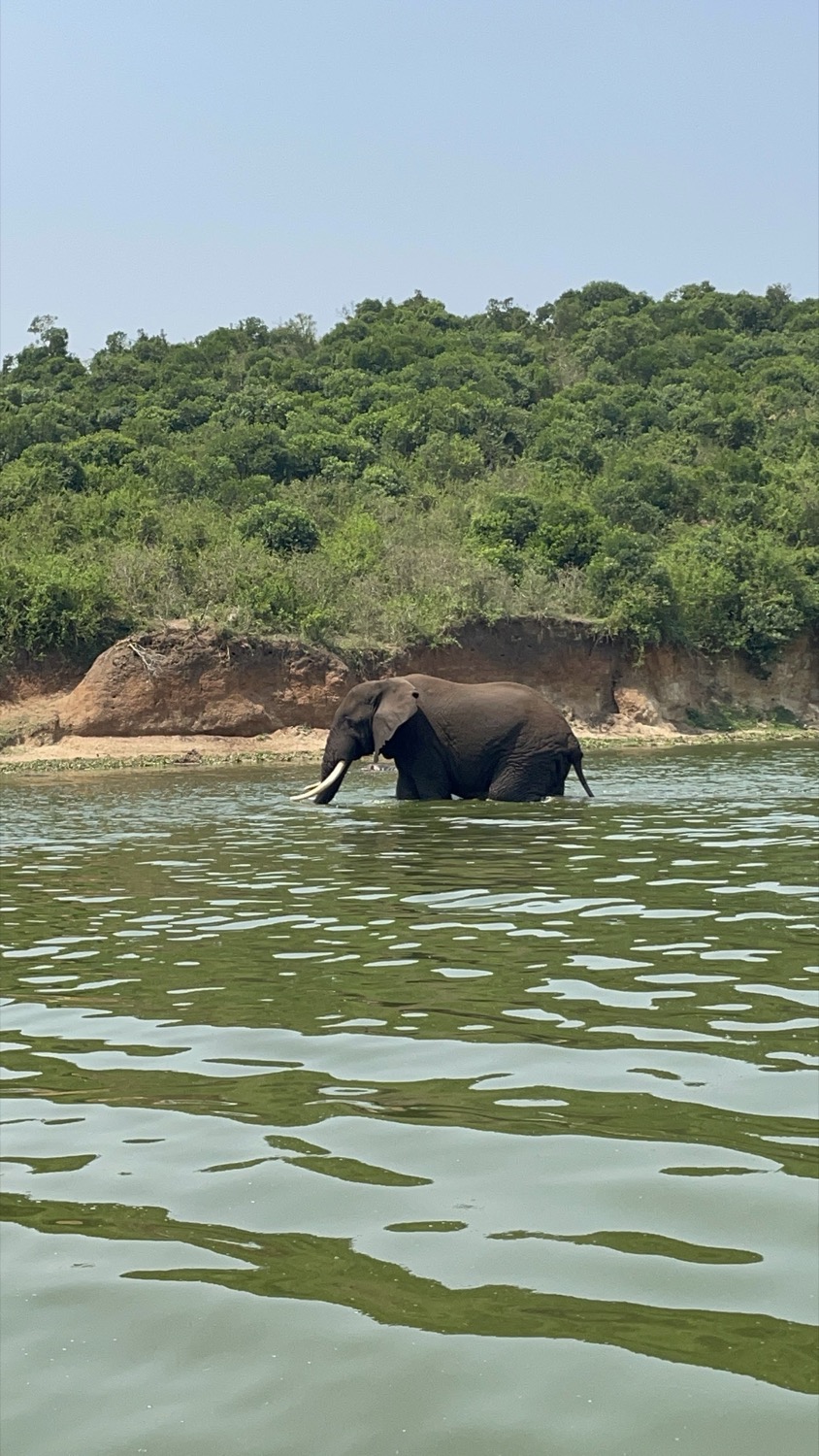
One of the most recommended experiences in Uganda is the Kazinga Canal boat ride in Queen Elizabeth National Park. This channel connects Lake Edward and Lake George and is famous for the large concentration of hippos, crocodiles and bird species. The tour will allow you to enjoy the wildlife from a different perspective and capture unforgettable images of the beautiful riverside landscapes.
- Always drink mineral or bottled water
Food safety is essential during your trip. In Uganda, it is recommended to consume only bottled water to avoid health problems. Avoid ice and soft drinks of dubious origin, especially outside the city, and always carry a bottle of water with you during excursions and safaris.
- Wear suitable and comfortable clothes for the safari
The climate in Uganda can vary greatly between rainforests and savannas. Opt for light, breathable and neutral-colored clothing, ideal not to attract the attention of wildlife and to protect yourself from the sun. If you are going trekking in the impenetrable forest of Bwindi or other wetlands, bring mountain boots, raincoat and a backpack with bottled water and snacks for the trail.
- Enjoy wildlife with respect and caution
During the safaris, always respect the distance with the animals and follow the instructions of the guides at all times. It is forbidden to get out of the vehicle inside the parks and wildlife should not be fed. Keep in mind that wild animals are unpredictable and your safety is the most important thing. By acting responsibly, you not only protect your well-being, but also contribute to the conservation and enjoyment of wildlife in its most authentic form.
Discover our 10-day itinerary through Uganda
What animals can be seen in Uganda?
Uganda is a privileged destination for nature lovers thanks to its diversity of life and the presence of numerous species of wild animals, many of which are emblematic and endangered. These are some of the most emblematic animals that you can see in Uganda:
- Mountain gorillas in Bwindi National Park:This park is one of the few places in the world where you can go trekking to see gorilla families in their natural habitat. These majestic animals are one of Uganda's most iconic endangered species.
- White colobos and blue monkeys:These primates are characteristic of the Ugandan rainforests. White colobus, with their black and white fur, and blue monkeys, with their striking color, can be seen in parks such as Bwindi and Kibale, where biodiversity is exceptional.
- Gray-cheeked monkeys:Another fascinating species of primates that inhabit the jungles of Uganda. They are easy to see during safaris in the tropical forests and are an important part of the rich local fauna.
- White rhinos:Although they were on the verge of extinction in Uganda, they are currently being reintroduced into specialized sanctuaries such as the Ziwa Rhino Sanctuary. Seeing these stunning animals is a unique experience and a symbol of conservation success.
- Varied Mammal Species:Uganda is home to a wide variety of mammals, from elephants and buffaloes to lions and leopards, which can be seen in national parks such as Murchison Falls and Queen Elizabeth.
- Nocturnal animals:For the more adventurous, there are special excursions to observe nocturnal animals, such as civets, rhinos and olives, which are part of the rich wildlife and bring a different dimension to the traditional safari.
Book your safari with Trio Travel
At Watatu Travel we design authentic safaris in Africa that combine adventure, nature and local culture. Whether you prefer to join one of our small groups with scheduled departures or enjoy a private trip, we offer you genuine experiences in remote African destinations.
Start planning your Uganda safari today
From a short gorilla express break to an epic two-week adventure, we have an itinerary to match every traveller and every schedule. Request your free, no-obligation quote now. 14 days, from 4.995 € per person. Uganda - Totale
Frequently asked questions
How far in advance should I book gorilla trekking permits?
Gorilla trekking permits for Bwindi Impenetrable Forest sell out quickly, especially during peak season (June to September and December to February). It is strongly recommended to book at least six to twelve months in advance. Your tour operator can usually handle the permit reservation on your behalf as part of the package.
What is the best time of year to go on a safari in Uganda?
The best time to visit Uganda is during the dry seasons: June to September and December to February. During these months, wildlife is easier to spot, trails are more accessible and gorilla trekking is more comfortable. The wet seasons (March to May and October to November) bring lush scenery and fewer tourists, but trails can be muddy and slippery.
Is Uganda a safe destination for safari travellers?
Uganda is generally considered safe for tourists visiting the main national parks and safari areas. The national parks are well managed and professional guides accompany visitors at all times. As with any international travel, it is advisable to check your government's current travel advisory, purchase comprehensive travel insurance and follow your guide's instructions throughout the trip.
Do I need any vaccinations before travelling to Uganda?
A Yellow Fever vaccination certificate is mandatory to enter Uganda. Additional recommended vaccinations include hepatitis A and B, typhoid, meningitis and routine immunisations. Malaria prophylaxis is also strongly advised. Consult your doctor or a travel health clinic at least six to eight weeks before your departure date to ensure you are fully protected.
What currency is used in Uganda and can I pay by card?
The official currency of Uganda is the Ugandan Shilling (UGX). US dollars are widely accepted for major expenses such as permits, lodges and tours. Credit cards are accepted in some larger hotels and lodges in Kampala, but cash is essential in more remote areas. It is advisable to carry a mix of USD cash and local currency for day-to-day expenses.
How physically demanding is gorilla trekking in Uganda?
Gorilla trekking can be moderately to very demanding depending on where the gorilla family is located on any given day. Hikes can last between one and eight hours through dense, hilly rainforest. A reasonable level of fitness is recommended. Porters are available to hire at the park gate to carry your bag and assist you along the trail, which is highly encouraged.
| Visa cost | 50 USD (available online via e-visa) |
| Gorilla trekking permit | 800 USD per person |
| Chimpanzee trekking permit | 200 USD per person (Kibale National Park) |
| National park entry fee | Approx. 40 USD per person per day |
| Accommodation range | 100 USD (budget) to 700+ USD (luxury) per night |
| Bird species recorded | Over 1,000 species |
| Best travel months | June to September and December to February |
If you are planning a Journey to the Pearl of Africa, it is essential to know the factors that influence the price of a safari in Uganda and what to expect from this unique experience. Uganda, with its rich wildlife and stunning variety of landscapes, offers you everything from close encounters with gorillas in Bwindi National Park to fascinating tours of Queen Elizabeth National Park.
The price of your adventure will vary depending on the type of accommodation, the entrance fees to the national parks and the length of your trip. In this article, we tell you everything you need to know to plan an unforgettable safari.
Why choose Uganda for your next safari?
Uganda is a destination that catches any lover of nature and adventure, consolidating itself as one of the best options for a safari in Africa.This country offers a diversity of landscapes and experiences difficult to match: from rainforests and savannas to crystal clear lakes and the mythical springs of the Victoria Nile. Here, every day of safari is different and amazing.
One of Uganda's greatest attractions is the possibility of entering the legendary impenetrable forest of Bwindi, a World Heritage Site and home to half of the remaining mountain gorillas on the planet.
Trekking in search of gorilla families in this environment is a unique experience, where the silence of the jungle is only broken by the singing of birds and the murmur of the wind between the trees. gorilla trekking experience, 5 days, from 1.479 € per persone these impressive primates in their natural habitat leaves an indelible imprint on any traveler.
But Uganda is not only famous for gorillas. It is a paradise for bird watching lovers, with more than 1,000 species registered, and parks such as Queen Elizabeth or Kibale where it is possible to see up to 150 species of birds in a single day.
In addition, the country is home to an incredible variety of mammals, from elephants and buffaloes to the famous tree-climbing lions and chimpanzee dodgers. The Victoria Nile fountains, in Jinja, are another of the emblematic points of the country. Here you can experience the thrill of navigating the birth of the legendary river, surrounded by lush landscapes and vibrant fauna.
What to bring for a safari in Uganda: Prepare your suitcase
What is the price of a safari in Uganda?
The price of a safari in Uganda varies according to the duration, the type of accommodation, the number of people and the activities included. In general, an organized safari of between 10 and 13 days can cost between 1,500 and 3,000 euros per person.
The private safarisor luxury can exceed 4,000 euros per person, especially if the best accommodations or exclusive services are chosen. To this budget must be added the cost of the international flight, visa (50 USD), gratuities, personal expenses and possible optional activities not included in the program. In short, the final price will depend on the preferences of the traveler, the season and the level of customization of the safari.
Breakdown of main expenses in a safari in Uganda
International flights and airfares
When planning a safari in Uganda, one of the first costs to consider is the flight from your home country to Entebbe, the main gateway to the country. Most travelers opt for economy class tickets, as they usually offer the best value for money. Flight prices vary depending on the season, the advance of the reservation and the airline.
Visa for Uganda and required documentation
To enter Uganda, most travelers need to get one tourist visa, which can be managed electronically before the trip. The cost of the visa is usually 50 USD per person. It is important to have your passport in good standing and, if you are traveling as a family, bring the family book or the documents that accredit the relationship with the minors, as they can be requested at the immigration control.
Travel insurance
Have one good travel insuranceis essential when doing a safari in Uganda. It is recommended to take out a policy that includes travel assistance, international medical coverage, emergency evacuation and protection against cancellations or unforeseen events. The cost of this insurance varies depending on the duration and level of coverage. This small investment can make a difference in the face of any eventuality during your adventure.
Take advantage of 5% discount here
Permissionsfor gorilla and chimpanzee trekking
Permission to trek in search of gorillas in the impenetrable forest of Bwindi is one of the main costs of any safari in Uganda. The price of this permit is 800 USD per person and allows one hour of observation with a family of gorillas in their natural habitat.
If your interest is chimpanzee trekking, the permit for Kibale National Park costs 200 USD per person. It is essential to book these permits in advance, as the demand is high, especially in the high season, and the daily amount of permits is limited.
Complete guide to safari permits in Uganda (gorillas and chimpanzees)
Tickets to national parks and additional activities
Access to national parks such as Queen Elizabeth, Murchison Falls, Lake Mburo or Kidepo costs approximately USD 40 per person per day. In addition, you can enrich your experience with optional activities such as a boat cruise, the visit to the rhino sanctuary or the golden monkey trekking. These activities will not only expand what you see and experience, but allow you to adapt the trip to your interests and enjoy Uganda at your own pace.
Cost of accommodation: From budget options to luxury lodges
Uganda offers a wide variety of accommodation, from budget hotels and lodges to luxury accommodations. Prices can vary considerably depending on the category and location:
- Budget accommodation- from 100 to 150 USD per night in a basic hotel or lodge.
- Mid-range accommodation: between 300 and 475 USD per night, with superior services and amenities.
- Luxury accommodation: can exceed 700 USD per night, including options such as boutique lodges in nature, with privileged views and exclusive services.
The choice of hotel or lodge directly influences the total fare of the trip, as many packages include full board and activities.
Why choose locally owned accommodations on your safari?
Transportation and guides during the safari
Domestic transport is normally carried out in 4x4 vehicles, ideal for paths in national parks. Renting a car with a driver and a specialized guide costs from 100 to 200 USD per day.
If your itinerary includes domestic flights to save time, these will represent an additional cost that may vary depending on the route and season. Professional guides, included in most packages, bring great value to the experience and help optimize each safari day.
Ready to explore Uganda's wild heart?
Our Uganda - The Wild Jungle itinerary covers Bwindi, Queen Elizabeth and Kibale, with gorilla permits, expert guides and handpicked lodges all included. 11 days, from 3.995 € per person. Uganda - The Wild Jungle
Tippingand personal expenses
In Uganda, it is customary to leave a tip to the guides, drivers and staff of hotels or lodges, as a token of gratitude for the service received. Although tipping is not mandatory, it is considered a common and appreciated practice. In addition, it is advisable to bring some cash for personal expenses, souvenir purchases or activities not included in the trip fare.
Safari tips: When to give them and to whom?
5 travel tips for your safari in Uganda
- Choose your itinerary well: explore the most emblematic parks
Plan your route to include must-see sites like Murchison Falls National Park and Kibale National Park. Both offer unique opportunities to observe wildlife at its finest, from elephants and lions to chimpanzees and exotic birds. Do not miss Lake Victoria, one of the great natural treasures of the country, ideal to relax and enjoy beautiful landscapes.
- Don't miss the boat ride on the Kazinga Canal
One of the most recommended experiences in Uganda is the Kazinga Canal boat ride in Queen Elizabeth National Park. This channel connects Lake Edward and Lake George and is famous for the large concentration of hippos, crocodiles and bird species. The tour will allow you to enjoy the wildlife from a different perspective and capture unforgettable images of the beautiful riverside landscapes.
- Always drink mineral or bottled water
Food safety is essential during your trip. In Uganda, it is recommended to consume only bottled water to avoid health problems. Avoid ice and soft drinks of dubious origin, especially outside the city, and always carry a bottle of water with you during excursions and safaris.
- Wear suitable and comfortable clothes for the safari
The climate in Uganda can vary greatly between rainforests and savannas. Opt for light, breathable and neutral-colored clothing, ideal not to attract the attention of wildlife and to protect yourself from the sun. If you are going trekking in the impenetrable forest of Bwindi or other wetlands, bring mountain boots, raincoat and a backpack with bottled water and snacks for the trail.
- Enjoy wildlife with respect and caution
During the safaris, always respect the distance with the animals and follow the instructions of the guides at all times. It is forbidden to get out of the vehicle inside the parks and wildlife should not be fed. Keep in mind that wild animals are unpredictable and your safety is the most important thing. By acting responsibly, you not only protect your well-being, but also contribute to the conservation and enjoyment of wildlife in its most authentic form.
Discover our 10-day itinerary through Uganda
What animals can be seen in Uganda?
Uganda is a privileged destination for nature lovers thanks to its diversity of life and the presence of numerous species of wild animals, many of which are emblematic and endangered. These are some of the most emblematic animals that you can see in Uganda:
- Mountain gorillas in Bwindi National Park:This park is one of the few places in the world where you can go trekking to see gorilla families in their natural habitat. These majestic animals are one of Uganda's most iconic endangered species.
- White colobos and blue monkeys:These primates are characteristic of the Ugandan rainforests. White colobus, with their black and white fur, and blue monkeys, with their striking color, can be seen in parks such as Bwindi and Kibale, where biodiversity is exceptional.
- Gray-cheeked monkeys:Another fascinating species of primates that inhabit the jungles of Uganda. They are easy to see during safaris in the tropical forests and are an important part of the rich local fauna.
- White rhinos:Although they were on the verge of extinction in Uganda, they are currently being reintroduced into specialized sanctuaries such as the Ziwa Rhino Sanctuary. Seeing these stunning animals is a unique experience and a symbol of conservation success.
- Varied Mammal Species:Uganda is home to a wide variety of mammals, from elephants and buffaloes to lions and leopards, which can be seen in national parks such as Murchison Falls and Queen Elizabeth.
- Nocturnal animals:For the more adventurous, there are special excursions to observe nocturnal animals, such as civets, rhinos and olives, which are part of the rich wildlife and bring a different dimension to the traditional safari.
Book your safari with Trio Travel
At Watatu Travel we design authentic safaris in Africa that combine adventure, nature and local culture. Whether you prefer to join one of our small groups with scheduled departures or enjoy a private trip, we offer you genuine experiences in remote African destinations.
Start planning your Uganda safari today
From a short gorilla express break to an epic two-week adventure, we have an itinerary to match every traveller and every schedule. Request your free, no-obligation quote now. 14 days, from 4.995 € per person. Uganda - Totale
Frequently asked questions
How far in advance should I book gorilla trekking permits?
Gorilla trekking permits for Bwindi Impenetrable Forest sell out quickly, especially during peak season (June to September and December to February). It is strongly recommended to book at least six to twelve months in advance. Your tour operator can usually handle the permit reservation on your behalf as part of the package.
What is the best time of year to go on a safari in Uganda?
The best time to visit Uganda is during the dry seasons: June to September and December to February. During these months, wildlife is easier to spot, trails are more accessible and gorilla trekking is more comfortable. The wet seasons (March to May and October to November) bring lush scenery and fewer tourists, but trails can be muddy and slippery.
Is Uganda a safe destination for safari travellers?
Uganda is generally considered safe for tourists visiting the main national parks and safari areas. The national parks are well managed and professional guides accompany visitors at all times. As with any international travel, it is advisable to check your government's current travel advisory, purchase comprehensive travel insurance and follow your guide's instructions throughout the trip.
Do I need any vaccinations before travelling to Uganda?
A Yellow Fever vaccination certificate is mandatory to enter Uganda. Additional recommended vaccinations include hepatitis A and B, typhoid, meningitis and routine immunisations. Malaria prophylaxis is also strongly advised. Consult your doctor or a travel health clinic at least six to eight weeks before your departure date to ensure you are fully protected.
What currency is used in Uganda and can I pay by card?
The official currency of Uganda is the Ugandan Shilling (UGX). US dollars are widely accepted for major expenses such as permits, lodges and tours. Credit cards are accepted in some larger hotels and lodges in Kampala, but cash is essential in more remote areas. It is advisable to carry a mix of USD cash and local currency for day-to-day expenses.
How physically demanding is gorilla trekking in Uganda?
Gorilla trekking can be moderately to very demanding depending on where the gorilla family is located on any given day. Hikes can last between one and eight hours through dense, hilly rainforest. A reasonable level of fitness is recommended. Porters are available to hire at the park gate to carry your bag and assist you along the trail, which is highly encouraged.




.png)