





The Great Migration in the Serengeti: When to Go in 2027
More than two million wildebeest, zebras, and gazelles moving in an endless loop across Tanzania and Kenya: the Great Migration is one of those things you have to see to believe. We've guided clients through it in February, July, October, and everything in between, and here's the honest truth: there is no single "best" month. There is only the right month for what you want to see.
| Animals involved | Approx. 1.5 million wildebeest, 400,000 zebras, and hundreds of thousands of gazelles |
| Calving season | Late January to early March, southern Serengeti and Ndutu |
| Grumeti River crossings | June to early July, Western Corridor |
| Mara River crossings peak | Late July through September (August is typically the busiest) |
| Best area for crossings | Kogatende and Lamai sectors, northern Serengeti |
| Low season | April to May (long rains); prices drop 20 to 30 percent |
| Bush flight cost (per sector) | Approx. $200 to $500 USD from Arusha to key Serengeti airstrips |
This article is a planning guide, not a deep dive into every chapter of the migration. If you want the full story on the Mara River crossings specifically, we've written a dedicated piece on that. Same for calving season at Ndutu. Here we focus on the bigger question: where should you be, and when?
What Exactly Is the Wildebeest Migration?
The Great Migration is a year-round, circular movement of roughly 1.5 million wildebeest, plus about 400,000 zebras and hundreds of thousands of gazelles, following the rain and fresh grass across the Serengeti ecosystem. It doesn't start or stop; it rotates. The drama shifts with the season: calving in the south, river crossings in the north, long marches through the western corridor in between.
When Does the Migration Pass Through Each Part of the Serengeti?
January–March: Calving Season in the Southern Serengeti
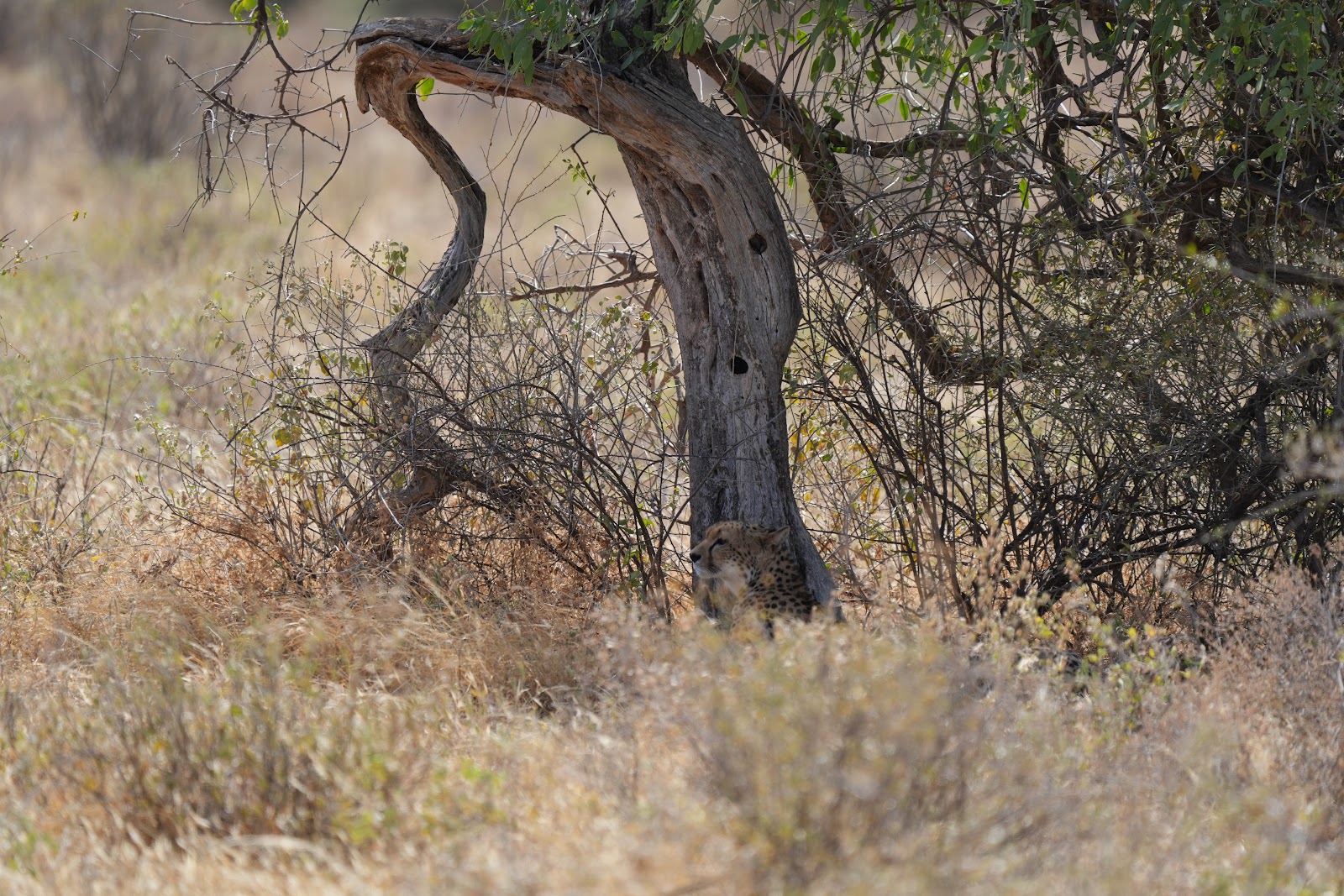
The herds concentrate on the short-grass plains around Ndutu and the Ngorongoro Conservation Area border because the rains have turned everything green and nutritious. Between late January and early March, roughly 8,000 calves are born every single day. Predator density is extraordinary, cheetahs, lions, hyenas, and wild dogs all converging on the same patch of savanna. If big cats are your priority, this period in the south is arguably more reliable than any river crossing.
We've written a full guide to calving season at Ndutu if you want the detail. For planning purposes: budget around $70–80 USD per person per day in Ngorongoro Conservation Area fees on top of camp costs, and expect mobile camps to run $500–900 per person per night during this season.
June–July: The Western Corridor and Grumeti River
By June the herds are pushing through the Western Corridor, and the first serious crossings start at the Grumeti River. People underestimate the Grumeti. The crocodiles here are enormous (some of the largest Nile crocs we've seen anywhere, and the crossings, while less photographed than the Mara, can be just as charged. Camps like Singita Grumeti put you directly in position.
The dry season is also establishing itself by June. Game viewing conditions improve noticeably week by week, and the landscape shifts from wet-season green to the golden tones most people associate with safari.
July–October: The Northern Serengeti and Mara River Crossings
This is what most people picture. The herds push north into the Kogatende and Lamai areas, pile up at the Mara River, and begin crossing into Kenya's Masai Mara, then back, sometimes multiple times in a single day. The crossings are genuinely chaotic. Thousands of wildebeest stack up on the bank, hesitate for what feels like forever, and then surge. The noise alone is something you don't forget.
We have a dedicated article on Mara River crossings, where the best vantage points are, how to read the herds' behaviour, and which camps have the best river access. For this guide, the key facts: July and August are peak season; top camps in Kogatende like Nomad's Lamai or &Beyond Serengeti Under Canvas run $800–1,500+ per person per night; book 12–18 months ahead for July–August 2027. That's not an exaggeration.
September and October are worth considering if you can't get in during August. Fewer vehicles, occasionally lower rates, and crossings still happen. October can surprise you.
Ready to Witness the Mara River Crossings?
Our nine-day Crossroads of the Great Migration itinerary puts you in the northern Serengeti at the right time, with the right camps and expert guides on hand. 9 days, from 3.350 € per person. Tanzania - Crossroads of the Great Migration
November–December: The Return South
The short rains arrive in November and the herds drift back toward central and southern Serengeti. Seronera sees good concentrations during this transition. It's quieter, meaningfully cheaper, and you'll often have sightings almost to yourself. Not the most talked-about window, but genuinely underrated.
What Are the Best Months to See the River Crossings?
Late July through September, with August typically the peak. But we want to be straight with you: the migration is unpredictable. We've had clients spend five days in the northern Serengeti in August without a single crossing. We've also had clients see three in one morning in early October. The herds don't perform on cue. Staying at least four nights in the north dramatically improves your odds, one or two nights is a gamble not worth taking.
Serengeti or Masai Mara, Where Should You Go?
Both sides of the Mara River see crossings from July to October. But if you're asking us directly: for first-time migration visitors, we almost always recommend the northern Serengeti, specifically the Kogatende sector. The reason is simple and specific: at peak season, the Kenyan side of the Mara can have 30–40 vehicles at a single crossing point. Kogatende, especially at private conservancy camps, regularly has a fraction of that. Your first crossing shouldn't feel like a traffic jam. The Masai Mara has excellent camps and more price variety, and combining both on a longer trip is genuinely worth it, but if you only have one base for the crossings, Kogatende is our call.
How Much Does a Migration Safari Cost in 2027?
A mid-range migration safari of seven to ten days (good tented camps, not the top luxury tier) runs approximately $4,500–$7,000 per person including flights, park fees, and accommodation. Premium operators like Singita, &Beyond, Nomad, and Alex Walker's Serian start around $1,000 per person per night and go well above that. One piece of advice we give every client: fewer nights, better camp. A four-night stay at a genuinely well-positioned property beats seven nights somewhere mediocre every time.
Practical Notes Before You Book
Book early, July and August 2027 camps in the northern Serengeti are already filling. If you're reading this close to your travel dates, check availability before you do anything else.
Bush flights between Arusha, Ndutu, Seronera, and Kogatende typically cost $200–500 per sector and save hours of rough road travel. They're almost always worth it. Pack layers for early mornings, July on the Serengeti can drop to 8–12°C before sunrise, and the open game vehicles make it feel colder.
Plan Your 2027 Migration Safari
Spots in the northern Serengeti for July and August 2027 are already filling fast. Get in touch and we'll match you to the itinerary and camps that fit your dates and budget. 9 days, from 3.350 € per person. Tanzania - Crossroads of the Great Migration
Frequently asked questions
Is the Great Migration really year-round?
Yes. The wildebeest never stop moving. What changes month to month is where the herds are concentrated. January to March brings calving in the south, June to July sees Grumeti River crossings in the west, and July to October delivers the famous Mara River crossings in the north. There is genuinely no bad time, only different experiences.
How far in advance should I book a migration safari for 2027?
For July and August 2027, the best camps in the northern Serengeti start filling up twelve to eighteen months ahead. If you have fixed dates and specific camps in mind, booking now is strongly recommended. Shoulder months like June, September, and October have more flexibility, but the premium properties still fill early.
Can I see the migration from Kenya's Masai Mara instead of Tanzania?
Absolutely. The Masai Mara sees the same herds from roughly July to October once the wildebeest cross the Mara River northward. Vehicle density is generally higher on the Kenyan side, and costs can differ. For first-time visitors we lean toward the northern Serengeti, but the Mara is a spectacular destination in its own right.
Are river crossings guaranteed during a migration safari?
No, and any operator who guarantees a crossing is being misleading. The herds cross on their own schedule, influenced by water levels, predator presence, and herd instinct. Staying multiple nights in the same crossing area greatly increases your chances. We always advise a minimum of three nights in the north during peak season.
What is the calving season and is it worth visiting?
Between late January and early March, roughly 8,000 wildebeest calves are born each day on the short-grass plains around Ndutu. The predator activity is extraordinary. It is one of the most dramatic wildlife spectacles in Africa, often less crowded than the river crossings, and considerably more affordable. Highly recommended for wildlife photographers.
What should I pack for a July migration safari on the Serengeti?
July mornings on the Serengeti can be surprisingly cold, often dropping to 10 to 15 degrees Celsius before sunrise. Pack a warm fleece or light down jacket, a windproof outer layer, and layers you can remove by mid-morning when temperatures rise. Dust is significant in the dry season, so a buff or scarf for game drives is useful.
The Great Migration in the Serengeti: When to Go in 2027
More than two million wildebeest, zebras, and gazelles moving in an endless loop across Tanzania and Kenya: the Great Migration is one of those things you have to see to believe. We've guided clients through it in February, July, October, and everything in between, and here's the honest truth: there is no single "best" month. There is only the right month for what you want to see.
| Animals involved | Approx. 1.5 million wildebeest, 400,000 zebras, and hundreds of thousands of gazelles |
| Calving season | Late January to early March, southern Serengeti and Ndutu |
| Grumeti River crossings | June to early July, Western Corridor |
| Mara River crossings peak | Late July through September (August is typically the busiest) |
| Best area for crossings | Kogatende and Lamai sectors, northern Serengeti |
| Low season | April to May (long rains); prices drop 20 to 30 percent |
| Bush flight cost (per sector) | Approx. $200 to $500 USD from Arusha to key Serengeti airstrips |
This article is a planning guide, not a deep dive into every chapter of the migration. If you want the full story on the Mara River crossings specifically, we've written a dedicated piece on that. Same for calving season at Ndutu. Here we focus on the bigger question: where should you be, and when?
What Exactly Is the Wildebeest Migration?
The Great Migration is a year-round, circular movement of roughly 1.5 million wildebeest, plus about 400,000 zebras and hundreds of thousands of gazelles, following the rain and fresh grass across the Serengeti ecosystem. It doesn't start or stop; it rotates. The drama shifts with the season: calving in the south, river crossings in the north, long marches through the western corridor in between.
When Does the Migration Pass Through Each Part of the Serengeti?
January–March: Calving Season in the Southern Serengeti
The herds concentrate on the short-grass plains around Ndutu and the Ngorongoro Conservation Area border because the rains have turned everything green and nutritious. Between late January and early March, roughly 8,000 calves are born every single day. Predator density is extraordinary, cheetahs, lions, hyenas, and wild dogs all converging on the same patch of savanna. If big cats are your priority, this period in the south is arguably more reliable than any river crossing.
We've written a full guide to calving season at Ndutu if you want the detail. For planning purposes: budget around $70–80 USD per person per day in Ngorongoro Conservation Area fees on top of camp costs, and expect mobile camps to run $500–900 per person per night during this season.
June–July: The Western Corridor and Grumeti River
By June the herds are pushing through the Western Corridor, and the first serious crossings start at the Grumeti River. People underestimate the Grumeti. The crocodiles here are enormous (some of the largest Nile crocs we've seen anywhere, and the crossings, while less photographed than the Mara, can be just as charged. Camps like Singita Grumeti put you directly in position.
The dry season is also establishing itself by June. Game viewing conditions improve noticeably week by week, and the landscape shifts from wet-season green to the golden tones most people associate with safari.
July–October: The Northern Serengeti and Mara River Crossings
This is what most people picture. The herds push north into the Kogatende and Lamai areas, pile up at the Mara River, and begin crossing into Kenya's Masai Mara, then back, sometimes multiple times in a single day. The crossings are genuinely chaotic. Thousands of wildebeest stack up on the bank, hesitate for what feels like forever, and then surge. The noise alone is something you don't forget.
We have a dedicated article on Mara River crossings, where the best vantage points are, how to read the herds' behaviour, and which camps have the best river access. For this guide, the key facts: July and August are peak season; top camps in Kogatende like Nomad's Lamai or &Beyond Serengeti Under Canvas run $800–1,500+ per person per night; book 12–18 months ahead for July–August 2027. That's not an exaggeration.
September and October are worth considering if you can't get in during August. Fewer vehicles, occasionally lower rates, and crossings still happen. October can surprise you.
Ready to Witness the Mara River Crossings?
Our nine-day Crossroads of the Great Migration itinerary puts you in the northern Serengeti at the right time, with the right camps and expert guides on hand. 9 days, from 3.350 € per person. Tanzania - Crossroads of the Great Migration
November–December: The Return South
The short rains arrive in November and the herds drift back toward central and southern Serengeti. Seronera sees good concentrations during this transition. It's quieter, meaningfully cheaper, and you'll often have sightings almost to yourself. Not the most talked-about window, but genuinely underrated.
What Are the Best Months to See the River Crossings?
Late July through September, with August typically the peak. But we want to be straight with you: the migration is unpredictable. We've had clients spend five days in the northern Serengeti in August without a single crossing. We've also had clients see three in one morning in early October. The herds don't perform on cue. Staying at least four nights in the north dramatically improves your odds, one or two nights is a gamble not worth taking.
Serengeti or Masai Mara, Where Should You Go?
Both sides of the Mara River see crossings from July to October. But if you're asking us directly: for first-time migration visitors, we almost always recommend the northern Serengeti, specifically the Kogatende sector. The reason is simple and specific: at peak season, the Kenyan side of the Mara can have 30–40 vehicles at a single crossing point. Kogatende, especially at private conservancy camps, regularly has a fraction of that. Your first crossing shouldn't feel like a traffic jam. The Masai Mara has excellent camps and more price variety, and combining both on a longer trip is genuinely worth it, but if you only have one base for the crossings, Kogatende is our call.
How Much Does a Migration Safari Cost in 2027?
A mid-range migration safari of seven to ten days (good tented camps, not the top luxury tier) runs approximately $4,500–$7,000 per person including flights, park fees, and accommodation. Premium operators like Singita, &Beyond, Nomad, and Alex Walker's Serian start around $1,000 per person per night and go well above that. One piece of advice we give every client: fewer nights, better camp. A four-night stay at a genuinely well-positioned property beats seven nights somewhere mediocre every time.
Practical Notes Before You Book
Book early, July and August 2027 camps in the northern Serengeti are already filling. If you're reading this close to your travel dates, check availability before you do anything else.
Bush flights between Arusha, Ndutu, Seronera, and Kogatende typically cost $200–500 per sector and save hours of rough road travel. They're almost always worth it. Pack layers for early mornings, July on the Serengeti can drop to 8–12°C before sunrise, and the open game vehicles make it feel colder.
Plan Your 2027 Migration Safari
Spots in the northern Serengeti for July and August 2027 are already filling fast. Get in touch and we'll match you to the itinerary and camps that fit your dates and budget. 9 days, from 3.350 € per person. Tanzania - Crossroads of the Great Migration
Frequently asked questions
Is the Great Migration really year-round?
Yes. The wildebeest never stop moving. What changes month to month is where the herds are concentrated. January to March brings calving in the south, June to July sees Grumeti River crossings in the west, and July to October delivers the famous Mara River crossings in the north. There is genuinely no bad time, only different experiences.
How far in advance should I book a migration safari for 2027?
For July and August 2027, the best camps in the northern Serengeti start filling up twelve to eighteen months ahead. If you have fixed dates and specific camps in mind, booking now is strongly recommended. Shoulder months like June, September, and October have more flexibility, but the premium properties still fill early.
Can I see the migration from Kenya's Masai Mara instead of Tanzania?
Absolutely. The Masai Mara sees the same herds from roughly July to October once the wildebeest cross the Mara River northward. Vehicle density is generally higher on the Kenyan side, and costs can differ. For first-time visitors we lean toward the northern Serengeti, but the Mara is a spectacular destination in its own right.
Are river crossings guaranteed during a migration safari?
No, and any operator who guarantees a crossing is being misleading. The herds cross on their own schedule, influenced by water levels, predator presence, and herd instinct. Staying multiple nights in the same crossing area greatly increases your chances. We always advise a minimum of three nights in the north during peak season.
What is the calving season and is it worth visiting?
Between late January and early March, roughly 8,000 wildebeest calves are born each day on the short-grass plains around Ndutu. The predator activity is extraordinary. It is one of the most dramatic wildlife spectacles in Africa, often less crowded than the river crossings, and considerably more affordable. Highly recommended for wildlife photographers.
What should I pack for a July migration safari on the Serengeti?
July mornings on the Serengeti can be surprisingly cold, often dropping to 10 to 15 degrees Celsius before sunrise. Pack a warm fleece or light down jacket, a windproof outer layer, and layers you can remove by mid-morning when temperatures rise. Dust is significant in the dry season, so a buff or scarf for game drives is useful.









.png)