





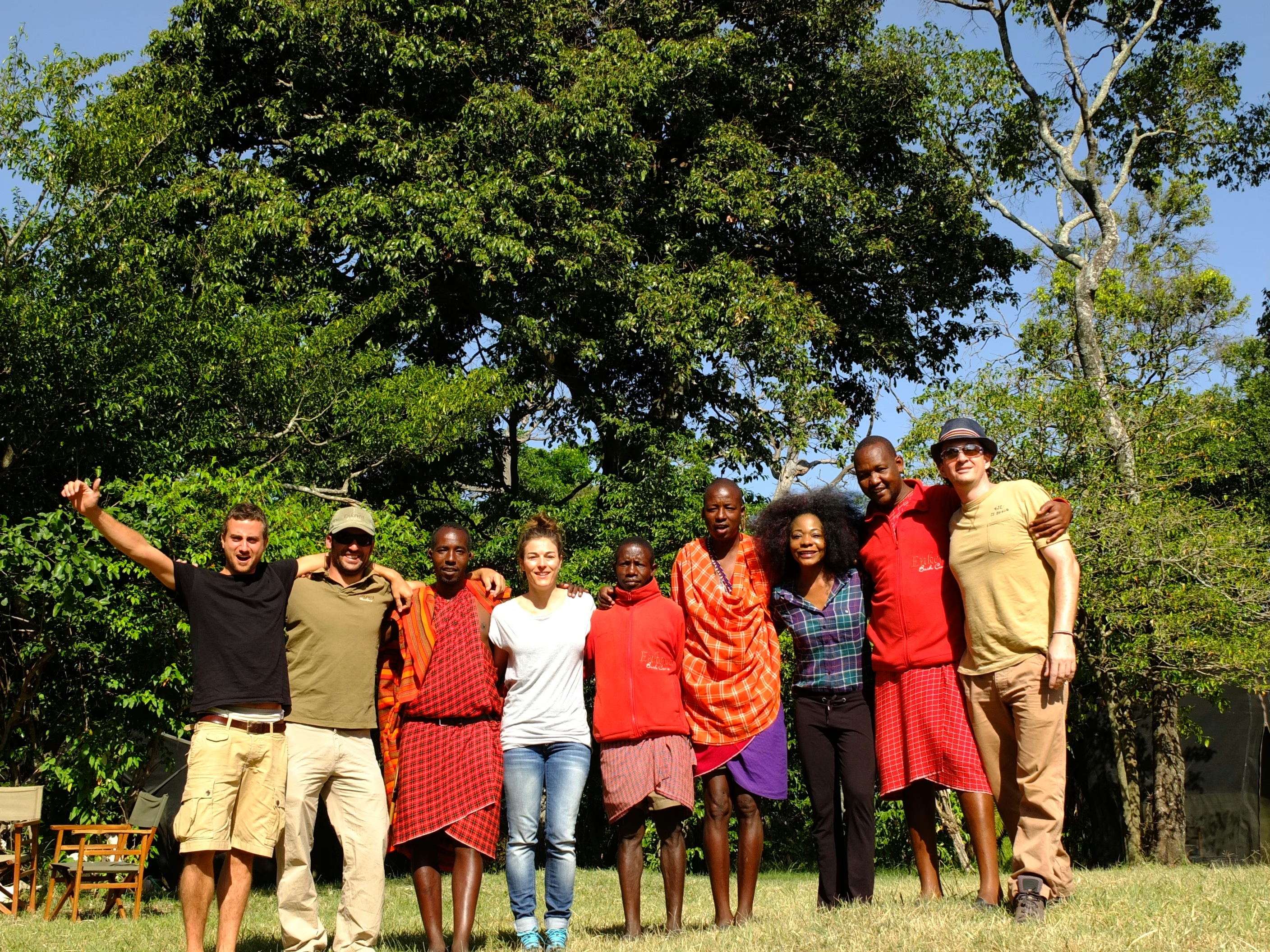

Ethiopia tends to catch people off guard. Most travellers who book with us have done Kenya or Tanzania before, and they arrive expecting something similar – open savannah, big herds, the works. What they get instead is stranger, wilder, and somehow more memorable. Gelada monkeys on a misty Simien cliff edge. The Danakil Depression at dawn, sulphur vents bubbling in colours that look chemically impossible. A village elder in the Omo Valley who's never heard of a game drive but has more stories than any ranger briefing.
| Best months | October to January |
| Top endemic species | Ethiopian wolf, gelada baboon, walia ibex, mountain nyala |
| Bird species recorded | 850+, including 17 endemics |
| Recommended trip length | 14 days |
| Nearest flight hub for Omo Valley | Arba Minch |
| Visa | e-visa available online, approx. USD 52, single entry 30 days |
| Highlands temperature (Oct-Jan) | 15 to 22 degrees Celsius |
This is not a conventional safari country. And that's exactly the point.
What Can You See on an Ethiopia Safari?
Ethiopia's wildlife offer is built around endemics – species found nowhere else on Earth. That alone makes it worth serious attention from any wildlife traveller.
Simien Mountains National Park
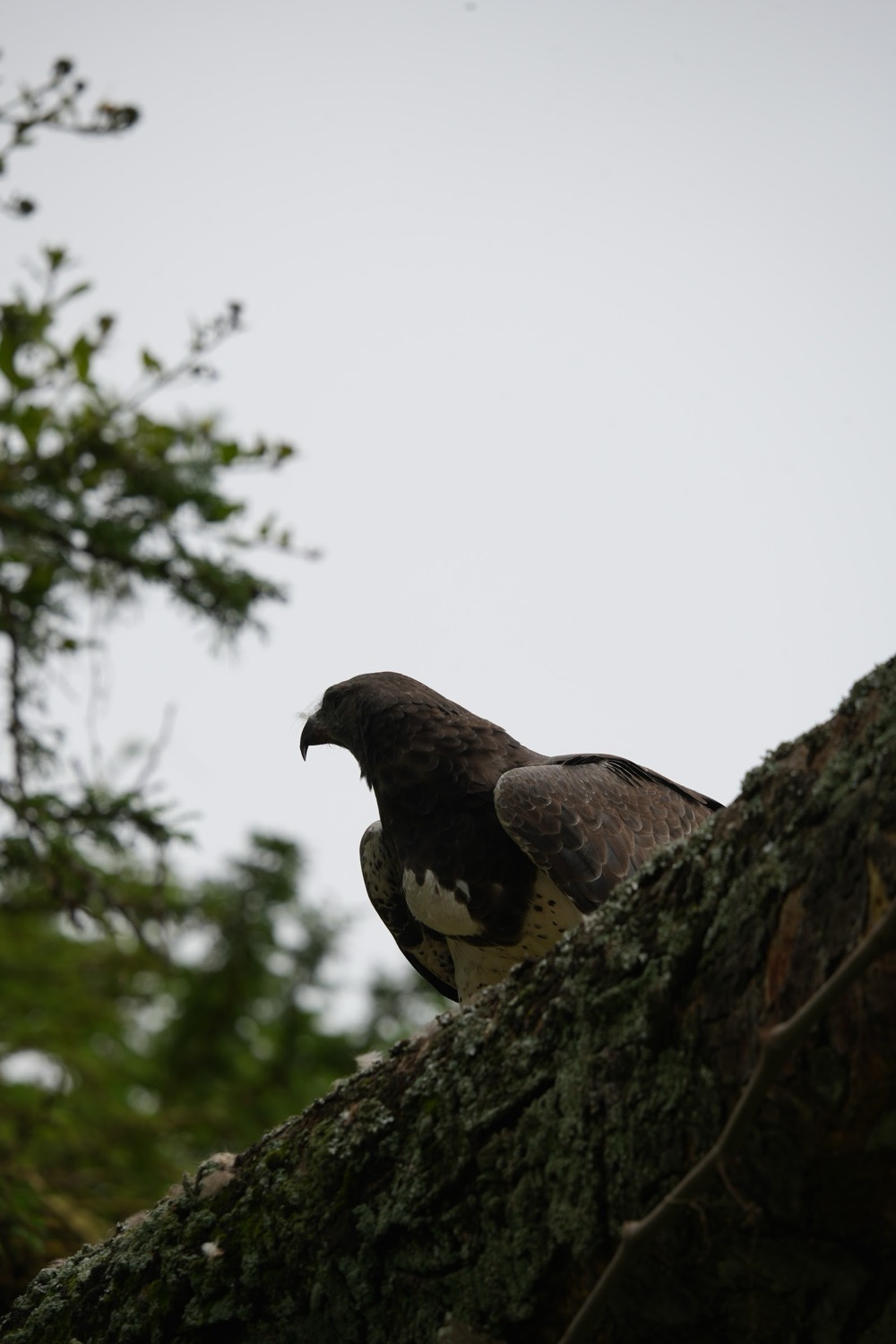
Listed as a UNESCO World Heritage Site, the Simien Mountains are the place to see gelada baboons in the wild – the world's only grass-eating primate, with their distinctive red chest patches and theatrical social behaviour. Troops of several hundred are not uncommon here. You'll also have a realistic shot at spotting the Ethiopian wolf, the rarest canid on Earth, along the high-altitude Sanetti Plateau. We've watched them hunting rodents at dusk with the kind of focused elegance that makes you forget the cold entirely.
Walia ibex cling to near-vertical escarpments above 4,000 metres. The scenery – sheer gorges, peaks above 4,500m – is as compelling as any wildlife encounter.
Bale Mountains National Park
The Bale Mountains give you the single most reliable opportunity on Earth to see Ethiopian wolves. The Sanetti Plateau – accessed via a gravel road that climbs above 4,000 metres and can feel genuinely otherworldly in morning mist – holds the largest known population of the species. Researchers from the Ethiopian Wolf Conservation Programme (EWCP), which has been running continuous monitoring studies since the early 1990s, have documented den sites across the plateau; your guide will know which family groups are currently active. Overnight at the Bale Mountain Lodge on the northern edge of the park – a genuinely well-run property with good food and guides who understand the plateau's microclimates. Alongside the wolves, look for mountain nyala (another endemic), African wild dogs, and the Harenna Forest below the plateau, where colobus monkeys move through Afromontane hagenia trees and leopards are present but rarely oblige with an appearance.
Awash National Park
If you want something closer to a classic East African feel, Awash delivers. It's accessible from Addis Ababa in about three hours and holds healthy populations of beisa oryx, Soemmering's gazelle, and Hamadryas baboons. The Awash River gorge and its waterfall are genuinely spectacular. Birding here is world-class – over 460 species recorded, including the endangered Lappet-faced vulture.
Omo Valley and Mago National Park
The south is a different world entirely, and it's the part of Ethiopia we find ourselves talking about most when we get home. Mago National Park protects elephants, buffalo, lions, and Burchell's zebra across a landscape that still feels genuinely remote. But the real reason to travel this far south is the Omo Valley itself – an extraordinary stretch of river corridor where at least a dozen distinct ethnic groups have lived alongside each other for centuries.
Looking for a different kind of East African wildlife experience?
Our Uganda itineraries combine primate tracking with savannah wildlife and suit travellers who want to go beyond the classic circuit. Tanzania
The Mursi are probably the most photographed, known for the clay lip plates worn by women, but they're far more interesting than any single image suggests. Spend time at a morning cattle market rather than just the tourist viewpoint and you'll see something else entirely: negotiations, humour, the quiet pride of people who are very much in charge of their own world. The Hammer people's bull-jumping ceremony – a rite of passage for young men – is one of the most visceral things we've witnessed anywhere in Africa. Women of the community are ritually whipped during the ceremony as an act of solidarity; it's confronting and important and nothing like what you'd expect. The Karo, a small group of only a few thousand people living along the Omo riverbank, practise body painting with chalk, charcoal, and ochre that turns individuals into temporary works of art. Their villages are small enough that a visit feels like a genuine meeting rather than a performance.
Markets at Turmi (Monday and Thursday) and Key Afer (Thursday) are where several groups converge to trade – coffee, sorghum, livestock, beads. Go to the market, not just the cultural villages, and you'll understand why the Omo Valley is in a category of its own.
Getting here takes effort. Arba Minch is the nearest domestic flight hub, followed by a full day's drive on roads that require a capable 4WD and a driver who knows them. It's worth every hour.
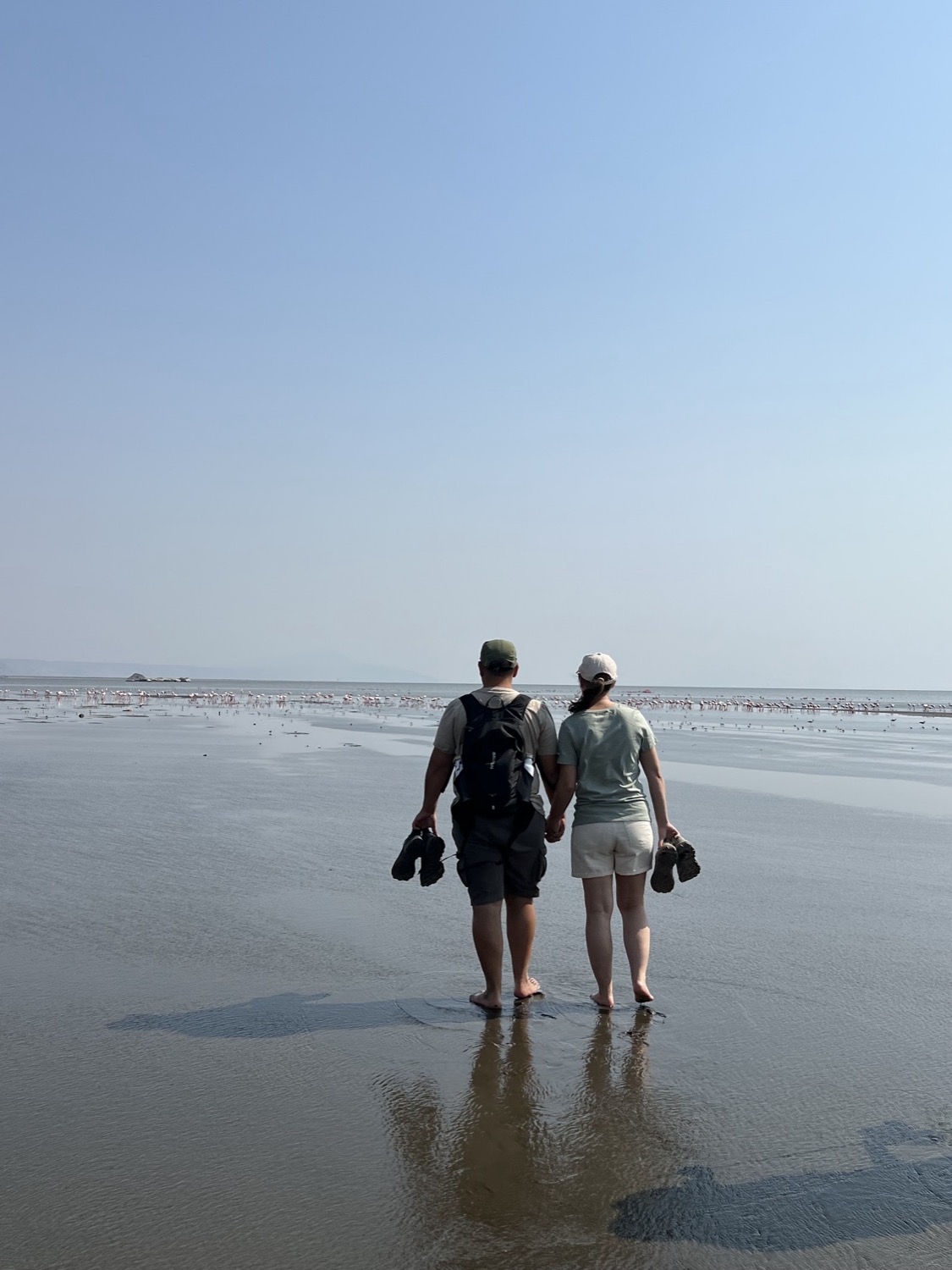
Danakil Depression
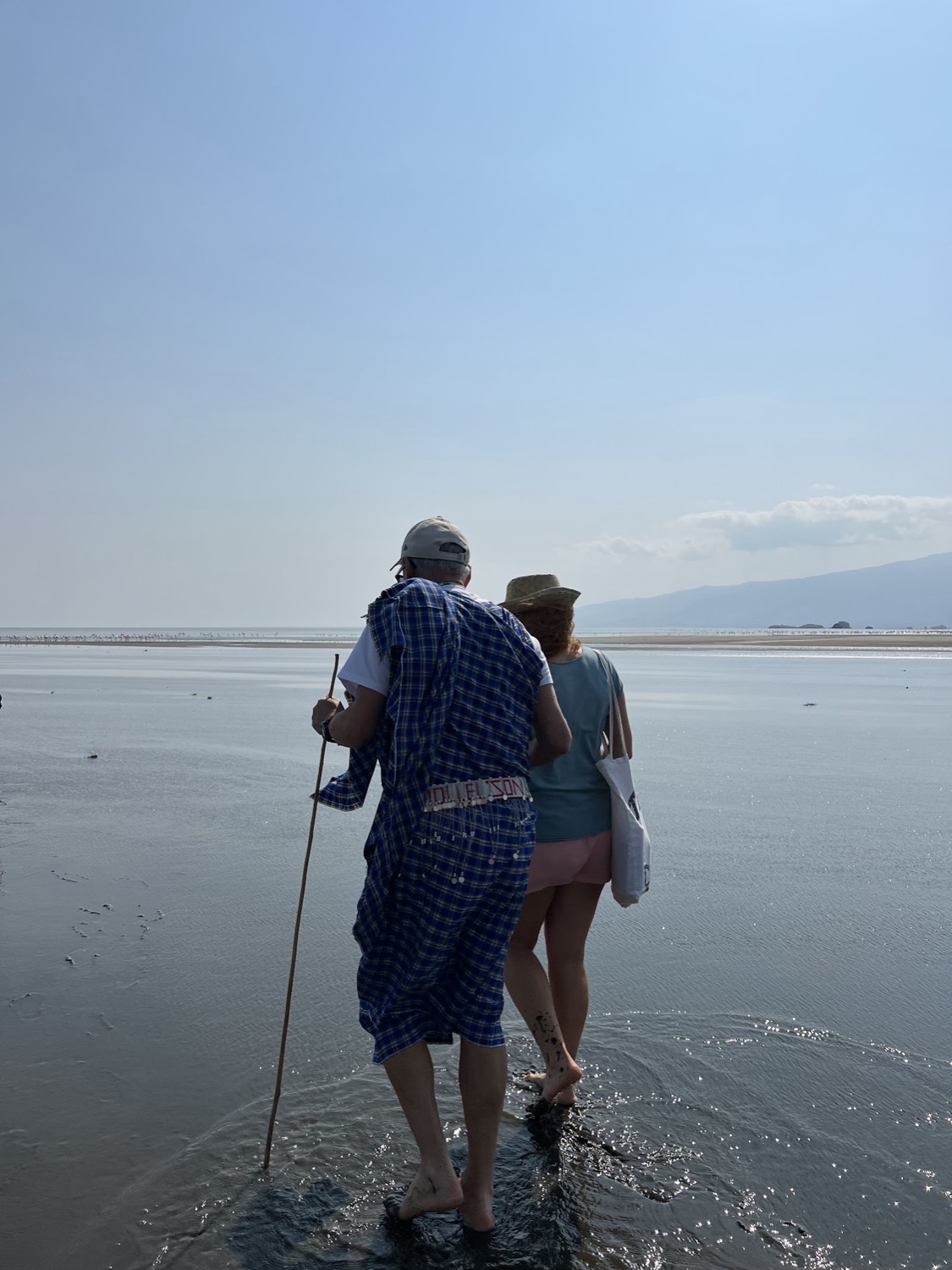
One of the hottest, lowest, and most geologically active places on Earth. The Erta Ale volcano has maintained an active lava lake for over a century – one of only a handful on the planet. The Dallol hydrothermal field produces acid pools and salt formations in yellows, oranges, and greens so saturated they read as artificial. Afar salt caravans still cross this landscape with camel trains, extracting and trading salt by methods unchanged for generations. This is a geological and human spectacle that simply does not compare to anywhere else.
When Is the Best Time to Visit Ethiopia for a Safari?
Ethiopia has two main rainy seasons, and timing your trip around them makes a significant difference.
October to January – The Prime Window
The short dry season following the main rains – which end around September – is ideal. Vegetation is green but not impenetrable, wildlife is active, and temperatures in the highlands are mild: around 15–22°C in the Simiens and Bale. This is when we send the majority of our clients. Roads are accessible, and the quality of light for photography in October and November is exceptional.
February to May – Strong, With One Caveat
February through April is another solid window, particularly in Awash and the northern parks. The Omo Valley becomes significantly harder to access after April when the secondary rains arrive and dirt roads deteriorate quickly. Plan your southern leg for February or March if this is the time of year you're travelling. The Danakil is technically accessible year-round but is most comfortably visited between November and March – temperatures there regularly hit 50°C in summer, which is not a typo.
June to September – The Rains, Handled Correctly
The main rainy season (locally called kiremt) runs June through September. Some park roads become impassable. The Simien Mountains can be shrouded in cloud for days at a time. That said, Addis Ababa and the Historical Circuit – Lalibela, Gondar, Axum – remain perfectly viable and are actually more comfortable without the dry-season dust. Experienced travellers who prioritise culture over wildlife sometimes deliberately book this period for lower prices, significantly fewer crowds, and landscapes that are genuinely lush.
Is Ethiopia Safe for Safari Travellers?
This is the question we get most often, and it deserves a straight answer rather than reassuring vagueness.
As of 2025–2026, the Tigray region in northern Ethiopia remains subject to travel advisories from the UK's FCDO and the US State Department following the 2020–2022 conflict. We do not include Tigray in any of our current itineraries. Similarly, parts of the Afar region near the Eritrean border and sections of the Oromia region bordering Somalia carry active advisories – these areas are also excluded from our routes. The Danakil Depression, which sits within Afar, is only visited via the southern approach through Mekele's historically accessible corridor and requires current security clearance from our local ground team before every departure; if conditions shift, we reschedule.
The areas where we do operate – Addis Ababa, the Bale and Simien Mountains, Awash, and the southern Omo corridor – are well-travelled and managed with experienced local guides. We receive weekly security briefings from our Ethiopian partners and adjust departure logistics accordingly. You will always know, before you confirm any booking, exactly which zones your itinerary enters and why.
How Long Should You Spend on an Ethiopia Safari?
Two weeks is the sweet spot for a meaningful trip. A week gives you one or two parks and feels rushed; ten days lets you breathe. With two weeks you can combine the Simiens, Bale, Awash, and either the Omo Valley or the Historical Circuit without feeling like you're ticking boxes. Three weeks opens up the Danakil and proper time with the southern communities.
What Does an Ethiopia Safari Cost?
Ethiopia is genuinely more affordable than East Africa's classic safari circuits. A mid-range 10-day itinerary typically runs $2,800–$4,500 per person, including domestic flights (which save enormous overland time), park fees, guides, and comfortable lodge or camp accommodation – though costs can shift depending on group size and how many domestic flights your route requires. High-end options with private guides and boutique lodges in Bale or the Simiens push toward $6,000–$8,000 for two weeks. We can build something bespoke regardless of budget.
Visas and Entry
Most nationalities can obtain an Ethiopian e-visa online before travel, typically processed within three to five business days and costing around $52 USD for a single-entry 30-day visa. Always verify current requirements for your specific passport directly with the Ethiopian embassy or the official e-visa portal, as regulations update periodically.
Frequently Asked Questions
What is the best time of year to go on safari in Ethiopia?
October through January is the optimal window: the main rains have ended, roads are clear, wildlife is active, and highland temperatures are comfortable. February to April is also excellent, particularly for northern parks like Awash and the Simien Mountains.
What wildlife can you see in Ethiopia?
Ethiopia's star species include the Ethiopian wolf (the world's rarest wild canid), gelada baboons, mountain nyala, walia ibex, beisa oryx, African wild dogs, elephants, lions, and over 850 bird species, including 17 endemic to the country.
Is Ethiopia good for birdwatching?
Ethiopia is outstanding for birdwatching. With over 850 recorded species and 17 endemics – including the Blue-winged goose, Thick-billed raven, and Rouget's rail – it ranks among Africa's top birding destinations.
Which Ethiopia national parks are best for first-time visitors?
Bale Mountains and Awash National Park are the two we recommend most for first-timers. Bale offers the best Ethiopian wolf sightings anywhere on Earth; Awash is more accessible and provides a broader wildlife experience within easy reach of Addis Ababa.
How do you get around Ethiopia on safari?
A combination of domestic flights and 4WD vehicles with a local driver-guide is the standard and most practical approach. Ethiopian Airlines has an excellent domestic network, connecting Addis Ababa to Lalibela, Gondar, and Arba Minch (gateway to the south) efficiently.
Ready to plan your East Africa safari?
While we build out our dedicated Ethiopia programme, our Uganda journeys offer a similarly off-the-beaten-track encounter with extraordinary wildlife and landscapes. Tanzania
Ethiopia tends to catch people off guard. Most travellers who book with us have done Kenya or Tanzania before, and they arrive expecting something similar – open savannah, big herds, the works. What they get instead is stranger, wilder, and somehow more memorable. Gelada monkeys on a misty Simien cliff edge. The Danakil Depression at dawn, sulphur vents bubbling in colours that look chemically impossible. A village elder in the Omo Valley who's never heard of a game drive but has more stories than any ranger briefing.
| Best months | October to January |
| Top endemic species | Ethiopian wolf, gelada baboon, walia ibex, mountain nyala |
| Bird species recorded | 850+, including 17 endemics |
| Recommended trip length | 14 days |
| Nearest flight hub for Omo Valley | Arba Minch |
| Visa | e-visa available online, approx. USD 52, single entry 30 days |
| Highlands temperature (Oct-Jan) | 15 to 22 degrees Celsius |
This is not a conventional safari country. And that's exactly the point.
What Can You See on an Ethiopia Safari?
Ethiopia's wildlife offer is built around endemics – species found nowhere else on Earth. That alone makes it worth serious attention from any wildlife traveller.
Simien Mountains National Park
Listed as a UNESCO World Heritage Site, the Simien Mountains are the place to see gelada baboons in the wild – the world's only grass-eating primate, with their distinctive red chest patches and theatrical social behaviour. Troops of several hundred are not uncommon here. You'll also have a realistic shot at spotting the Ethiopian wolf, the rarest canid on Earth, along the high-altitude Sanetti Plateau. We've watched them hunting rodents at dusk with the kind of focused elegance that makes you forget the cold entirely.
Walia ibex cling to near-vertical escarpments above 4,000 metres. The scenery – sheer gorges, peaks above 4,500m – is as compelling as any wildlife encounter.
Bale Mountains National Park
The Bale Mountains give you the single most reliable opportunity on Earth to see Ethiopian wolves. The Sanetti Plateau – accessed via a gravel road that climbs above 4,000 metres and can feel genuinely otherworldly in morning mist – holds the largest known population of the species. Researchers from the Ethiopian Wolf Conservation Programme (EWCP), which has been running continuous monitoring studies since the early 1990s, have documented den sites across the plateau; your guide will know which family groups are currently active. Overnight at the Bale Mountain Lodge on the northern edge of the park – a genuinely well-run property with good food and guides who understand the plateau's microclimates. Alongside the wolves, look for mountain nyala (another endemic), African wild dogs, and the Harenna Forest below the plateau, where colobus monkeys move through Afromontane hagenia trees and leopards are present but rarely oblige with an appearance.
Awash National Park
If you want something closer to a classic East African feel, Awash delivers. It's accessible from Addis Ababa in about three hours and holds healthy populations of beisa oryx, Soemmering's gazelle, and Hamadryas baboons. The Awash River gorge and its waterfall are genuinely spectacular. Birding here is world-class – over 460 species recorded, including the endangered Lappet-faced vulture.
Omo Valley and Mago National Park
The south is a different world entirely, and it's the part of Ethiopia we find ourselves talking about most when we get home. Mago National Park protects elephants, buffalo, lions, and Burchell's zebra across a landscape that still feels genuinely remote. But the real reason to travel this far south is the Omo Valley itself – an extraordinary stretch of river corridor where at least a dozen distinct ethnic groups have lived alongside each other for centuries.
Looking for a different kind of East African wildlife experience?
Our Uganda itineraries combine primate tracking with savannah wildlife and suit travellers who want to go beyond the classic circuit. Tanzania
The Mursi are probably the most photographed, known for the clay lip plates worn by women, but they're far more interesting than any single image suggests. Spend time at a morning cattle market rather than just the tourist viewpoint and you'll see something else entirely: negotiations, humour, the quiet pride of people who are very much in charge of their own world. The Hammer people's bull-jumping ceremony – a rite of passage for young men – is one of the most visceral things we've witnessed anywhere in Africa. Women of the community are ritually whipped during the ceremony as an act of solidarity; it's confronting and important and nothing like what you'd expect. The Karo, a small group of only a few thousand people living along the Omo riverbank, practise body painting with chalk, charcoal, and ochre that turns individuals into temporary works of art. Their villages are small enough that a visit feels like a genuine meeting rather than a performance.
Markets at Turmi (Monday and Thursday) and Key Afer (Thursday) are where several groups converge to trade – coffee, sorghum, livestock, beads. Go to the market, not just the cultural villages, and you'll understand why the Omo Valley is in a category of its own.
Getting here takes effort. Arba Minch is the nearest domestic flight hub, followed by a full day's drive on roads that require a capable 4WD and a driver who knows them. It's worth every hour.
Danakil Depression
One of the hottest, lowest, and most geologically active places on Earth. The Erta Ale volcano has maintained an active lava lake for over a century – one of only a handful on the planet. The Dallol hydrothermal field produces acid pools and salt formations in yellows, oranges, and greens so saturated they read as artificial. Afar salt caravans still cross this landscape with camel trains, extracting and trading salt by methods unchanged for generations. This is a geological and human spectacle that simply does not compare to anywhere else.
When Is the Best Time to Visit Ethiopia for a Safari?
Ethiopia has two main rainy seasons, and timing your trip around them makes a significant difference.
October to January – The Prime Window
The short dry season following the main rains – which end around September – is ideal. Vegetation is green but not impenetrable, wildlife is active, and temperatures in the highlands are mild: around 15–22°C in the Simiens and Bale. This is when we send the majority of our clients. Roads are accessible, and the quality of light for photography in October and November is exceptional.
February to May – Strong, With One Caveat
February through April is another solid window, particularly in Awash and the northern parks. The Omo Valley becomes significantly harder to access after April when the secondary rains arrive and dirt roads deteriorate quickly. Plan your southern leg for February or March if this is the time of year you're travelling. The Danakil is technically accessible year-round but is most comfortably visited between November and March – temperatures there regularly hit 50°C in summer, which is not a typo.
June to September – The Rains, Handled Correctly
The main rainy season (locally called kiremt) runs June through September. Some park roads become impassable. The Simien Mountains can be shrouded in cloud for days at a time. That said, Addis Ababa and the Historical Circuit – Lalibela, Gondar, Axum – remain perfectly viable and are actually more comfortable without the dry-season dust. Experienced travellers who prioritise culture over wildlife sometimes deliberately book this period for lower prices, significantly fewer crowds, and landscapes that are genuinely lush.
Is Ethiopia Safe for Safari Travellers?
This is the question we get most often, and it deserves a straight answer rather than reassuring vagueness.
As of 2025–2026, the Tigray region in northern Ethiopia remains subject to travel advisories from the UK's FCDO and the US State Department following the 2020–2022 conflict. We do not include Tigray in any of our current itineraries. Similarly, parts of the Afar region near the Eritrean border and sections of the Oromia region bordering Somalia carry active advisories – these areas are also excluded from our routes. The Danakil Depression, which sits within Afar, is only visited via the southern approach through Mekele's historically accessible corridor and requires current security clearance from our local ground team before every departure; if conditions shift, we reschedule.
The areas where we do operate – Addis Ababa, the Bale and Simien Mountains, Awash, and the southern Omo corridor – are well-travelled and managed with experienced local guides. We receive weekly security briefings from our Ethiopian partners and adjust departure logistics accordingly. You will always know, before you confirm any booking, exactly which zones your itinerary enters and why.
How Long Should You Spend on an Ethiopia Safari?
Two weeks is the sweet spot for a meaningful trip. A week gives you one or two parks and feels rushed; ten days lets you breathe. With two weeks you can combine the Simiens, Bale, Awash, and either the Omo Valley or the Historical Circuit without feeling like you're ticking boxes. Three weeks opens up the Danakil and proper time with the southern communities.
What Does an Ethiopia Safari Cost?
Ethiopia is genuinely more affordable than East Africa's classic safari circuits. A mid-range 10-day itinerary typically runs $2,800–$4,500 per person, including domestic flights (which save enormous overland time), park fees, guides, and comfortable lodge or camp accommodation – though costs can shift depending on group size and how many domestic flights your route requires. High-end options with private guides and boutique lodges in Bale or the Simiens push toward $6,000–$8,000 for two weeks. We can build something bespoke regardless of budget.
Visas and Entry
Most nationalities can obtain an Ethiopian e-visa online before travel, typically processed within three to five business days and costing around $52 USD for a single-entry 30-day visa. Always verify current requirements for your specific passport directly with the Ethiopian embassy or the official e-visa portal, as regulations update periodically.
Frequently Asked Questions
What is the best time of year to go on safari in Ethiopia?
October through January is the optimal window: the main rains have ended, roads are clear, wildlife is active, and highland temperatures are comfortable. February to April is also excellent, particularly for northern parks like Awash and the Simien Mountains.
What wildlife can you see in Ethiopia?
Ethiopia's star species include the Ethiopian wolf (the world's rarest wild canid), gelada baboons, mountain nyala, walia ibex, beisa oryx, African wild dogs, elephants, lions, and over 850 bird species, including 17 endemic to the country.
Is Ethiopia good for birdwatching?
Ethiopia is outstanding for birdwatching. With over 850 recorded species and 17 endemics – including the Blue-winged goose, Thick-billed raven, and Rouget's rail – it ranks among Africa's top birding destinations.
Which Ethiopia national parks are best for first-time visitors?
Bale Mountains and Awash National Park are the two we recommend most for first-timers. Bale offers the best Ethiopian wolf sightings anywhere on Earth; Awash is more accessible and provides a broader wildlife experience within easy reach of Addis Ababa.
How do you get around Ethiopia on safari?
A combination of domestic flights and 4WD vehicles with a local driver-guide is the standard and most practical approach. Ethiopian Airlines has an excellent domestic network, connecting Addis Ababa to Lalibela, Gondar, and Arba Minch (gateway to the south) efficiently.
Ready to plan your East Africa safari?
While we build out our dedicated Ethiopia programme, our Uganda journeys offer a similarly off-the-beaten-track encounter with extraordinary wildlife and landscapes. Tanzania









.png)